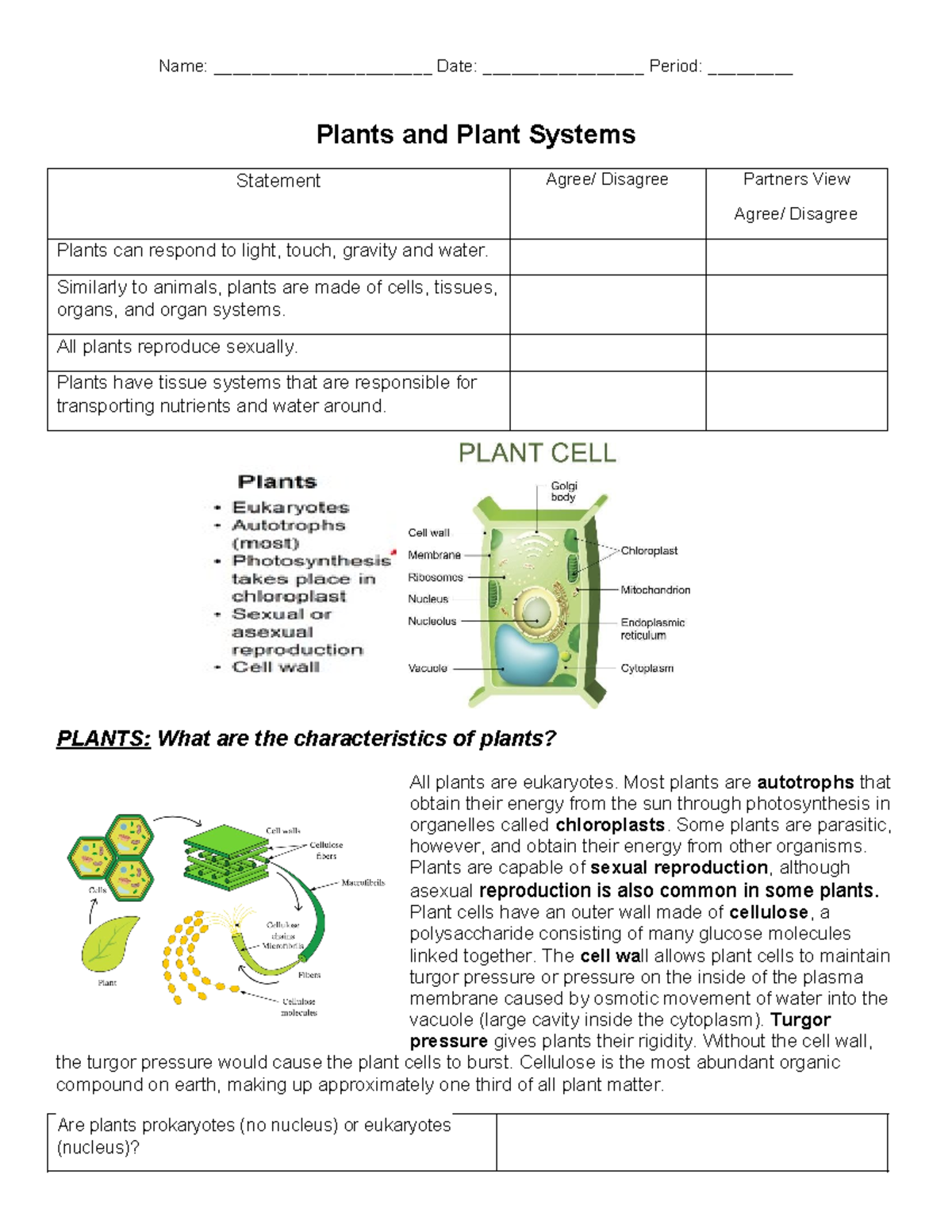
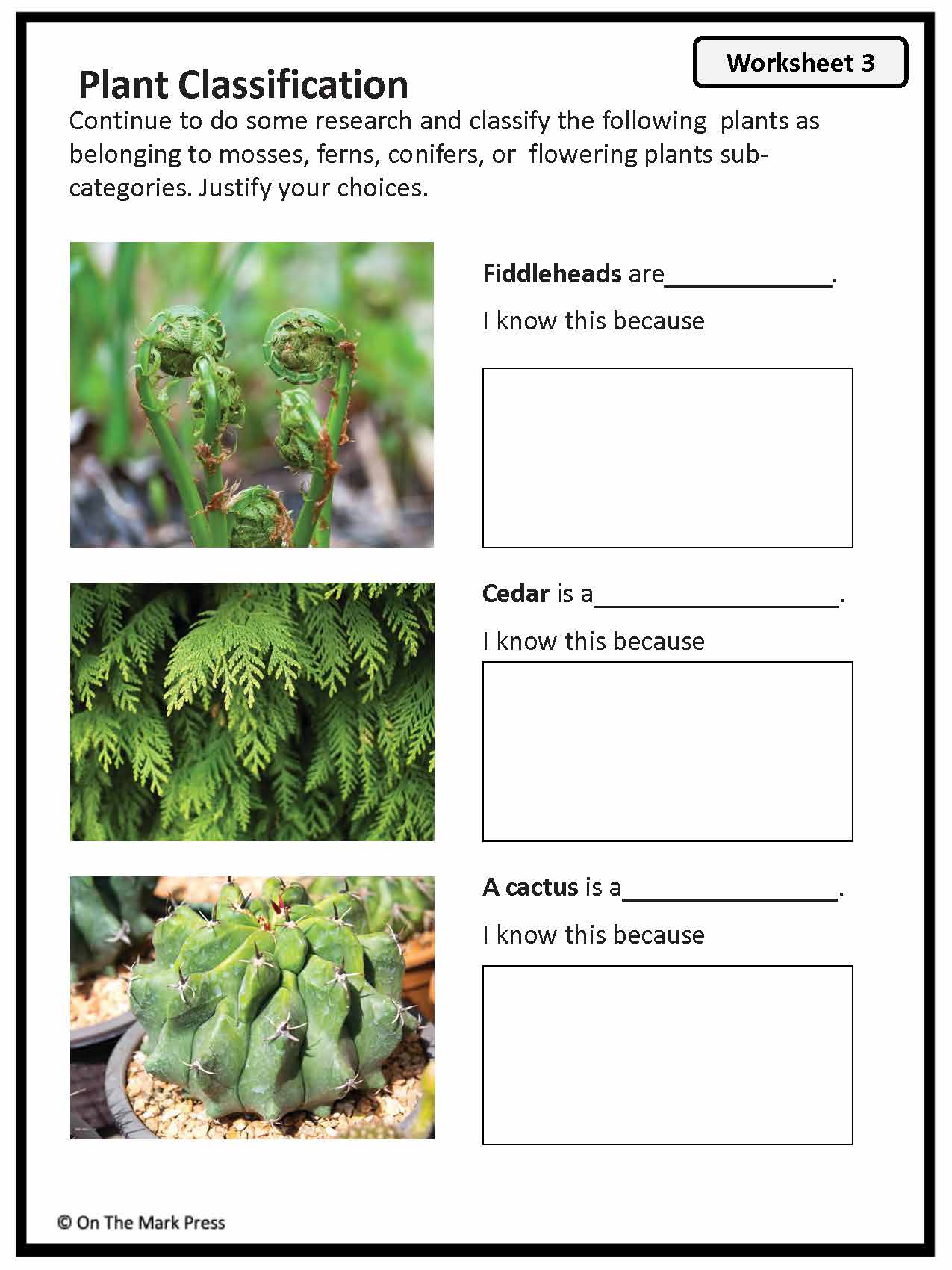
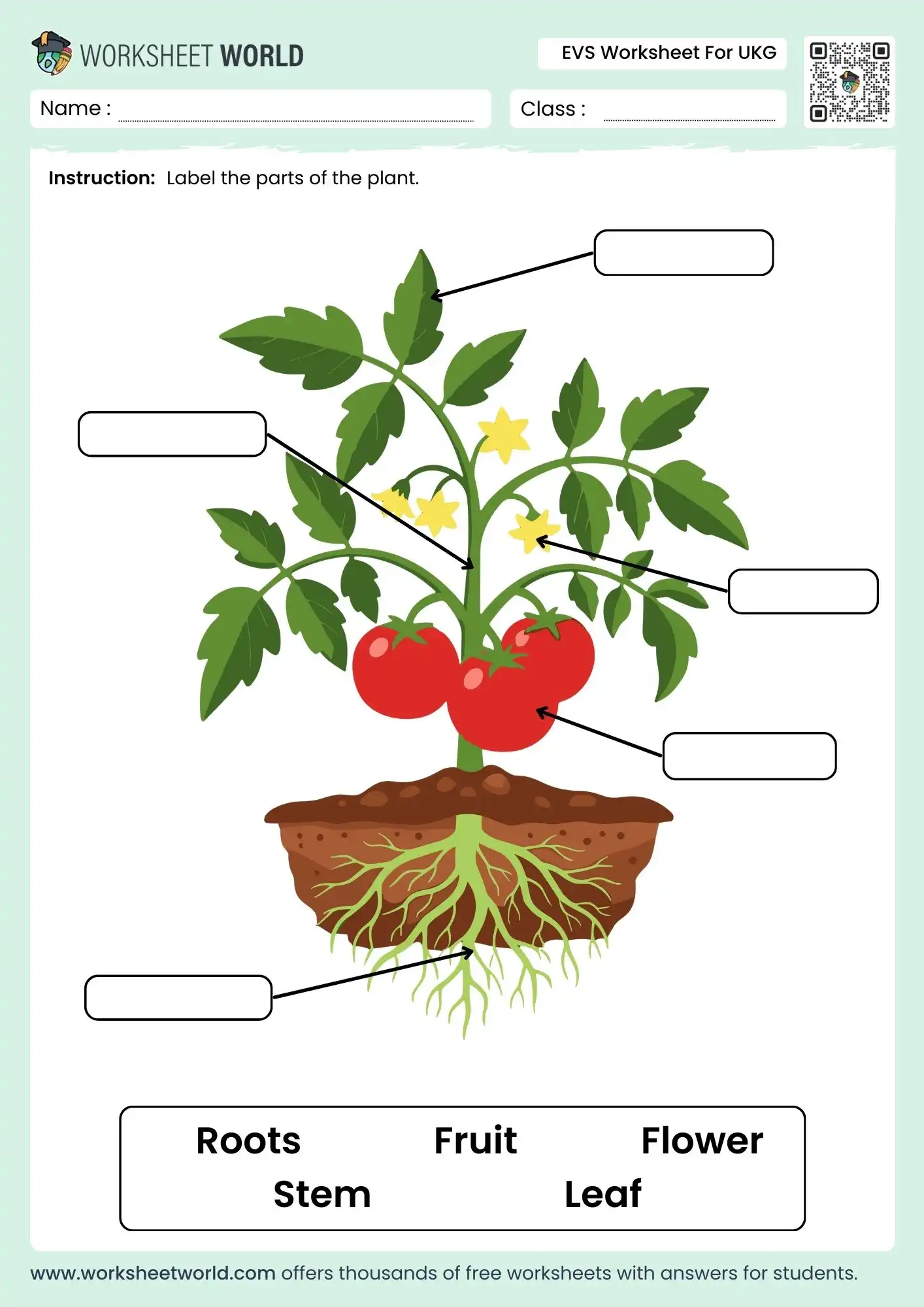
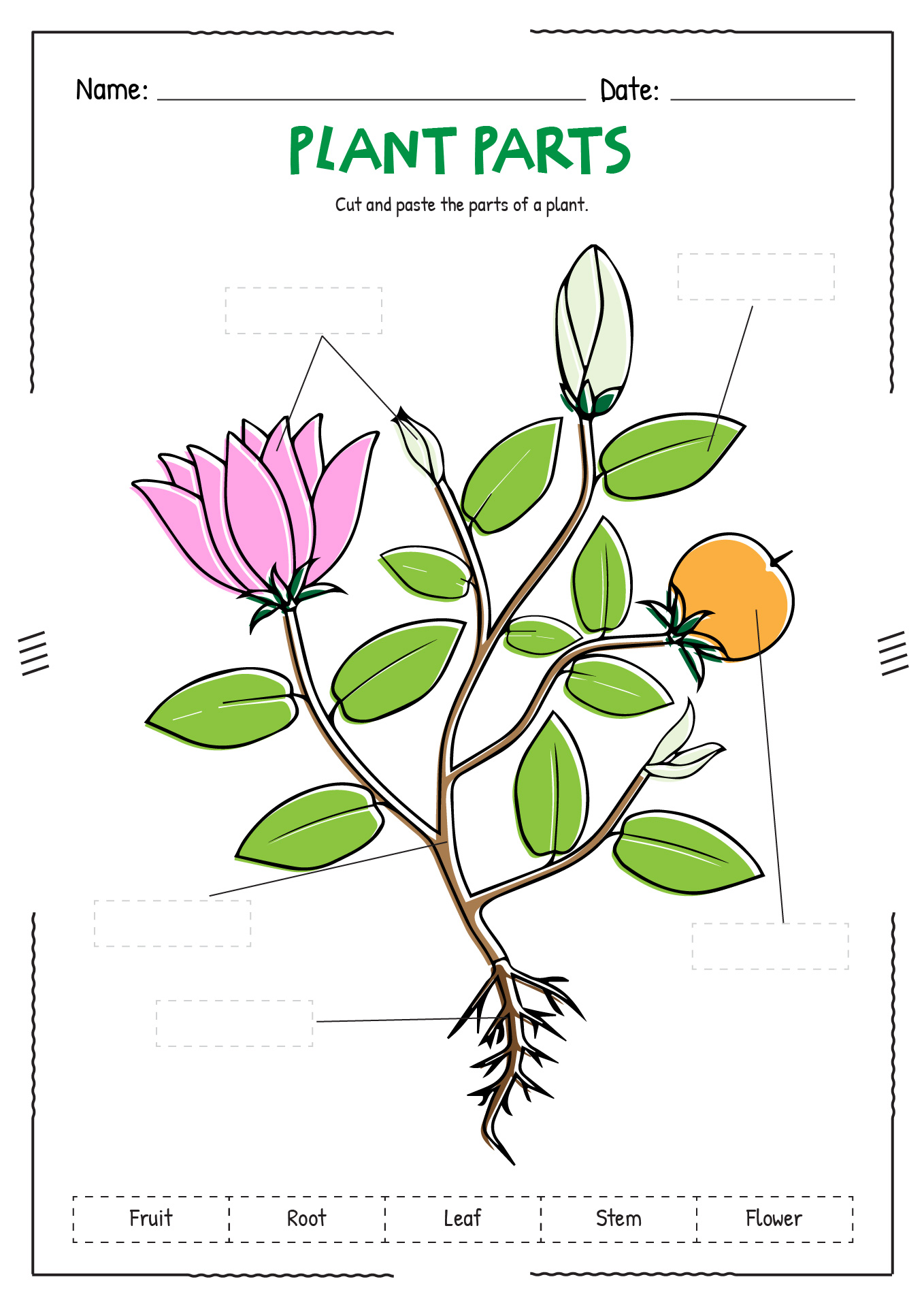
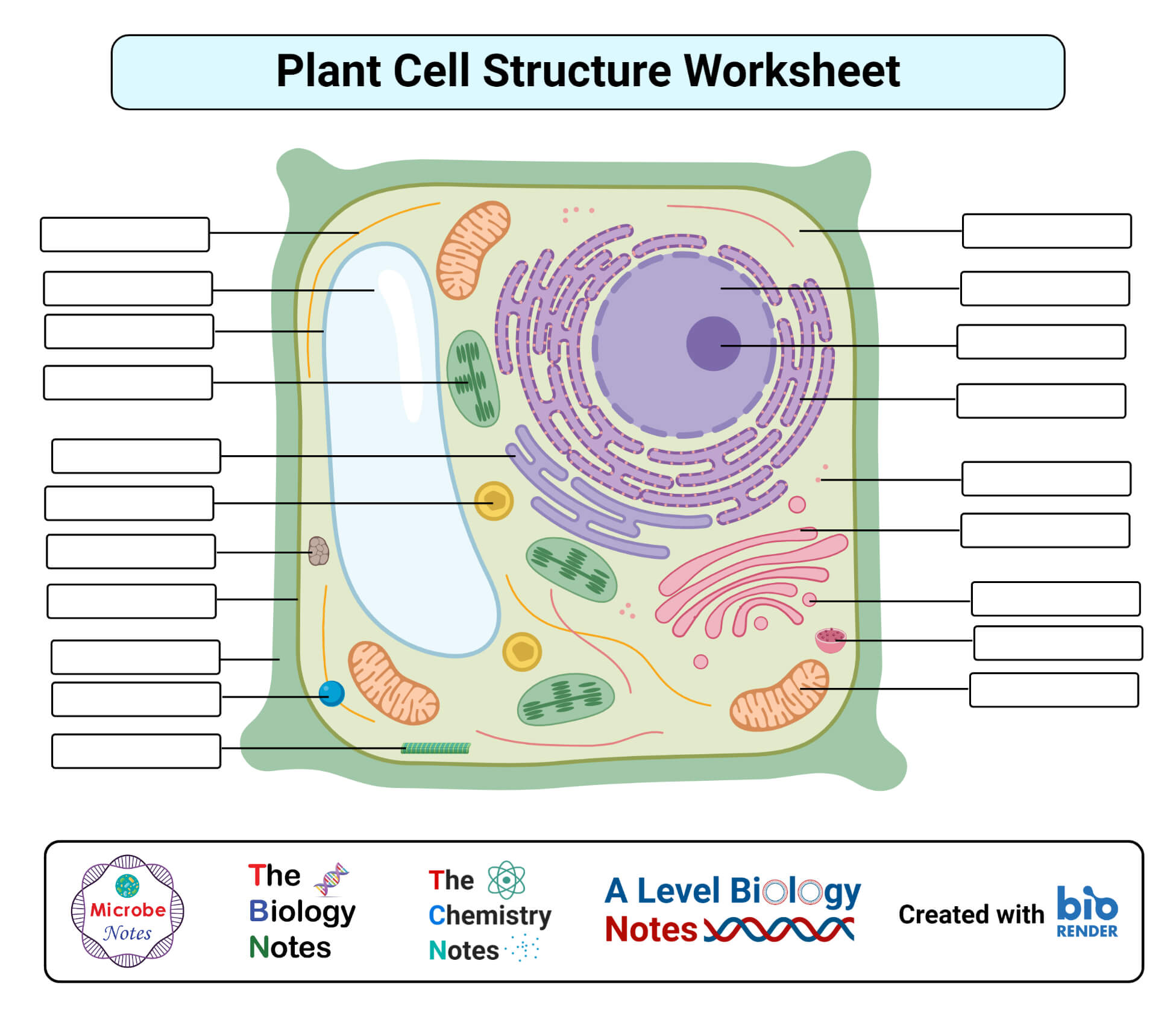
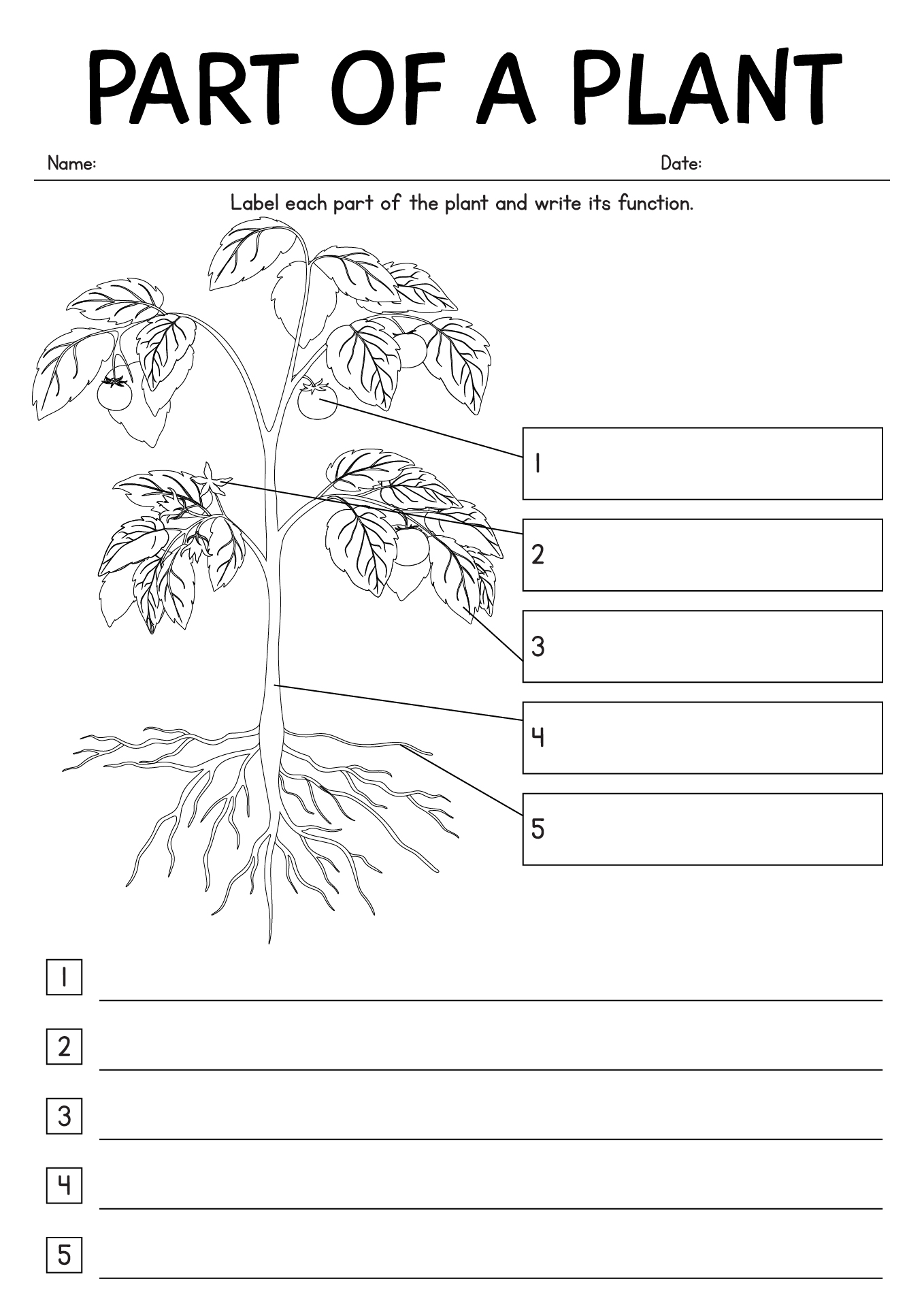
Plant Systems Worksheet Pdf serves as an essential resource for educators aiming to deepen students’ grasp of plant biology. By integrating clear diagrams, targeted questions, and practical activities, this PDF transforms the abstract world of plant anatomy into an engaging learning experience that aligns with modern curriculum standards.
Understanding Plant Systems and Their Importance

What Are Plant Systems?
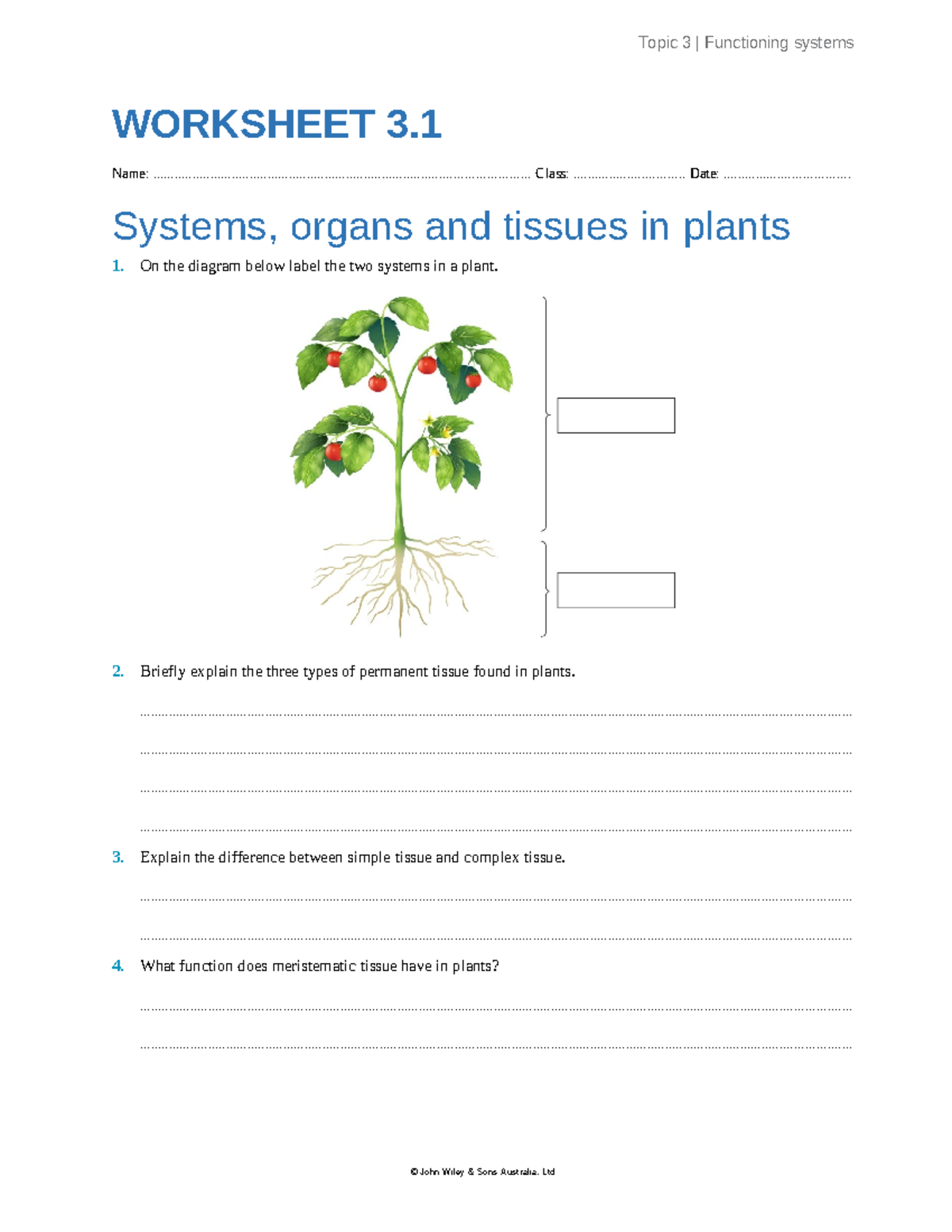
Plants are composed of interconnected systems that perform distinct but complementary functions. Each system—root, stem, leaf, reproductive, and vascular—works in harmony to secure water, nutrients, light, and reproductive success. Recognizing the role of each system helps students appreciate why plants thrive in diverse environments.
Why Study Them in Schools
Integrating plant system studies into science curricula equips learners with critical thinking skills. Analyzing how roots anchor a plant, how stems transport sap, or how leaves capture light fosters inquiry and observation. These concepts also provide a foundation for advanced topics such as genetics, ecology, and biotechnology.
Key Plant Systems Covered in the Worksheet

Root System
The root system anchors the plant and absorbs water and minerals. The worksheet encourages students to label taproots, fibrous roots, and adventitious roots on sample diagrams. It also prompts them to answer questions about how root hairs increase surface area and how root pressure contributes to water movement.
Stem System
Stems provide support and transport channels. Students learn to distinguish between primary and secondary growth, identify vascular bundles, and recognize the protective layers such as the bark and cambium. The worksheet includes a section where students trace the path of xylem and phloem from the root to the leaf.
Leaf System
Leaves are the primary site of photosynthesis. The worksheet guides students to identify the palisade and spongy mesophyll layers, stomata, and epidermal adaptations. Interactive questions ask learners to predict how leaf shape changes in desert versus rainforest environments.
Reproductive System
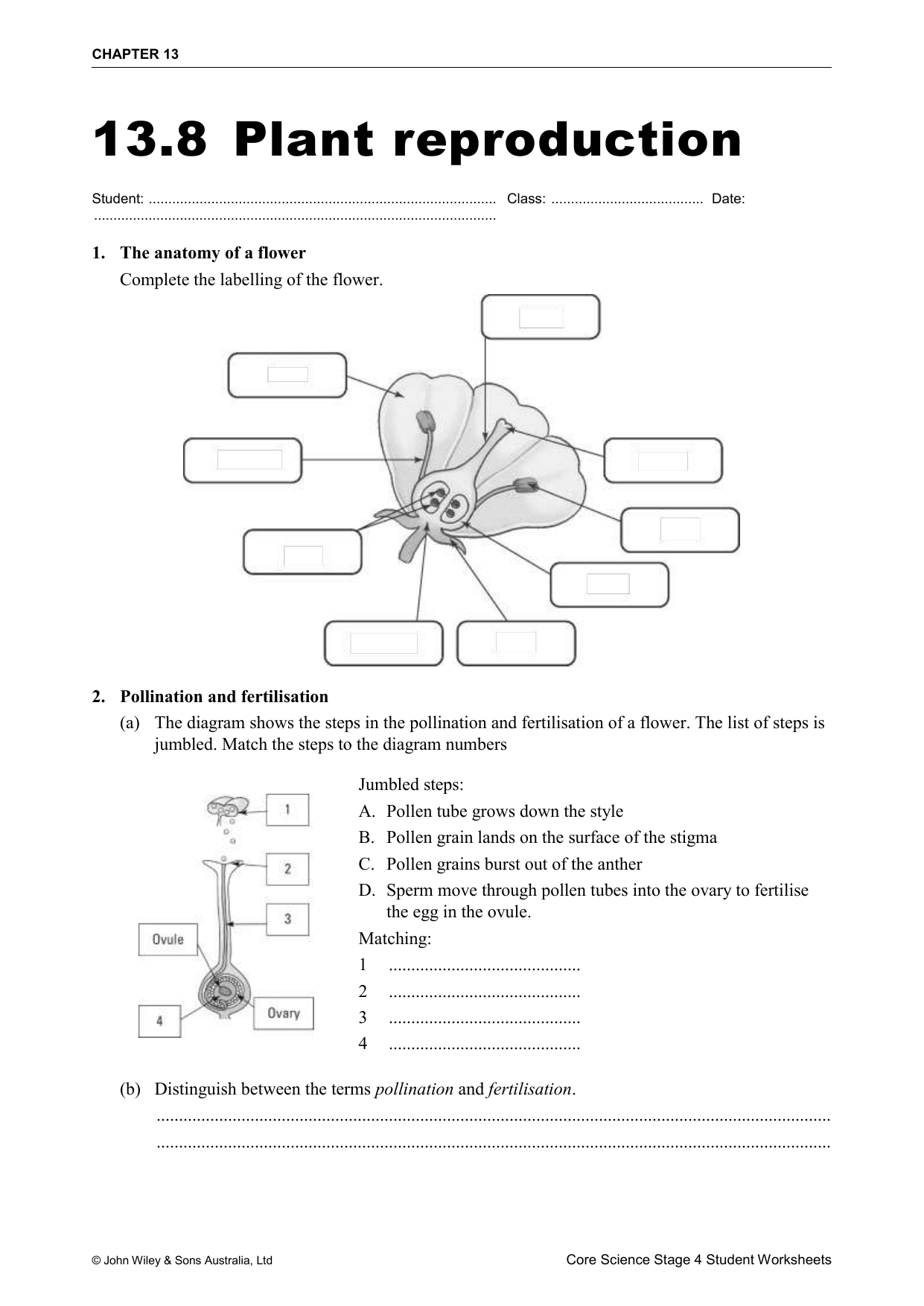
Reproductive structures—flowers, fruits, and seeds—ensure species survival. The worksheet provides labeled diagrams of angiosperm and gymnosperm reproductive organs. Students answer comparative questions, such as the differences between ovules in monocots versus dicots.
Vascular System
Water and nutrient transport is coordinated through xylem and phloem. The worksheet presents cross-sectional views of a stem, asking learners to identify the arrangement of vascular bundles in monocots, dicots, and monocotyledonous grasses. Students also analyze how changes in bundle arrangement influence plant stability.
How to Use the PDF Effectively
Preparing the Classroom
Before distributing the PDF, ensure each student has a copy of the accompanying worksheet or an electronic device. Arrange desks in a U‑shape to facilitate group discussions. Display a large printout of a plant diagram on the board for reference.
Step‑by‑Step Guide
- Introduce the Concept: Begin with a short lecture on the role of each plant system, using real‑world examples such as cacti storing water or oak trees developing deep taproots.
- Explore the Diagram: Allow students to annotate the diagram in the PDF, circling terms they are unfamiliar with.
- Group Analysis: Divide the class into small groups, assigning each group one system to research and present.
- Worksheet Completion: Students complete the PDF questions individually, checking their answers against a shared answer key.
- Debrief: Conduct a whole‑class discussion to resolve misconceptions and reinforce key points.
Integrating Hands‑On Activities
Link the PDF to tactile experiences. Provide real plant specimens or seed samples so students can observe root hairs or stomata under a microscope. Pair these observations with PDF questions that ask learners to correlate what they see with the diagrams.
Assessment Ideas and Grading

Formative Assessment
Use quick quizzes based on the worksheet questions to gauge understanding after each module. Give instant feedback through short answer prompts, enabling students to correct mistakes promptly.
Summative Assessment
At the end of the unit, assign a project where students create their own annotated plant diagram using the PDF format. Grading should assess accuracy, creativity, and the ability to explain the function of each system.
Rubric Development
Develop a rubric that emphasizes four criteria: 1) accuracy of labels, 2) depth of explanations, 3) integration of real‑world examples, and 4) presentation quality. This balanced approach ensures students value both content and communication.
Common Challenges and Solutions

Misconceptions About Plant Systems
Students often conflate roots with stems or think all leaves are the same. Use the PDF’s side‑by‑side comparison tables to explicitly address these misconceptions. Encourage peer teaching; have students explain differences to classmates.
Resource Constraints
Limited access to microscopes or specimen kits can hinder learning. Offer virtual microscopy simulations or high‑resolution images that students can view online. Additionally, the PDF can be printed and laminated for reuse.
Student Engagement Issues
Monotonous worksheets can reduce engagement. Inject variety by adding short video clips of plants in different habitats, or incorporate a “plant mystery” activity where students deduce plant species based on system traits.
Digital Enhancements and Extensions
Online Simulations
Augment the PDF with interactive simulations that model water transport through xylem or photosynthetic processes in chloroplasts. Students can manipulate variables—light intensity, CO₂ concentration—and observe outcomes, reinforcing concepts from the worksheet.
Virtual Field Trips
Leverage virtual tours of botanical gardens or rainforests. Have students take notes using the PDF’s question prompts as a guide, creating a real‑time connection between the worksheet and natural settings.
Interactive PDFs
Convert the static PDF into an interactive format that includes clickable labels, drag‑and‑drop activities, and embedded quizzes. This format increases engagement and provides immediate feedback on student responses.
Conclusion

By thoughtfully integrating the Plant Systems Worksheet Pdf into classroom practice, educators can transform abstract botanical concepts into tangible, memorable lessons. Clear diagrams, guided questioning, and hands‑on activities together foster a deeper understanding of how plants thrive. As students move from labeling structures to explaining their functions, they build a robust foundation for future scientific inquiry. Embrace these strategies, and watch curiosity bloom across the classroom.