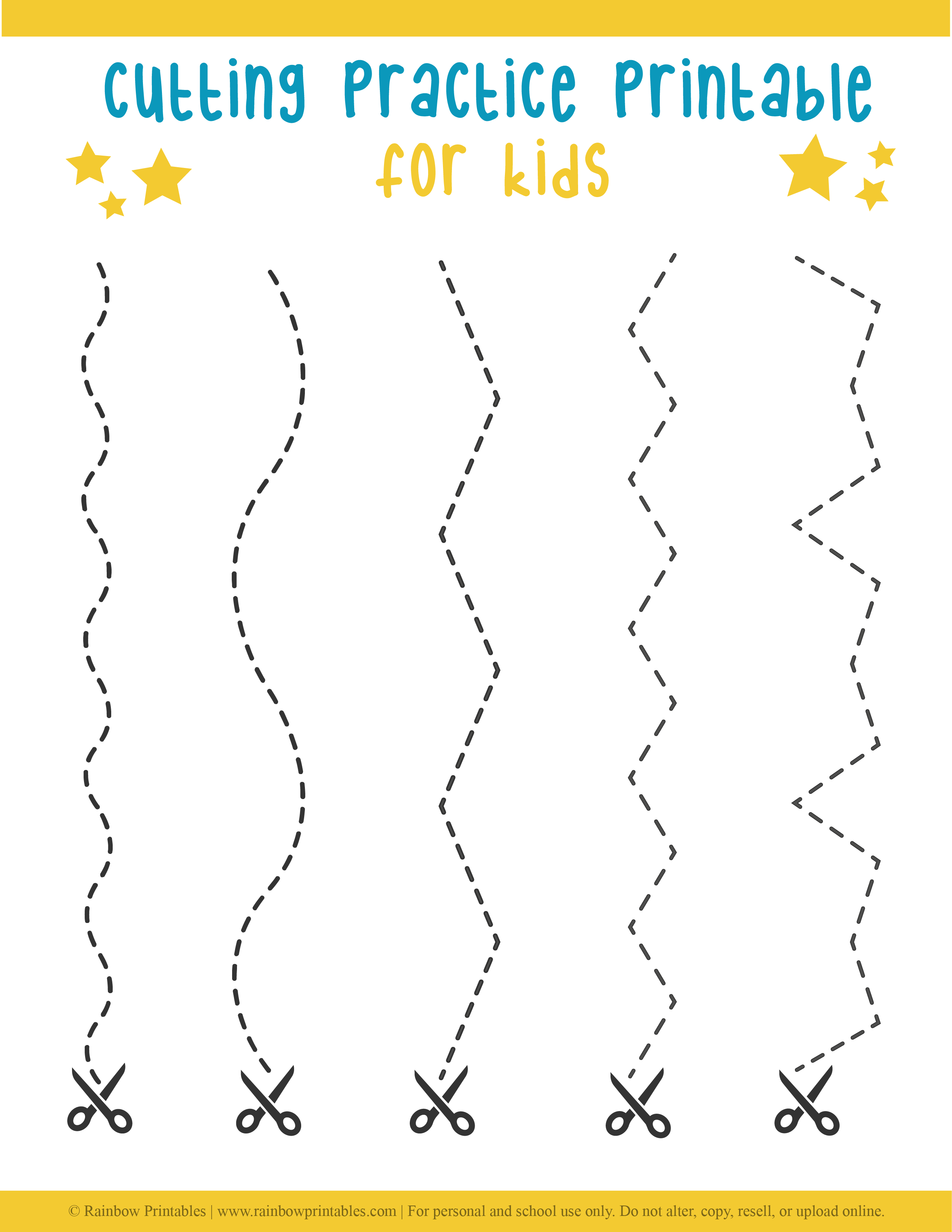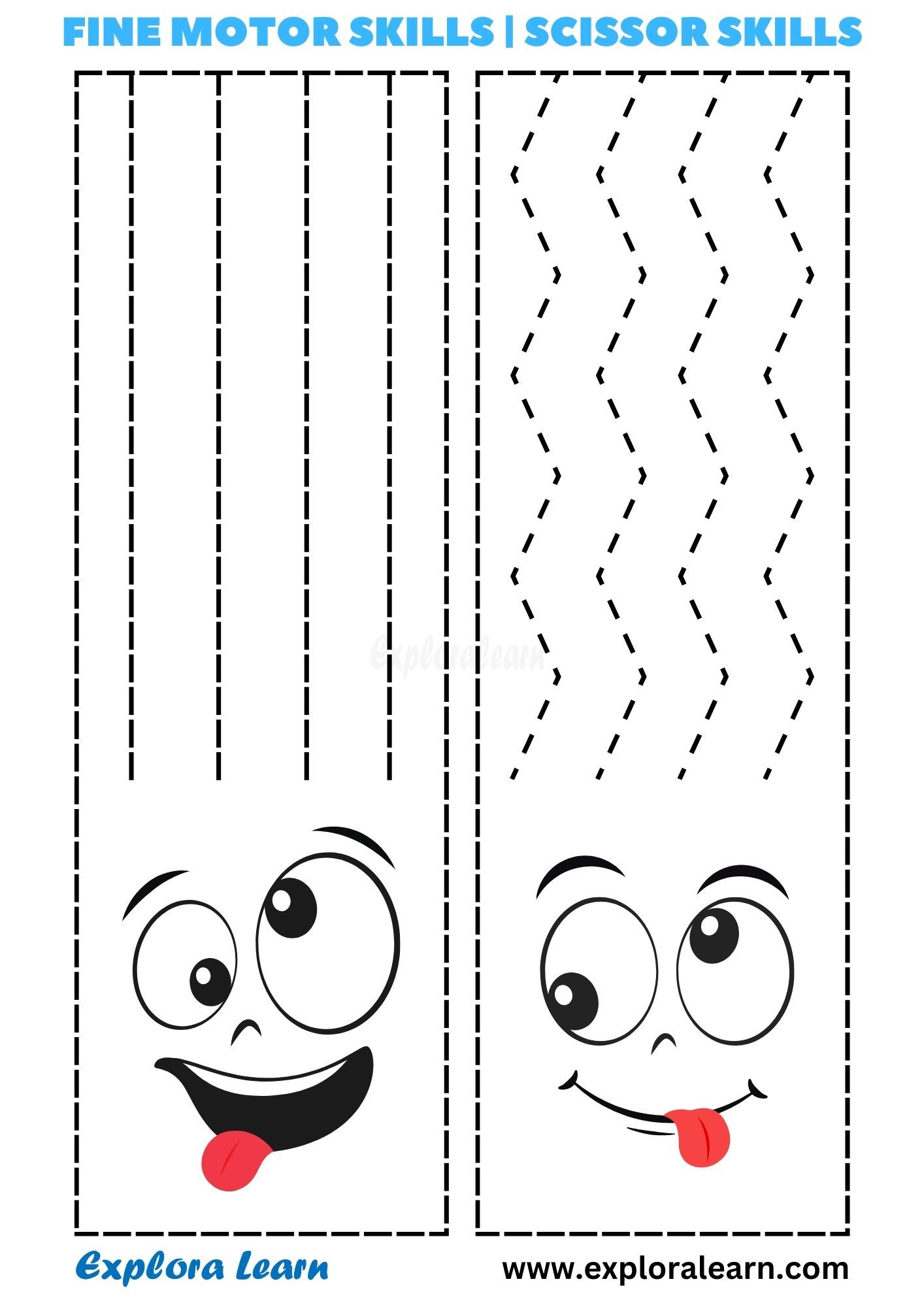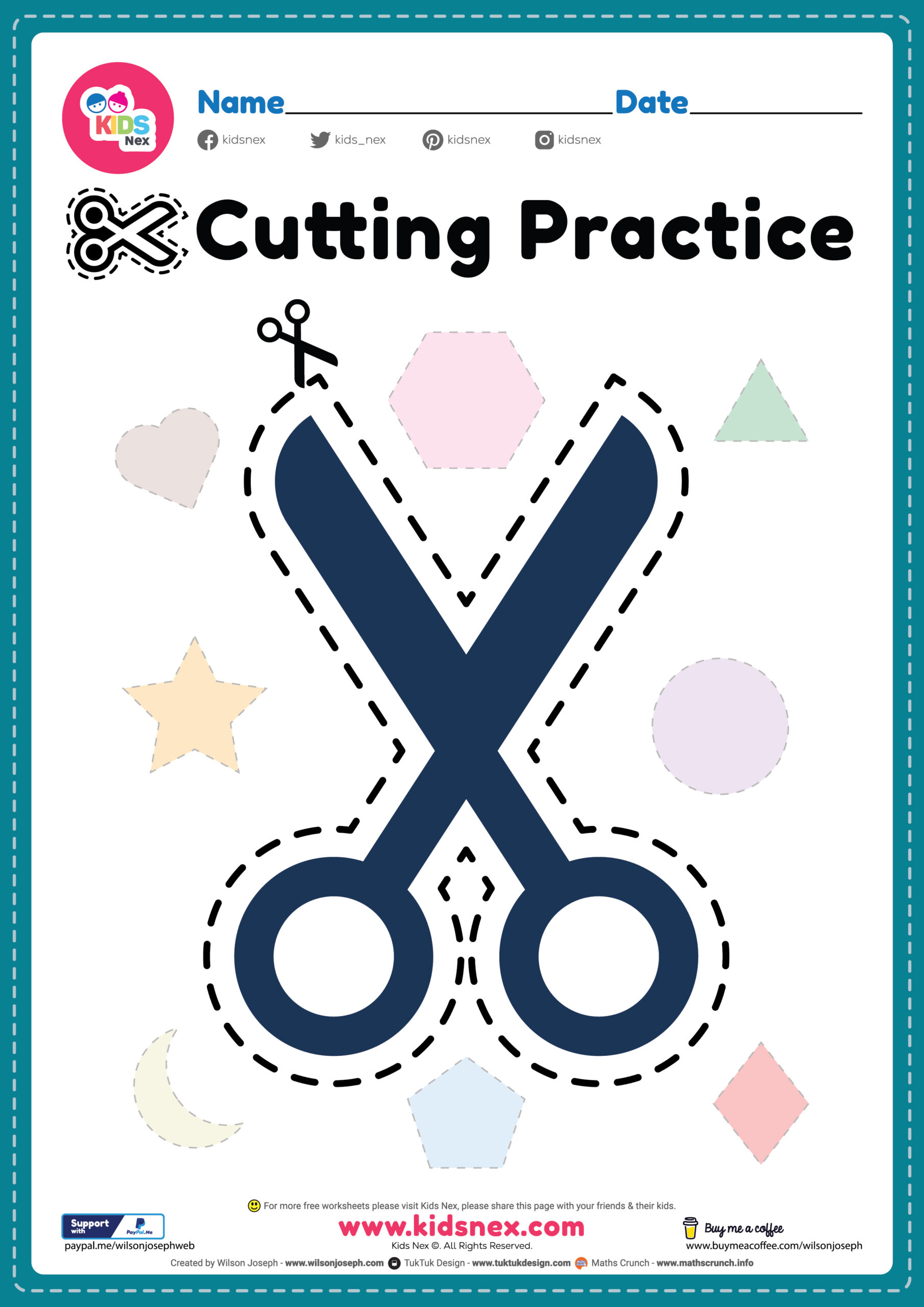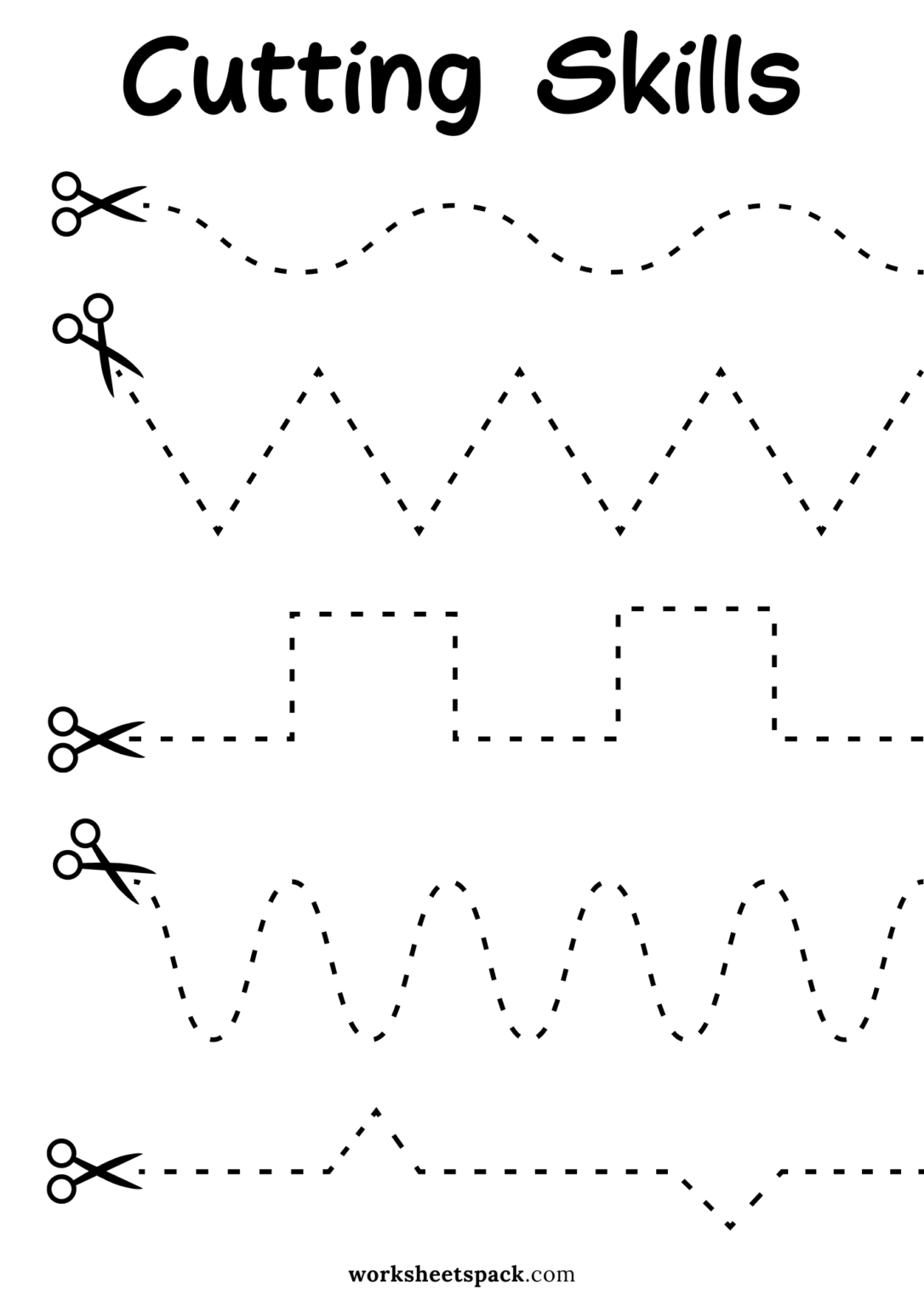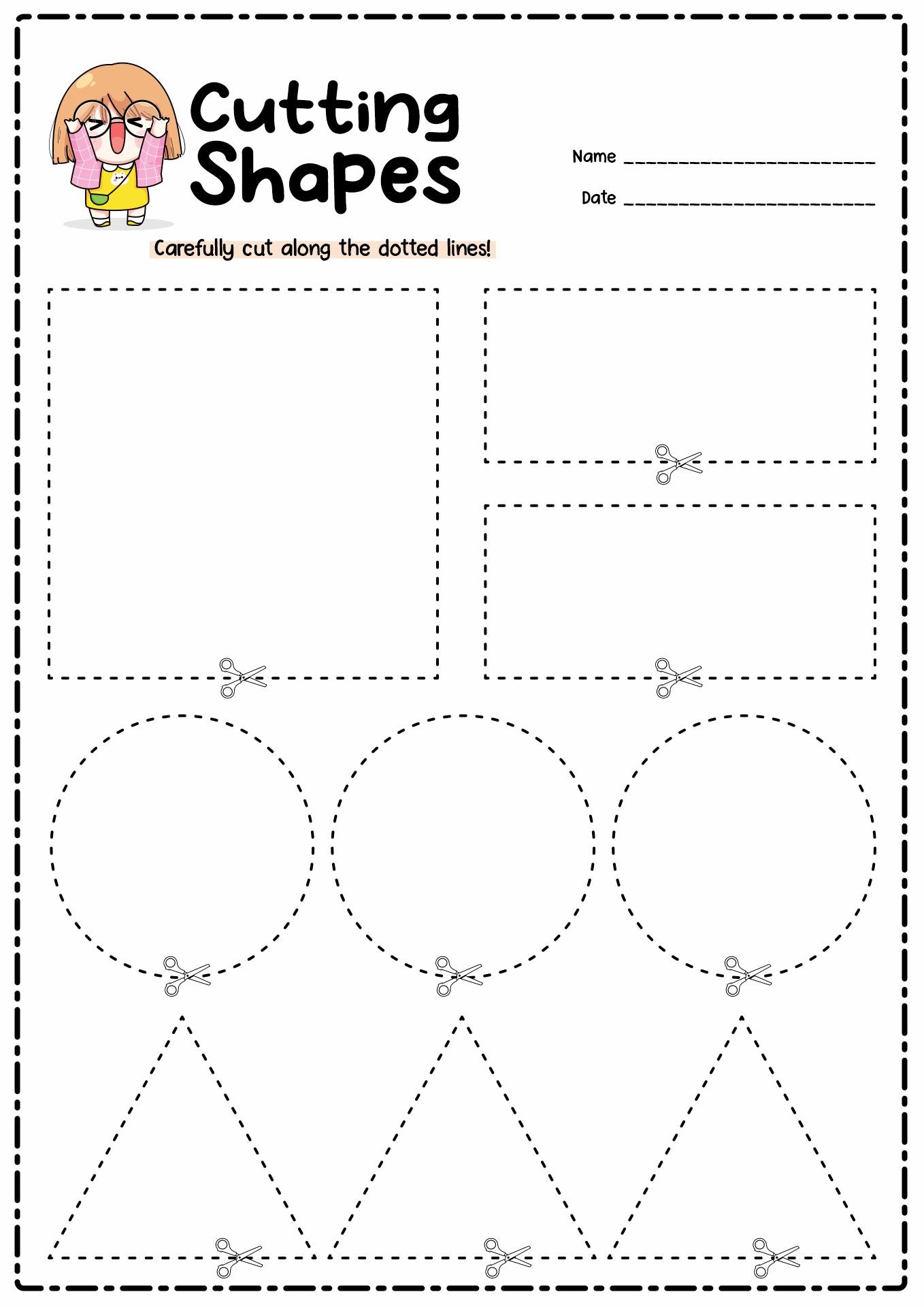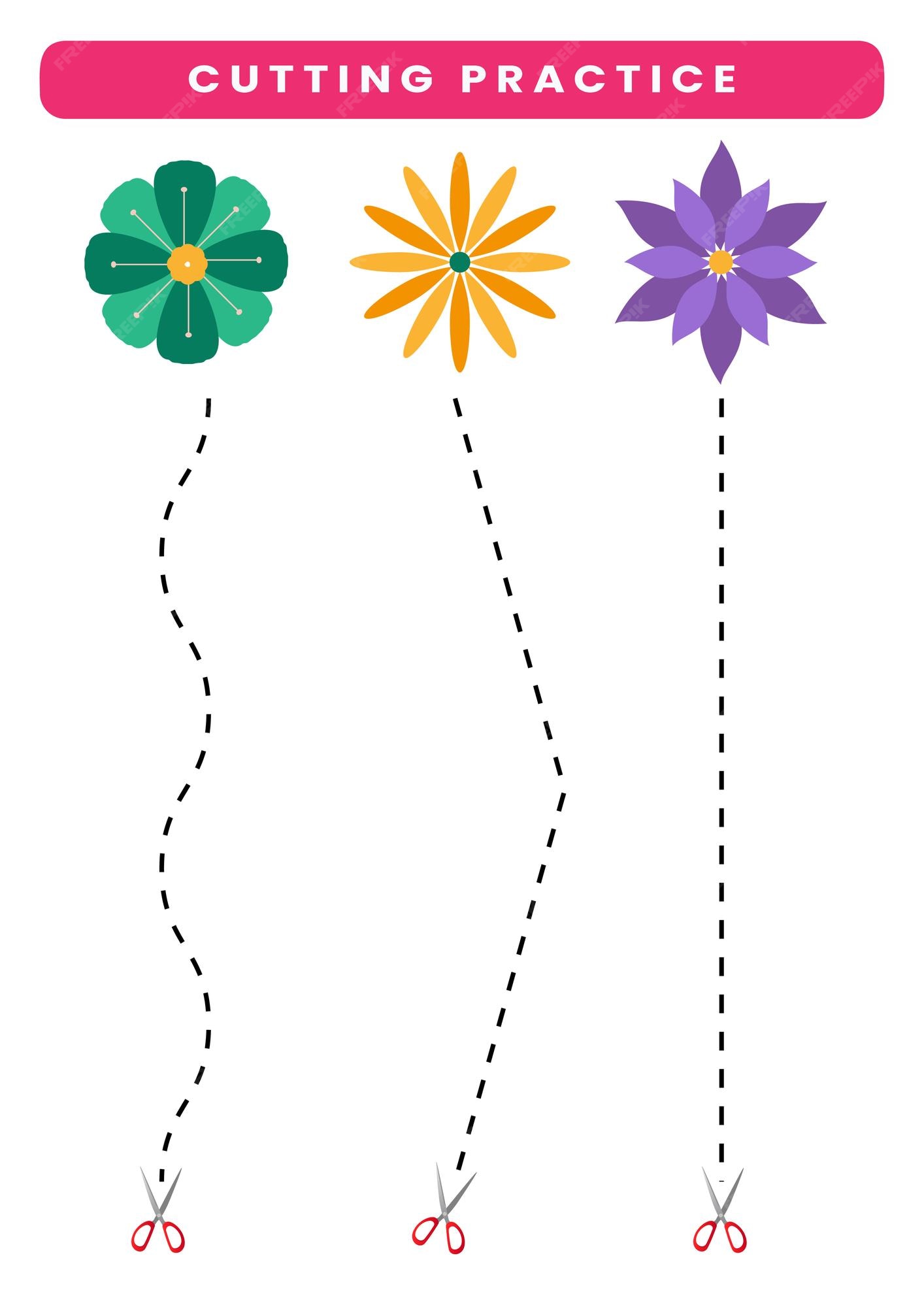
Preschool Cutting Skills Worksheets play a pivotal role in shaping the fine motor abilities of young children. When thoughtfully selected and used, these worksheets become a gateway to confidence, independence, and a love for learning. By integrating culturally resonant themes and interactive elements, parents and teachers can turn a simple cutting exercise into a joyous exploration of art, science, and everyday life.
Why Cutting Skills Matter in Early Childhood

Fine Motor Development
Precise hand movements require coordination between vision, muscle control, and brain processing. Cutting with scissors introduces a rhythmic motion that strengthens the small muscles in fingers and wrists, laying the groundwork for writing, buttoning, and other everyday tasks.
Cognitive Growth
When a child follows a shape outline, they practice spatial awareness, geometry, and problem‑solving. Recognizing the difference between straight lines and curves helps develop early math concepts.
Self‑Confidence and Independence
Successfully completing a cutting task gives children a tangible sense of accomplishment. This boost in confidence encourages them to tackle new challenges, fostering a lifelong love of learning.
Cultural Connection
Integrating familiar Asian motifs—such as cherry blossoms, origami cranes, or dragon silhouettes—allows children to see their heritage reflected in everyday learning, making the activity feel personal and meaningful.
Choosing the Right Preschool Cutting Skills Worksheets
Age‑Appropriate Design
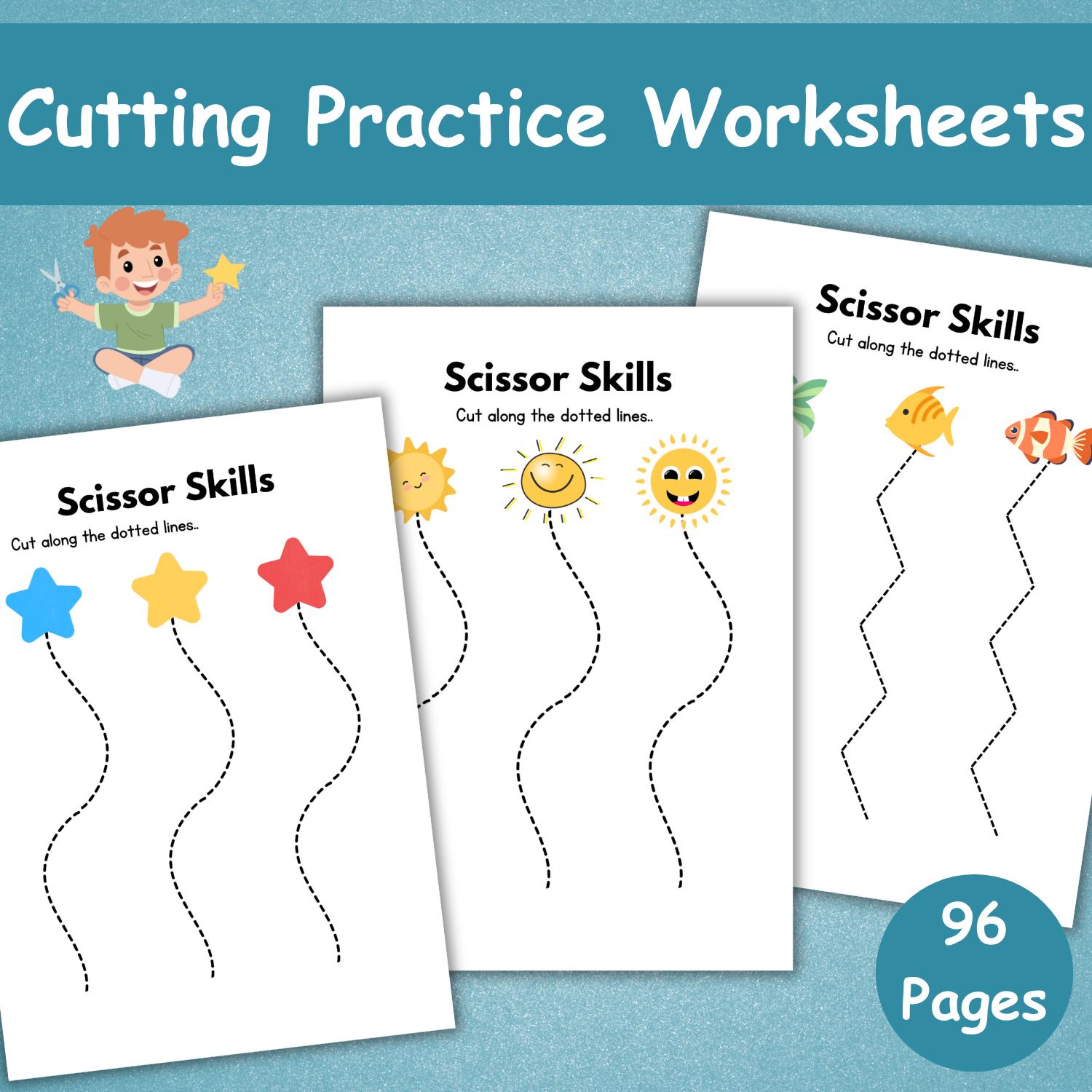
Worksheets should match the child’s developmental stage. For ages 3‑4, focus on simple shapes and wide lines; for ages 4‑5, introduce more complex patterns and smaller cutouts.
Visual Clarity
Bold lines, high contrast colors, and minimal background clutter help young learners focus on the task rather than the surrounding design.
Material Compatibility
Ensure that the worksheets are printed on sturdy paper that can withstand repeated cutting. A matte finish reduces glare, making it easier for children to see the cutting lines.
Educational Themes
Choose worksheets that weave in everyday subjects—food, animals, festivals, or family scenes—so that cutting becomes a gateway to broader learning.
Accessibility and Inclusivity
Include diverse representations of people, cultures, and abilities to promote empathy and inclusion from an early age.
Top Themes for Engaging Preschoolers
Traditional Asian Art Motifs
- Origami cranes with step‑by‑step folding guides.
- Cherry blossom patterns that double as a lesson on seasons.
- Dragon silhouettes that introduce mythology.
Daily Life Scenarios
- Cutting a slice of pizza to teach shapes and portioning.
- Dividing a fruit into segments to discuss nutrition.
- Creating a family tree to explore kinship and cultural values.
Seasonal and Festival Celebrations
- Lanterns for Lunar New Year, with interchangeable colors for creativity.
- Rice paper cutouts for Mid‑Autumn Festival, encouraging gentle handling of delicate materials.
- Snowflake patterns for Winter celebrations, sharpening precision skills.
Interactive Story‑Based Sheets
Design worksheets that follow a short narrative, such as a character’s journey to find a hidden treasure. Each cutting step reveals a new part of the story, encouraging reading and comprehension alongside fine motor practice.
Step‑by‑Step Guide to Using Worksheets at Home
Preparation
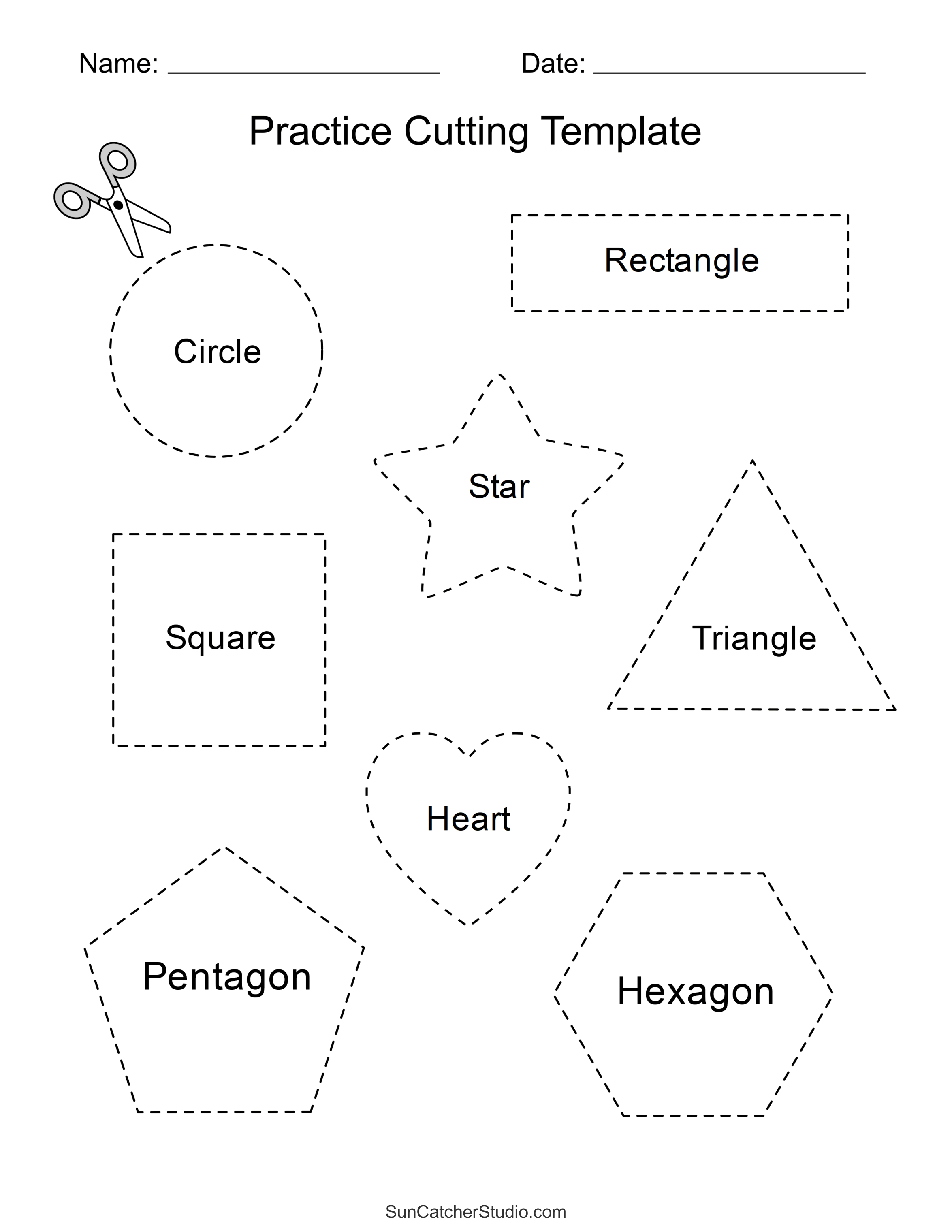
Gather a pair of child‑safe scissors, a cutting mat or sturdy cardboard, and a comfortable workspace. Place the worksheet on the mat and show the child how to hold the scissors properly.
Demonstrate the Cut
Lead by example. Show how to align the scissors with the outline and move steadily, emphasizing the importance of staying within the line.
Encourage Autonomy
After demonstrating, let the child try alone. Offer gentle prompts—such as “keep your hands on the paper”—if they drift off track.
Reflect on the Result
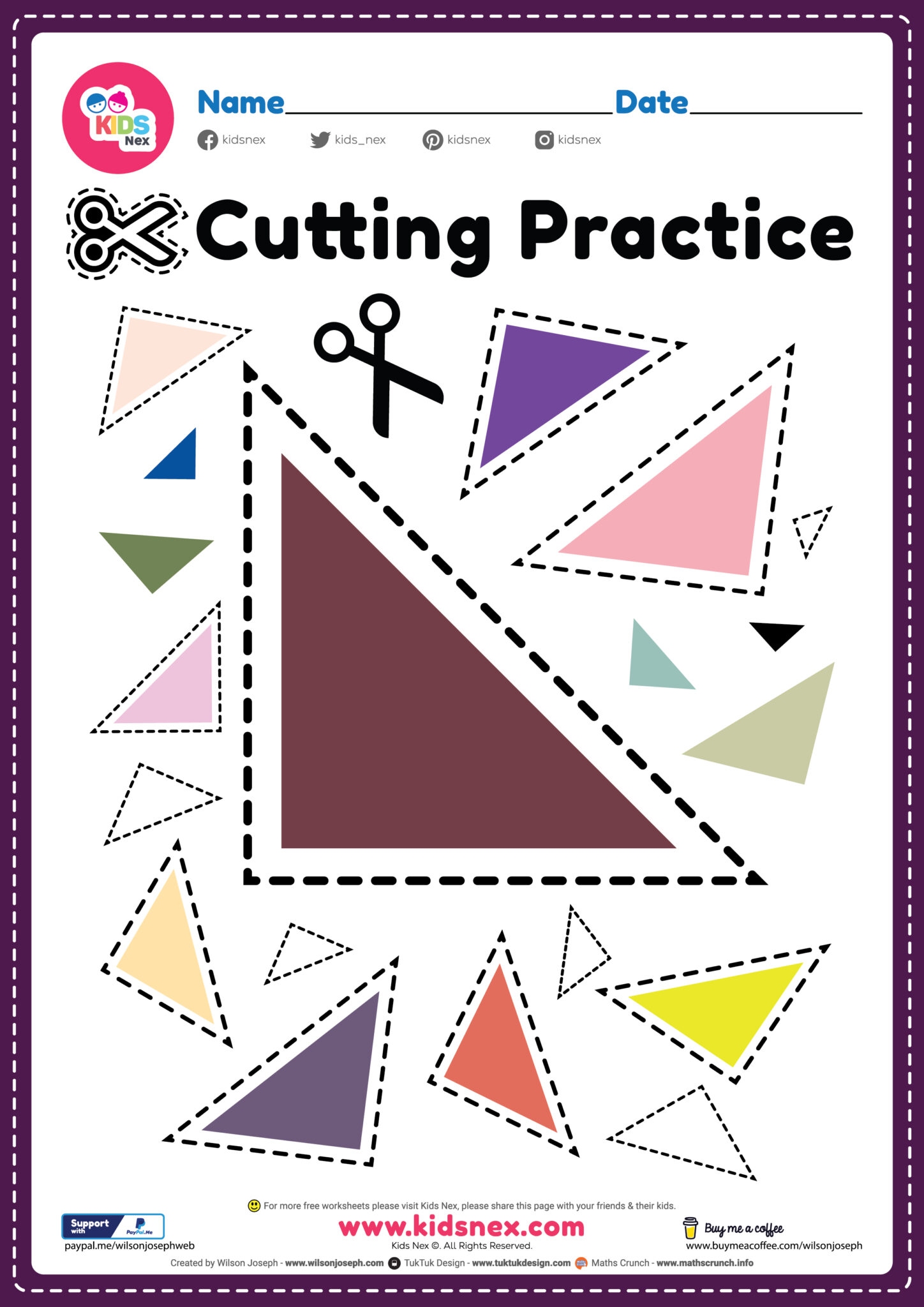
Once the cut is complete, praise the effort, not just the accuracy. Discuss what shape was cut and how it relates to the lesson (e.g., “You cut a circle, which is like a moon!”).
Reinforce with Follow‑Up Activities
Use the cut shapes to build a collage, match them to real objects, or incorporate them into a simple recipe, thereby reinforcing the connection between cutting and real‑world application.
Safety Tips for Small Hands
Select Child‑Safe Scissors
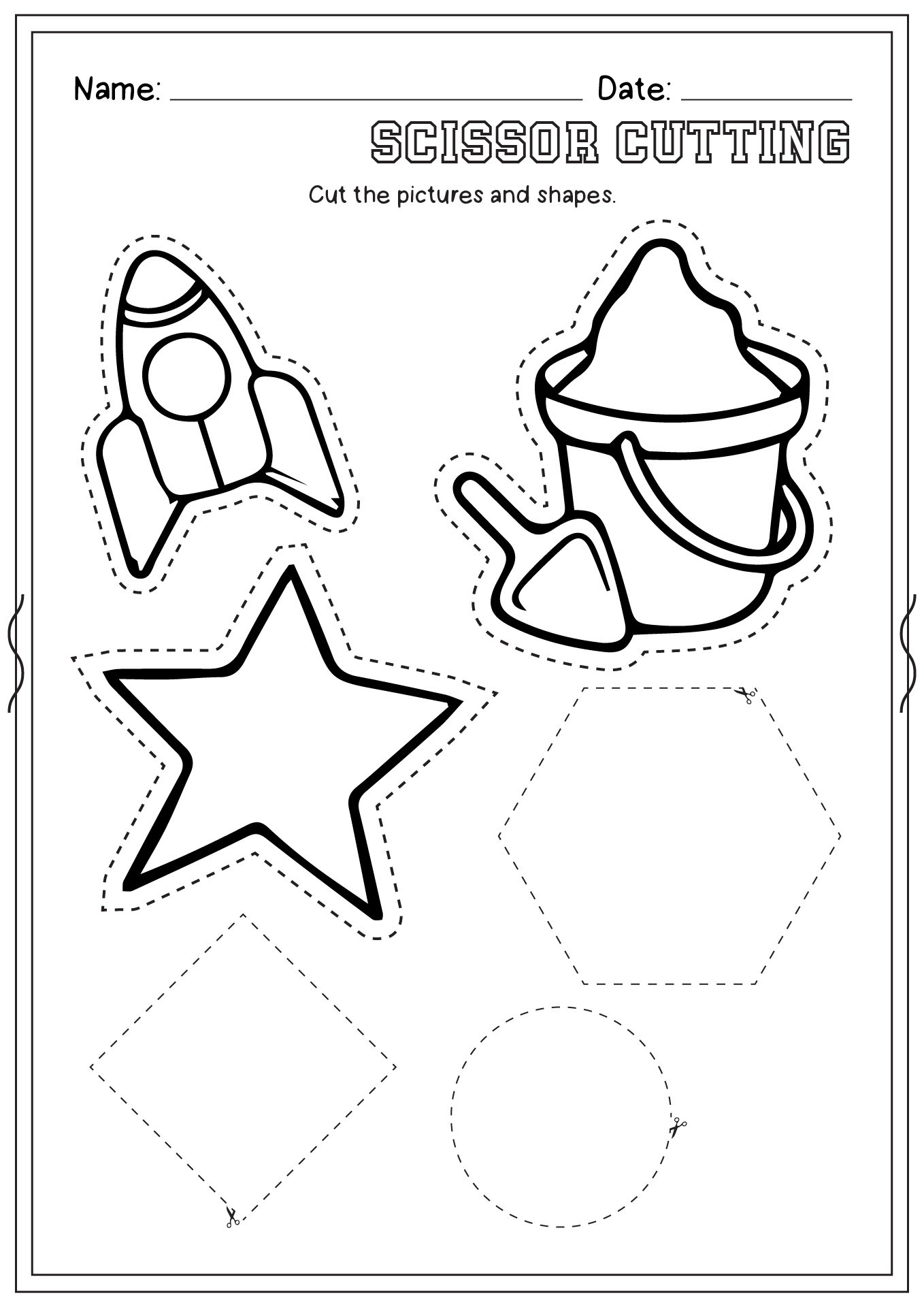
Opt for scissors with rounded tips and a soft, rubberized handle to reduce injury risk.
Supervised Practice
Never leave young children with scissors unattended. Even with safe tools, guidance ensures proper technique and safety.
Teach Proper Grip
Show how to hold the scissors with the thumb on one blade and the index finger on the other, keeping the cutting edge pointed away from the body.
Use a Cutting Mat
A soft mat protects surfaces and provides a safe cutting zone, preventing accidental slips.
Encourage Calm Movement
Explain the importance of steady hands. Rapid, jerky motions lead to uneven cuts and potential accidents.
Creative Extensions Beyond the Worksheet
Layering and Collage Projects
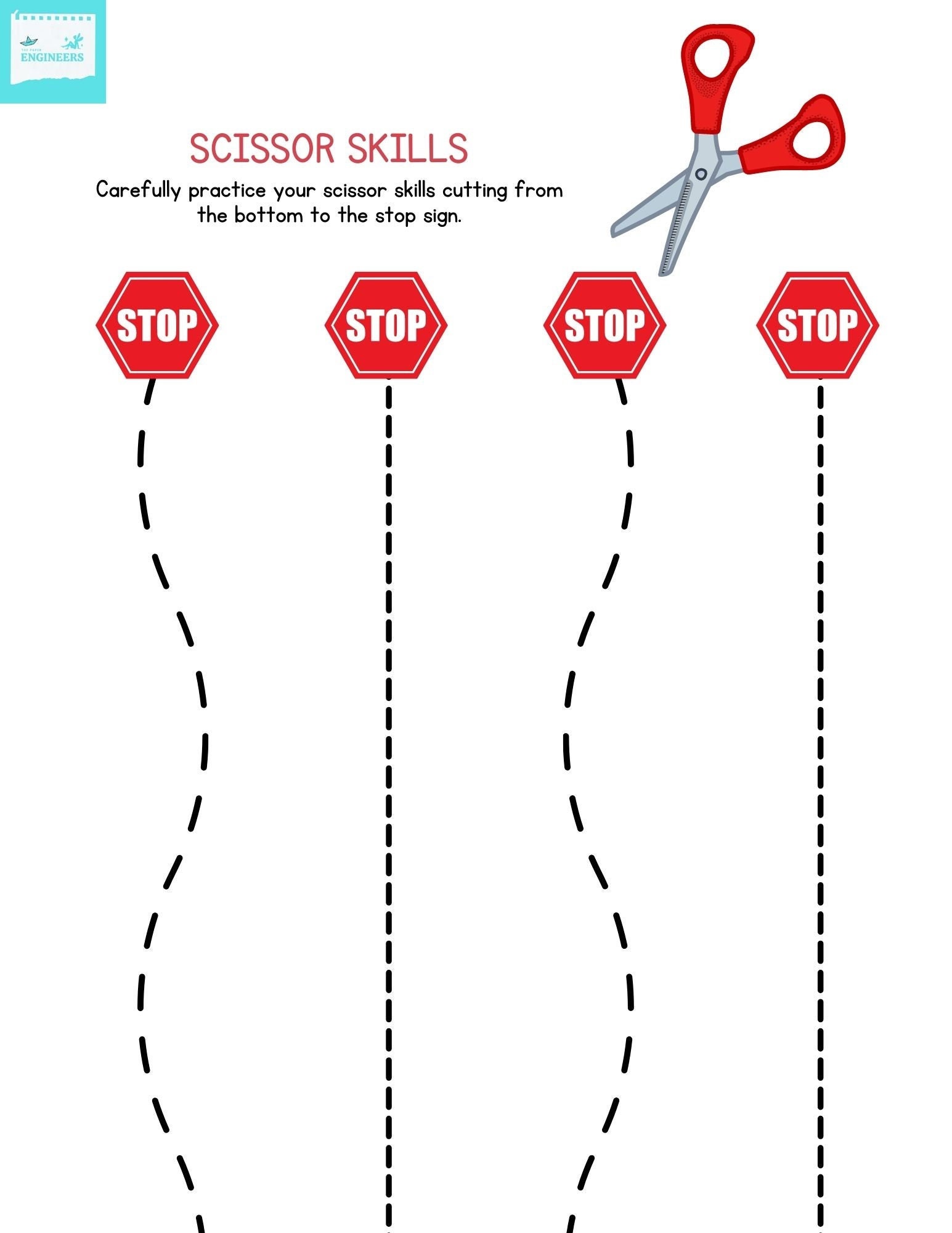
Stack cut shapes to create depth, teaching concepts of foreground, middle ground, and background.
Storybook Illustrations
Use cutouts to illustrate a child’s own story, fostering narrative skills and visual storytelling.
Educational Games
Transform cut shapes into a matching game or a simple puzzle that encourages memory and recognition.
Digital Integration
Scan the completed worksheets and use graphic design software to add color, shading, or combine with other digital assets for a modern twist.
Common Challenges and How to Overcome Them

Inconsistent Cutting Lines
Practice with thicker markers or outline with a darker pencil. Offer frequent feedback and celebrate small improvements.
Lack of Concentration
Keep sessions short—10 to 15 minutes—then gradually increase as focus improves. Incorporate movement breaks between worksheets.
Frustration with Complexity
Break complex shapes into smaller segments. Use a “step” approach, cutting one portion at a time.
Safety Concerns
Revisit the safe cutting routine before each session and adjust the environment to eliminate clutter or slippery surfaces.
Conclusion
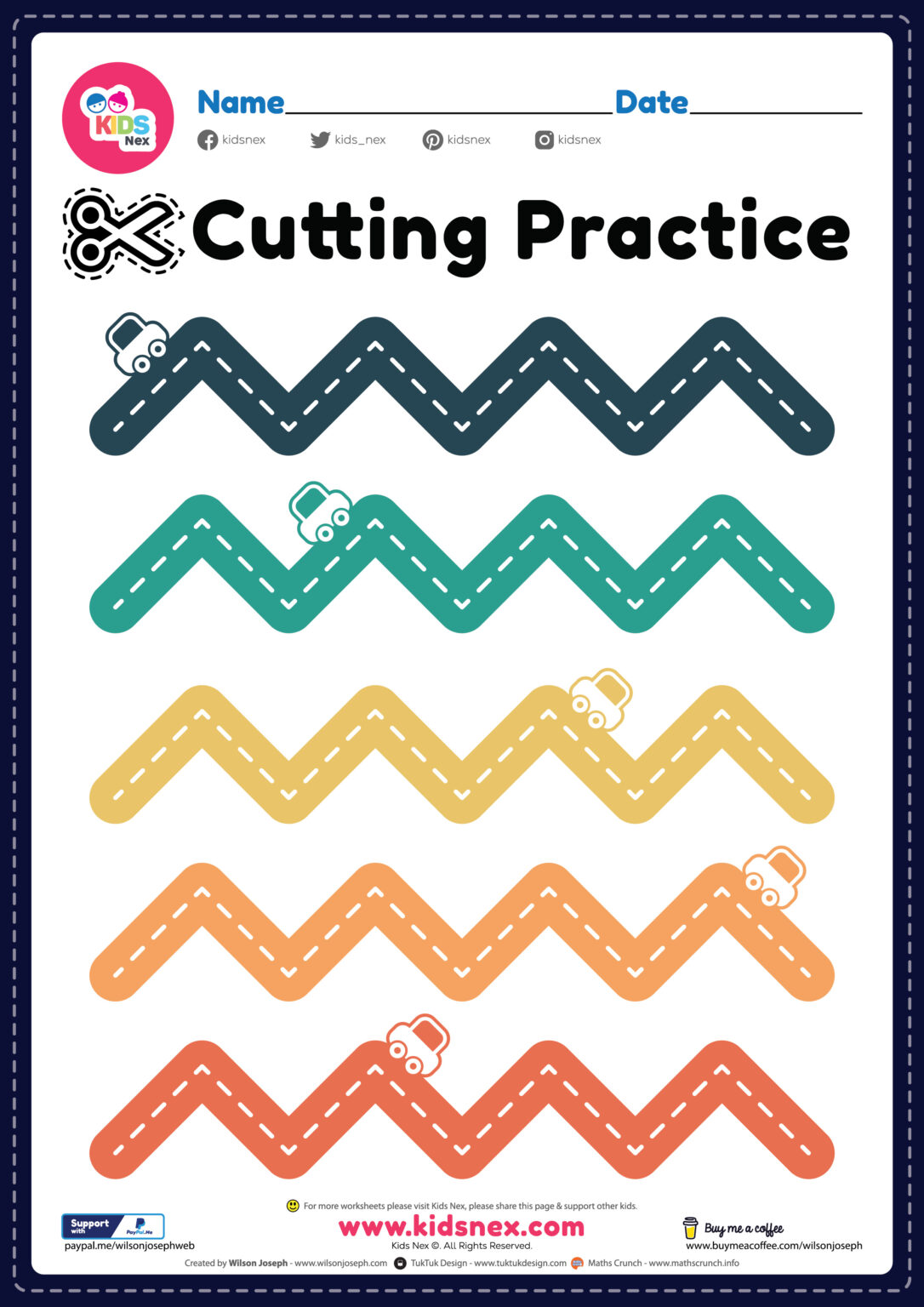
Preschool Cutting Skills Worksheets are more than a simple pastime; they are a multifaceted educational tool that nurtures fine motor precision, cognitive reasoning, and cultural identity. By selecting age‑appropriate, visually engaging sheets and guiding children through a structured yet playful cutting journey, parents and educators can unlock a world of learning. With mindful safety practices, creative extensions, and consistent encouragement, these worksheets become the cornerstone of early childhood development—empowering children to cut, create, and celebrate the stories that shape their lives.