Preschool Letter Q Worksheet is a vital tool that bridges the gap between early literacy theory and hands‑on practice, especially in Asian classrooms where precision and repetition are cherished. By dedicating a focused, culturally resonant lesson to this often overlooked letter, parents and teachers can build a strong foundation that supports future reading fluency and confidence.
Why Focus on the Letter Q Early?

The letter Q is unique in that its shape is strikingly different from the rest of the alphabet, yet its sound is shared with other letters such as “K” and “G.” This duality makes it a natural candidate for early differentiation exercises. In many Asian educational systems, early phonics instruction emphasizes sound recognition and letter‑shape association. By introducing Q in a dedicated worksheet, students can master its distinct visual form while reinforcing its phonetic counterpart.
Phonetics and Sound Recognition
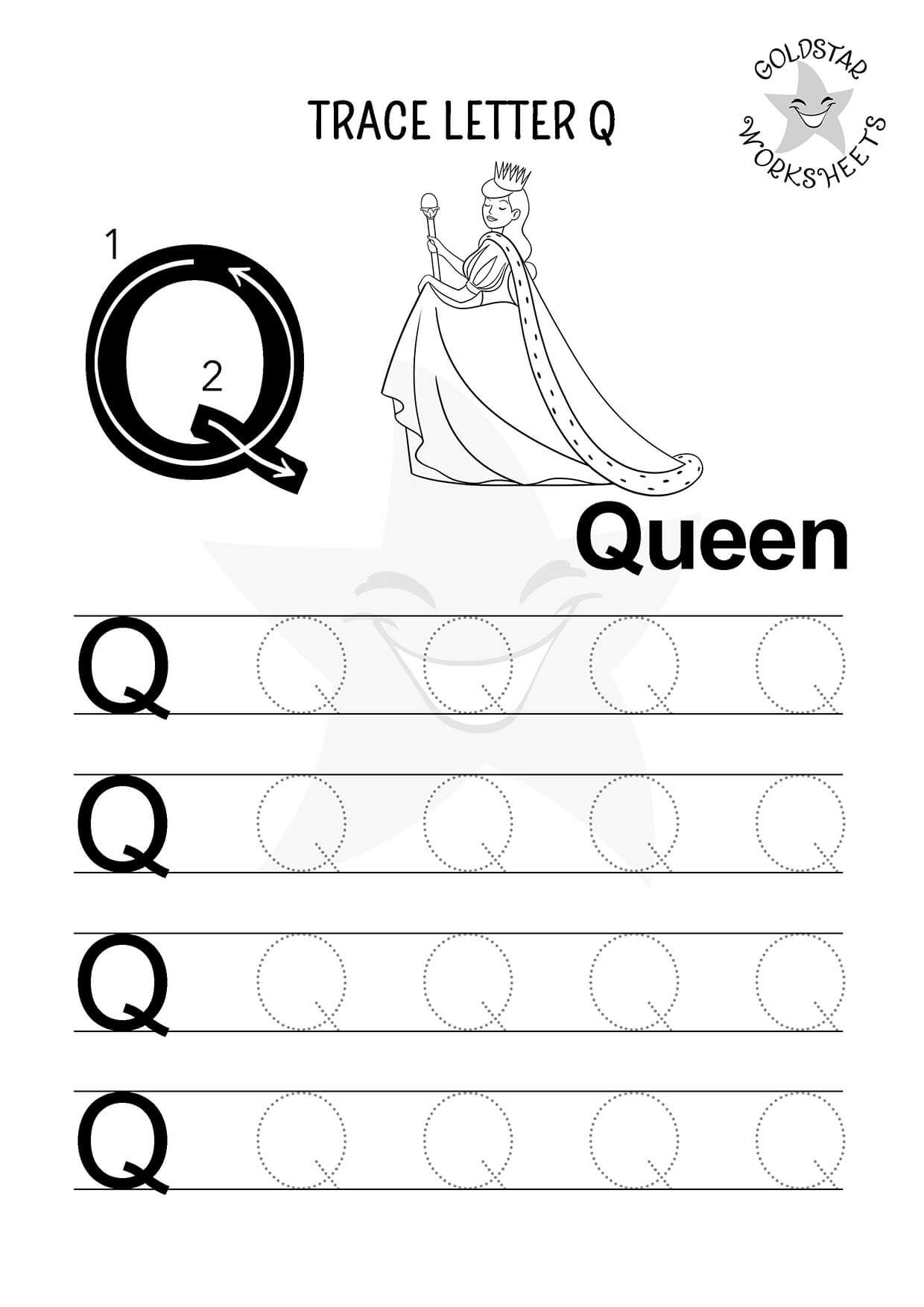
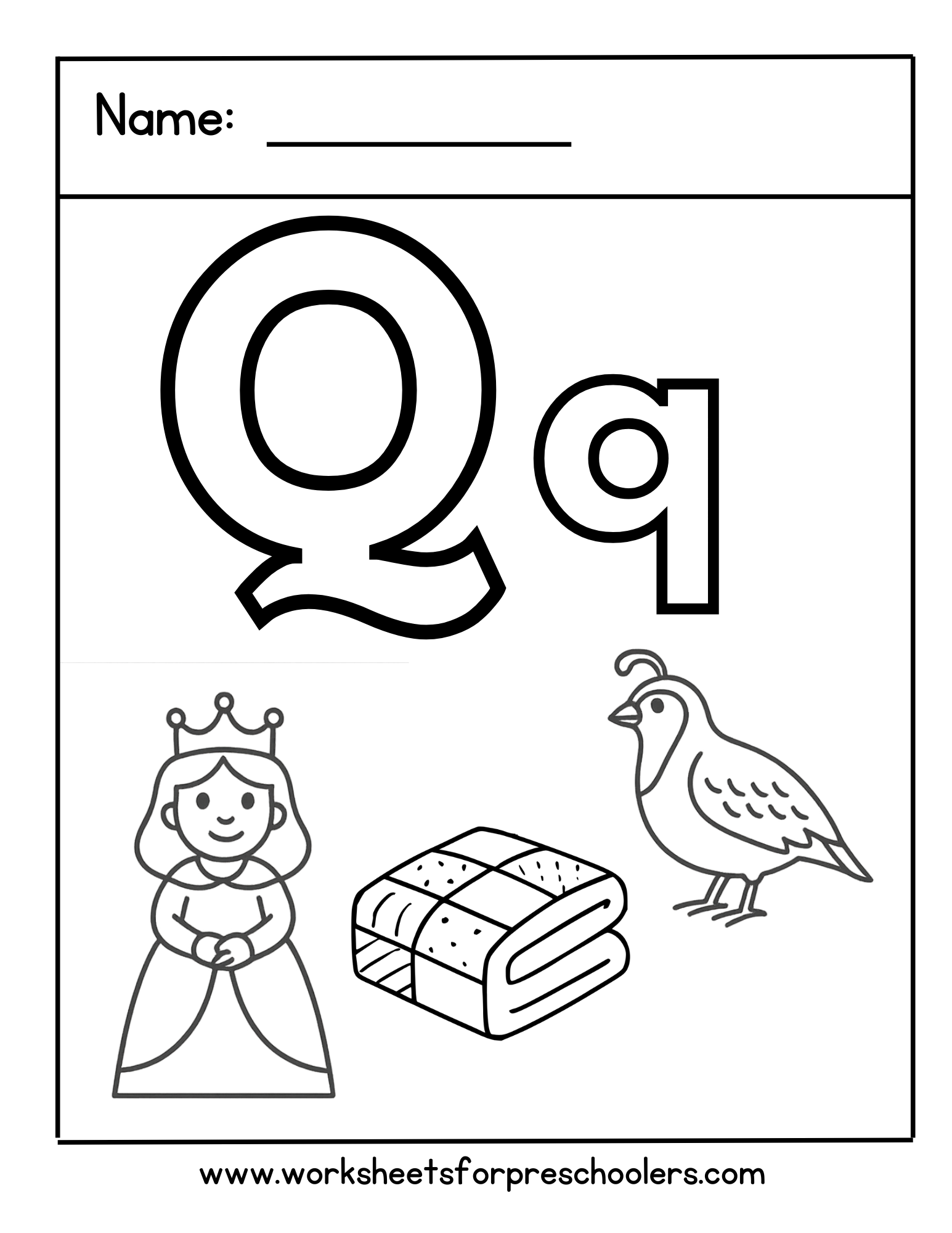
Young learners often confuse Q with “K,” “G,” or even “C” due to similar consonant sounds. A well‑designed worksheet offers a series of simple words beginning with “Q”—queen, quick, quiet, quilt, queue—and pairs them with pictures that reinforce the sound. Hearing the “kw” sound in context before tracing the letter encourages auditory learning alongside visual cues.
Visual Differentiation from Similar Letters
Asian teaching methodologies value visual memory and pattern recognition. The Q worksheet can feature side‑by‑side comparisons with letters that look similar, such as O and C, or Q and a stylized “g.” By highlighting the tail and the loop of Q, children develop the fine motor skill needed to distinguish it from other round shapes.
Designing a Kid‑Friendly Q Worksheet

When creating or selecting a worksheet, consider both the aesthetic appeal and the educational content. A good Q worksheet should balance structure with creativity, allowing children to practice writing, recognition, and contextual usage.
Tracing Techniques for Hand‑Eye Coordination
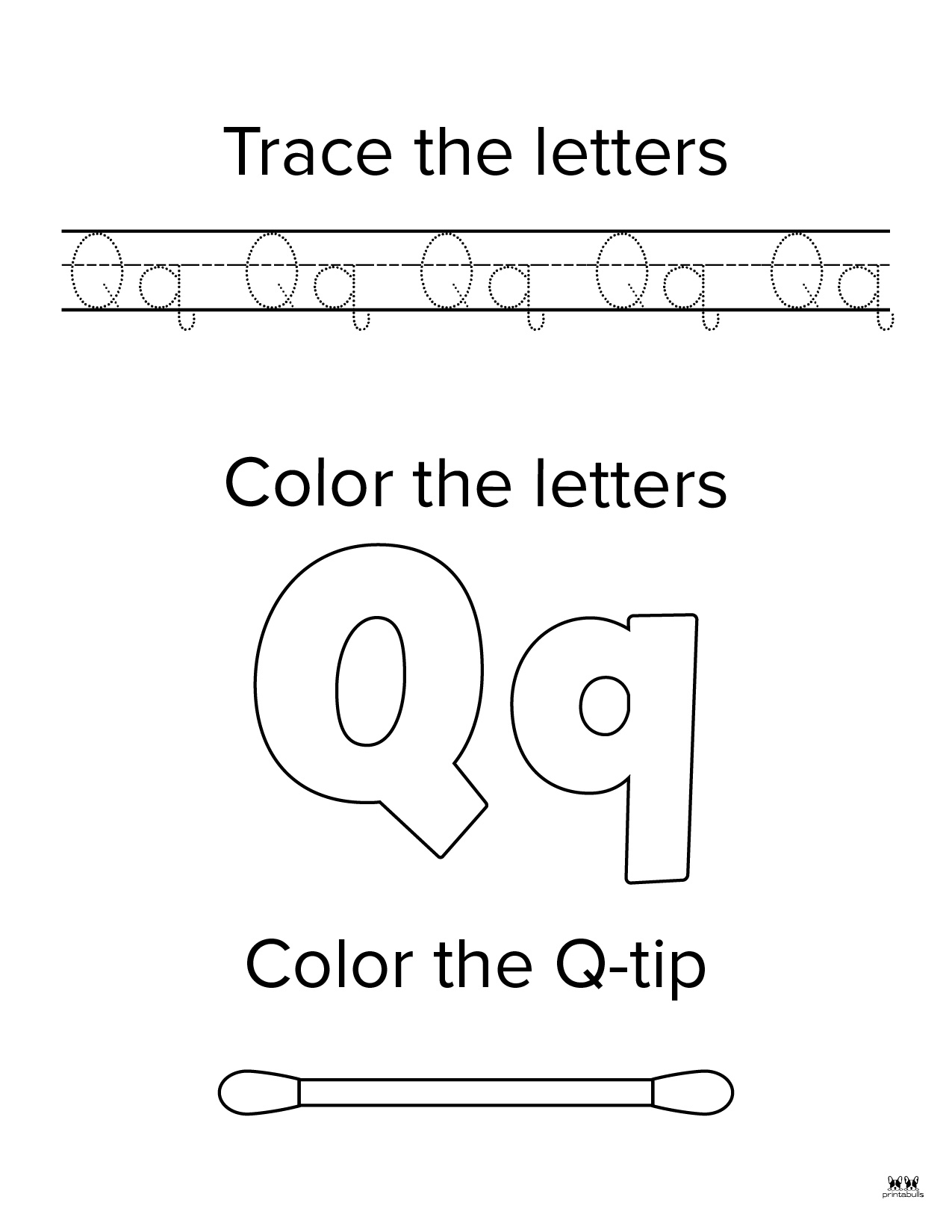
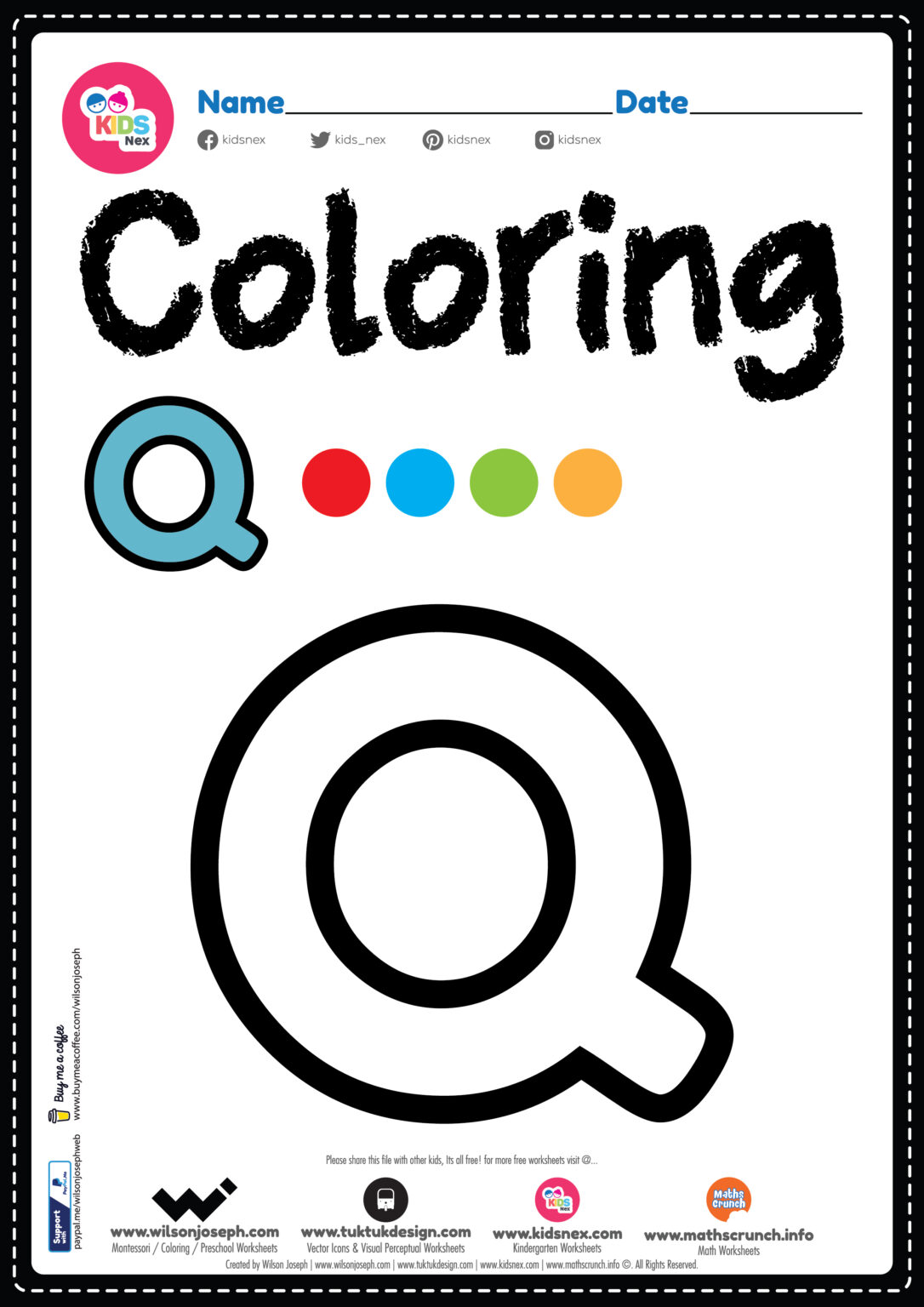
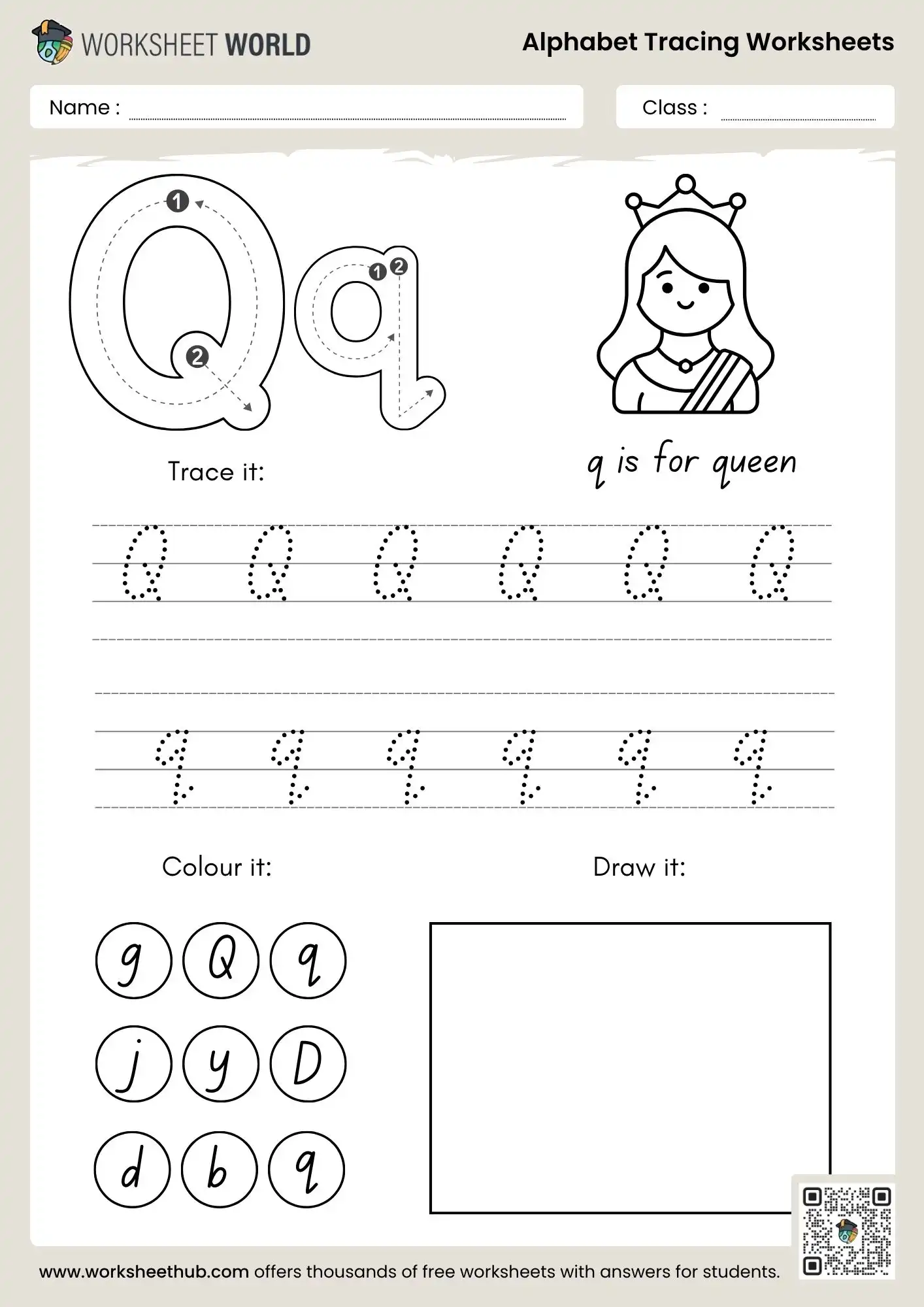
Begin with large, bold Qs printed in a clear font. Provide dotted outlines so children can trace using their finger or a pencil. This visual guide reinforces the correct stroke order—starting from the top left, drawing a clockwise circle, and ending with the tail. Encourage slow, deliberate strokes, then transition to freehand practice. The tracing activity develops fine motor control, which is essential for early writing proficiency.
Word Association Activities
After mastering the shape, the worksheet can include a column for words that start with Q. Children write a new word on each line, optionally drawing a small picture next to it. For example, “quince” could be illustrated with a fruit image. This not only enhances vocabulary but also makes learning memorable, a strategy often employed in East Asian curricula where visual mnemonic aids are standard.
Incorporating Cultural References
To increase engagement, embed culturally familiar items. Words like “qi,” “queue” (common in bus stops), or “quark” can be paired with relevant illustrations. Using familiar contexts helps children connect abstract letters to everyday life, a technique favored in Japanese and Korean phonics programs where relevance boosts retention.
Step‑by‑Step Guide to Using the Worksheet at Home

A clear routine maximizes learning. Parents and guardians can follow these steps to create a consistent practice environment.
Preparing the Materials
Gather a high‑quality printable version of the worksheet, a set of colored pencils or markers, a ruler for neatness, and a small reward system—stickers or a fun badge. Set up a small, clutter‑free desk where the child can focus for 10‑15 minutes.
Warm‑Up Activities Before Tracing
Start with a short story or song that emphasizes the Q sound, such as “Quick as a Quark.” Repeating the sound aloud improves phonemic awareness. Then, have the child point to Q in a picture book or a real‑life object like a quilt, reinforcing the connection between sound, shape, and meaning.
Guided Tracing Practice
Let the child trace the outline, then write the letter independently. Provide gentle feedback, praising correct strokes. Use a mirror for self‑observation—a technique borrowed from traditional calligraphy practices in many Asian cultures.
Creative Extensions: Drawing and Storytelling
After tracing, ask the child to draw a scene featuring a “queen” or a “quilt.” Then, encourage them to narrate a short story using at least three Q words. This exercise nurtures both creativity and language production, aligning with holistic educational philosophies that value artistic expression.
Integrating Digital and Physical Resources

In today’s digital age, combining paper worksheets with interactive tools offers a balanced approach that appeals to tech‑savvy children.
Printable Worksheets and Printable Resources
Printable options allow families to customize the difficulty level, whether by adding more complex words or by enlarging the letter for younger toddlers. Parents can print multiple copies and reuse them, echoing the cost‑effective teaching methods common in many Asian households.
Interactive Apps for Q Practice
There are numerous child‑friendly apps that simulate tracing on a tablet. These apps often incorporate gamified feedback, such as earning stars for each correctly written Q. The visual and auditory prompts can be synced with the physical worksheet, giving a seamless learning experience.
Tips from Asian Educators: Balancing Discipline and Play

Asian educational traditions often blend rigorous practice with playful reinforcement. Applying this balance ensures that learning remains engaging.
Using Group Activities in Classroom Settings
In a classroom, teachers can organize a “Q Treasure Hunt” where students find hidden Q letters around the room and write them on a shared board. This encourages peer interaction while reinforcing letter recognition.
Parental Involvement and Feedback Loops
Parents should review the worksheet together after completion, discussing any mistakes and celebrating successes. Regular feedback creates a supportive loop that mirrors the “kaizen” philosophy of continuous improvement found in many Asian industries.
Common Mistakes and How to Fix Them

Even the best‑designed worksheet can reveal pitfalls that impede progress. Here are frequent errors and practical remedies.
Over‑focusing on Stroke Order
While stroke order is important, children may become frustrated if they cannot match textbook patterns. Encourage them to focus first on overall shape and confidence, then gradually refine the strokes.
Neglecting the Sound Association
Kids might write Q without connecting it to its sound. Incorporate a “sound‑matching” section where children draw a line from Q to the corresponding word, reinforcing phonetic linkage.
Assessment and Progress Tracking
Monitoring development ensures that learning objectives are met and allows for timely intervention.
Checklist for Mastery of Q
- Can identify Q among other letters.
- Correctly traces Q with appropriate stroke order.
- Writes Q independently in both uppercase and lowercase.
- Recognizes and pronounces at least five Q‑starting words.
- Uses Q in simple sentences.
When to Move on to More Complex Words
Once a child demonstrates consistent accuracy with simple Q words, introduce compound words like “quintessential” or “quark.” This gradual progression aligns with the incremental learning model used in many Asian primary schools.
Conclusion

A thoughtfully designed Preschool Letter Q Worksheet serves as a gateway to early literacy, combining visual clarity, phonetic training, and cultural relevance. By integrating structured tracing, contextual word play, and digital support, parents and teachers can nurture a love for learning that respects both tradition and innovation. Consistent practice, balanced feedback, and progressive challenge will help children master the letter Q, laying the groundwork for confident reading and writing in the years to come.