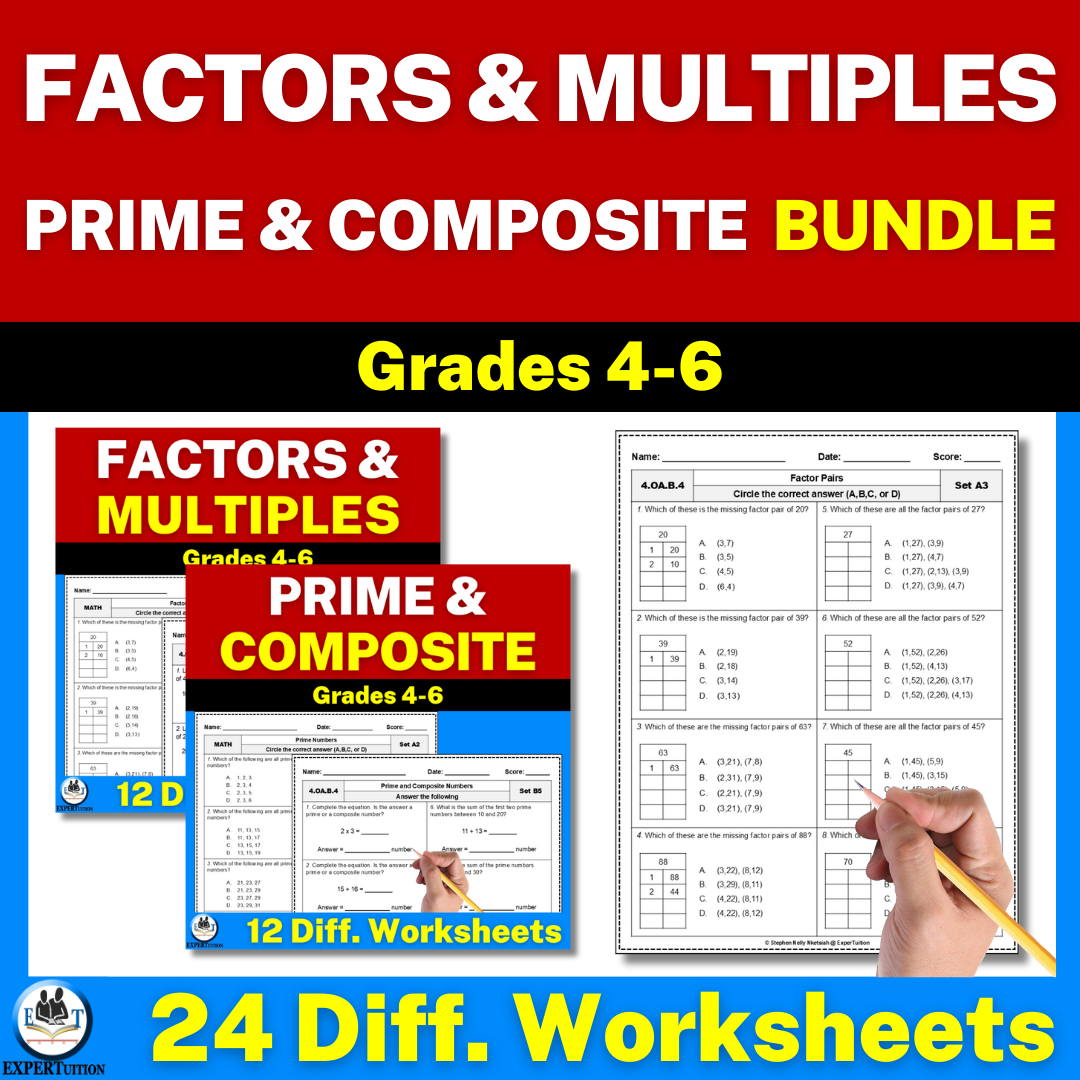
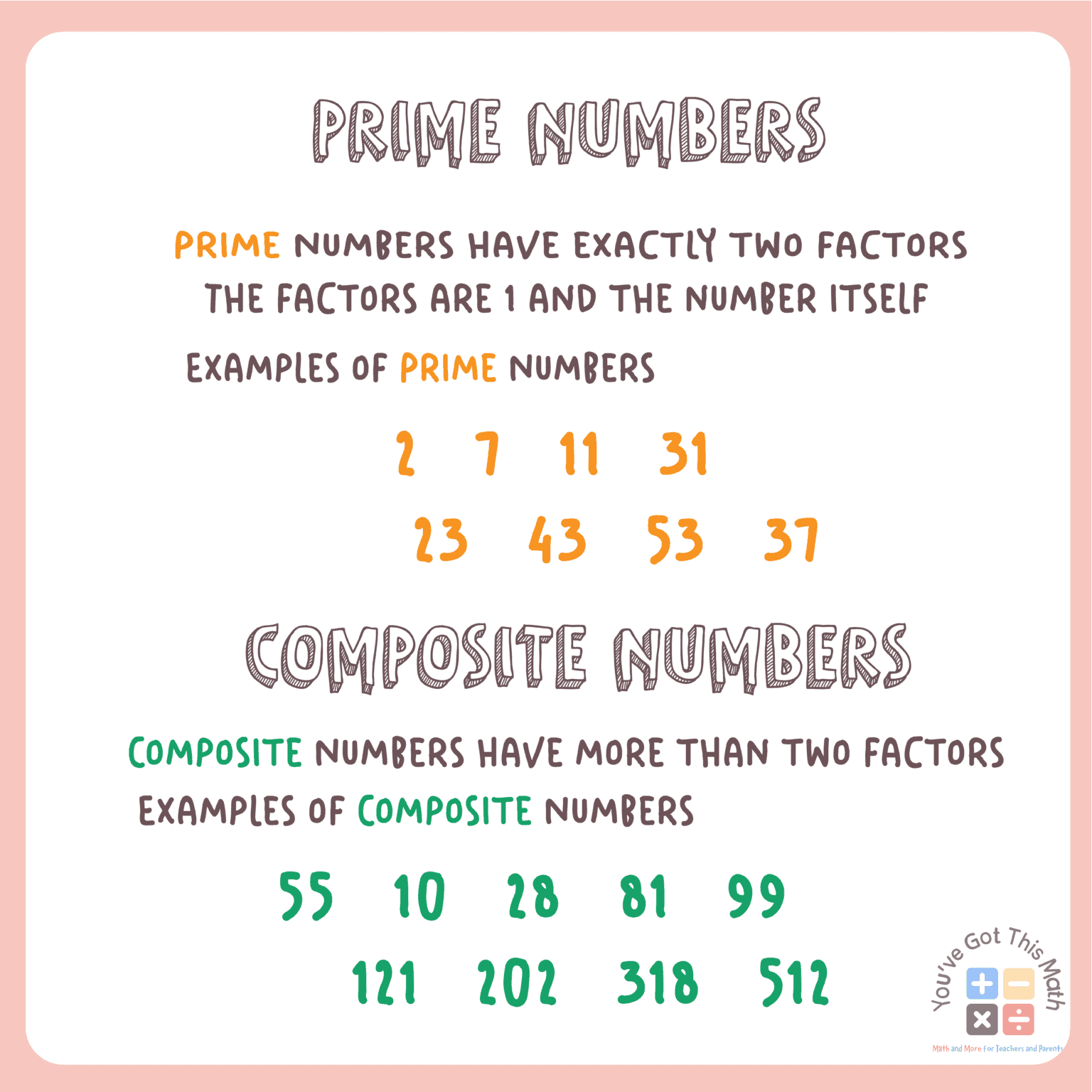
Prime And Composite Numbers Worksheets are the secret sauce that turns a dull math class into a carnival of number-crunching chaos, and today we’re diving headfirst into that glorious mess with the enthusiasm of a kid who just discovered that chocolate milk is a thing.
Why Worksheets Still Matter in the Digital Age

Before you roll your eyes and mutter “paper cuts are the real enemy,” let’s acknowledge that worksheets are the trusty sidekick every teacher needs. They’re portable, low‑tech, and—most importantly—perfect for coaxing students to actually write something down instead of just scrolling through memes about “prime pizza slices.” A well‑crafted worksheet can cement concepts, reveal misconceptions, and give teachers the sweet satisfaction of a neatly shaded answer key.
What Makes a Prime Worksheet Prime‑tastic?

Clear Definitions and Visual Cues
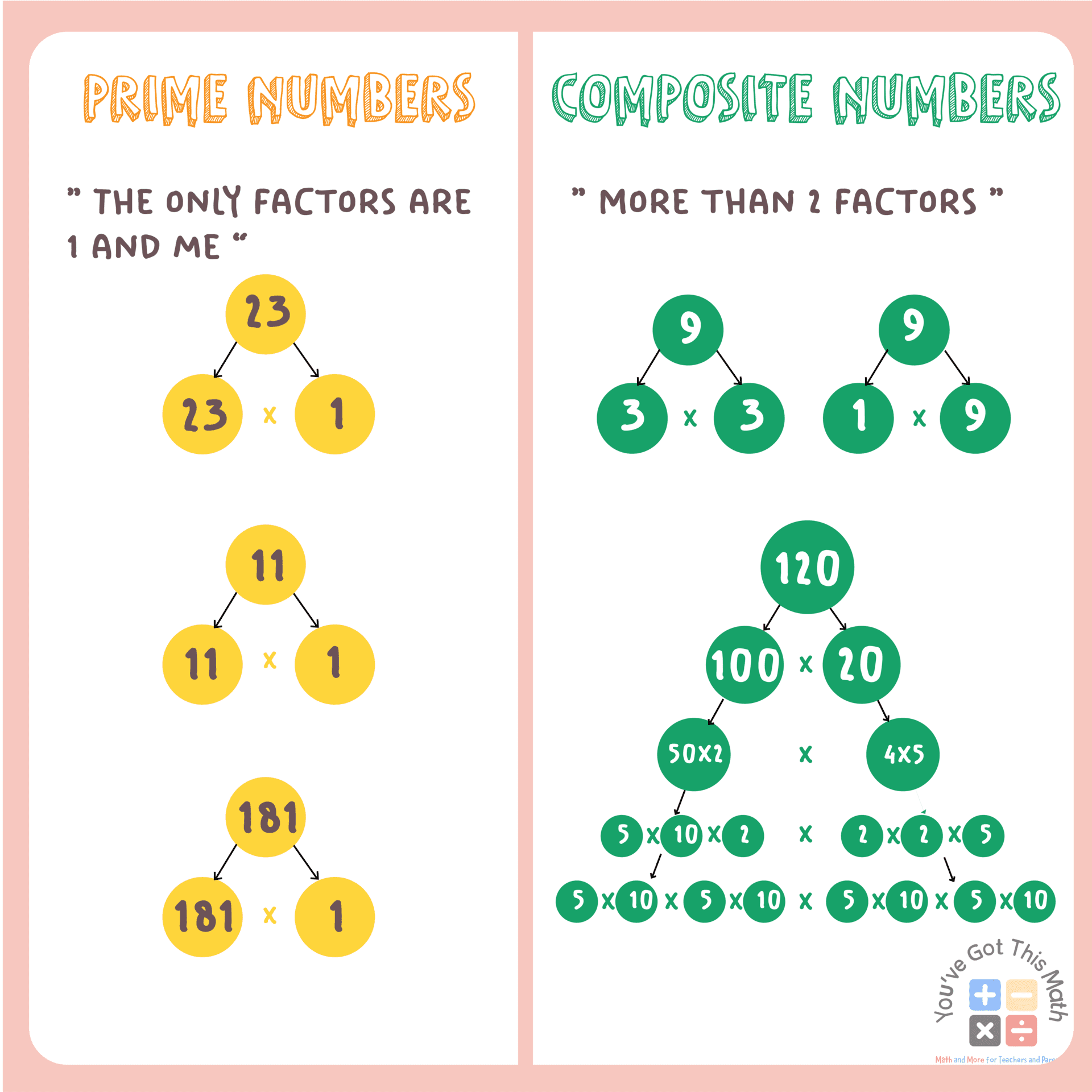
Students need a quick refresher: a prime number has exactly two distinct positive divisors—1 and itself. Composite numbers have more than two. To avoid the “what’s a divisor?” panic, include a mini‑chart that shows a few examples side by side. Use bold headings, bright colors, and maybe a goofy cartoon of a number with sunglasses to keep the vibe light.
Progressive Difficulty Levels
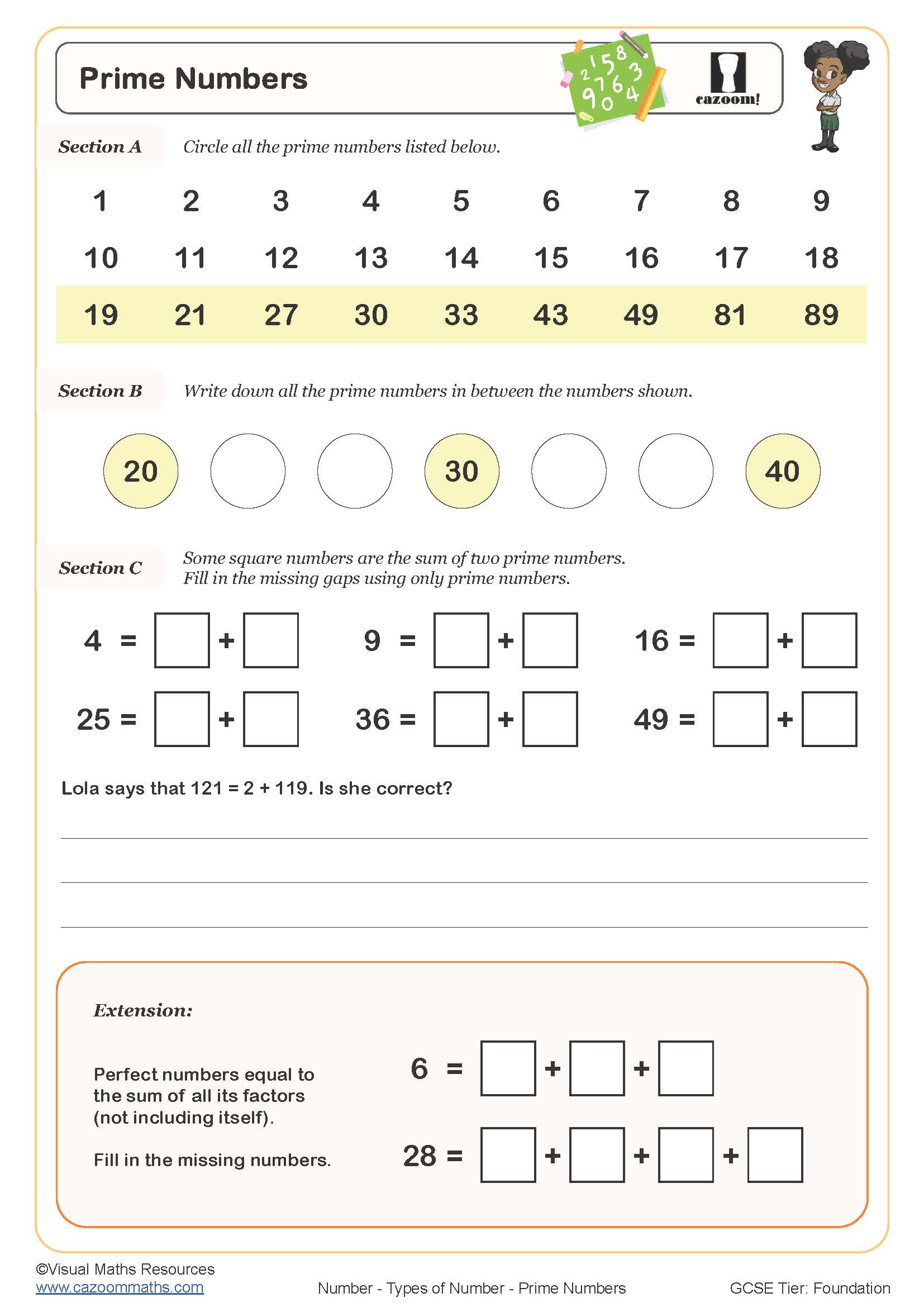
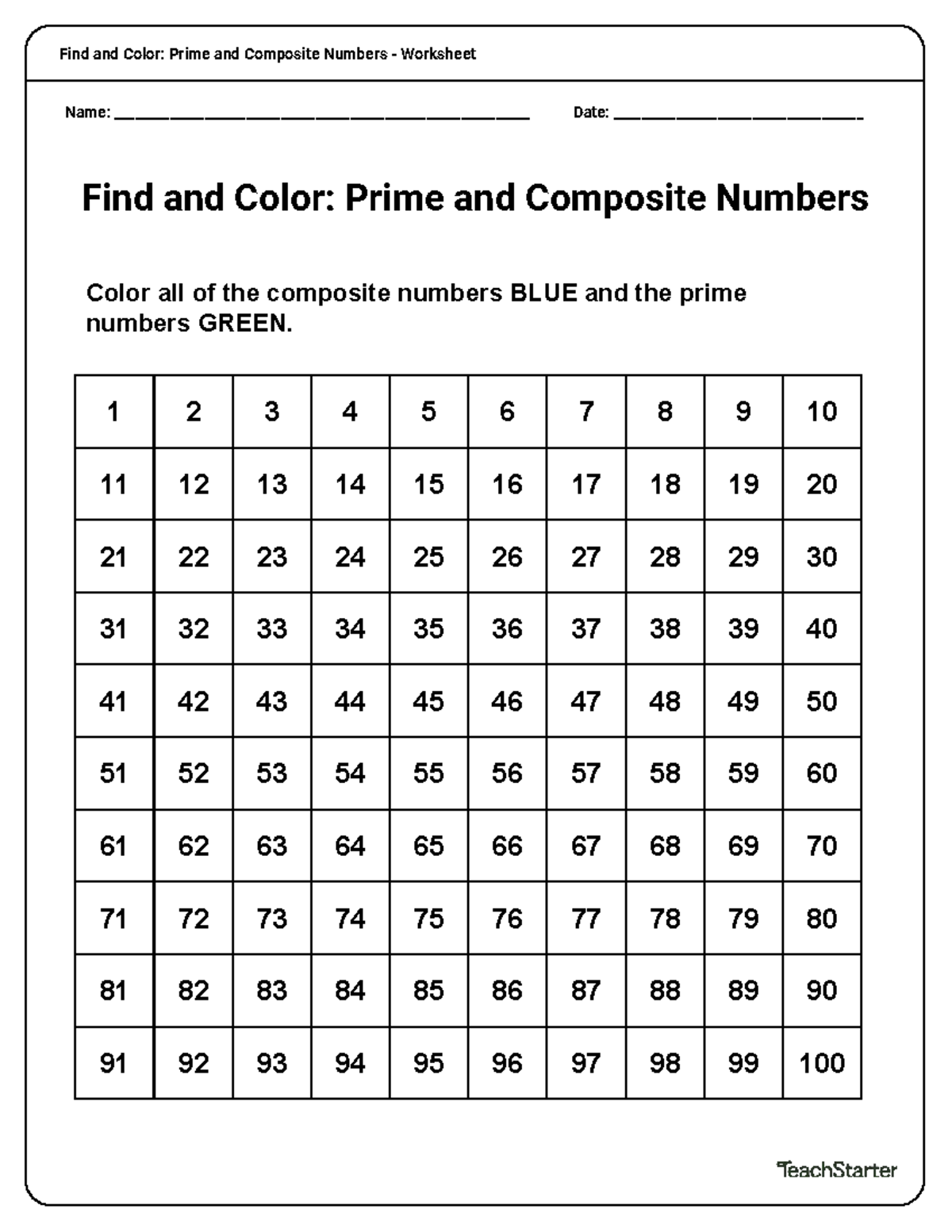
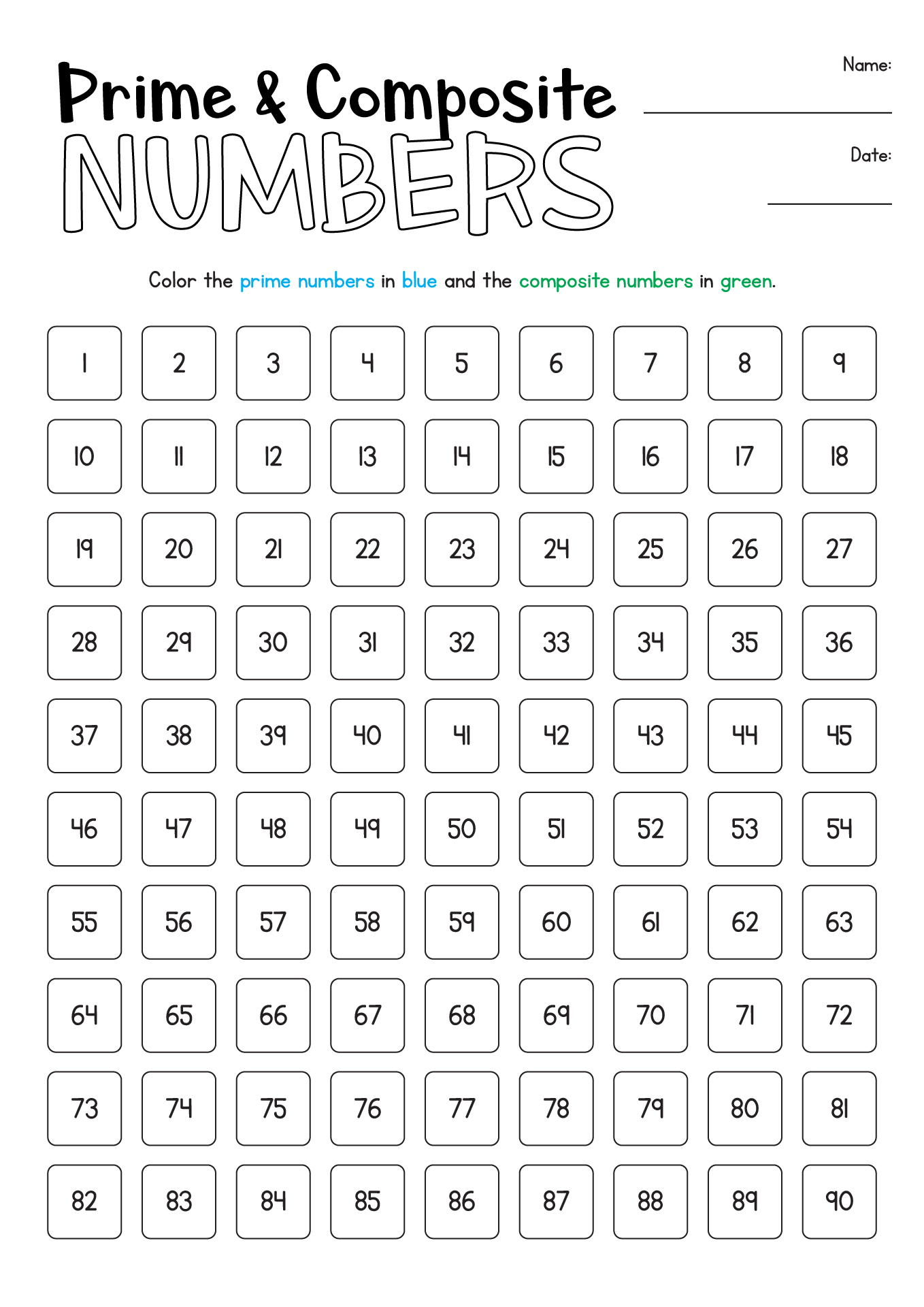
Start with the “easy peasy lemon squeezy” stage: ask kids to circle the primes between 1 and 20. Then crank up the challenge: have them list the prime factors of 84 or factor a larger number like 210. The key is a smooth difficulty curve so that early successes build confidence before the brain gets a proper workout.
Interactive Elements
Even paper can be interactive. Include fill‑in‑the‑blank tables, matching columns (prime ↔ composite), or “cross‑out the composites” sections. Adding a tiny maze where the correct path is made of primes only turns a worksheet into a game board, and who doesn’t love a good maze?
Designing Composite‑Focused Worksheets That Don’t Feel Like a Punishment

Real‑World Contexts
Kids love stories. Frame a composite worksheet around a pizza party: “If we have 24 slices and each friend wants an equal share, which numbers could we split the pizza into?” This naturally leads students to explore the factors of 24 and recognize its composite nature. Real‑world scenarios make the abstract concrete and keep giggles flowing.
Factor Trees and Fun
Factor trees are the botanical wonder of number theory. Provide a blank tree diagram and let students grow their own “prime roots.” The visual of branches splitting into prime numbers is both satisfying and educational. Include a few “wildcard” numbers that don’t fit neatly, prompting discussions about prime vs. composite classification errors.
Challenge Zones
At the bottom of the worksheet, sprinkle a “Challenge Zone” where students must find the smallest composite number that is also a product of two distinct primes. Hint: it’s not 4, but the answer will make them feel like math detectives. Rewards like stickers or a “Math Ninja” badge add extra motivation.
Integrating Humor Without Sacrificing Learning
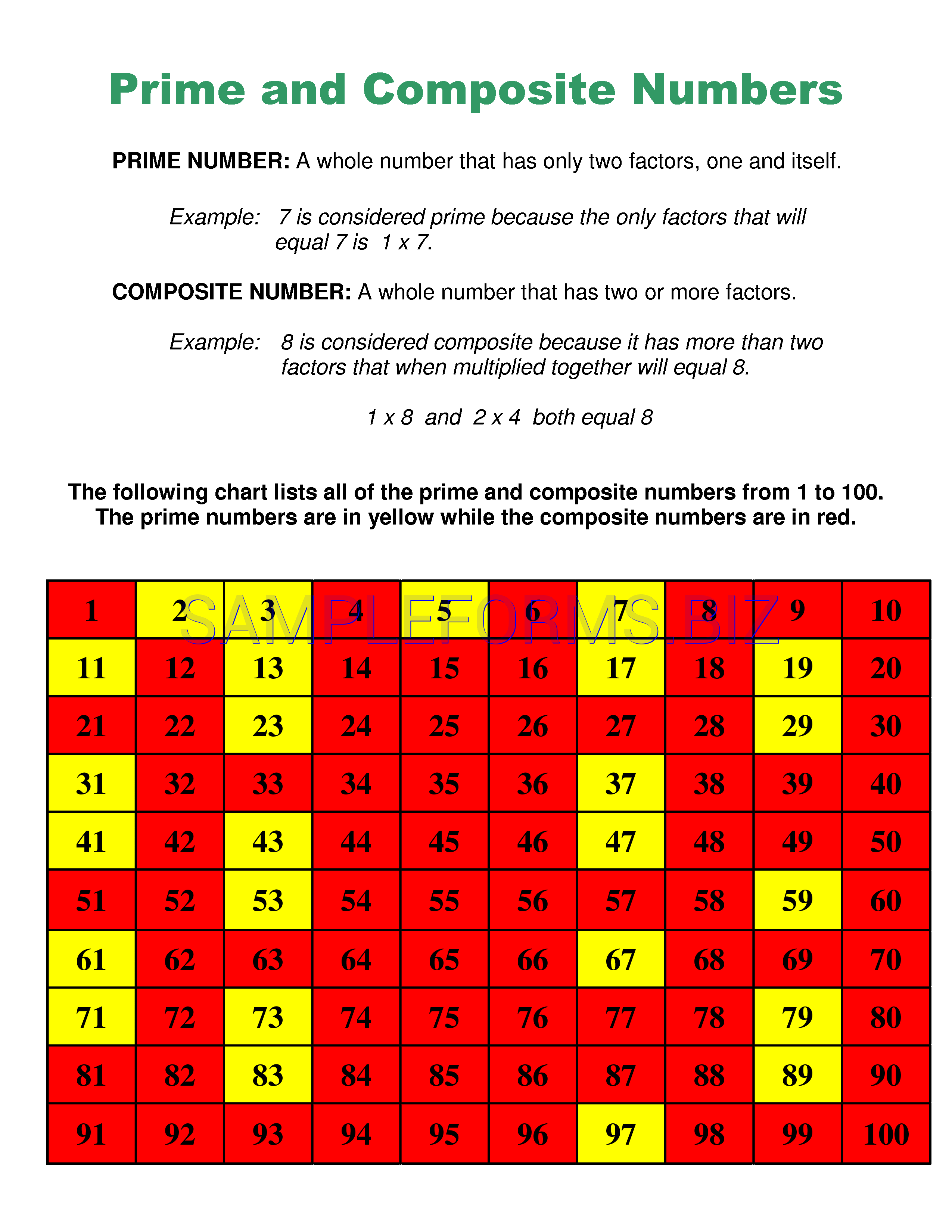
Humor is the spice that prevents worksheets from becoming bland. Insert puns like “Why did the number 7 break up with 9? Because 7 was prime and 9 was too composite!” or “If you think primes are lonely, try being a composite with too many friends.” Keep jokes short, relevant, and appropriate for the grade level. A chuckle can reset attention spans faster than a caffeine boost.
Printable vs. Digital: Which Format Wins the Battle?

Both have their merits. Printable worksheets are perfect for hands‑on activities, especially in classrooms with limited tech. Digital worksheets allow for instant feedback, auto‑grading, and the occasional animated prime‑shaped unicorn. The best approach? Offer a hybrid: a printable base with a QR code linking to an interactive version. This satisfies the tactile learners and the screen‑savvy crowd alike.
Tips for Teachers: Making the Most of Your Worksheet Collection

Customization Is King
Never settle for a one‑size‑fits‑all worksheet. Adjust numbers to match your class’s proficiency, swap out images for themes (dinosaurs, space rockets, cupcakes), and modify instructions to suit different learning styles. A teacher who tailors content shows students that math can be personal and fun.
Quick Differentiation Strategies
Provide three tiers on the same sheet: a “starter” column with numbers up to 20, a “builder” column up to 50, and an “advanced” column that throws in three‑digit numbers. Students can self‑select their level, fostering autonomy and reducing the dreaded “I’m stuck!” moments.
Assessment Without the Grim Reaper
Use worksheets as low‑stakes assessments. Instead of a high‑pressure test, hand out a short “exit ticket” worksheet at the end of the lesson. Review the answers together, celebrate correct reasoning, and address common errors on the spot. This formative approach keeps anxiety low and learning high.
Creative Extensions: Turning Worksheets Into Classroom Adventures
Number Scavenger Hunt
Hide printed worksheet clues around the classroom. Each clue reveals a prime or composite fact that leads to the next location. The final prize? A jar of “prime” stickers or a “composite champion” certificate. Movement + math = memory.
Prime & Composite Rap Battles
Divide the class into two teams: the Primes and the Composites. Each team writes short rap verses bragging about their numbers’ unique traits. Perform the battle, record it, and post the video on the class’s digital board. Laughter, rhythm, and repetition cement the concepts in students’ brains.
Collaborative Fact Books
Assign small groups a range of numbers (e.g., 1–30). Each group creates a mini‑book page with the number’s classification, factors, fun fact, and an illustration. Compile the pages into a “Prime & Composite Compendium” that stays on the classroom shelf for future reference.
Common Pitfalls and How to Dodge Them
Overloading with Numbers
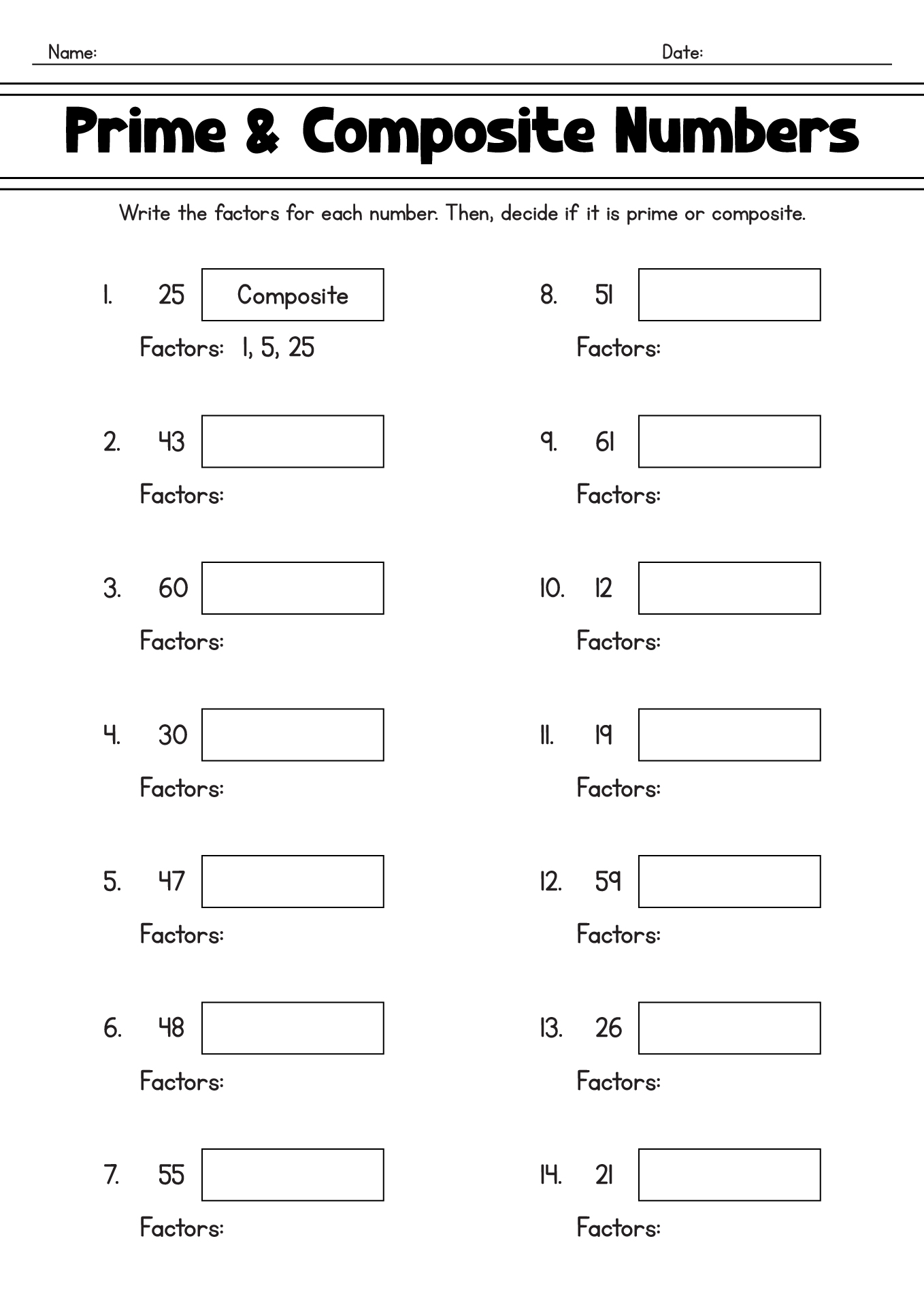
Too many numbers on a single worksheet can overwhelm. Stick to a manageable set—usually 8–12 per page—so students can focus on reasoning rather than counting. If you need more practice, spread it across multiple sheets.
Neglecting Vocabulary
Words like “divisor,” “factor,” and “multiple” can trip up learners. Include a glossary sidebar or a quick word bank at the top of the worksheet. Visual icons next to each term help visual learners remember definitions.
Ignoring Mistakes as Learning Opportunities
When students mark the wrong answer, resist the urge to cross it out harshly. Instead, use a “thought bubble” comment: “I see you chose 9 as prime—what makes you think that? Let’s explore together.” This encourages a growth mindset.
SEO Boost: Keywords to Sprinkle Throughout Your Worksheet Blog

When you publish your worksheet resources online, sprinkle phrases like “prime numbers worksheets,” “composite numbers activities,” “math practice sheets,” “free printable prime worksheets,” and “interactive composite worksheets.” Use these naturally in headings, alt text for any images, and within the body copy to improve search visibility.
Conclusion: Wrapping Up the Prime Party
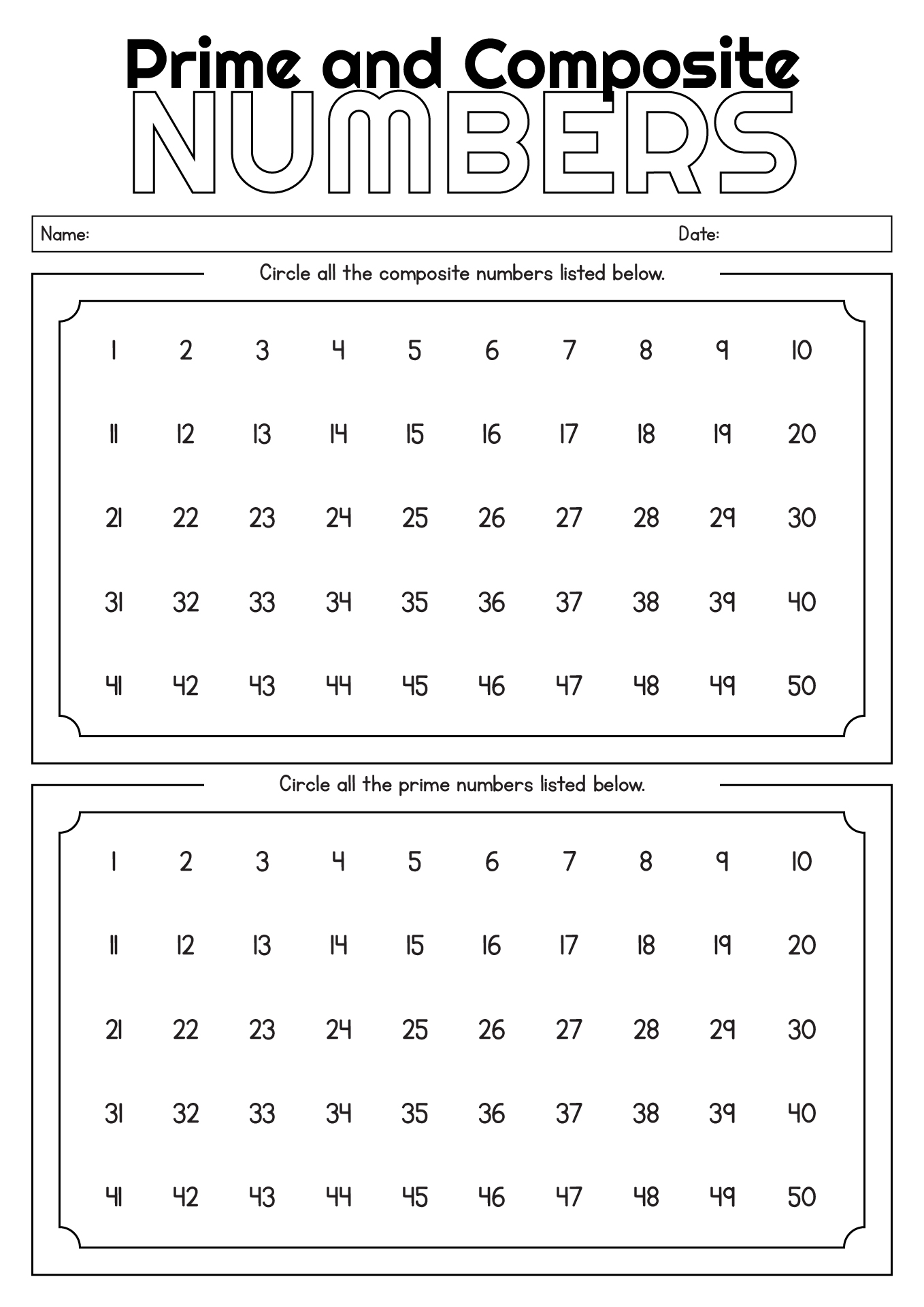
Prime and composite numbers may seem like a dry duo, but with the right worksheets, they transform into the life of the math party. By mixing clear definitions, progressive challenges, humor, real‑world contexts, and creative extensions, you’ll give students the tools—and the giggles—they need to master these foundational concepts. Whether you opt for printable pages, digital interactivity, or a hybrid mashup, the ultimate goal remains the same: turning numbers into friends, not foes. So grab your markers, unleash the puns, and let the prime‑composite adventure begin!