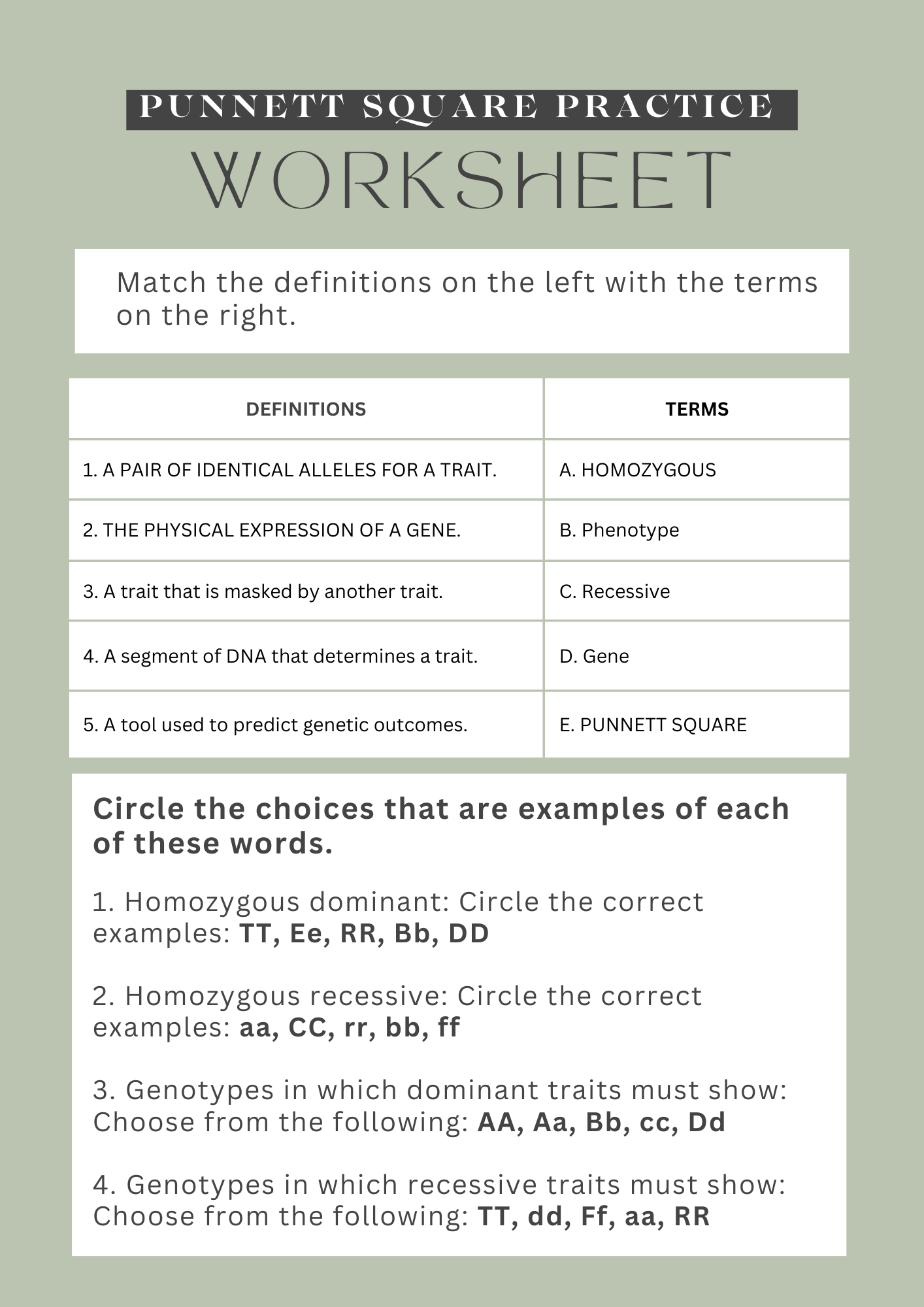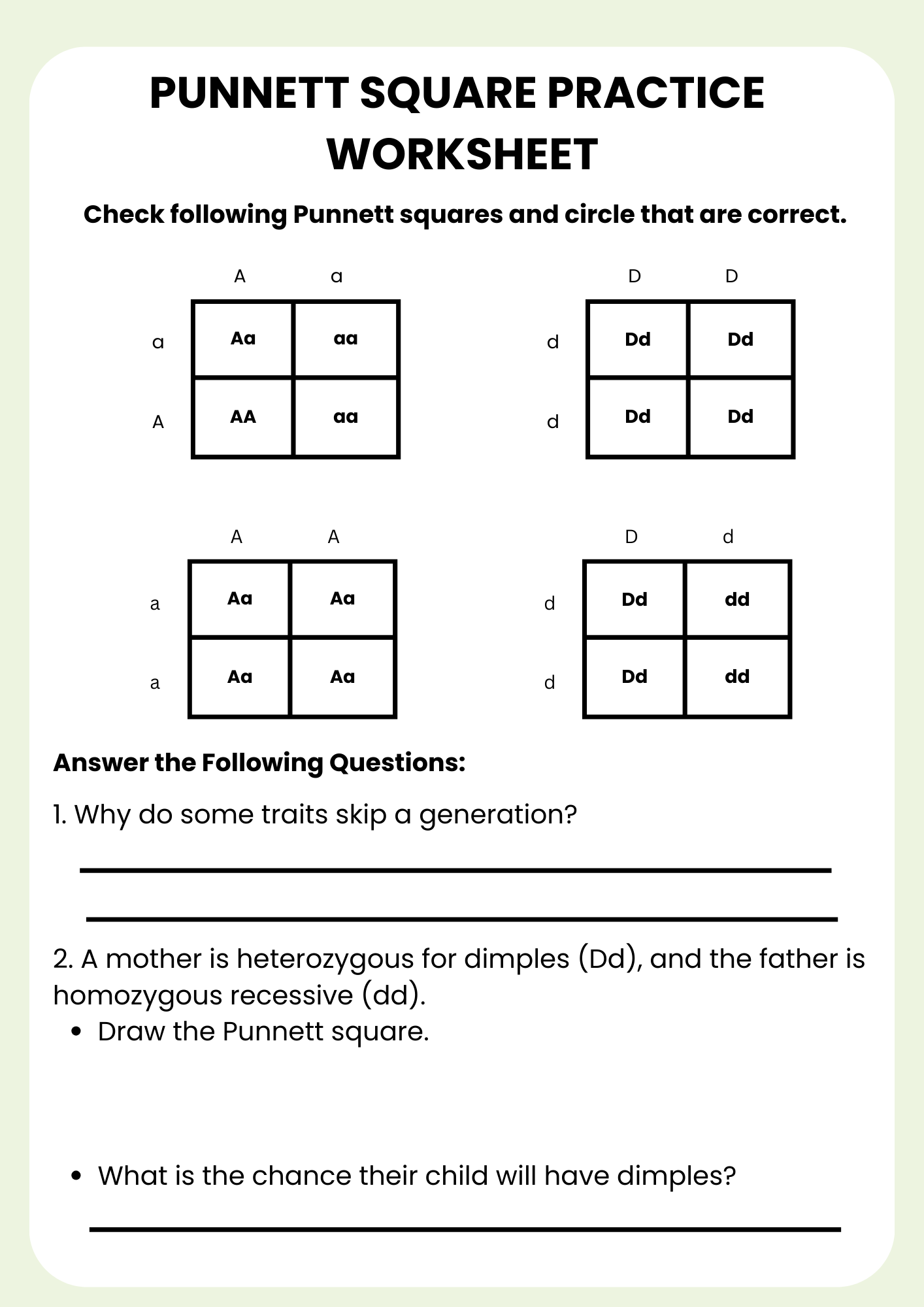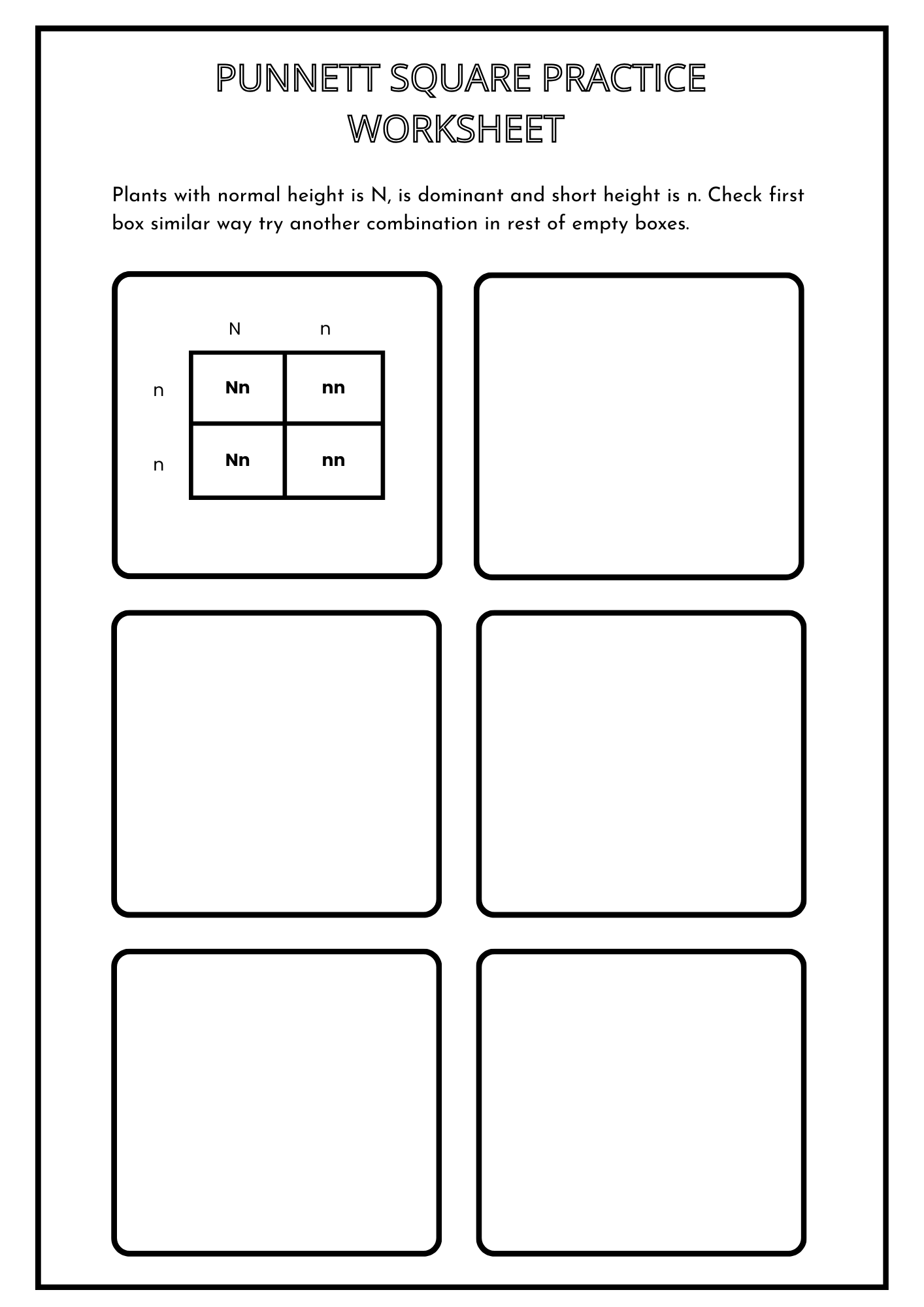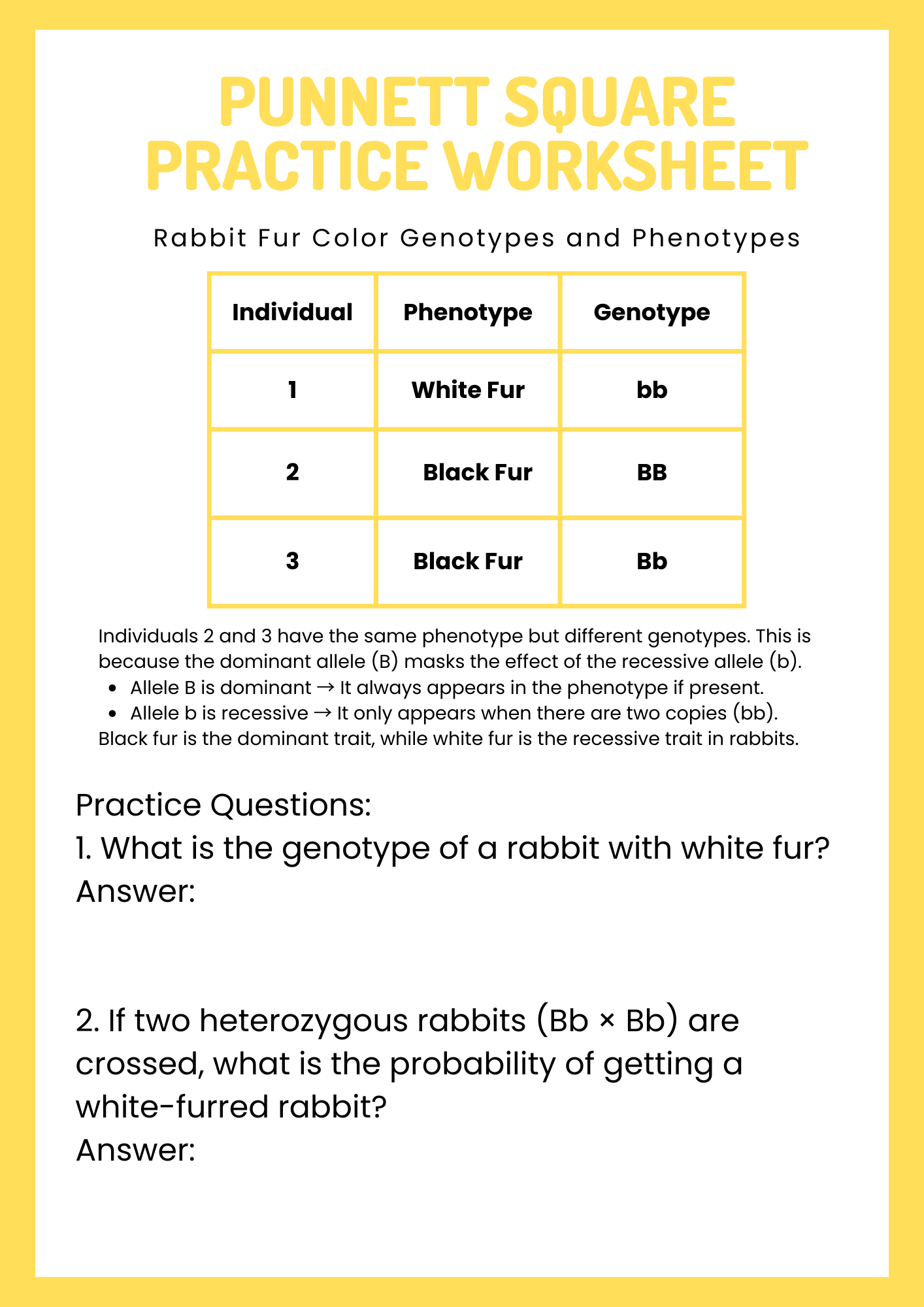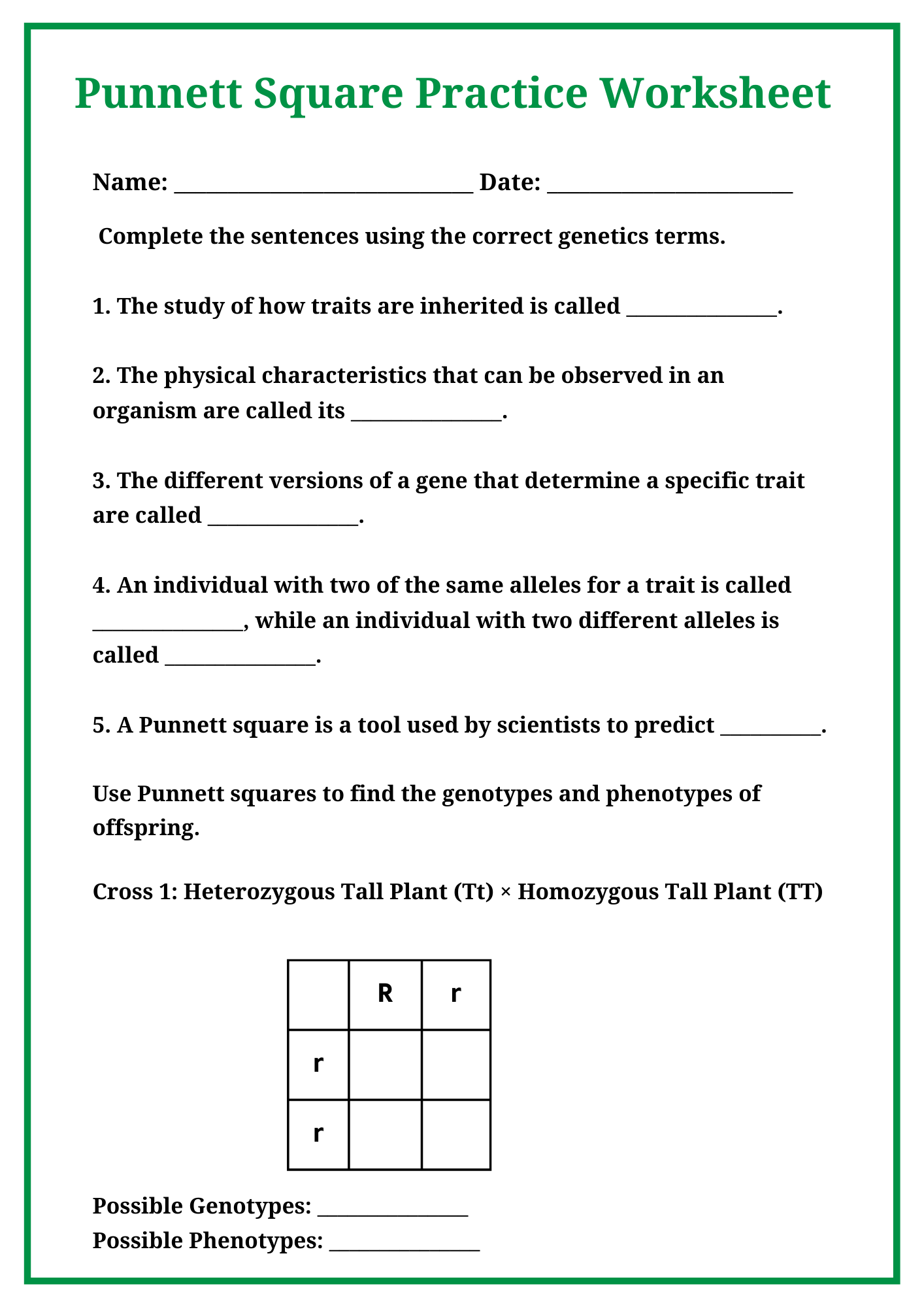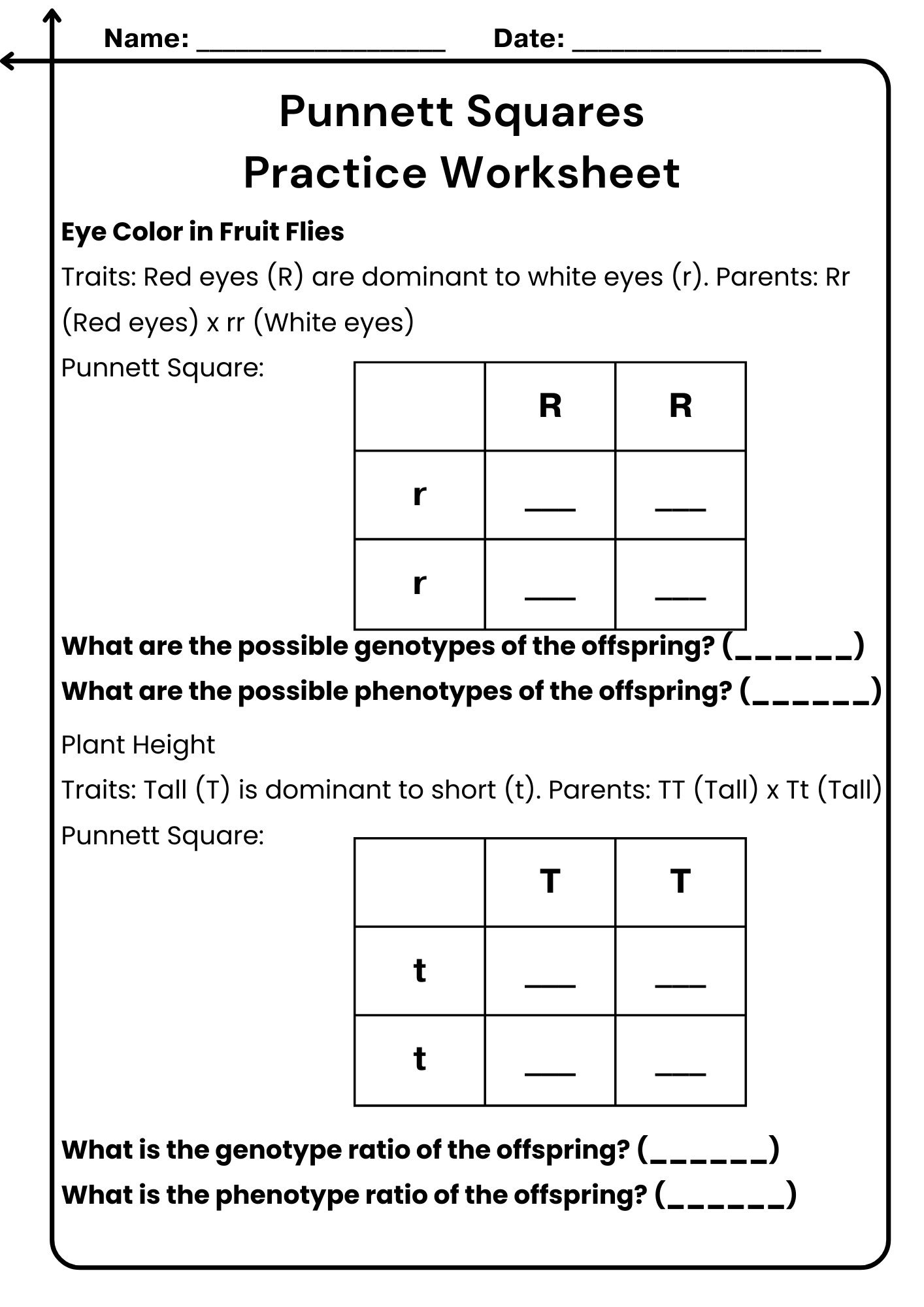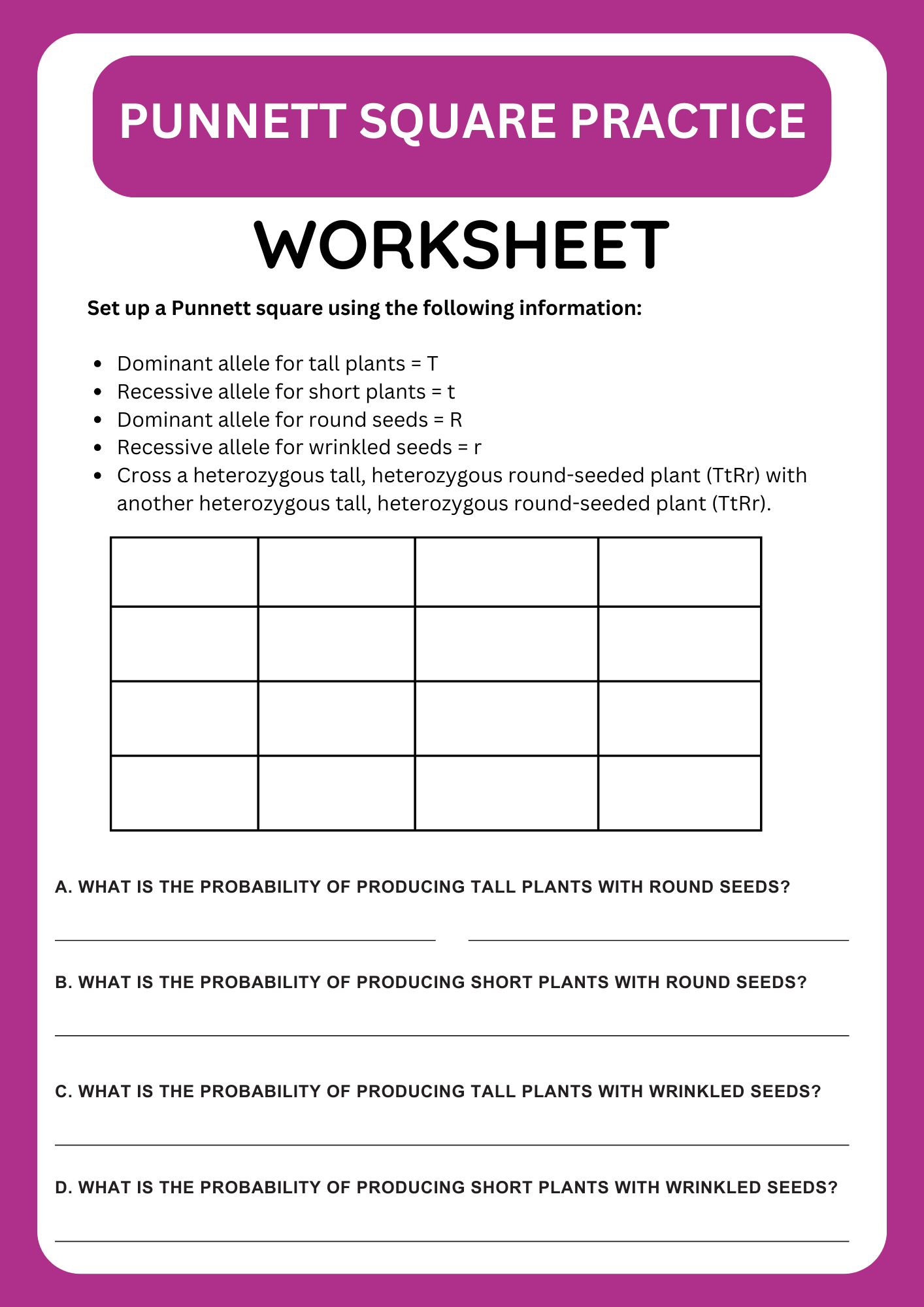
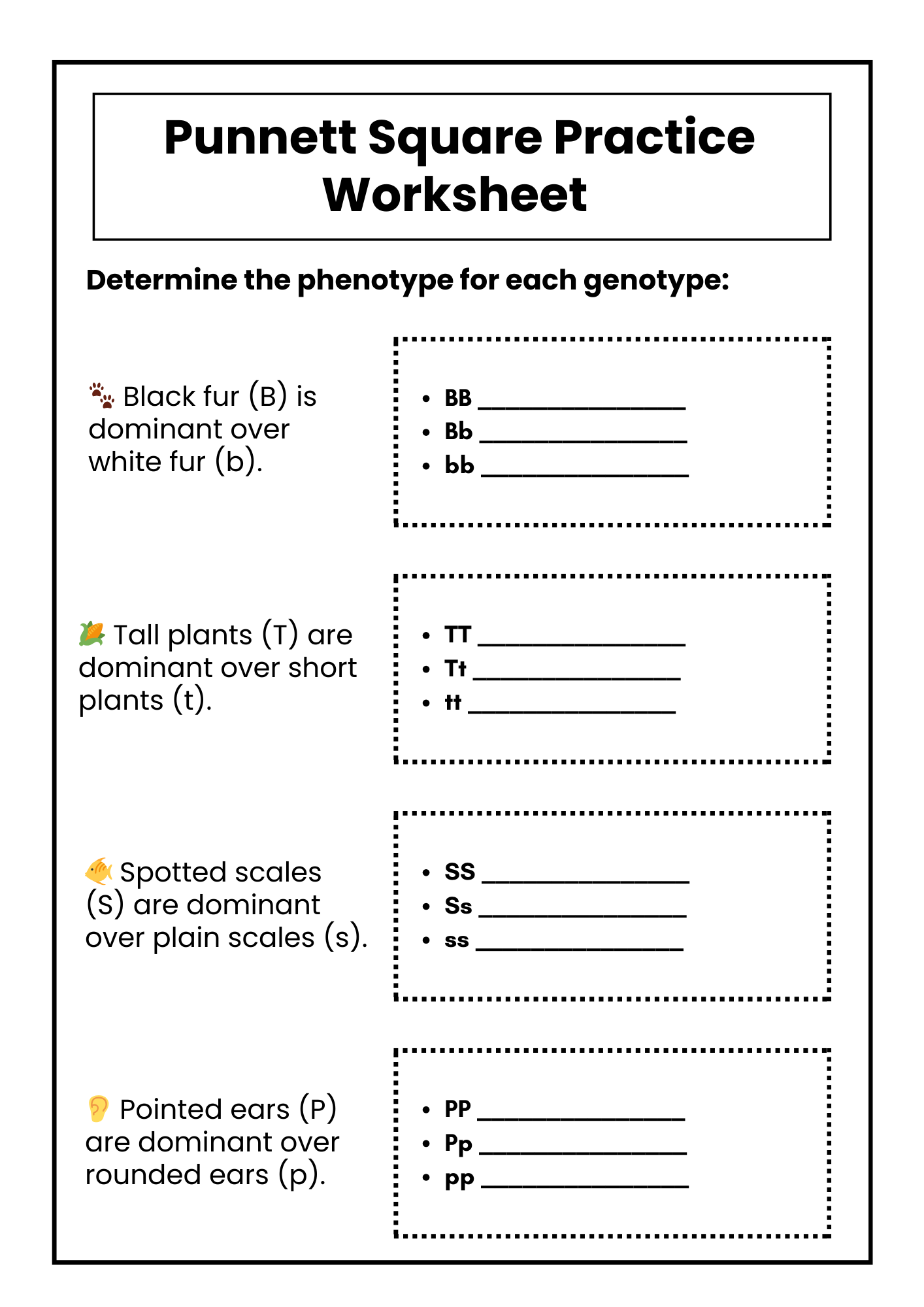
Punnett Square Worksheet Practice is the cornerstone of mastering genetic probability, and I’ve discovered that it turns a simple textbook concept into a powerful skill that feels almost like a puzzle you love to solve. When you sit down with a blank sheet and fill in those squares, you’re not just learning alleles; you’re learning how to think logically about patterns that shape every living thing.
Why Punnett Squares Matter
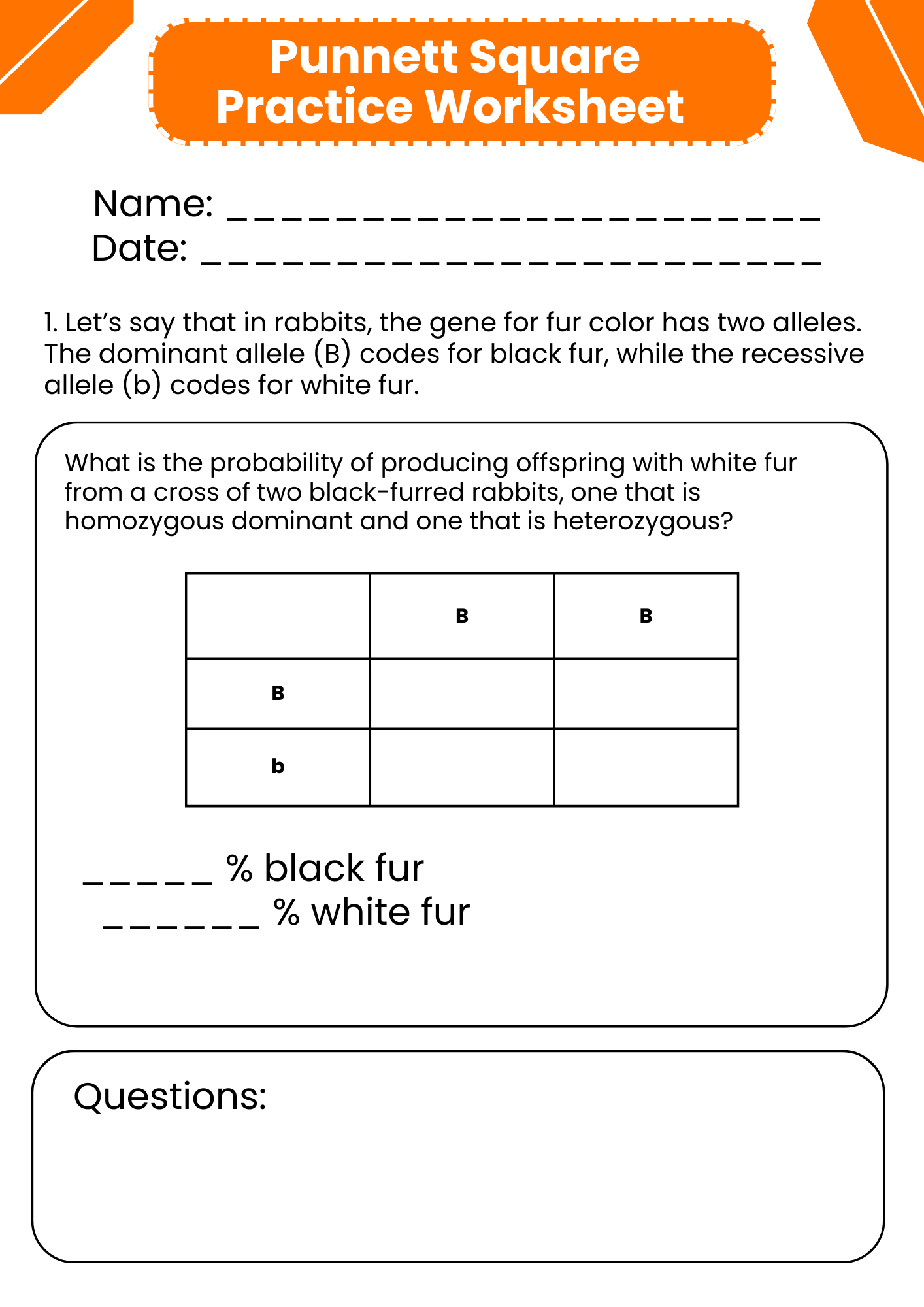
In a world where genetic testing, personalized medicine, and breeding programs are becoming increasingly relevant, understanding the fundamentals of inheritance is more than academic—it’s practical. A well‑structured Punnett square helps you visualize the likelihood of traits appearing in offspring, which is essential for predicting outcomes in agriculture, animal breeding, and even planning family dynamics.
From Classroom to Life
When I first tackled genetics in high school, my teacher handed out a handful of worksheets that seemed repetitive. Over time, I realized that each worksheet was a stepping stone, teaching me how to break down complex interactions into manageable chunks. Now, whether I’m looking at flower colors, human eye traits, or troubleshooting a plant’s resistance to pests, I can immediately translate real‑world observations into a Punnett square and see the probabilities unfold.
Getting Started with Your First Worksheet
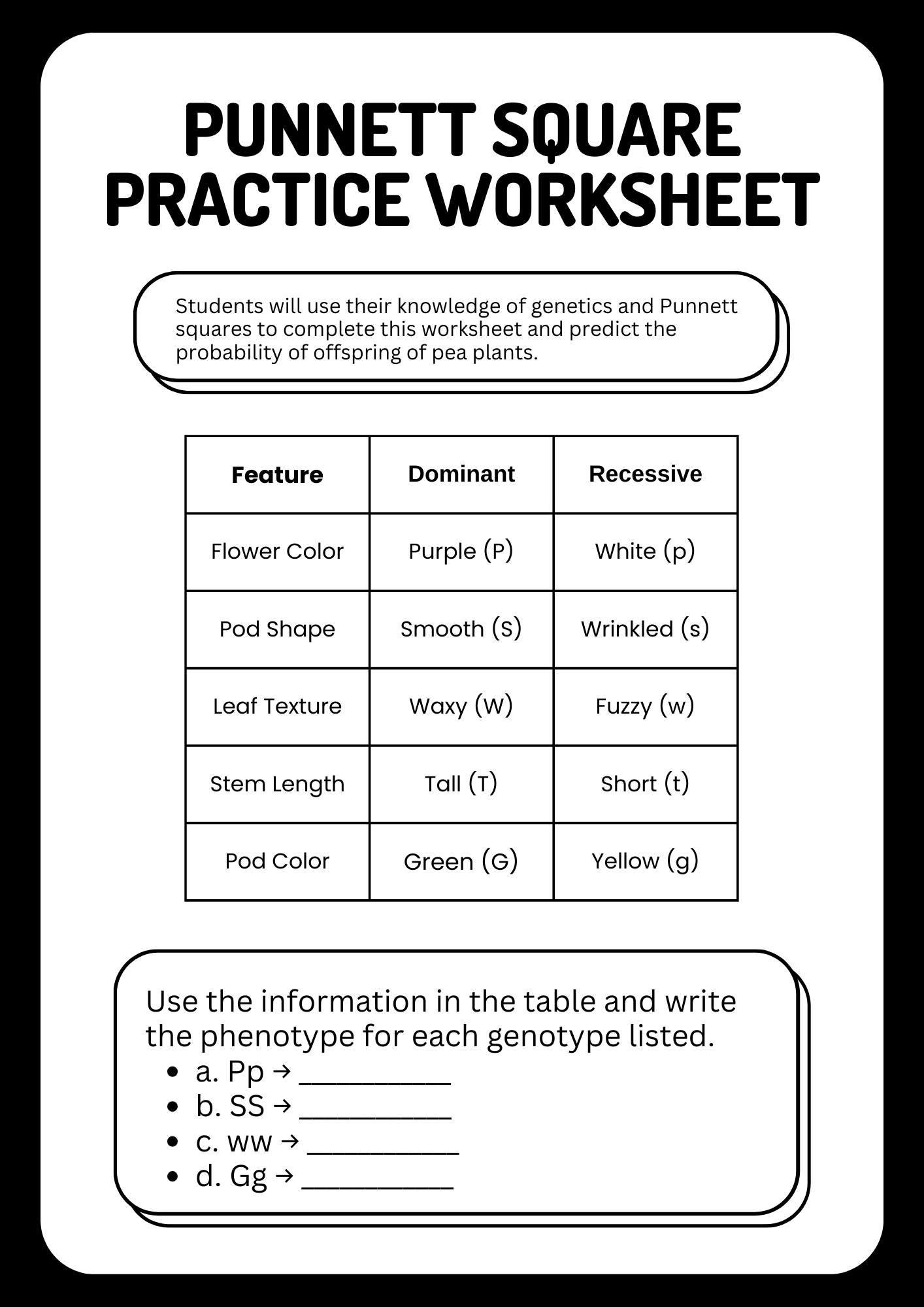
Before you dive into a dense set of problems, lay a solid foundation. Here’s a quick checklist to help you set the stage for productive practice.
- Gather Basic Materials: A pencil, a ruler, and a clean sheet of paper (or a digital grid if you prefer). Keep a dictionary of genetic symbols handy.
- Understand the Terminology: Dominant, recessive, homozygous, heterozygous, genotype, phenotype. These are the building blocks.
- Choose a Simple Trait: Start with a single gene—like pea plant flower color (purple vs. white) or human blood type (A vs. O).
- Draft Your Cross: Identify the parents’ genotypes before drawing the square.
Step‑by‑Step Guide to Building a Punnett Square
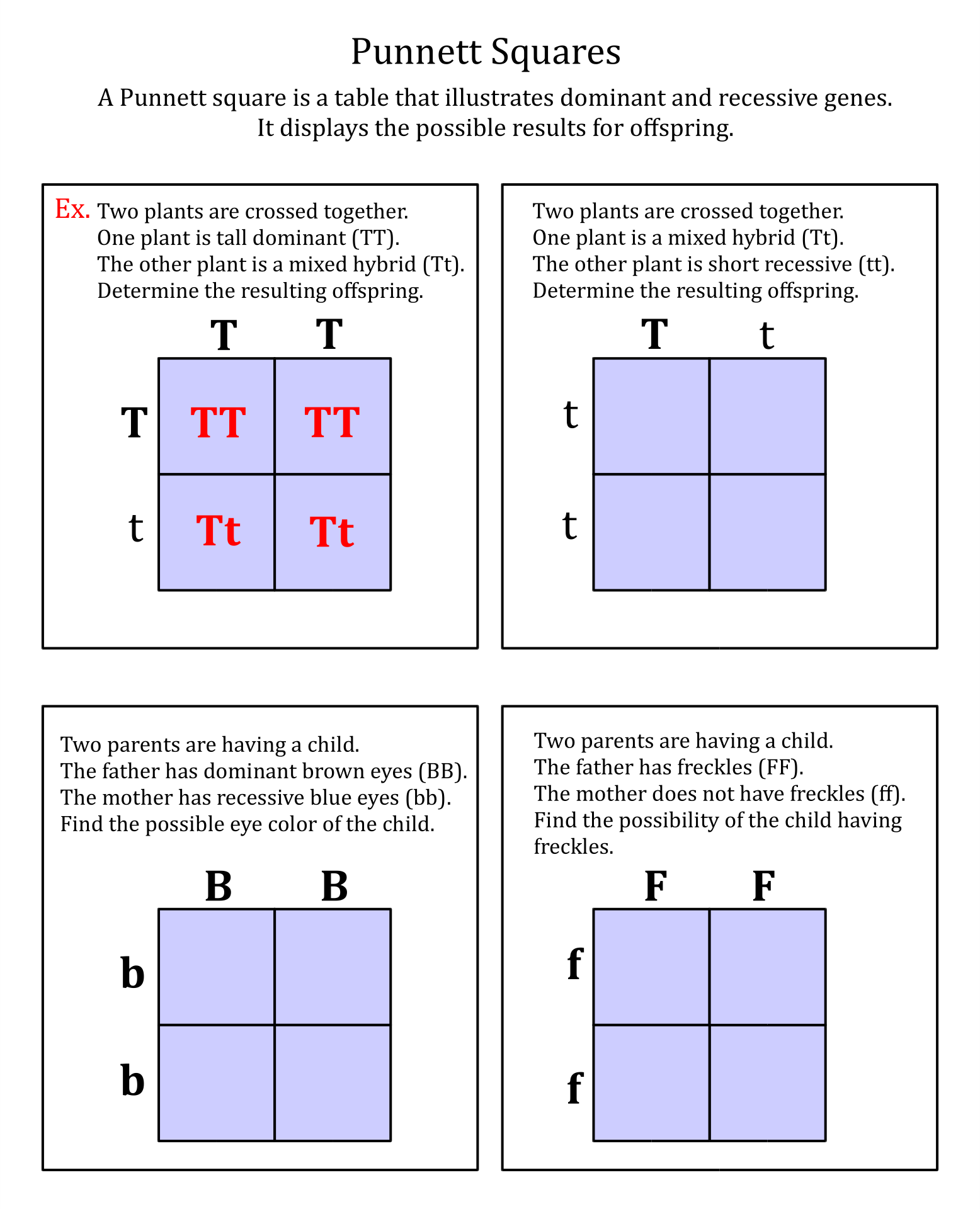
Follow these steps, and you’ll see why this method is so beloved among genetics enthusiasts.
1. Identify Parental Alleles
Write each parent’s genotype next to them. For example, if you’re crossing two heterozygous pea plants (Pp), write “Pp” for each parent.
2. Create the Grid
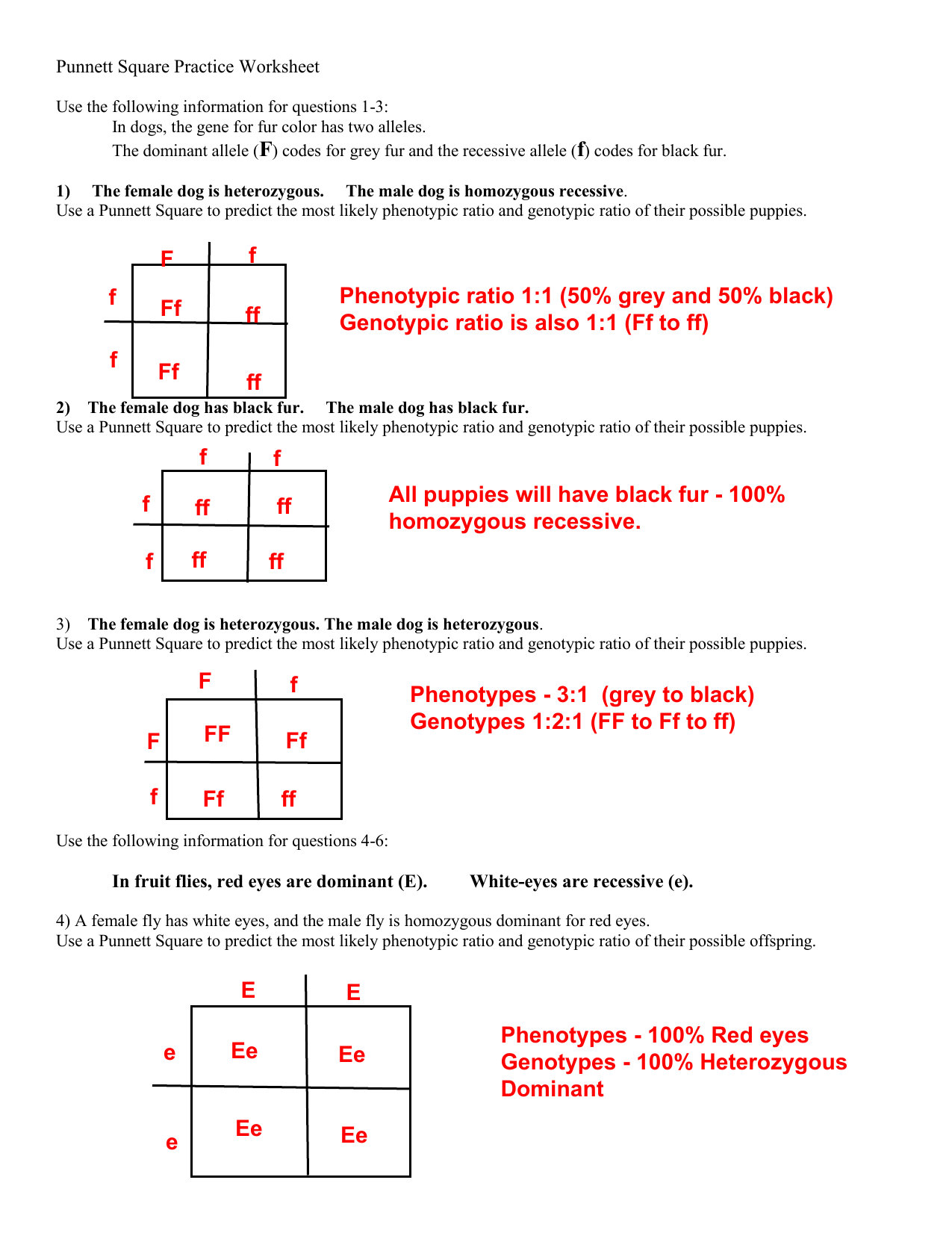
For a monohybrid cross, draw a 2×2 square. Label one parent’s alleles along the top row and the other’s along the left column.
3. Fill the Squares
Combine the alleles from each row and column to fill every cell. In the Pp x Pp example, you’ll fill PP, Pp, pP, and pp.
4. Interpret the Results
Count the occurrences of each genotype and convert them into phenotypes if needed. Here, PP and Pp/pP yield purple flowers, while pp yields white.
5. Calculate Ratios and Percentages
Translate the counts into ratios (e.g., 3:1) or percentages (75% purple, 25% white). This step is often the most rewarding—seeing numbers turn into a clear expectation.
Common Pitfalls and How to Avoid Them
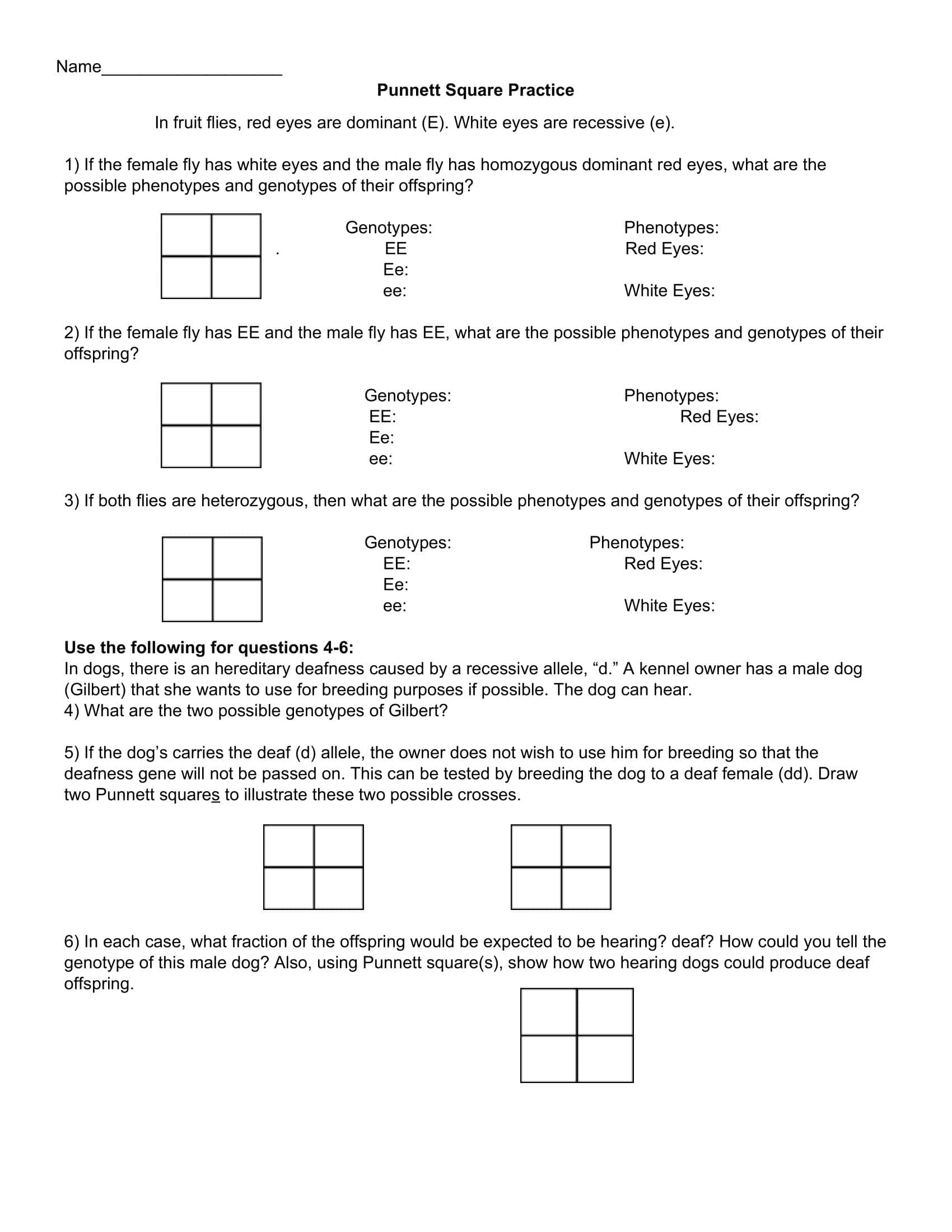
Even seasoned students stumble over common errors. Here are the most frequent mistakes and tips to sidestep them.
Misreading Parental Genotypes
Always double‑check the genotype notation. A single missing allele can change the entire outcome.
Assuming Equal Probability Without Checking Dominance
Remember that phenotype ratios reflect dominance, not just genotype counts. A recessive trait will only appear if both alleles are recessive.
Neglecting to Label Both Sides
Failing to label the top and left sides of the grid can lead to confusion about which parent’s alleles are where.
Overlooking the Law of Segregation
Each allele segregates independently during gamete formation. Assuming non‑segregation can produce inaccurate predictions.
Real-World Applications in Everyday Life

Genetics isn’t confined to labs—everyday decisions often rely on these principles. Below are a few relatable scenarios where Punnett squares shine.
- Plant Breeding at Home: When cross‑pollinating tomatoes, a Punnett square helps anticipate fruit color and disease resistance.
- Animal Husbandry: Farmers use Punnett squares to predict coat colors, horn presence, and other desirable traits in cattle or horses.
- Human Health Screening: Genetic counselors use similar logic to estimate the risk of inheriting autosomal recessive conditions like cystic fibrosis.
- Educational Games: Many school teachers design board games where students use Punnett squares to win points, making learning interactive.
Expanding Beyond Monohybrid: Dihybrid and Trihybrid Crosses

Once you’re comfortable with a single gene, challenge yourself by adding more variables. A dihybrid cross involves two independent genes, while a trihybrid adds a third. The grid size increases exponentially: a dihybrid cross uses a 4×4 grid, and a trihybrid a 8×8. Here’s how to tackle them.
Dihybrid Cross Essentials
Example: Crossing two pea plants heterozygous for both flower color (Pp) and seed shape (Tt). Each parent’s genotype is PpTt. Your grid will contain 16 cells, each representing a combination of alleles.
Trihybrid Cross Essentials
Example: Adding seed coat color (Cc) to the previous cross, making each parent CC? Actually heterozygous for all three, like PpTtCc. The grid would be 8×8, containing 64 cells.
Managing Complexity
Use color coding, sticky notes, or a spreadsheet to keep track of allele combinations and avoid miscounting.
Using Digital Tools and Printable Worksheets
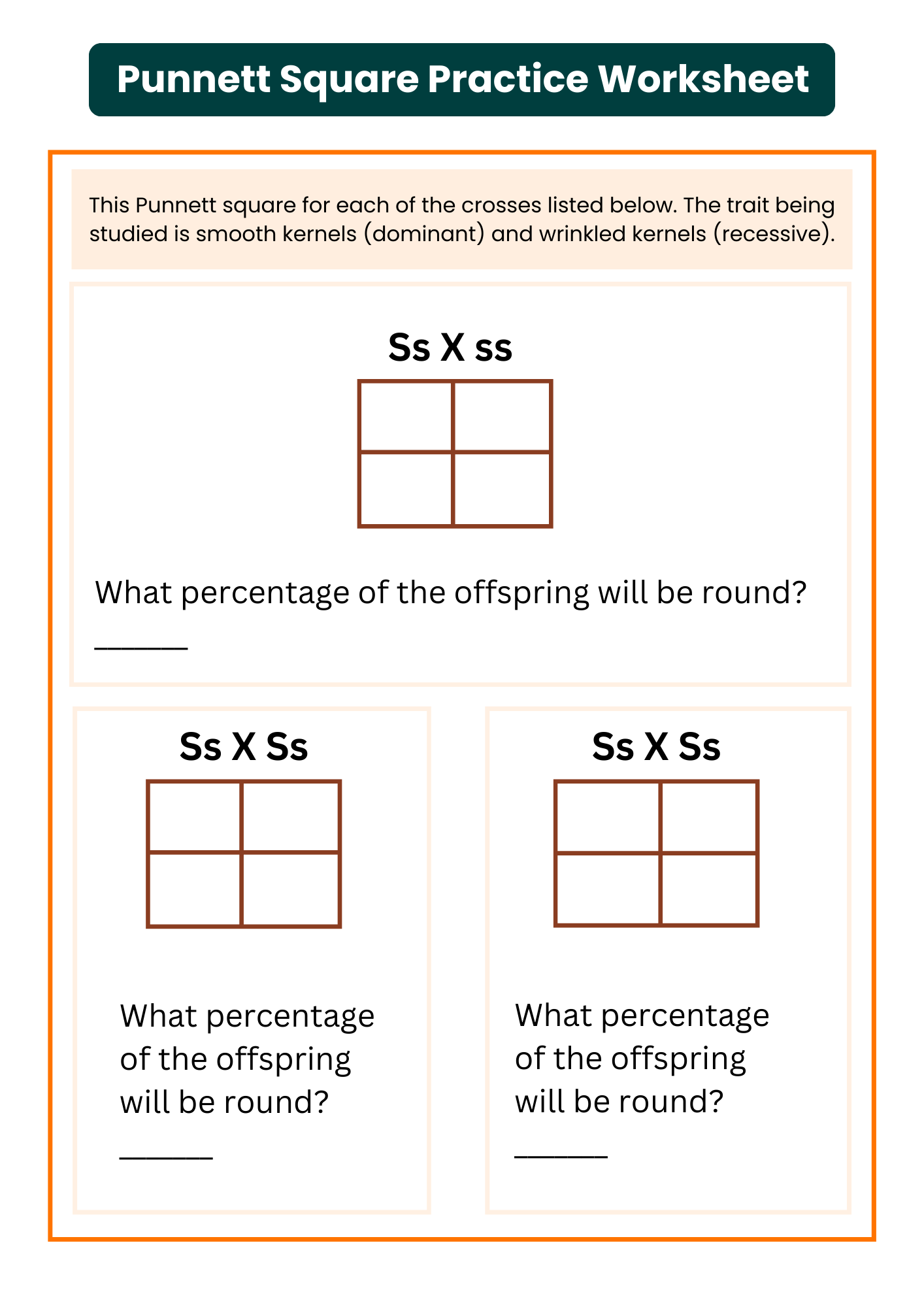
While traditional worksheets provide hands‑on practice, digital resources can accelerate learning.
Interactive Online Generators
Several web applications allow you to input parental genotypes and automatically generate Punnett squares, including probability tables. This is especially useful for visual learners who benefit from instant feedback.
Printable Worksheet Collections
Download a set of practice worksheets covering a variety of traits—flower color, seed shape, human blood types—and mix them up to keep the exercise fresh. You can also print blank grids and write your own problems, fostering creativity.
Mobile Apps for On‑The‑Go Practice
Apps that simulate breeding scenarios let you drag and drop alleles, making the experience feel like a game. Track your scores and progress over time to stay motivated.
Tips for Teachers and Parents
Whether you’re guiding a classroom or tutoring a child at home, these strategies maximize learning outcomes.
Create a Story‑Based Context
Turn a Punnett square into a narrative. For instance, imagine two rabbits that are both “long‑haired” but one carries a hidden gene for “spotted.” This makes abstract genetics more tangible.
Encourage Predictive Thinking
Ask students to predict phenotypes before filling the squares, then compare their predictions with the actual outcomes.
Use Gamification
Set up a leaderboard for correctly predicted ratios. Small rewards—stickers or extra playtime—can boost engagement.
Introduce Peer Collaboration
Let learners pair up to solve cross problems and explain their reasoning. Teaching others reinforces their own understanding.
Keeping the Practice Fun and Engaging
Staying motivated through countless worksheets can be challenging. Here are creative ways to keep the energy high.
Integrate Real Plants or Pets
Observe your garden’s flowers or your pet’s coat patterns, and apply Punnett squares to predict future traits.
Set Up a “Genetics Challenge”
Every week, pick a new trait and let participants submit their predicted outcomes. Reveal the actual results in a fun reveal session.
Use Visual Aids
Color code dominant alleles in blue and recessive in red. Visual contrast helps quick pattern recognition.
Reward Persistence
Offer certificates or a “Genetics Master” badge after a certain number of accurately completed worksheets.
Conclusion

Mastering Punnett Square Worksheet Practice equips you with a versatile tool that bridges theoretical genetics and everyday applications. From predicting flower colors in your backyard to understanding how traits spread through populations, the square provides clarity and confidence. By starting with simple monohybrid crosses, learning to avoid common pitfalls, expanding into dihybrid and trihybrid problems, and leveraging digital tools and engaging teaching methods, you can transform what once felt like rote calculation into a dynamic exploration of life’s patterns. Keep practicing, stay curious, and soon those grids will not just be worksheets, but windows into the hidden logic that shapes our world.