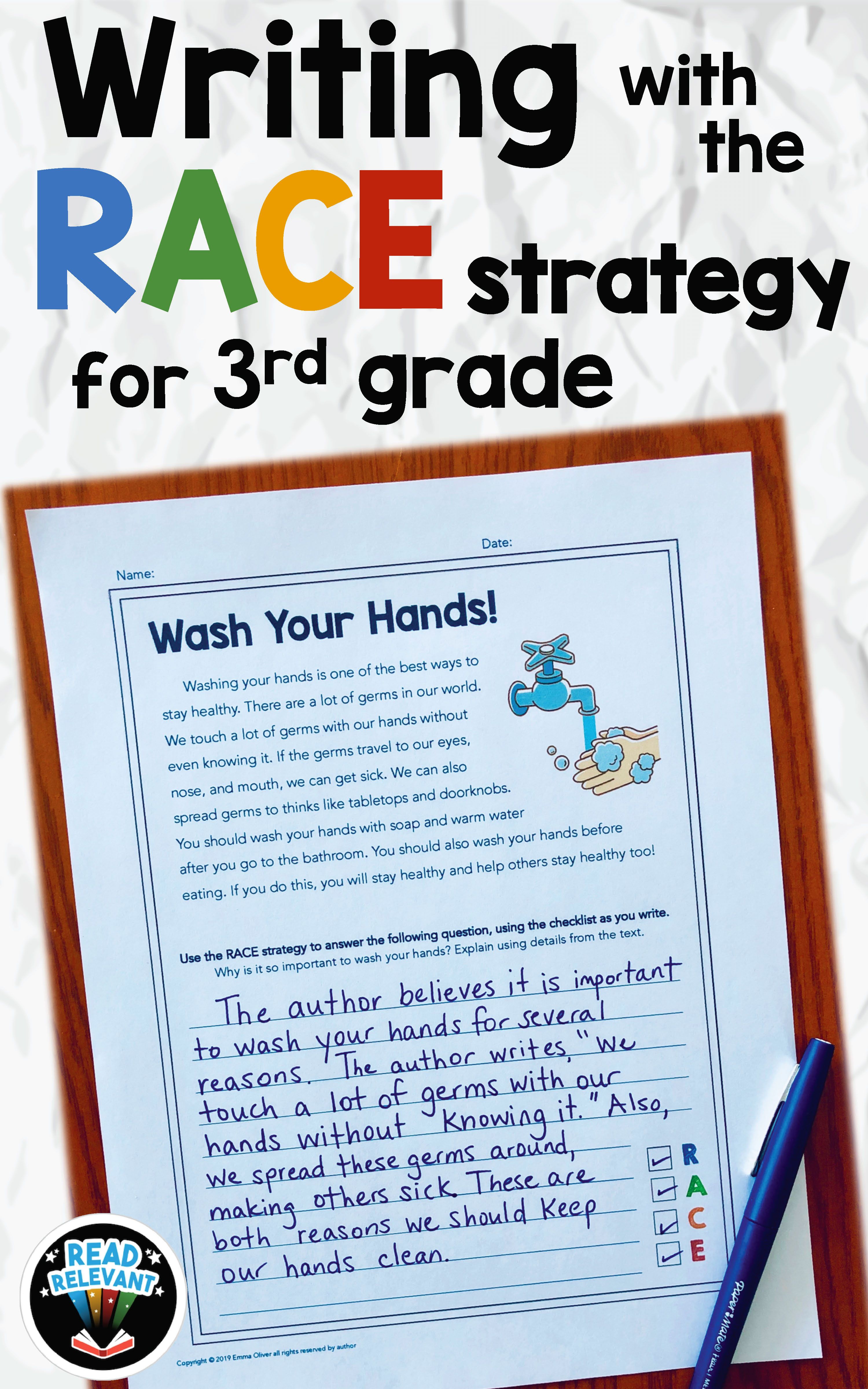
Race Strategy Practice Worksheets Pdf are a pivotal tool for athletes and coaches aiming to sharpen race tactics, sharpen mental focus, and transform training sessions into purposeful performance labs. They bridge the gap between theory and execution, ensuring every stride, lap, or mile is guided by a clear plan rather than instinct alone.
What Are Race Strategy Practice Worksheets?

Definition and Purpose
Race strategy practice worksheets are structured documents that outline specific race scenarios, tactical decisions, and execution checkpoints. They translate complex race plans into digestible, printable steps that athletes can review, rehearse, and internalize before competition. By mapping out pacing cues, transitional moments, and contingency responses, these worksheets make the abstract concrete.
Key Components of an Effective Worksheet
1. Objective: A concise statement of what the athlete aims to achieve (e.g., “Maintain a steady 6:00 mile pace with a strong final kick”).
2. Race Breakdown: Divides the race into segments—warm‑up, middle, and finish—each with specific targets.
3. Pacing Guide: Provides split times or perceived exertion levels for each segment.
4. Key Moments: Highlights strategic points such as “cross the 3‑mile marker, start conserving energy.”
5. Contingency Plans: Pre‑planned responses to variables like a sudden slowdown or a teammate pulling ahead.
6. Reflection Questions: After practice, prompts athletes to assess what worked, what didn’t, and how to adjust.
Why Use PDFs for Race Strategy Worksheets?
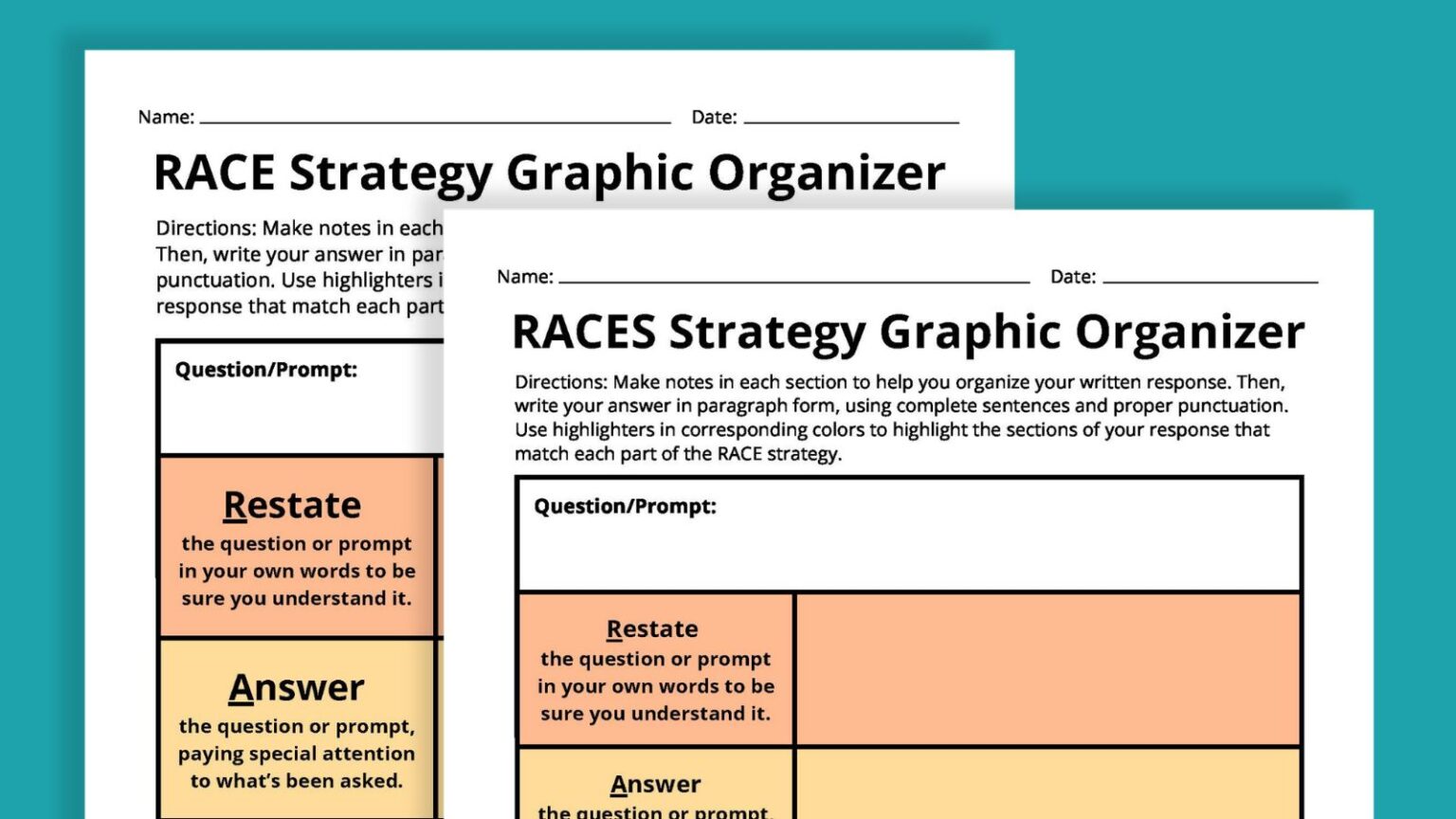
Accessibility and Consistency
PDFs preserve formatting across devices, ensuring the layout looks the same on a phone, tablet, or printed sheet. This consistency is essential when athletes need to focus on content, not layout changes.
Shareability
A PDF can be emailed, downloaded, or printed in a single click. Coaches can send individualized sheets to each athlete, allowing for tailored plans without the need for physical copies.
Longevity of Printouts
Printed PDFs become quick reference cards athletes can keep in their bags. The tactile feel of a paper worksheet often reinforces memory more effectively than scrolling on a screen.
How to Create an Effective Race Strategy Worksheet
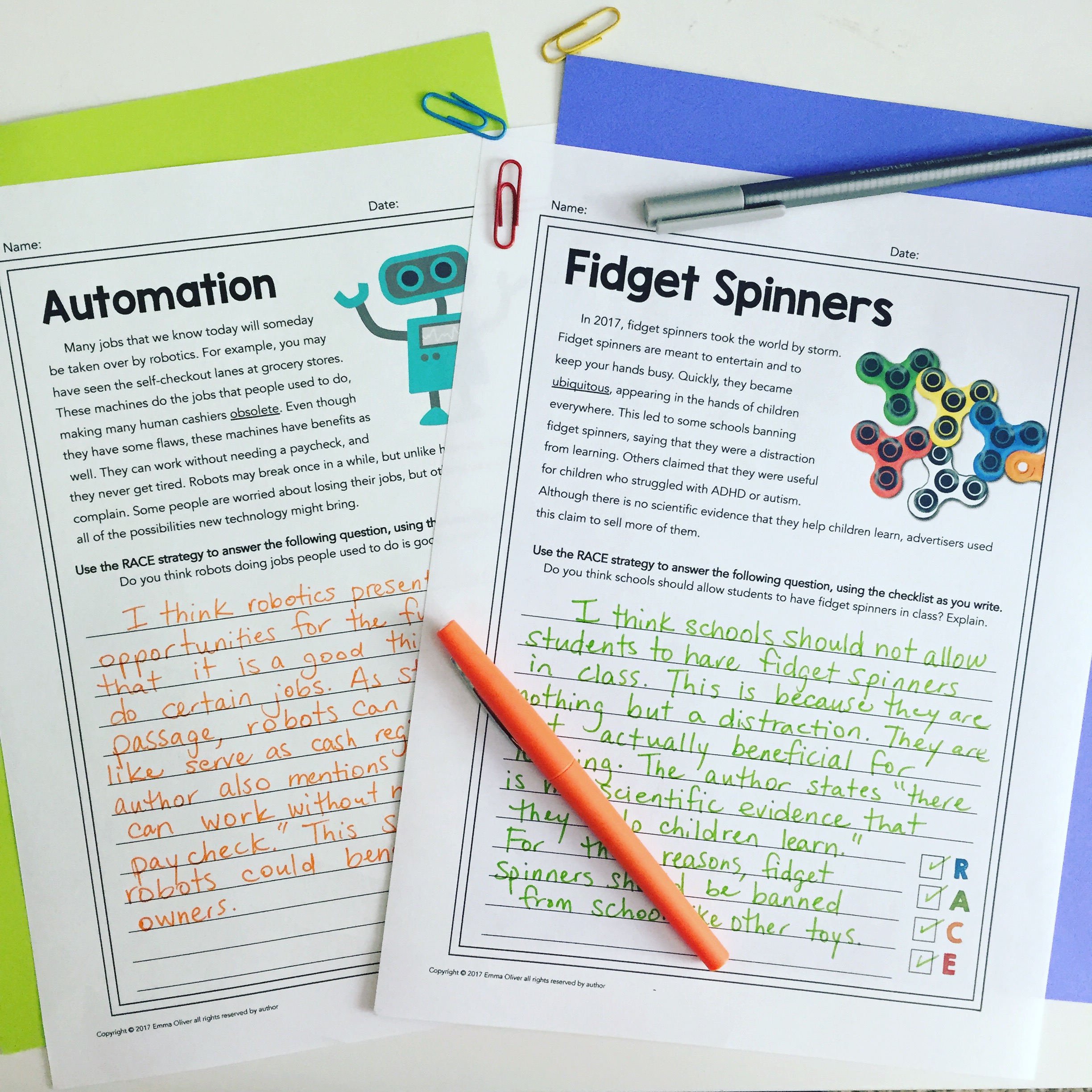
Step 1: Identify the Key Race
Select the race that will most benefit from a strategic plan—be it a 5K, a half marathon, or a track event. Define the race distance, terrain, and typical weather conditions. Understanding the context sets the foundation for all subsequent planning.
Step 2: Break Down the Race into Manageable Segments
Divide the race into logical sections—warm‑up, mid‑race, and finish. For a 10K, you might consider segments such as 0‑2 km, 2‑6 km, 6‑9 km, and final 1 km.
Step 3: Establish Pacing Targets
Assign specific time goals or perceived exertion levels to each segment. Include both ideal pacing and acceptable variances to accommodate real‑time adjustments.
Step 4: Highlight Tactical Decision Points
Mark critical moments—when to start drafting behind a rival, when to initiate a breakaway, or when to conserve energy for a final sprint. These markers become mental cues during the race.
Step 5: Develop Contingency Plans
Consider potential disruptions: a teammate’s stumble, an unexpected surge, or a sudden weather shift. For each scenario, write a concise action plan that can be recalled instantly.
Step 6: Add Reflection Questions
After every practice run, athletes should answer prompts such as “Did I stick to the pacing guide?” or “How did I feel during the final kick?” These reflections turn practice into continuous improvement cycles.
Step 7: Finalize the Layout for Clarity
Use a clean font, ample white space, and bold headings. Keep the worksheet simple enough for quick scanning under pressure but comprehensive enough to cover all critical points.
Common Pitfalls and How to Avoid Them

Overloading the Worksheet
Too many details can overwhelm. Focus on the most actionable items and leave extra space for personal notes.
Ignoring Individual Variability
Every athlete’s physiology differs. Tailor the pacing guide and tactical cues to personal strengths and weaknesses.
Failing to Practice with the Sheet
Strategy becomes ingrained only when rehearsed. Incorporate the worksheet into every practice session, not just once before a race.
Neglecting Post‑Race Reflection
Without reflection, the worksheet becomes a static artifact. Make post‑race review a routine part of training.
Real-World Examples of Effective Race Strategy Worksheets

Case Study 1: The 5K Sprint Finish
An athlete aims for a 5K time of 20:30. The worksheet outlines:
- 0‑1 km: “Keep below 4:05 pace, focus on breathing.”
- 1‑4 km: “Maintain 4:05 pace; use drafting if possible.”
- 4‑4.5 km: “Begin to increase effort, aim for 4:00 pace.”
- 4.5‑5 km: “Execute final kick; surge to 3:55 pace.”
During the race, the athlete follows each cue, checks the clock at each milestone, and completes a post‑run reflection that confirms the strategy was effective, adjusting the final kick pace slightly for next time.
Case Study 2: The Half Marathon Endurance Tactic
A long‑distance runner uses a worksheet that includes:
- Pacing map with target splits for every 5 km.
- “Hydration checkpoints” at 5 km, 10 km, and 15 km.
- “Mental cue” phrases such as “I am strong, keep going.”
- Contingency: “If feeling sluggish at 12 km, slow to 4:30/5 km pace and reassess.”
By adhering to these printed cues, the runner maintains optimal energy distribution and avoids the common “wall” phenomenon.
Tips for Coaches and Parents

Provide Personalized Feedback
After each practice run, review the worksheet with the athlete. Highlight what was executed well and where the plan deviated.
Encourage Autonomy
Let the athlete fill in reflection questions. Ownership of the process boosts confidence and accountability.
Use Technology Wisely
Combine printed worksheets with a simple timing app. This hybrid approach keeps the athlete grounded in the plan while leveraging digital precision.
Set Realistic Goals
Begin with modest pace targets. As confidence grows, incrementally raise the difficulty level in successive worksheets.
Printable Resources and Where to Find Them

Template Libraries
Many educational and athletic organizations provide free printable worksheets. Look for “race strategy” sections tailored to various distances.
Custom Design Tools
Online graphic editors allow coaches to build custom PDFs that match their team’s branding and color scheme. They can integrate logos, track diagrams, and athlete names effortlessly.
Collaborative Platforms
Use shared drives or cloud storage to distribute worksheets to all team members. This ensures everyone has the same version and can download or print when needed.
Conclusion
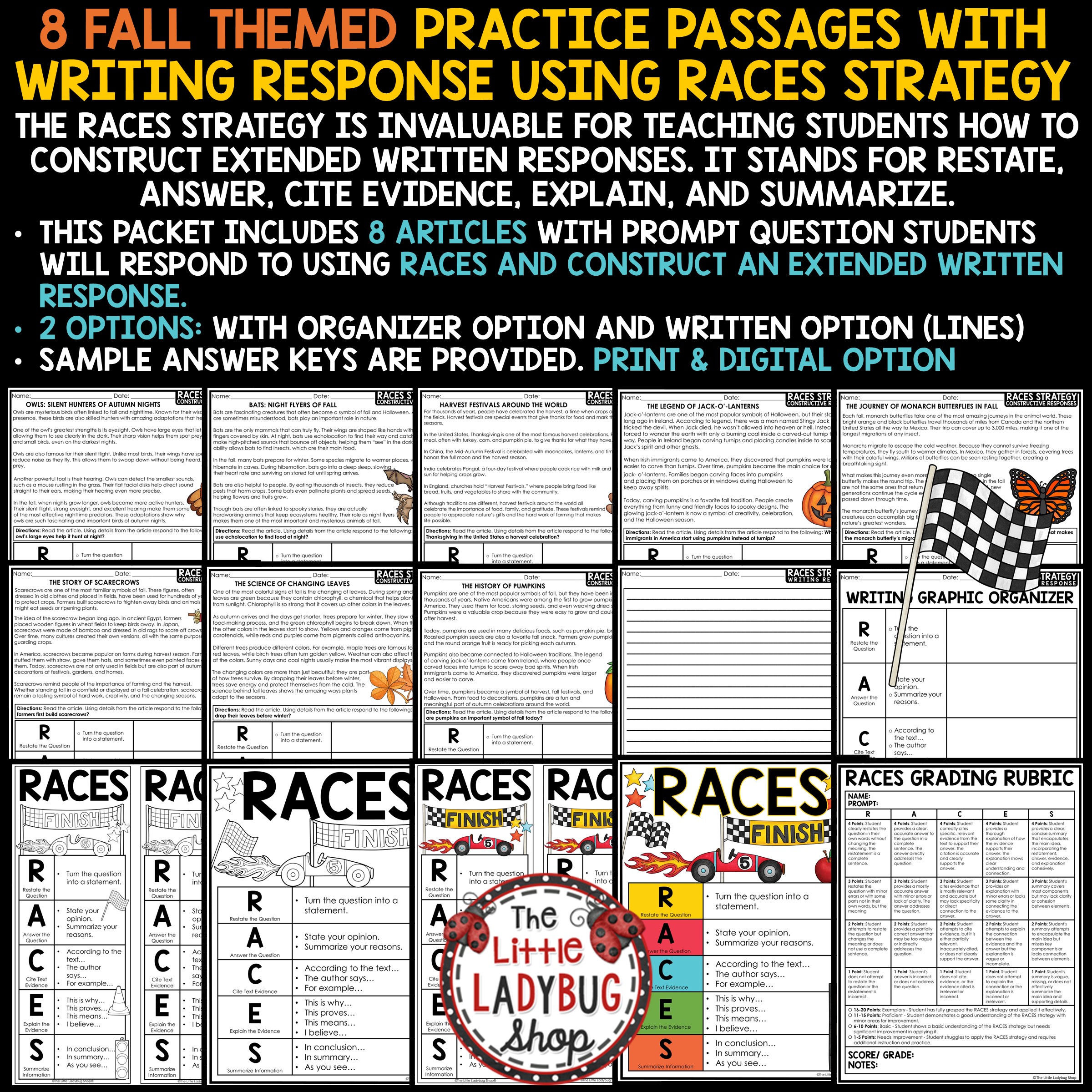
Race Strategy Practice Worksheets Pdf serve as the backbone of disciplined racing. By translating high‑level tactics into bite‑size, actionable steps, they empower athletes to race smarter, not harder. The clarity they provide—through pacing guides, tactical cues, and contingency plans—reduces uncertainty, sharpens focus, and ultimately lifts performance. Coaches, parents, and athletes who adopt and practice with these worksheets are not merely racing; they are executing a well‑crafted master plan that turns potential into podiums.