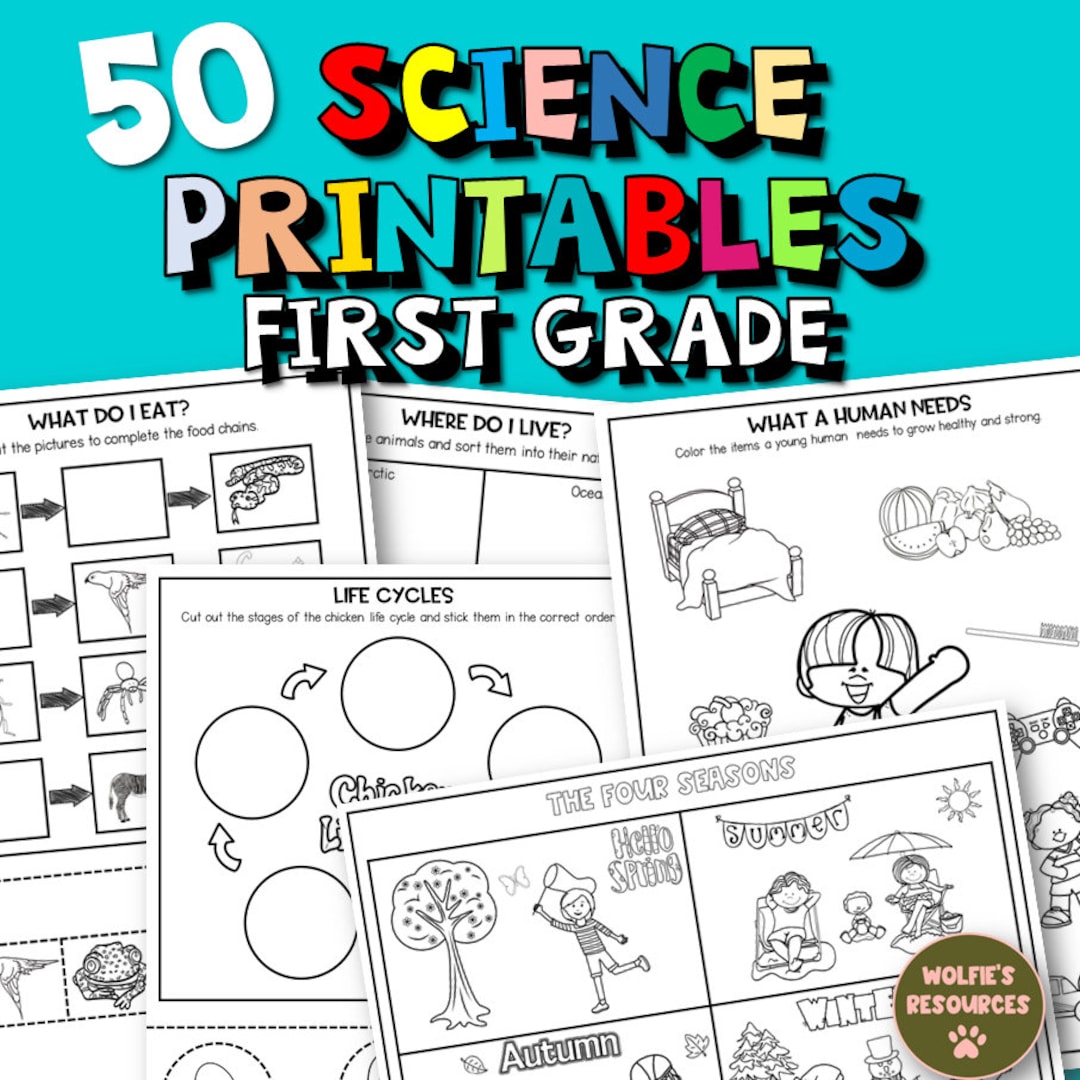
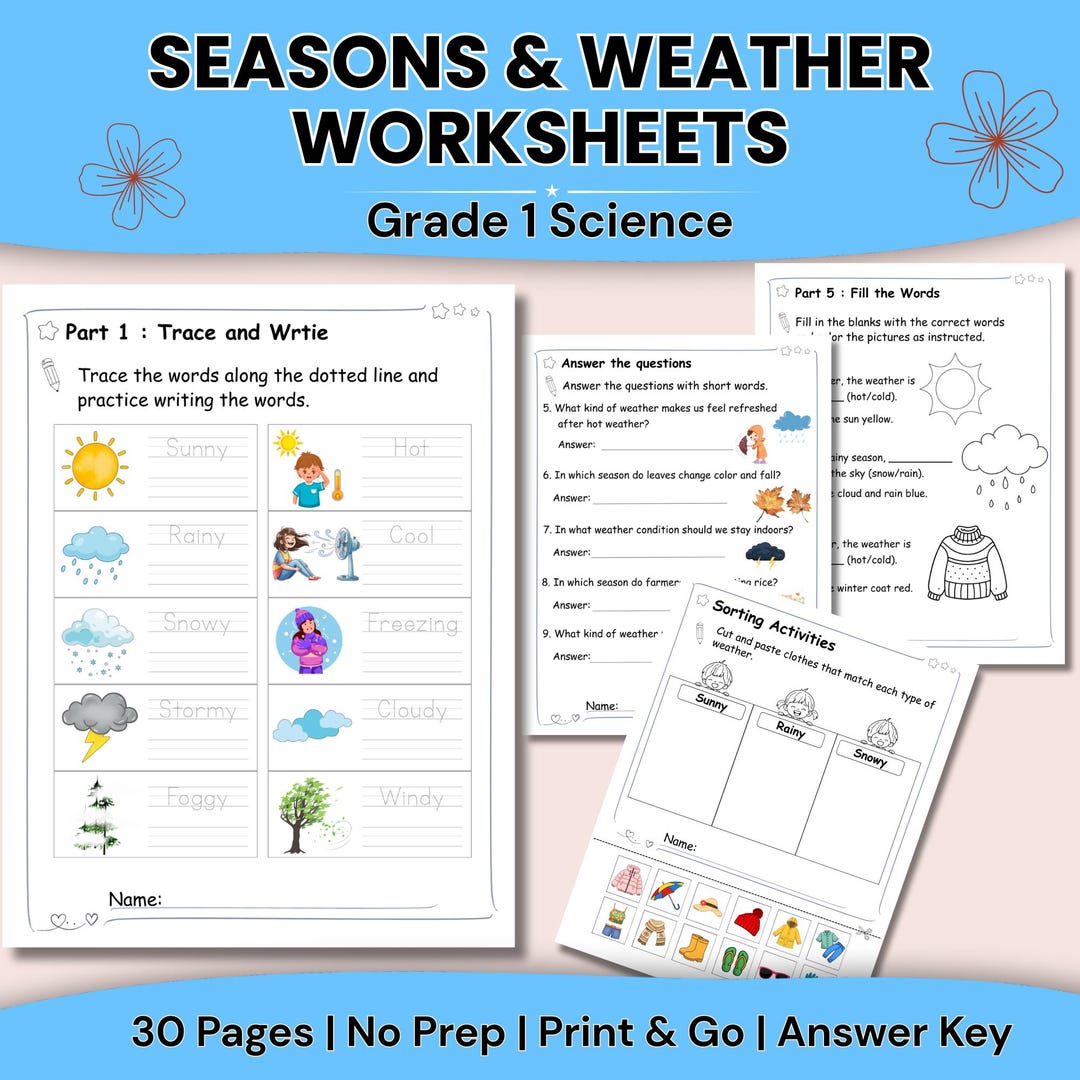
Science Worksheets For Grade 1 open a doorway to curiosity, letting young learners explore the natural world while building foundational skills in observation, classification, and simple reasoning. In this comprehensive guide we’ll dive into why these worksheets matter, what core concepts they should cover, and how parents, teachers, and homeschooling families can select, adapt, and use them to create an engaging, standards‑aligned science experience for first graders.
Why Science Worksheets Matter in First Grade
First‑grade science is more than a collection of facts; it’s the stage where children develop a habit of asking “why” and learning how to seek answers. Worksheets act as a bridge between hands‑on exploration and reflective thinking, giving students a concrete way to record observations, practice vocabulary, and reinforce concepts introduced during classroom experiments or nature walks. When used correctly, worksheets:
- Provide structure for informal learning moments.
- Encourage repetition, which solidifies memory of key terms like “plant,” “habitat,” or “weather.”li>
- Offer teachers quick diagnostic tools to gauge comprehension and identify misconceptions.
- Support differentiated instruction by allowing varied difficulty levels on the same topic.
Because first graders are still mastering fine motor skills, worksheets that feature clear, large fonts, simple graphics, and plenty of white space reduce frustration and keep the focus on the science content rather than the mechanics of writing.
Core Science Concepts for Grade 1
Curriculum standards for first‑grade science typically cluster around three broad domains: Life Science, Earth & Space Science, and Physical Science. Effective worksheets address each domain with age‑appropriate language and activities.
Life Science
In this domain, students learn about living things, their needs, and basic classification. Worksheets often include:
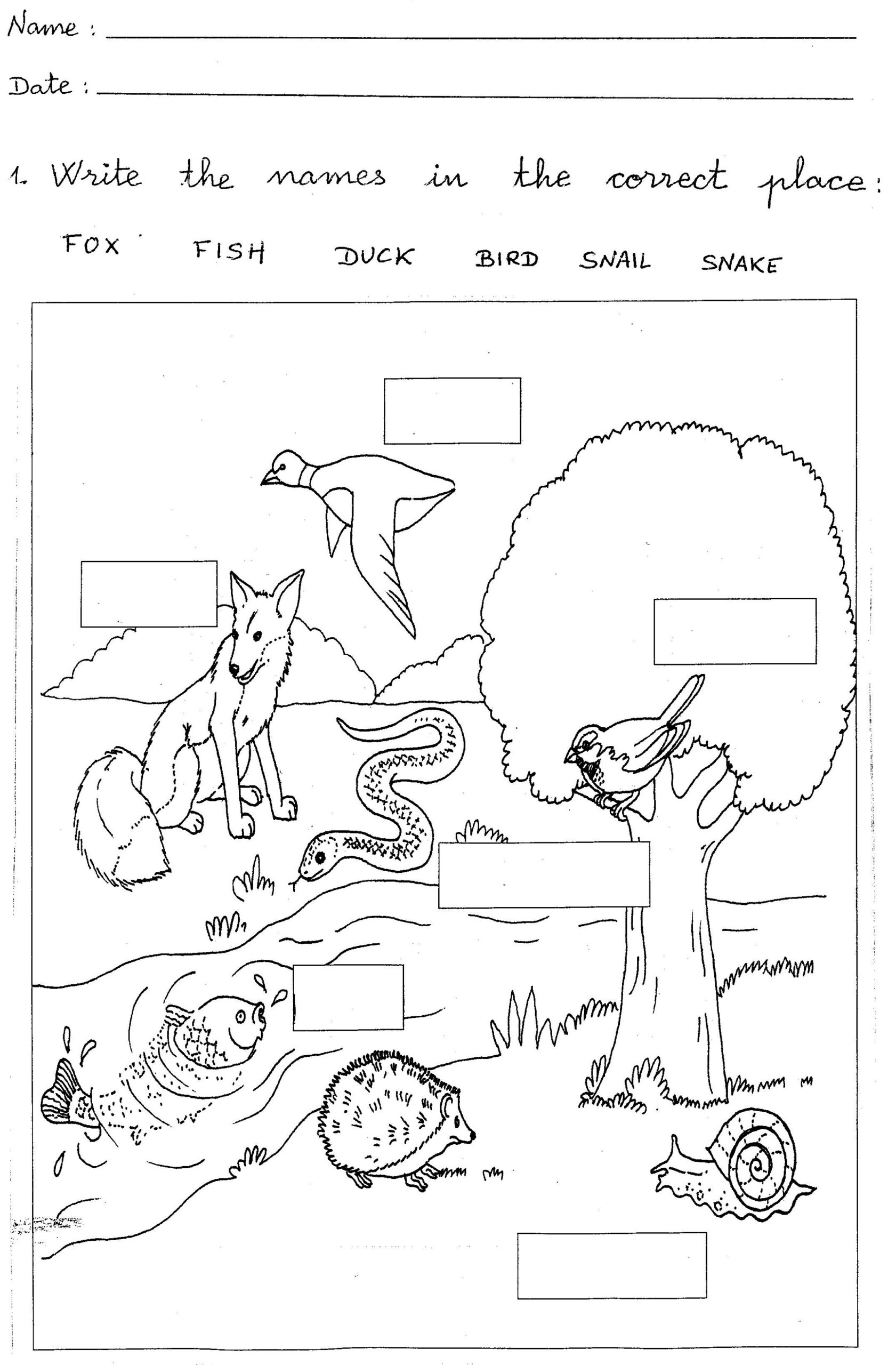
- Matching pictures of animals to their habitats.
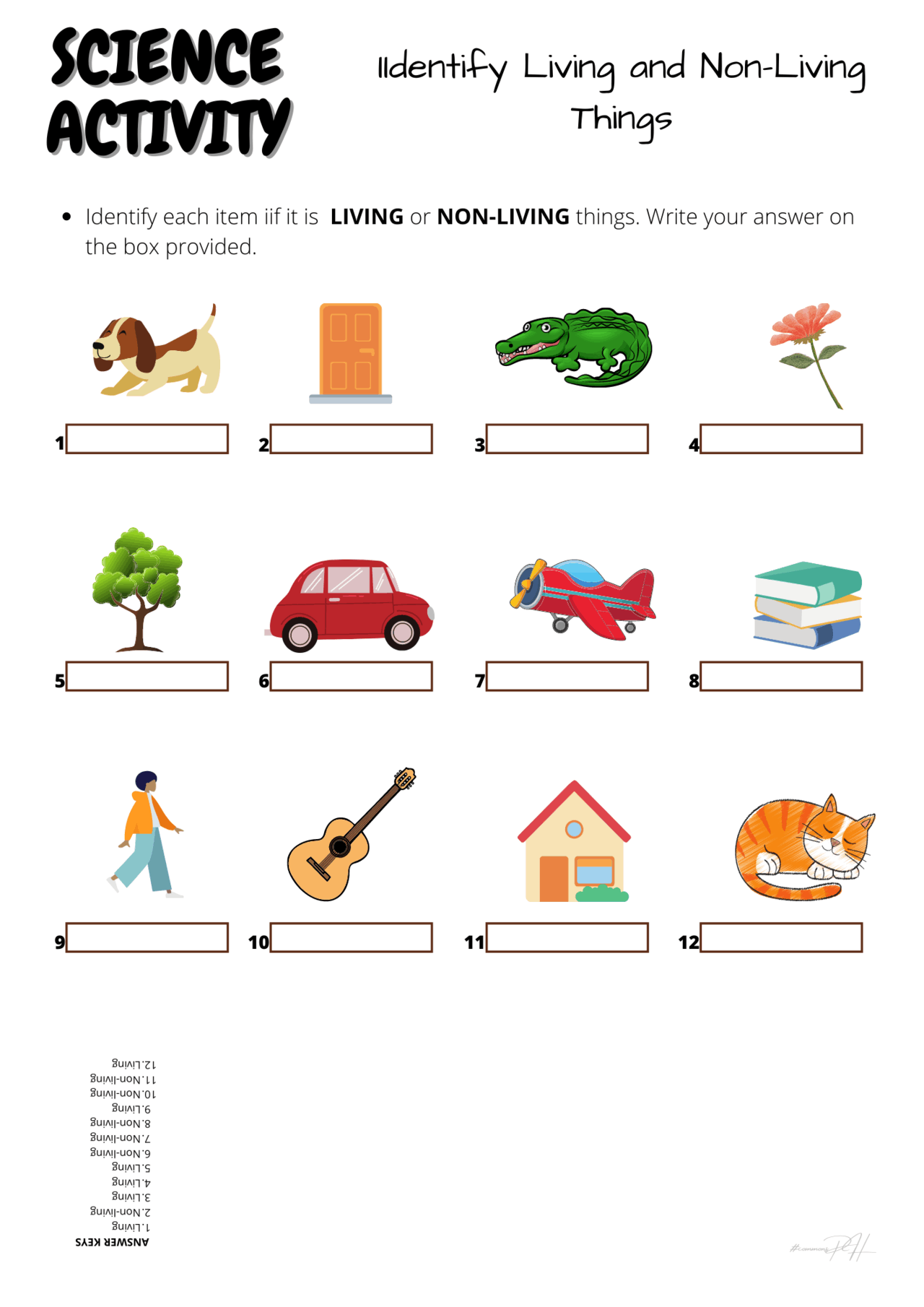
- Sorting activities for plants vs. animals.
- Simple “needs and wants” charts that ask children to circle what a plant needs to grow.
Earth & Space Science
Young learners explore weather patterns, seasons, and the sky. Worksheet ideas include:
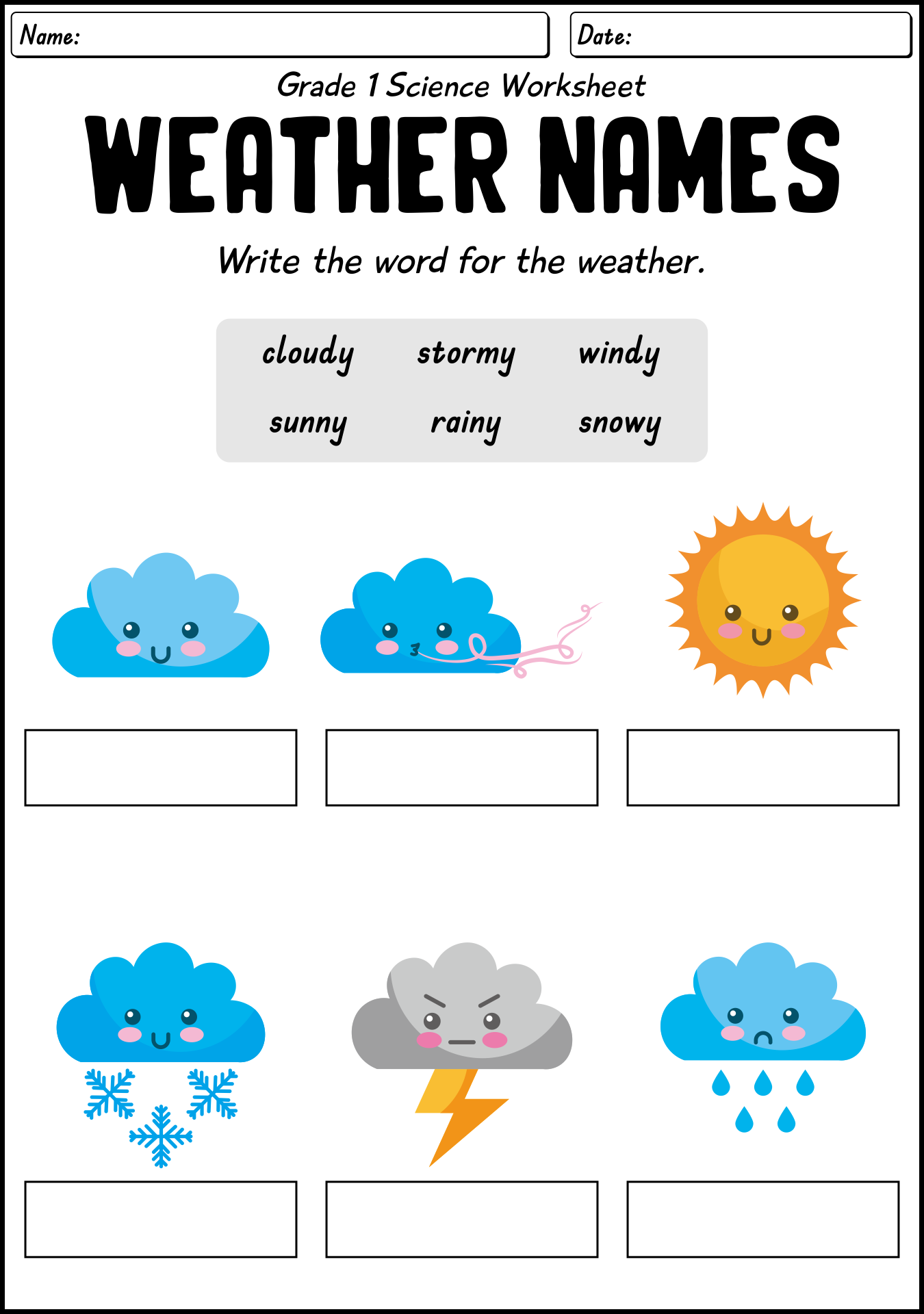
- Weather symbol tracing sheets where students draw sunshine, clouds, rain, or snow.
- Seasonal clothing cut‑and‑paste activities that reinforce the concept of temperature change.
- Sunrise‑sunset sequencing pages that introduce the idea of Earth’s rotation.
Physical Science
First‑grade physical science focuses on basic properties of objects and simple cause‑and‑effect relationships. Common worksheet formats are:
- Sorting objects by material (metal, wood, plastic) using picture cards.
- “What will happen?” prediction tables that ask children to guess the outcome of a simple experiment, such as mixing water and sand.
- Force and motion tracing sheets where students follow the path of a rolling ball.
How to Choose Effective Science Worksheets
Not all worksheets are created equal. When selecting resources, consider the following criteria to ensure they align with educational goals and keep students motivated.
Alignment with Standards
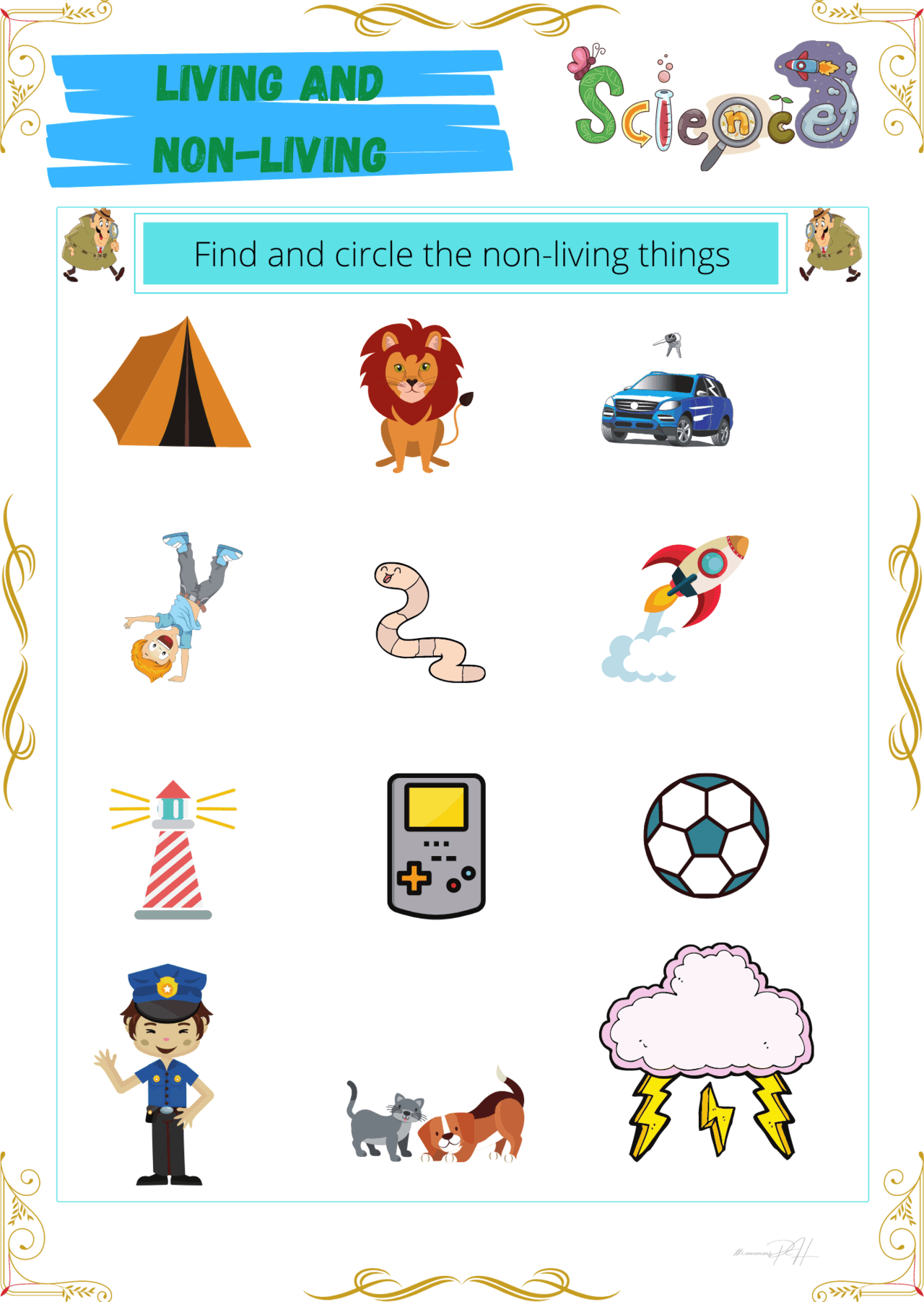
Check that the worksheet targets specific learning objectives from your state or national science standards. Look for clear references to concepts like “identify living and non‑living things” or “describe weather changes.”
Visual Clarity
First graders respond best to bold, colorful illustrations and minimal text. Choose worksheets that use simple icons, large answer boxes, and clear headings. Avoid dense paragraphs that can overwhelm early readers.
Hands‑On Integration
Great worksheets extend beyond the page. Look for activities that require cutting, coloring, or using manipulatives such as beans, leaves, or magnets. This kinesthetic element reinforces learning and supports fine‑motor development.
Scaffolding and Differentiation
Effective resources provide multiple entry points. A worksheet might start with a matching task for struggling learners and progress to a short written explanation for more advanced students. Adjustable difficulty ensures every child can experience success.
Feedback Mechanisms
Some worksheets include built‑in answer keys or self‑check sections (e.g., “circle the correct answer”). These features allow students to instantly see if they understood the concept, fostering independence and confidence.
Printable vs. Digital Worksheets
The decision between paper‑based and electronic worksheets depends on classroom resources, learning preferences, and the type of activity.
Printable Worksheets
Paper worksheets excel at tactile learning. Cutting, gluing, and coloring are natural extensions of the science content, especially for topics like plant parts or animal habitats. Printable sheets are also easy to distribute for take‑home assignments, allowing parents to reinforce classroom lessons.
Digital Worksheets
Interactive PDFs or online platforms can embed audio prompts, drag‑and‑drop features, and instant scoring. Digital formats are useful for remote or hybrid learning environments and can track student progress automatically. However, they often lack the hands‑on manipulation that many first‑grade learners need to internalize concepts.
Hybrid Approach
Combining both formats maximizes benefits. For example, start with a digital quiz to assess prior knowledge, then move to a printable activity that lets students build a 3‑D model of a weather system. This blended strategy keeps lessons fresh and accommodates diverse learning styles.
Practical Tips for Parents and Teachers
Whether you’re a classroom teacher or a parent homeschooling at the kitchen table, the following strategies will help you get the most out of science worksheets.
Create a Predictable Routine
Set aside a specific time each week for worksheet work. A consistent routine signals to children that science is a regular, exciting part of their day, similar to reading or math.
Connect Worksheets to Real‑World Experiences
Before handing out a worksheet about plant parts, take a short nature walk and collect leaves, stems, and roots. After the walk, students can label the parts on the worksheet, reinforcing the connection between observation and written work.
Encourage Discussion
After completing a worksheet, ask open‑ended questions: “What surprised you about today’s weather symbols?” or “Why do you think some animals live in the desert while others live in the forest?” This dialogue deepens comprehension and promotes critical thinking.
Use Positive Reinforcement
Celebrate completed worksheets with a simple reward system—stickers, a “science star” chart, or a short celebration dance. Positive reinforcement builds a growth mindset and encourages repeated effort.
Adapt for Differentiated Learning
If a child struggles with a matching task, provide a version with fewer items or add a word bank. Conversely, for advanced learners, ask them to write a short sentence describing why a particular habitat suits an animal, turning a simple worksheet into a mini‑essay.
Engaging Activities That Extend Worksheet Learning

Worksheets are a springboard, not the endpoint. Here are several extension activities that keep first graders excited about science.
Mini‑Experiments
Pair a “What will happen?” worksheet with a quick experiment, such as placing a leaf in water to observe buoyancy. Students can record predictions, observations, and conclusions directly on the worksheet.
Classroom Science Corners
Designate a corner with bins of natural objects—rocks, shells, pinecones, and magnifying glasses. After a worksheet on sorting by material, let children explore the bins, reinforcing the classification skill in a hands‑on way.
Storytelling Integration
Ask children to create a short story featuring a scientist character who solves a problem using the concepts they just practiced. The story can be illustrated and attached to the back of a worksheet, merging literacy with science.
Technology‑Enhanced Exploration
Use a tablet to access free virtual field trips (e.g., a 3‑D tour of a rainforest). After the virtual visit, students complete a worksheet that asks them to match animals they saw with their habitats, cementing the digital experience with printable reinforcement.
Common Mistakes to Avoid

Even well‑intentioned educators can stumble. Recognizing typical pitfalls helps you fine‑tune your approach.
Overloading With Text
First graders have limited reading stamina. Keep instructions short, use bullet points, and pair text with clear icons.
Neglecting Differentiation
Providing the same worksheet to all students can leave some bored and others frustrated. Incorporate tiered tasks or optional challenge sections to meet varied skill levels.
Skipping Reflection
After worksheet completion, failing to discuss answers diminishes retention. Allocate a few minutes for a class or family debrief where children explain their reasoning.
Relying Solely on Worksheets
Worksheets should complement, not replace, hands‑on experiments, outdoor exploration, and discussion. A balanced science program blends all modalities.
Frequently Asked Questions

How often should I use science worksheets with my first grader?
A weekly session of 15–20 minutes works well for most families. This frequency maintains momentum without overwhelming the child’s schedule.
What age‑appropriate vocabulary should be introduced?
Key terms include “living,” “non‑living,” “habitat,” “weather,” “temperature,” “magnet,” and “force.” Introduce each word with a picture and a simple definition, then reinforce through worksheet usage.
Can I create my own worksheets?
Absolutely. Simple templates using word processors or free online worksheet generators allow you to customize content to match your child’s interests—whether it’s dinosaurs, space rockets, or garden insects.
How do I assess progress without formal tests?
Use a checklist that records mastery of specific skills (e.g., “Can correctly match animal to habitat”). Review the checklist quarterly to spot trends and adjust instruction accordingly.
Conclusion

Well‑designed Science Worksheets For Grade 1 are powerful tools that transform curiosity into structured understanding, laying a solid foundation for lifelong scientific thinking. By selecting worksheets that align with standards, offer visual clarity, and integrate hands‑on activities, educators and parents can create a vibrant learning environment that balances exploration with reflection. Whether printed on paper or experienced digitally, these resources become most effective when paired with real‑world observations, thoughtful discussion, and consistent encouragement. Embrace the variety of worksheets available, adapt them to your child’s unique needs, and watch as first‑grade learners develop confidence, language, and a genuine love for the wonders of science.