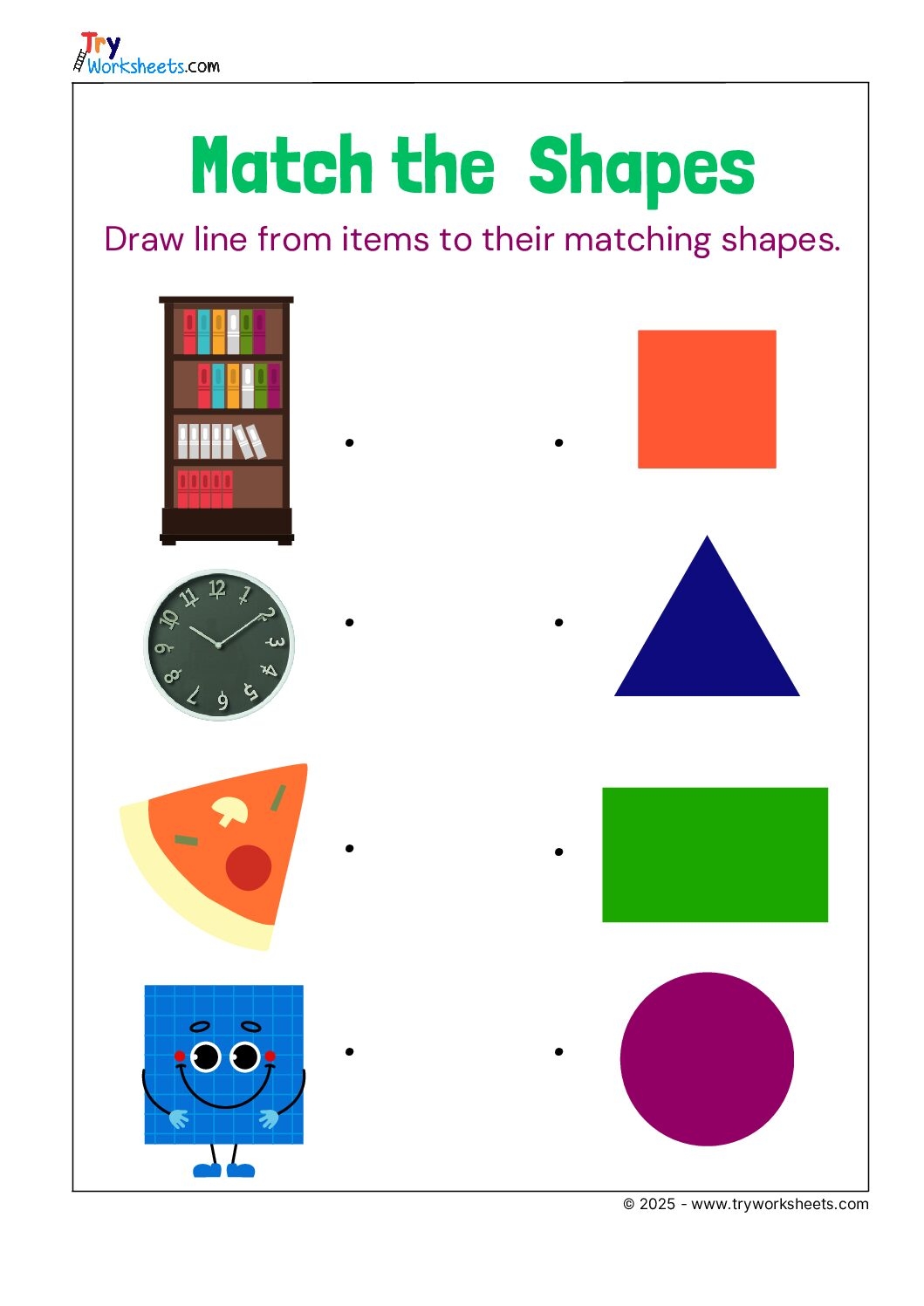
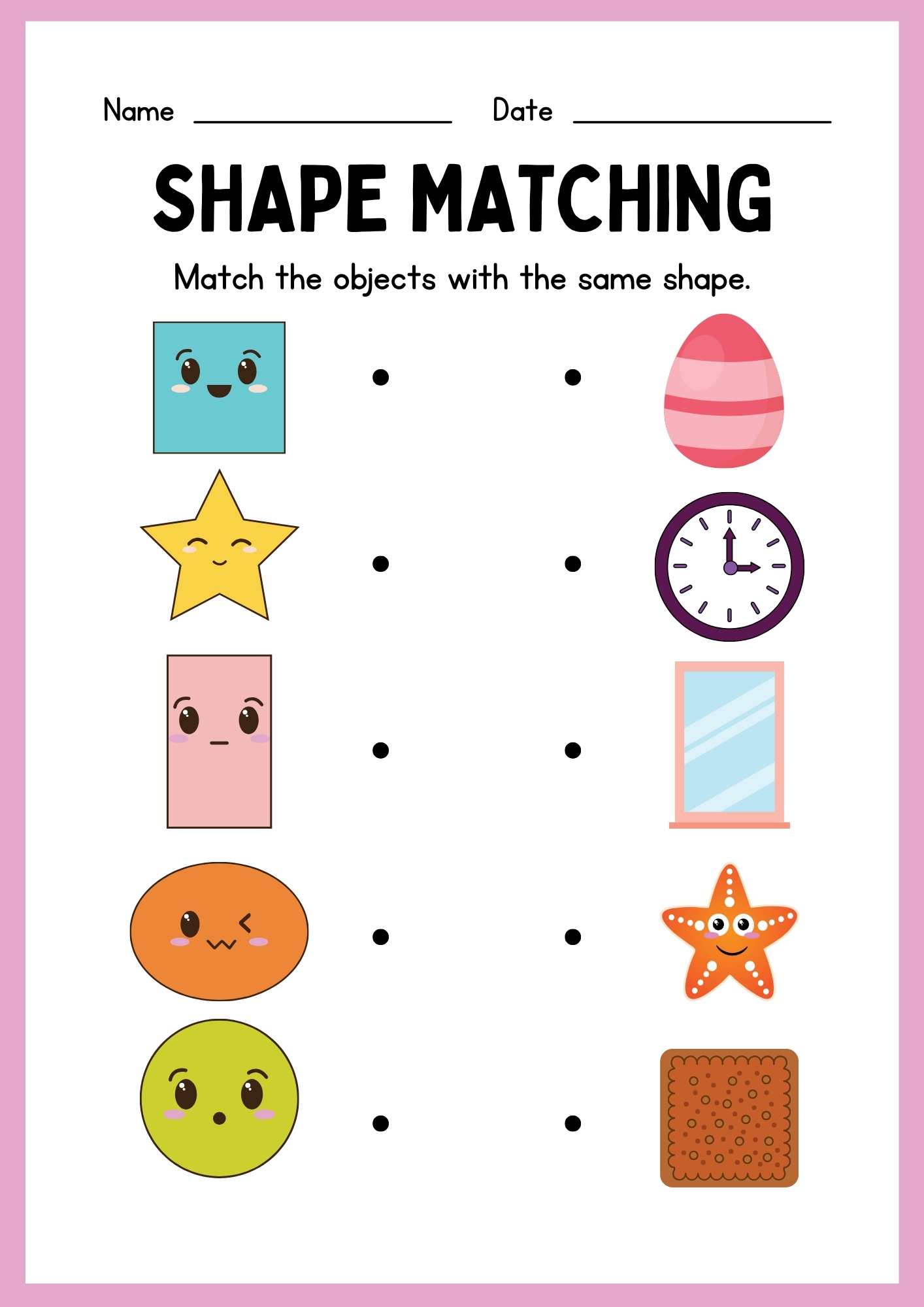
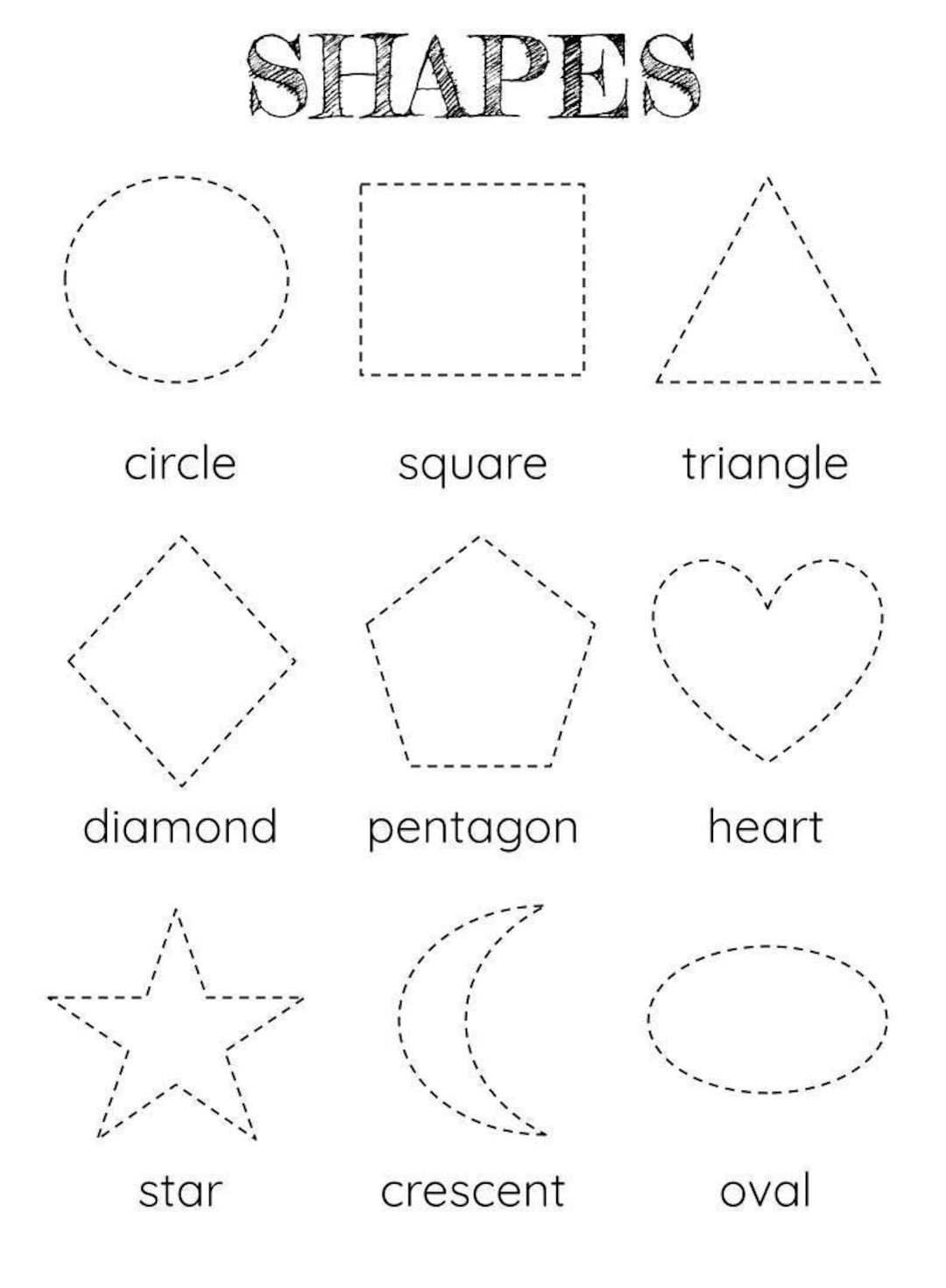
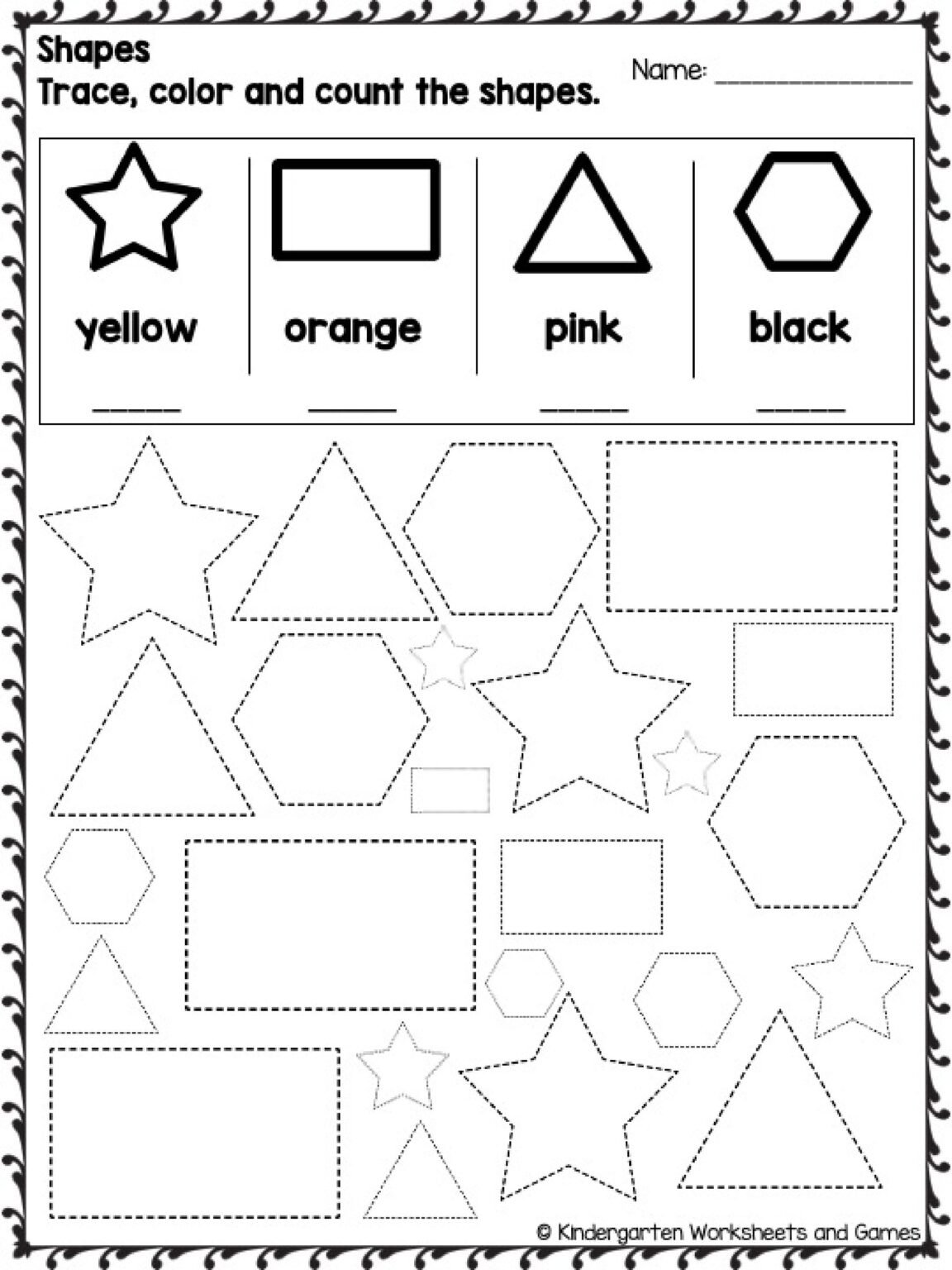
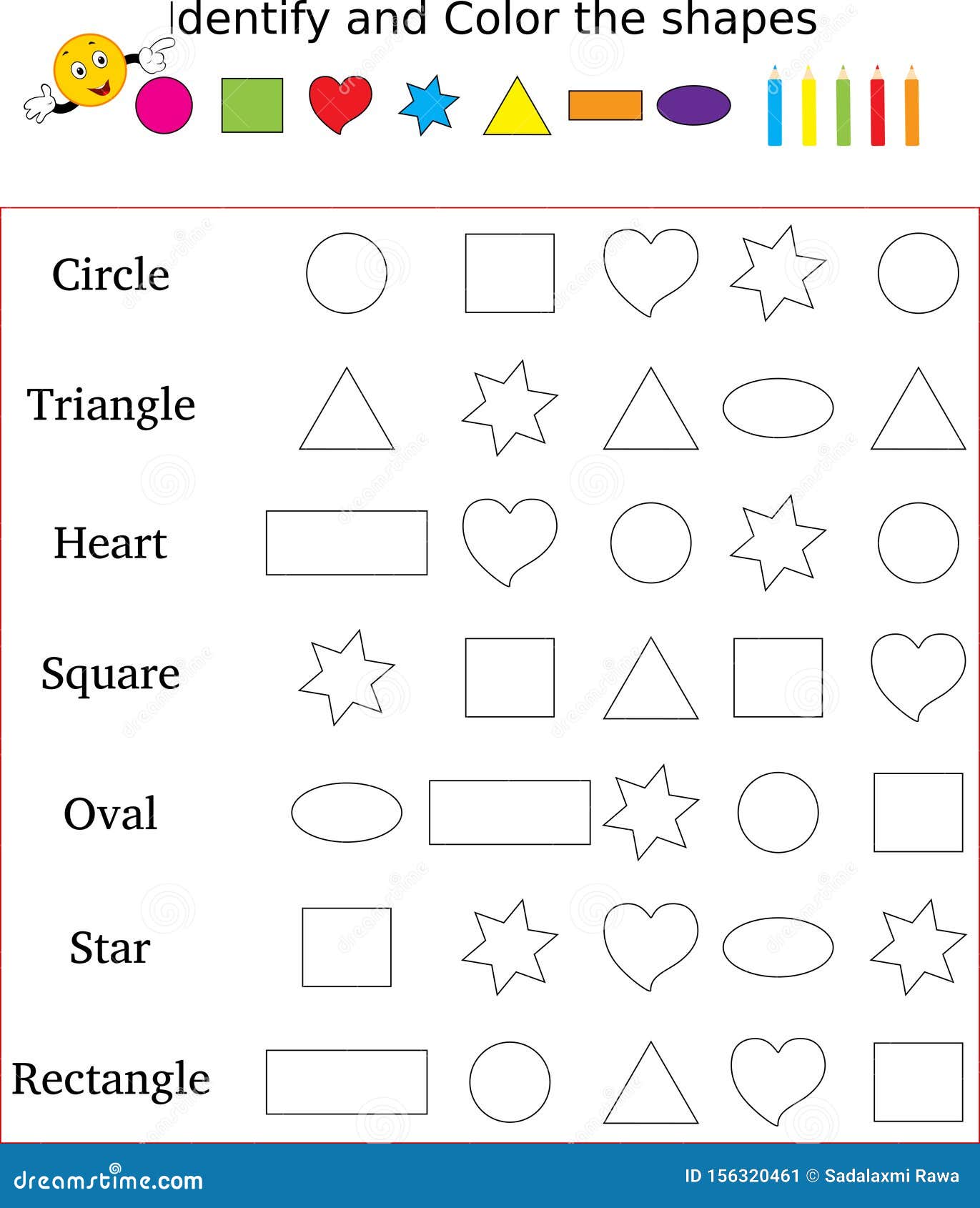
Shapes Worksheet For Kg is an essential educational tool that helps young learners recognize and categorize geometric shapes, laying the groundwork for spatial reasoning and problem‑solving skills. This blog post delves into the science behind shape learning, offers practical guidance for teachers and parents, and explores creative ways to keep kindergarteners engaged while mastering the fundamentals of geometry.
Why Shapes Worksheets Matter for Kindergarten

During the kindergarten years, children’s brains are primed for visual and tactile exploration. Introducing shapes at this stage supports cognitive development in several key areas:
- Visual discrimination – Differentiating a circle from an oval or a square from a rectangle sharpens attention to detail.
- Spatial awareness – Understanding how shapes fit together builds the foundation for later mathematical concepts like area, perimeter, and symmetry.
- Language skills – Naming and describing shapes expands vocabulary and improves expressive communication.
- Fine motor control – Tracing or coloring shapes helps develop hand‑eye coordination and pencil grip.
- Confidence building – Completing a worksheet successfully boosts self‑esteem and encourages a growth mindset.
Because kindergarten is a critical period for establishing these skills, a well‑structured Shapes Worksheet For Kg can accelerate learning and keep young students motivated.
Key Elements of an Effective Shapes Worksheet

Clear, Simple Labels
Use large, bold text for each shape’s name. Keep the vocabulary limited to basic terms such as “circle,” “square,” “triangle,” “rectangle,” and “oval.” This reduces cognitive load and allows children to focus on recognition rather than decoding unfamiliar words.
High-Contrast, Colorful Images
Bright, contrasting colors not only capture attention but also aid memory retention. Pair each shape with a distinct color—blue circles, red triangles, green squares—to create a visual cue that helps students associate form with hue.
Interactive Tasks
Include activities that require active participation: drag-and-drop matching, color-by-number, and simple cut‑and‑paste segments. Interactive tasks turn passive observation into hands‑on learning, reinforcing shape concepts through repetition.
Progressive Difficulty
Start with single‑shape identification before moving to more complex tasks such as grouping shapes by attributes or arranging them into patterns. This scaffolding approach keeps students challenged without feeling overwhelmed.
Visual and Textual Cues
Combine pictorial examples with short sentences that describe the shape’s characteristics. For instance, “A circle has no corners and all sides are the same length.” This dual modality strengthens comprehension.
How to Use Shapes Worksheets in the Classroom
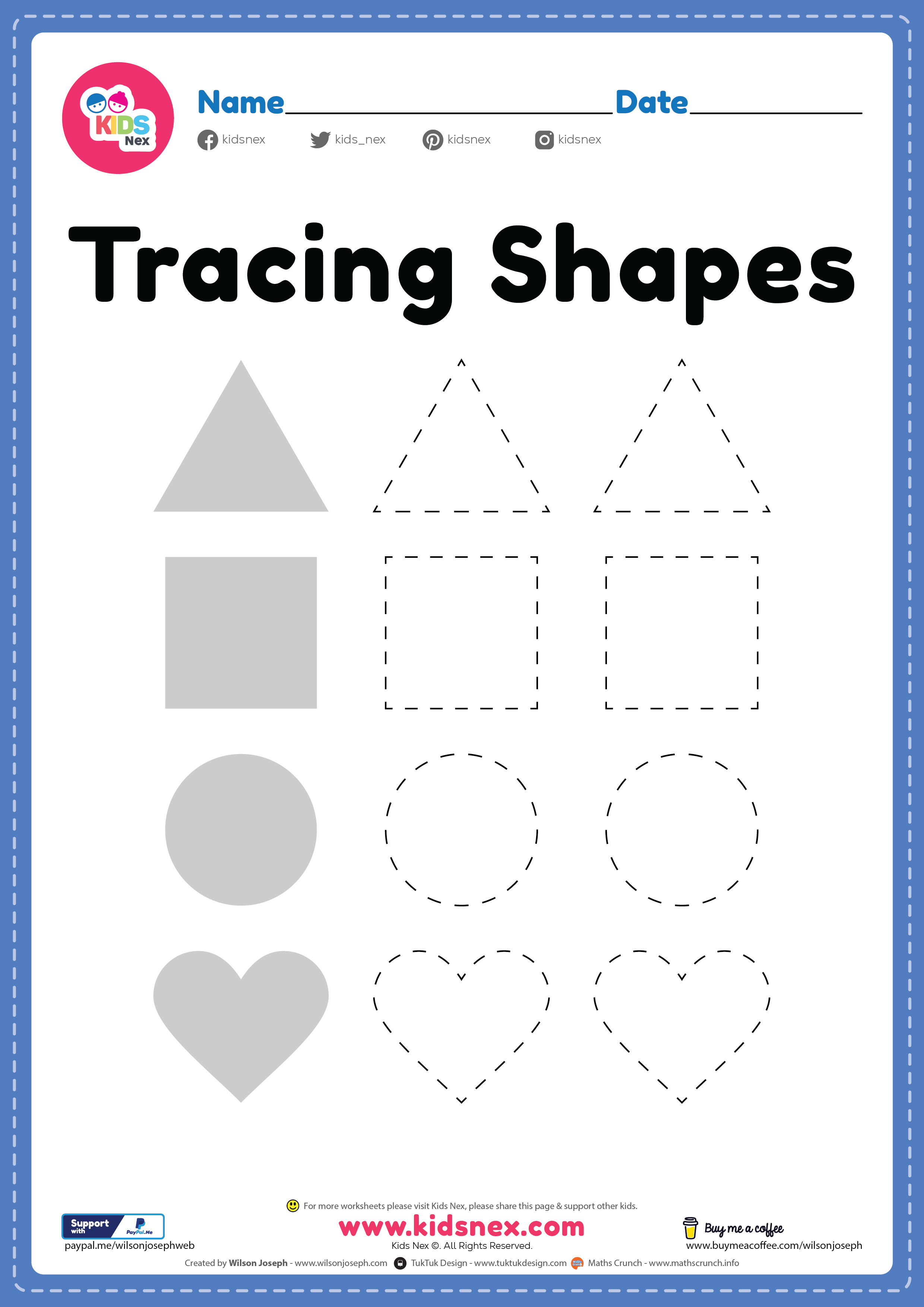
Individual Practice Sessions
Allocate 10‑15 minutes each day for students to complete a worksheet independently. This routine builds consistency and provides a low‑pressure environment for self‑assessment.
Small Group Rotations
Divide the class into groups of three or four. Rotate stations that focus on different shape activities—identification, matching, and sequencing. Rotations promote collaboration and allow children to learn from peers.
Whole‑Class Discussions
After group work, bring everyone together to discuss common findings. Prompt questions such as “What shape did everyone find the most challenging?” and “How many triangles can you find in a picture?” These conversations reinforce vocabulary and encourage critical thinking.
Integrating Technology
Use interactive apps that mirror worksheet concepts. Digital platforms can provide instant feedback, adaptive difficulty, and gamified rewards that motivate students to practice regularly.
Creative Activities to Reinforce Shape Recognition
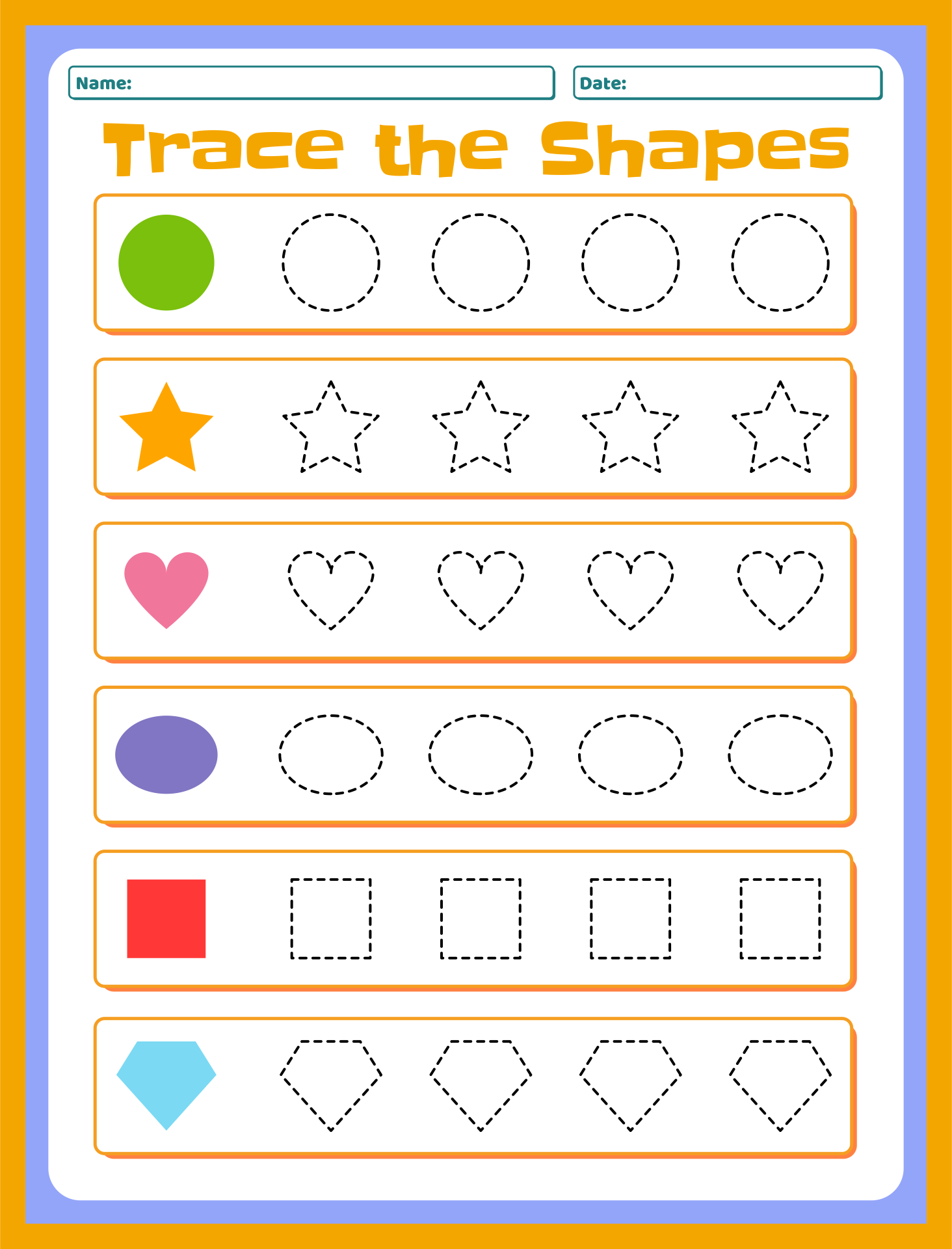
Shape Hunt Scavenger Hunt
Hide shape cards around the classroom or playground. Ask students to find and bring back the card that matches a teacher‑called shape. This active search encourages observation and recall.
Build-a-Shape Craft
Give children construction paper or Play-Doh to create each shape. Label the creation with a sticky note of the shape’s name. The tactile experience deepens understanding and engages multiple senses.
Shape Storytelling
Create a short story where characters are shapes—“The Curious Circle” or “The Brave Triangle.” Have students illustrate scenes using the shapes they have learned, thereby linking narrative skills with geometry.
Shape Patterns and Sequencing
Provide pattern cards that students must complete using shapes. For example: Circle, Square, Circle, Square… Students fill in the missing shapes, fostering pattern recognition and sequencing abilities.
Digital vs Printable Worksheets: Choosing the Right Format

Printable Worksheets
- Cost‑effective – can be printed on school or home paper.
- Hands‑on – children can trace, color, and cut shapes.
- Reusable – worksheets can be photocopied for future use.
Digital Worksheets
- Interactive – drag-and-drop, instant feedback.
- Adaptive – automatically adjust difficulty based on student performance.
- Accessible – usable on tablets, laptops, or smartboards.
Teachers may combine both formats: use printouts for kinesthetic activities and digital tools for assessment and personalized practice.
Common Mistakes to Avoid

Overloading Information
Including too many shapes or complex tasks in a single worksheet can overwhelm young learners. Keep the focus narrow and introduce new concepts gradually.
Inconsistent Labeling
Using different terms for the same shape (e.g., “oval” vs “ellipse”) confuses students. Stick to one name per shape throughout the worksheet.
Neglecting Cultural Relevance
Shapes may appear differently in various contexts. Incorporate culturally diverse examples to broaden students’ perspectives and foster inclusion.
Ignoring Assessment Opportunities
A worksheet that merely asks students to identify shapes without reflection fails to gauge learning progress. Include short reflection prompts like “Which shape did you like best and why?” to assess comprehension.
Tips for Parents at Home

Set a Regular Practice Time
Choose a consistent daily slot—such as after dinner or before bedtime—so the activity becomes a routine habit.
Use Everyday Objects
Point out shapes in household items: a clock (circle), a window (rectangle), a slice of pizza (triangle). Real‑world examples reinforce classroom learning.
Encourage Exploration
Let children choose which shapes to color or arrange. Autonomy boosts engagement and helps children develop decision‑making skills.
Celebrate Small Wins
Offer verbal praise or a simple sticker reward for correctly identified shapes. Positive reinforcement boosts motivation.
Measuring Progress and Adjusting Difficulty

Observation Checklists
Create a simple table with columns for each shape and tick boxes when a child successfully identifies it. This visual record helps teachers spot patterns and tailor future worksheets.
Self‑Assessment Cards
Provide cards with shapes and a yes/no question: “Did you find this shape before?” This encourages students to reflect on their learning journey.
Progressive Worksheets
Design a series of worksheets that build on previous ones: start with single shapes, progress to matching, then to pattern creation. As students master each level, introduce more abstract shapes like pentagons or hexagons.
Conclusion

Mastery of shapes in kindergarten is more than an academic requirement; it is a gateway to logical thinking, spatial awareness, and confidence in problem‑solving. By integrating well‑structured Shapes Worksheet For Kg activities—whether through printable handouts, interactive digital tools, or hands‑on crafts—educators and parents can create a dynamic learning environment that celebrates discovery and nurtures curiosity.
Start with simple, colorful worksheets and gradually introduce complexity, always encouraging discussion, reflection, and playful exploration. With consistent practice and thoughtful guidance, kindergarteners will develop a solid geometric foundation that will support their future academic success.