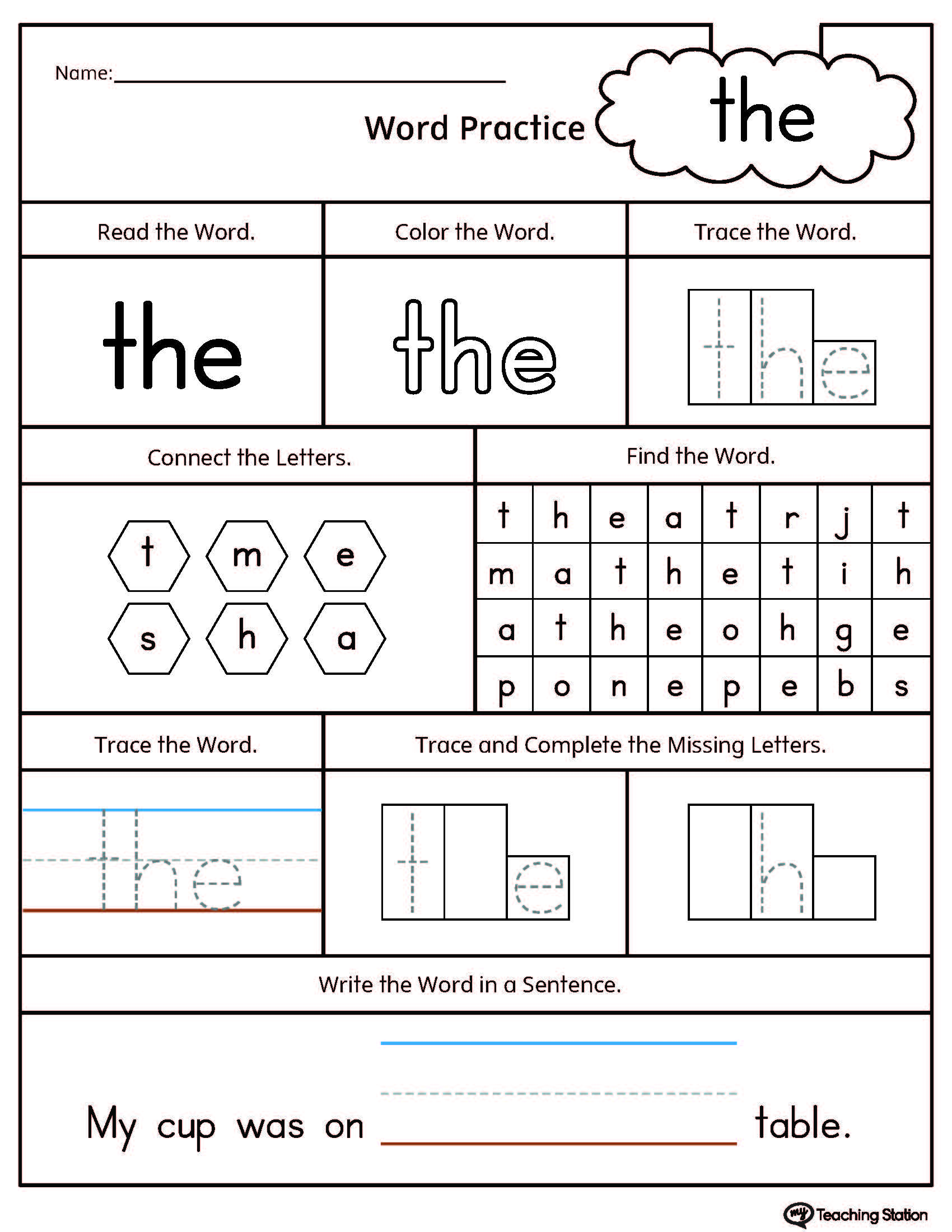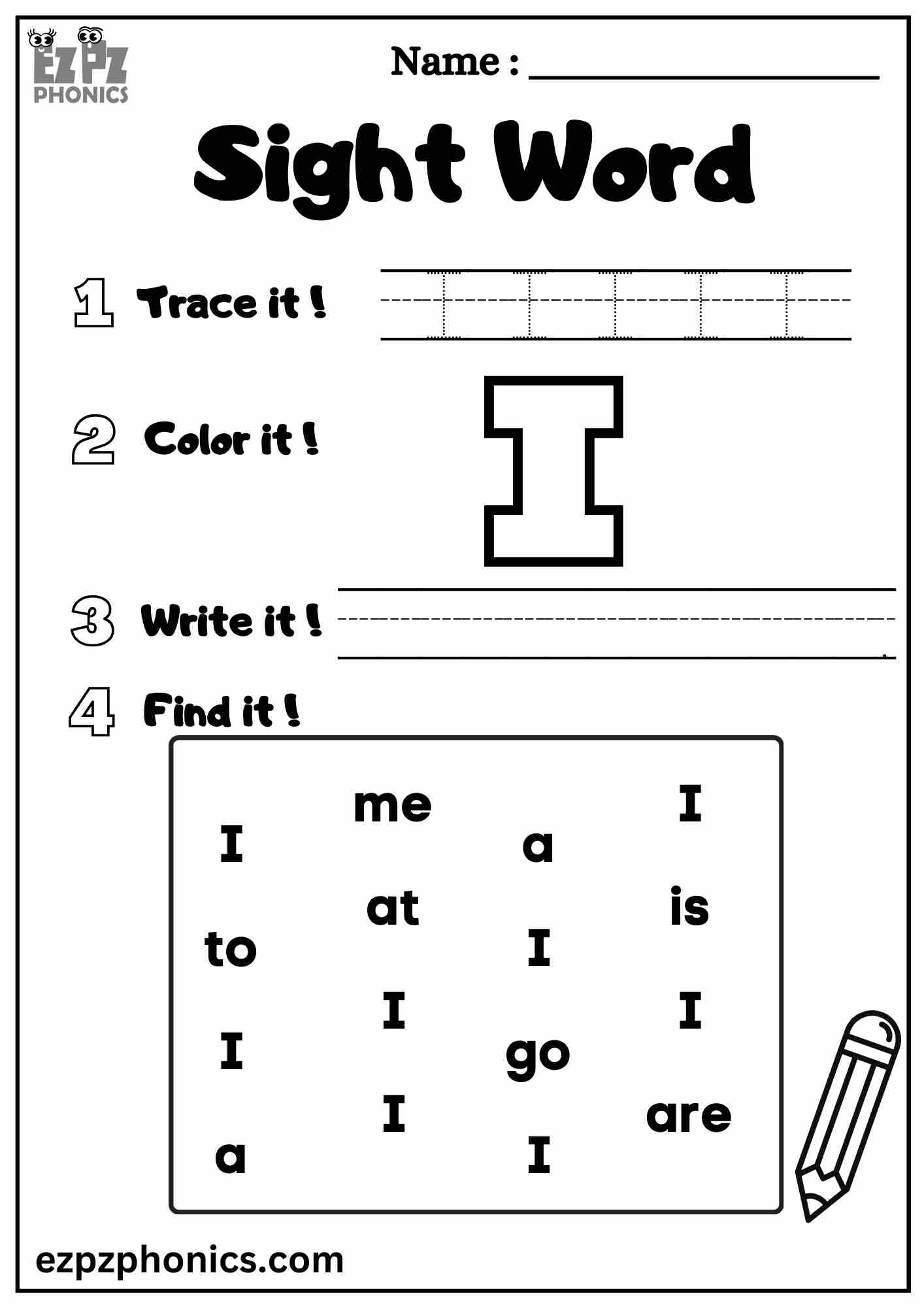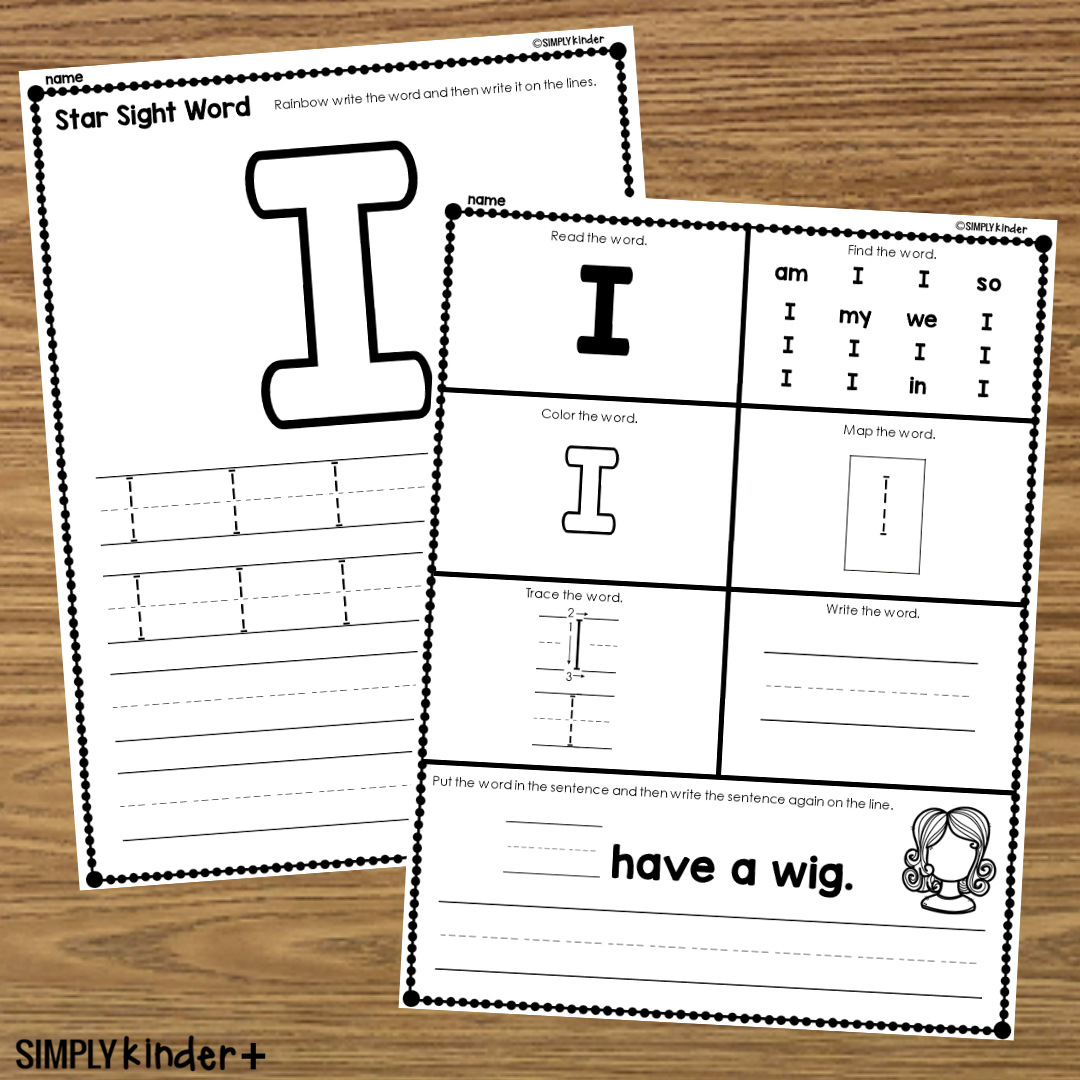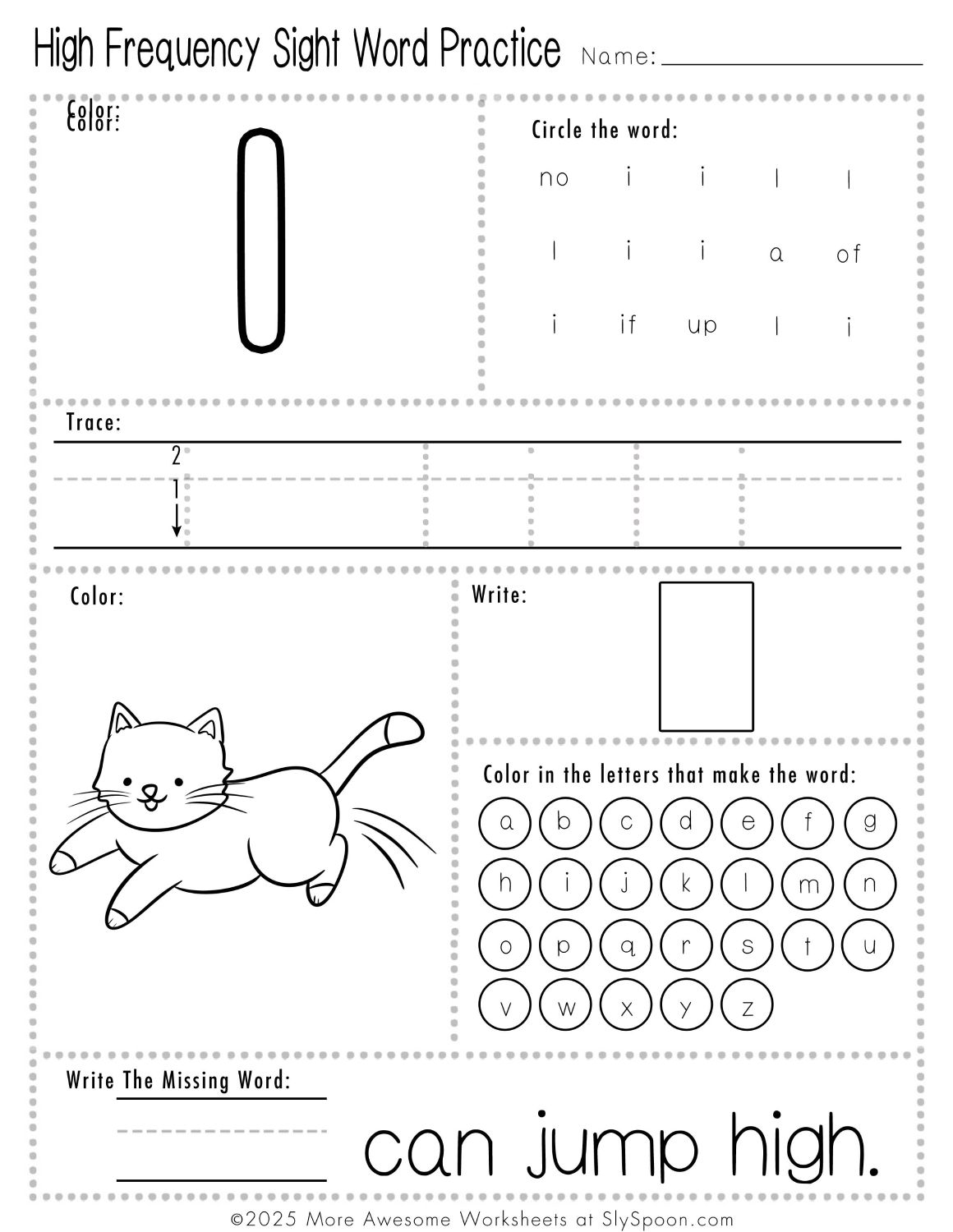
Sight Word I Worksheets Kindergarten are a delightful gateway for young learners to master one of the most essential building blocks of early reading, and they bring a gentle, culturally resonant approach that echoes the patience and harmony found in many Asian teaching traditions.
Why the Word “I” Deserves Special Attention

In the landscape of kindergarten literacy, the word “I” stands out as a personal pronoun that connects a child’s self‑identity to language. When children see “I” on a worksheet, they instantly recognize themselves in the sentence, which fuels motivation and confidence. This self‑referential power is especially potent in classrooms that value collective growth while honoring individual progress, a balance often celebrated in Asian educational philosophy.
Building Confidence Through Personal Connection
When a child reads “I am happy,” the statement becomes an affirmation of their own feelings. This personal connection encourages repeated exposure, and repeated exposure is the cornerstone of fluency. By repeatedly practicing “I,” children reinforce both visual recognition and auditory recall, turning a simple two‑letter word into a confident stepping stone toward reading whole sentences.
Cultural Nuance: Respectful Self‑Expression
Many Asian cultures emphasize respectful self‑expression and modesty. Introducing “I” through gentle, context‑rich worksheets allows children to practice speaking about themselves without feeling boastful. The worksheets can include scenarios like “I help my family” or “I share my toys,” which align with values of cooperation and humility while still focusing on literacy.
Designing Effective Sight Word I Worksheets
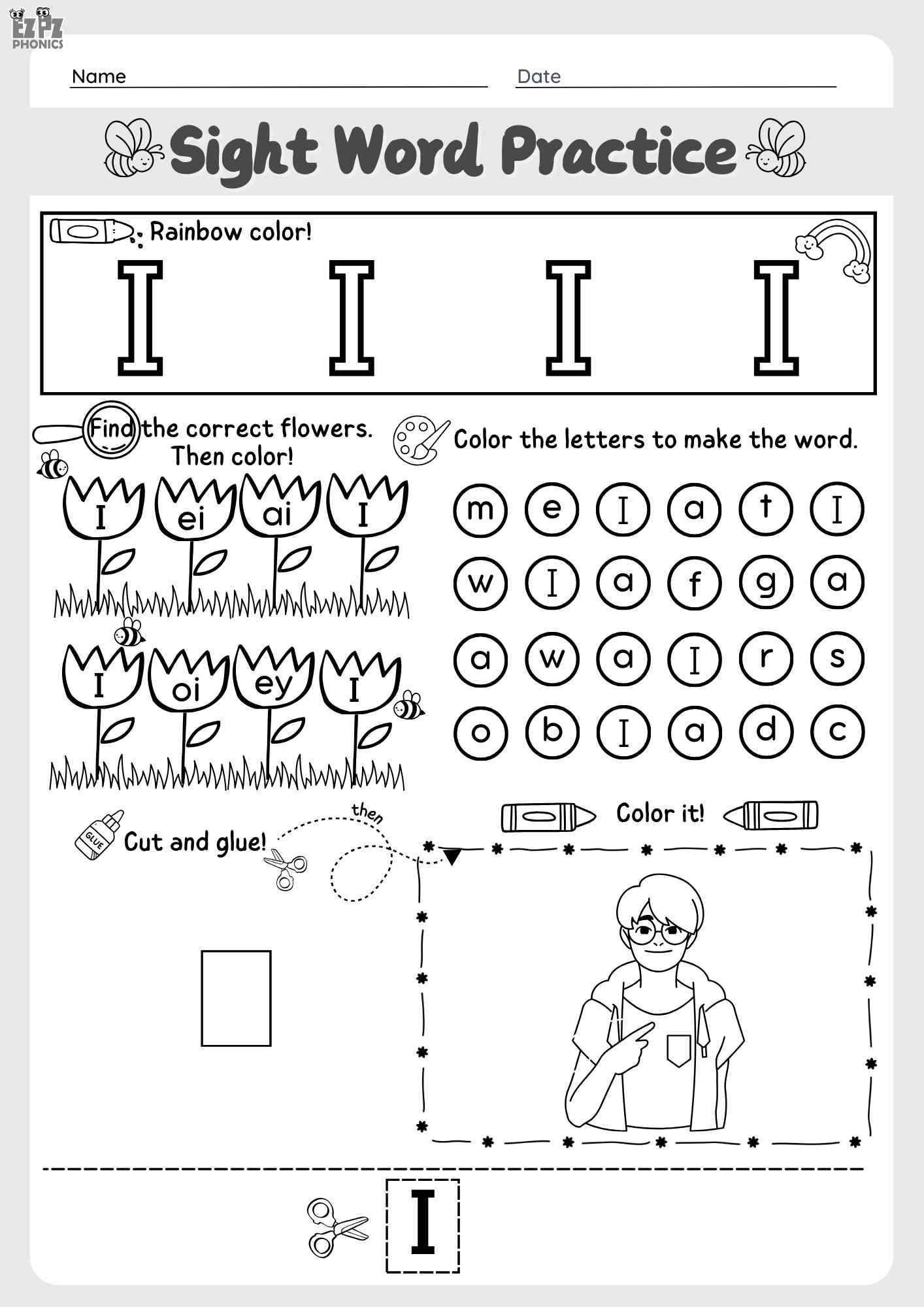
Creating worksheets that capture a child’s imagination while reinforcing the target word requires thoughtful design. Below are key elements that transform a basic activity sheet into an engaging learning experience.
Visual Appeal and Simplicity
Kindergarten learners thrive on bright colors, clear fonts, and ample white space. Use a large, sans‑serif typeface for the word “I” and surround it with simple illustrations that depict the word in context—such as a child holding a balloon or a small animal looking at itself in a mirror. The visual simplicity reduces cognitive overload, allowing the child to focus on the word itself.
Contextual Sentences
Instead of isolated word drills, embed “I” within short, meaningful sentences. Examples include:
- I eat an apple.
- I draw a picture.
- I ride a bike.
These sentences not only reinforce the sight word but also introduce basic vocabulary and verb structures, creating a holistic language learning moment.
Interactive Elements
Incorporate activities that require children to physically interact with the worksheet. Traceable letters, cut‑and‑paste pictures, and matching games keep tiny hands busy while the brain processes the word. For instance, a “Match the Sentence” section can ask children to draw a line from “I” to a corresponding picture, reinforcing visual‑verbal connections.
Progressive Difficulty
Start with recognition, move to reading, and finish with writing. A well‑structured worksheet might begin with a bold “I” for identification, followed by a series of sentences for reading practice, and conclude with a trace‑and‑write area where children copy the word on their own.
Step‑by‑Step Guide to Using the Worksheets in Class

Effective implementation transforms a static worksheet into a dynamic learning session. Follow these steps to maximize engagement and retention.
Step 1: Warm‑Up Conversation
Begin with a brief circle time where children share something about themselves, using prompts like “What do you like to do?” This conversation naturally introduces the concept of “I” and sets a comfortable, communal tone.
Step 2: Guided Exploration
Display a large printed version of the worksheet on an easel. Point to the bold “I” and pronounce it slowly, encouraging the class to repeat after you. Highlight the shape of the letter, emphasizing its simplicity and the straight vertical line that can be drawn in one confident stroke.
Step 3: Partner Practice
Pair children up and give each pair a copy of the worksheet. Ask them to take turns reading each sentence aloud, pointing to the word “I.” This peer interaction mirrors the collaborative learning style common in many Asian classrooms, where students often support each other’s growth.
Step 4: Hands‑On Activity
Distribute tracing worksheets and crayons. Encourage children to trace the letter “I” while saying the sound. After tracing, have them write the word independently on a lined paper. Celebrate each attempt with a gentle “well done,” reinforcing effort over perfection.
Step 5: Real‑World Application
Transition from paper to real life by asking children to use “I” in a sentence about the classroom. For example, “I am sitting on the carpet.” This step bridges the gap between the worksheet and authentic communication, reinforcing the word’s functional use.
Creative Activities to Reinforce the Word I

Beyond the worksheet, a variety of creative activities can deepen mastery while keeping the learning experience lively and culturally resonant.
Storytelling Circle
Invite children to create a short story using “I” as the main character. Provide picture cards (e.g., a cat, a tree, a ball) and let them arrange the cards in a sequence, then narrate: “I see a cat. I pet the cat.” This activity blends imagination with language practice.
“I” Bingo
Design a Bingo board filled with sentences that contain the word “I.” Call out sentences randomly, and children cover the matching square. This game reinforces visual recognition while adding a playful, competitive element often enjoyed in classroom settings.
Art Integration
Give each child a small mirror and ask them to draw a self‑portrait, then label it with “I” underneath. The act of seeing themselves while writing the word creates a strong cognitive link, echoing the reflective practices found in many Eastern educational methods.
Digital Flashcards
If technology is available, use simple flashcard apps to display the word “I” with animated scenes. Children can tap the card to hear the pronunciation, then repeat it aloud. The multisensory approach caters to different learning styles and aligns with modern educational trends.
Assessing Mastery and Providing Feedback
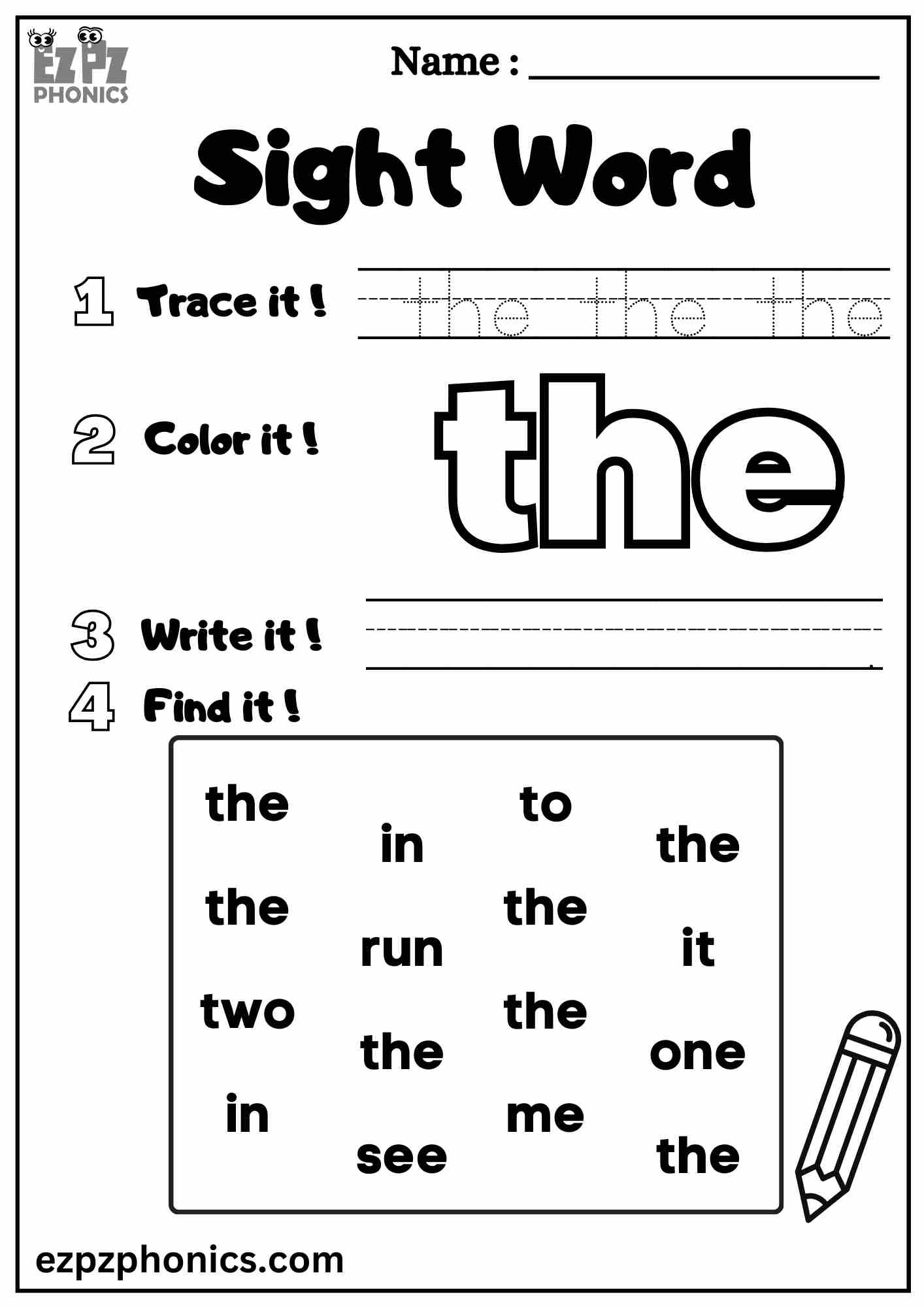
Assessment should be gentle, encouraging, and focused on growth rather than punitive measures. Below are strategies that respect the child’s dignity while providing clear insight into their progress.
Observation Checklist
Use a concise checklist during activities, noting whether the child can:
- Identify the word “I” on a page.
- Pronounce the word correctly.
- Write the word independently.
- Use “I” correctly in a spoken sentence.
Mark each skill as “Emerging,” “Developing,” or “Proficient.” This visual tracker helps teachers and parents see growth over time.
One‑Minute Oral Test
Ask the child to look at a picture and say a sentence that starts with “I.” Record the response mentally or on a quick note. This brief, low‑stress test offers immediate data on oral fluency.
Positive Reinforcement
Celebrate each achievement with specific praise: “You traced the letter “I” perfectly!” or “Your sentence ‘I love bananas’ was wonderful!” This reinforces effort and aligns with the Asian educational principle of “praise before correction.”
Tips for Parents and Teachers

Consistent support at home and school creates a seamless learning journey. Here are practical tips that fit busy family schedules and classroom routines.
Integrate “I” into Daily Routines
Encourage children to use “I” during everyday activities: “I brush my teeth,” “I put on my shoes.” Repetition in natural contexts solidifies the word’s meaning.
Create a “Word of the Day” Corner
Designate a small bulletin board where the word “I” is displayed with a rotating picture and a simple sentence. Both teachers and parents can add new sentences each day, keeping the focus fresh.
Use Sticky Notes
Place sticky notes with the word “I” on objects around the house or classroom (e.g., on a chair: “I sit”). This visual reminder turns the environment into a learning space.
Model Correct Usage
Children learn by imitation. When adults consistently use “I” in statements, children absorb the correct structure naturally. For example, say “I am reading a book” aloud while reading.
Leverage Storybooks
Read picture books that feature the pronoun “I” frequently. Pause on each occurrence and ask the child to point to the word, reinforcing recognition within a meaningful narrative.
Conclusion

By weaving Sight Word I Worksheets Kindergarten into a culturally attuned, activity‑rich framework, educators and parents can nurture both the technical skill of word recognition and the deeper confidence that comes from personal connection. The gentle, collaborative approach—mirroring the harmonious values of many Asian teaching traditions—ensures that each child feels seen, heard, and empowered as they step from “I” to entire sentences, laying a solid foundation for lifelong literacy.