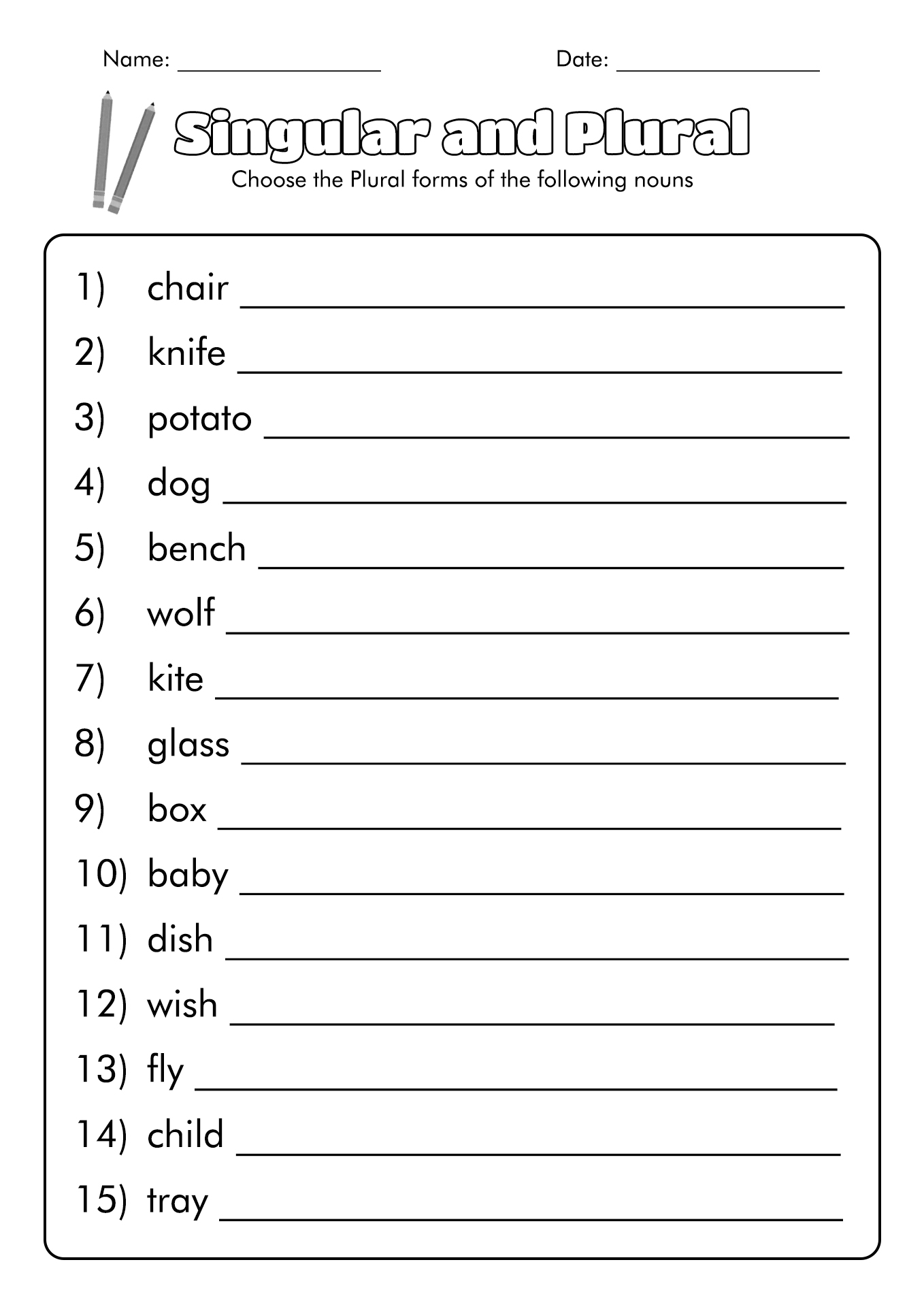
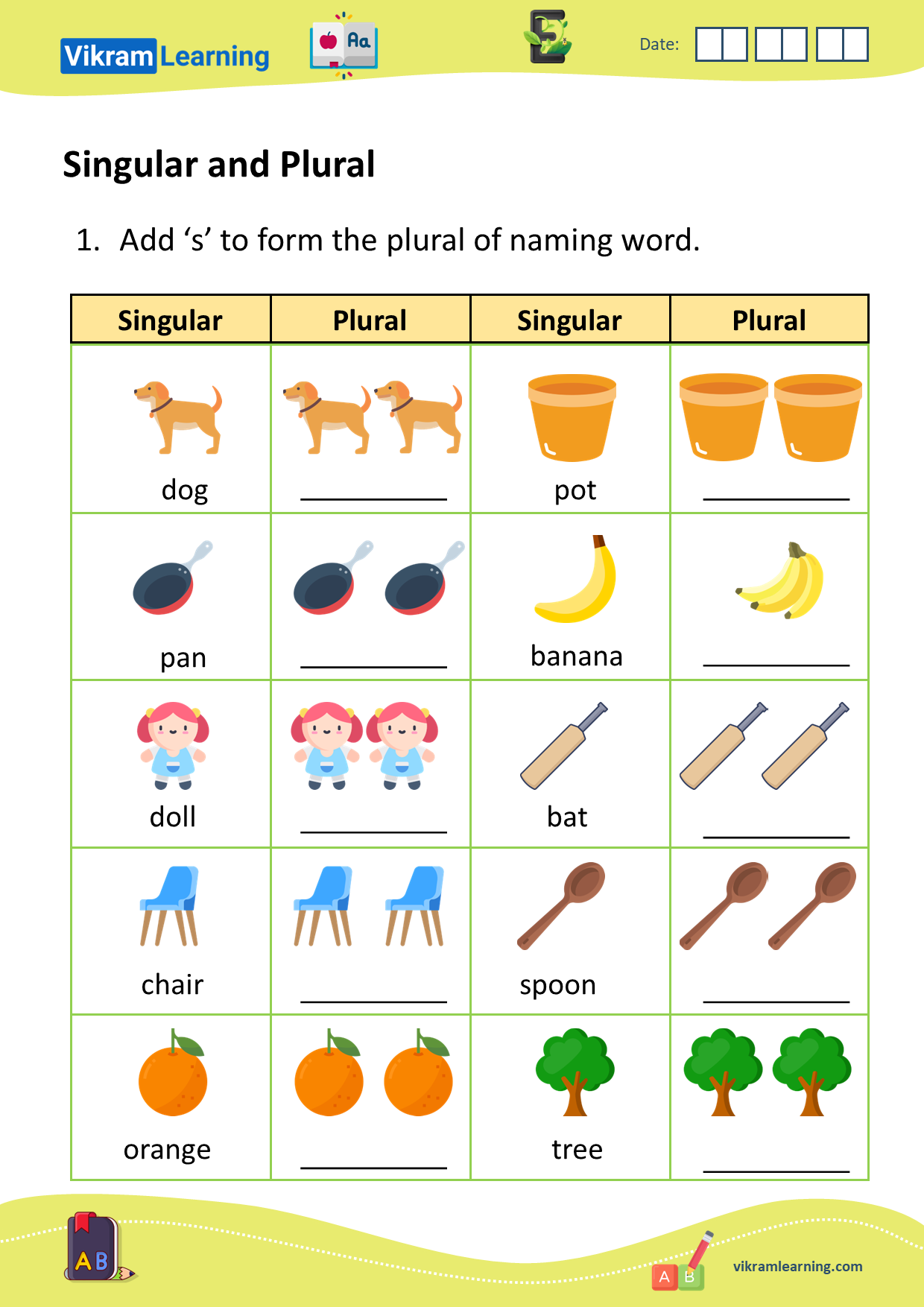
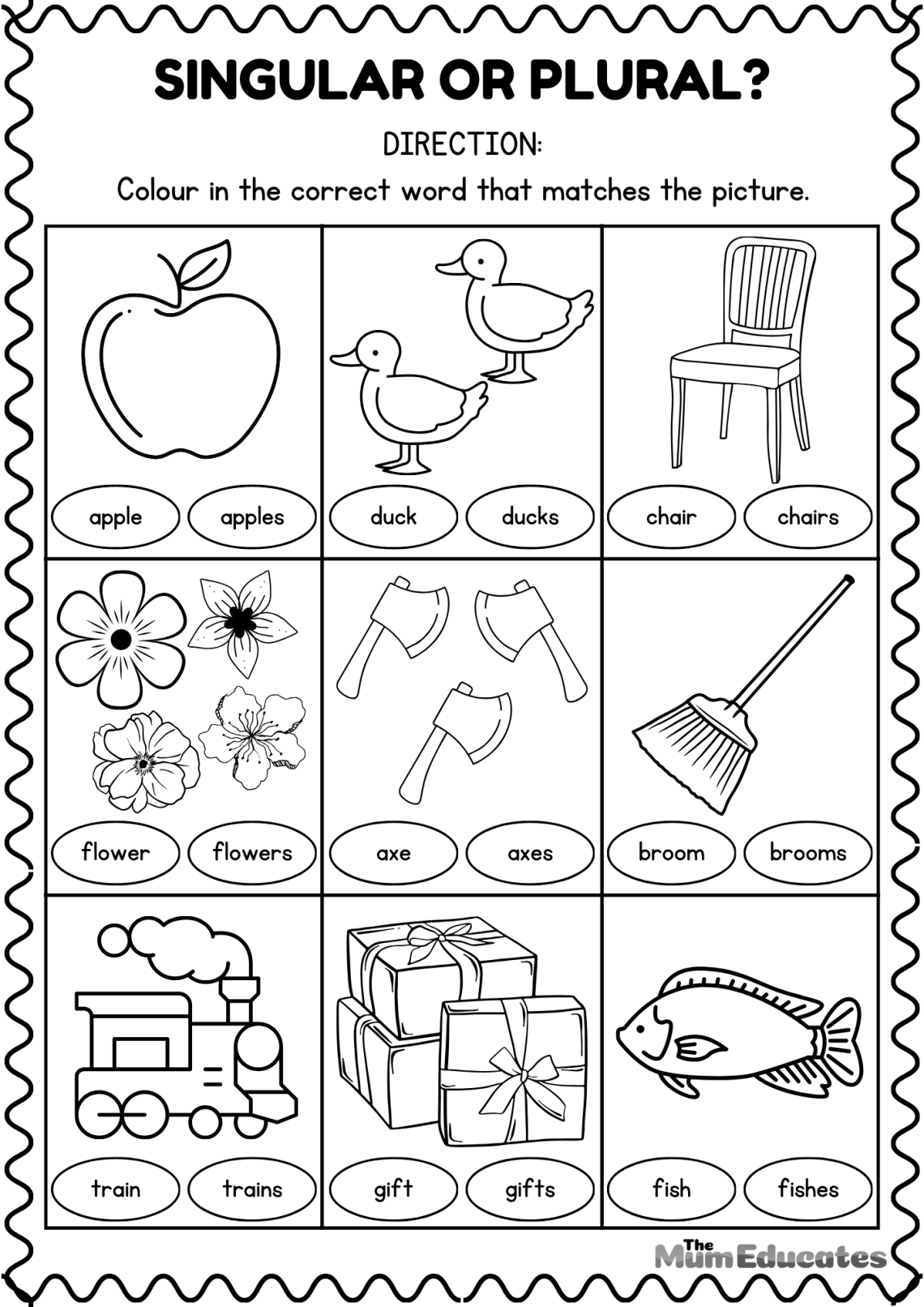
Singular And Plural Worksheets serve as a cornerstone in language learning, offering students a structured way to master the fundamental rule that governs English nouns. In this article, we explore why these worksheets matter, how to design them effectively, and practical ways to incorporate them into everyday teaching, whether in a classroom, a home setting, or a digital environment.
Why Singular and Plural Worksheets Matter
At its core, the singular and plural form is one of the first grammatical concepts that learners grapple with. Mastery of this concept enables clearer communication and lays the groundwork for more advanced grammatical structures such as verb agreement, possessives, and countability. By focusing on targeted worksheets, educators can provide focused practice that reinforces patterns, exposes irregularities, and builds confidence.
Building Cognitive Connections
Worksheets that juxtapose singular and plural forms help students create mental links between words and their meanings. This cognitive pairing supports retention and recall, especially when students encounter new vocabulary in reading and writing tasks.
Providing Immediate Feedback
With worksheets, learners receive instant opportunities to correct mistakes. This real-time feedback loop is vital for language acquisition, as it prevents the cementation of incorrect forms.
Designing Effective Worksheets

Creating high-quality worksheets involves a blend of pedagogical insight and creative design. Below are key design elements that elevate the learning experience.
Clear Objectives and Instructions
Every worksheet should open with a concise objective statement. For example: “Identify and correctly form the plural of singular nouns.” Clear instructions reduce confusion and set expectations.
Balanced Mix of Practice Types
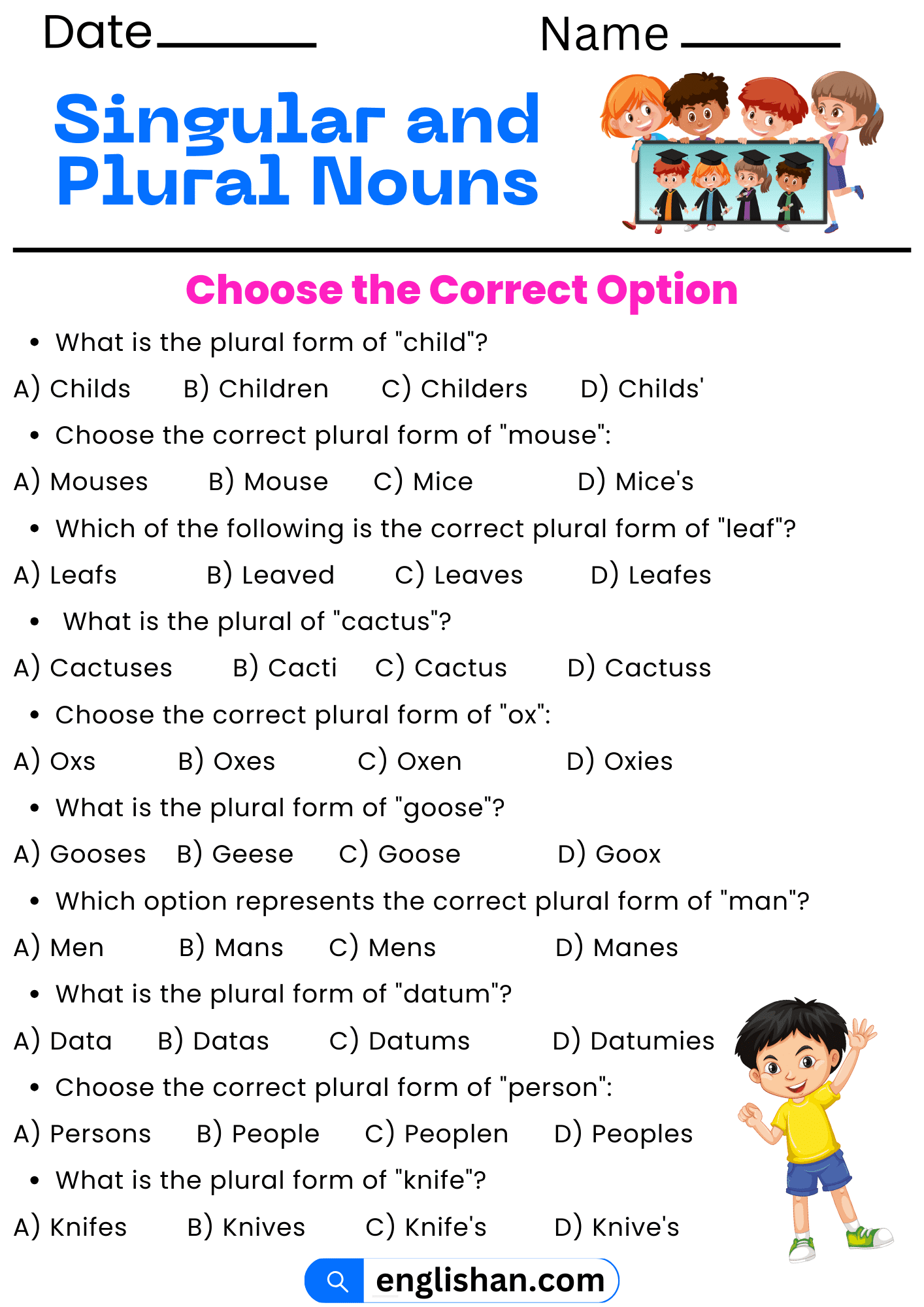
Include a variety of activity formats such as matching, fill‑in‑the‑blank, multiple choice, and transformation tasks. This variety keeps students engaged and caters to different learning styles.
Progressive Difficulty
Arrange exercises from simple, regular plurals to complex, irregular forms. A gradual increase in challenge helps students build confidence before tackling harder problems.
Visual and Contextual Clues
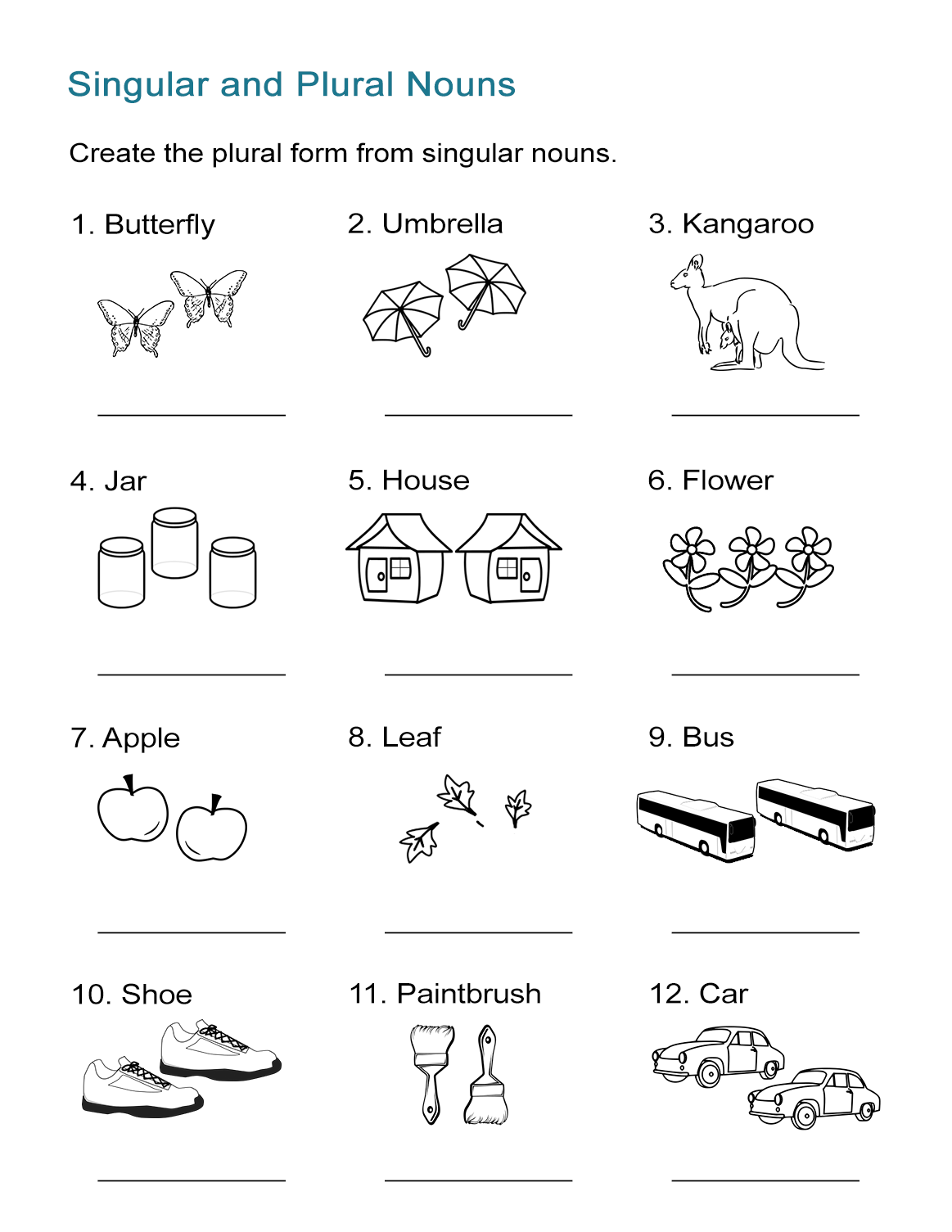
Incorporate pictures or short sentences that provide context clues. Visual aids help learners link words to real-life objects, making the plural rules more tangible.
Consistent Formatting
Uniform fonts, spacing, and layout make worksheets easier to read and navigate. Use bullet points and numbered lists for step‑by‑step instructions.
Common Challenges and How to Overcome Them
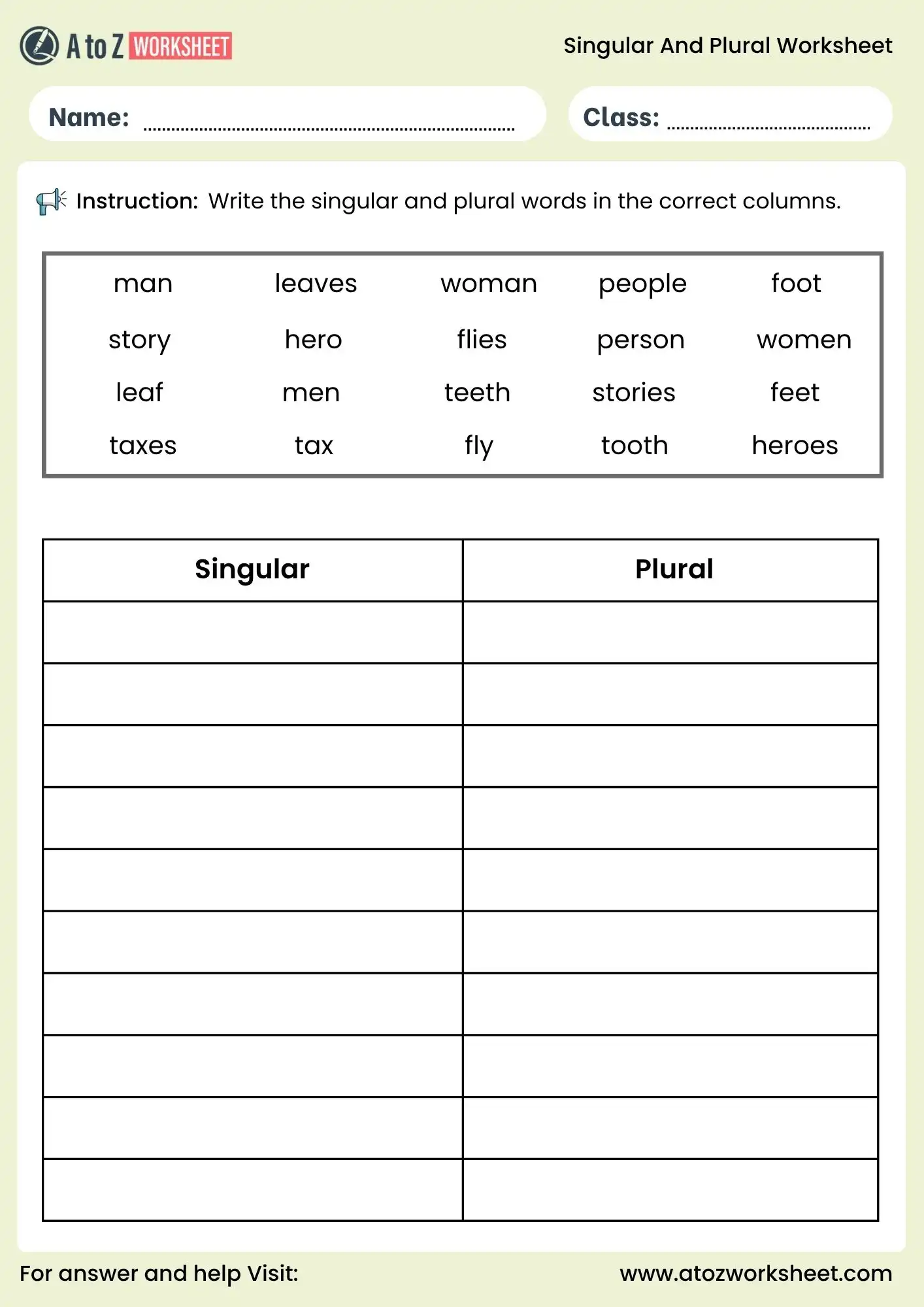
Even with well‑designed worksheets, students often face recurring hurdles. Recognizing these obstacles allows teachers to adapt strategies and support learning effectively.
Irregular Plural Patterns
Words like “child → children” or “mouse → mice” can trip learners. Use mnemonic devices or storytelling techniques to embed these irregular forms in memorable narratives.
Homophones and Context Confusion
Singular and plural forms can sound similar in spoken English, leading to confusion. Pair worksheets with listening activities where the correct form is highlighted audibly.
Counting vs. Uncountable Nouns
Students often mistake uncountable nouns (e.g., “information”) for pluralizable items. Include a separate section that distinguishes countable from uncountable nouns and practices pluralization accordingly.
Inconsistent Classroom Usage
When teachers or parents use inconsistent plural forms at home or in the classroom, students receive mixed signals. Establish a standard set of rules and reinforce them consistently across all teaching materials.
Practical Examples and Activities

Below are concrete worksheet activities that teachers and parents can readily use. Each activity is designed to be adaptable to different age groups.
1. Matching Game
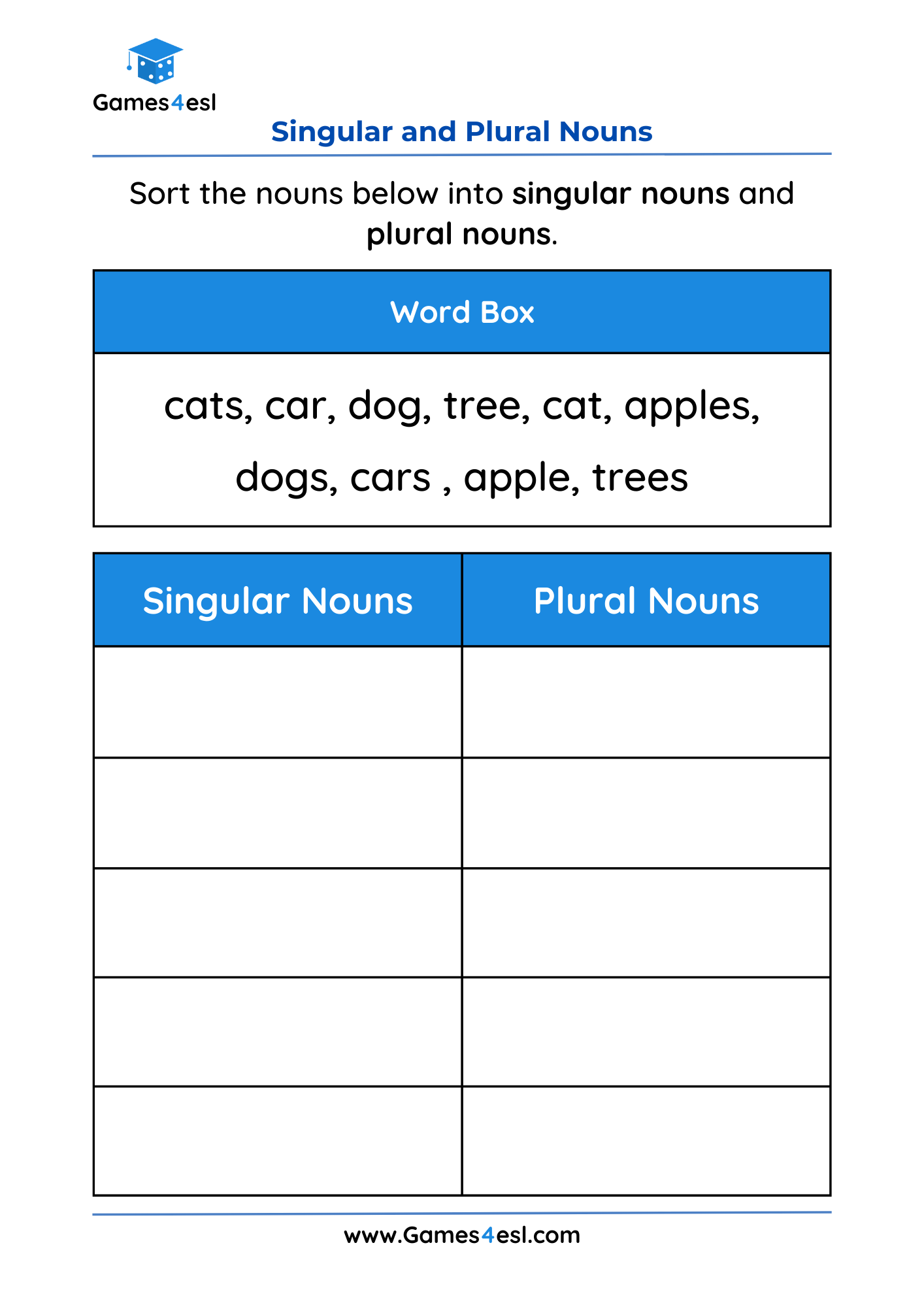
Create two columns: one with singular nouns and the other with plural forms. Students draw lines to connect the correct pairs. This visual exercise reinforces the rule “add -s or -es” for regular nouns.
2. Sentence Transformation
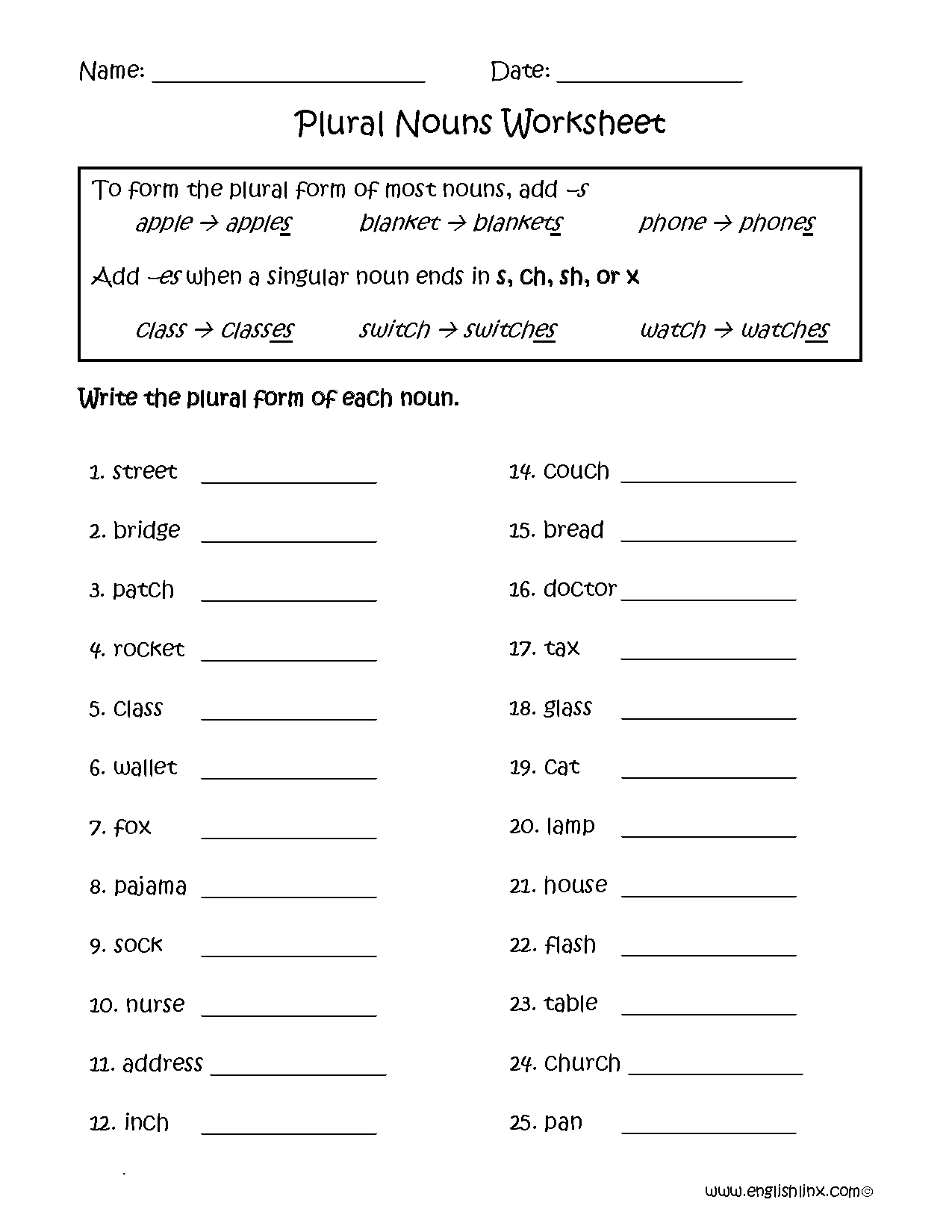
Provide a list of simple sentences in singular form and ask students to rewrite each in plural form. For example, “The cat sits on the mat.” becomes “The cats sit on the mats.” This encourages application in context.
3. Picture Prompt
Show a picture of multiple objects (e.g., a set of apples). Students write a sentence that includes the plural noun and a descriptive adjective. This activity merges vocabulary expansion with grammatical accuracy.
4. Crossword Puzzle
Design a crossword where the clues are singular nouns and the answers are their plural counterparts. This adds a fun, problem‑solving element that keeps students engaged.
5. Fill‑in‑the‑Blank Story
Provide a short story with missing plural nouns. Students fill in the blanks, then read aloud. This exercise builds narrative skills and reinforces plural forms in a story context.
Integrating Technology and Digital Resources

Modern learners thrive on interactive and multimedia resources. Digital worksheets can bring singular and plural practice to life through dynamic engagement.
Online Interactive Quizzes
Platforms that generate instant feedback allow students to see which forms they get wrong and why. Teachers can track progress with analytics dashboards.
Gamified Learning Apps
Apps that turn grammar practice into games—such as matching or race‑to‑the-answer—can motivate learners who might otherwise find worksheets monotonous.
Collaborative Document Editing
Using cloud‑based tools, students can collaboratively edit a shared document, correcting each other’s plural forms in real time. This peer‑learning dynamic fosters communication and self‑correction.
Printable PDF Worksheets
For environments with limited digital access, teachers can provide PDF versions that students can print and complete manually. Including QR codes that link to supplementary videos can bridge the gap between print and digital learning.
Assessment and Feedback
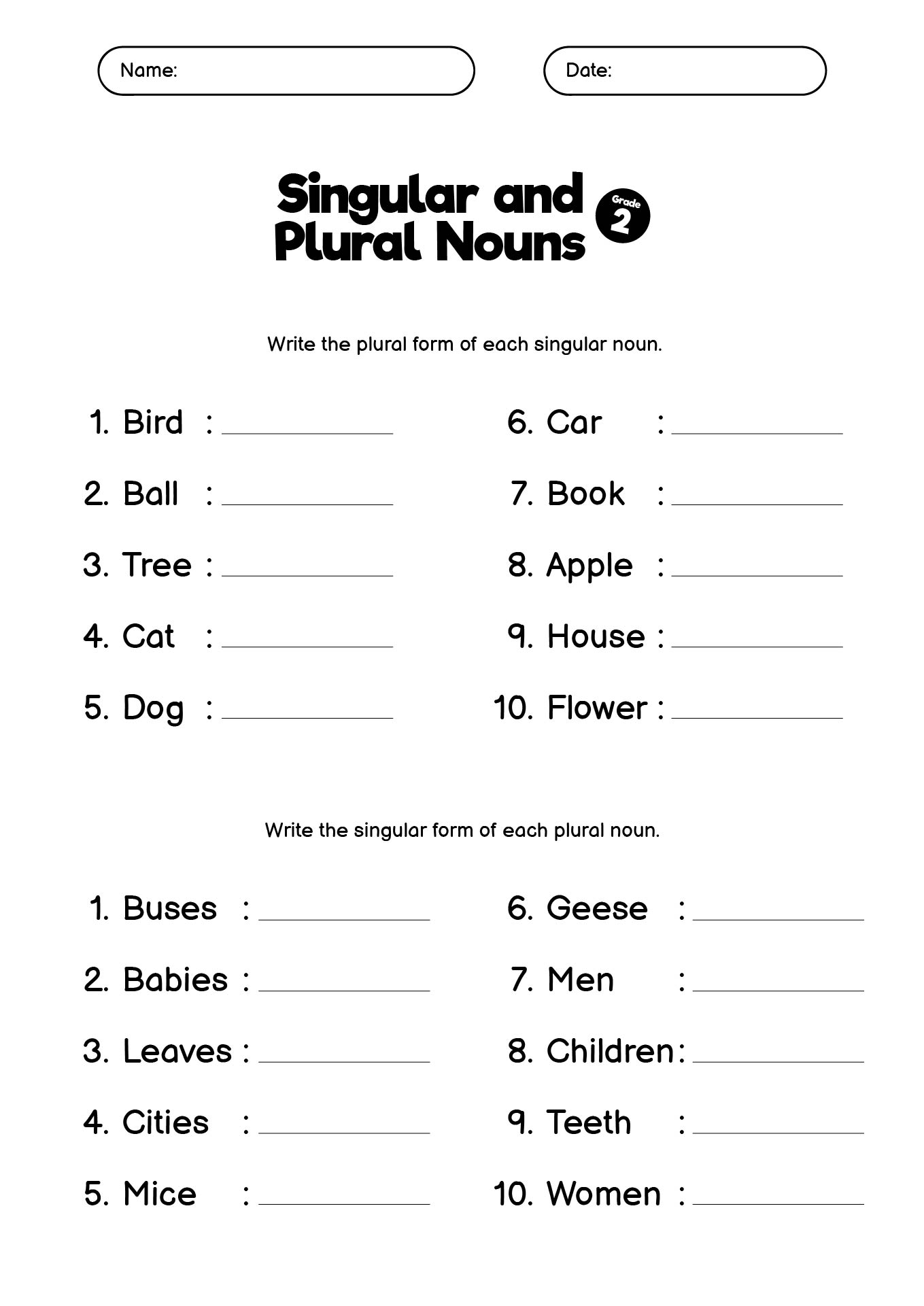
Assessment goes beyond grading; it informs instruction and encourages reflective learning. Effective feedback on singular and plural worksheets should be timely, specific, and supportive.
Self‑Assessment Checklists
After completing a worksheet, students review a checklist that lists common pitfalls (e.g., forgetting to add -es). This self‑reflection fosters independent learning habits.
Peer Review Sessions
Students exchange worksheets and provide constructive feedback on each other’s work. Peer review cultivates analytical skills and deepens understanding of plural rules.
Teacher Feedback Templates
Using a standardized feedback form that highlights correct responses and explains errors keeps grading consistent and clear.
Tips for Teachers and Parents

Below are actionable guidelines for adults who guide students in mastering singular and plural forms.
1. Create a Consistent Classroom Lexicon
Choose one pluralization rule for common irregular nouns and use it consistently. This reduces confusion and builds trust.
2. Incorporate Cultural Contexts
Use examples that resonate with students’ daily lives—such as local market items—to make learning more relatable and memorable.
3. Encourage Regular Practice
Short daily worksheets (10–15 minutes) can reinforce learning better than long weekly sessions. Consistency is key.
4. Celebrate Progress
Recognize improvement with stickers, certificates, or verbal praise. Positive reinforcement boosts motivation and confidence.
5. Adapt Difficulty to Individual Needs
Different learners progress at varying rates. Offer differentiated worksheets that challenge advanced students while supporting those who need more foundational practice.
Final Thoughts

Singular and plural worksheets are more than mere drill exercises; they are gateways to clear, confident communication in English. By designing thoughtful, context‑rich activities, addressing common challenges, embracing digital tools, and providing constructive feedback, educators and parents can transform grammatical practice into an engaging, impactful learning journey. Consistent, deliberate use of these worksheets will not only solidify plural rules but also empower learners to apply their knowledge across reading, writing, and speaking contexts—setting a strong foundation for continued linguistic growth.