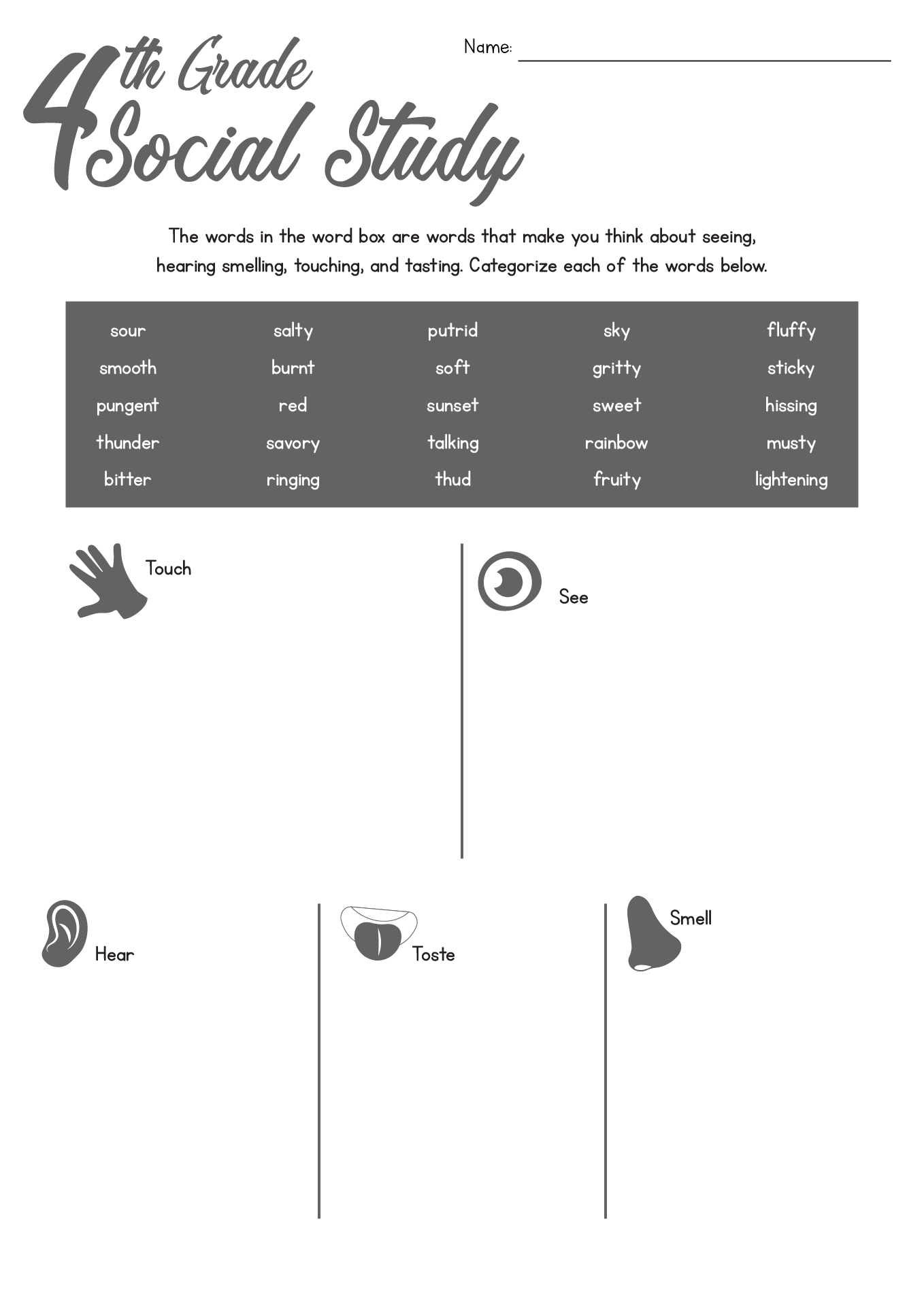
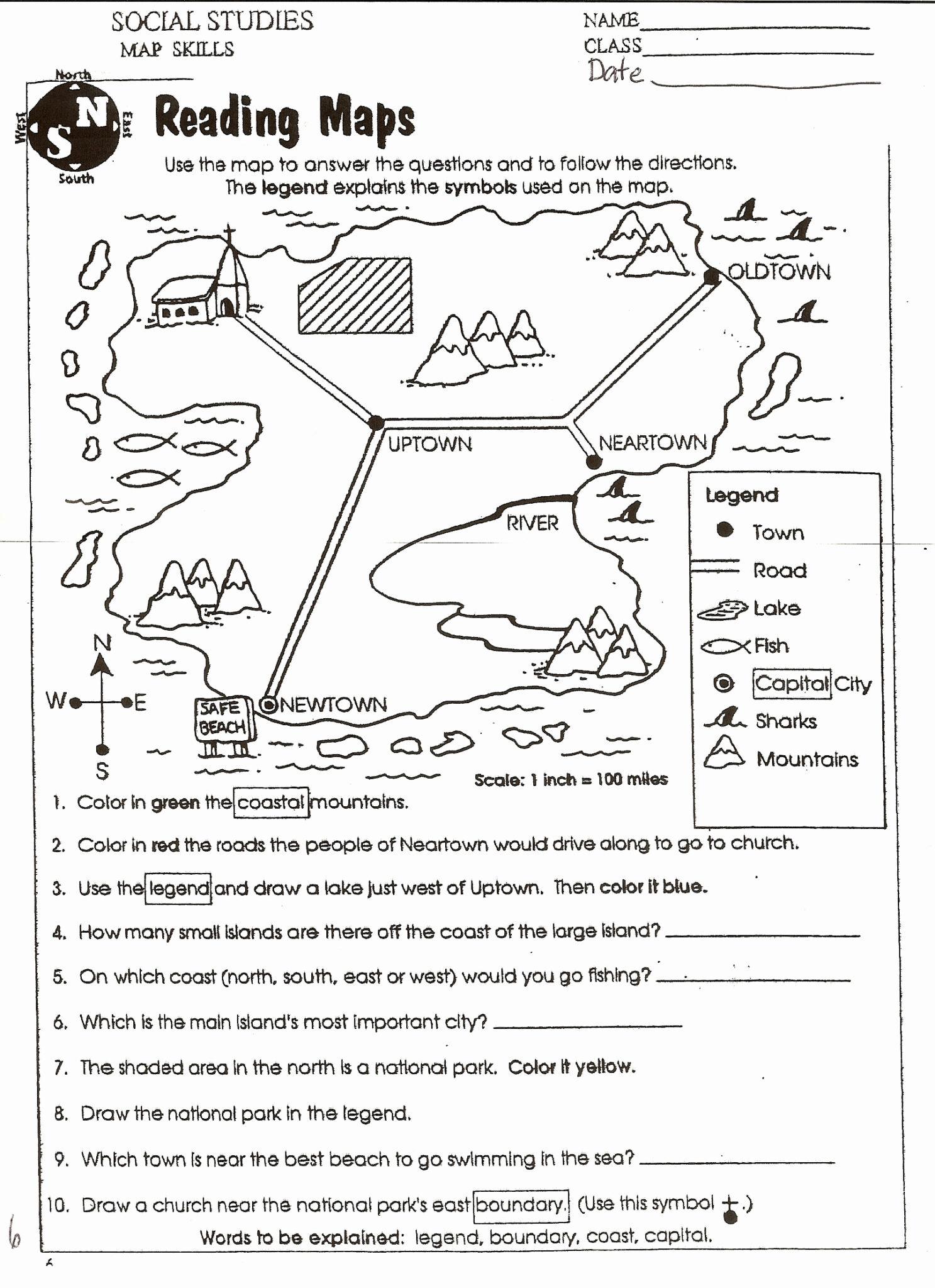
Social Studies Worksheets 4th Grade serve as a vital bridge between textbook concepts and real-life application, empowering students to explore geography, history, economics, and culture with confidence. By combining clear objectives, engaging visuals, and practical activities, these worksheets help fourth‑grade learners develop critical thinking, analytical skills, and a lifelong curiosity about the world.
Why Social Studies Worksheets 4th Grade Matter

Fourth‑grade students are at a pivotal point where abstract ideas begin to crystallize into tangible understanding. Social studies provides the context for this growth, teaching them how societies function, how past events shape present realities, and how their own lives intertwine with global narratives. Worksheets designed for this age group reinforce classroom lessons, give students a chance to practice skills such as map reading, cause‑effect reasoning, and data interpretation, and offer teachers measurable insights into individual and class progress.
Core Topics Covered in 4th Grade Social Studies

Geography and Mapping
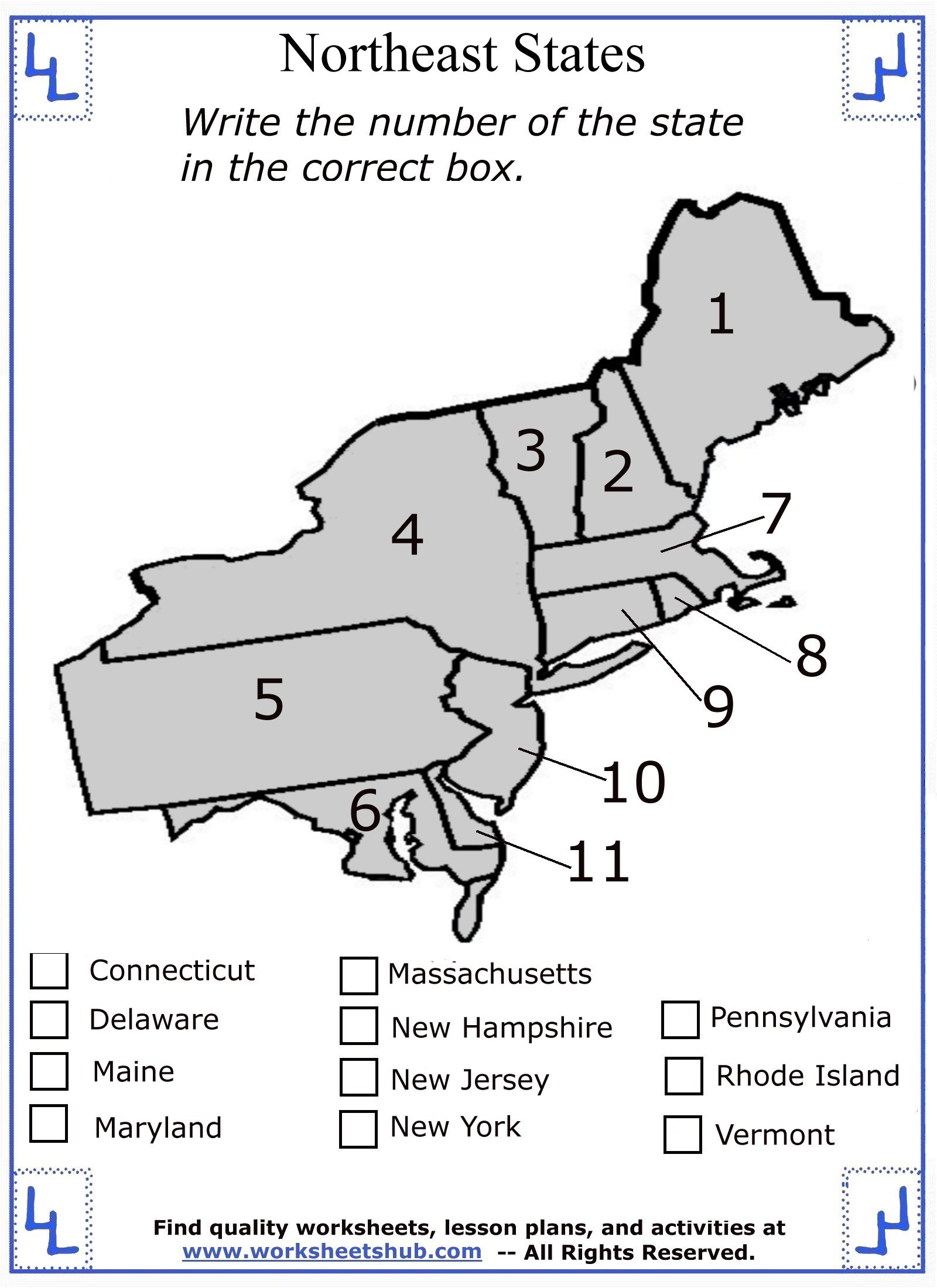
Students learn to identify continents, major oceans, and U.S. states. Worksheets often include interactive maps, coordinate labeling, and population density charts, helping learners visualize spatial relationships.
History of the United States
The curriculum typically covers early exploration, settlement, the Revolutionary War, and the development of government. Activities such as timeline construction, primary source analysis, and comparative charts enable students to connect past events with modern implications.
Civics and Government
Key concepts include the three branches of government, the Constitution, and civic responsibilities. Worksheets may involve role‑play scenarios, voting simulations, and debates that encourage students to see themselves as active participants in society.
Economic Foundations
Introductions to basic economic principles—needs versus wants, supply and demand, and simple budgeting—help fourth graders understand how money affects everyday choices.
Culture and Diversity
Students explore different cultures, traditions, and the importance of inclusivity. Worksheets may feature comparative studies of holidays, cuisines, or family structures from around the world.
Types of Worksheets for Engaging Learning
History and Geography
These worksheets blend storytelling with factual inquiry. Examples include matching exercises where students pair historical figures to events, and map quizzes that require labeling significant landmarks or tracing trade routes.
Civics and Government
Interactive activities such as mock elections, bill drafting, and flowchart creation help students grasp the mechanics of democracy and the impact of laws.
Economics Basics
Simple charts that depict buying and selling, budgeting sheets, and “buy/sell” games allow children to practice decision-making while understanding economic tradeoffs.
Cultural Studies
Cross‑cultural comparison sheets, story‑based questions about traditions, and visual art projects that reflect global diversity engage students creatively while reinforcing empathy.
How to Choose the Right Worksheets
With so many resources available, selecting the most effective materials requires a clear strategy. Consider these criteria:
- Alignment with Standards: Verify that the worksheet’s learning objectives match state or national social studies standards for fourth grade.
- Level of Difficulty: Match the activity to the class’s average proficiency, ensuring it is challenging yet attainable.
- Variety of Formats: Mix multiple-choice, fill‑in‑the‑blank, graphic organizer, and open‑ended questions to cater to diverse learning styles.
- Visual Appeal: High‑contrast images, color‑coded maps, and engaging graphics boost engagement and aid memory retention.
- Assessment Value: Look for worksheets that include answer keys and rubrics to streamline grading and provide constructive feedback.
Tips for Using Worksheets Effectively

Preparation
Before distributing worksheets, review them thoroughly. Highlight key concepts, clarify potential misconceptions, and prepare supplementary materials such as brief explanatory videos or handouts.
Differentiation
Group students based on readiness levels and assign worksheets that match each group’s needs. Offer advanced versions with deeper research questions for high performers and scaffolded versions with guided prompts for students requiring more support.
Assessment and Feedback
Use worksheets as formative assessments. After collection, analyze common errors to identify gaps in understanding. Provide immediate feedback—either through annotated pencil marks or digital comments—to reinforce correct concepts.
Creative Ways to Integrate Worksheets into Classroom and Home

Interactive Mapping Projects
Pair a map‑labeling worksheet with a digital mapping tool. Students can trace migration routes or create their own “dream city” layouts, then share screenshots for class discussion.
Role‑Play Simulations
Incorporate worksheets that outline character profiles and historical scenarios. Students enact debates or courtroom scenes, deepening their comprehension of cause and effect in historical events.
Digital Collaboration Tools
Use cloud‑based platforms to allow students to edit and annotate worksheets collaboratively. This encourages peer learning, especially for group projects like constructing a timeline of U.S. presidents.
Parent‑Student Activities
Send home worksheets that include “family history” prompts, encouraging students to interview relatives and compile a family tree. Parents can participate by guiding research, which strengthens the student‑teacher partnership.
Common Challenges and How to Overcome Them

Lack of Motivation: Rotate worksheet topics and integrate gamified elements, such as scoring systems or rewards for accurate answers.
Limited Resources: Leverage free, high‑quality printable worksheets from reputable educational sites. Customize them with class‑specific details to keep them relevant.
Assessment Overload: Design a balanced worksheet cycle that alternates between diagnostic, practice, and review sessions. This ensures students don’t feel overwhelmed while still gaining mastery.
The Future of Social Studies Worksheets: Digital and Adaptive Tools
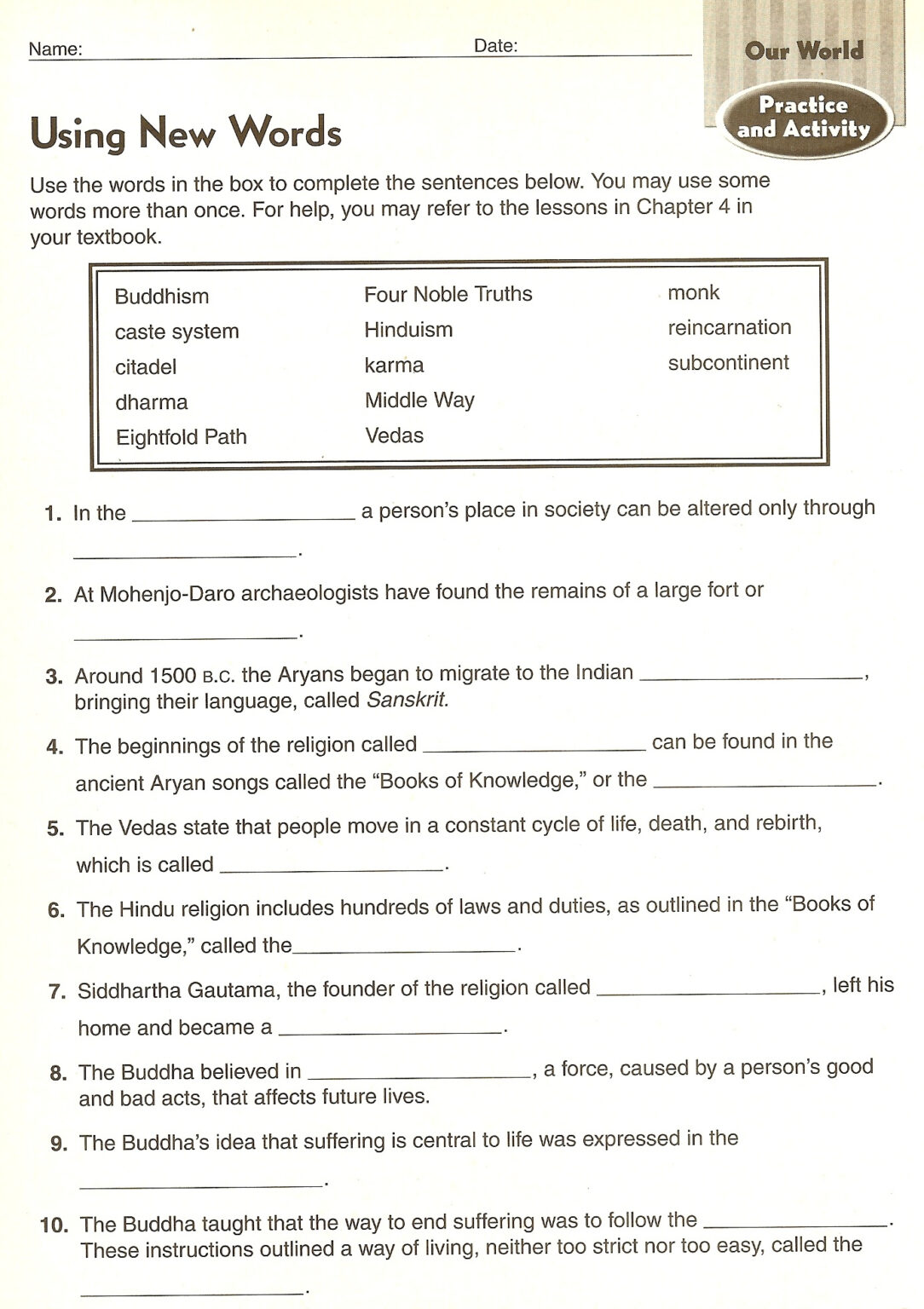
Emerging technology is reshaping how students engage with social studies. Interactive PDFs, animated maps, and virtual reality experiences provide immersive contexts that static paper cannot match. Adaptive learning platforms personalize worksheet difficulty based on real‑time performance, delivering targeted practice that accelerates skill acquisition.
Teachers who embrace these tools can create dynamic lesson plans that blend traditional worksheets with cutting‑edge technology, fostering a richer, more inclusive learning environment.
Conclusion

By thoughtfully selecting, customizing, and integrating Social Studies Worksheets 4th Grade, educators can transform routine practice into transformative learning experiences. These tools not only reinforce core concepts in geography, history, civics, economics, and culture but also empower students to connect classroom knowledge to real‑world contexts. With strategic planning, differentiated instruction, and innovative use of digital resources, fourth‑grade learners can develop the analytical skills, curiosity, and civic confidence needed for future success.