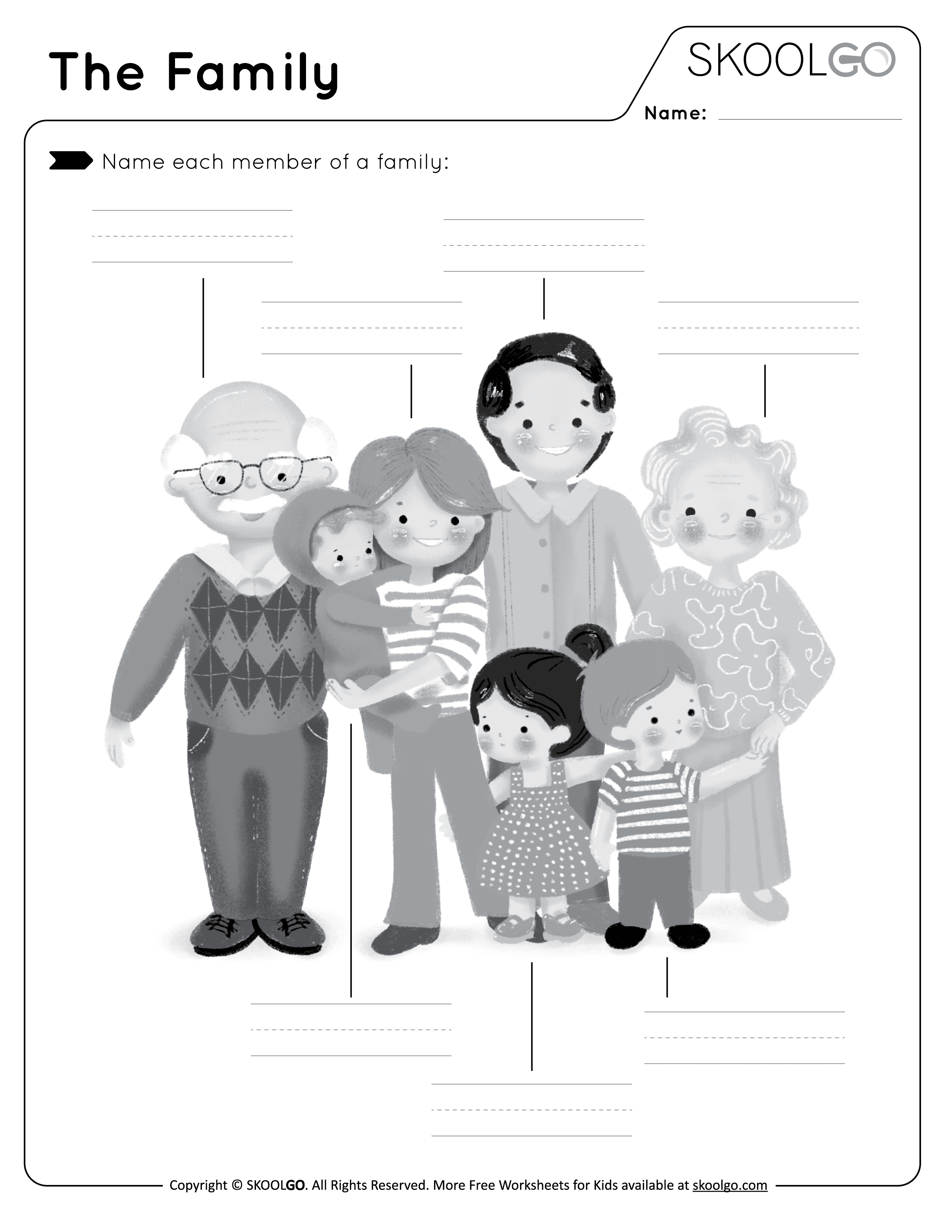
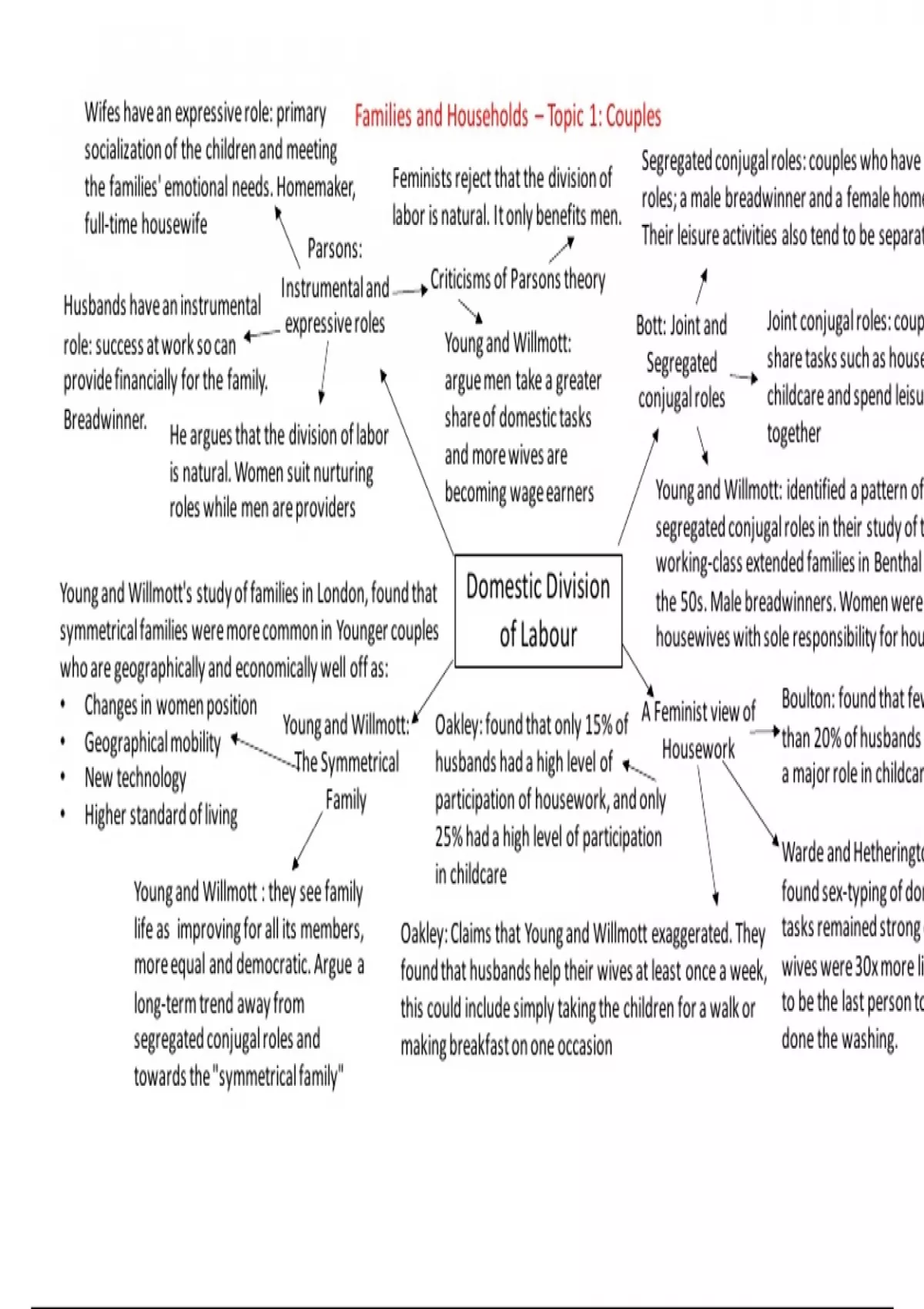
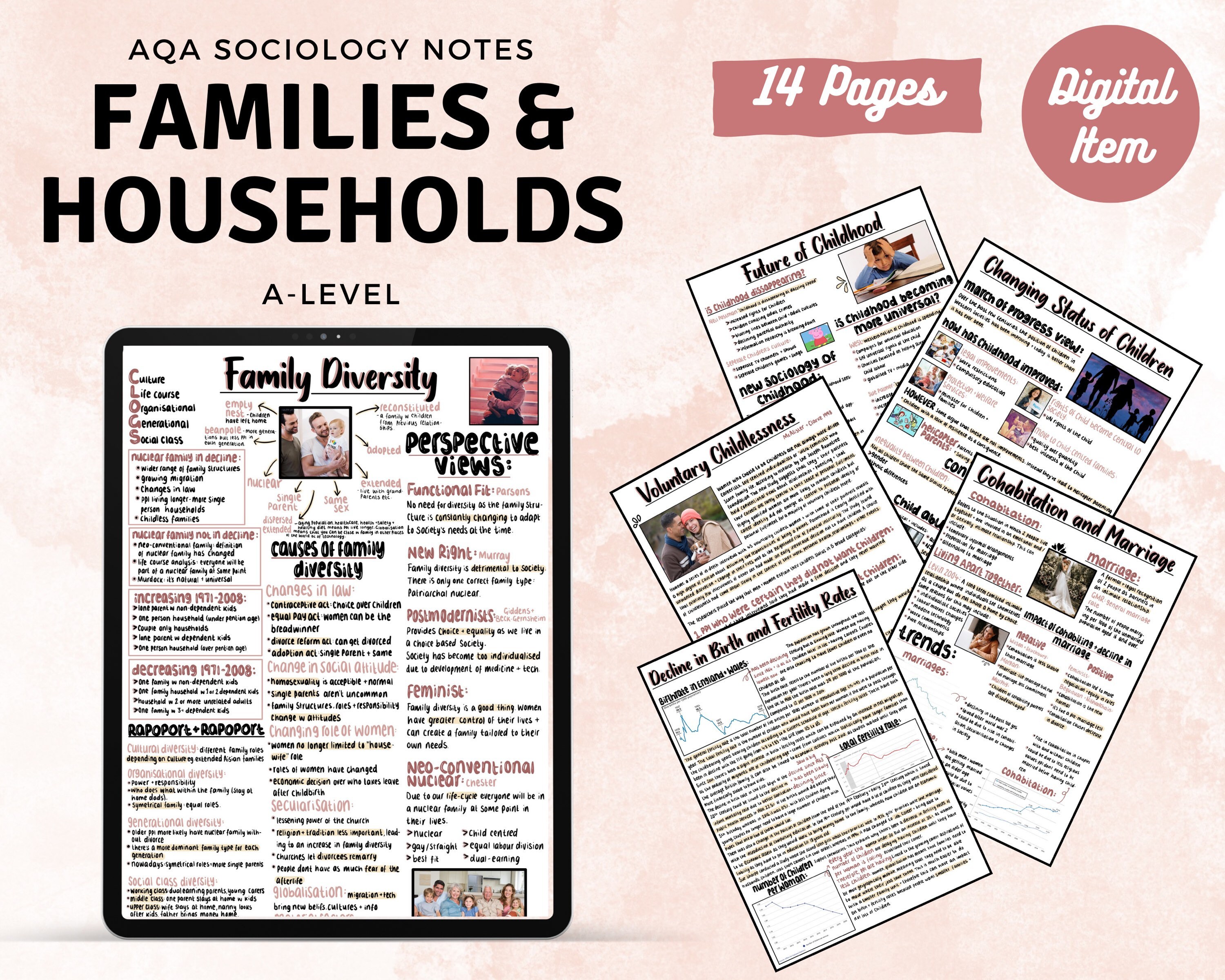
Sociology Family Worksheet Packet offers educators and families a practical toolkit to explore the intricate social structures that shape everyday life. By weaving theory with hands‑on exercises, this packet transforms abstract concepts into relatable, family‑centered discussions that enrich both classroom learning and home conversations.
Understanding the Packet

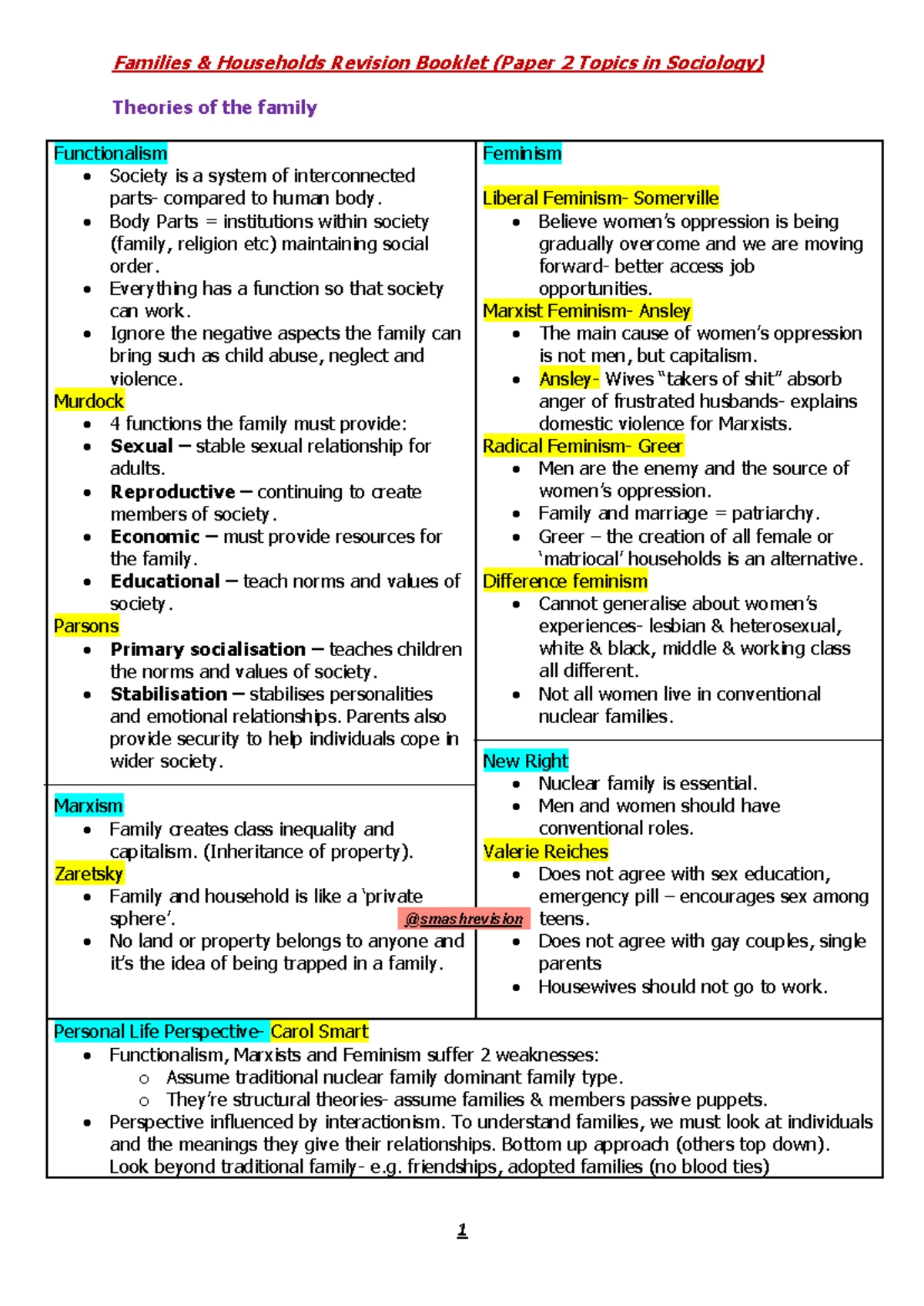
The packet is designed to guide students through key sociological ideas—such as roles, norms, and institutions—by anchoring them in familiar family contexts. Each worksheet includes clear objectives, a concise explanation of the theory, and engaging prompts that invite reflection, discussion, and application. The structure is intentional: it starts with foundational concepts and gradually builds complexity, ensuring that learners can connect theory to personal experience.
Core Themes Covered
- Family Roles and Statuses: How gender, age, and occupation influence expectations.
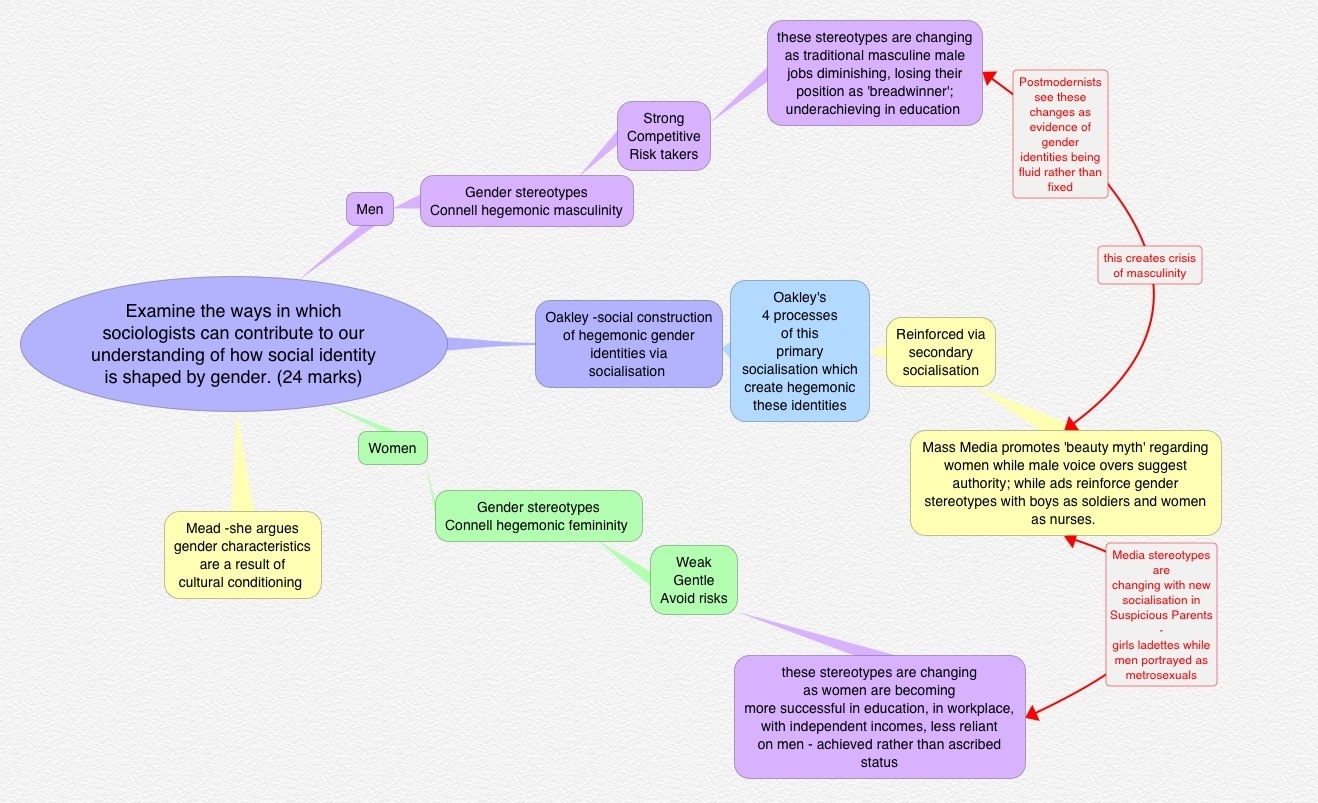
- Socialization Processes: The mechanisms through which families transmit values and norms.
- Conflict and Negotiation: Strategies families use to resolve disagreements.
- Changing Family Structures: The impact of marriage trends, single parenting, and blended families on social dynamics.
How It Enhances Family Dynamics
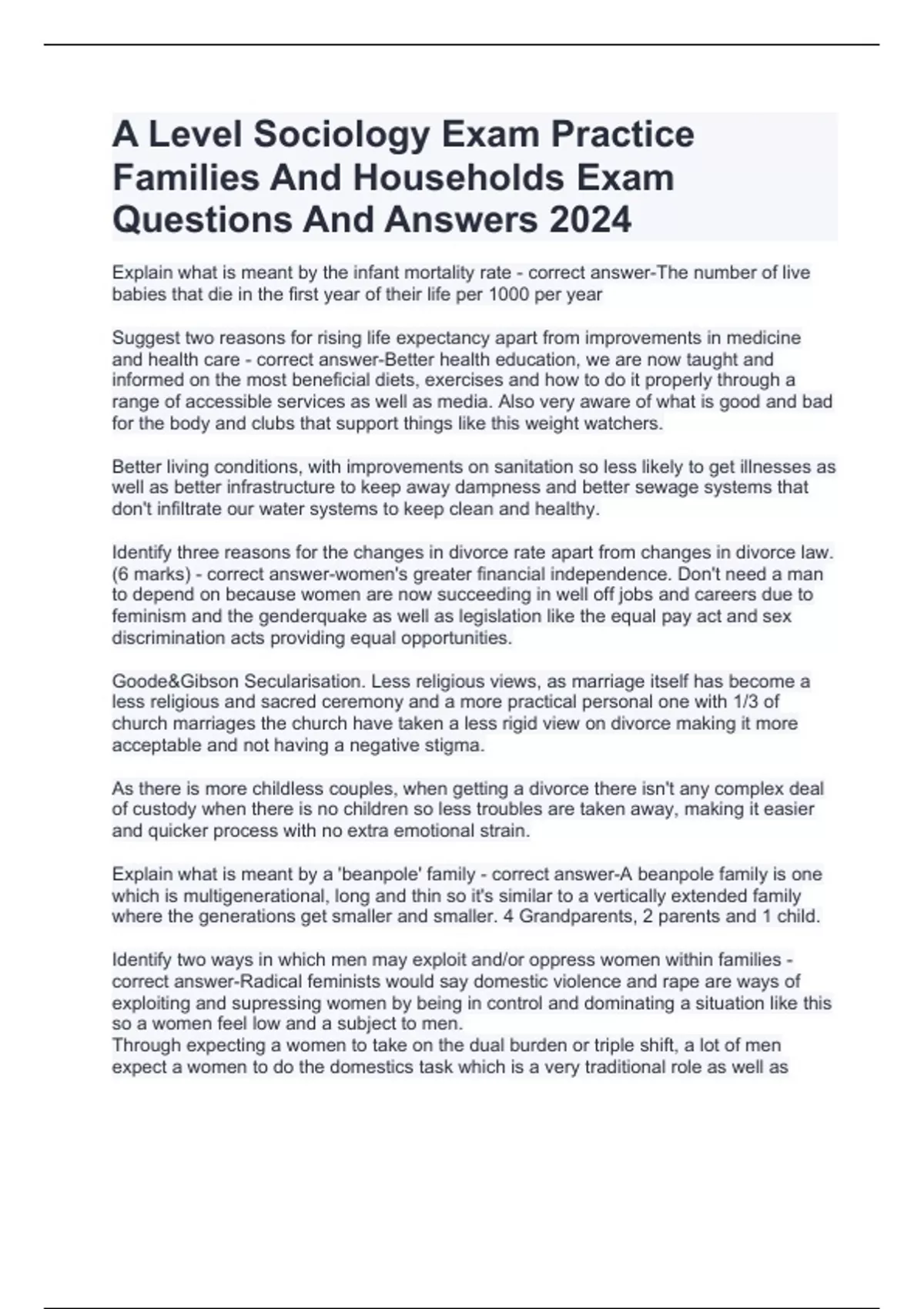
Beyond academic value, the packet serves as a bridge between school and home. By encouraging families to tackle worksheets together, it opens pathways for dialogue that might otherwise remain untouched. When students ask, “Why did my uncle make that decision?” the packet supplies the lens to examine institutional pressures and cultural expectations that shape such choices.
Real‑World Example: The Dinner Table Discussion
In one worksheet, students create a role‑play scenario in which they simulate a family meeting about budget constraints. By assigning roles—parent, teenager, and caregiver—they explore how power dynamics shift during decision‑making. After performing the role play, students reflect on how their assumptions about family authority were confirmed or challenged, leading to richer empathy and understanding.
Step‑by‑Step Guide to Using the Packet
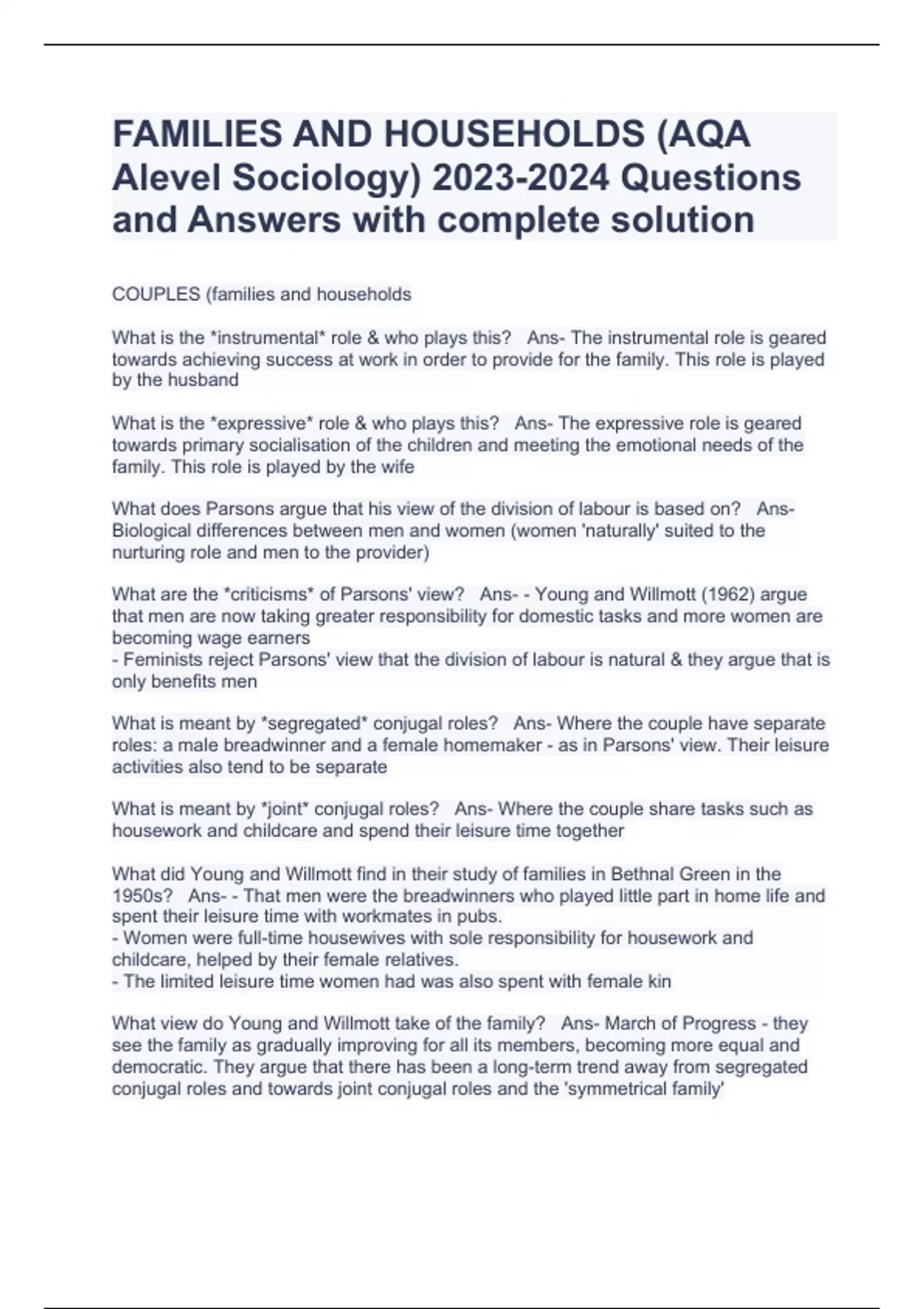
Effective use of the packet requires intentional planning. Below is a practical roadmap that teachers and parents can follow.
Step 1: Pre‑Assessment
- Ask students to list what they already know about family structures.
- Use a quick poll to gauge the diversity of family models present in the classroom.
- Record insights to tailor subsequent lessons.
Step 2: Introduce Core Concepts
- Present a short, engaging lecture that outlines key sociological terms.
- Use visual aids such as infographics or simple diagrams to illustrate relationships.
- Invite students to share personal anecdotes that illustrate each concept.
Step 3: Hands‑On Worksheet Activities
- Distribute worksheets in small groups or as individual assignments.
- Encourage students to bring family photos or artifacts to reference during the activity.
- Monitor progress, offering guidance without dominating the discussion.
Step 4: Reflective Debrief
- Facilitate a class discussion where students share insights.
- Ask guiding questions such as, “How did your family’s structure influence the roles you observed?”
- Encourage students to write a brief reflection paragraph.
Step 5: Extend Learning at Home
- Provide a take‑home worksheet that prompts families to discuss the week’s topic.
- Suggest a family project, like creating a timeline of major decisions and the social forces behind them.
- Encourage sharing of family stories in a digital forum or classroom blog.
Sample Worksheets and Activities
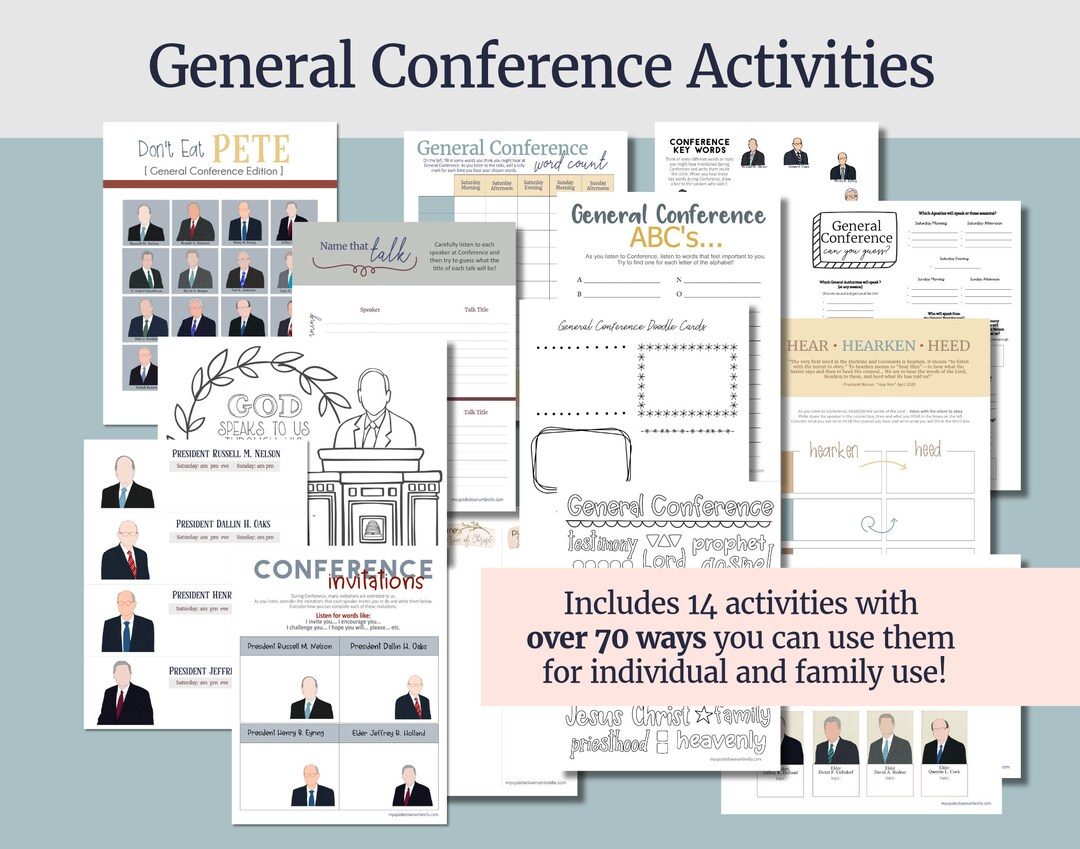
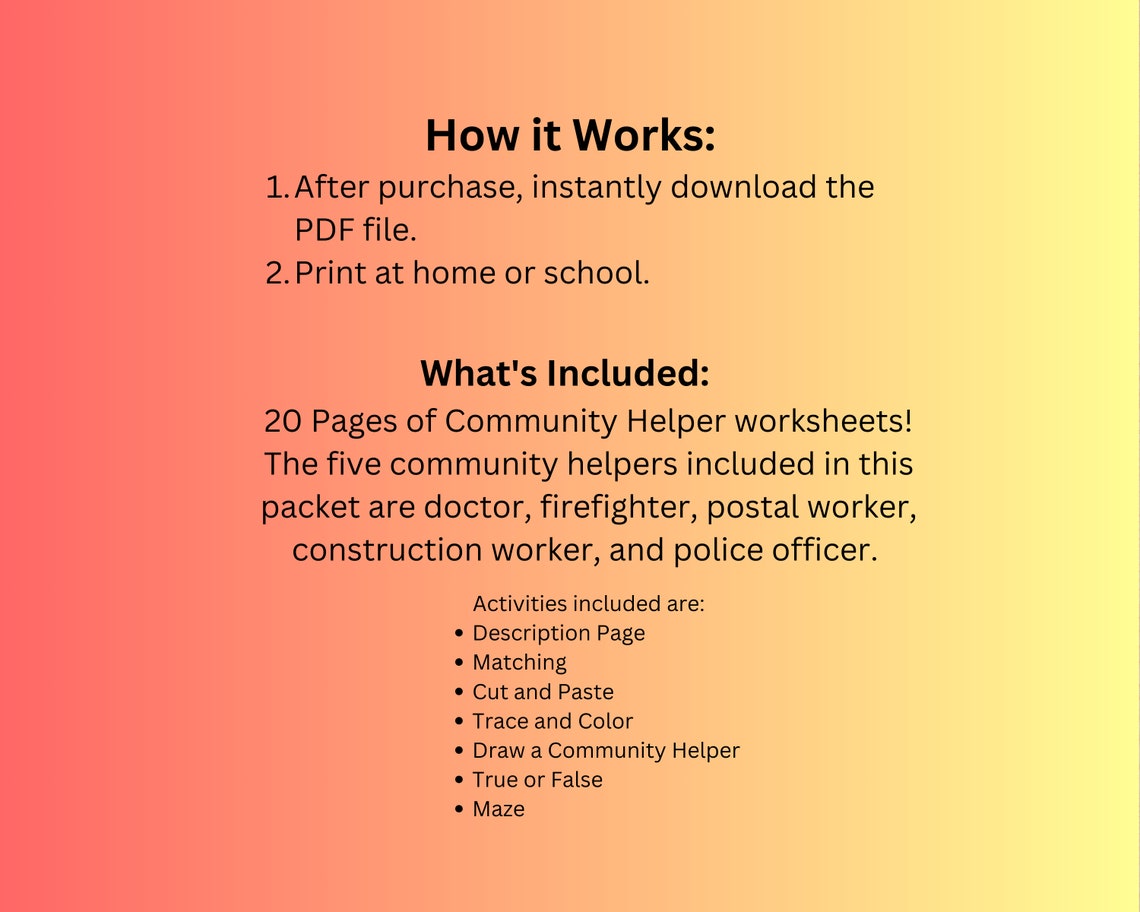
Below are representative samples that showcase the variety of activities included in the packet. Each worksheet is self‑contained, with clear instructions, expected outcomes, and suggested resources for further exploration.
Worksheet 1: Mapping Family Roles
Students identify and chart the primary roles within their family. They then analyze how each role aligns with societal expectations and identify any role conflicts.
Worksheet 2: Cultural Norms and Family Practices
This activity invites students to compare cultural traditions—such as holiday rituals or meal customs—and examine how these practices reinforce or challenge family cohesion.
Worksheet 3: Conflict Resolution Case Study
Using a fictional scenario, students evaluate the causes of a family dispute, identify power imbalances, and propose equitable solutions grounded in sociological theory.
Worksheet 4: The Impact of Media on Family Identity
Students assess how television, social media, or advertising shapes family self‑perception, then design a media critique project to present their findings.
Tips for Teachers and Parents
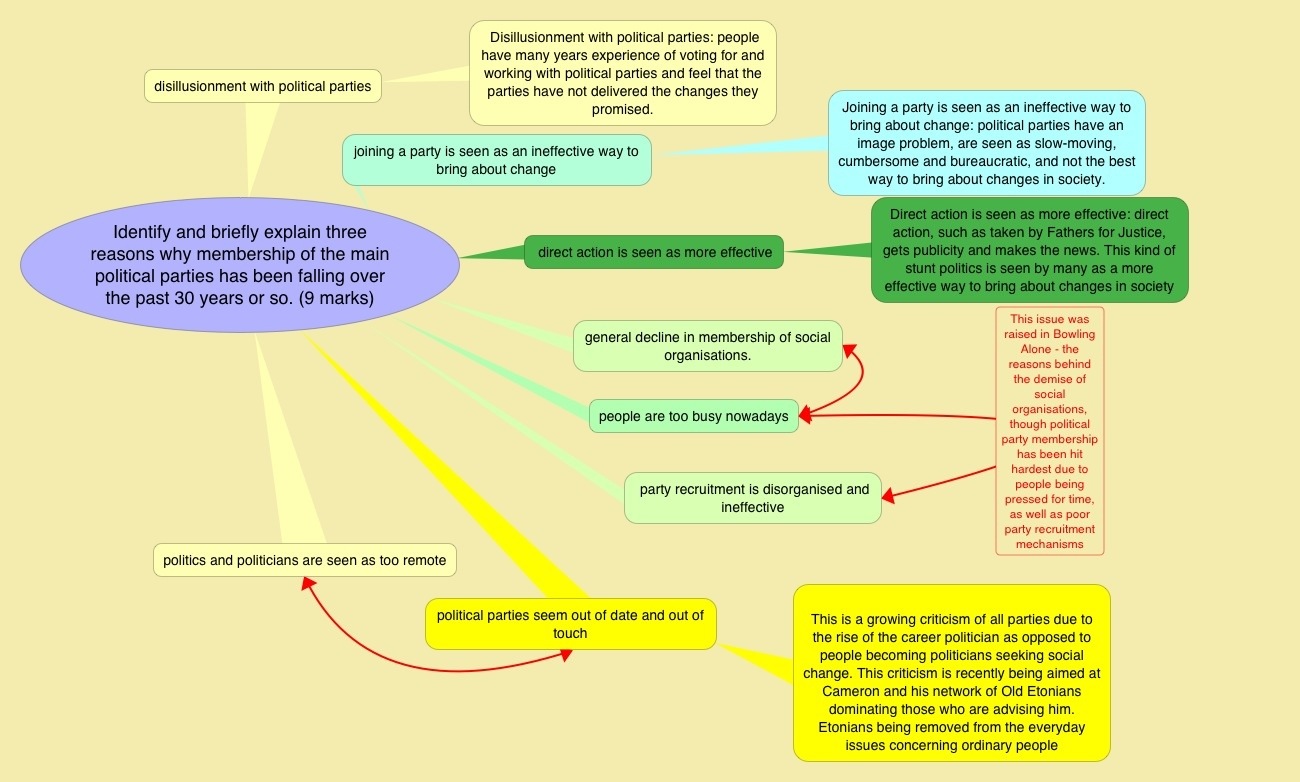
Maximizing the packet’s effectiveness hinges on thoughtful facilitation. Here are actionable tips that can be applied across settings.
For Educators
- Integrate the packet into existing lesson plans on family studies or social science.
- Use the packet as a formative assessment tool to gauge understanding.
- Encourage peer review, allowing students to critique each other’s analyses.
For Parents
- Schedule a weekly “worksheet night” to work through activities together.
- Provide constructive feedback that highlights the connection between theory and lived experience.
- Celebrate insights with a family “reflection jar,” adding notes that capture moments of understanding.
Common Misconceptions

Even well‑intentioned users can fall into certain pitfalls. Addressing these misunderstandings early on can prevent frustration and disengagement.
Misconception 1: Sociology Is Only About Big Institutions
Students often assume that sociology ignores everyday family life. The packet deliberately counters this by centering on micro‑level interactions.
Misconception 2: The Worksheets Are Just Homework
Rather than viewing them as rote assignments, teachers can frame the worksheets as collaborative investigations that spark curiosity.
Misconception 3: Family Dynamics Are Static
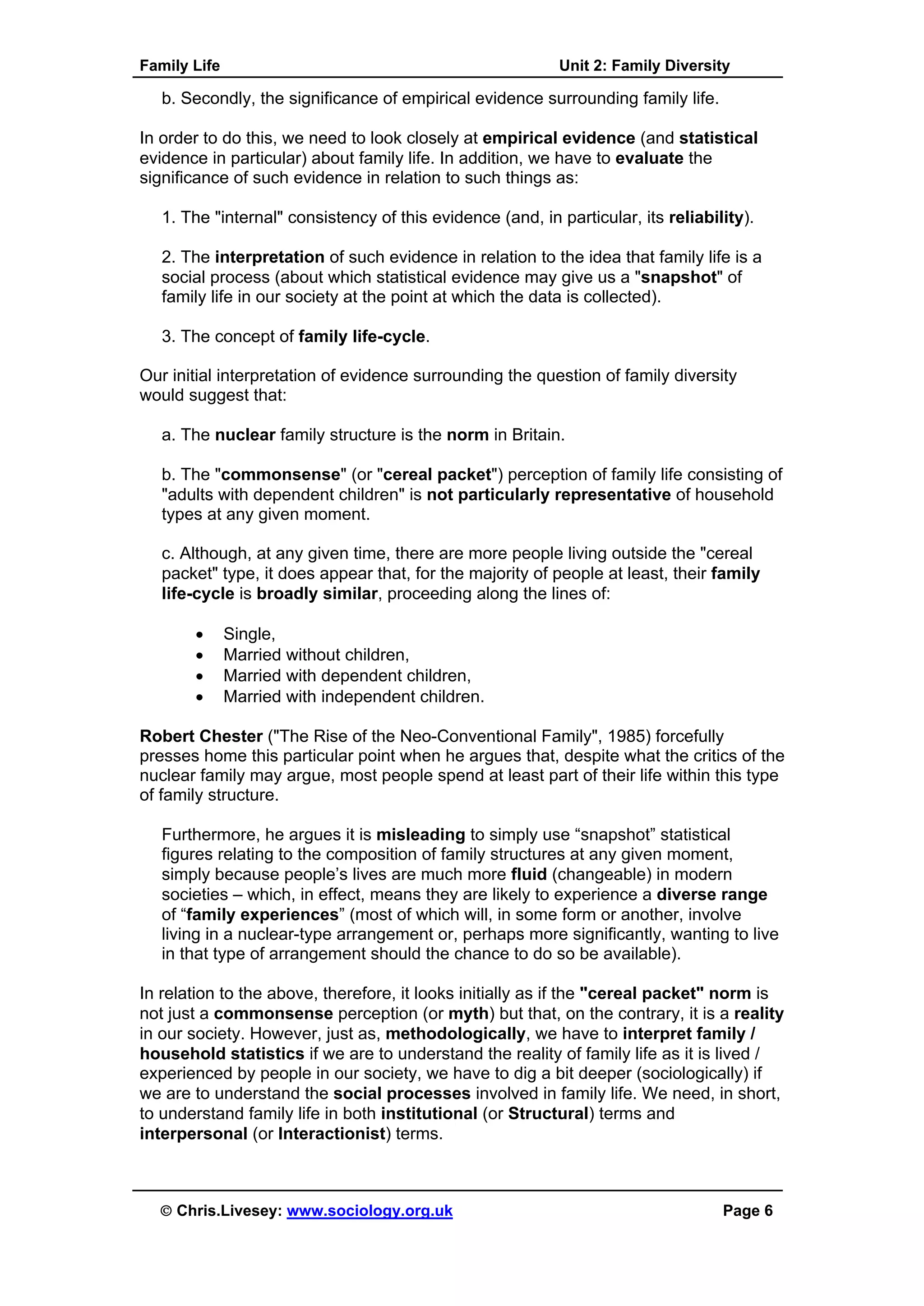
Society is fluid; families evolve. Worksheets that include reflective components help students recognize change over time.
Final Thoughts

By grounding sociological inquiry in the family context, the Sociology Family Worksheet Packet empowers students to see the world through a more nuanced lens. Its structured yet flexible design supports diverse learning styles, encourages critical thinking, and nurtures meaningful conversations that extend well beyond the classroom. Whether used in a school setting or at home, this packet transforms abstract theory into tangible, everyday insights, making sociology an engaging and relevant field for all participants.