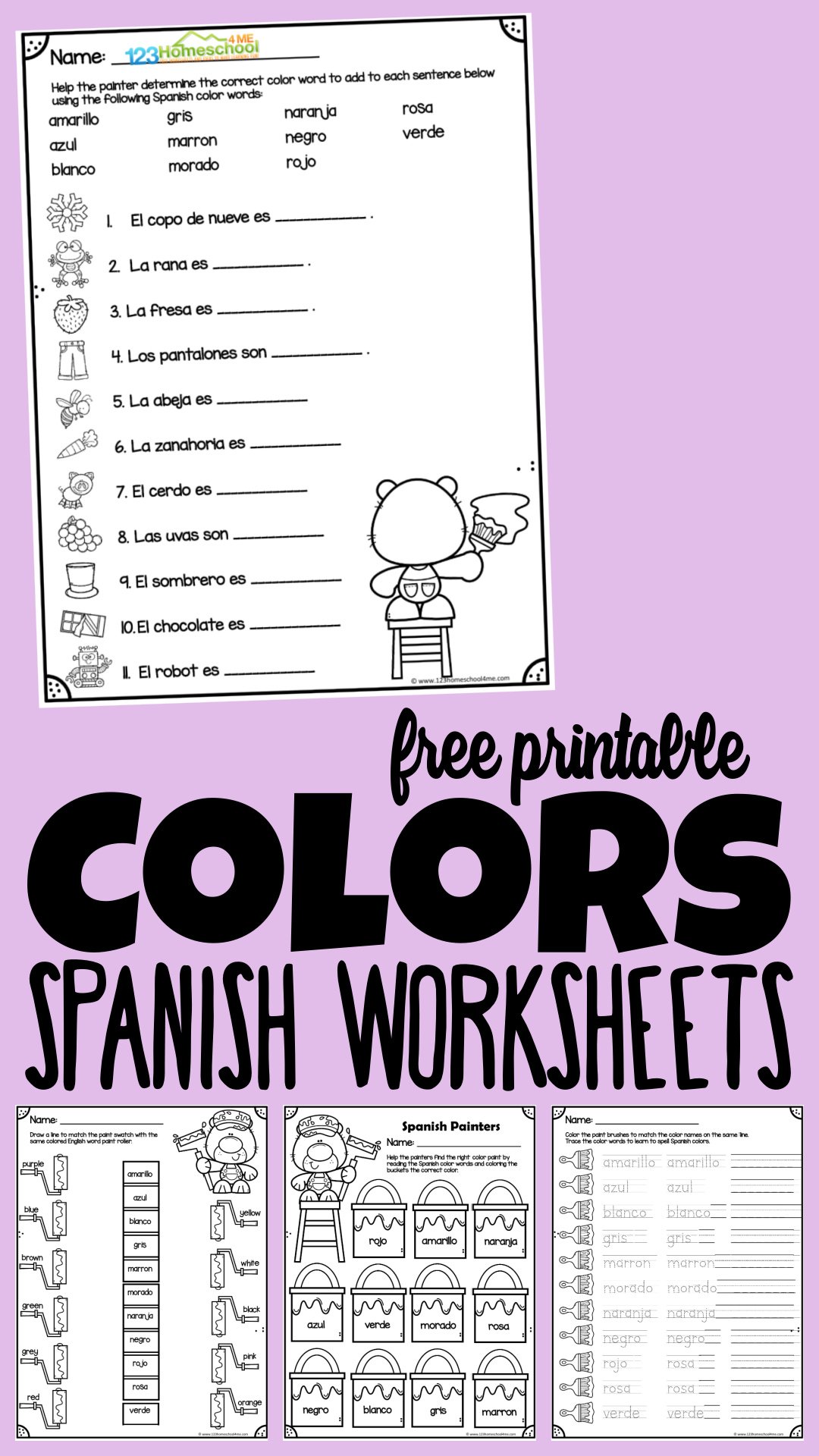
Spanish Worksheets For Beginners are the unsung heroes of language acquisition, quietly demanding attention while the rest of the world chases flashier apps and gimmicky videos. In the shadows of glossy marketing, these printable or digital sheets hold the raw material that transforms a hesitant “hola” into confident conversation. This guide pulls back the curtain, exposing the grit, the strategy, and the relentless practice required to make those worksheets work for you.
Why Worksheets Still Matter in the Digital Age

Technology has democratized language learning, but the tactile feedback of a worksheet remains unmatched. When you physically cross off a correct answer, the brain registers completion in a way that a swipe never can. Worksheets also force you to slow down, to process syntax and vocabulary without the safety net of auto‑translation. For beginners, this deliberate pacing builds a foundation that later digital tools can embellish, not replace.
Moreover, worksheets are inherently adaptable. Teachers, parents, and self‑learners can remix content, align it with personal goals, and track progress in a notebook that never crashes or logs you out. In a world of endless notifications, the quiet ritual of a worksheet offers a rare moment of focus.
Choosing the Right Worksheet

The market is saturated with “free PDF” claims and glossy images that promise instant fluency. To cut through the noise, ask yourself three core questions before you download or print:
Relevance to Real‑World Situations
Does the worksheet address scenarios you’re likely to encounter—ordering coffee, asking for directions, introducing yourself? Worksheets that mimic everyday exchanges accelerate transfer from paper to pavement.
Progressive Difficulty
Beginner worksheets should start with concrete nouns and simple present tense, then gradually layer adjectives, prepositions, and past forms. Look for clear scaffolding, not a random mix of isolated drills.
Clear Instructions and Answer Keys
Ambiguous prompts waste time and breed frustration. A solid worksheet includes concise directions, examples, and a separate answer key so you can self‑grade without second‑guessing.
Core Vocabulary Worksheets

Vocabulary is the skeleton of any language; without it, grammar has no flesh. Effective beginner worksheets introduce words in thematic clusters—family, food, travel—allowing the brain to create semantic webs.
Family and Relationships
Start with the basics: madre, padre, hermano, hermana, abuelo, abuela. A good worksheet will pair each word with a visual cue and a fill‑in‑the‑blank sentence like “Mi ___ es doctora.” This forces you to recall the term in context, not just memorizing a list.
Everyday Objects
Items around the house—casa, silla, mesa, ventana—are perfect for labeling exercises. Cut out the words, stick them on a printed room layout, and practice “¿Qué es esto?” and “Esto es una ___.” The physical interaction deepens memory.
Food and Drink
Menus are the gateway to cultural immersion. Worksheets that simulate a restaurant menu, asking learners to match dishes with descriptions or translate “Quiero una taza de café” into English, build confidence for real outings.
Grammar Foundations

Grammar is the engine that turns isolated words into meaningful sentences. Beginner worksheets should focus on a handful of essential structures before moving on to complex conjugations.
Present Tense of Regular Verbs
Provide a verb list—hablar, comer, vivir—then a table where learners fill in the yo, tú, él/ella forms. Follow up with short dialogues that require swapping pronouns, ensuring the learner sees the verb’s flexibility.
Gender and Articles
Spanish nouns are gendered, and the articles el, la, los, las must agree. Worksheets that present mixed noun lists with blank spaces for the correct article teach pattern recognition. Include exceptions like “el día” to prevent overgeneralization.
Basic Question Formation
Transform statements into questions using inversion and question marks. A worksheet can list statements such as “Tú estudias español” and ask the learner to rewrite them as “¿Estudias tú español?” This reinforces both word order and punctuation.
Listening and Pronunciation Drills
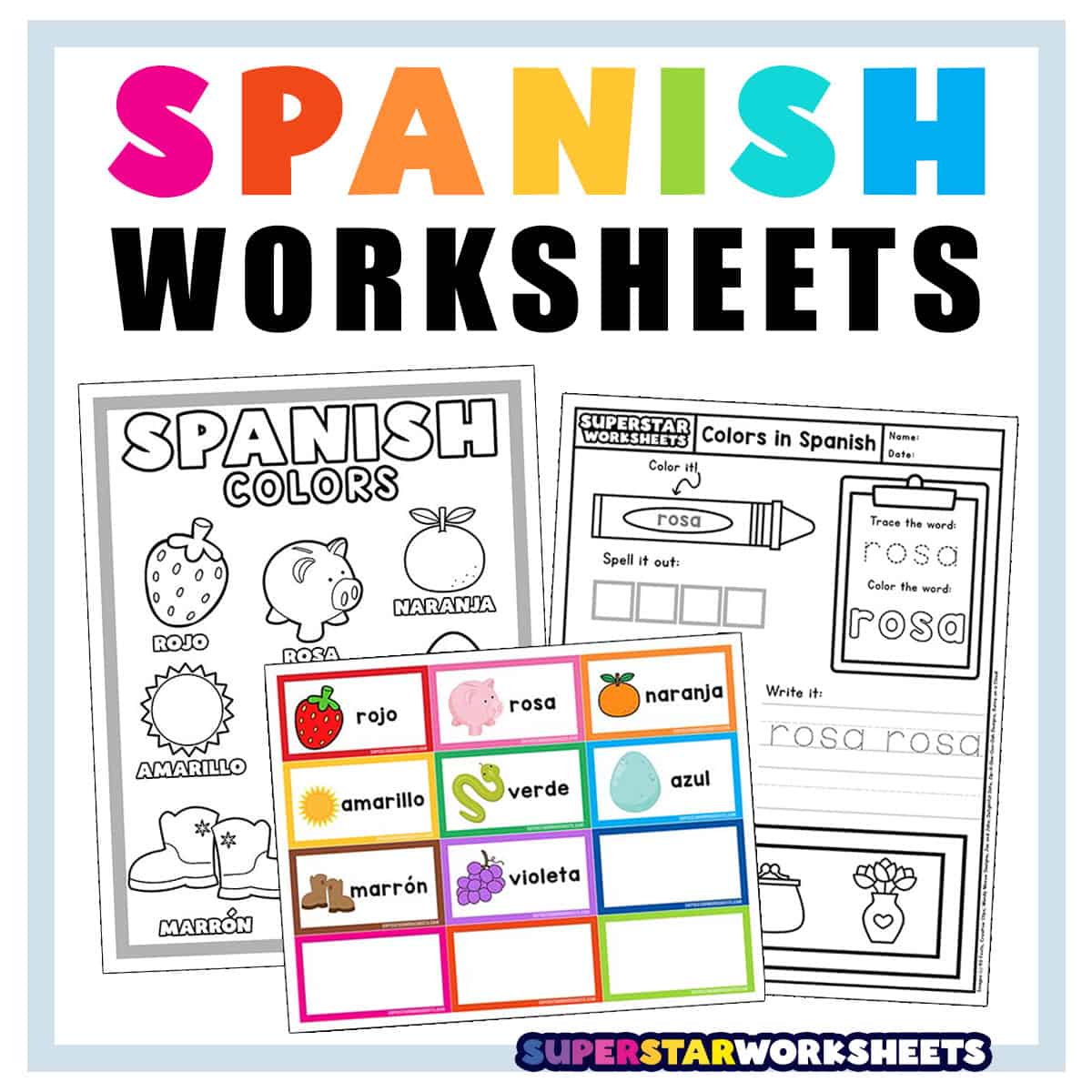
Reading alone cannot develop accurate pronunciation. Worksheets that incorporate audio links (or QR codes for a classroom) push learners to listen, repeat, and transcribe.
Minimal Pair Exercises
Spanish has subtle sound distinctions—“pero” vs. “pero,” “casa” vs. “caza.” A worksheet with audio clips of each pair, followed by a fill‑in‑the‑blank or multiple‑choice question, trains the ear to catch differences that matter for comprehension.
Sentence Stress and Intonation
Mark stressed syllables in a printed sentence, then have the learner record themselves saying the sentence aloud. Compare the waveform or simply listen for natural rhythm. This tactile approach bridges the gap between written and spoken language.
Interactive Activities for Deeper Engagement
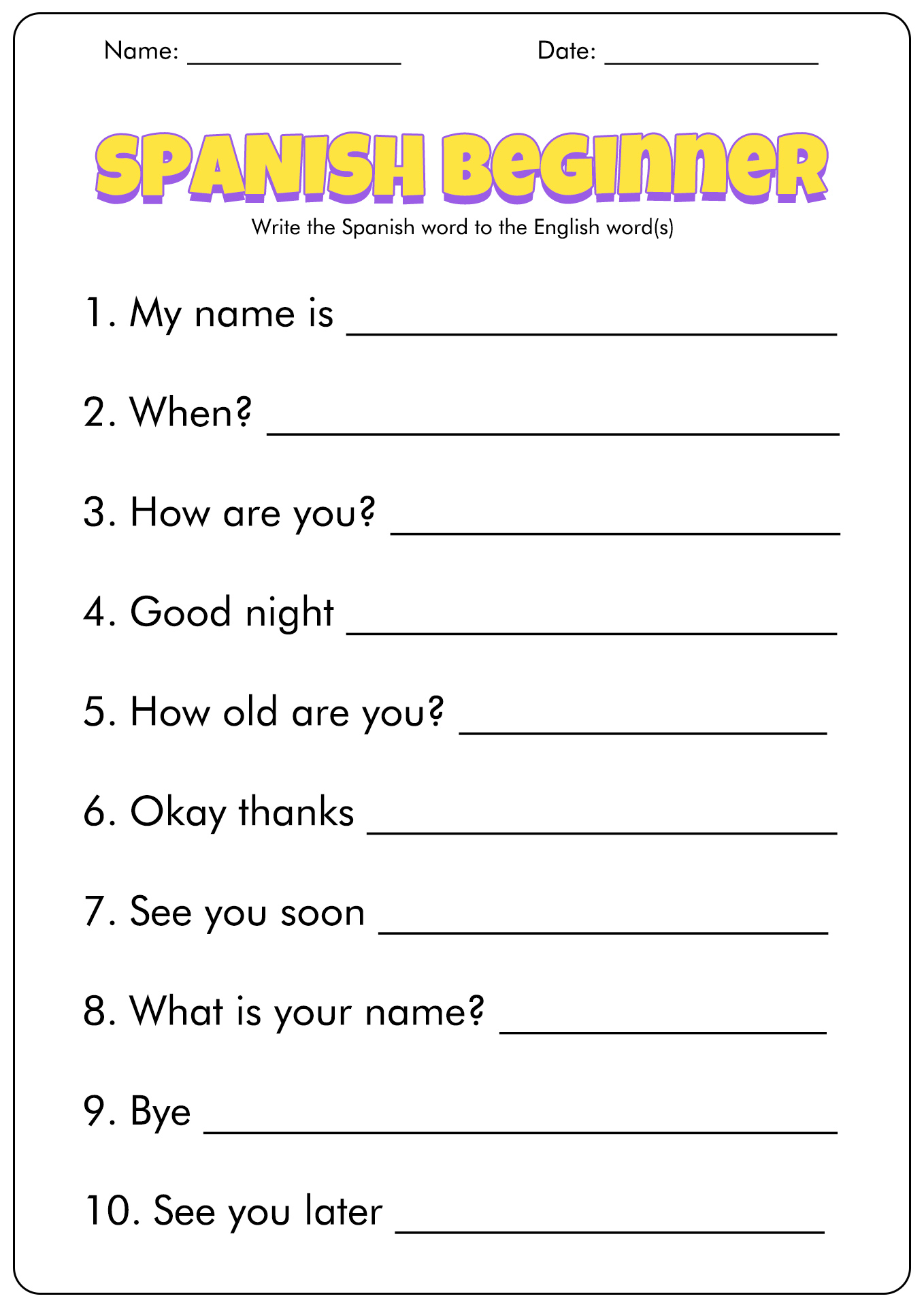
Static worksheets can become dynamic when paired with partner work or gamified elements.
Role‑Play Scenarios
Provide a scenario outline—“You are at a bakery. Order a pastry and ask the price.” One learner reads the prompt, the other acts as the vendor using a response sheet. This transforms a solitary drill into a conversational rehearsal.
Crossword and Word Search Puzzles
Embedding vocabulary in puzzles adds a layer of problem‑solving. Crossword clues can be bilingual, forcing learners to recall both the Spanish term and its English meaning.
Progress Tracking Charts
Include a simple chart where learners tick off completed worksheets, note scores, and set weekly goals. The visual progress reinforces motivation and reveals patterns—perhaps you excel at vocabulary but stumble on verb conjugations.
Digital vs. Printable Worksheets

Both formats have merit; the choice depends on learning style, environment, and resources.
Advantages of Printable Sheets
Physical writing activates motor memory, and the absence of screen glare reduces eye strain. Printable worksheets are ideal for classrooms, libraries, or any setting where digital devices are prohibited.
Advantages of Digital Worksheets
Interactive fields can auto‑grade, providing instant feedback. Digital versions often include embedded audio, video, and hyperlinks to cultural resources, enriching the learning ecosystem.
Hybrid Approach
Start a lesson with a digital introduction, then hand out a printable worksheet for offline practice. This blend capitalizes on the strengths of each medium while mitigating their weaknesses.
How to Use Worksheets Effectively

Even the most polished worksheet is useless without a disciplined approach. Below is a step‑by‑step routine that maximizes retention.
Preparation Phase
Set a clear objective—e.g., “Learn ten family-related nouns.” Gather all required materials: worksheet, pen, timer, and a quiet workspace. Eliminate distractions; put your phone on silent.
Active Completion
Read each instruction carefully. If the worksheet includes a dialogue, read it aloud before filling in blanks. Use a timer to simulate test conditions, but allow yourself a brief pause after each section to reflect.
Self‑Assessment
Compare your answers against the key. For every mistake, write a brief note explaining why the error occurred—was it a spelling slip, a gender mismatch, or a misunderstanding of the verb tense?
Reinforcement
Transform errors into new mini‑exercises. If you confused “el libro” and “la libre,” create five sentences that correctly pair each noun with its article. This turns a single mistake into a cascade of practice.
Review Cycle
Schedule a review session 24 hours later, then a week after that. Re‑doing the worksheet or a subset of it reinforces neural pathways, moving knowledge from short‑term to long‑term memory.
Common Pitfalls and How to Avoid Them

Beginners often fall into traps that stall progress. Recognizing these early can keep you on track.
Relying Solely on Translation
Translating every word back to English defeats the purpose of immersion. Use worksheets that encourage thinking in Spanish—fill‑in‑the‑blank sentences with cues rather than direct translations.
Skipping the Answer Key
It’s tempting to move on without checking your work, but unchecked errors become ingrained. Always review your answers, even if you feel confident.
Overloading on Vocabulary
Memorizing 50 new words in one session is counterproductive. Prioritize depth over breadth: master a core set of 10–15 words before expanding.
Neglecting Pronunciation
Reading silently can hide mispronunciations. Incorporate audio drills or speak each sentence aloud while completing the worksheet.
Conclusion
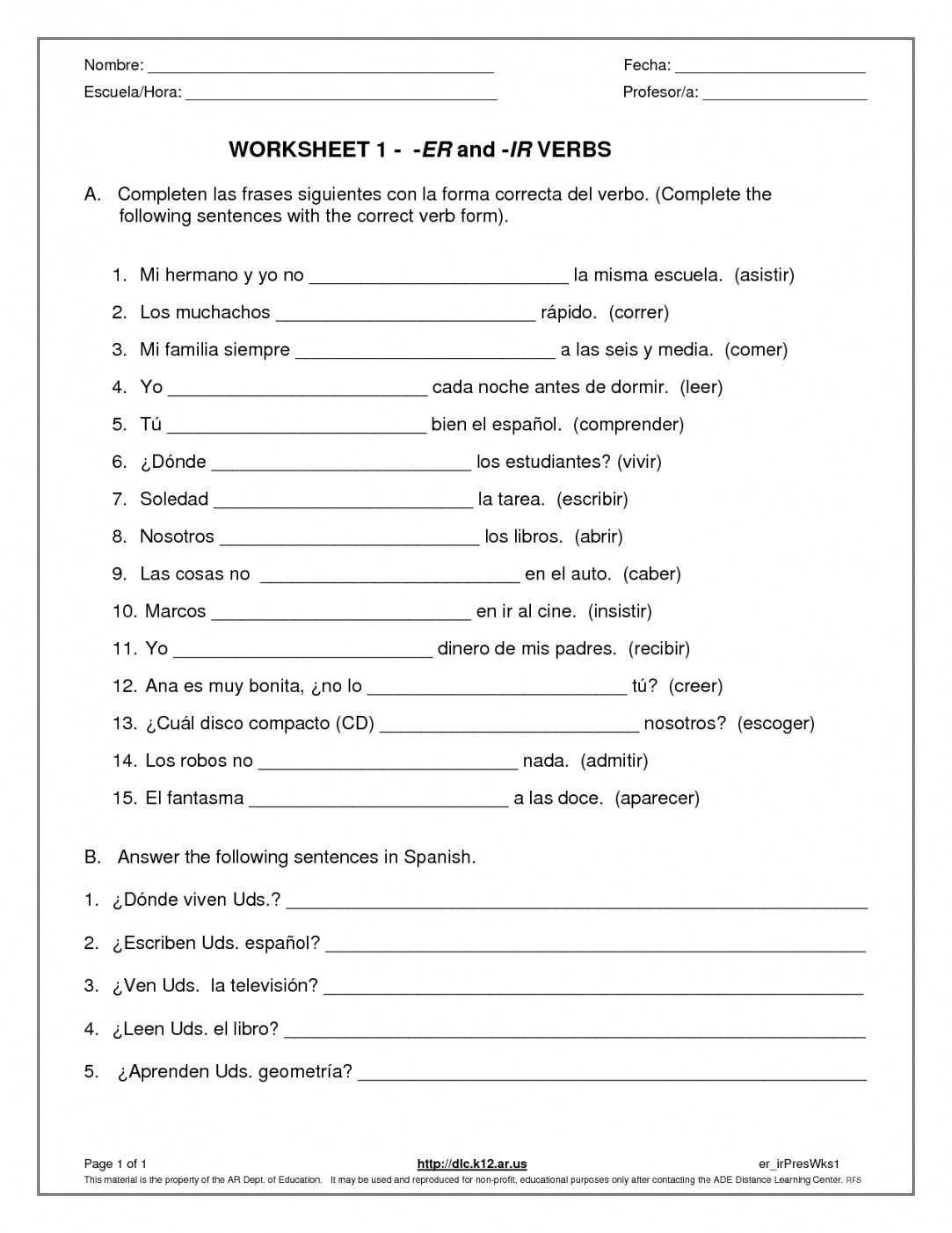
Spanish Worksheets For Beginners are not relics of an outdated classroom—they are strategic tools that, when wielded with intention, cut through the chaos of modern language learning. By selecting relevant, well‑structured sheets, focusing on core vocabulary and grammar, integrating listening practice, and committing to a disciplined study routine, you transform paper into progress. Whether you print them on a kitchen table or complete them on a tablet, the key is consistency and reflection. Embrace the quiet rigor of worksheets, and watch your Spanish evolve from hesitant phrases to fluent expression, one carefully filled box at a time.