
Spring Worksheets For Kids are the magical springtime tools that transform little learners from sleepy sprouts into buzzing butterflies, ready to conquer math, reading, and the ever-mysterious art of folding paper cranes—without ever needing a real crane. These printable adventures come dressed in bright colors, filled with bunnies, flowers, and the occasional mischievous dinosaur that thinks it’s a flower. In this guide we’ll explore how to pick the best worksheets, customize them for your child’s learning style, and turn a rainy afternoon into a garden of giggles and knowledge.
Why Spring Worksheets Are a Springtime Must‑Have

Spring is the season of renewal, and so is learning when you give children fresh, engaging content. Here’s why spring worksheets for kids deserve a spot on your homeschool shelf:
1. Seasonal Context Boosts Engagement
Kids naturally connect with the world around them. A worksheet that asks them to count blooming tulips or write the word “butterfly” feels relevant and exciting. That relevance turns passive reading into active participation.
2. Visual Appeal Encourages Focus
Bright, vibrant graphics break the monotony of dull pages. When a worksheet shows a cartoon bunny holding a pencil, children are more likely to stay on task.
3. Easy to Adapt for All Learning Levels
Most spring-themed worksheets come with adjustable difficulty. A beginner can match a flower to its name, while an advanced student might write a short paragraph about pollination—all on the same sheet.
Choosing the Right Spring Worksheets

Not all printable spring activities are created equal. Below is a quick decision tree to help you pick the perfect set for your child’s age, skill level, and interests.
Age Group
- Preschool (3‑5): Look for large, simple images with one‑to‑two word prompts.
- Early Elementary (6‑8): Choose worksheets that combine counting, basic addition, and simple sentence construction.
- Upper Elementary (9‑12): Opt for multi‑step problems, writing prompts, and science facts.
Learning Objectives
- Math: Worksheets that use spring imagery for addition, subtraction, and early algebra.
- Reading & Writing: Sentence building with spring vocabulary, picture storytelling.
- Science: Plant life cycles, weather patterns, and eco‑friendly habits.
Style and Theme
- Humorous: Cartoon animals making puns (e.g., “I’m a real root of fun!”).
- Classic: Hand‑drawn flowers, pastel backgrounds.
- Educational: Charts, graphs, and real data presented in a playful way.
Customizing Worksheets for a Personal Touch

Once you’ve chosen your base, it’s time to add a pinch of personal flair. Customization turns generic tasks into memorable learning moments.
1. Add Family Photos
Replace the generic bunny with a photo of your child’s favorite pet or a family member. The worksheet becomes a mini family album while still meeting the learning goal.
2. Use Personalized Names
Insert your child’s name into the worksheet. For example, instead of “Write a sentence about a flower,” say “Emma’s favorite flower is a daisy.” Personalization increases ownership.
3. Insert Local References
Swap generic landmarks with your hometown’s parks or favorite local spots. This localizes content and sparks curiosity about the world outside the classroom.
4. Mix Difficulty Levels
Create a single sheet that starts with easy matching, moves to simple addition, and culminates with a creative writing prompt. That way, you can cater to both shy and eager learners.
Integrating Technology with Traditional Printables

While the charm of paper is undeniable, blending tech keeps learners modern and engaged. Here are ways to combine printed worksheets with digital tools.
1. Scan and Edit
Scan a hand‑written worksheet and use a light‑weight editor to add annotations. This lets you tweak answers on the fly and keep the paper version handy.
2. QR Code Linking
Attach a QR code that links to a short video demonstrating the concept. For example, a worksheet on flower parts can link to a clip showing how a flower grows.
3. Interactive PDFs
Some platforms allow you to add fill‑in fields and checkboxes. Kids can type their answers directly onto a PDF, and the teacher can automatically grade.
4. Printable‑to‑Digital Hybrid
Print a worksheet, then scan the completed version into a learning management system for assessment and progress tracking.
Creative Activities to Pair with Spring Worksheets
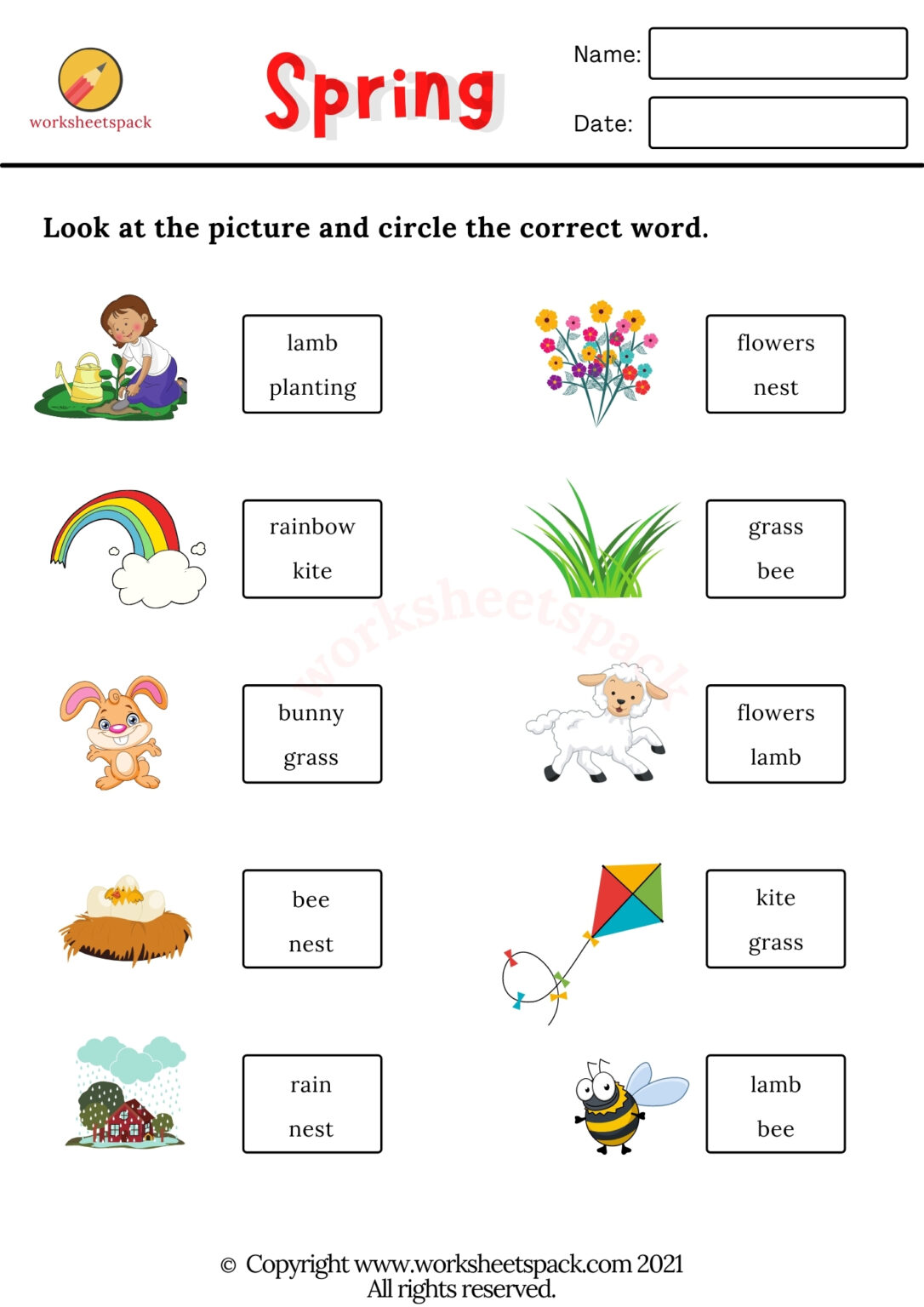
Worksheets are just the starting point. Complement them with activities that deepen learning and add a splash of fun.
1. Garden Hunt
Hide stickers or paper cut‑outs of animals and plants around the room. Children find them and then use the worksheet to identify and write about each item.
2. The Great Spring Scavenger
Give kids a list of items to find outside—like a feather, a leaf, or a flower. When they return, they complete the worksheet by describing each find.
3. Spring Story Circles
After a reading worksheet, gather the children in a circle. Each child adds one sentence to a story that starts with “Once upon a spring morning…”. The worksheet can prompt them to use specific vocabulary.
4. Eco‑Project Badge
Encourage children to collect recyclables and turn them into a paper collage. Then, on a worksheet, they record what they used and explain why recycling matters.
Assessment and Feedback Strategies
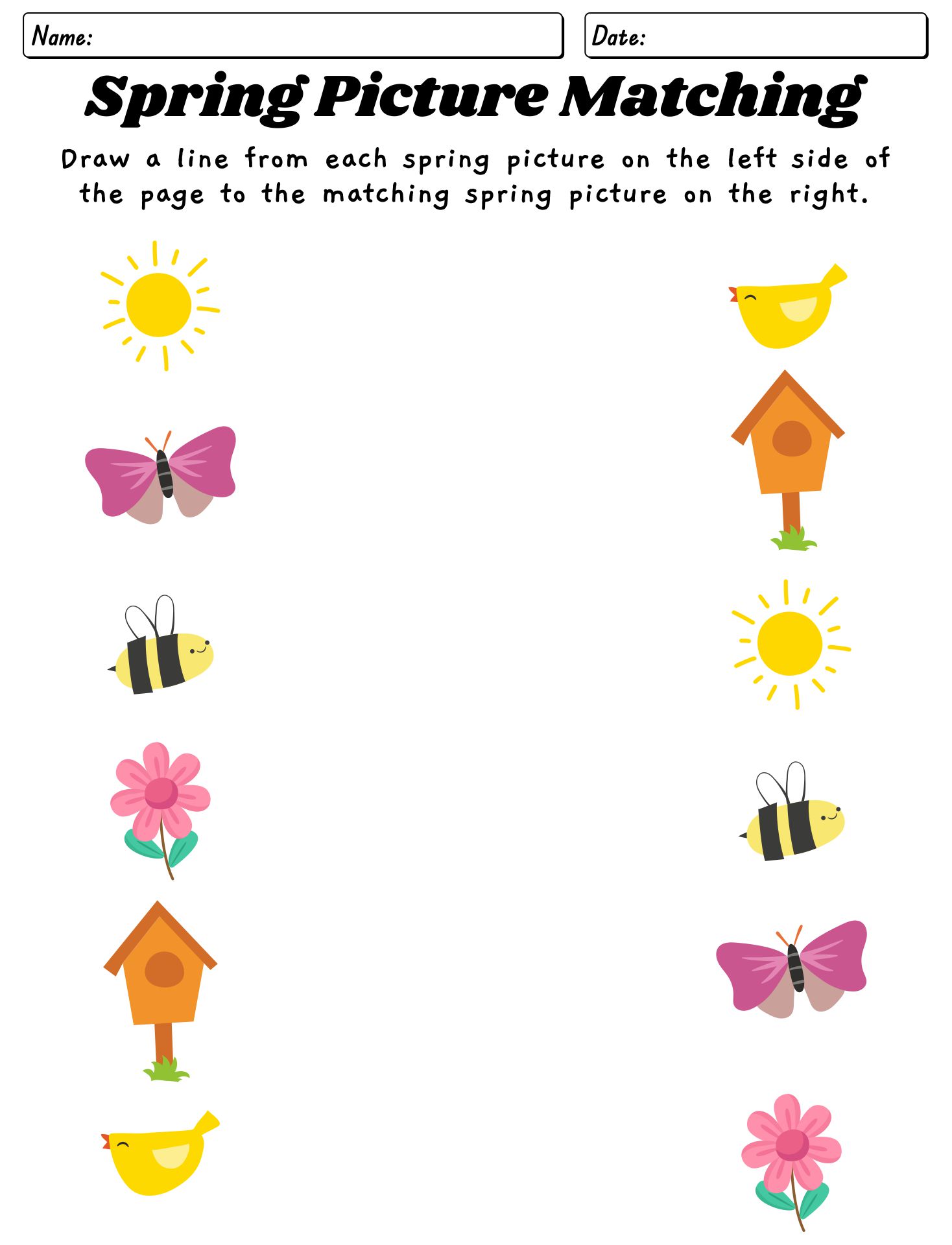
To keep learning purposeful, assessment shouldn’t feel like a chore. Here are gentle, constructive ways to gauge progress.
1. Self‑Assessment Checklists
After completing a worksheet, children tick boxes such as “I counted correctly” or “I wrote a sentence with a new word.” This fosters self‑reflection.
2. Peer Review Sessions
In small groups, children exchange worksheets and give each other simple feedback like “Great job on the addition!” or “Try adding more details to the paragraph.”
3. Gamified Scoring
Assign points for correct answers, creativity, and neatness. At the end of the week, tally the points and award a small “Spring Scholar” badge.
4. Visual Progress Charts
Use a poster where each child’s worksheet is represented by a colored leaf. As they complete more worksheets, the tree grows—a visual cue of progress.
Storage and Organization Tips
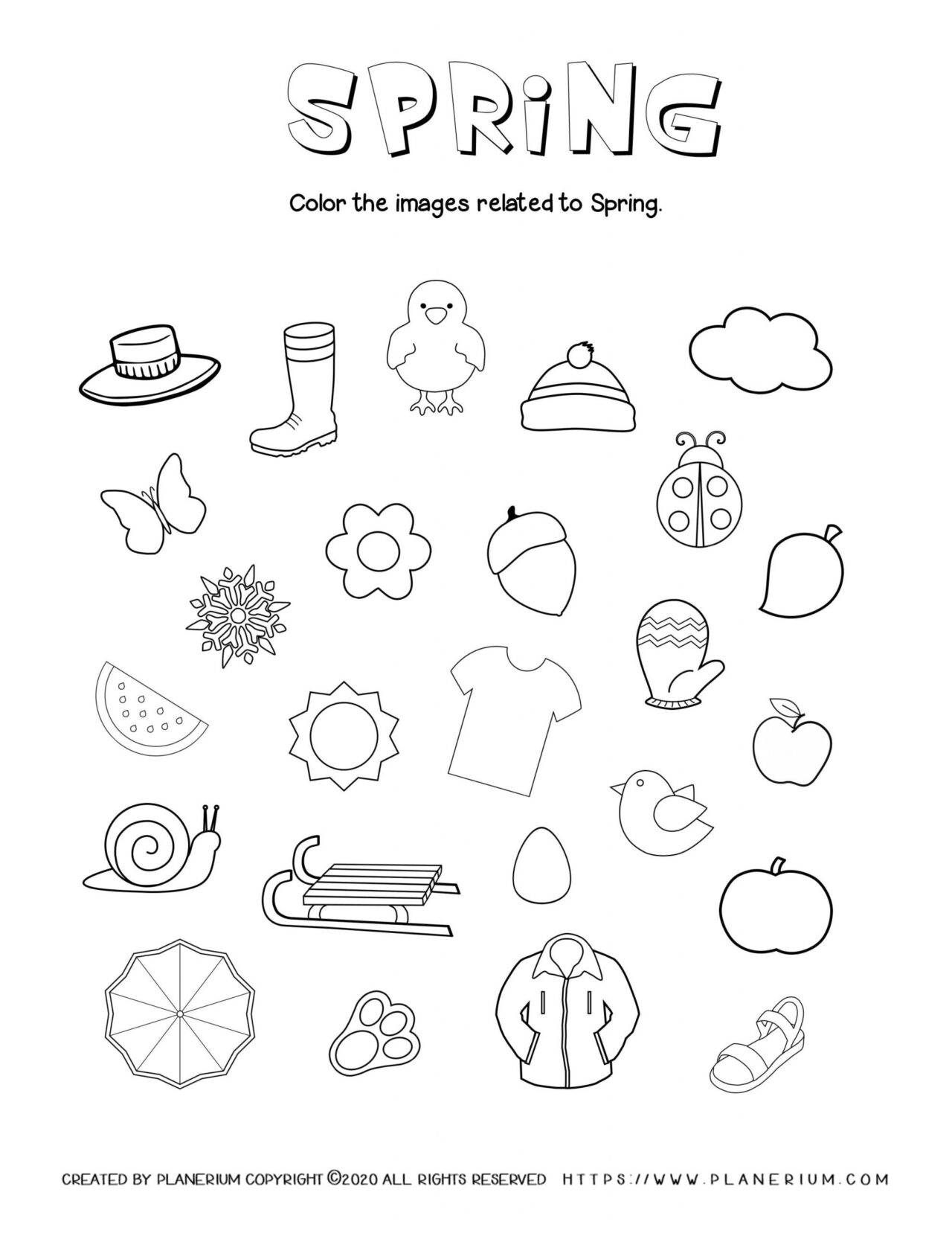
A cluttered stack of worksheets can be as intimidating as a maze of vines. Keep everything tidy with these tricks.
1. Color‑Coded Binders
Assign a color to each subject—green for math, yellow for reading. Store the corresponding worksheets in matching folders.
2. Digital Backup
Scan each worksheet after use and save in a cloud folder labeled by date and subject. That way, if paper goes missing, the digital copy is safe.
3. Weekly Rotation System
Every Friday, rotate out the worksheets that have already been used for the upcoming week. Freshness keeps interest high.
4. Laminated “Quick‑Use” Sheets
For worksheets you’ll use often, laminate them. They can be written on repeatedly with dry‑erase markers, saving paper and time.
Common Pitfalls and How to Avoid Them

Even with the best planning, some missteps can derail the learning experience. Recognize and preempt them.
1. Overloading a Worksheet
Too many tasks can overwhelm a child. Stick to 3‑5 main objectives per sheet. The rest can be sprinkled on a supplemental activity.
2. Ignoring Individual Pace
Not every child learns at the same speed. Offer optional “challenge” pages for advanced learners while giving “support” pages with step‑by‑step guidance for those who need it.
3. Neglecting the Fun Factor
If the worksheet feels like homework, children will resist. Keep the tone light; sprinkle jokes, riddles, and cute illustrations to maintain enthusiasm.
4. Forgetting to Review
After the worksheet is done, review the answers together. Discuss why an answer is correct or how it could be improved. This reinforces learning.
Final Thoughts: Turning Spring into a Learning Celebration
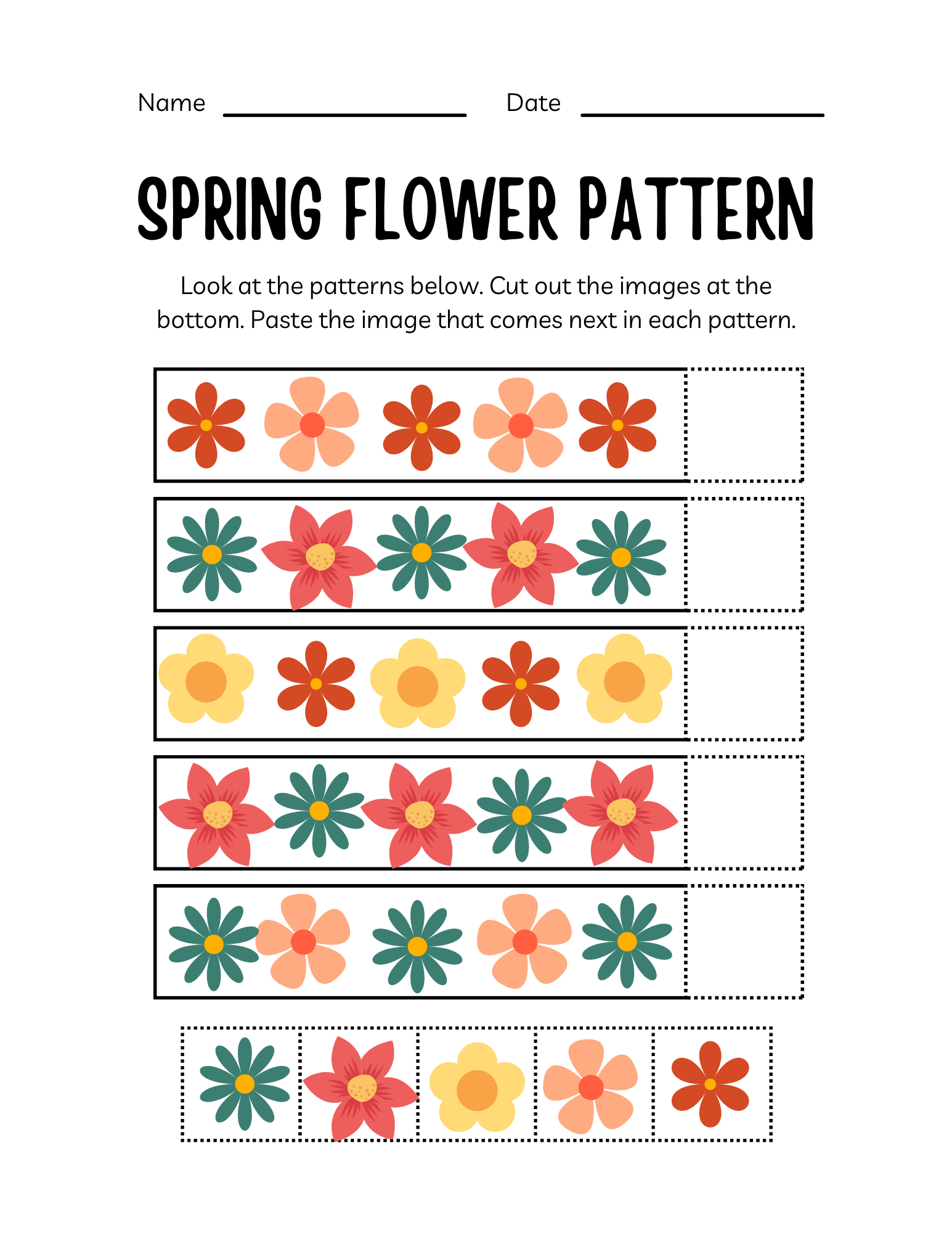
By blending colorful graphics, engaging language, and playful activities, spring worksheets for kids become more than just a teaching tool—they’re a celebration of growth, curiosity, and the joy of discovery. Customize them to your child’s personality, integrate tech for modern relevance, and always keep the experience light and fun. With these strategies in hand, you’ll watch your little learners blossom just like the flowers outside the window—bright, colorful, and ready for anything that comes their way. Happy teaching, and may your spring be full of giggles, learning, and a sprinkling of sunshine on every worksheet!


