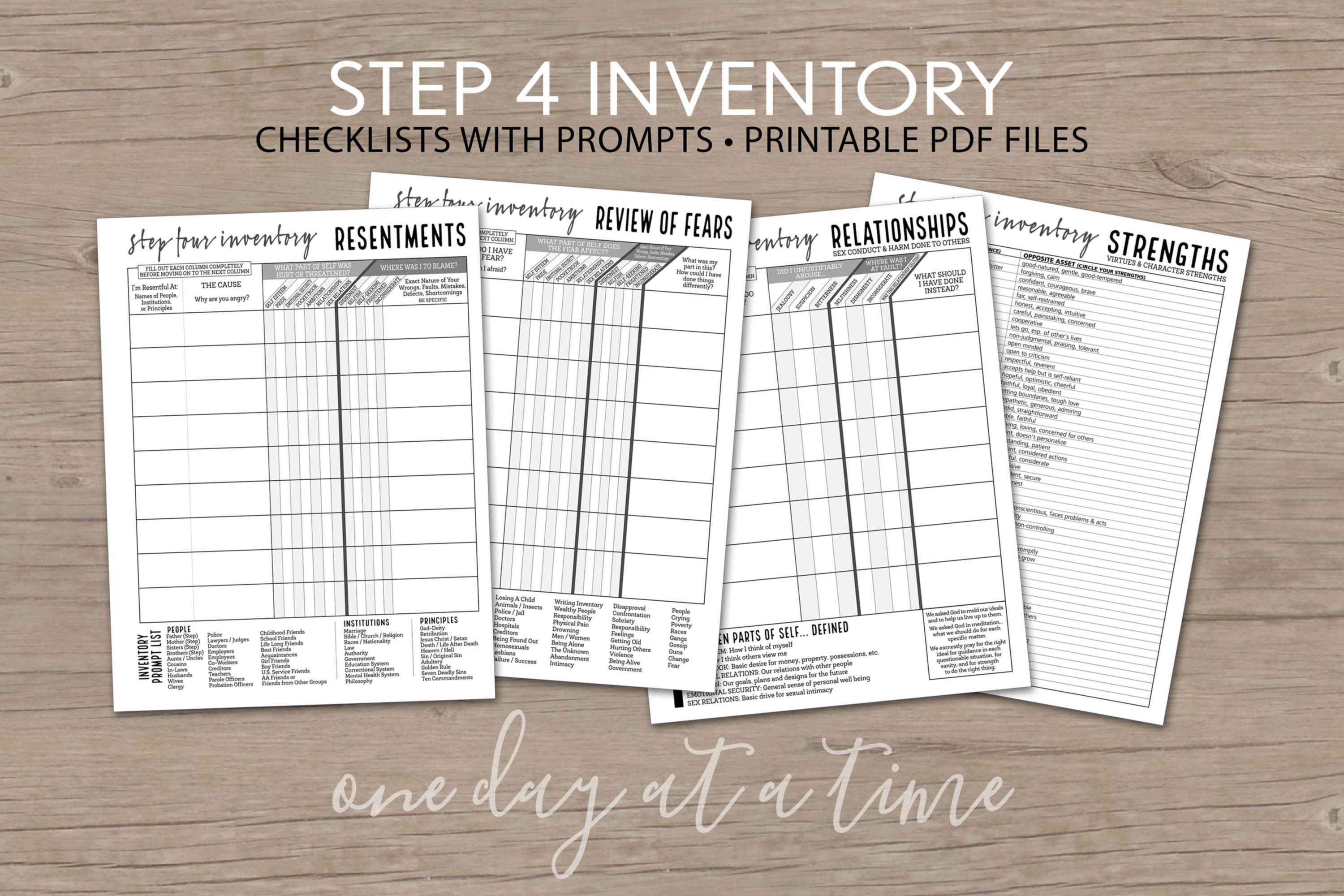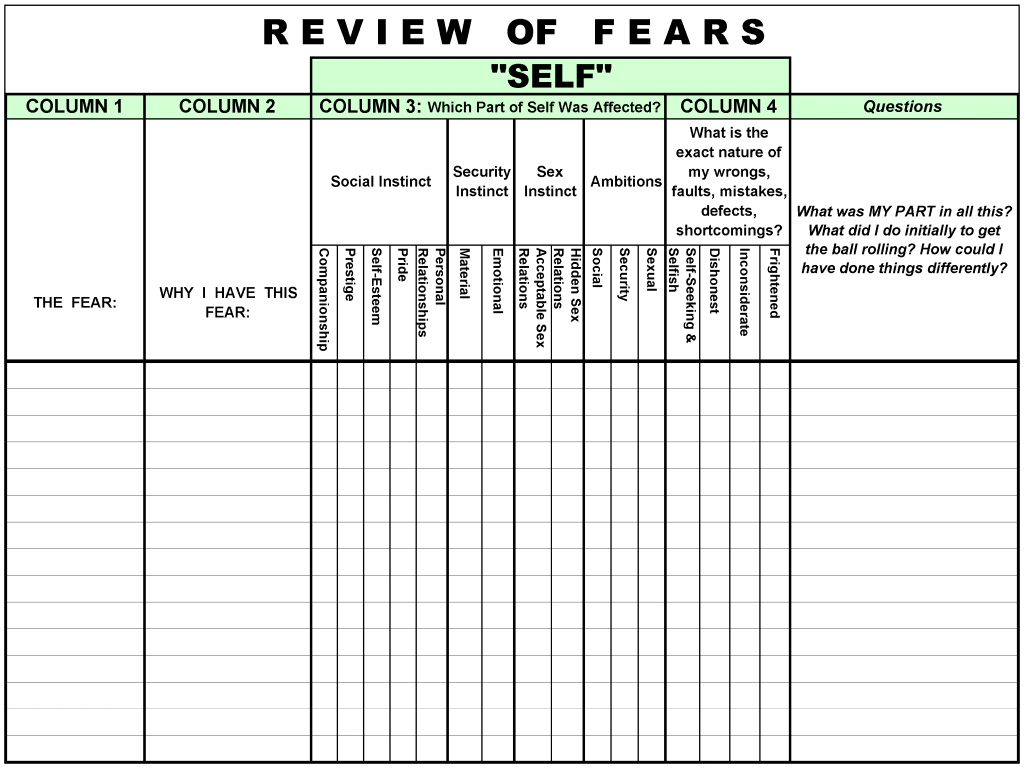
Step 4 Aa Worksheet serves as a pivotal tool for members striving to confront and understand the nature of their addiction, shame, and self. By guiding individuals through a series of reflective prompts, this worksheet encourages honesty, accountability, and the development of healthier habits, all within the supportive framework of Alcoholics Anonymous. Below, we explore its purpose, structure, and practical tips for maximizing its benefits.
Understanding Step 4 in AA
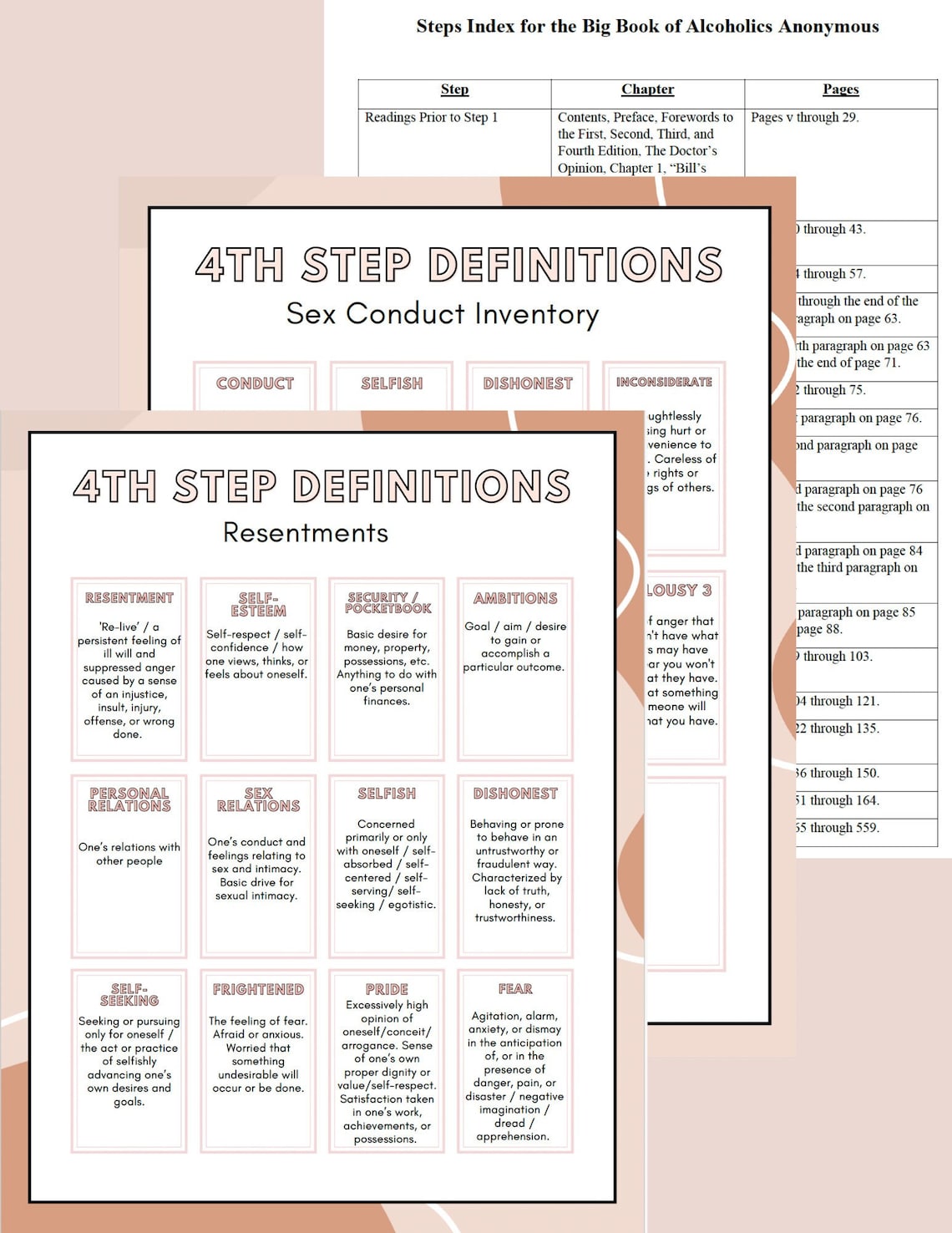
Step 4 states, “Made a searching and fearless moral inventory of ourselves.” This step is more than a simple list of faults; it is a comprehensive evaluation that uncovers patterns of behavior, emotional wounds, and areas needing repair. The worksheet acts as a roadmap, ensuring that the inventory is thorough, organized, and conducive to meaningful insight.
Key Objectives of the Inventory
- Self-awareness: Identify habits that contribute to addiction.
- Accountability: Acknowledge mistakes and their impact on others.
- Foundation for Step 5: Prepare to share the inventory with a sponsor or trusted peer.
- Personal Growth: Highlight strengths and opportunities for change.
The Role of the Worksheet
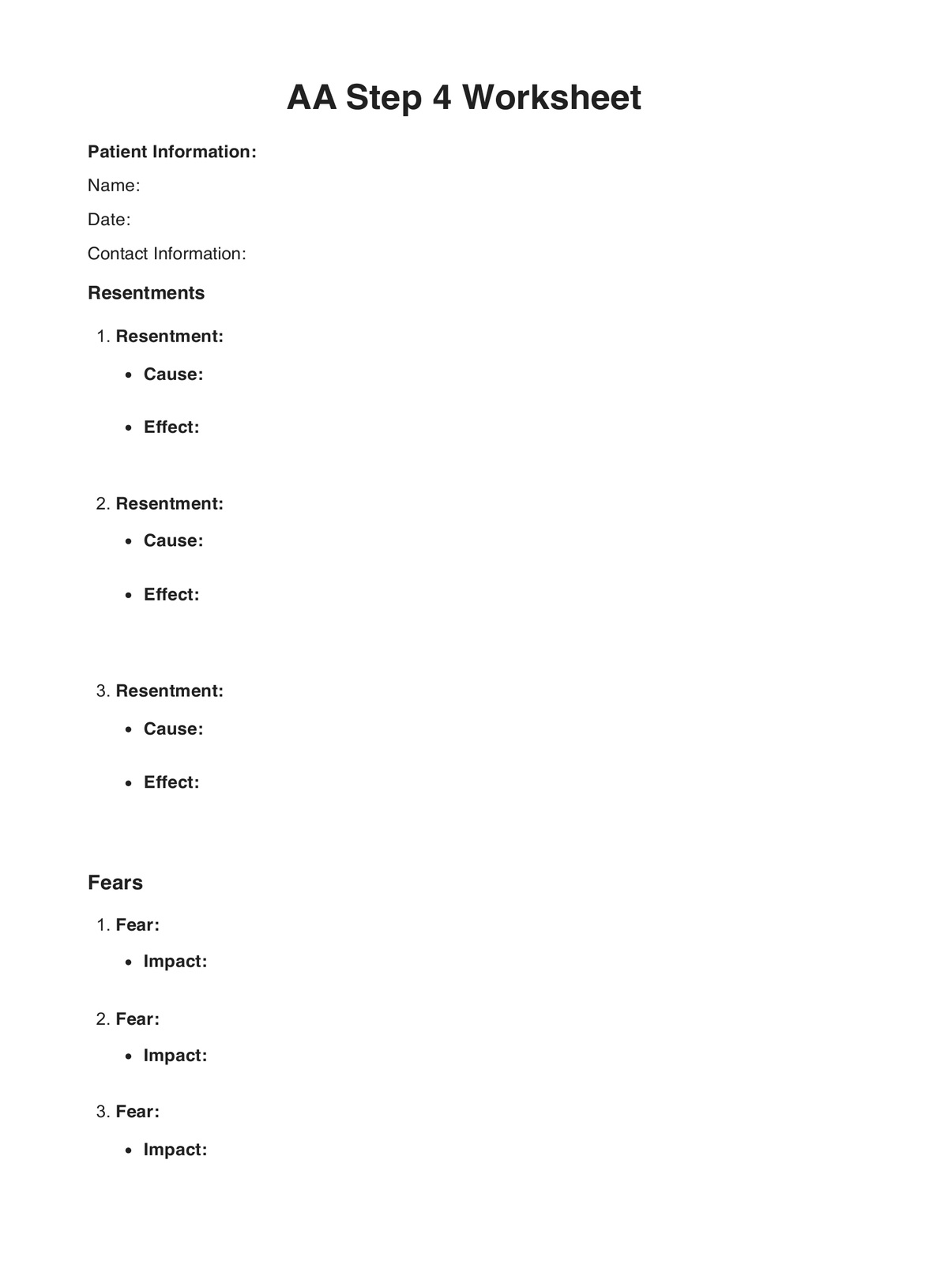
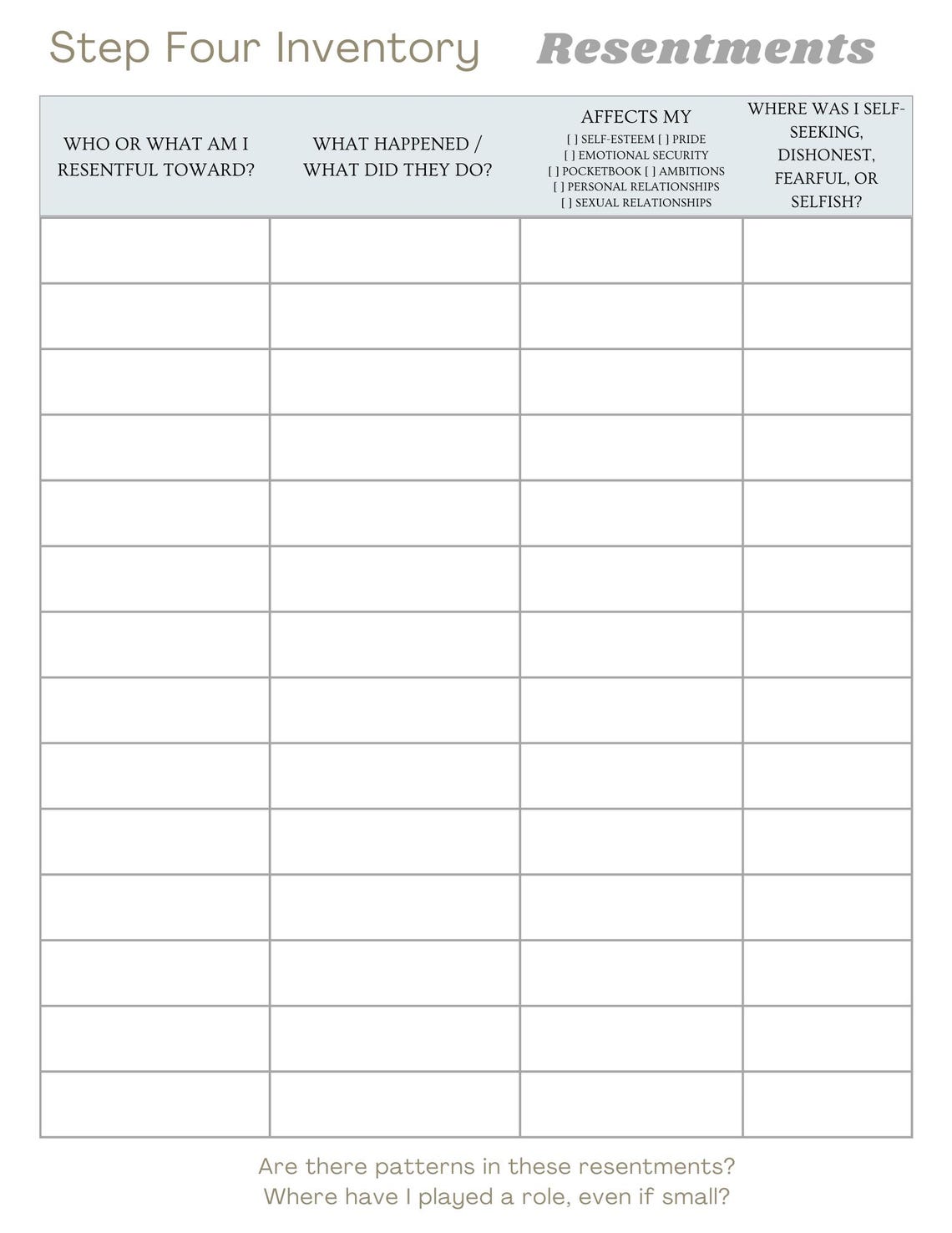
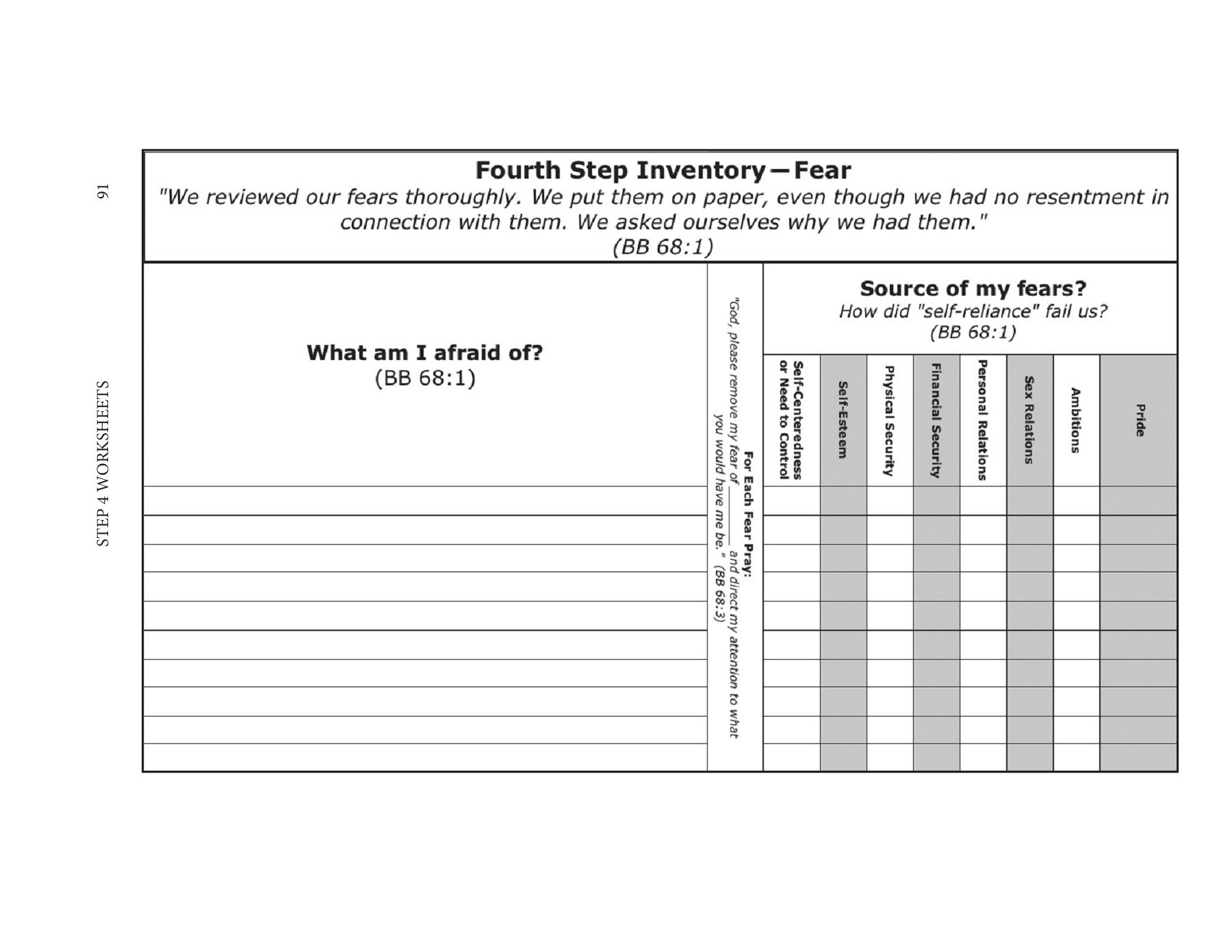
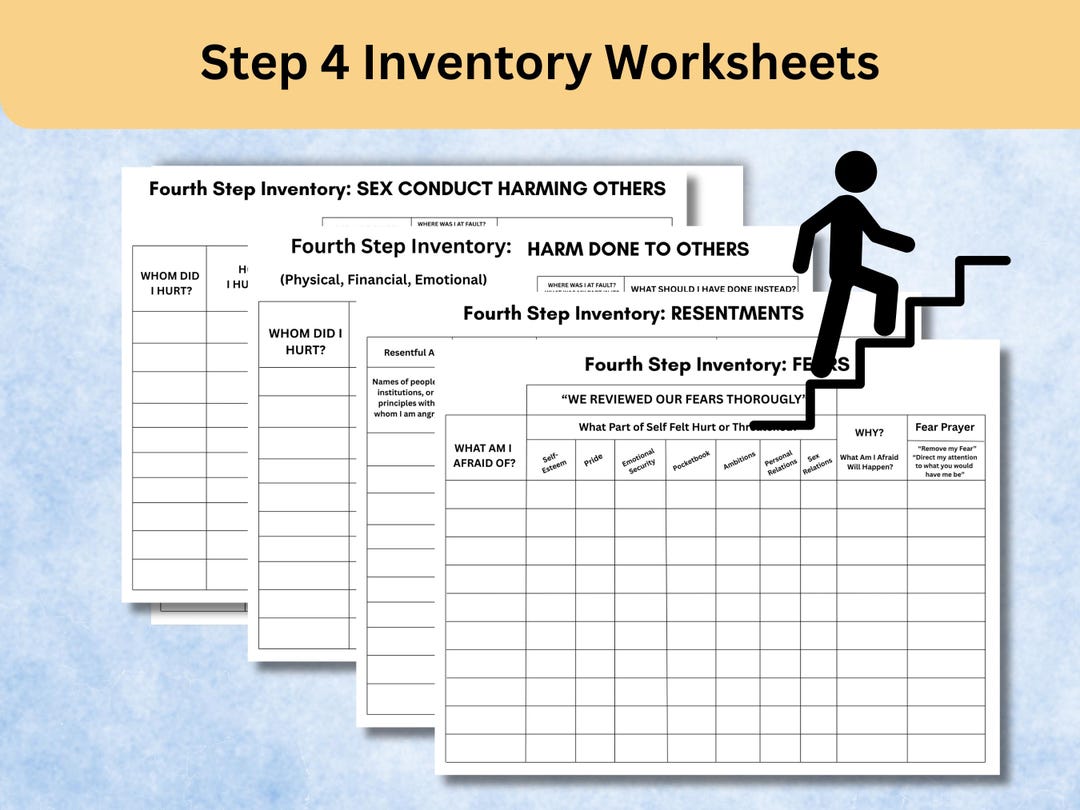
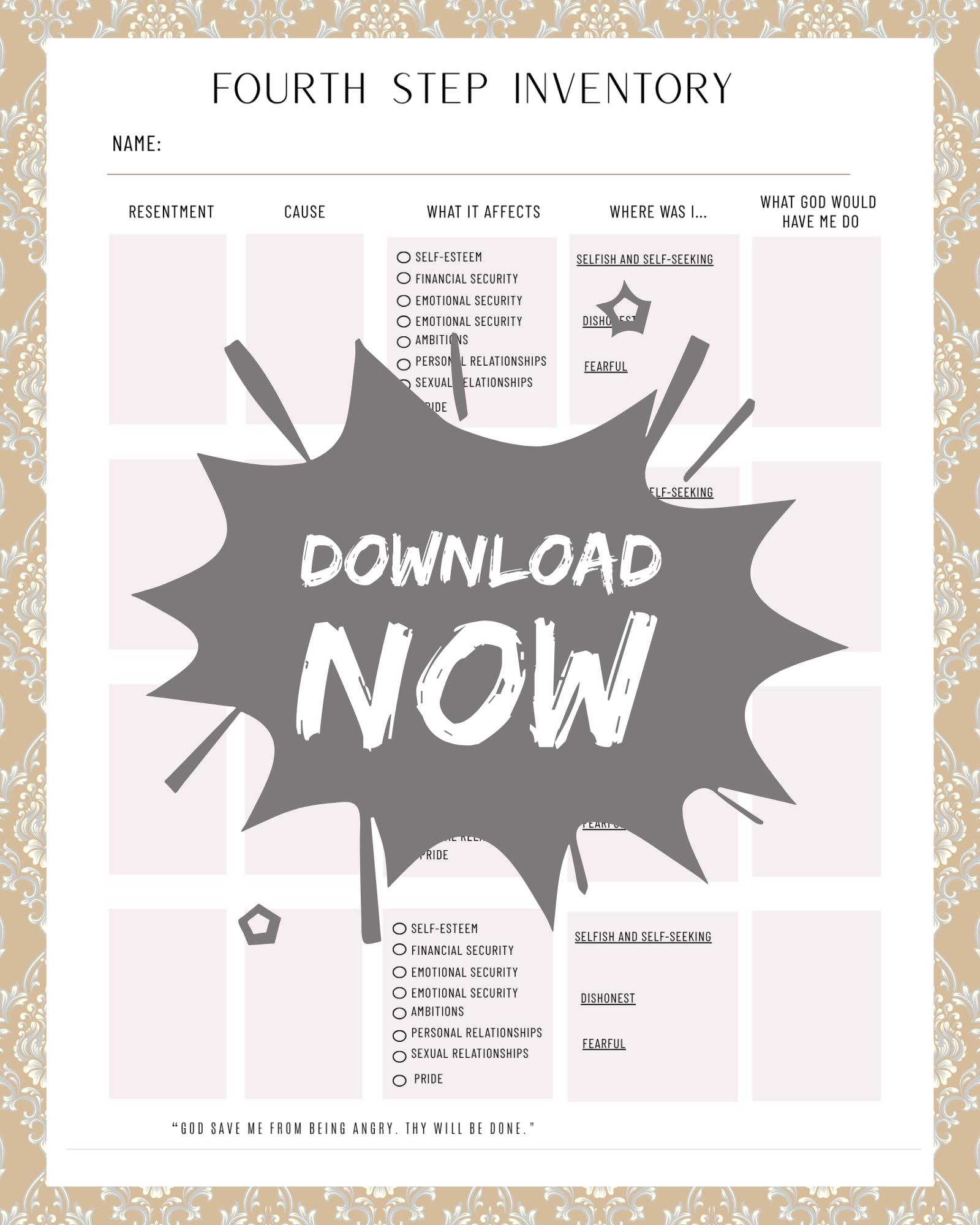
A well-crafted Step 4 Aa Worksheet translates the abstract concept of an inventory into actionable categories and prompts. It brings structure to introspection, reducing overwhelm and increasing the likelihood of honest answers.
Core Components
- Personal Information: Name, sobriety date, sponsor, and date of completion.
- Inventory Categories:
- Physical habits (e.g., sleep, exercise, diet)
- Emotional tendencies (e.g., anger, anxiety, guilt)
- Behavioral patterns (e.g., lying, avoiding responsibility)
- Relationships (e.g., family, friends, colleagues)
- Spiritual aspects (e.g., faith, gratitude, purpose)
- Specific Prompts: Questions designed to probe each category deeply, such as “When did I feel most ashamed in the last month?”
- Action Items: Space for noting potential changes or commitments.
Step 4 Worksheet Structure

While many AA groups distribute a generic worksheet, a tailored version can enhance clarity and engagement. Below is a sample structure that balances depth with user-friendliness.
Header Section
Include the title, member’s name, and session date. A small space for a signature or a sponsor’s stamp can reinforce commitment.
Inventory Tables
Each table focuses on a distinct theme. Use two columns: one for “Current Reality” and another for “Desired Change.” This dual perspective fosters constructive thinking.
Reflection Journal
After filling tables, allocate a dedicated area for free writing. Encourage writing for 10–15 minutes, allowing thoughts to flow without judgment.
Action Plan
Convert insights into concrete steps: “I will call my sister once a month to rebuild trust” or “I will practice a 5‑minute breathing exercise daily.”
How to Use the Worksheet Effectively

Successfully completing a Step 4 worksheet demands preparation, honesty, and follow‑through. Below are proven strategies to maximize its impact.
1. Set the Environment
- Choose a quiet, distraction‑free space.
- Bring a notepad, pen, and a comfortable chair.
- Consider a calming soundtrack or a candle to create a supportive atmosphere.
2. Allocate Adequate Time
Rather than rushing, schedule 30–60 minutes. If needed, break the session into two shorter parts: inventory completion and reflection writing.
3. Practice Honesty Without Judgment
Remember that the purpose is self‑improvement, not self‑denunciation. Approach each prompt with curiosity, not criticism.
4. Use “I” Statements
Writing in the first person promotes personal ownership and reduces defensiveness.
5. Review and Revise
After completing the worksheet, reread it at a later time. Update or refine entries to reflect deeper insights gained through ongoing sobriety.
Common Challenges and How to Overcome Them
Even seasoned members encounter obstacles while tackling Step 4. Identifying these challenges early can prevent discouragement.
Emotional Resistance
Feelings of shame or fear may block honest reflection. Pair the worksheet with a trusted sponsor’s support or consider a guided meditation before starting.
Information Overload
Too many prompts can overwhelm. Prioritize the most pressing categories and gradually expand coverage over multiple sessions.
Inconsistent Follow‑Through
Skipping the action plan section leads to stagnation. Treat the worksheet as a living document—review it in each meeting and adjust steps as needed.
Integrating Step 4 Work into Daily Life
A worksheet’s value extends beyond the meeting room. Applying insights to everyday interactions reinforces growth.
Daily Check‑Ins
Set a short, daily reminder to review the action items. Even a single sentence can reinforce intention.
Accountability Partners
Share selected entries with a sponsor or close friend. Regular updates keep momentum alive and provide external perspective.
Mindfulness Practices
Use the worksheet’s insights to guide mindfulness moments. For example, if a pattern of anger is identified, a 3‑minute breathing exercise can be integrated before a potentially stressful interaction.
Real-World Examples

Below are illustrative scenarios demonstrating how members have used the Step 4 worksheet to drive tangible change.
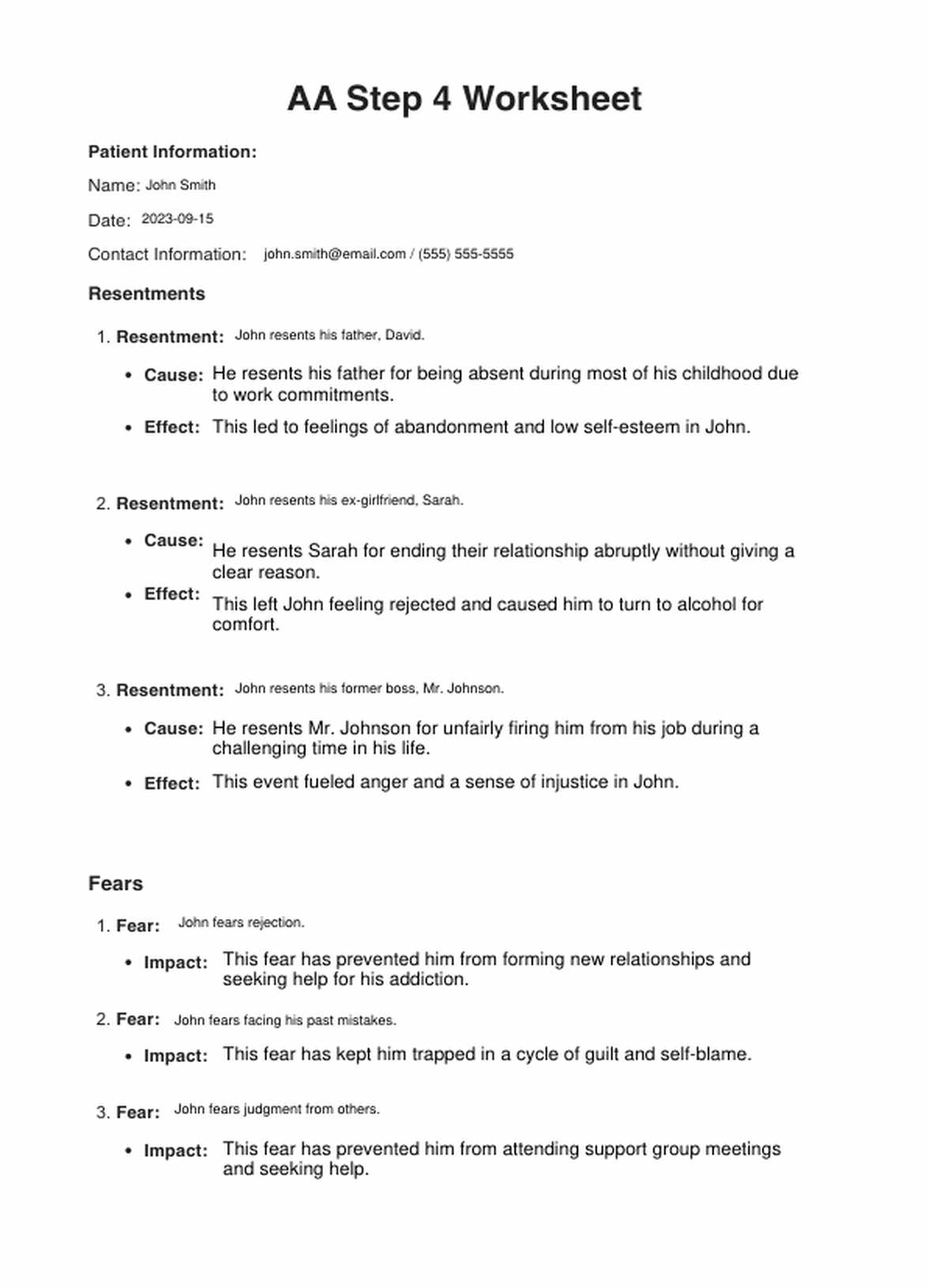
Example 1: Rebuilding Family Trust
John, a 12‑month sober member, listed “lying” under “Behavioral Patterns.” His action item: “I will respond honestly to my mother’s questions, even when uncomfortable.” Within three weeks, John’s relationship improved, evidenced by increased shared meals and open conversations.
Example 2: Managing Anxiety
Maria noted “constant anxiety” in the Emotional Tendency section. She added “practice progressive muscle relaxation twice daily” to her Action Plan. Over the next month, her reported anxiety scores dropped noticeably, as measured by a simple self‑rating scale.
Example 3: Enhancing Spiritual Connection
Ahmed realized a lack of gratitude was fueling resentment. His action item: “Write three things I am grateful for each night.” This small habit gradually shifted his overall outlook and reduced impulsive reactions.
Additional Resources and Support

While the Step 4 worksheet provides a strong foundation, supplemental tools can deepen the experience.
1. AA Literature
“The Big Book” and “Cognitive Avenues” contain reflective exercises that align with Step 4 principles.
2. Support Groups
Attend weekly AA meetings to discuss insights, receive feedback, and refine action plans.
3. Professional Counseling
When past traumas surface, consider a licensed therapist specializing in addiction recovery for additional guidance.
4. Digital Apps
Apps like “Sober Grid” offer daily prompts and tracking features that complement worksheet work.
Conclusion

The Step 4 Aa Worksheet is more than a form—it’s a catalyst for self‑discovery and lasting change. By structuring the moral inventory into clear categories, encouraging honest reflection, and translating insights into actionable steps, the worksheet empowers individuals to confront the root causes of their addiction. Whether you are a newcomer or a seasoned member, integrating this tool into your routine can deepen your understanding, strengthen accountability, and propel you toward sustained sobriety. Use the worksheet as a living companion, revisiting and refining it as you grow, and let each entry guide you toward a healthier, more authentic life.