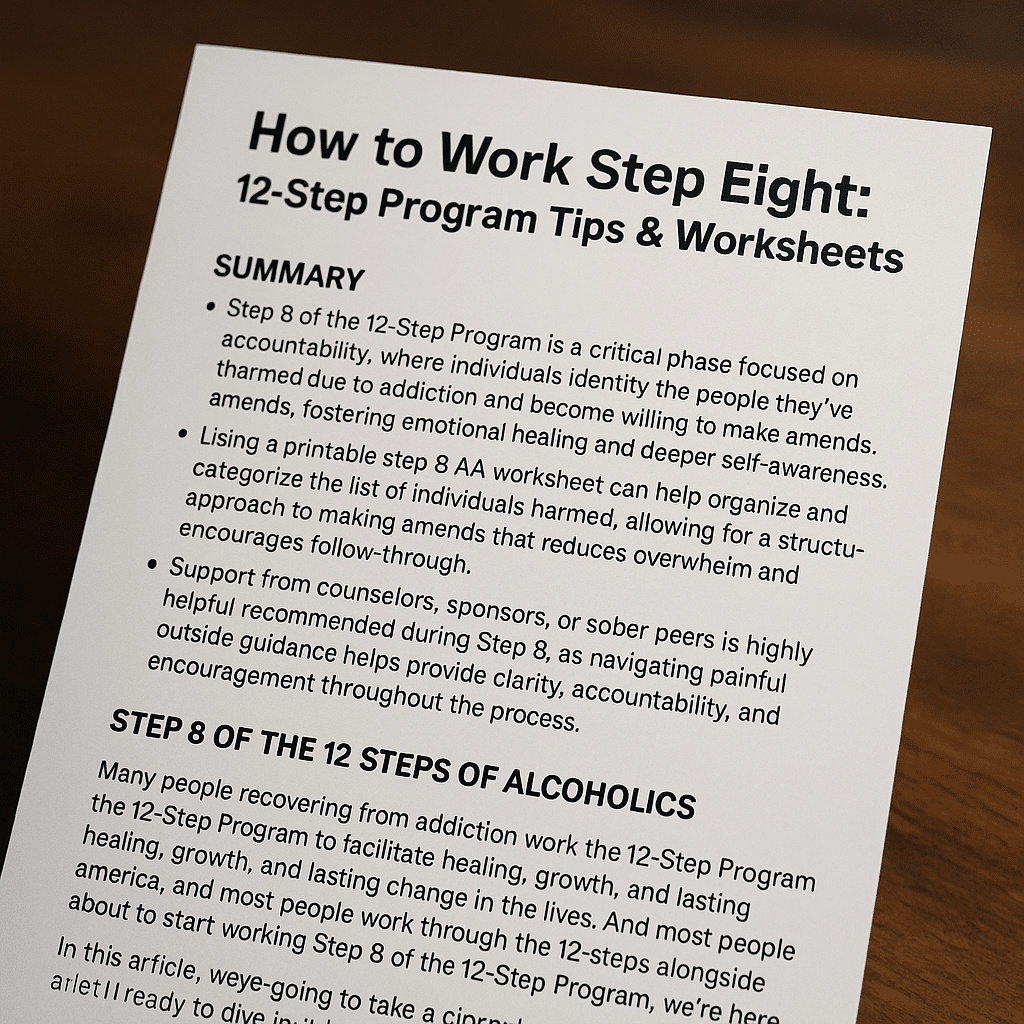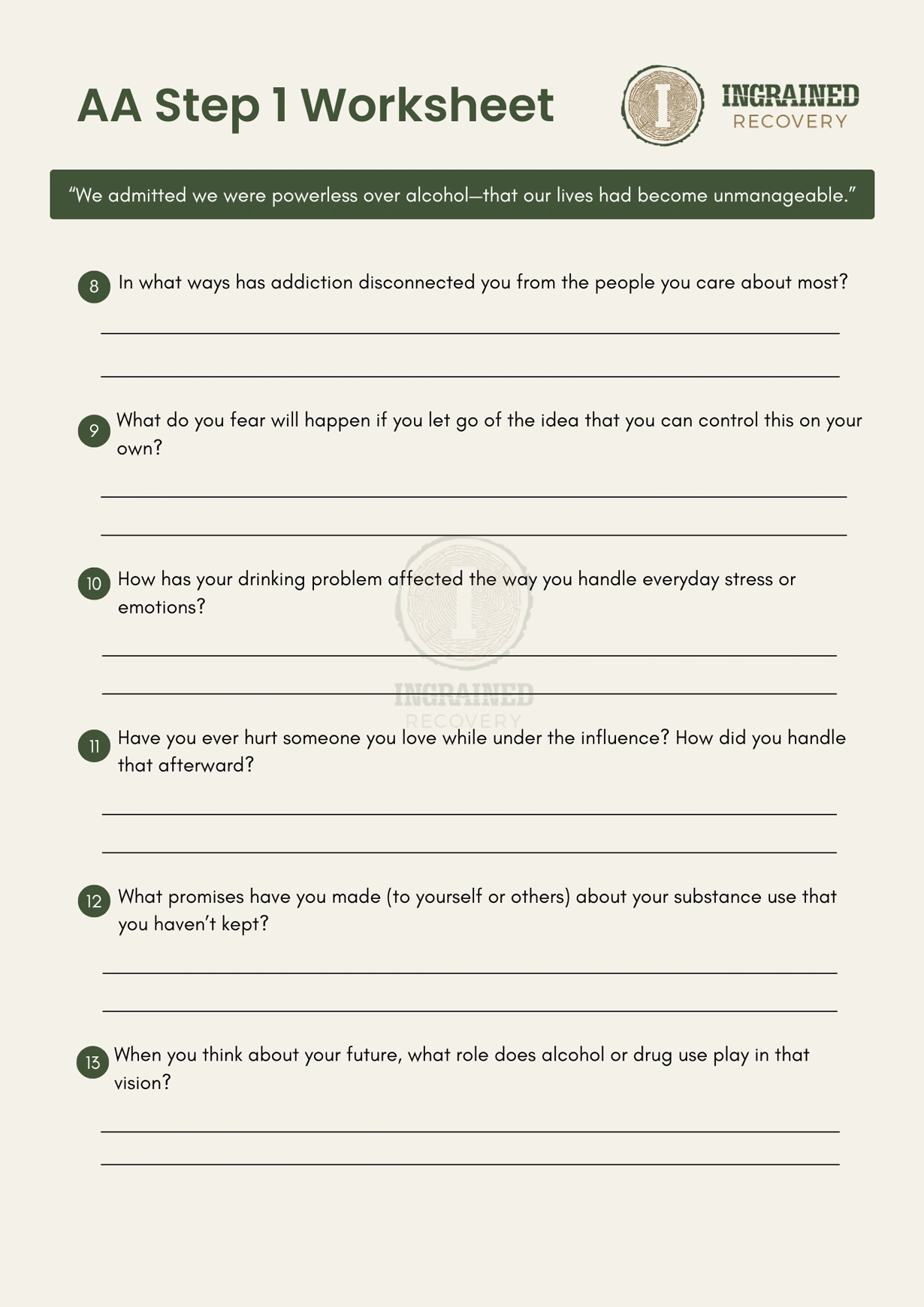
Step 8 Aa Worksheet is the raw, unvarnished map that forces a broken soul to confront the wreckage it left behind, and it does so without any sugar‑coating or gentle nudges. In the blackened corners of denial, this worksheet is the torch that burns away the comforting lies, illuminating every face, every name, every moment where the addiction’s claws dug in. If you think this is a simple checklist, think again – it is a crucible where truth is hammered into the steel of accountability, and only the brave survive its heat.
Understanding the Gravity of Step 8

Why the Worksheet Matters
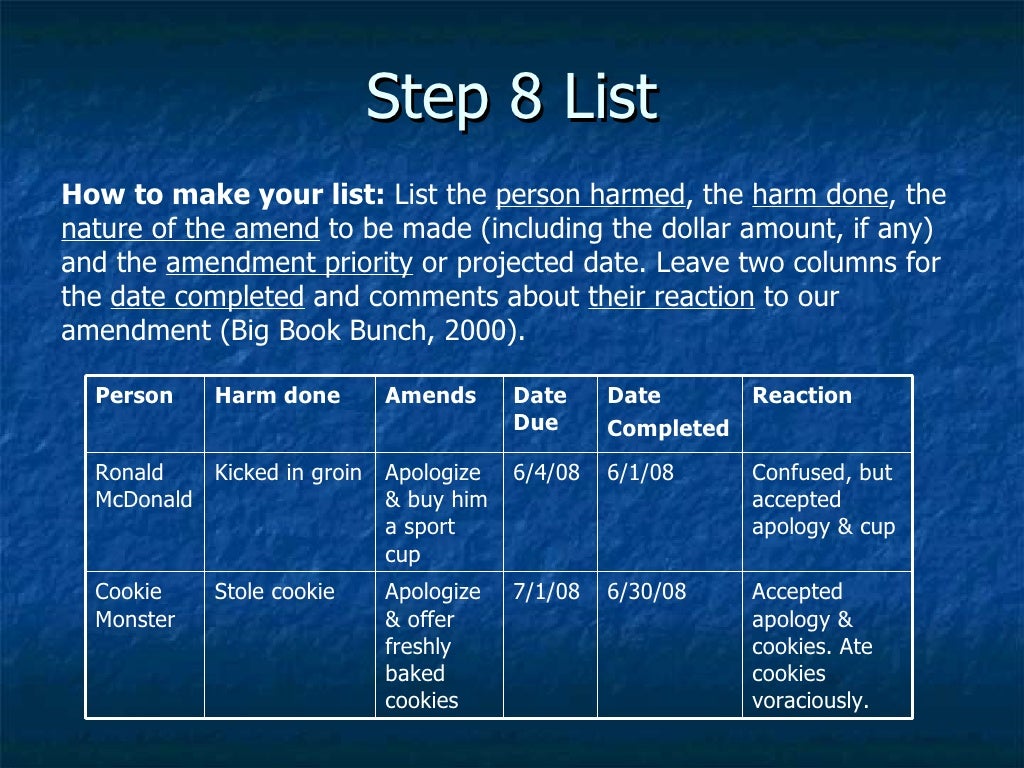
Step 8 demands more than a cursory inventory; it demands a full‑scale excavation of every wrong you’ve inflicted. The worksheet transforms vague remorse into concrete accountability. By writing each transgression, you strip away the illusion that “it was just a one‑off” or “they’ll forget.” The black tone of this exercise acknowledges that the damage is real, the pain is real, and the path forward must be paved with honest reckoning.
The Core Components
- Identification of Harm: List every person, institution, or even yourself that suffered because of your drinking. No name is too small.
- Contextual Details: Note the circumstances, dates, and the specific nature of the harm. Vivid detail prevents the mind from abstracting the pain.
- Emotional Impact: Record how the harm affected the other party and how it echoes in your conscience.
- Readiness for Amends: For each entry, note whether you feel ready, hesitant, or unsafe to approach the person directly.
Preparing for the Worksheet

Creating the Right Environment
Darkness does not mean isolation; it means focus. Find a quiet space where distractions cannot infiltrate. Dim lighting can help you stay in the emotional zone without being overwhelmed by harsh fluorescents. Have a notebook or a digital document that you trust won’t auto‑save to the cloud unless you’re ready to share it. The setting should feel like a confession booth—private, solemn, and unforgiving.
Mental Grounding Techniques
Before you begin, engage in a brief grounding ritual: inhale deeply, hold for three seconds, exhale slowly. Repeat three times while visualizing a black stone in your palm, symbolizing the weight of each admission. This ritual anchors you, preventing the flood of panic that often accompanies confronting past sins.
Step‑by‑Step Walkthrough of the Worksheet

Step One: Listing Every Person
Start with the most obvious: spouses, children, parents, close friends, coworkers. Then drill down to acquaintances, service providers, and strangers whose lives you intersected in a drunken haze. Do not skip anyone because “they won’t remember” or “it was a mistake.” The worksheet’s power lies in its exhaustive nature.
Step Two: Detailing the Damage
For each name, write a concise but vivid account: “June 12, 2020 – drove intoxicated, resulting in a collision that left my roommate’s car totaled and her insurance premiums spiked for two years.” The specificity turns vague guilt into undeniable fact, which is essential for the next phase of amends.
Step Three: Emotional Reflection
After each entry, pause. Ask yourself: “What did my action cost them emotionally?” Write the answer. This could be “She lost trust, lives in constant fear of my unreliability.” The emotional layer ensures you’re not merely listing deeds but also feeling the weight of each sin.
Step Four: Assessing Readiness for Direct Amends
Not every amends can be delivered face‑to‑face. Use a simple scale: Ready, Cautiously Ready, Not Ready, Unsafe. If you mark “Unsafe,” note why – perhaps the person is estranged, or the harm was too severe. This assessment prevents reckless attempts that could cause further damage.
Step Five: Planning the Amends Process
For each “Ready” or “Cautiously Ready” entry, draft a brief outline of how you will approach the person. Include the setting, what you will say, and how you will listen. Remember, the tone must be humble, not defensive. The worksheet becomes your strategic battle plan for redemption.
Common Pitfalls and How to Overcome Them

Minimizing the Harm
It’s tempting to downplay incidents, labeling them “minor” or “just a joke.” The black tone of Step 8 forces you to confront the truth: every harm, no matter how small, ripples outward. When you catch yourself minimizing, rewrite the entry with stronger language: replace “got angry” with “verbally assaulted,” replace “lost money” with “caused financial ruin.”
Emotional Overload
Seeing the list can trigger overwhelming guilt or shame, leading to avoidance. If this happens, break the session into timed intervals—15 minutes on, 5 minutes off. Use grounding techniques between intervals. Remember, the goal is progress, not perfection.
Fear of Rejection
Many fear that amends will be rejected, which can paralyze you. The worksheet reminds you that the purpose of amends is to clean your conscience, not to earn forgiveness. If a person cannot accept your apology, you have still honored your responsibility by offering it.
Real‑World Examples of Successful Amends

Family Restoration
John, a 45‑year‑old accountant, listed his estranged teenage son after years of drunken neglect. By confronting the pain head‑on, writing a heartfelt letter, and then meeting in person with a mediator, he rebuilt a fragile bridge. The process took months, but the worksheet gave him the roadmap to keep moving forward.
Professional Reconciliation
Maria, a project manager, realized she had sabotaged a coworker’s promotion by spreading rumors while intoxicated. Using her worksheet, she scheduled a private meeting, apologized without excuses, and offered to mentor the colleague. The coworker accepted, and their professional relationship turned into a collaborative partnership that benefited the whole team.
Community Healing
In a small town, a bar owner caused a fire that injured several patrons. He used the Step 8 worksheet to list each victim, their injuries, and the financial loss. He then organized a community fund and personally visited each family to apologize and contribute. Though the scars remained, the community acknowledged his sincere effort, reducing lingering resentment.
Integrating the Worksheet into Ongoing Recovery
Regular Review Sessions
The worksheet is not a one‑time act. Schedule quarterly reviews. Each review can reveal new insights, such as previously unrecognized harm or progress made in amends. Update the status column to reflect completed amends, ongoing negotiations, or unresolved items.
Sharing with a Sponsor
Transparency with a sponsor is critical. Bring the worksheet to sponsor meetings, allowing them to challenge you, hold you accountable, and provide perspective. The sponsor’s role is to keep the darkness in check, ensuring you don’t slip back into denial.
Combining with Step 9
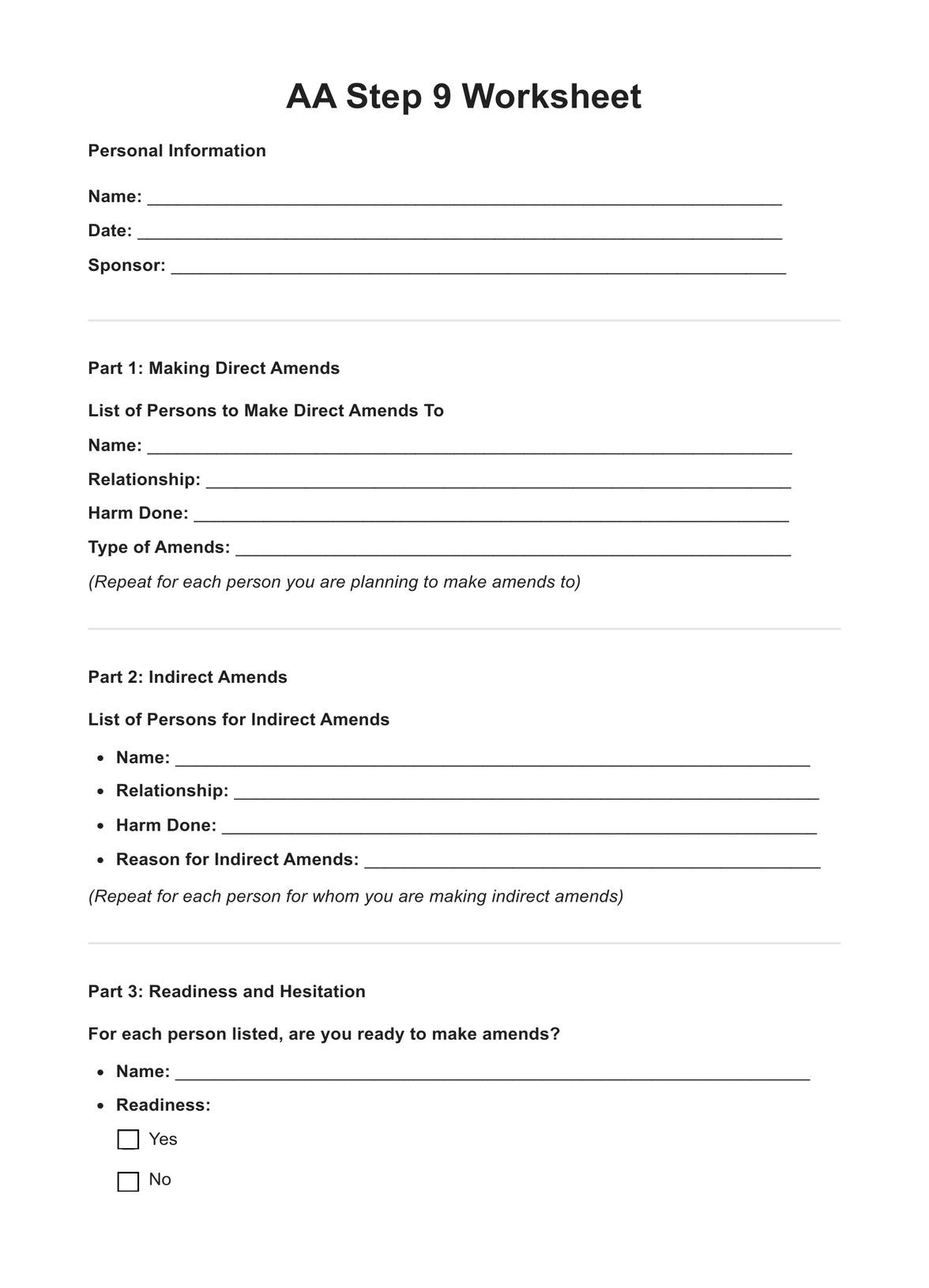
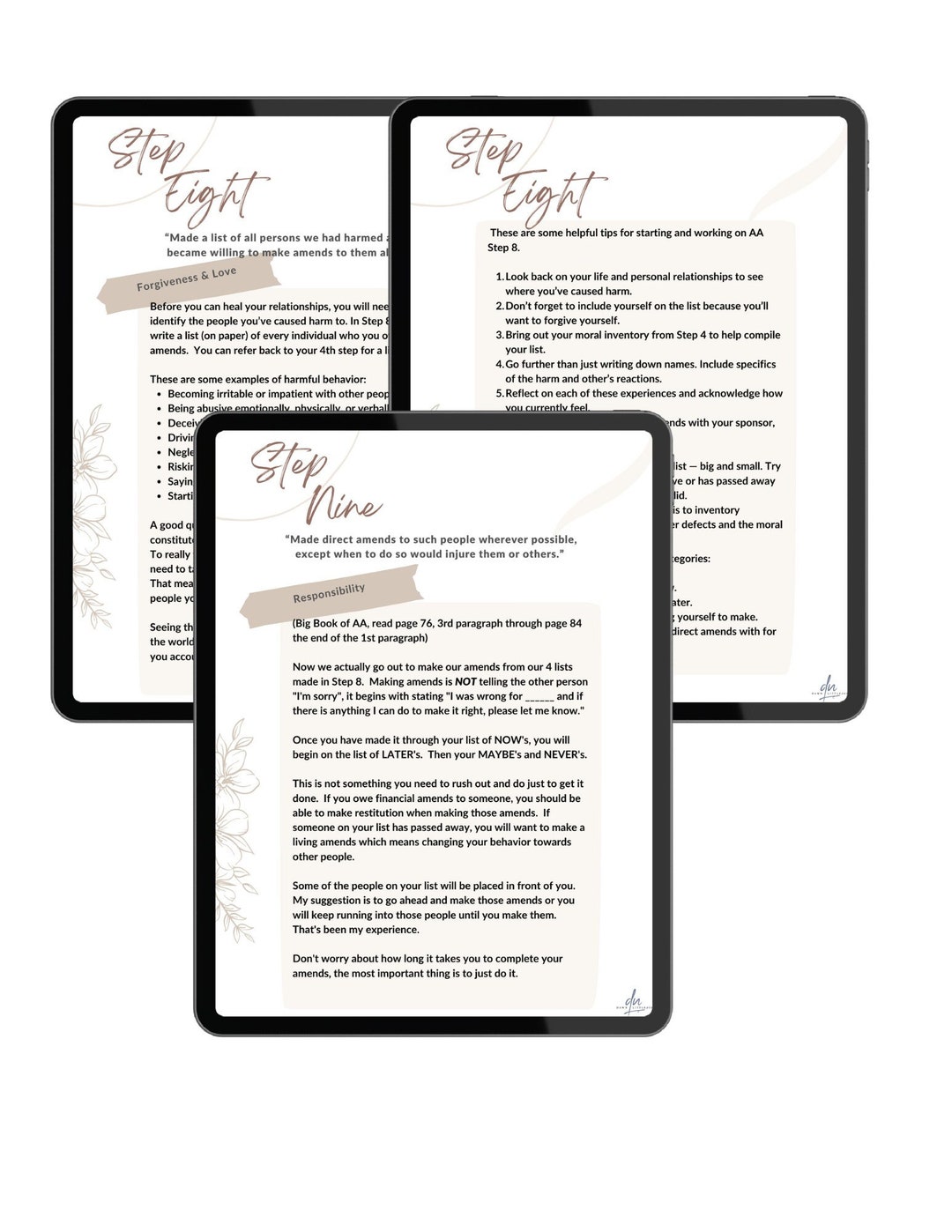
Step 8 feeds directly into Step 9, which demands the making of direct amends wherever possible. The worksheet serves as the bridge; without it, Step 9 is a vague promise. Treat the two steps as a single, continuous process rather than isolated tasks.
Maintaining the Black Tone Without Burning Out
Balancing Grit with Self‑Compassion
While the worksheet forces you into the darkest corners, it must not become a tool for self‑destruction. Acknowledge the darkness, but also recognize that you are capable of emerging from it. After each session, note one small act of self‑care—a walk, a hot shower, a brief meditation—to remind yourself that recovery is a dual journey of accountability and healing.
Seeking Professional Support
If the emotional weight becomes unmanageable, seek a therapist experienced in addiction recovery. The worksheet can be a shared document in therapy, allowing the professional to guide you through especially painful entries.
Conclusion
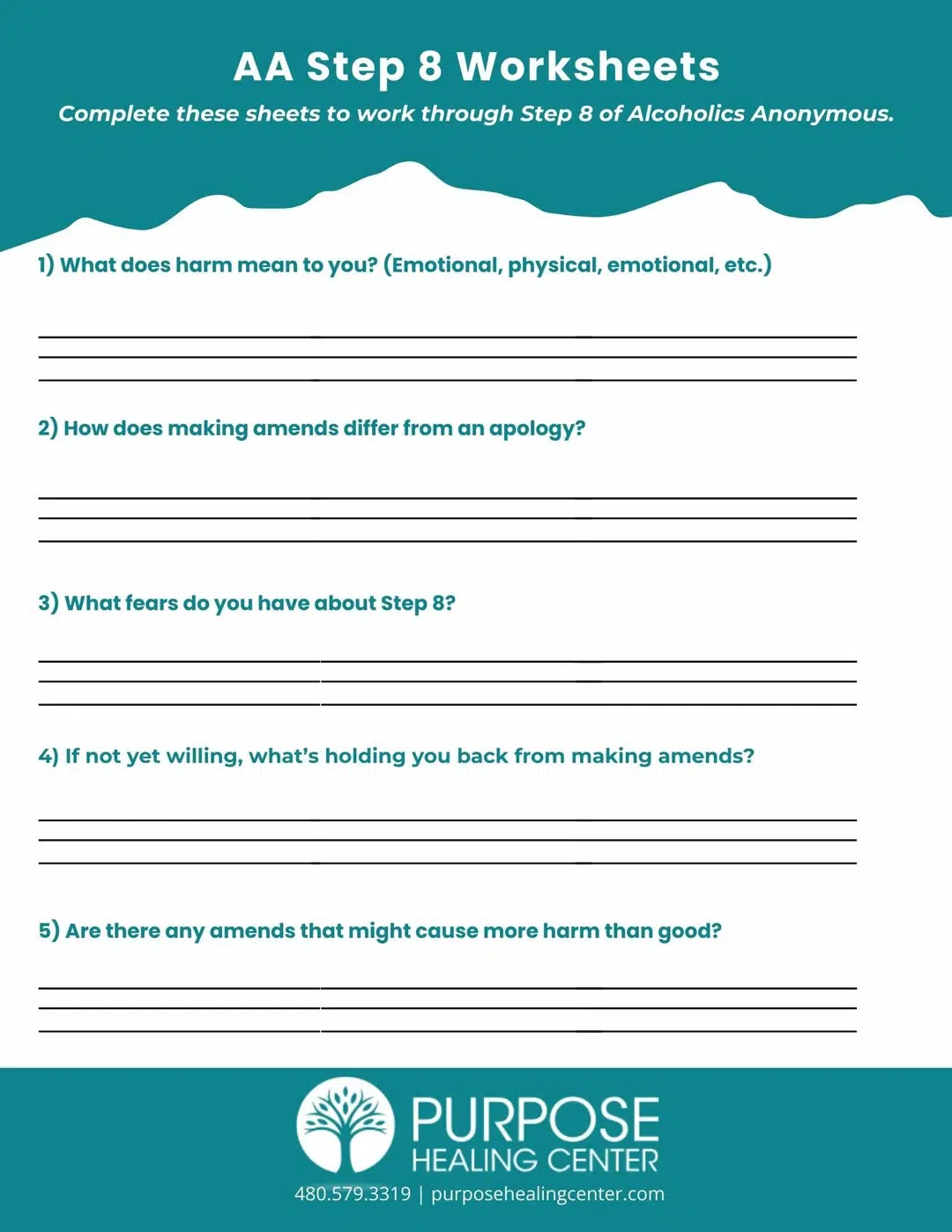
The Step 8 Aa Worksheet is not a mere formality; it is the relentless, black‑inked ledger of your addiction’s legacy. By confronting every name, every detail, and every lingering emotion, you transform abstract guilt into concrete accountability. This process is brutal, unforgiving, and undeniably necessary for true amends. When used correctly—within a disciplined environment, paired with grounding practices, and integrated into ongoing recovery—it becomes the catalyst that shatters the chains of denial and paves a path toward genuine redemption. The road ahead will be littered with shadows, but the worksheet equips you with the map to navigate them, one honest entry at a time.