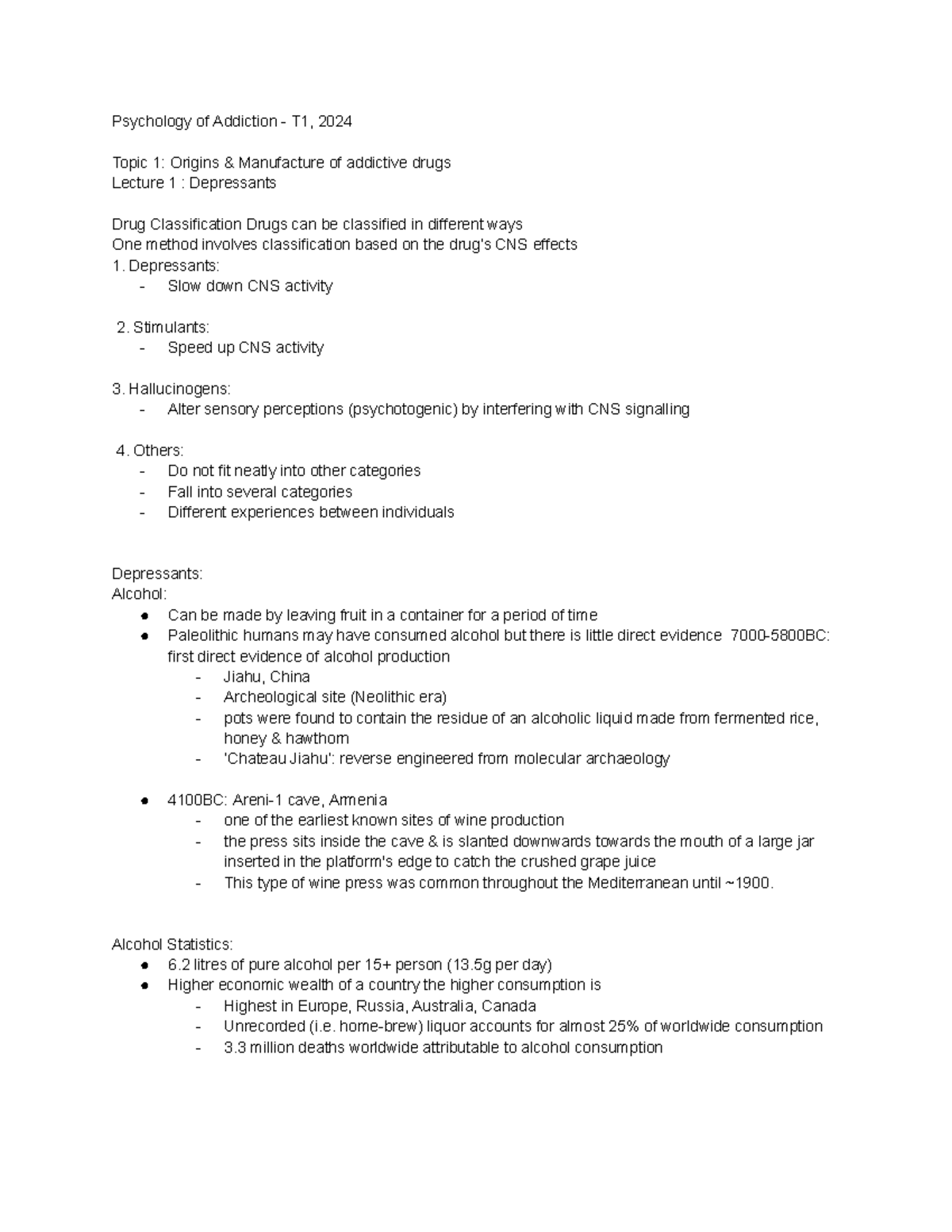
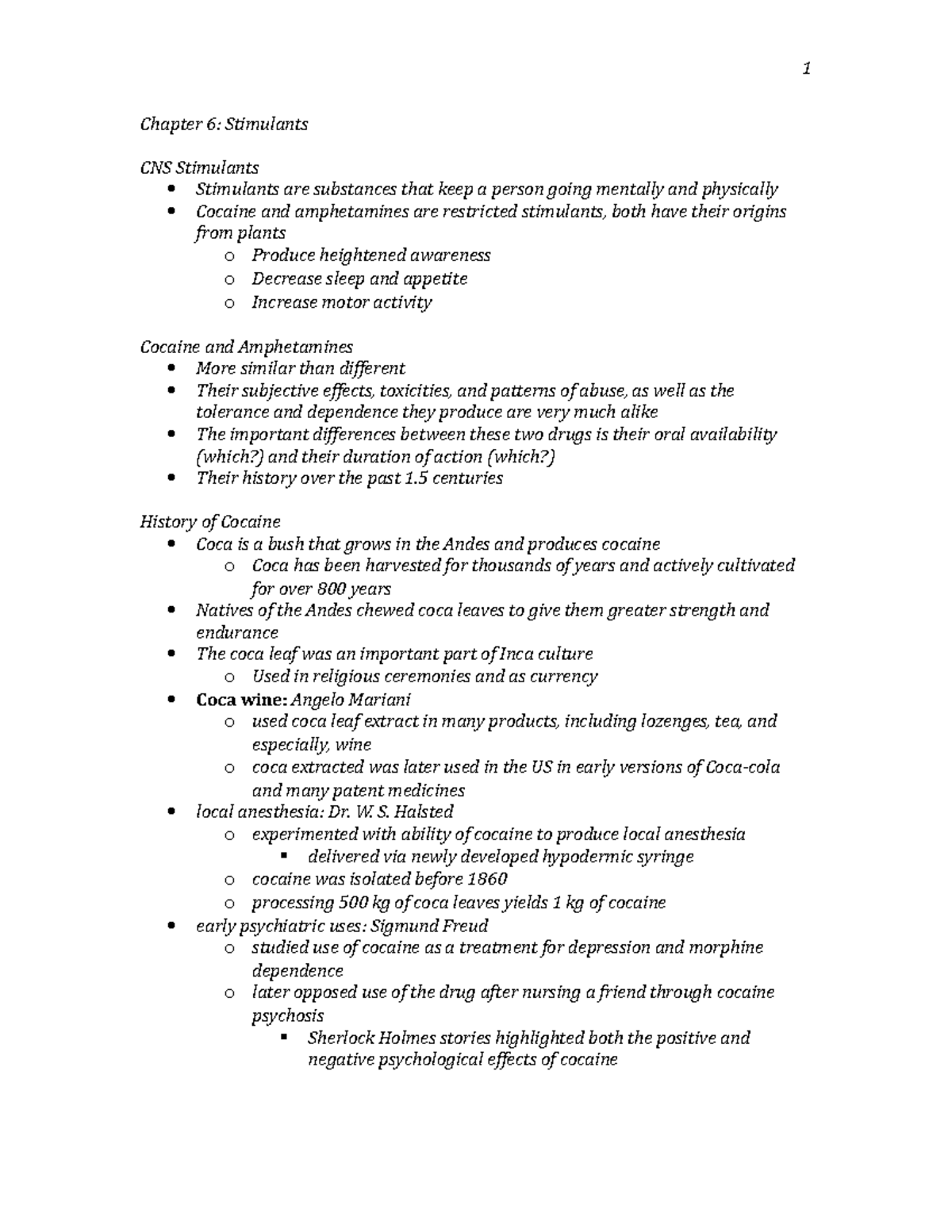
Stimulants Worksheet High School Psychology offers a structured way to explore the complex interplay between pharmacology, behavior, and classroom dynamics. By integrating interactive worksheets into the curriculum, educators can deepen students’ understanding of how stimulant medications—such as methylphenidate and amphetamine derivatives—affect cognition, motivation, and social interaction. This guide provides a step-by-step framework for creating engaging, evidence‑based worksheets that align with high school psychology standards, while also fostering critical thinking about ethical and societal implications.
Why Focus on Stimulants in a High School Psychology Class?

High school students are at an age when neurodevelopmental disorders, particularly Attention‑Deficit/Hyperactivity Disorder (ADHD), begin to surface clinically and become a topic of public discussion. Stimulant medications are the most widely prescribed treatments for ADHD, yet many students lack a nuanced understanding of how these drugs work, their benefits, and their risks. Introducing a Stimulants Worksheet allows teachers to:
- Bridge science and real‑life context by connecting pharmacologic mechanisms to everyday behavior.
- Encourage empathy by presenting balanced viewpoints from medical, psychological, and sociocultural perspectives.
- Develop analytical skills through data interpretation, case study comparison, and evidence‑based debate.
Core Concepts to Cover in the Worksheet

Neurochemical Foundations
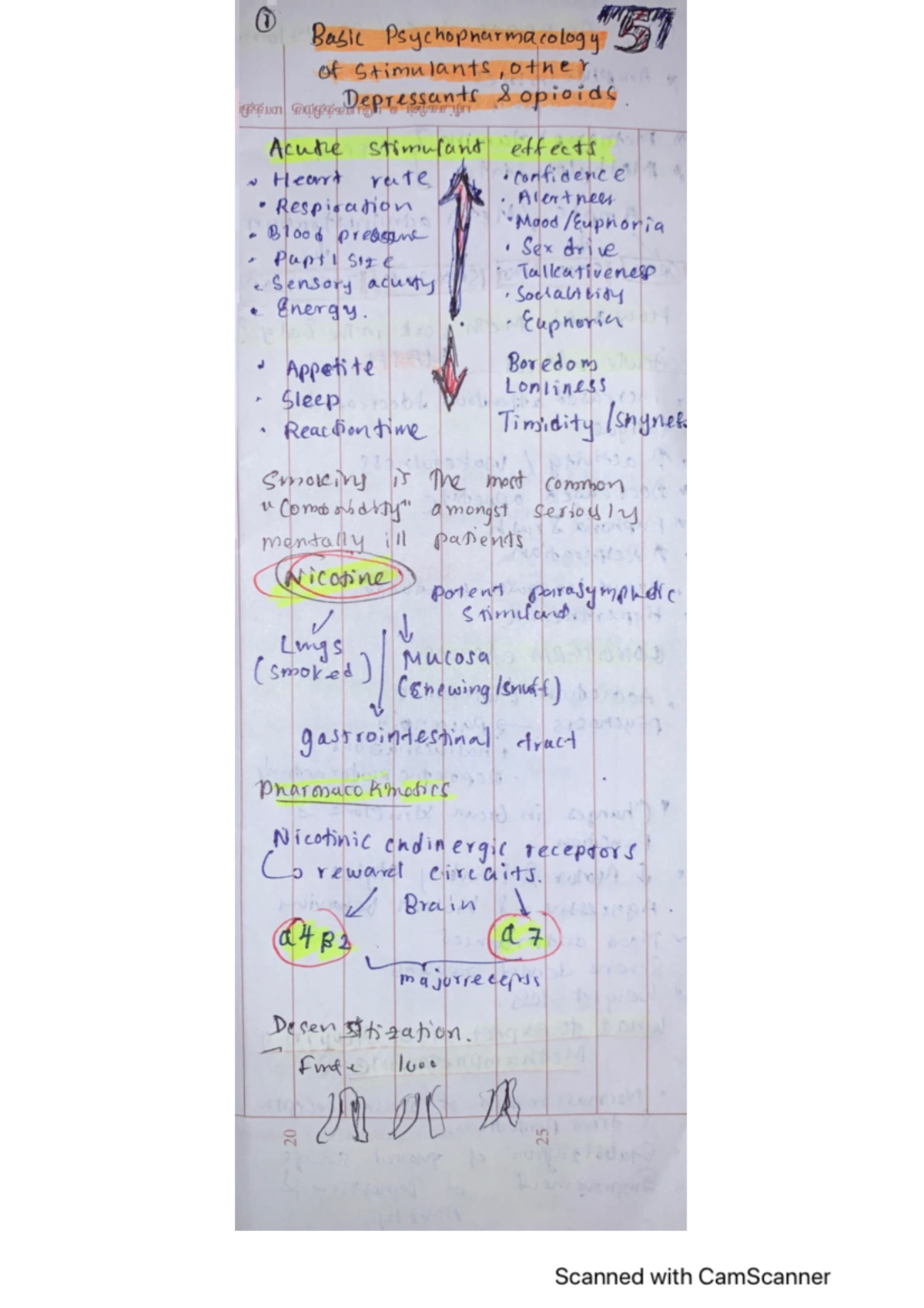
Students should first grasp the biological basis of stimulants. A concise diagram of the dopamine and norepinephrine systems—highlighting synaptic vesicle release, reuptake mechanisms, and receptor activation—provides a visual anchor. Following the illustration, a series of fill‑in‑the‑blank statements can reinforce key terms such as:
- Dopamine transporter (DAT)
- Norepinephrine transporter (NET)
- Pre‑synaptic and post‑synaptic receptors
- Synaptic plasticity
Clinical Efficacy and Side Effects
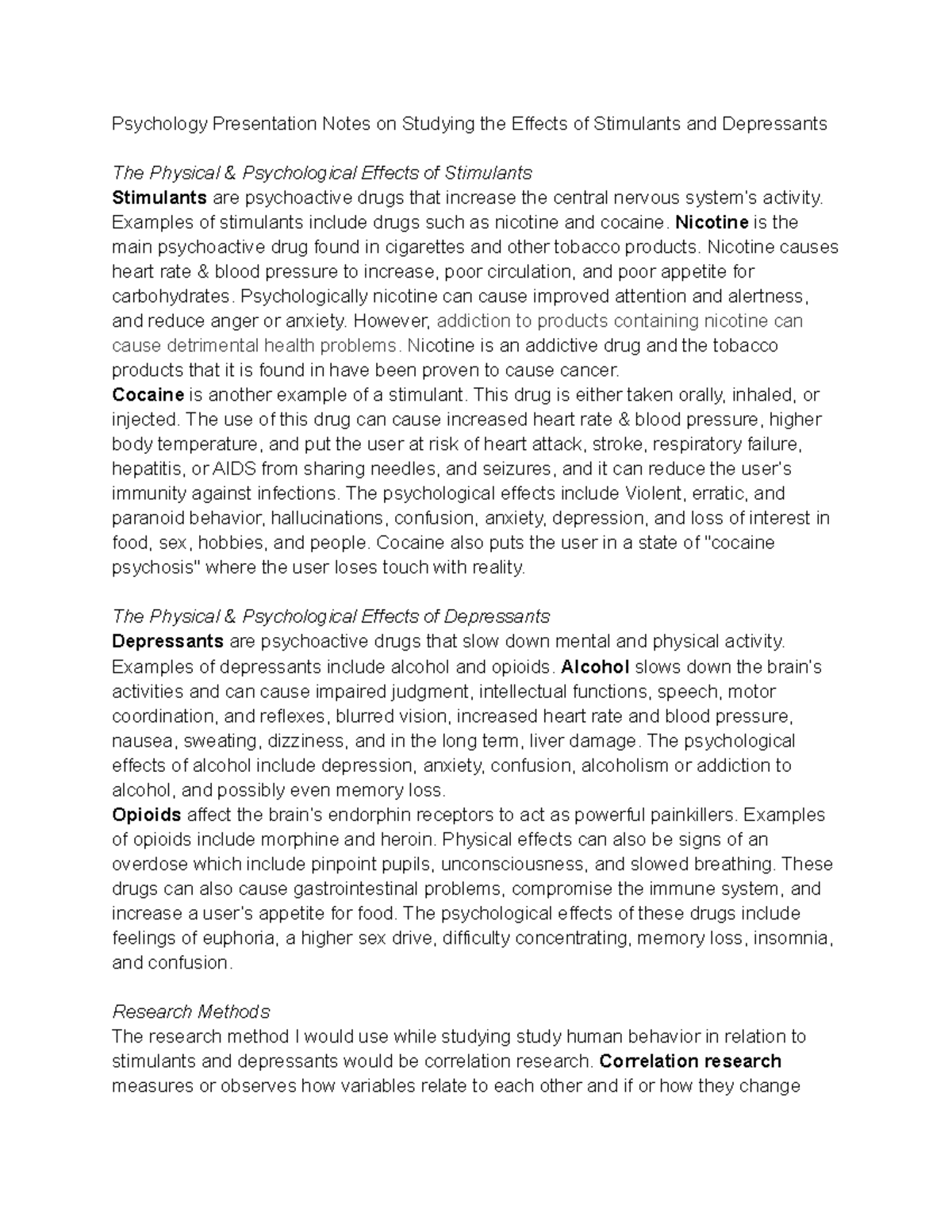
To evaluate effectiveness, include a comparison chart of short‑term and long‑term outcomes for children versus adults. Use case vignettes to illustrate common side effects—appetite suppression, sleep disturbances, and cardiovascular concerns—and ask students to identify which side effect corresponds to which physiological change. A multiple‑choice question set can test their understanding of dosage titration and therapeutic monitoring.
Behavioral Implications
Behavioral science connects medication to observable changes. Provide a pre‑and‑post medication scenario that describes a student’s academic performance, social interactions, and self‑esteem. Ask readers to analyze whether the improvements could be attributed to pharmacology or to non‑pharmacologic factors such as coaching, tutoring, or environmental adjustments. This critical lens prepares students for nuanced discussions about treatment plans.
Ethics and Stigma
Stimulant use often triggers debates around doping, fairness in sports, and societal attitudes towards mental health. Incorporate a short debate prompt where students must argue either for or against a policy that permits or restricts stimulant use in competitive school athletics. Following the debate, a reflective paragraph allows them to consider how stigma can affect patient adherence and self‑identity.
Designing a Step‑by‑Step Worksheet

Step 1: Set Clear Learning Objectives
Before drafting content, list objectives such as:
- Explain the mechanism of action for methylphenidate and amphetamines.
- Identify the primary therapeutic benefits and common adverse reactions.
- Compare the efficacy of stimulants to non‑stimulant ADHD treatments.
- Analyze ethical dilemmas involving stimulant use in educational settings.
Step 2: Choose an Engaging Format
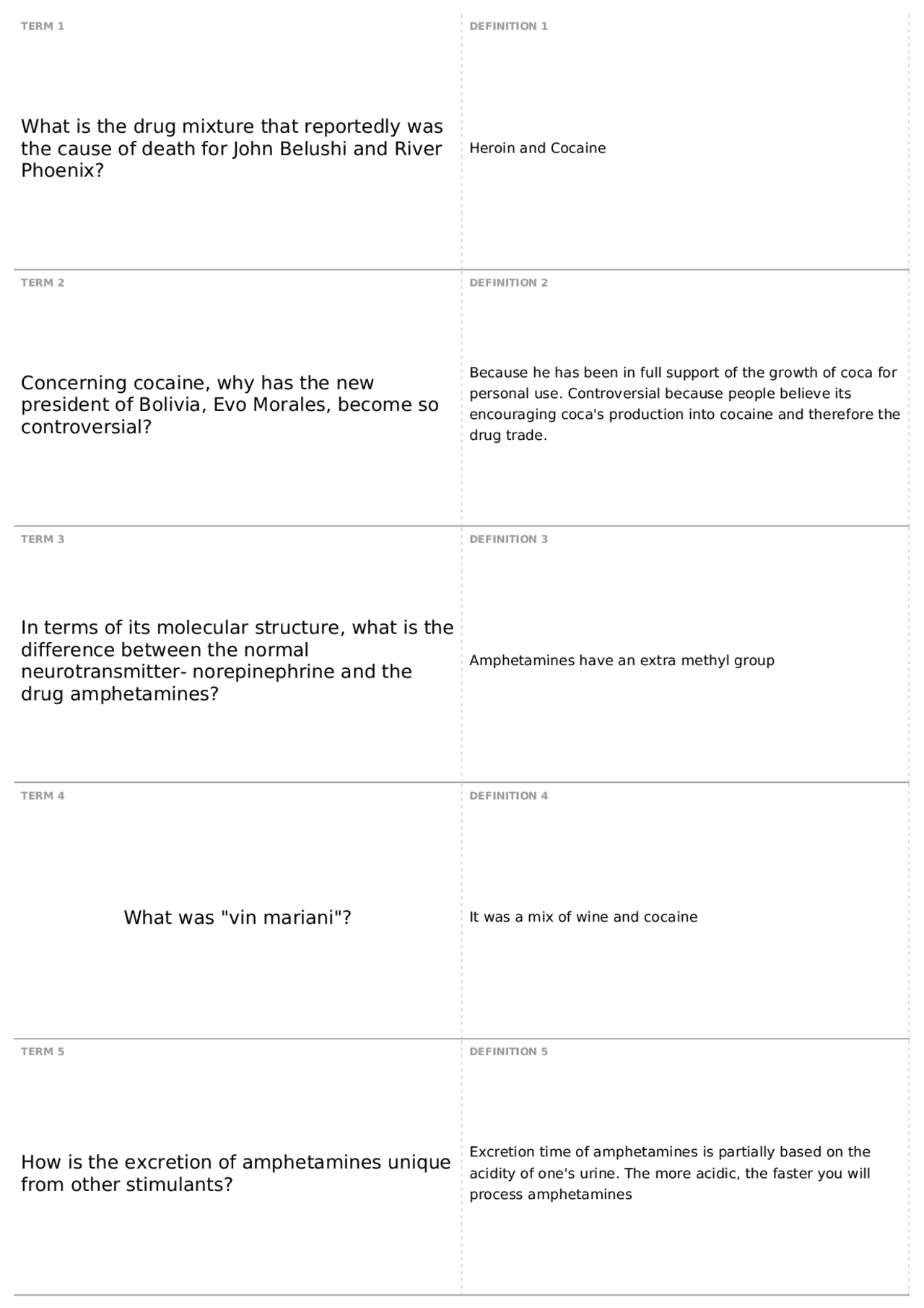
Blend multiple question types—true/false, matching, short answer, and essay—to cater to diverse learning styles. A sample layout might include:
- Concept mapping of neurotransmitter pathways.
- Case study analysis.
- Data interpretation from a fictional clinical trial.
- Position paper on policy implications.
Step 3: Integrate Real‑World Data
Utilize anonymized survey results that show the prevalence of stimulant prescriptions among adolescents. Provide a simple bar graph and ask students to calculate the percentage increase over a five‑year span. This quantitative exercise builds statistical literacy while grounding the topic in current trends.
Step 4: Incorporate Peer Review Elements
After completing the worksheet, students pair up to critique each other’s responses. Provide a rubric with categories such as accuracy, depth of analysis, and clarity of expression. This collaborative component encourages deeper engagement and reflection on feedback.
Sample Worksheet Section: Case Study Analysis
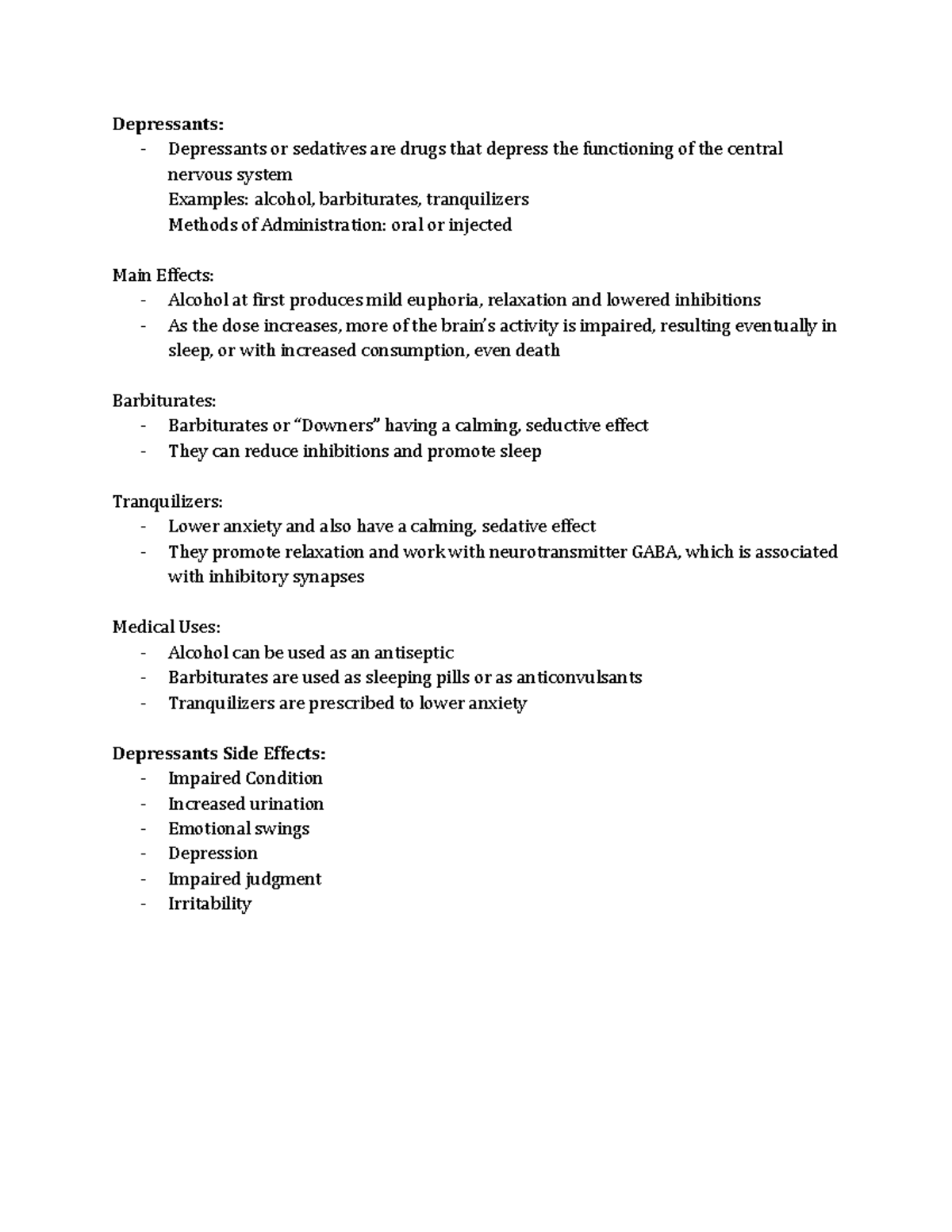
Background
A 15‑year‑old male named Alex struggles with concentration and hyperactivity. His teacher reports frequent classroom disruptions and a decline in math grades. The school counselor recommends a trial of methylphenidate at 18 mg/day. Within two weeks, Alex’s focus improves, his grades rise, and his classmates note fewer outbursts. However, he reports decreased appetite and trouble falling asleep.
Questions
- Mechanism Question: Explain how methylphenidate influences dopamine and norepinephrine levels in Alex’s brain.
- Outcome Analysis: Which observed changes align with therapeutic benefits and which correspond to side effects?
- Ethical Reflection: Discuss whether Alex’s improvement justifies the reported side effects and what alternative approaches could be considered.
- Data Interpretation: Suppose a study reports a 35% reduction in classroom disruption for students on methylphenidate. Calculate the relative risk reduction if the baseline risk of disruption is 60%.
Assessing Student Mastery
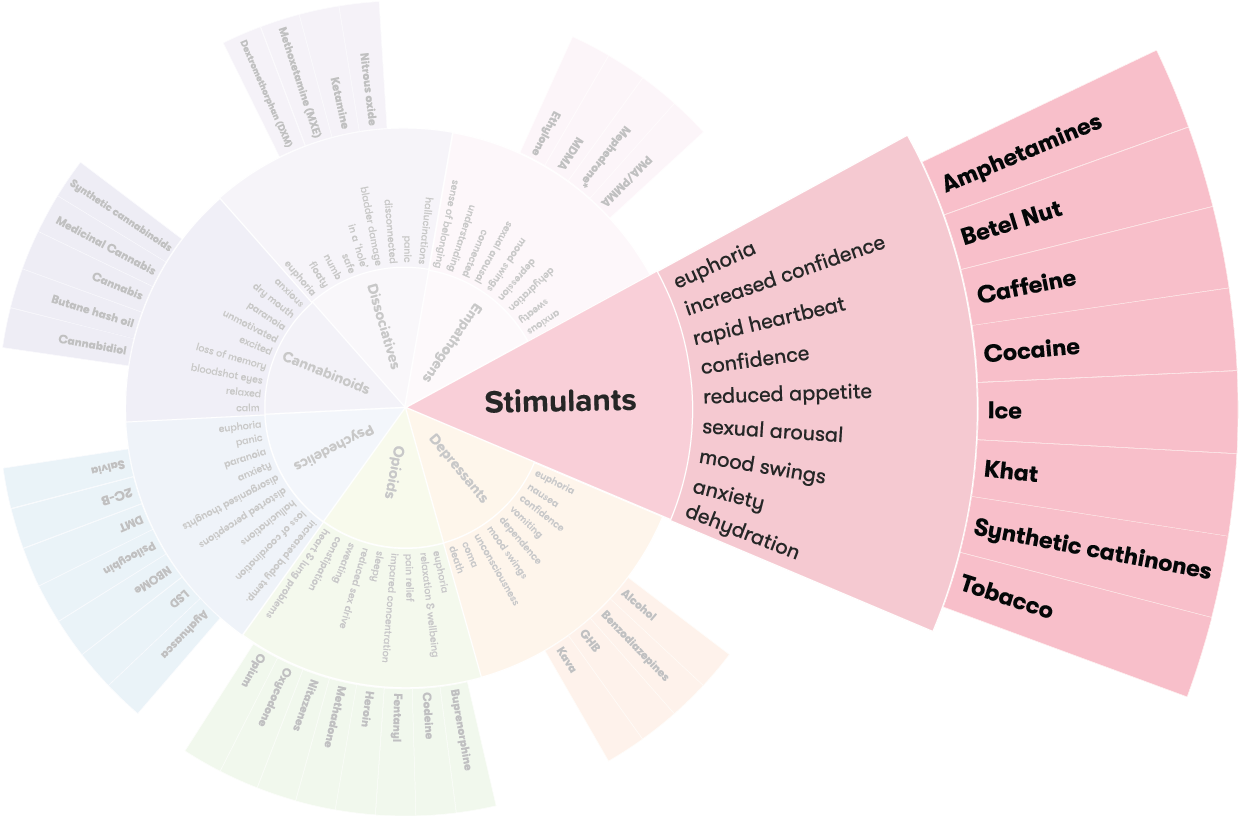
Formative Checks
Use quick polls or a “think‑pair‑share” strategy after each major section to gauge comprehension. A short quiz with timed questions keeps engagement high and provides instant feedback.
Summative Evaluation
At the end of the unit, a capstone project could involve designing a mock treatment plan for a fictional student, incorporating pharmacologic data, behavioral interventions, and family counseling. Grading criteria might focus on evidence‑based decision making, ethical reasoning, and presentation skills.
Addressing Common Misconceptions

- Stimulants are “brain boosters” that simply increase intelligence: In reality, they modulate specific neurotransmitter pathways to improve attention and executive function.
- All students with ADHD benefit from stimulants: Individual responses vary; some may require non‑stimulant medication or behavioral therapy.
- Side effects are always severe: Most adverse reactions are mild to moderate and often resolve with dosage adjustments.
- Stimulant misuse is rare in school settings: Awareness of diversion practices and appropriate monitoring remains crucial.
Integrating Technology
Digital Worksheets and Adaptive Learning
Online platforms can host interactive quizzes where instant analytics track concept mastery. Embedding short video clips of neurologists explaining drug action can enhance retention. A digital version also allows teachers to provide instant feedback and customize difficulty levels.
Collaborative Platforms
Using shared documents or discussion boards enables students to pose questions, answer peers, and receive instructor guidance in real time. This promotes a community of inquiry and reflects modern educational practices.
Connecting to Broader Psychological Themes
Individual Differences and Personality
Link stimulant response to personality traits such as conscientiousness or impulsivity. Ask students to predict how these traits might influence medication adherence or perceived effectiveness.
Social Identity and Peer Dynamics
Explore how peers’ attitudes towards medication can shape a student’s self‑concept and academic engagement. Encourage role‑play exercises to examine supportive versus stigmatizing responses.
Conclusion
By weaving biology, behavior, and ethics into a single Stimulants Worksheet High School Psychology framework, educators can create a comprehensive learning experience that equips students with critical thinking skills, empathy, and real‑world knowledge. The worksheet format promotes active participation, data literacy, and reflective discussion, all of which are essential for navigating the complexities of medication use in adolescent populations. As students move beyond the classroom, these insights will inform their personal choices, professional endeavors, and civic conversations about mental health and pharmacology.