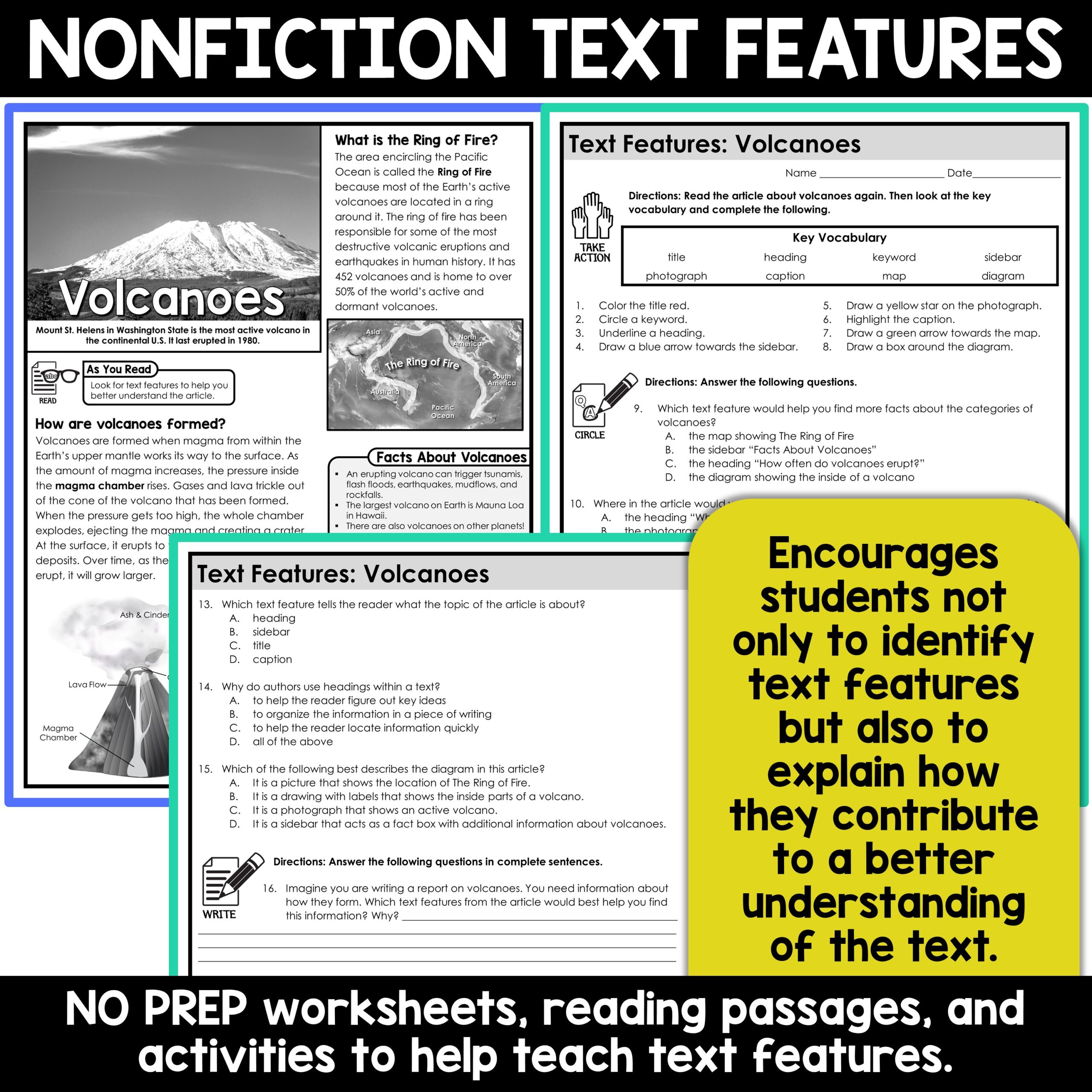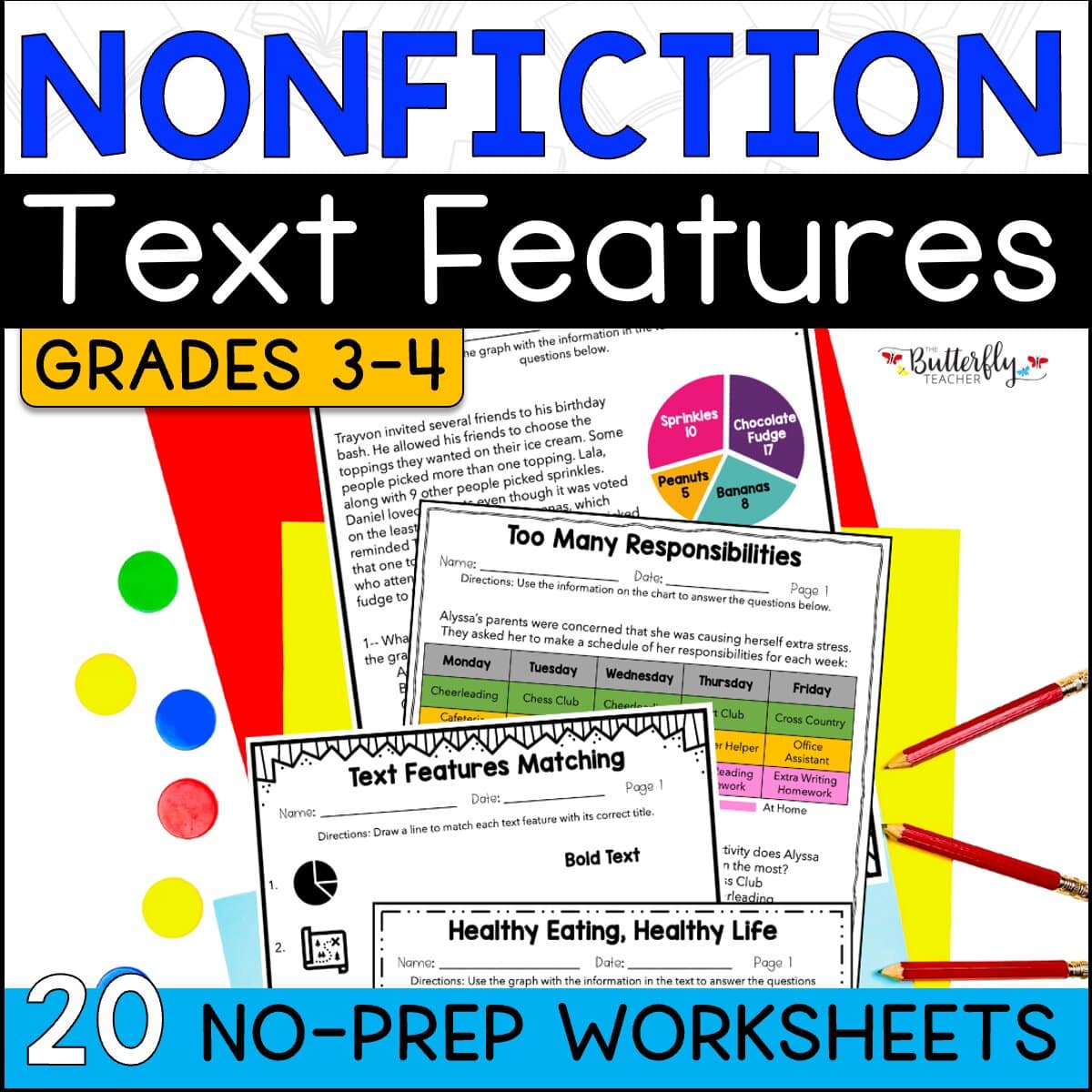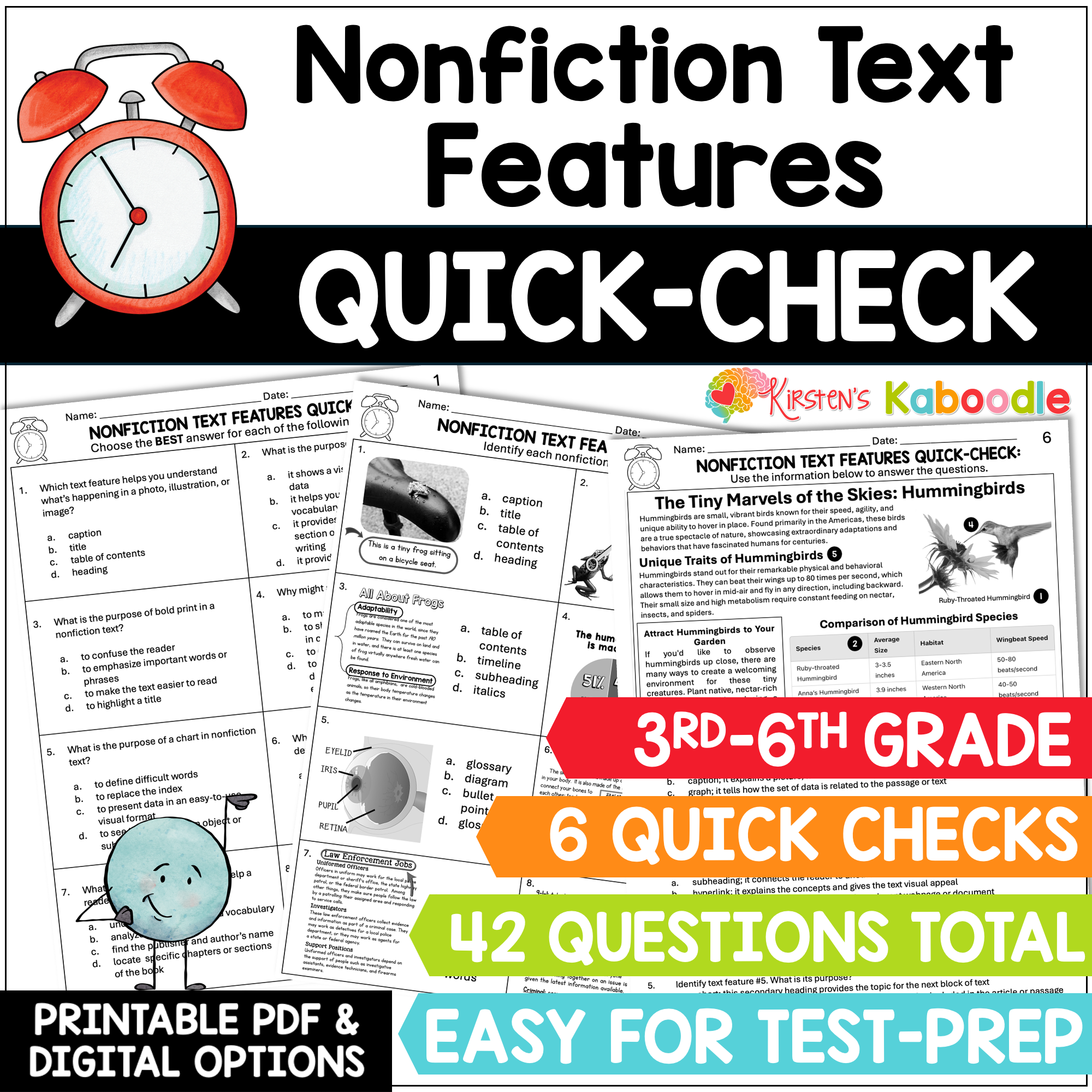
Text Features Worksheet 3rd Grade is more than a simple printable tool; it is a strategic resource that bridges foundational reading skills with engaging, real-world text analysis. By integrating this worksheet into daily lessons, teachers can help students recognize and utilize structural cues that unlock meaning, boost comprehension, and foster a love for reading.
What Are Text Features and Why They Matter in Third Grade

Text features are the intentional design elements embedded in nonfiction and narrative texts to aid reader navigation and comprehension. In third grade, students are transitioning from decoding to meaning-making, making these features vital for guiding attention, identifying main ideas, and locating supporting details.
Common Text Features Students Encounter
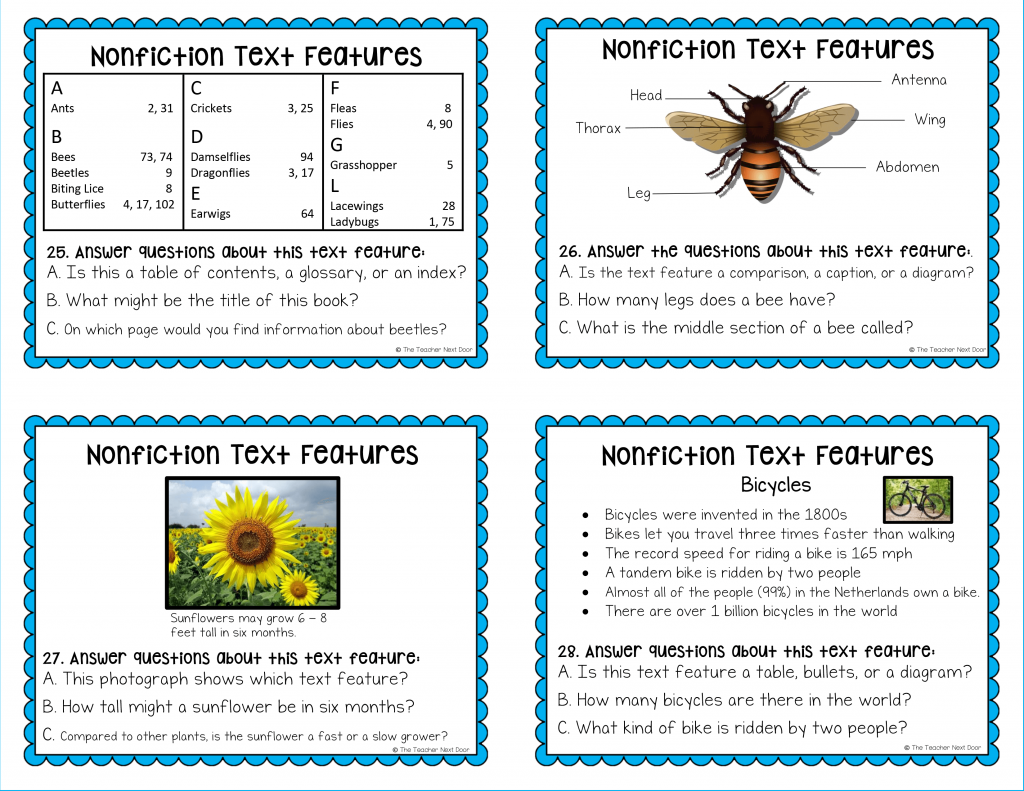
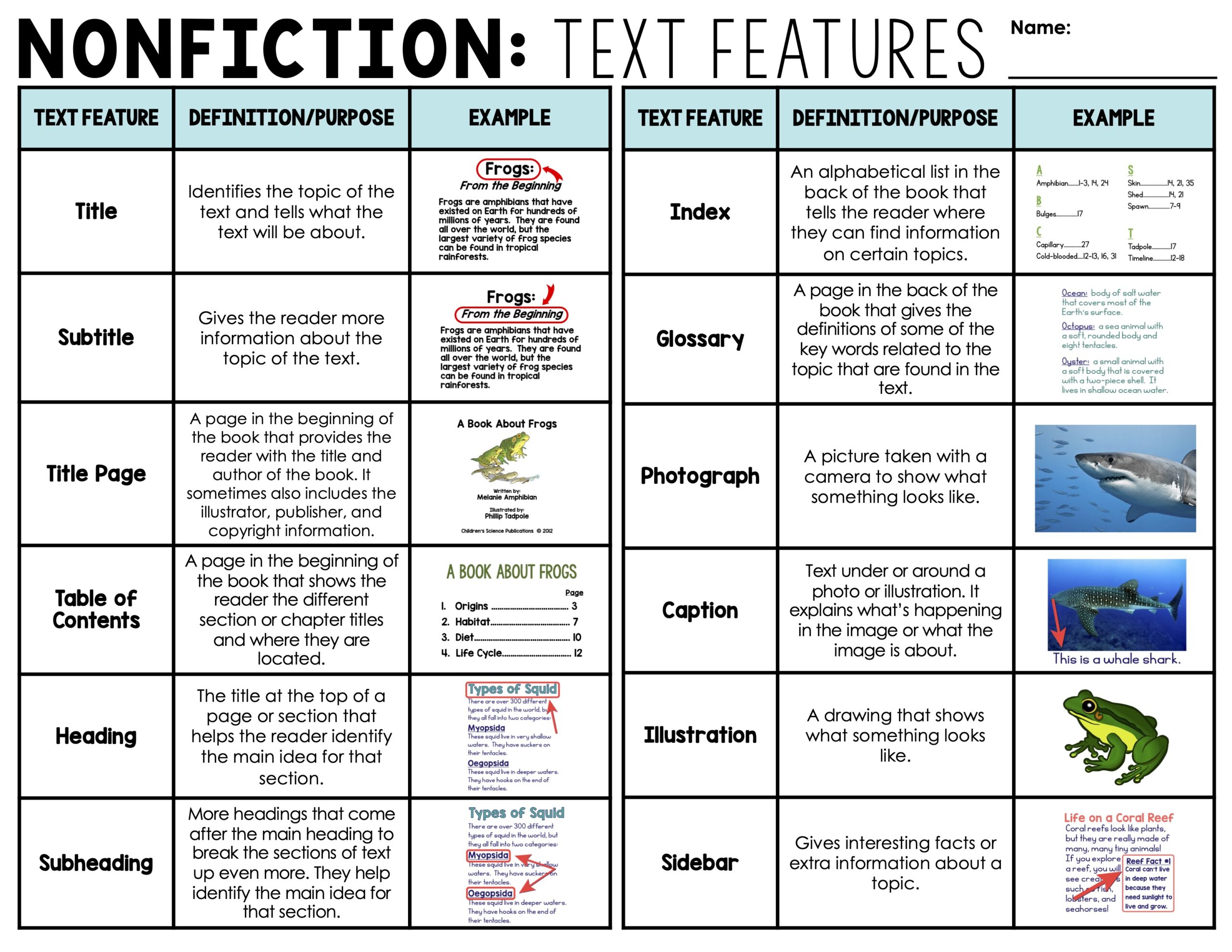
At this grade level, students regularly see headers, sub‑headers, captions, bolded or italicized terms, pull‑quotes, sidebars, and glossaries. Each element signals a specific purpose—whether it is to highlight key vocabulary, summarize content, or provide visual interest.
Reading Benefits for 3rd Graders
When learners recognize text features, they can quickly locate answers, reduce reading anxiety, and develop independent reading habits. Mastery of these cues also prepares them for more complex texts in upper elementary grades, where sophisticated layouts become the norm.
How to Design an Effective Text Features Worksheet for 3rd Grade
Crafting a worksheet that resonates with third graders requires thoughtful balance between clarity, relevance, and challenge. The following design principles ensure the worksheet is both educational and engaging.
Keep the Language Simple and Clear
Use age‑appropriate verbs and adjectives. Instructions like “Find the word in bold that explains the picture” are easier for students to understand than longer, jargon‑heavy explanations.
Use Visual Aids and Color Coding
Colorful borders, icons, and shaded boxes draw attention to key areas. A red square around a bolded term signals importance, while a green highlight next to a caption encourages students to explore related visuals.
Include Diverse Text Types
Incorporate both nonfiction (e.g., a science article) and narrative (e.g., a short story). This variety exposes students to the different ways text features are employed across genres, reinforcing flexibility in reading strategies.
Sample Worksheet Activities
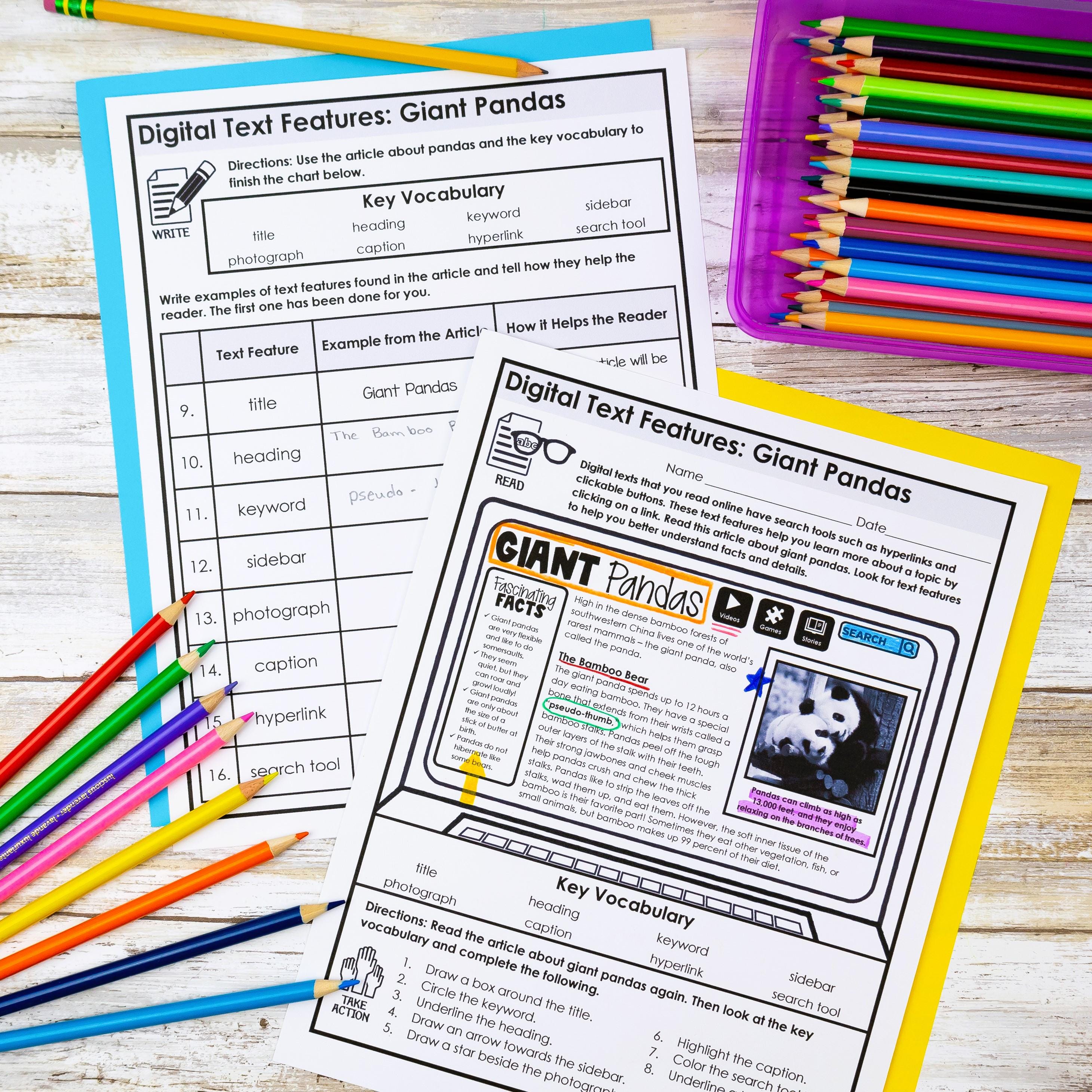
Below are practical activities that can be included on a “Text Features Worksheet 3rd Grade.” Each activity targets a specific skill while keeping students actively involved.
Matching Text Features to Page Numbers
Provide a list of page numbers on one side and a set of feature descriptions on the other. Students draw lines to connect the correct page with the feature, reinforcing spatial awareness of text layout.
Labeling Sections in a Story
Present a short narrative with unlabeled headers. Students read the passage and insert appropriate sub‑headings (e.g., “Beginning,” “Conflict,” “Resolution”). This exercise strengthens narrative structure awareness.
Finding Answers in Reference Books
Give students a list of questions that require them to locate answers in a reference book. They must identify which text feature (e.g., index, glossary, sidebar) leads them to the correct information, teaching efficient information retrieval.
Integrating the Worksheet into the Classroom Routine

Strategic placement of the worksheet within the lesson plan maximizes its impact and supports continuous skill development.
Pre‑Reading Preparation
Before students dive into a new text, circulate the worksheet to preview the features they will encounter. This anticipatory activity primes them to notice cues during reading.
Guided Practice
During a shared‑reading session, pause after each text feature and discuss its purpose. Ask students to identify why a caption was used or how a bolded word emphasizes a concept.
Independent Work and Assessment
After guided practice, have students complete the worksheet individually. Use their responses to assess comprehension, feature recognition, and the ability to apply strategies independently.
Digital vs. Print: Choosing the Right Format
Both digital and print versions offer unique advantages. Selecting the appropriate format depends on classroom resources, student preferences, and instructional goals.
Advantages of Printable Worksheets
Printables are accessible to every student, require no technology, and allow hands‑on interaction. They are especially useful for visual learners who benefit from physically marking text features.
Interactive Online Options
Digital worksheets can incorporate drag‑and‑drop activities, instant feedback, and multimedia elements. Interactive quizzes can adapt to student responses, providing differentiated learning experiences.
Common Mistakes to Avoid

Even well‑designed worksheets can fall short if they inadvertently misalign with student needs. Awareness of common pitfalls helps maintain effectiveness.
Overloading Students with Too Many Features
Introducing too many new cues in a single session can overwhelm learners. Prioritize a small set of essential features and gradually introduce additional ones as proficiency grows.
Ignoring Differentiation Needs
All students do not read at the same pace or with the same level of confidence. Provide scaffolded options—such as simplified instructions or pre‑highlighted examples—to accommodate diverse skill levels.
Resources for Teachers and Parents
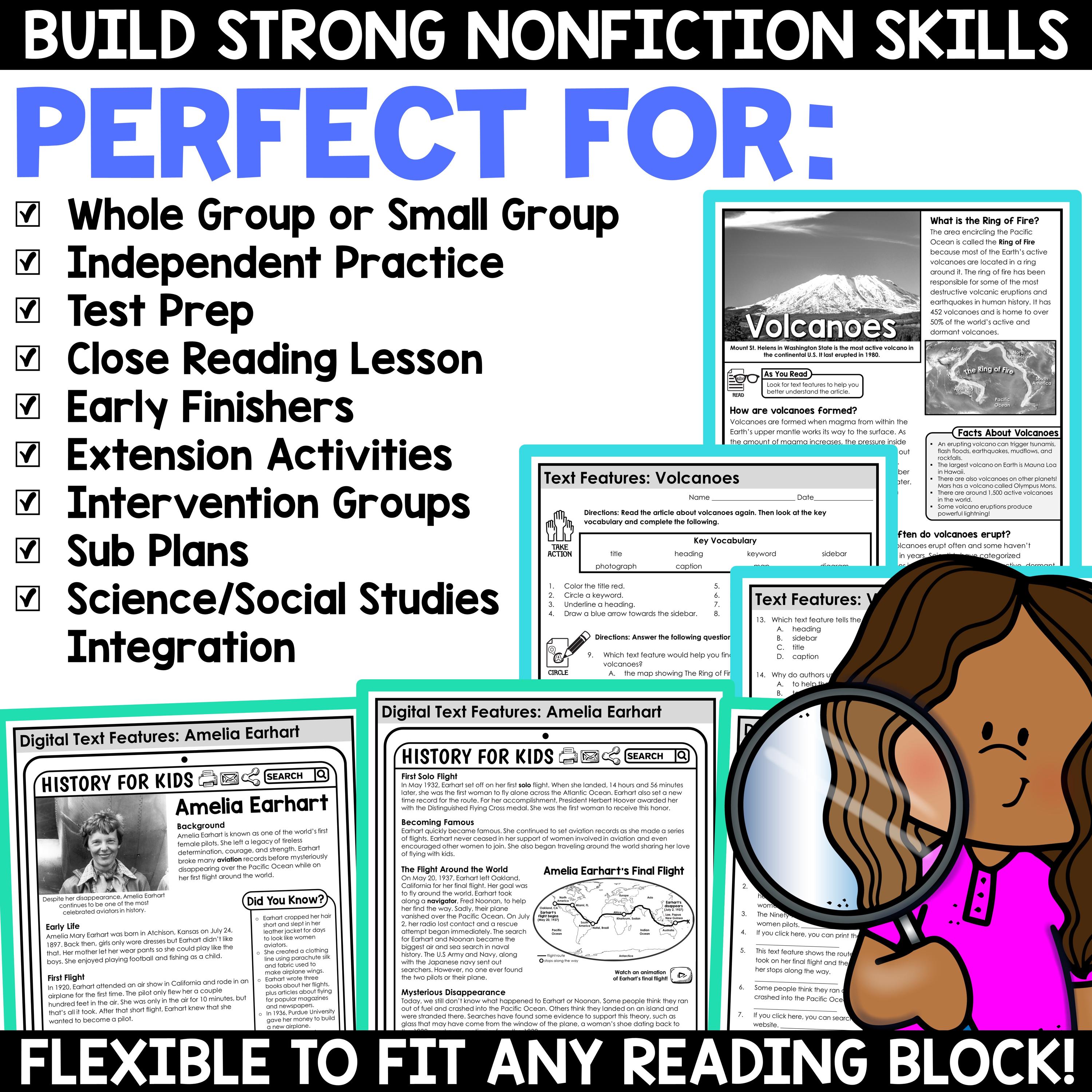
Below are practical avenues for acquiring additional materials and support to enrich text feature instruction.
Free Printable Templates
Numerous educational websites offer customizable templates that align with state standards. Teachers can adjust headings, images, and feature lists to fit their curriculum.
Helpful Apps and Websites
Applications that highlight text features in real time or offer practice games can complement worksheet work. Parents can use these tools at home to reinforce classroom strategies.
Conclusion
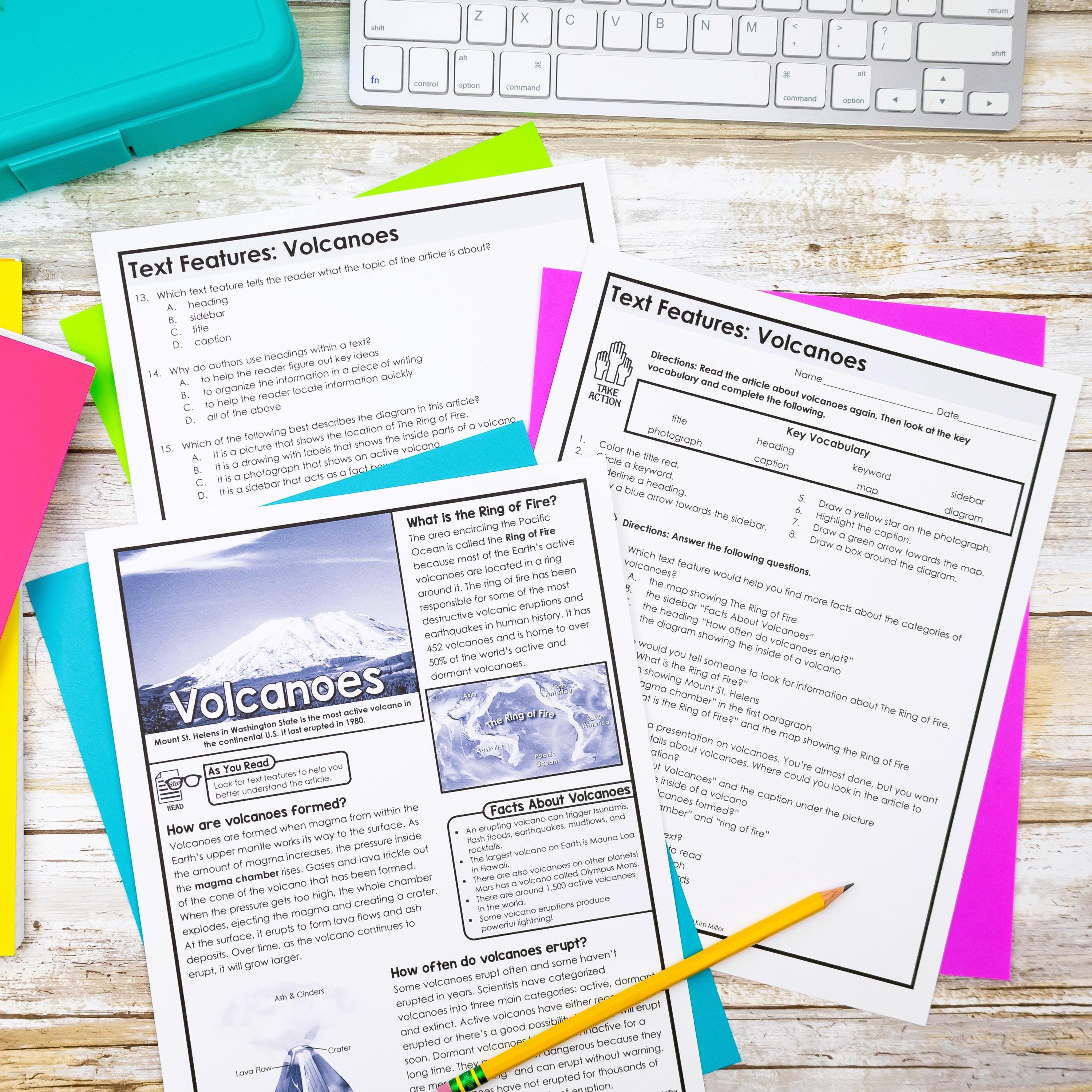
Implementing a well‑structured Text Features Worksheet 3rd Grade equips students with a tangible skill set that translates across all reading materials. By focusing on clear language, visual cues, and diverse text types, educators can help learners confidently navigate complex layouts, locate information efficiently, and deepen their understanding of content. When integrated thoughtfully into daily routines—through preview, guided practice, and independent assessment—these worksheets become a cornerstone of robust literacy instruction. With ongoing reflection and adaptation, teachers and parents alike can ensure that every child becomes a confident, feature‑savvy reader ready for the challenges ahead.