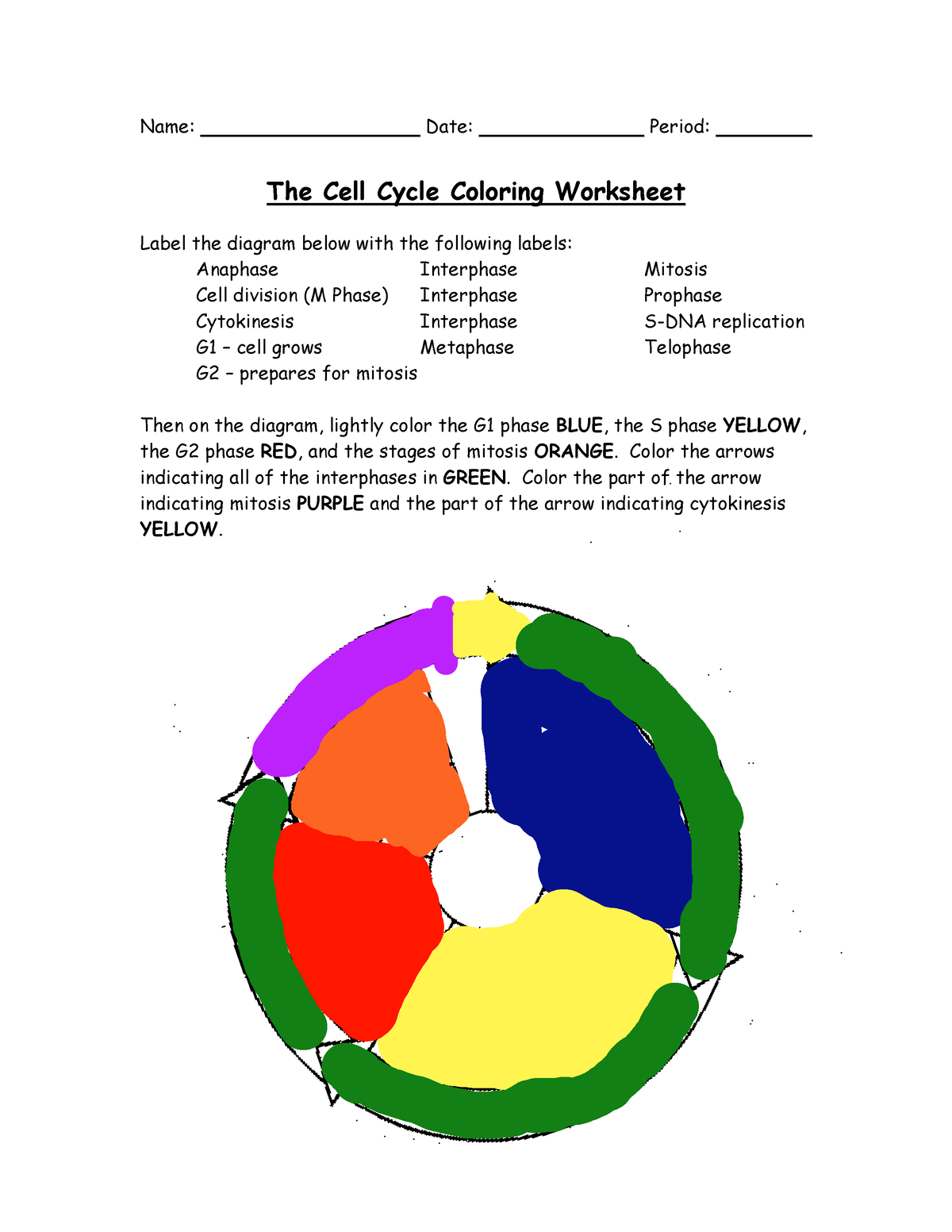
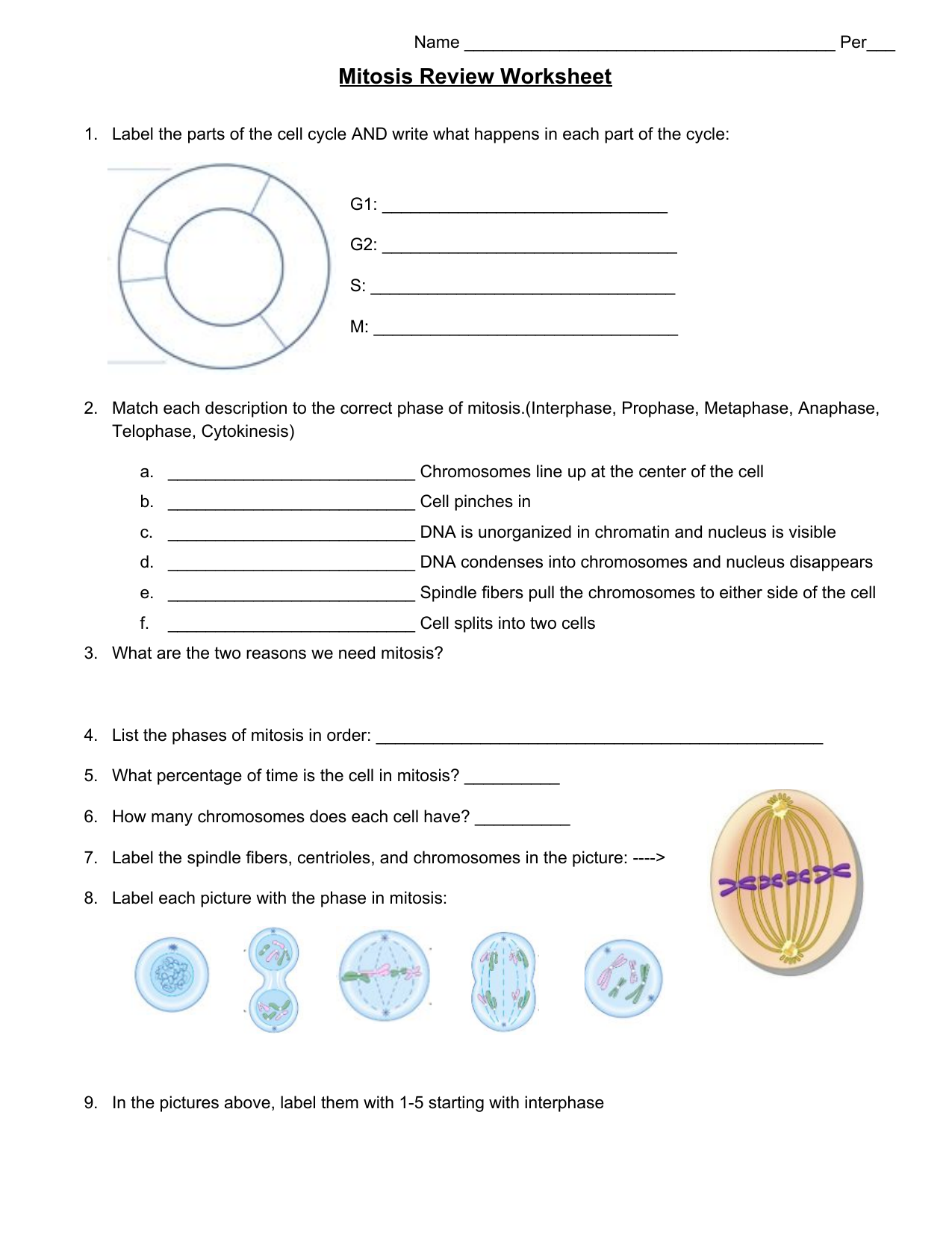
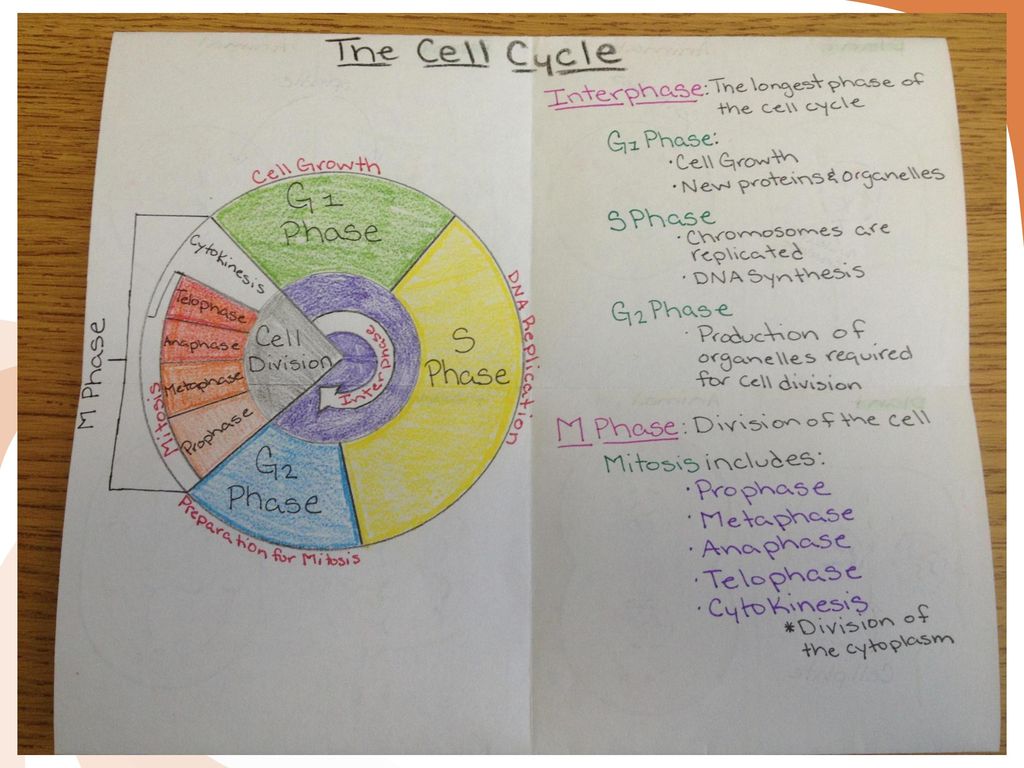
The Cell Cycle Coloring Worksheet offers an engaging, hands‑on approach to mastering the intricate stages of cellular division, and it has quickly become a staple resource in elementary and middle school science curricula across the United States. By combining visual cues with interactive coloring tasks, this worksheet transforms abstract concepts such as interphase, mitosis, and cytokinesis into memorable, concrete experiences for learners of all abilities. In this article we will explore the educational benefits of the worksheet, provide step‑by‑step guidance for effective classroom implementation, suggest ways to adapt the activity for diverse learners, and highlight real‑world connections that reinforce the relevance of cell biology in everyday life.
Why Coloring Enhances Understanding of the Cell Cycle

Coloring is not merely a pastime; it is a cognitive strategy that activates multiple regions of the brain simultaneously. When students select colors to differentiate the phases of the cell cycle, they are forced to recall key characteristics of each stage, such as chromosome condensation during prophase or spindle formation in metaphase. This dual‑coding process—visual plus verbal—strengthens memory retention and improves the ability to retrieve information during assessments. Moreover, the tactile act of coloring reduces anxiety for learners who may feel overwhelmed by dense scientific terminology, allowing them to focus on conceptual relationships rather than rote memorization.
Core Educational Objectives Covered
The worksheet aligns with national science standards and targets several critical learning outcomes:
- Identify and label the four major phases of mitosis: prophase, metaphase, anaphase, and telophase.
- Describe the events that occur during interphase, including DNA replication and organelle duplication.
- Explain the purpose of cytokinesis and how it differs between plant and animal cells.
- Illustrate the cyclical nature of cell division by sequencing the stages correctly.
- Apply scientific vocabulary in written explanations that accompany the colored diagram.
Step‑by‑Step Guide for Classroom Use

Preparation
Before the activity begins, teachers should gather the necessary supplies: printed copies of the worksheet, a palette of colored pencils or crayons, and a reference poster of the cell cycle. It is helpful to preview the worksheet with a brief slideshow that highlights each stage, ensuring that students have a clear mental model prior to coloring.
Instructional Sequence
- Introduce the concept. Begin with a 5‑minute mini‑lecture that defines cell division and its significance for growth, tissue repair, and reproduction.
- Model the process. Demonstrate how to color prophase in light blue to represent chromosome condensation, then walk through the subsequent phases, explaining the rationale for each color choice.
- Guided practice. Allow students to work in pairs, encouraging discussion about the functions of each stage while they color. Circulate the room to address misconceptions in real time.
- Independent completion. Provide a quiet period for students to finish their worksheets, reinforcing autonomy and confidence.
- Reflection and assessment. Conclude with a quick‑write prompt asking learners to summarize why each color was selected and how it relates to the biological event depicted.
Integrating the Worksheet into a Broader Unit
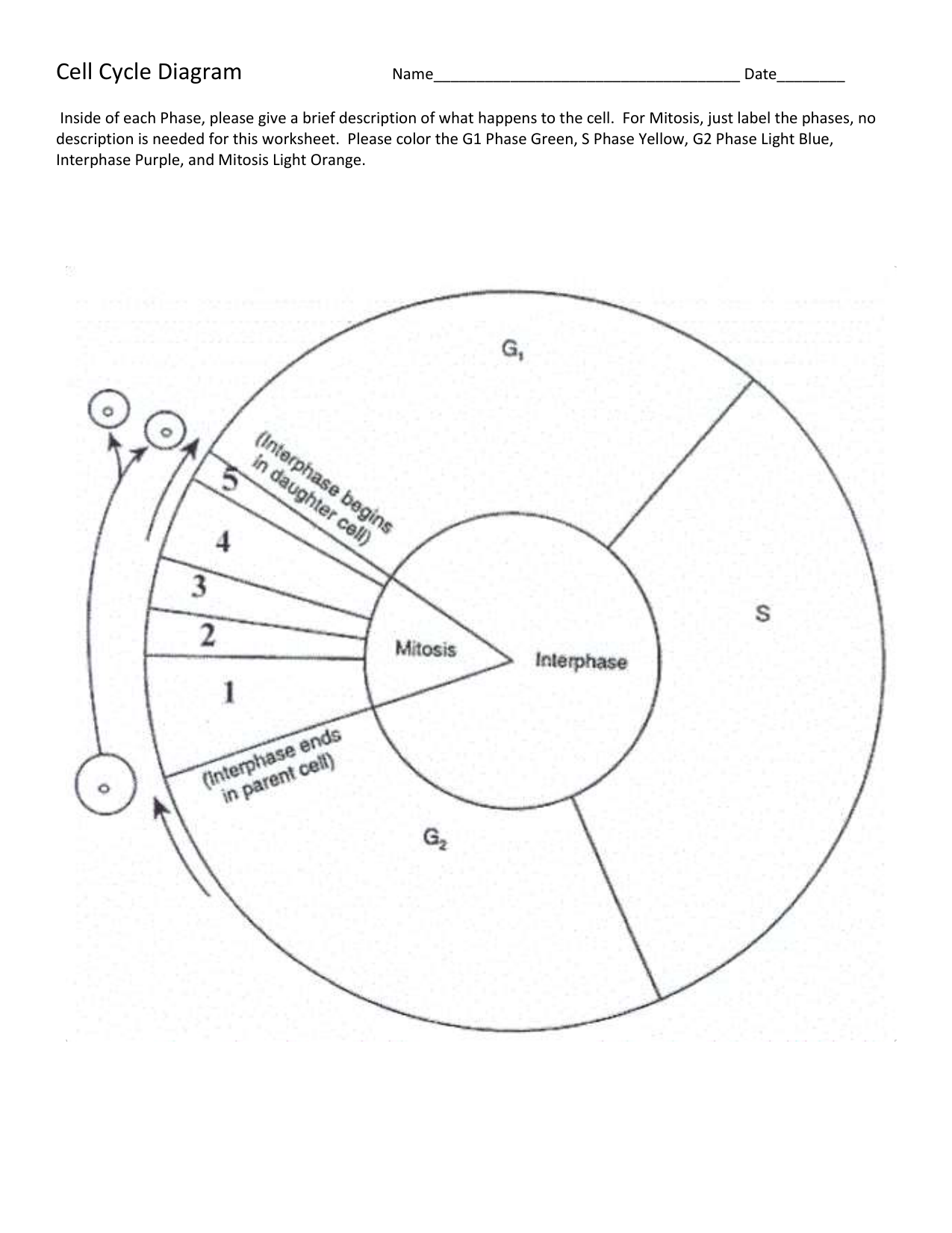
To maximize impact, the coloring activity should be embedded within a larger investigative unit on cell biology. For example, teachers can follow the worksheet with a lab simulation that visualizes mitosis using onion root tip slides. Data collected from the simulation can then be compared to the colored diagrams, fostering analytical skills. Additionally, cross‑curricular links—such as connecting the cell cycle to genetics in a math class through probability exercises—enhance interdisciplinary learning.
Adapting the Worksheet for Diverse Learners

Support for English Language Learners (ELLs)
Provide bilingual glossaries of key terms and use picture cards that depict each phase. Allow ELLs to label the diagram in their native language before adding English terminology, reinforcing concept comprehension while building language proficiency.
Extensions for Gifted Students
Challenge advanced learners to research how errors in mitosis can lead to cancer, and ask them to create a supplementary diagram that illustrates chromosomal abnormalities. This extension promotes critical thinking and connects classroom content to real‑world health issues.
Accommodations for Students with Fine Motor Difficulties
Offer thick‑wicked markers or adaptive grips to facilitate coloring. Alternatively, provide a digital version of the worksheet that can be completed using a tablet and stylus, reducing the physical demand while maintaining the visual learning benefits.
Digital Alternatives and Interactive Enhancements

While the printable worksheet is highly effective, many schools have integrated technology to enrich the learning experience. Interactive whiteboard versions allow students to drag and drop color swatches onto a virtual cell diagram, instantly receiving feedback on accuracy. Learning management systems can host the worksheet as a fillable PDF, enabling teachers to collect and grade submissions electronically, saving time and streamlining record‑keeping.
Real‑World Applications That Reinforce Relevance
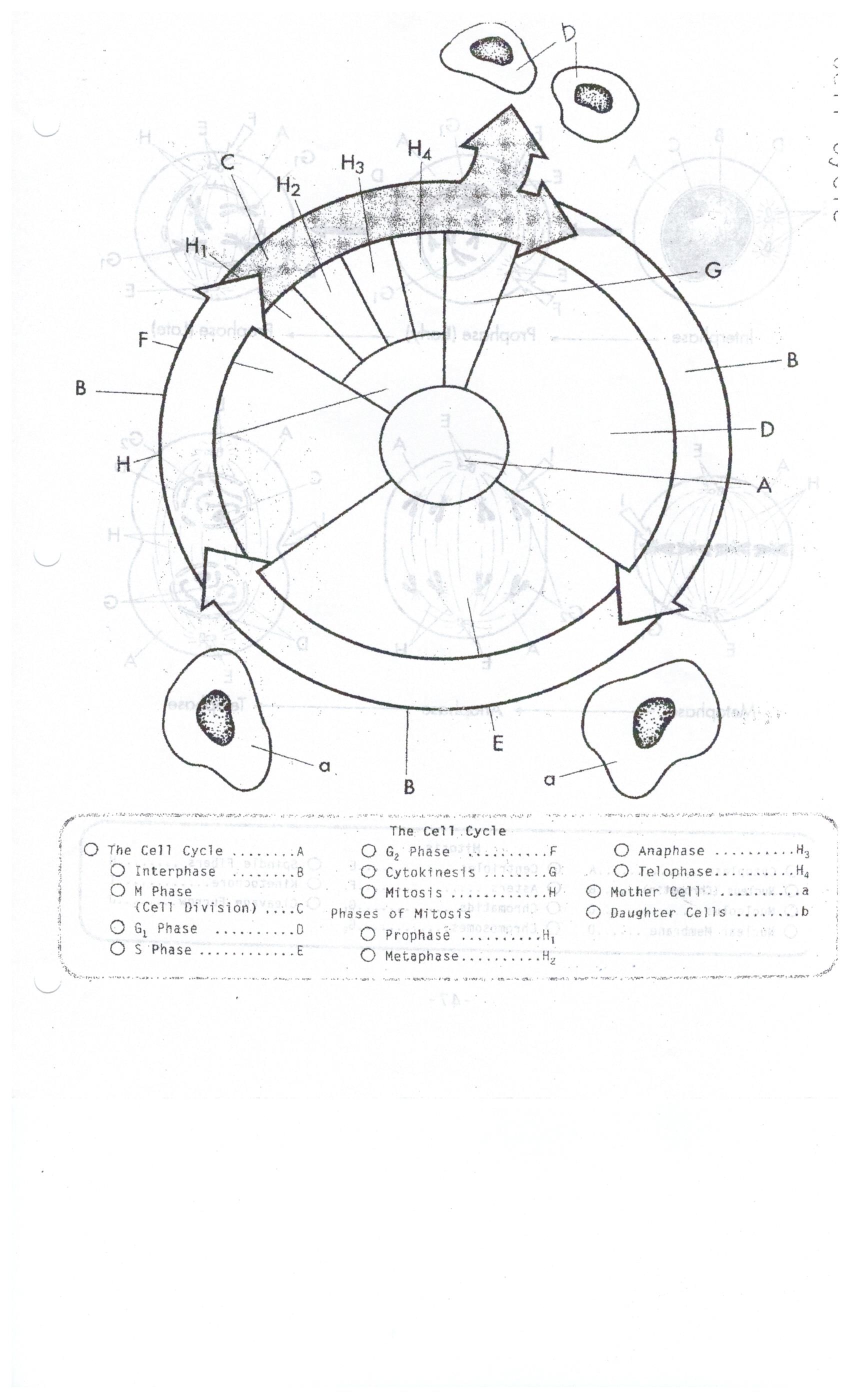
Understanding the cell cycle is foundational for careers in medicine, biotechnology, and agriculture. Teachers can invite a local scientist to discuss how researchers use mitotic inhibitors in chemotherapy, or how plant breeders manipulate cell division to improve crop yields. These authentic connections demonstrate that the concepts students color on a worksheet have tangible implications beyond the classroom.
Assessment Strategies Linked to the Worksheet

Beyond the coloring activity itself, educators can employ a variety of formative and summative assessments to gauge mastery:
- Exit tickets: A short prompt asking students to name one key event from each mitotic phase.
- Concept maps: Students create a map linking cell cycle checkpoints to regulatory proteins such as cyclins.
- Peer teaching: Small groups present their colored diagrams to classmates, explaining the significance of each color choice.
- Quiz integration: Multiple‑choice or short‑answer questions derived directly from the worksheet’s content.
Common Challenges and Practical Solutions
Student Misconceptions About Phase Order
Some learners mistakenly reverse the sequence of anaphase and telophase. To address this, teachers can use a “timeline race” where students physically arrange flashcards representing each stage, reinforcing chronological order through movement.
Limited Access to Coloring Materials
When resources are scarce, teachers can substitute with colored pencils made from recycled materials or organize a classroom “color‑share” system where students borrow supplies for the duration of the activity.
Maintaining Academic Rigor
Critics sometimes view coloring as a low‑stakes activity. To preserve rigor, incorporate analytical prompts that require students to justify their color selections with scientific explanations, turning the worksheet into a synthesis exercise rather than a purely aesthetic task.
Tips for Successful Implementation

- Display a completed example on the board before students begin, highlighting the link between color and cellular event.
- Encourage the use of consistent color coding across all worksheets in the unit to build a visual language that students can recall later.
- Allocate time for peer review, allowing students to critique each other’s diagrams and suggest improvements.
- Collect completed worksheets for a gallery walk, celebrating student work and reinforcing the importance of scientific illustration.
Conclusion

The The Cell Cycle Coloring Worksheet serves as a versatile, research‑backed tool that bridges visual learning with scientific accuracy, making the complex process of mitosis accessible to a wide spectrum of students. By integrating thoughtful instruction, differentiated support, and authentic real‑world connections, educators can transform a simple coloring exercise into a deep learning experience that cultivates curiosity, reinforces core standards, and prepares learners for future scientific endeavors. When used strategically within a comprehensive unit, the worksheet not only enhances retention of cell‑cycle concepts but also inspires students to explore the broader implications of cellular biology in health, technology, and the environment.