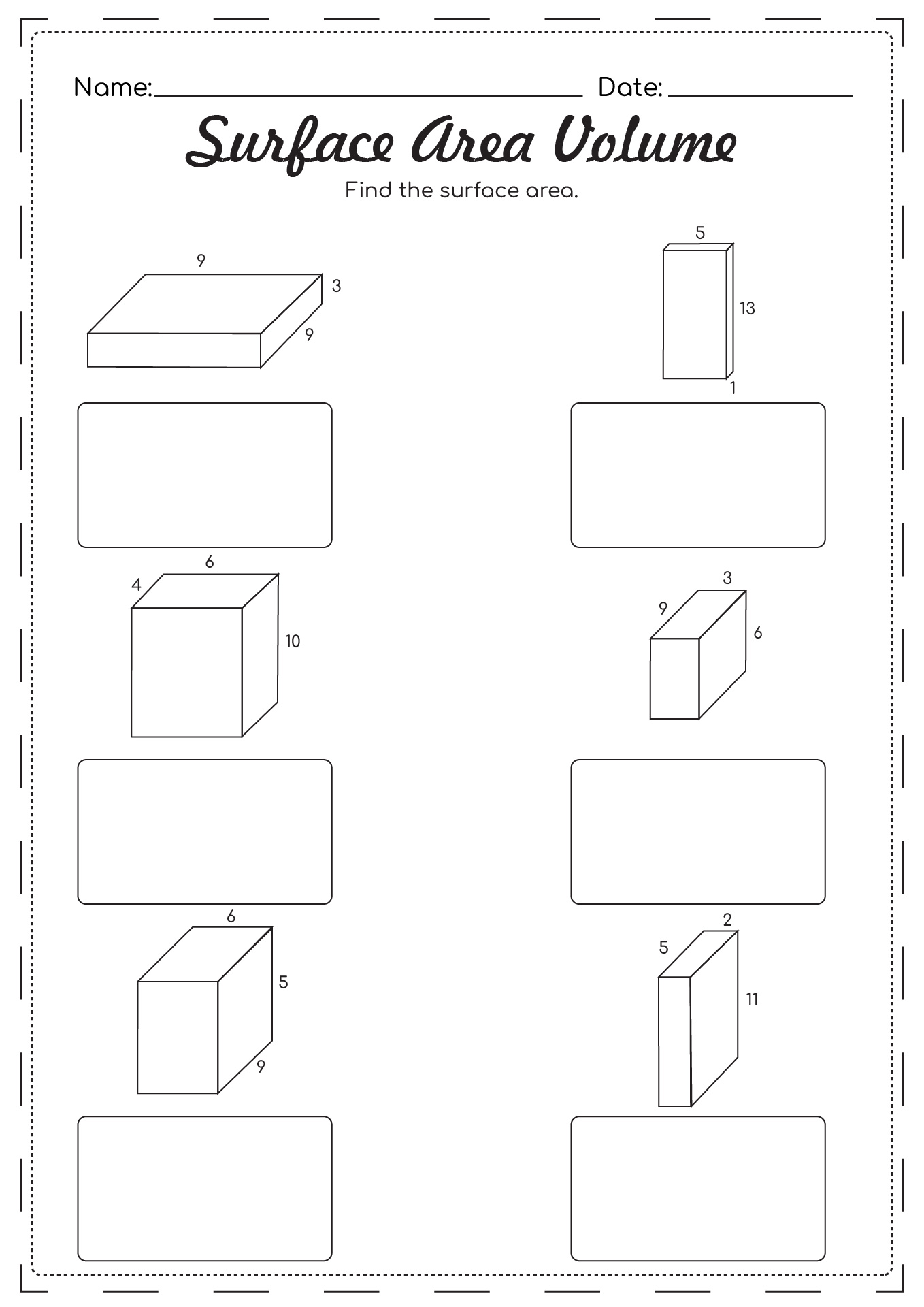
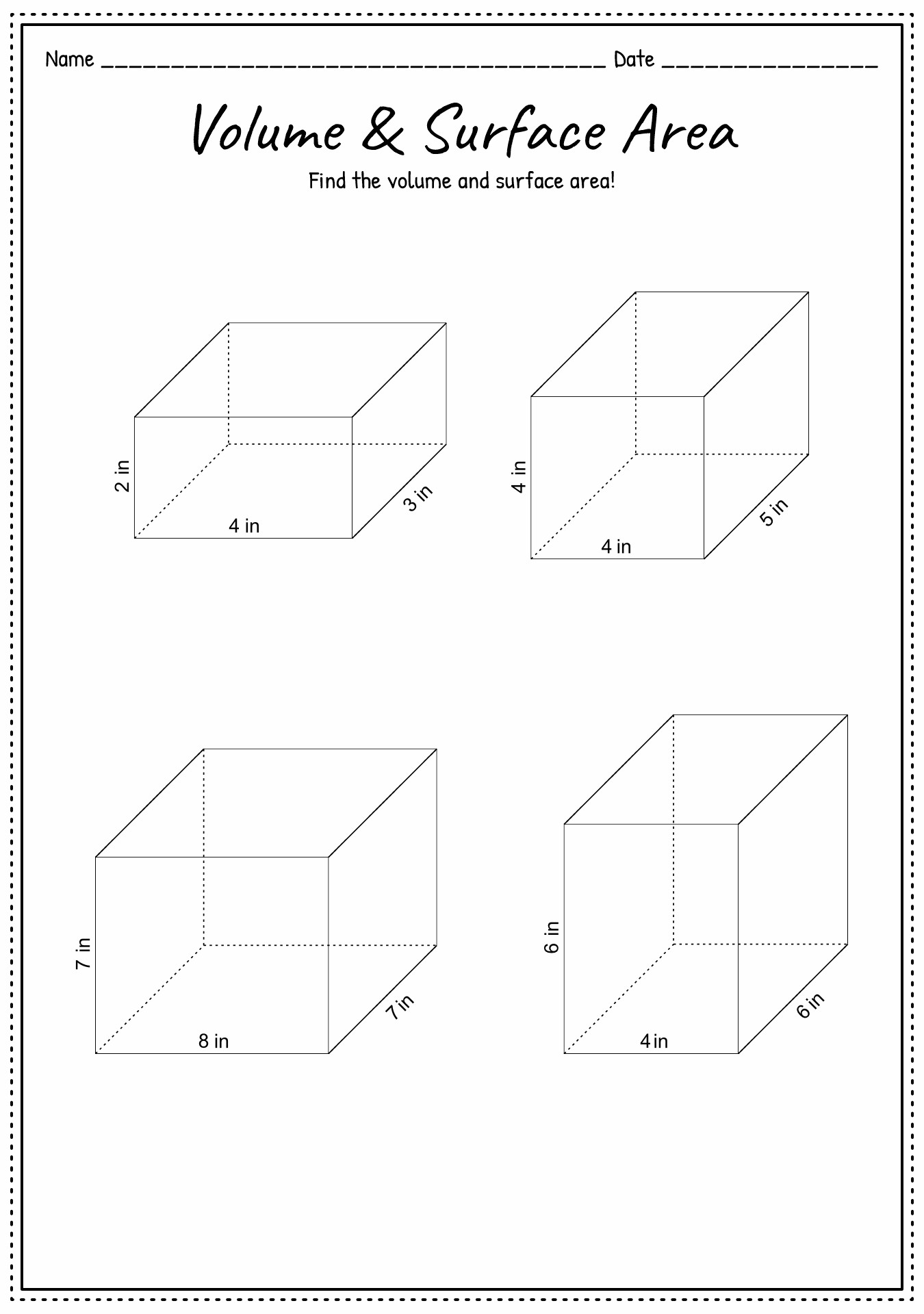
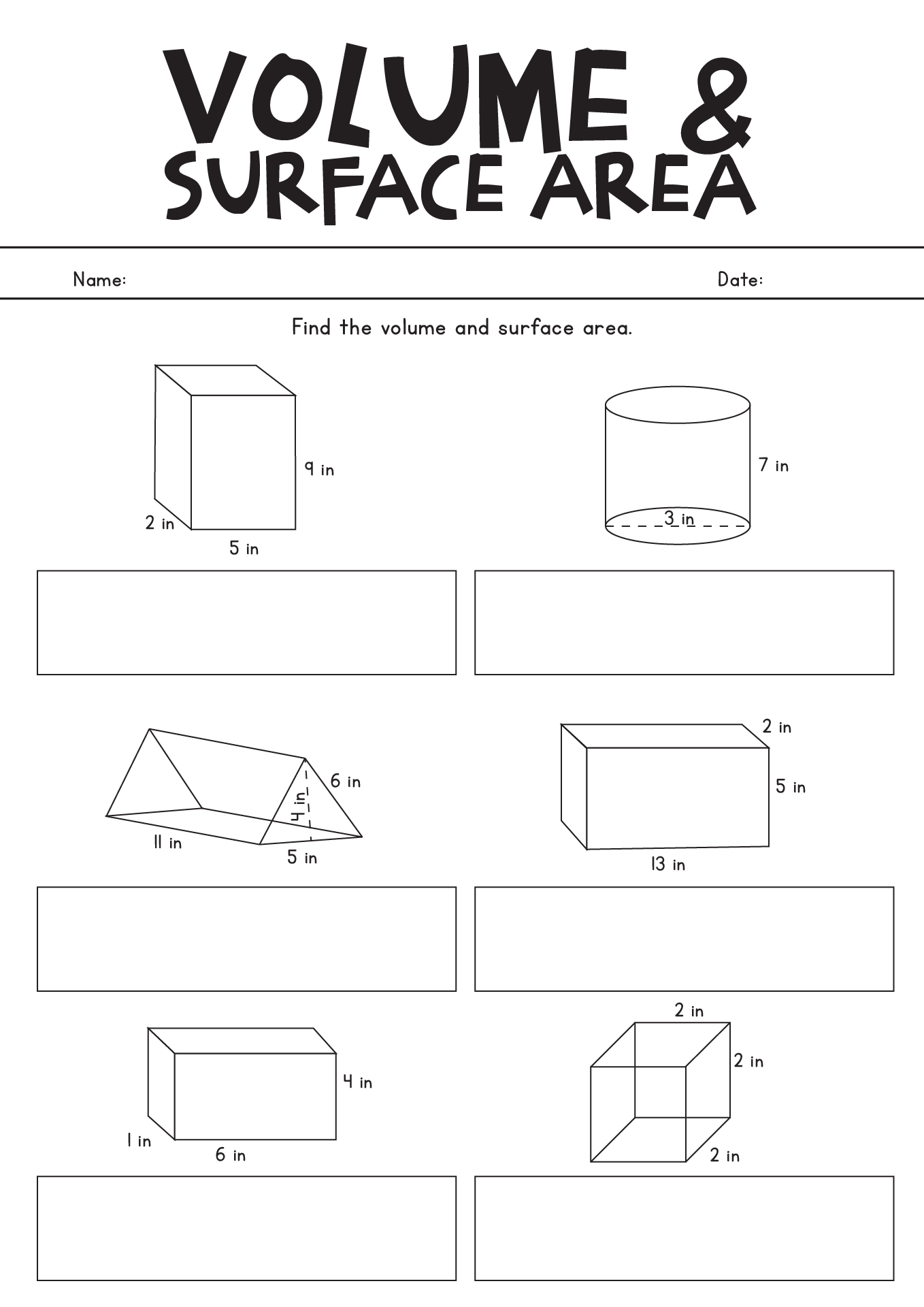
Volume And Surface Area Worksheets offer a dynamic way to transform abstract mathematical concepts into tangible learning experiences, especially for students navigating the intricacies of geometric reasoning. These worksheets empower learners to explore space, shape, and measurement, building a bridge between classroom theory and everyday reality.
Why Volume and Surface Area Matter

Volume and surface area are more than just numbers on a test; they represent how we quantify and understand the world around us. Whether it’s a chef measuring a soup pot, an engineer designing a shipping container, or a student estimating the amount of paint needed for a classroom wall, these skills are pivotal. Mastery of volume and surface area encourages spatial visualization, logical reasoning, and problem‑solving—abilities that transcend mathematics and foster critical thinking across disciplines.
Connecting Math to Real Life
In many Asian households, the practice of preparing meals involves precise measurements—pouring rice, cutting vegetables, or estimating cooking times—all of which rely on understanding volume. Similarly, traditional architecture, such as the design of pagodas or the calculation of temple roof dimensions, depends on surface area calculations to ensure structural integrity and aesthetic harmony. These everyday scenarios illustrate how foundational geometry directly impacts daily tasks.
Common Challenges Students Face

Students often encounter obstacles when working with volume and surface area: confusing units, misinterpreting formulas, and struggling to visualize three‑dimensional objects. These difficulties can lead to frustration and disengagement. Recognizing the pain points allows educators to tailor instruction and resources that address specific gaps.
Unit Conversion Confusion
Switching between cubic meters, liters, or cubic centimeters can be daunting. Worksheets that include unit conversion tables or step‑by‑step conversion prompts help students internalize the relationship between different measurement systems.
Formula Retention
Remembering the formulas for cylinders, spheres, prisms, and pyramids requires repetitive practice. Engaging worksheets that present problems in varied contexts—such as calculating the volume of a milk carton or the surface area of a lantern—aid memory retention through contextual learning.
Visualization Skills
Students may struggle to imagine the shape of a 3‑D object from a 2‑D diagram. Incorporating drawing tasks or model‑building activities within worksheets can strengthen spatial reasoning.
Effective Strategies for Mastering the Concepts
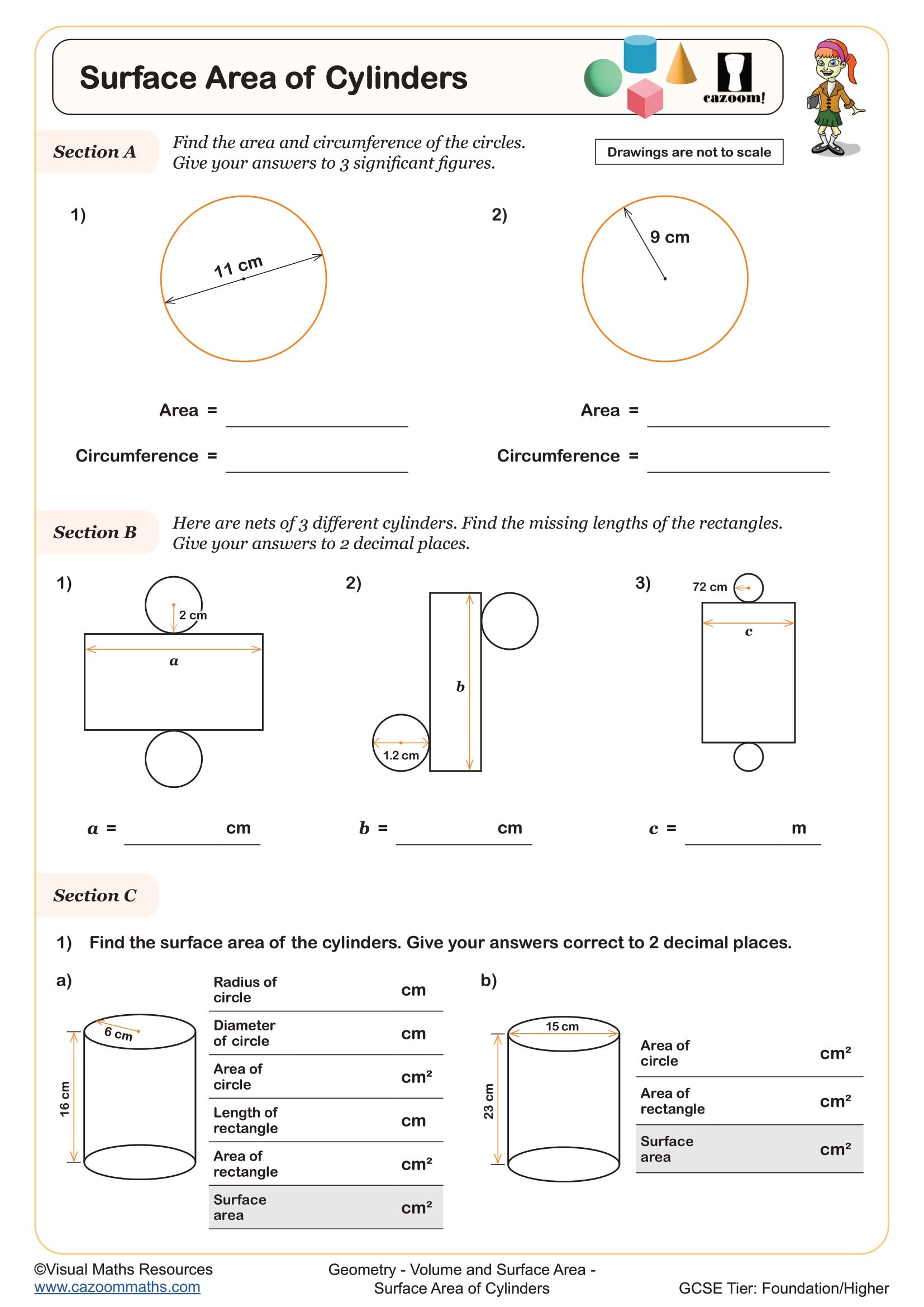
Beyond repetitive problem solving, adopting targeted strategies enhances comprehension and confidence.
Step‑by‑Step Problem Breakdown
Encourage students to dissect each problem into smaller steps: identify the shape, note the dimensions, select the appropriate formula, perform calculations, and double‑check units. Worksheets that prompt each step reinforce systematic thinking.
Use of Analogies
Comparing volume to “how full a cup is” and surface area to “how much wallpaper is needed” creates relatable analogies. Incorporating these analogies within worksheet explanations can make abstract concepts tangible.
Peer Collaboration
Group worksheet sessions allow students to discuss different approaches. Peer explanation often clarifies misunderstandings more effectively than solitary work.
How to Use Worksheets for Practice

Strategic use of worksheets can transform learning outcomes. Below are actionable ways to integrate them into daily study routines.
Daily Warm‑Ups
Start the lesson with a five‑minute worksheet problem that revisits yesterday’s key formula. This quick review reinforces retention.
Homework Assignments
Assign worksheets that combine calculation questions with real‑world application tasks, such as estimating the amount of rice needed for a family gathering or calculating the paint required to cover a school’s wall.
Assessment and Feedback
Use graded worksheets to gauge mastery. Provide instant feedback by highlighting correct methods and explaining common pitfalls. This feedback loop strengthens learning.
Real‑World Applications in Asian Contexts
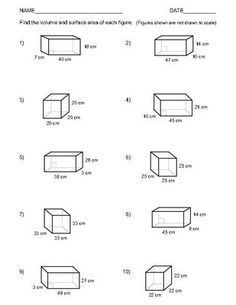
Asian cultures are rich with examples that illustrate the relevance of volume and surface area, making learning culturally resonant.
Tea Brewing and Beverage Measurements
The art of tea brewing demands precise volume measurements for the perfect cup. Worksheets that model different tea pots, cups, and tea bags encourage practical application of volume formulas.
Traditional Lantern Design
Creating paper lanterns involves calculating the surface area of a cone or cylinder to determine how much material is needed. Worksheet problems that ask students to calculate the amount of paper for a lantern promote design thinking.
Rice Storage and Packaging
Rice mills and markets often compute the volume of storage jars and the surface area of packing boxes. By working through worksheet scenarios that simulate this process, students see direct industry relevance.
Tips for Teachers and Parents

Effective facilitation of volume and surface area worksheets requires a thoughtful approach from educators and caregivers alike.
Gradual Difficulty Progression
Start with simple shapes—cubes, spheres—and advance to composite solids. Gradual escalation keeps learners challenged yet not overwhelmed.
Incorporate Visual Aids
Use colored markers to highlight dimensions and formulas within worksheets. Visual cues aid memory and reduce cognitive load.
Encourage Questioning
Prompt students to ask “why” each formula works. Worksheets that include reflective questions deepen conceptual understanding.
Choosing the Right Worksheet Resources

Not all worksheets are created equal. Selecting resources that align with curriculum standards and student readiness is crucial.
Alignment with Learning Standards
Ensure worksheets reference national or international math standards such as the Common Core or the Asian Curriculum Framework to maintain relevance.
Variety of Problem Types
Resources that include multiple-choice, fill-in-the-blank, and open-ended problems cater to diverse learning styles.
Accessibility Features
For students with visual or learning difficulties, worksheets that provide clear diagrams, step-by-step instructions, and large fonts support inclusive education.
Creating Your Own Custom Worksheets
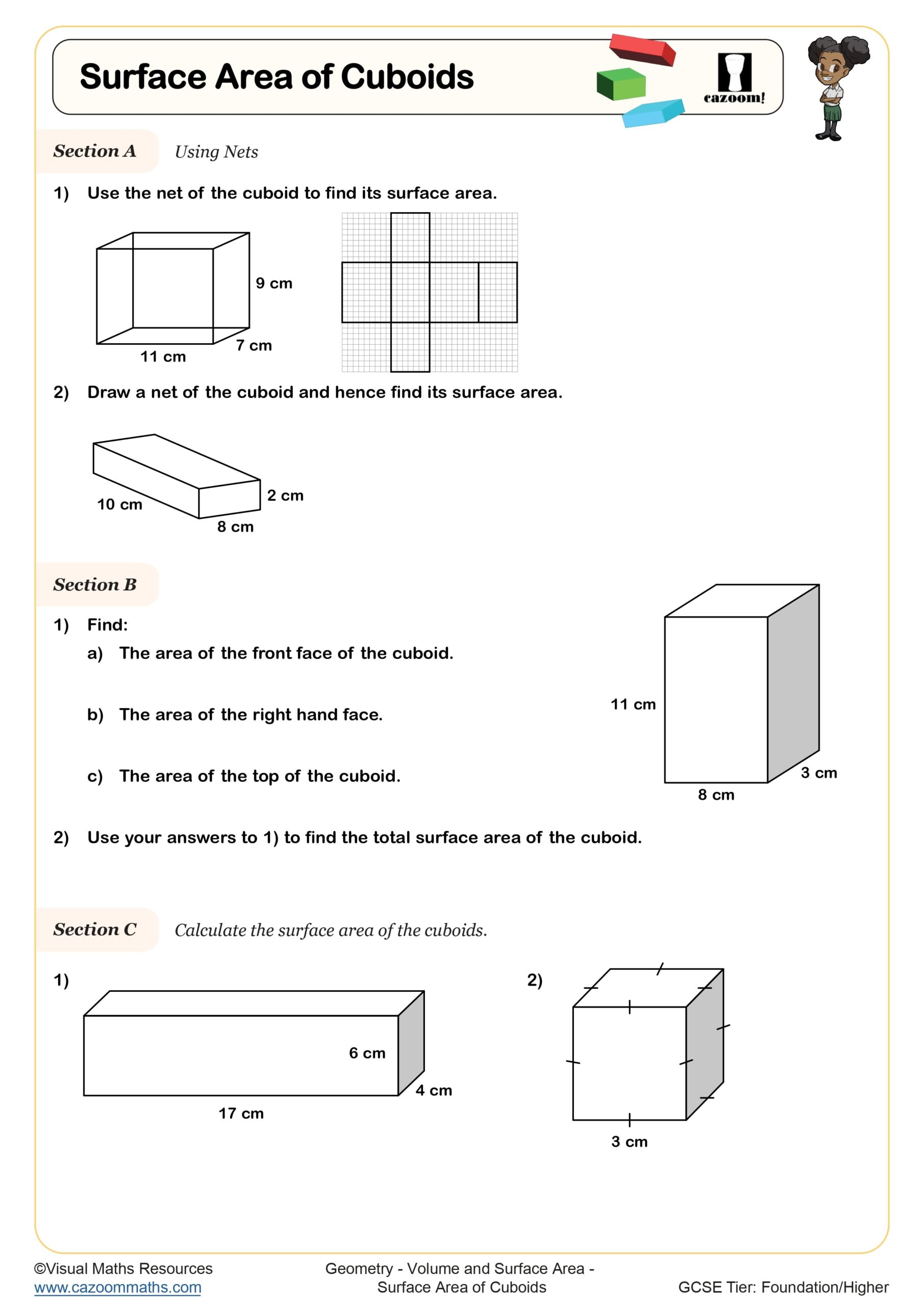
Teachers and parents can design personalized worksheets that reflect local contexts and student interests.
Identify Key Topics
List the essential formulas: cylinder volume \(V = \pi r^2 h\), sphere volume \(V = \frac43\pi r^3\), surface area of a cube \(SA = 6a^2\), etc. Draft questions that apply each formula.
Incorporate Storytelling
Frame problems around a local festival, such as calculating the volume of a lantern market stall or the surface area of a decorative wall for a cultural celebration.
Use Technology to Enhance
Employ spreadsheet tools to allow students to manipulate dimensions and instantly see the impact on volume or surface area. Print these as worksheets for hands-on practice.
Conclusion

Mastering Volume And Surface Area Worksheets equips students with analytical tools that echo throughout science, engineering, and everyday life. By addressing common challenges, applying culturally relevant examples, and integrating systematic practice, learners can transform abstract geometry into a concrete skill set. Whether in a bustling market, a quiet study room, or an interactive classroom, these worksheets become the stepping stones that turn curiosity into calculation confidence, ensuring that every student can measure, visualize, and solve with precision and creativity.