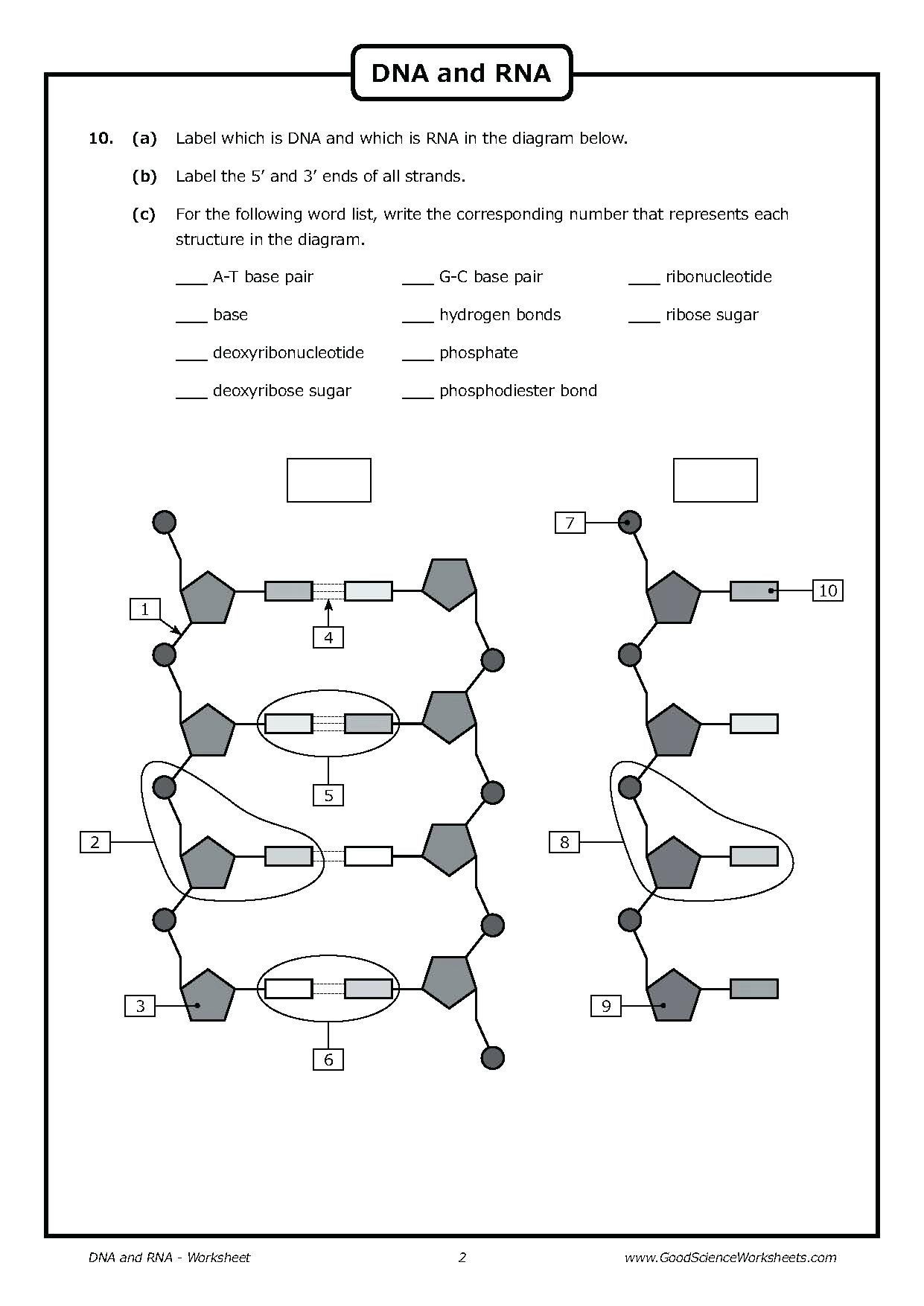
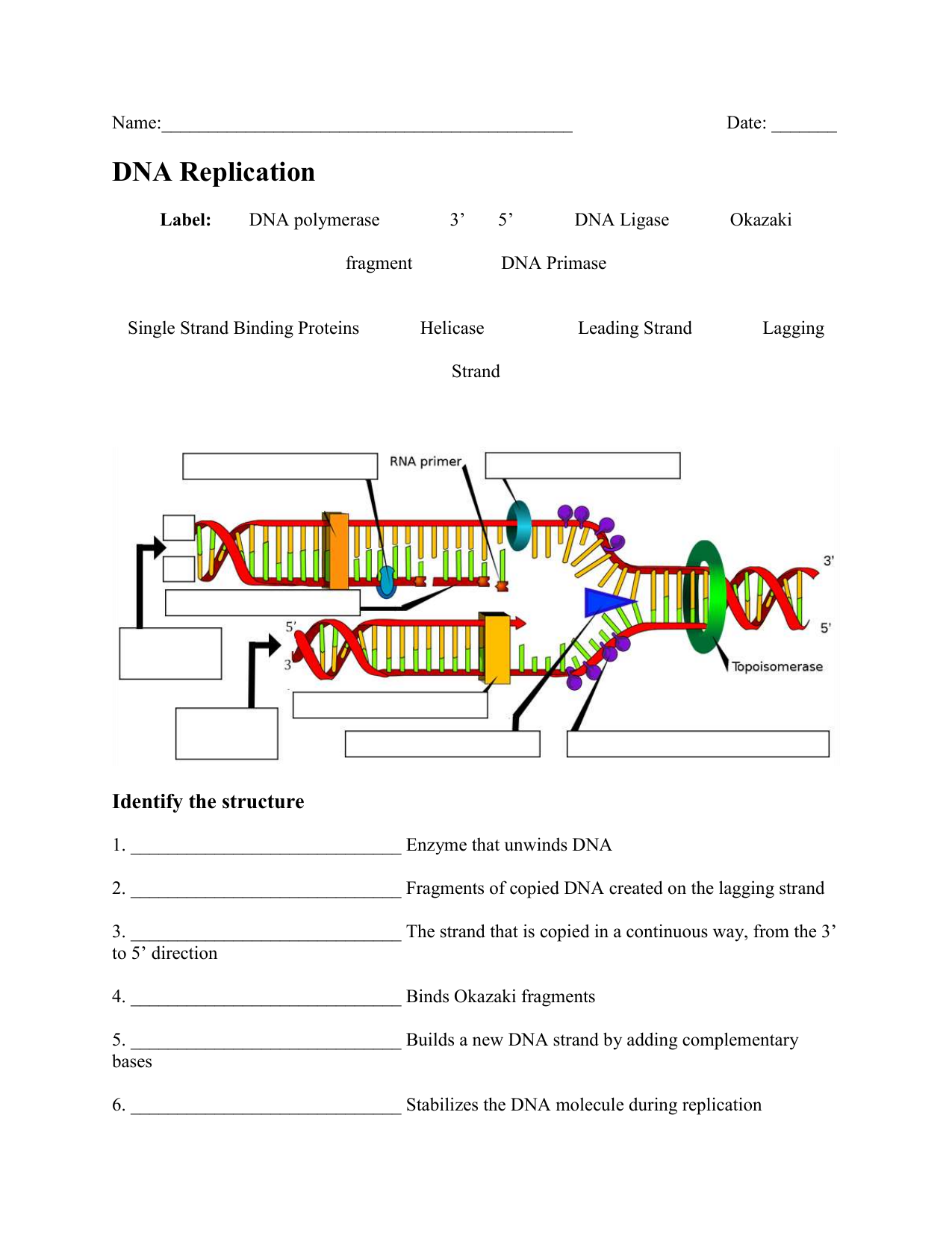
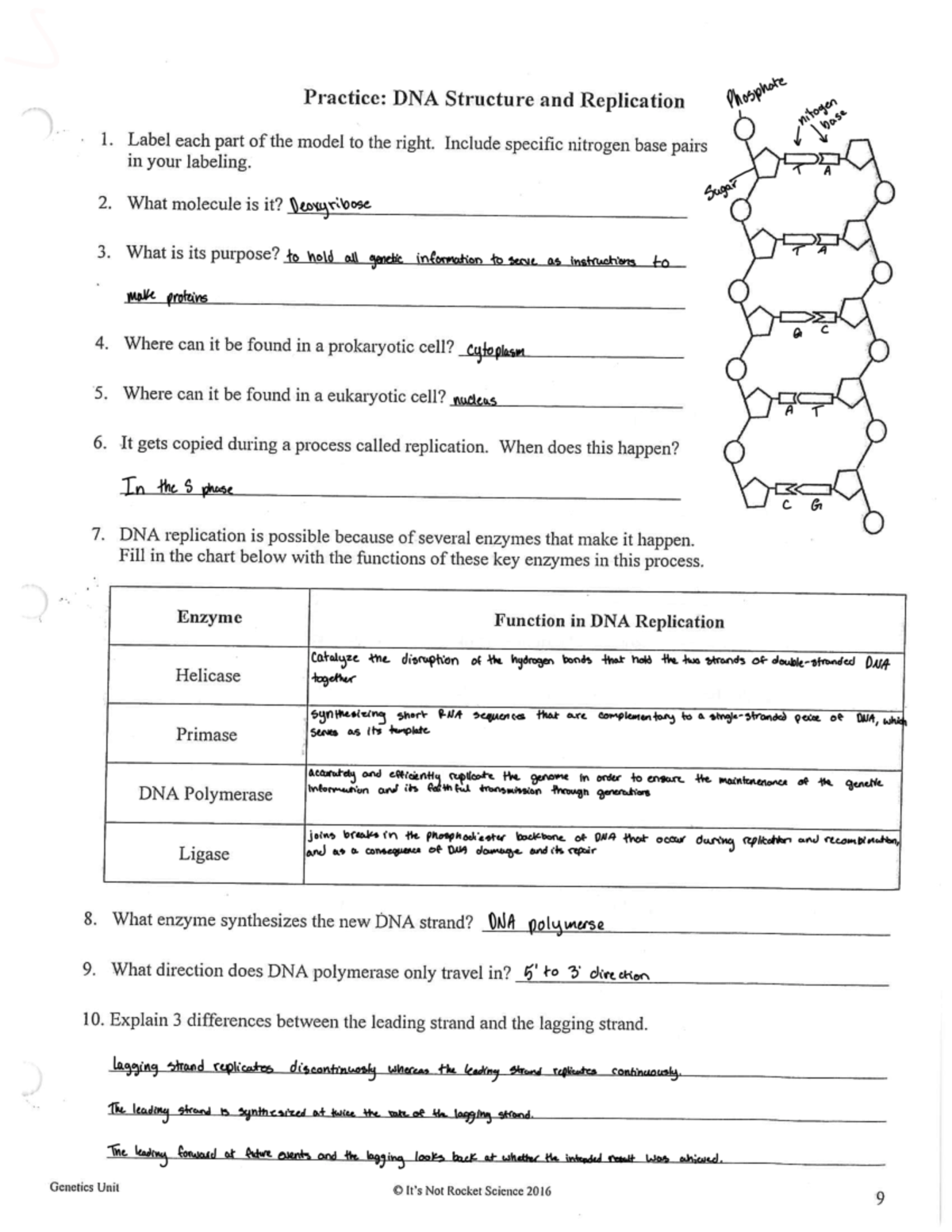
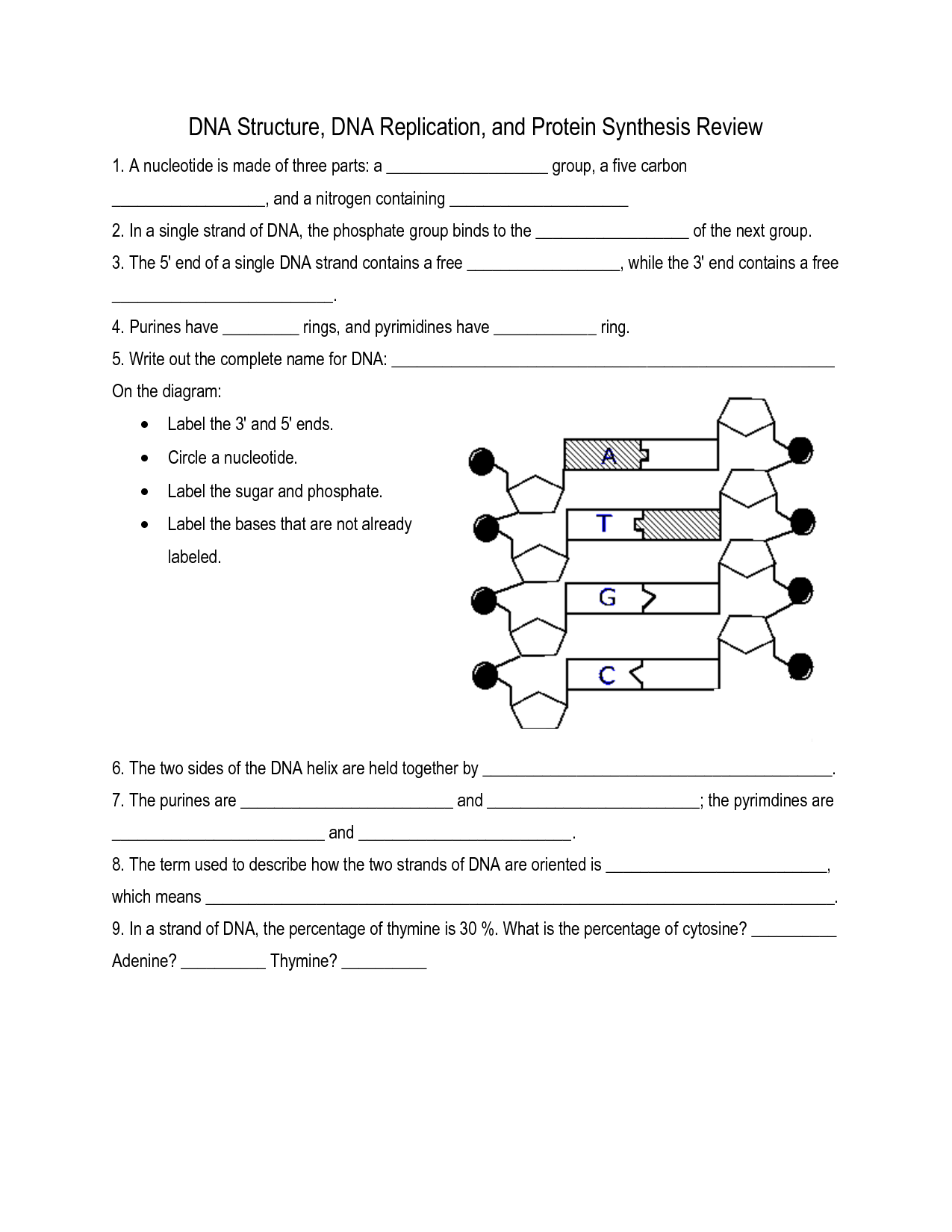
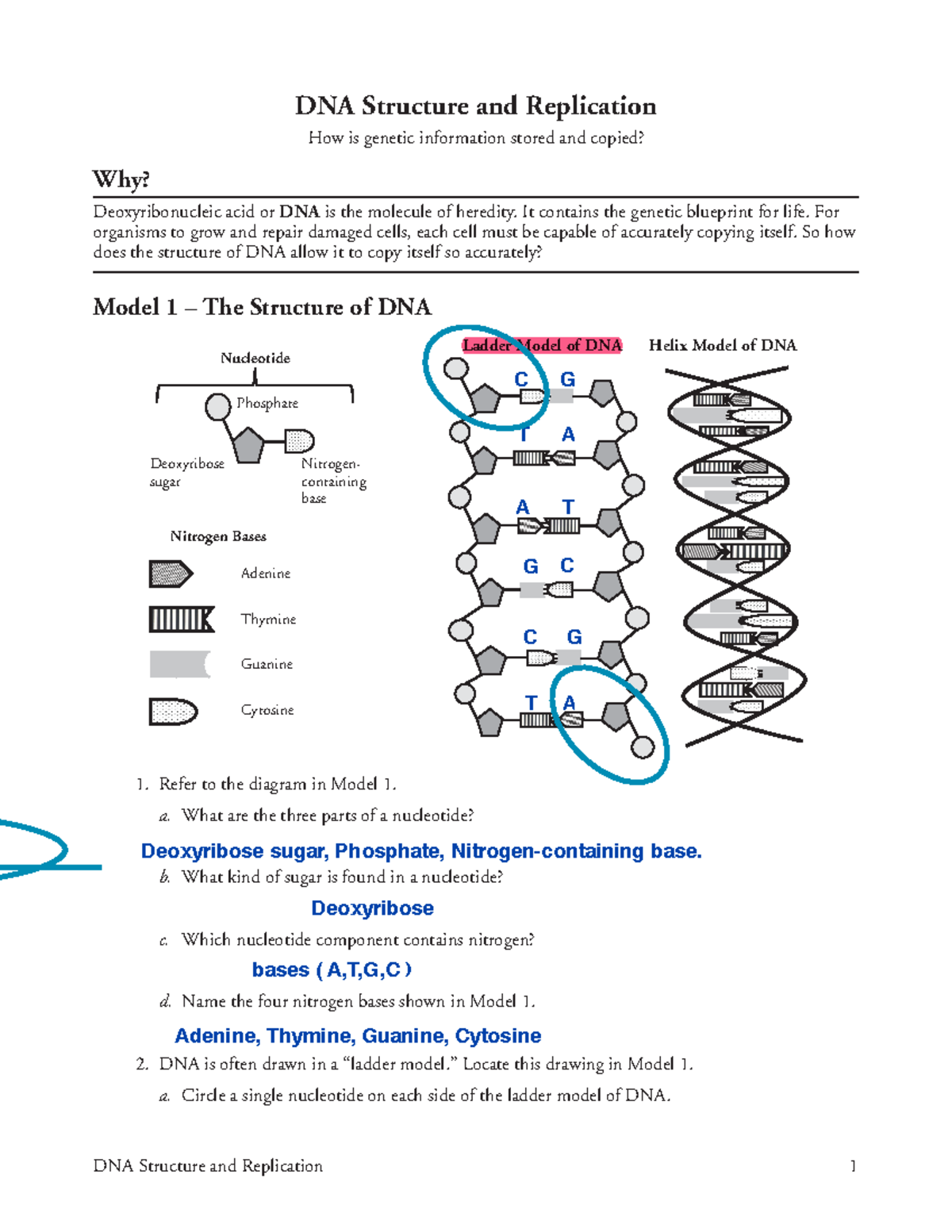
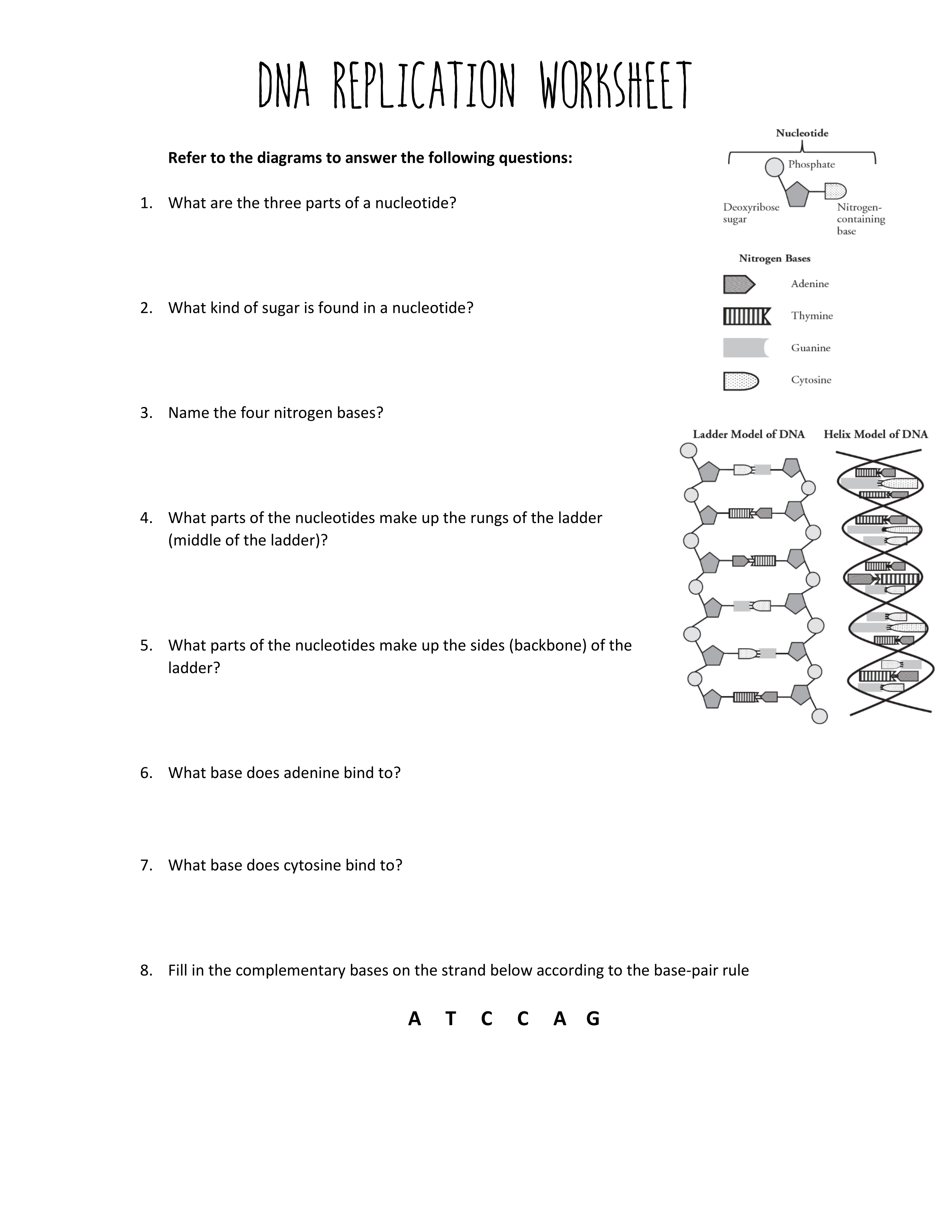
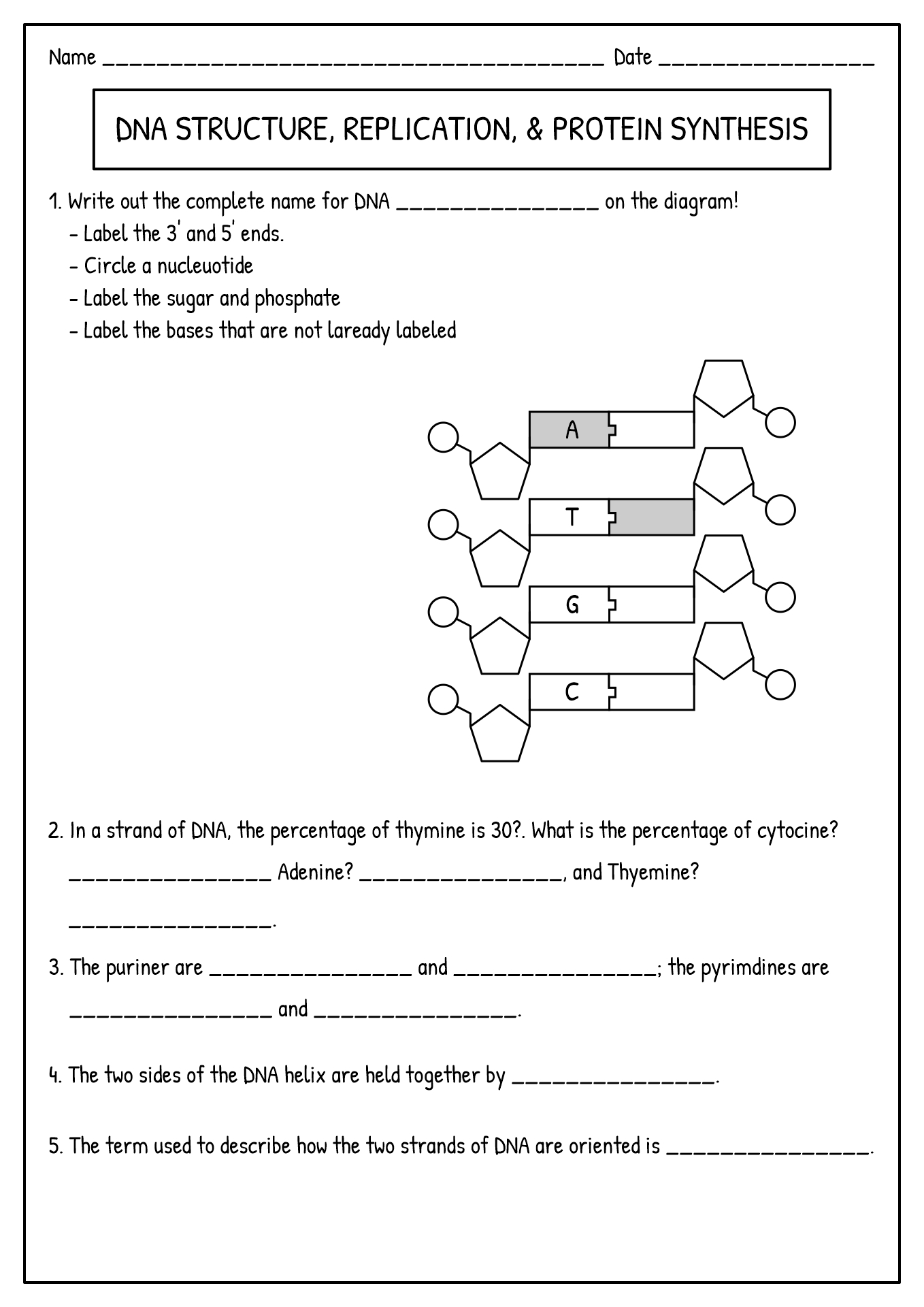
Worksheet Dna Structure And Replication serves as a pivotal learning tool, bridging foundational genetics concepts with hands‑on application. By guiding students through the double‑helix model, base‑pairing rules, and the intricacies of semiconservative replication, this worksheet turns abstract theory into tangible, memorable knowledge. It invites learners to dissect the molecular dance that keeps life’s blueprint intact from one generation to the next, ensuring that each detail—from nucleotides to enzyme functions—catches their attention and cements understanding.
Understanding the Core Structure of DNA
Why the Double Helix Matters
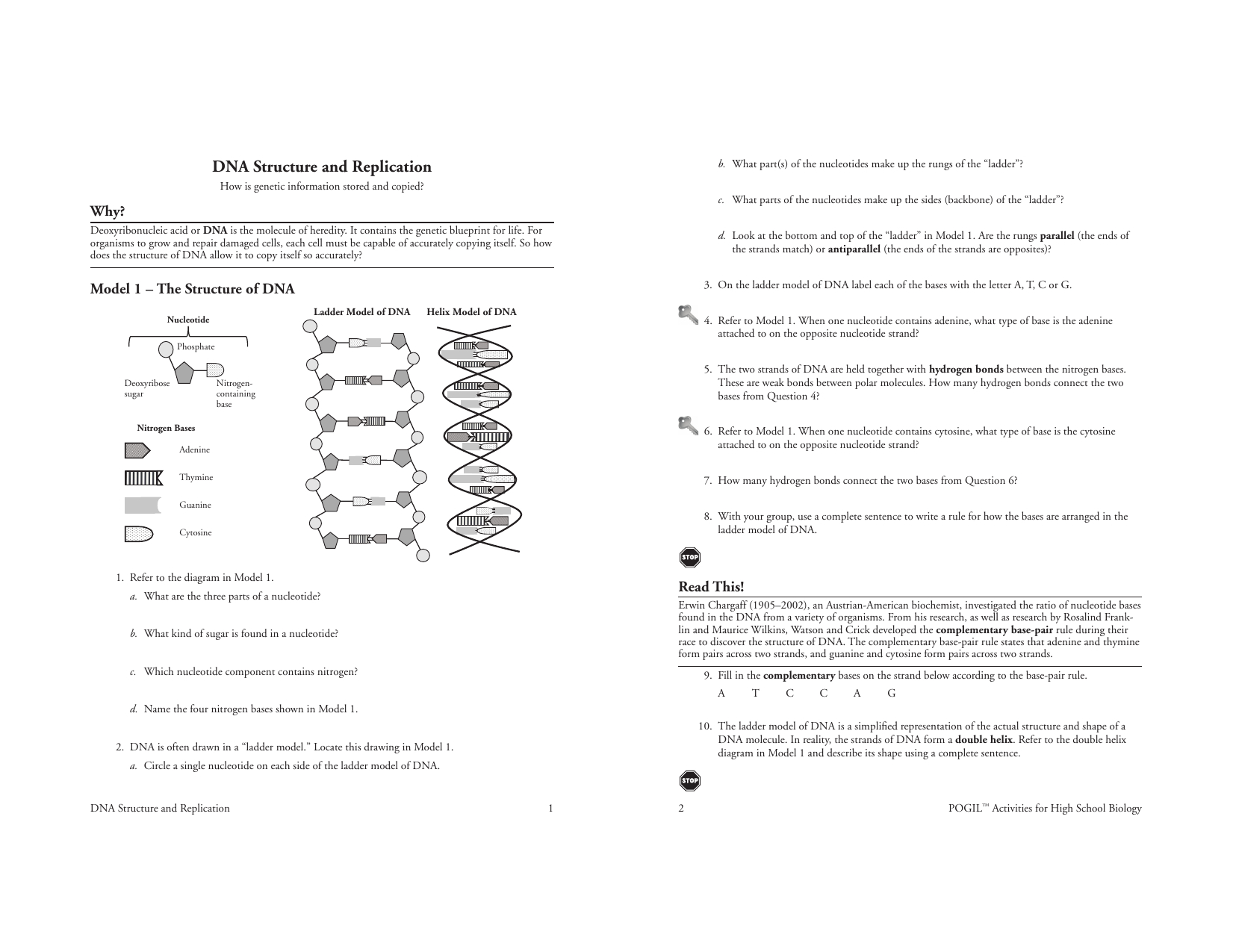
Students often visualize DNA as a static ladder, but the double helix’s twist and pitch are essential for its role as a storage medium. The helical geometry allows for efficient packing within the cell nucleus while providing flexible access for transcription and replication. Discussing the 10.5 base pair turns per helix helps clarify why DNA can fit inside a nucleus yet remain readable.
Base‑Pairing Rules in Detail
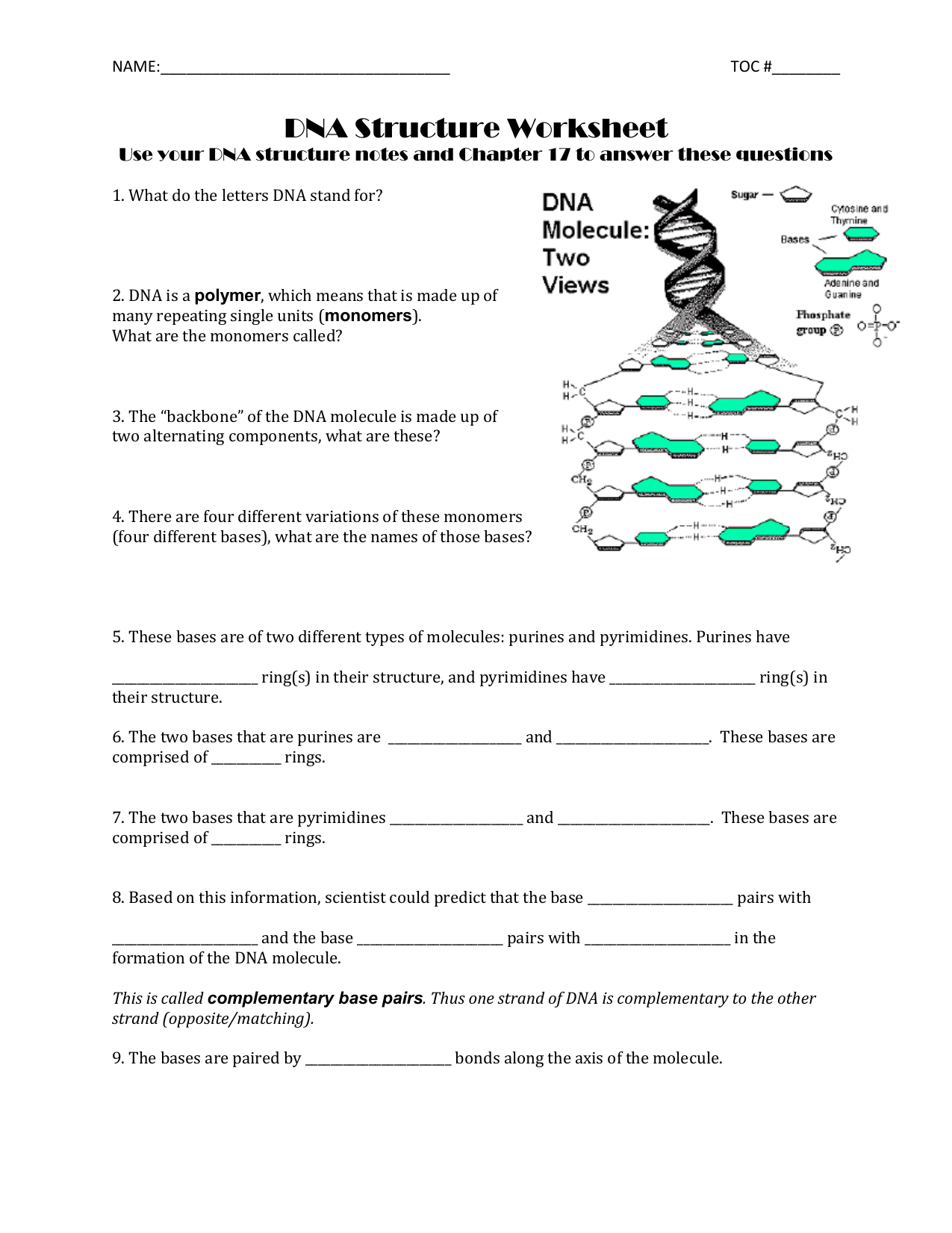
- Adenine pairs with Thymine via two hydrogen bonds, ensuring a consistent base‑pair length.
- Guanine pairs with Cytosine through three hydrogen bonds, adding stability to GC‑rich regions.
- Watson–Crick complementarity ensures fidelity during replication and transcription.
Functional Implications of Chargaff’s Rules
Chargaff’s observation that %A ≈ %T and %G ≈ %C leads to the understanding that DNA strands are complementary. This principle underpins the semiconservative nature of replication, where each strand serves as a template for a new complementary strand.
Step‑by‑Step Walkthrough of DNA Replication
Initiation: Opening the Double Helix
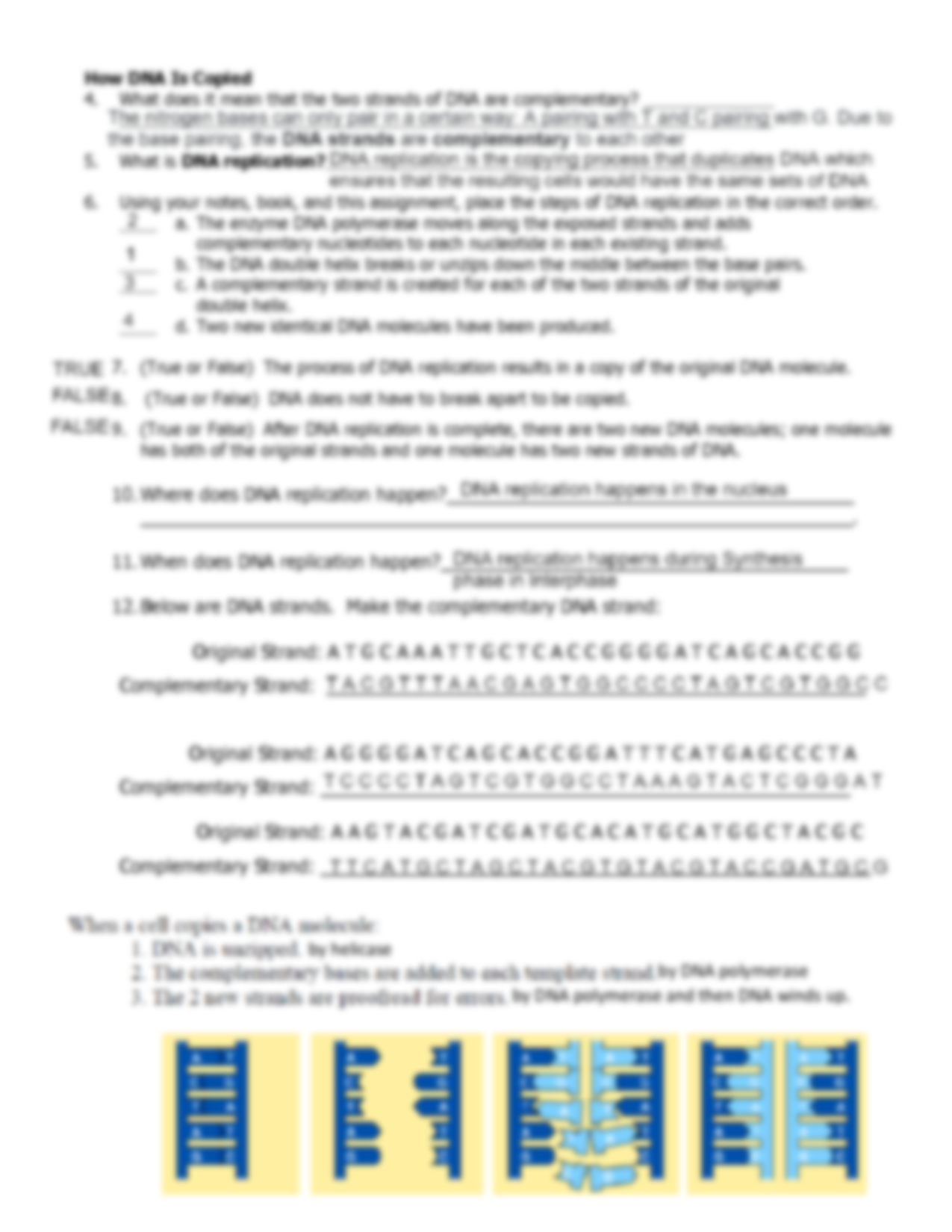
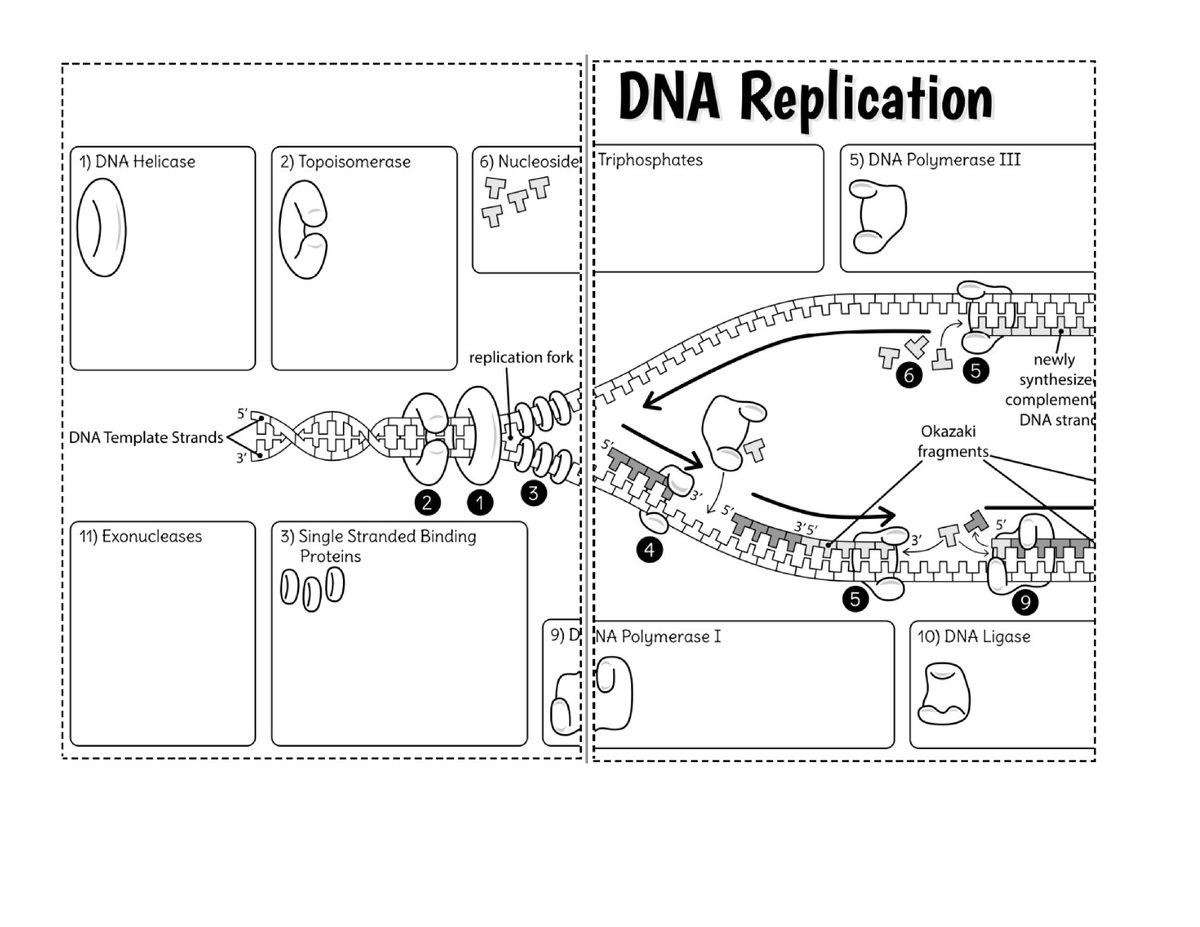
Replication begins at specific DNA sequences called origins of replication. Helicase unwinds the double helix, creating a replication fork. Single‑stranded binding proteins stabilize the separated strands, preventing reannealing.
Elongation: Adding New Nucleotides
DNA polymerase III (in bacteria) or DNA polymerase δ/ε (in eukaryotes) adds nucleotides to the 3′ end of the growing strand. The leading strand is synthesized continuously, while the lagging strand is built in Okazaki fragments. RNA primers, laid down by primase, provide the starting point for polymerase.
Termination: Completing the Process
Once the entire template is copied, ligase seals the nicks between Okazaki fragments. Telomerase may add repeats to chromosome ends in eukaryotes, preventing gradual shortening.
Key Enzymes and Their Roles
- Helicase – unwinds the helix.
- Single‑stranded binding proteins – keep strands apart.
- Primase – synthesizes RNA primers.
- DNA polymerase – adds nucleotides.
- Ligase – seals nicks.
Applying the Worksheet in the Classroom

Interactive Diagram Labeling
Have students color‑code each component of the DNA strand—phosphate backbone, nitrogenous bases, hydrogen bonds—on a large worksheet. This visual aid reinforces the structural relationships and prepares students for detailed replication tasks.
Simulation Exercises
Use virtual labs to allow learners to manipulate helicase activity, observe strand separation, and then apply polymerase to synthesize complementary strands. The worksheet can then be used to annotate each step, solidifying the process.
Group Discussion Prompts
- Why is semiconservative replication advantageous for cellular fidelity?
- How would mutations in DNA polymerase affect the replication outcome?
- What are the biological consequences if helicase activity is inhibited?
Assessment Strategies Using the Worksheet
Formative Quizzes
Insert multiple-choice questions directly onto the worksheet, asking students to identify which enzyme functions at a given replication stage. Immediate feedback helps clarify misunderstandings before they become ingrained.
Reflective Journals
After completing the replication section, students write a brief reflection on how each enzyme contributes to overall fidelity. This encourages metacognition and deepens retention.
Peer‑Reviewed Corrections
Students exchange worksheets and cross‑check labels and annotations. Peer feedback highlights common misconceptions and fosters collaborative learning.
Tackling Common Mistakes in Replication Concepts
Confusing the Leading and Lagging Strands
Clarify that the leading strand follows the replication fork direction, while the lagging strand goes against it. Visual diagrams on the worksheet help students remember the directional difference.
Overlooking Primer Removal
Emphasize that RNA primers must be removed by RNase H or DNA polymerase I before ligation. A checklist on the worksheet ensures students note this critical step.
Misidentifying Enzyme Functions
Include a matching exercise where students pair enzymes with their roles, preventing the mix‑up between helicase and primase or polymerase and ligase.
Extending Beyond the Basics: Advanced Topics

Mitochondrial DNA Replication
Discuss how mitochondria use a single, circular DNA strand and a distinct set of polymerases. This variation illustrates that replication mechanisms can adapt to cellular contexts.
DNA Repair Pathways Intersecting with Replication
- Mismatch Repair corrects base‑pairing errors introduced during replication.
- Nucleotide Excision Repair removes bulky lesions that could stall replication forks.
Students can annotate the worksheet with these repair checkpoints, highlighting the system’s robustness.
Epigenetic Modifications During Replication
Methylation patterns are copied by DNA methyltransferases, ensuring that gene expression states persist across cell divisions. A dedicated worksheet section can trace the maintenance methylation process.
Conclusion: Bringing It All Together

Through the systematic exploration of Worksheet Dna Structure And Replication, students transition from passive listeners to active participants in the narrative of genetics. By integrating detailed diagrams, enzyme functions, and real‑world applications, the worksheet becomes a springboard for deeper inquiry, critical thinking, and mastery of molecular biology fundamentals. As learners complete each section, they not only absorb the mechanics of DNA replication but also appreciate its central role in life, paving the way for future scientific exploration.