Worksheet For Shapes For Preschool emerges as a crucial bridge between the abstract world of geometry and the tangible, hands‑on learning experiences that young children crave. In the dim light of early childhood education, where curiosity flickers like a candle, these worksheets act as both lantern and compass, guiding little minds toward a clearer understanding of circles, squares, triangles, and more.
Understanding Shape Fundamentals

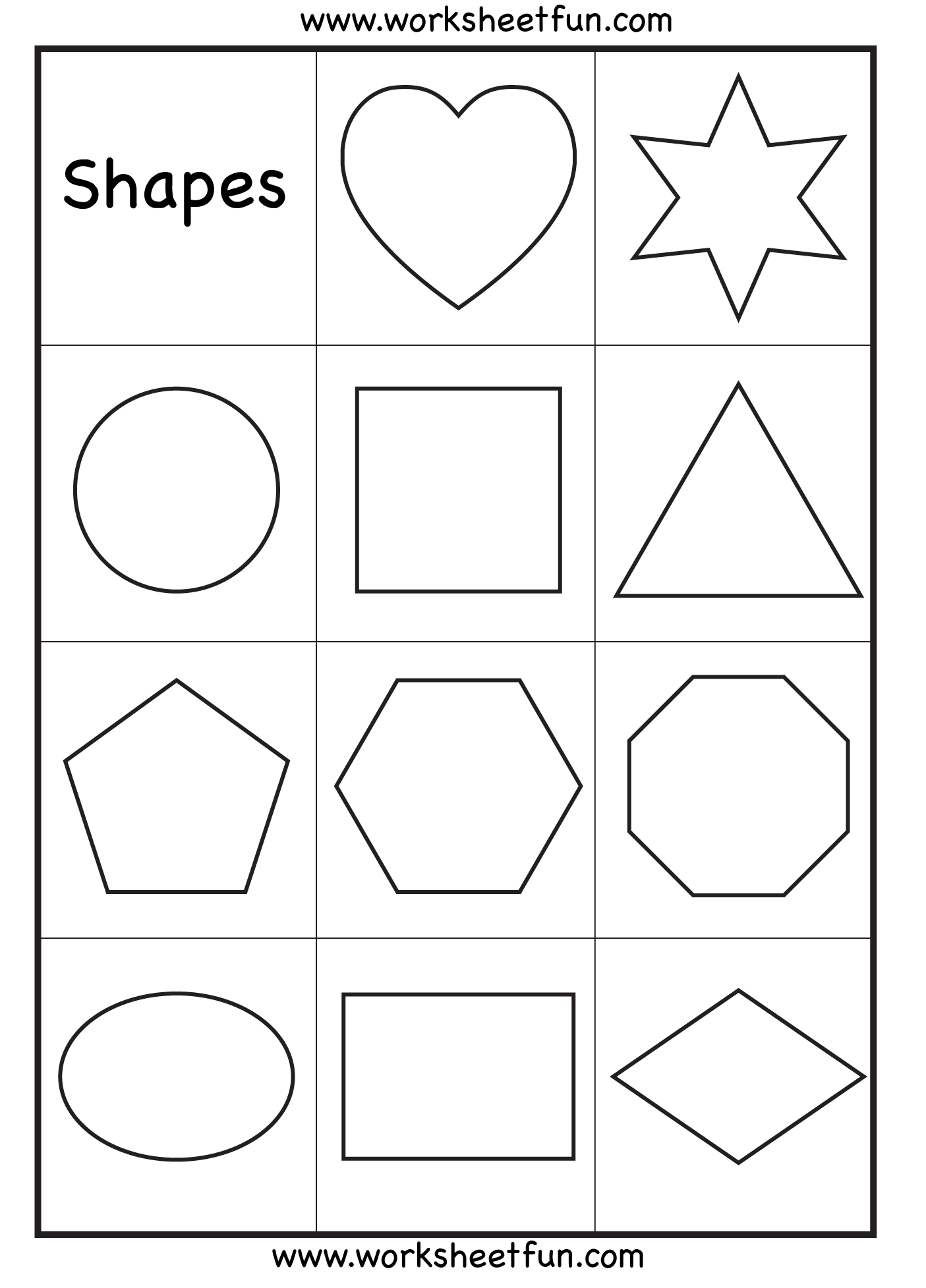
Shapes are the language of the visual world. For preschoolers, mastering this language means learning to recognize and differentiate between basic forms before they can describe them in words. Begin by presenting each shape as a character with its own personality— the sturdy square as a dependable friend, the flexible triangle as an adventurous explorer, the smooth circle as a gentle hug.
Key Characteristics to Highlight
- Vertices: Count the corners; squares and triangles have three or four, circles have none.
- Edges: Notice straight lines versus curved outlines.
- Symmetry: Identify lines that split a shape into mirrored halves.
- Area vs. Perimeter: Introduce the concept in simple terms—how much space a shape covers versus the length around it.
Visual Comparisons
In each worksheet, pair a familiar shape with a less common one to spark discussion. For instance, show a square next to a rectangle to explore the idea of equal sides versus unequal ones. This comparison nudges children to notice subtle differences that reinforce shape vocabulary.
Why Shape Worksheets Matter

Shape recognition is more than a math skill; it is a gateway to spatial reasoning, problem‑solving, and early literacy. When children can name a shape, they build confidence that extends to other domains like science, where they might later identify the symmetry in a butterfly’s wings or the angles in a building’s façade.
Link to Cognitive Development
Research shows that early engagement with shape concepts enhances neural pathways involved in visual‑spatial processing. By repeatedly identifying and tracing shapes, children strengthen memory retention and develop a foundation for more complex topics such as coordinate geometry and measurement.
Building Fine Motor Skills
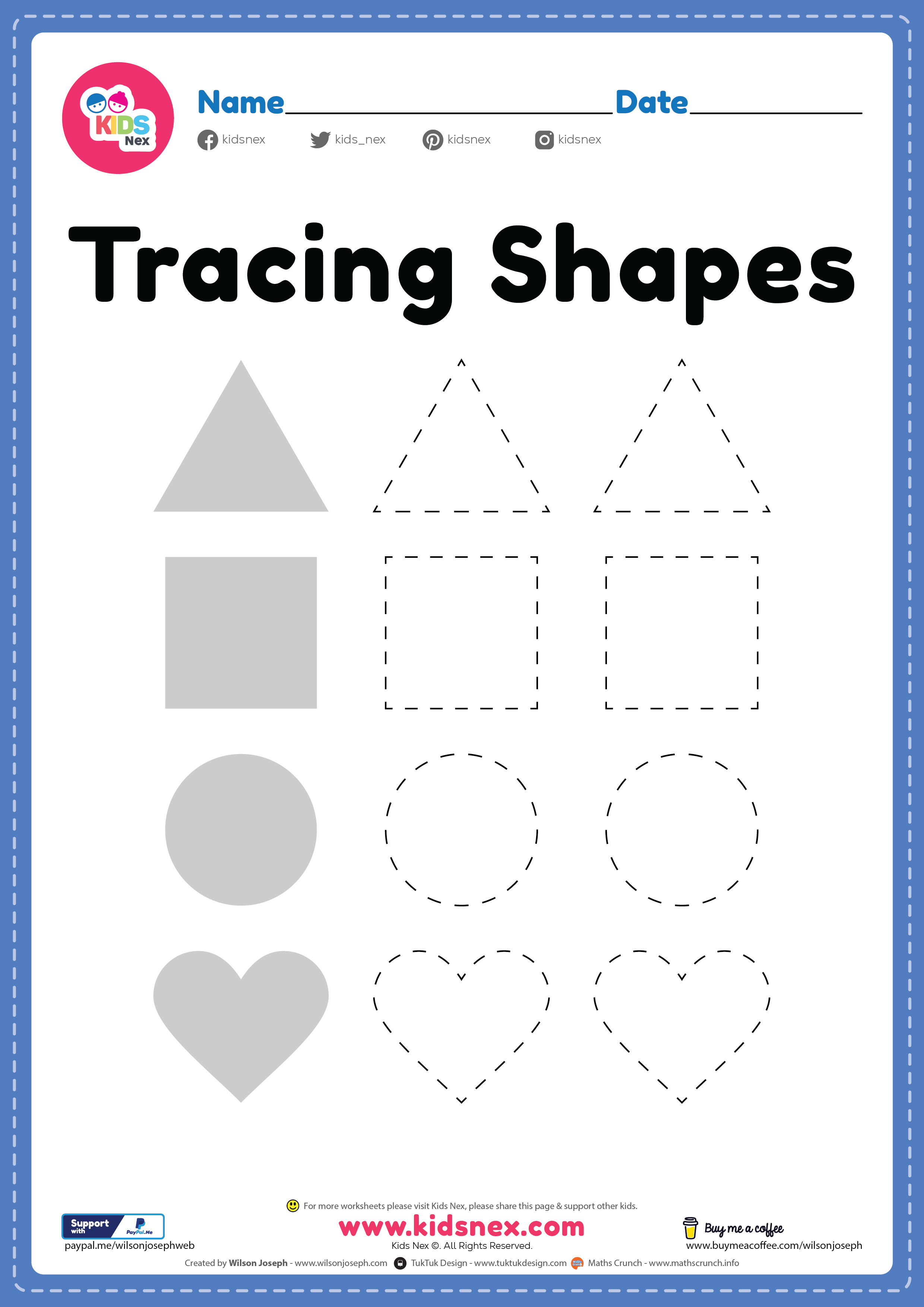
Tracing shapes requires hand‑eye coordination. When a child carefully follows the lines of a circle or a square, they practice precision and control—skills that translate into handwriting, drawing, and even sports.
Creating Effective Preschool Worksheets
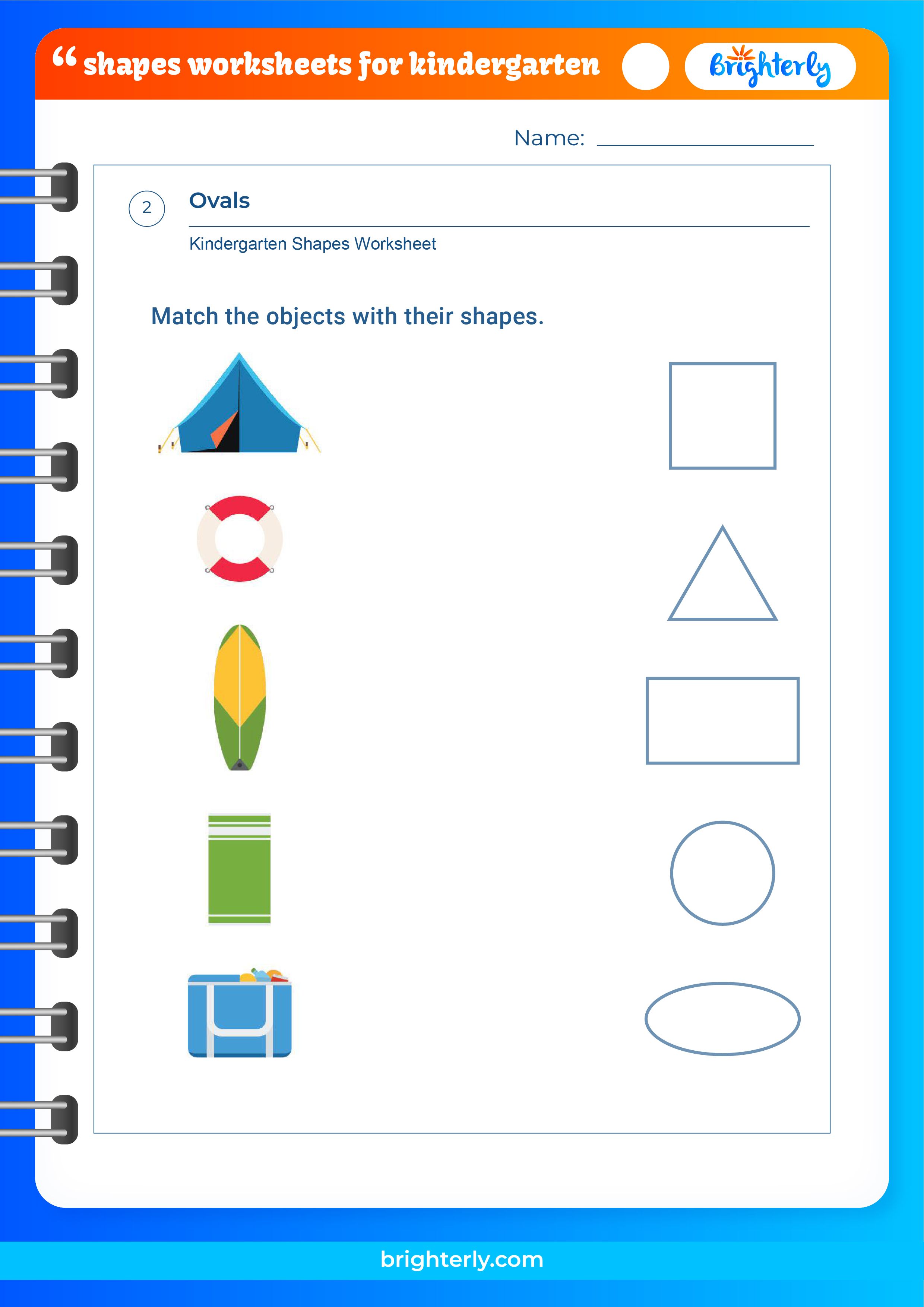
A well‑designed worksheet balances instruction with play. It should not feel like a test but rather a series of small adventures where the child is the hero. The following design principles help maintain engagement while ensuring educational value.
1. Simplicity is Strength
- Use large, bold shapes that dominate the page.
- Avoid cluttering the worksheet with extraneous images or text.
- Keep language simple: “Circle,” “Triangle,” “Square.”
2. Progressive Difficulty
Start with basic identification, then move to more complex tasks: matching, sorting, and eventually creating new shapes by combining existing ones.
3. Interactive Elements
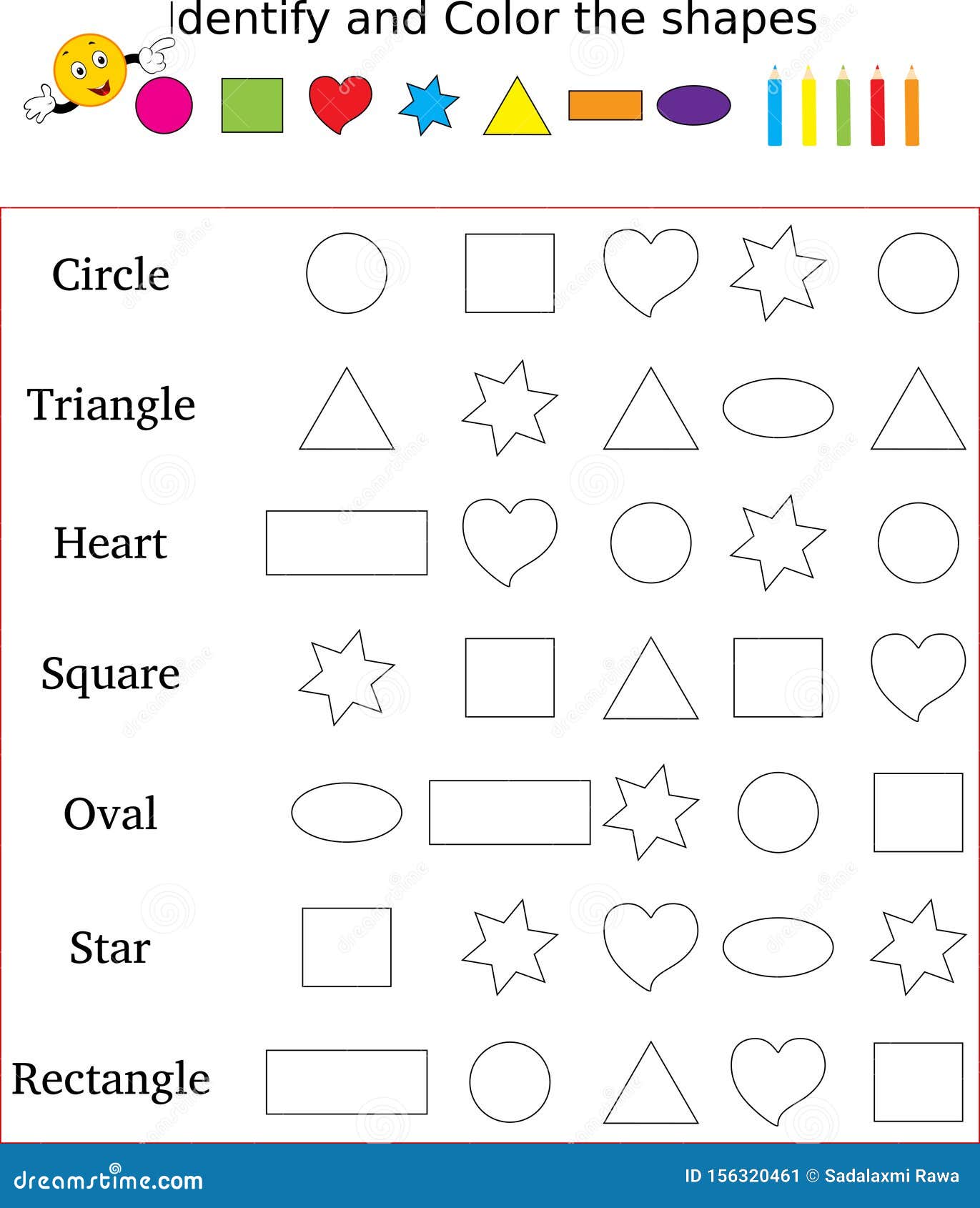
Include activities that require action: “Color the circle red,” “Cut out the triangle,” or “Draw a line from one corner to the other.” Physical interaction keeps the mind alert.
4. Storytelling Hooks
Embed a short narrative that connects shapes to everyday life. For instance, “The little rabbit has a round carrot (circle) and a square hat.” This contextualizes abstract concepts, making them memorable.
Sample Worksheet Ideas

Below are concrete examples that can be adapted to any curriculum. Each idea is described with step‑by‑step instructions, ensuring teachers or parents can quickly implement them.
Shape Bingo
Create a bingo card with shapes in each cell. Call out shape names; children place a sticker or mark the matching shape. This game reinforces recognition while adding competitive excitement.
Tracing Adventure
Provide a set of shapes with partially drawn outlines. Children trace the missing edges, reinforcing hand‑movement patterns. Use thick pencils or crayons to help young fingers grasp better.
Build a Shape City
Give children a collection of printable shape cut‑outs and ask them to assemble a cityscape. They can stack squares for houses, triangles for roofs, circles for traffic signs. This creative activity merges spatial reasoning with imaginative play.
Pattern Sequencing
Arrange shapes in a repeating pattern such as circle-square-triangle. Ask children to continue the sequence, testing their memory and predictive skills.
Color by Shape
Provide a page where each shape is associated with a color. Children match colors to shapes, reinforcing both shape identification and color recognition.
Printable Tips & Resources

While custom worksheets can be crafted digitally or on paper, printable resources save time and allow for consistent quality. Follow these guidelines to keep your prints effective.
Paper Quality
Choose thick cardstock to withstand frequent handling. A heavier sheet also adds a tactile dimension that children appreciate.
Color Scheme
Use high‑contrast colors: black lines on a white background maximize legibility. When coloring, ensure the hues are vibrant yet not too bright to avoid overstimulation.
Durability
Laminate worksheets that will be reused. Laminated surfaces are easy to wipe clean and resist tearing.
Distribution Formats
Provide worksheets in both PDF and JPG formats. PDFs preserve vector lines for crisp printing, while JPGs are universally accessible on mobile devices.
Engaging Activities for At‑Home Learning

When preschoolers return home with a set of shape worksheets, the learning journey can continue in a relaxed environment. Parents and caregivers can turn routine moments into educational opportunities.
Kitchen Shape Hunt
Invite children to spot shapes around the kitchen: the round plate, rectangular cutting board, or triangular pizza slice. Encourage them to draw or photograph each shape and discuss its name afterward.
Nature Shapes
During outdoor walks, ask children to find leaf shapes, rock formations, or cloud silhouettes that resemble basic shapes. This links the curriculum to the natural world.
Music and Movement
Play a rhythm game where children must hop in a shape’s outline drawn on the floor with chalk. This blends auditory and kinesthetic learning.
Storytime Shape Challenge
Read a picture book that highlights shapes, then ask children to identify them in the illustrations. A simple quiz after reading keeps the focus on shape recognition.
Assessment and Progress Tracking
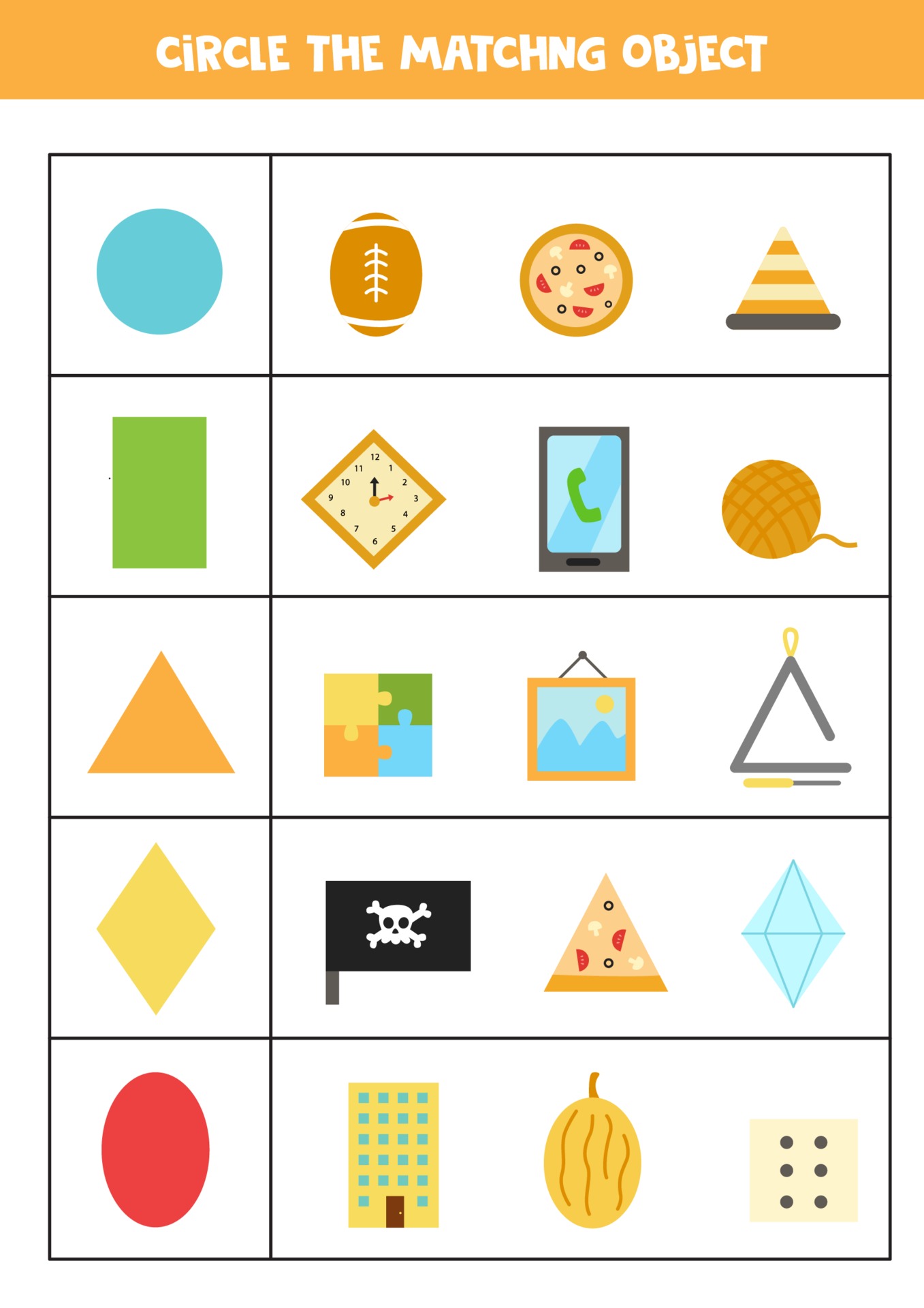
Measurement of progress is essential for both educators and parents. A structured approach to assessment ensures that each child’s strengths are nurtured and areas for improvement are addressed.
Observation Checklists
- Can the child name a shape after seeing it?
- Does the child correctly trace a shape’s outline?
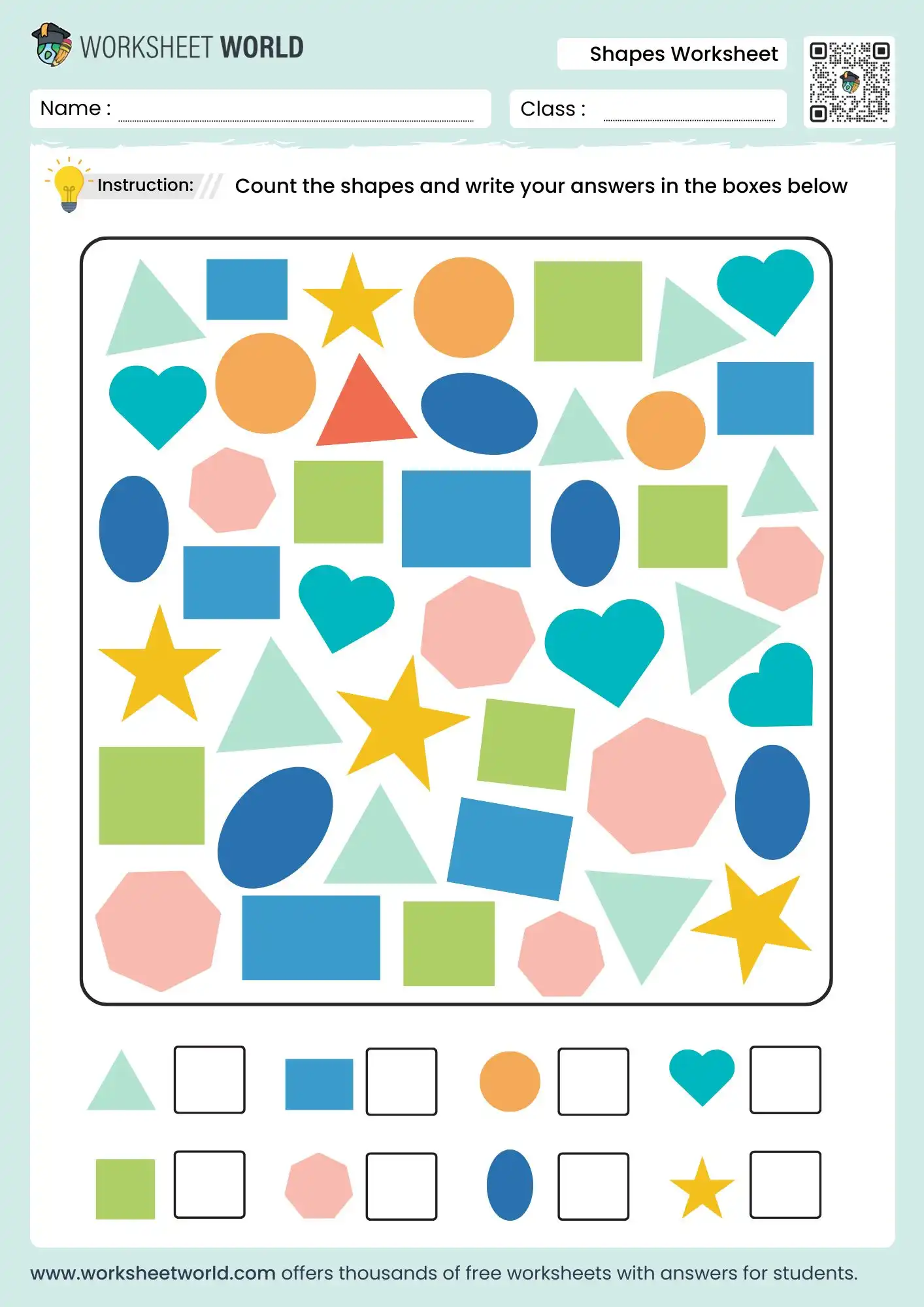
- Is the child able to sort shapes by category?
- Does the child demonstrate understanding of shape properties (edges, vertices)?
Portfolio Creation
Encourage children to keep a simple portfolio of their completed worksheets. A visual record shows growth over time and provides motivation for continued learning.
Parent–Teacher Conferences
Share insights from observation checklists during meetings. Discuss strategies to reinforce shape recognition, such as incorporating shape games into daily routines.
Self‑Reflection Activities
As children grow older, involve them in reflecting on their own work: “Which shapes did I draw correctly?” or “What shapes am I still practicing?” This promotes metacognition.
Conclusion

Shape recognition is more than a preschool milestone; it is the cornerstone upon which children build spatial reasoning, fine motor control, and a lifelong love of learning. By integrating thoughtfully designed worksheets, engaging at‑home activities, and consistent assessment, educators and families create an ecosystem where shape understanding thrives. Let the simple act of tracing a circle or matching a triangle spark a journey that leads from the sandbox to the science lab, from a crayon doodle to the blueprint of a future engineer. With Worksheet For Shapes For Preschool as your compass, you guide little minds through the shadows into the bright, unmistakable light of geometric confidence.