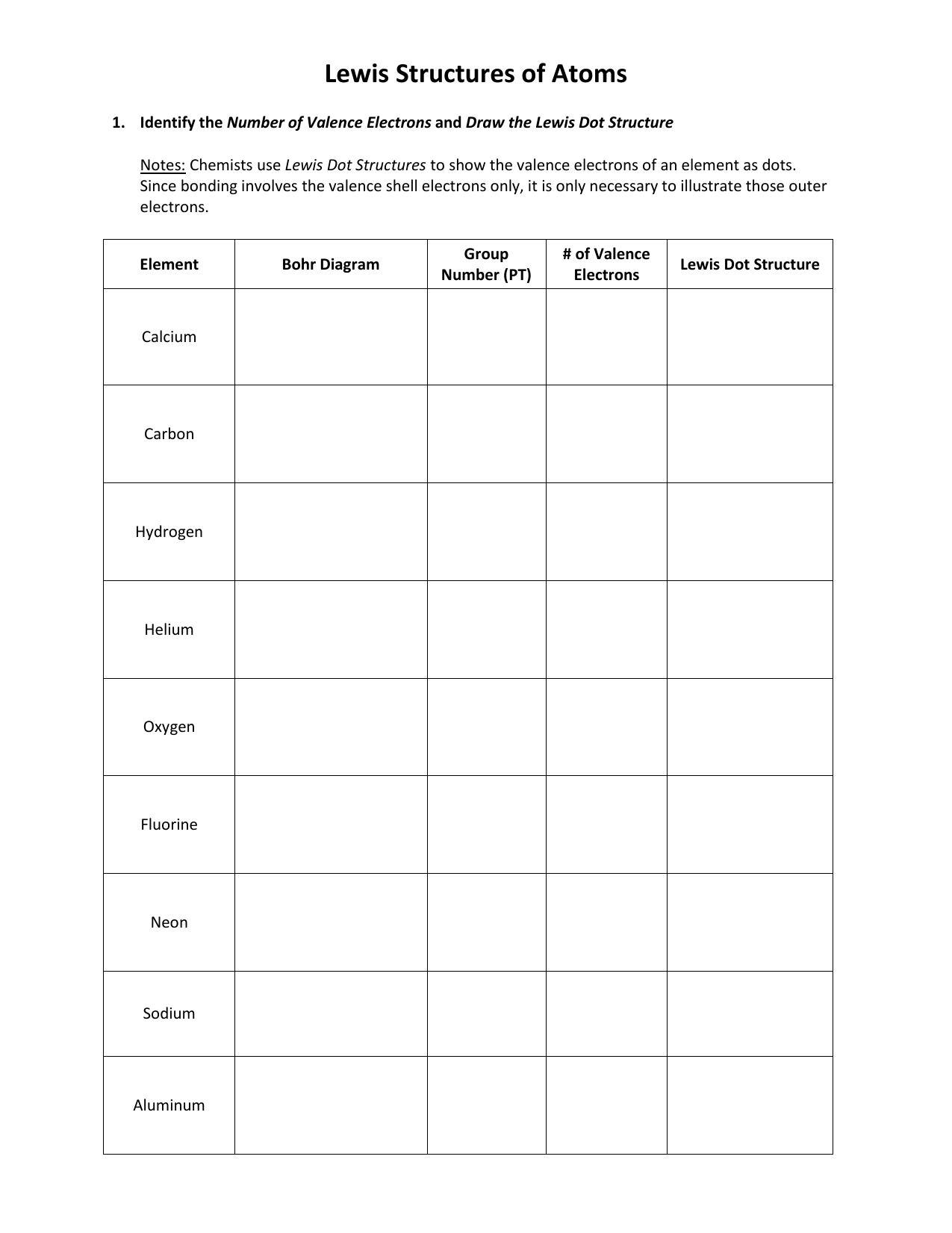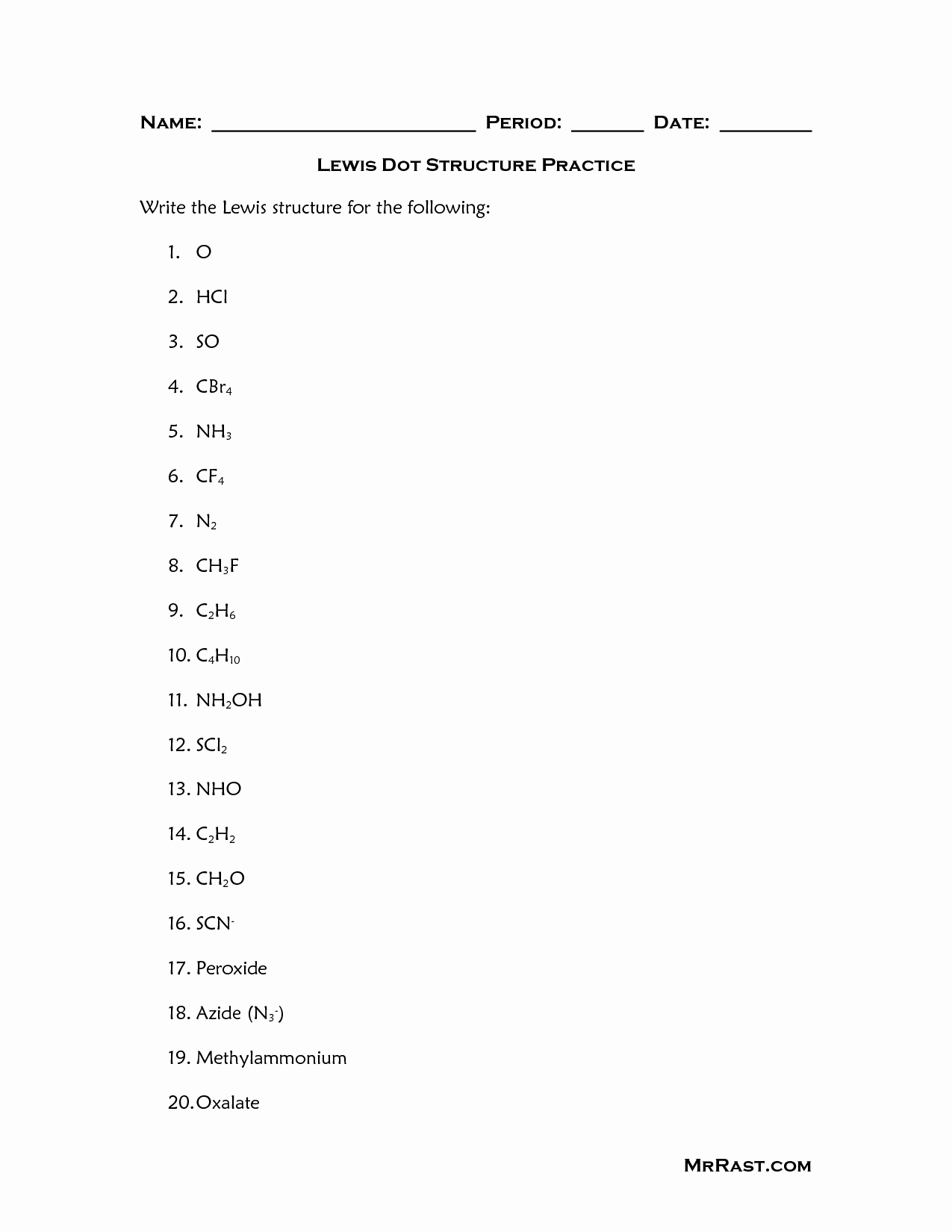
Worksheet On Lewis Dot Structure serves as a foundational tool for chemistry students, turning abstract bonding concepts into visual, concrete practice. By repeatedly applying the rules for arranging valence electrons, learners not only master the art of drawing molecular skeletons but also gain insight into molecular shape, polarity, and reactivity. Below is a detailed guide that walks through the core principles, offers actionable tips, and showcases real‑world examples—all crafted to maximize engagement and clarity.
Why Lewis Dot Structures Matter

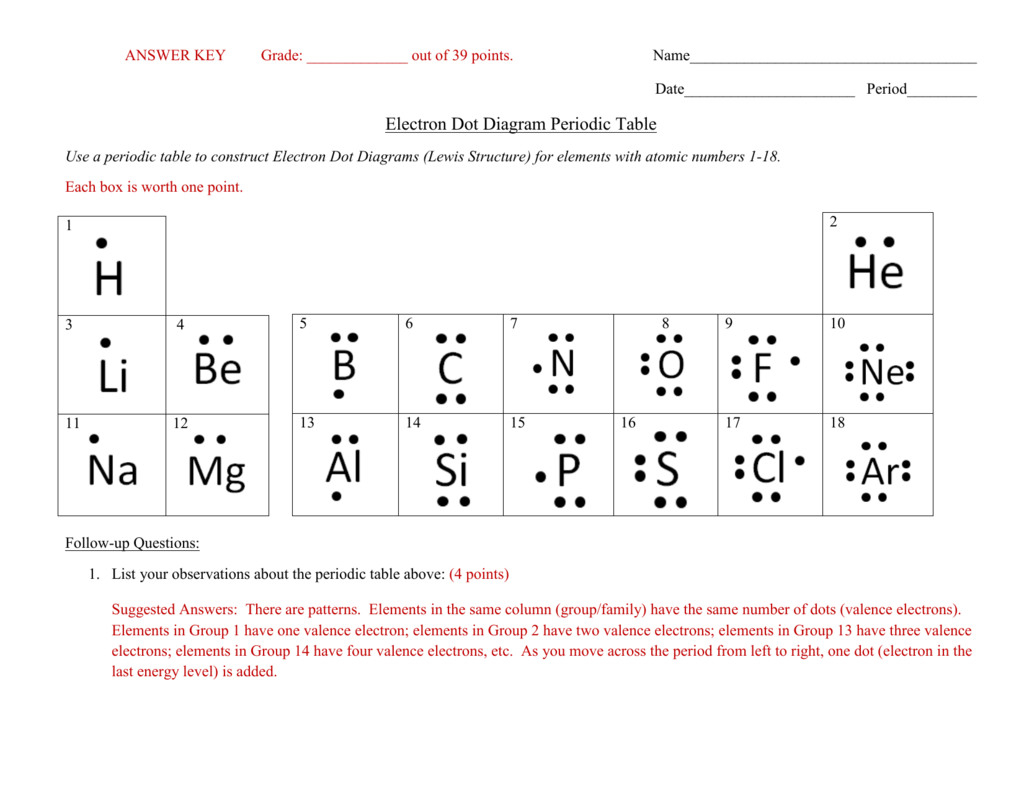
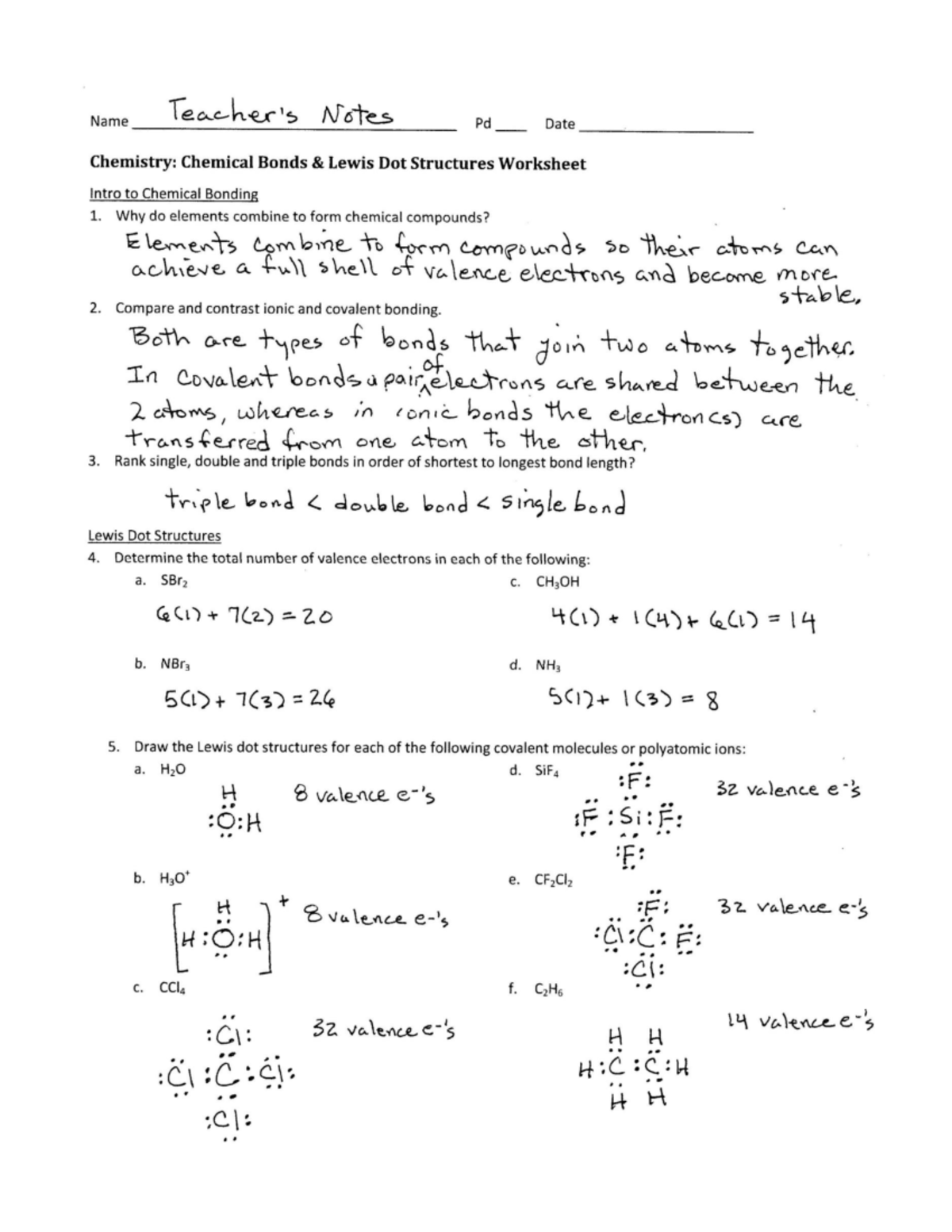
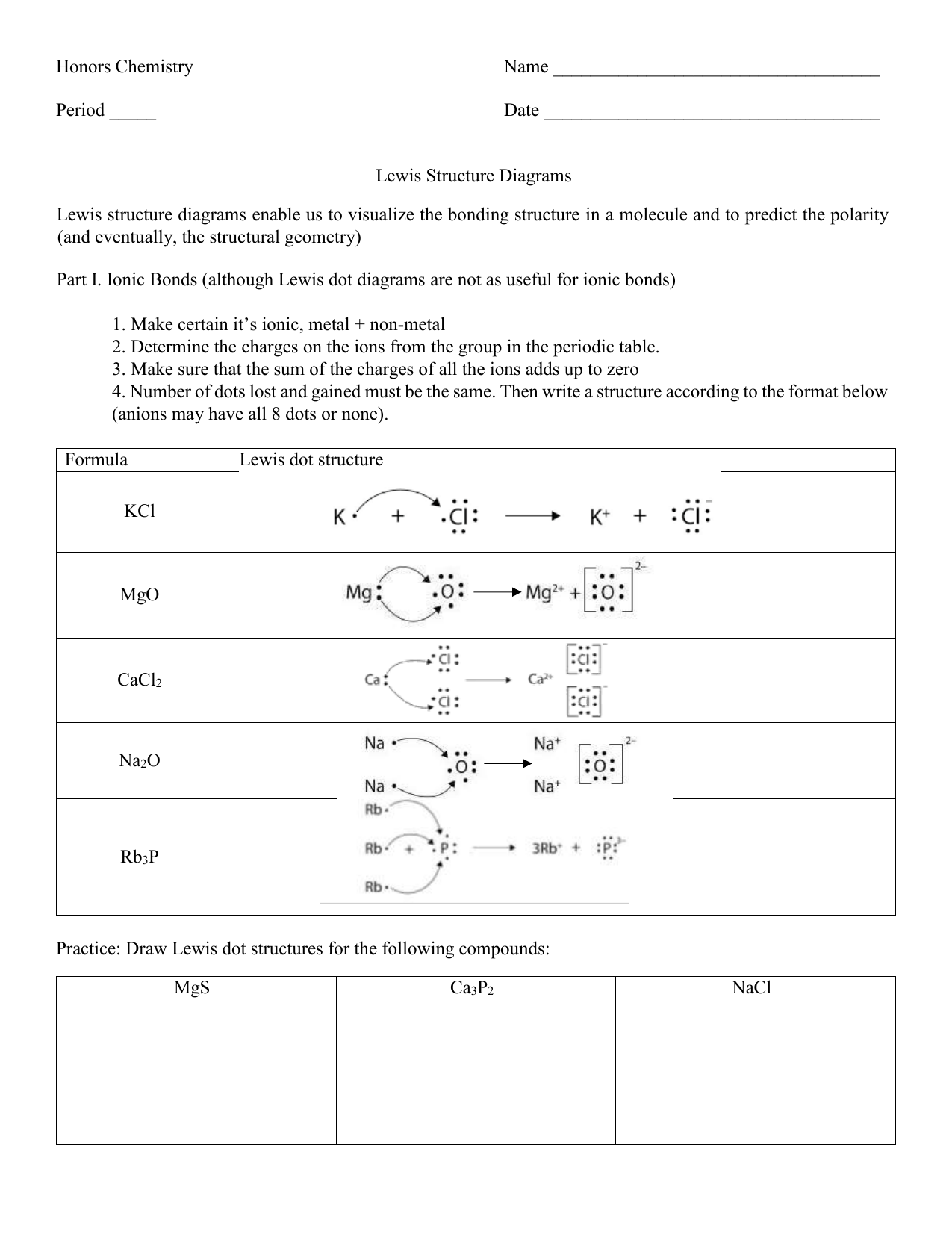
Lewis dot structures translate the invisible world of electrons into a simple, diagrammatic language. This representation:
- Reveals how atoms share, donate, or accept electrons.
- Predicts the presence of lone pairs that influence molecular geometry.
- Helps estimate formal charges, guiding the construction of the most stable structure.
- Forms the baseline for advanced concepts such as VSEPR theory, resonance, and electron‑deficient bonding.
Consequently, proficiency in drafting these diagrams becomes the bedrock for any chemistry curriculum, from high school labs to graduate research.
Common Misconceptions and How to Avoid Them

Even seasoned students sometimes stumble over subtle pitfalls:
Electron Counting Errors
Many forget to include the contribution from halogens or transition metals, leading to incorrect structures.
Misplaced Lone Pairs
Students often place lone pairs too early, resulting in impossible bond orders or unrealistic formal charges.
Ignoring Resonance
Skipping resonance can oversimplify molecules like nitrate or acetate, masking the true electron distribution.
Recognizing these traps enables students to refine their technique and produce accurate diagrams consistently.
Step‑by‑Step Guide to Drawing Lewis Dot Structures

Mastering the process involves a disciplined, systematic approach. The following steps outline a reliable method:
1. Identify Total Valence Electrons
Count each element’s valence electrons using the periodic table group number. Sum them and adjust for charges if the ion is charged:
- Neutral atom example: Oxygen (Group 16) = 6 electrons.
- Positive ion example: Nitrate (NO₃⁻) starts with 24 electrons, then add one for the negative charge.
2. Draw a Skeleton
Place the central atom, typically the least electronegative (except when heteroatoms demand otherwise). Connect atoms with single bonds using two shared electrons.
3. Add Lone Pairs and Fill Octets
Distribute remaining electrons as lone pairs around terminal atoms, then finish with the central atom. If electrons remain, add additional bonds—double or triple—while respecting the octet rule.
4. Check Formal Charges
Calculate formal charge = (valence electrons) – (nonbonding electrons) – (1/2 × bonding electrons). Aim for structures where charges are minimized or balanced.
5. Consider Resonance
When multiple valid arrangements exist, combine them into a resonance hybrid. This gives a more accurate depiction of electron delocalization.
Types of Molecules and Practical Examples

Single Bonded Molecules
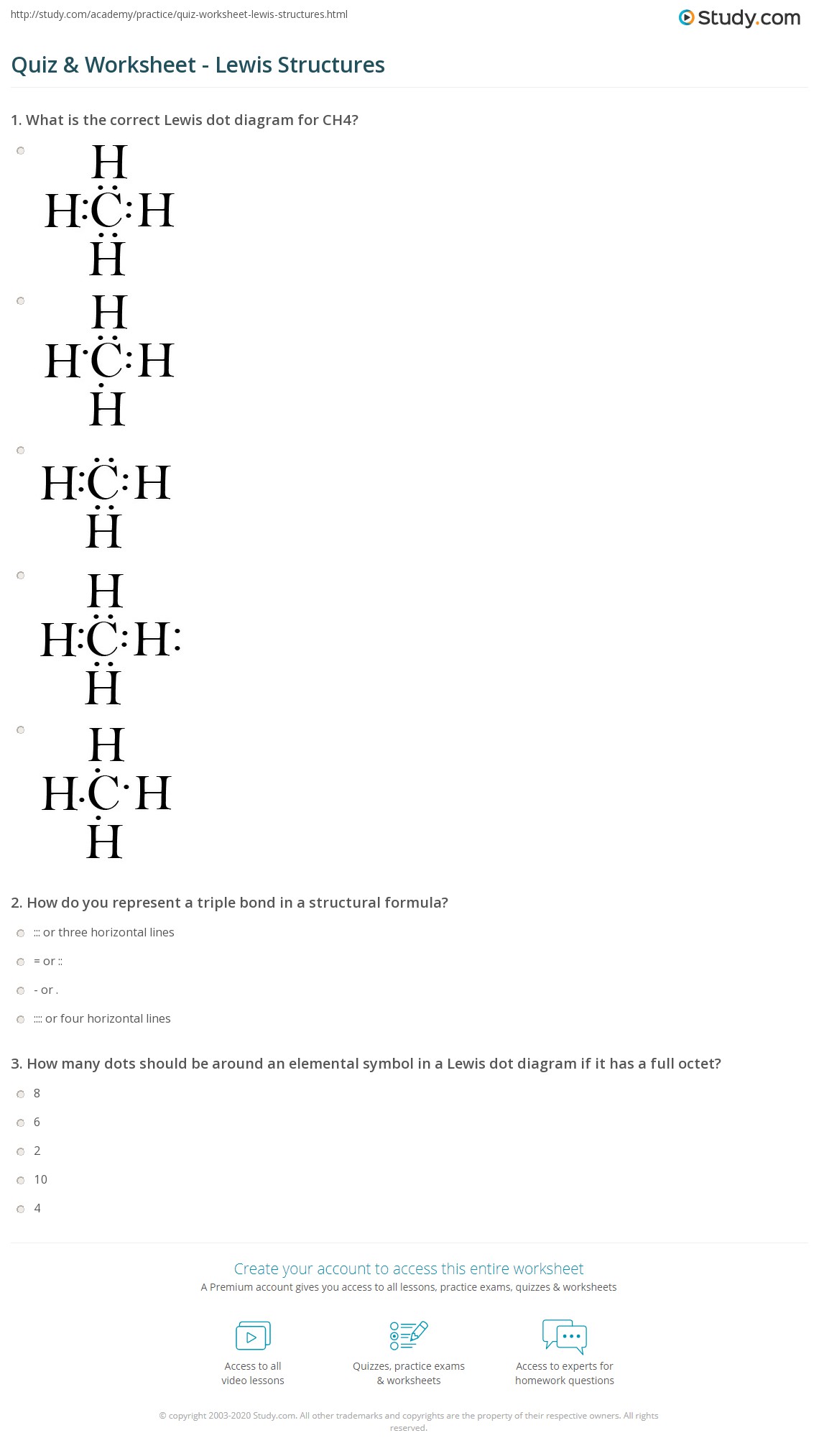
Methane (CH₄) is the simplest case. All hydrogen atoms share a single bond with carbon, filling carbon’s octet with two lone pairs each on hydrogen.
Double Bonded Molecules
Ethene (C₂H₄) features a double bond between two carbons, each sharing four electrons. Lone pairs reside only on hydrogen.
Triple Bonded Molecules
Acetylene (C₂H₂) illustrates a triple bond: six shared electrons between carbons, with each carbon also bonded to one hydrogen.
Aromatic Systems
In benzene (C₆H₆), resonance delocalizes six π electrons over the ring, yielding a hybrid structure with alternating double bonds and aromatic stability.
How to Use Worksheets Effectively

Practice worksheets are more than repetition—they’re strategic tools. Follow these guidelines to maximize learning:
Select Problems that Target Weaknesses
Choose worksheets covering diverse molecule types (organic, inorganic, charged) to ensure comprehensive coverage.
Self‑Check with Formal Charge Analysis
After drawing, verify formal charges. If the result seems unrealistic, revisit electron placement or bond order.
Peer Review and Discussion
Exchange worksheets with classmates. Explaining your reasoning reinforces understanding and uncovers alternative approaches.
Use Visual Aids Sparingly
Illustrative diagrams help, but overreliance can mask errors. Always construct the structure from first principles before referencing examples.
Advanced Topics: When the Octet Rule Breaks

Hypervalent Species
Molecules like SF₆ or Cl₂O₇ exceed eight electrons around a central atom. Use expanded octet rules to draw realistic structures.
Electron‑Deficient Molecules
Compounds such as BCl₃ lack a full octet. Represent these with formal charges and recognize their tendency to accept electron pairs.
Common Mistakes and How to Fix Them
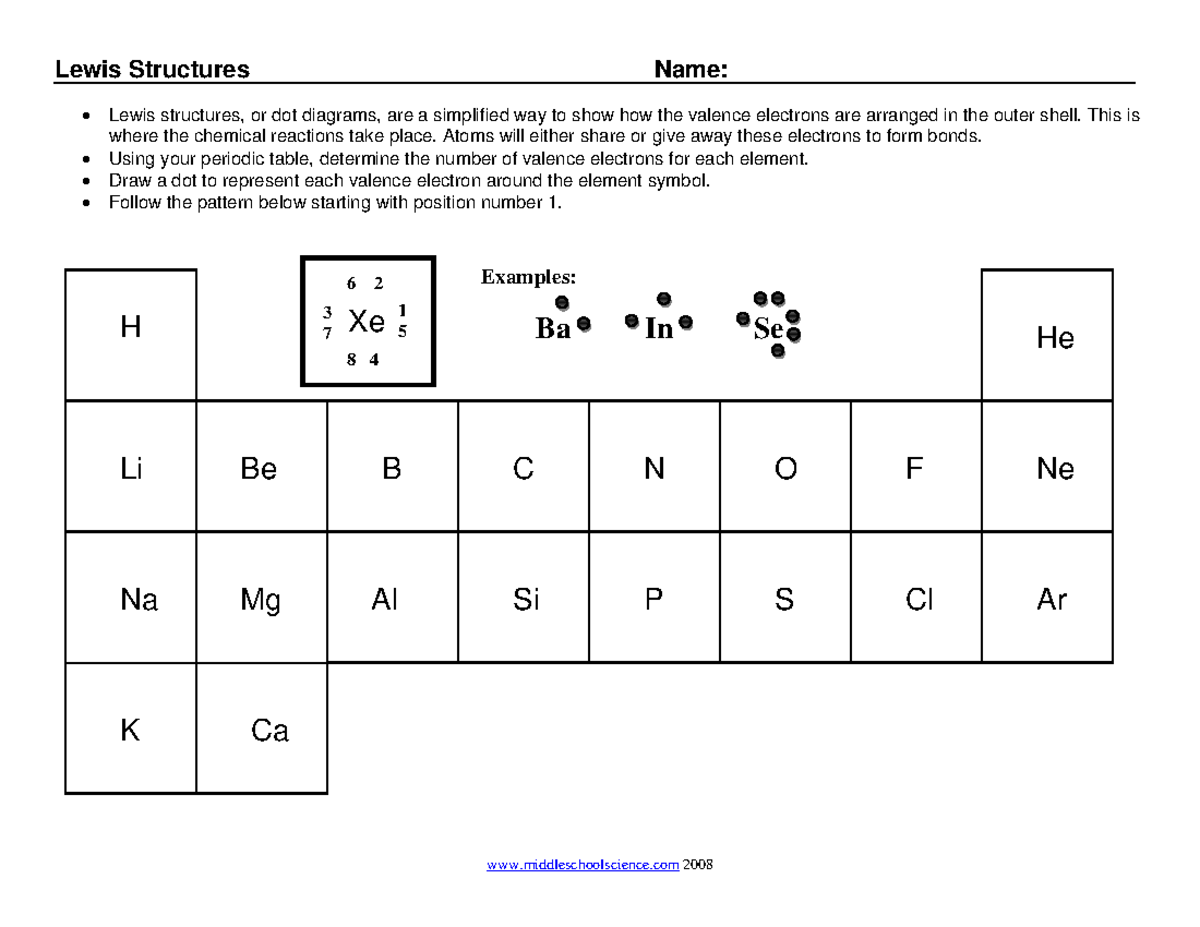
- Under‑counting Electrons: Double‑check the valence count, especially for nonmetals like nitrogen and oxygen.
- Incorrect Bond Orders: Avoid adding extra bonds that create impossible oxidation states.
- Ignoring Formal Charges: A structure with balanced charges is often more accurate than one that simply satisfies octets.
- Overlooking Resonance: For ions such as NO₂⁻, consider resonance to distribute charges evenly.
Resources for Further Learning

While worksheets provide practice, supplementing with other resources enriches comprehension:
- Standard chemistry textbooks featuring worked examples.
- Interactive software that visualizes Lewis structures dynamically.
- Online forums and study groups where students can pose challenging problems.
Conclusion
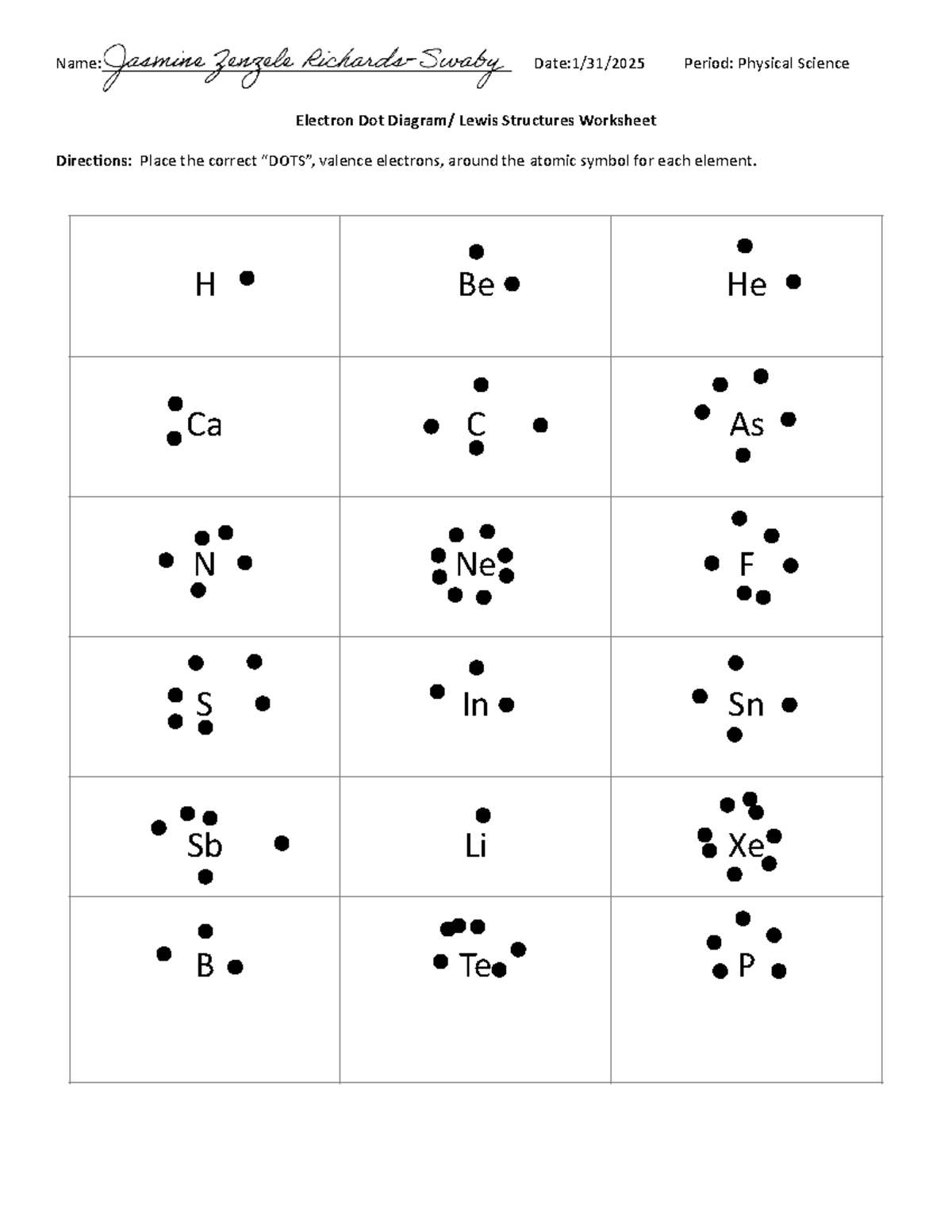
Mastering the Worksheet On Lewis Dot Structure is more than an academic exercise—it’s a gateway to understanding molecular behavior at a fundamental level. By methodically counting valence electrons, building skeletons, and verifying formal charges, students develop a reliable skill set. Practice with diverse molecules, stay vigilant against common pitfalls, and explore advanced cases like hypervalent or electron‑deficient species. Through consistent application, the seemingly simple dots and lines become a powerful language that unlocks the mysteries of chemical bonding and reactivity.