Worksheet On Unit Circle is the essential bridge between theory and practice for students learning trigonometry. When students grasp how the unit circle anchors the sine, cosine, and tangent functions, they unlock powerful problem‑solving tools for geometry, calculus, and real‑world applications. In this guide, I’ll walk you through why the unit circle matters, how worksheets enhance learning, and how to design or choose effective worksheets that keep students engaged and confident.
Understanding the Core Concepts of the Unit Circle

Why the Unit Circle is a Trigonometric Keystone
The unit circle—a circle with a radius of one—serves as a visual representation of trigonometric relationships. By mapping angles in radians or degrees to coordinates (x, y) on the circle, we instantly discover that the x‑coordinate is cosine and the y‑coordinate is sine for a given angle. This simple yet profound insight lets students move effortlessly between algebraic equations and geometric intuition.
Key Features Every Student Should Master
- Reference Angles: Recognizing the acute angle that corresponds to each quadrant allows quick computation of sine and cosine signs.
- Special Angles: Mastering 0°, 30°, 45°, 60°, and 90° (and their radian equivalents) provides a foundation for approximating values of other angles.
- Symmetry and Periodicity: Understanding how the sine and cosine waves repeat every 360° (or 2π radians) helps with graphing and solving equations.
- Unit Circle Properties: Knowing that any point on the circle satisfies \(x^2 + y^2 = 1\) offers a quick check for coordinate accuracy.
Benefits of Targeted Worksheet Practice

Reinforces Conceptual Understanding
When students solve problems that require locating points on the unit circle or deriving trigonometric values from known angles, they translate abstract definitions into concrete answers. Worksheets that mix direct value retrieval, graph interpretation, and algebraic manipulation deepen this understanding.
Builds Computational Fluency
Repeatedly calculating sine, cosine, and tangent for various angles—especially those that aren’t standard—instills a muscle memory that serves students in higher math courses, physics, engineering, and even music theory.
Prepares for Real‑World Applications
From navigation to signal processing, the unit circle underlies many applied fields. Worksheets that tie trigonometric identities to practical problems—such as calculating projectile trajectories or designing periodic waveforms—give students a sense of relevance and motivate persistent practice.
How to Choose or Build an Effective Worksheet

Identify the Learning Objectives
Before drafting a worksheet, ask what skills you want students to acquire. Are you focusing on memorizing values, interpreting graphs, or solving equations? Clear goals ensure the questions align with curriculum standards and student needs.
Balance Question Types
- Fill‑In The Blank: Quick checks for specific values or signs.
- Multiple Choice: Assess understanding of relationships and allow quick grading.
- Open‑Ended Calculations: Encourage derivations and show working steps.
- Graphing Tasks: Ask students to plot angles or identify symmetry.
- Real‑World Scenarios: Embed unit circle concepts into physics or engineering contexts.
Use Visual Aids Wisely
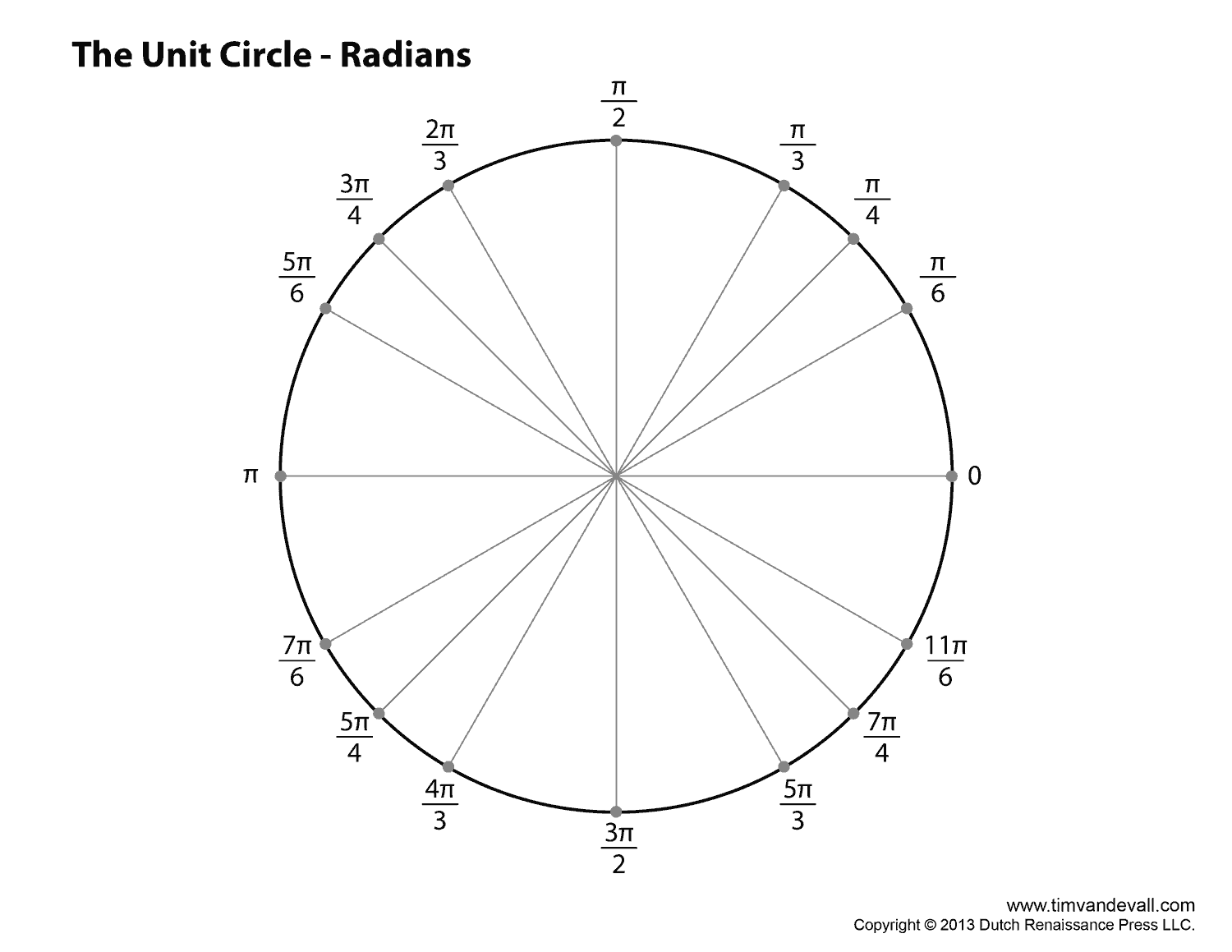
Incorporating clear, labeled unit circle diagrams helps students orient themselves. The worksheet should prompt students to identify points, annotate angles, and mark reference angles. When working digitally, interactive cutouts or draggable elements can elevate engagement.
Progressive Difficulty and Scaffolding
Start with easy retrieval problems, then transition to mixed‑operations and finally to multi‑step applications. Each section should build confidence, ensuring students are not overwhelmed but continually challenged.
Include Reflection and Self‑Assessment Sections
Add a small space where students can note what they found difficult or what strategies helped them. This metacognitive component reinforces learning and provides teachers with insight into individual progress.
Sample Worksheet Structure
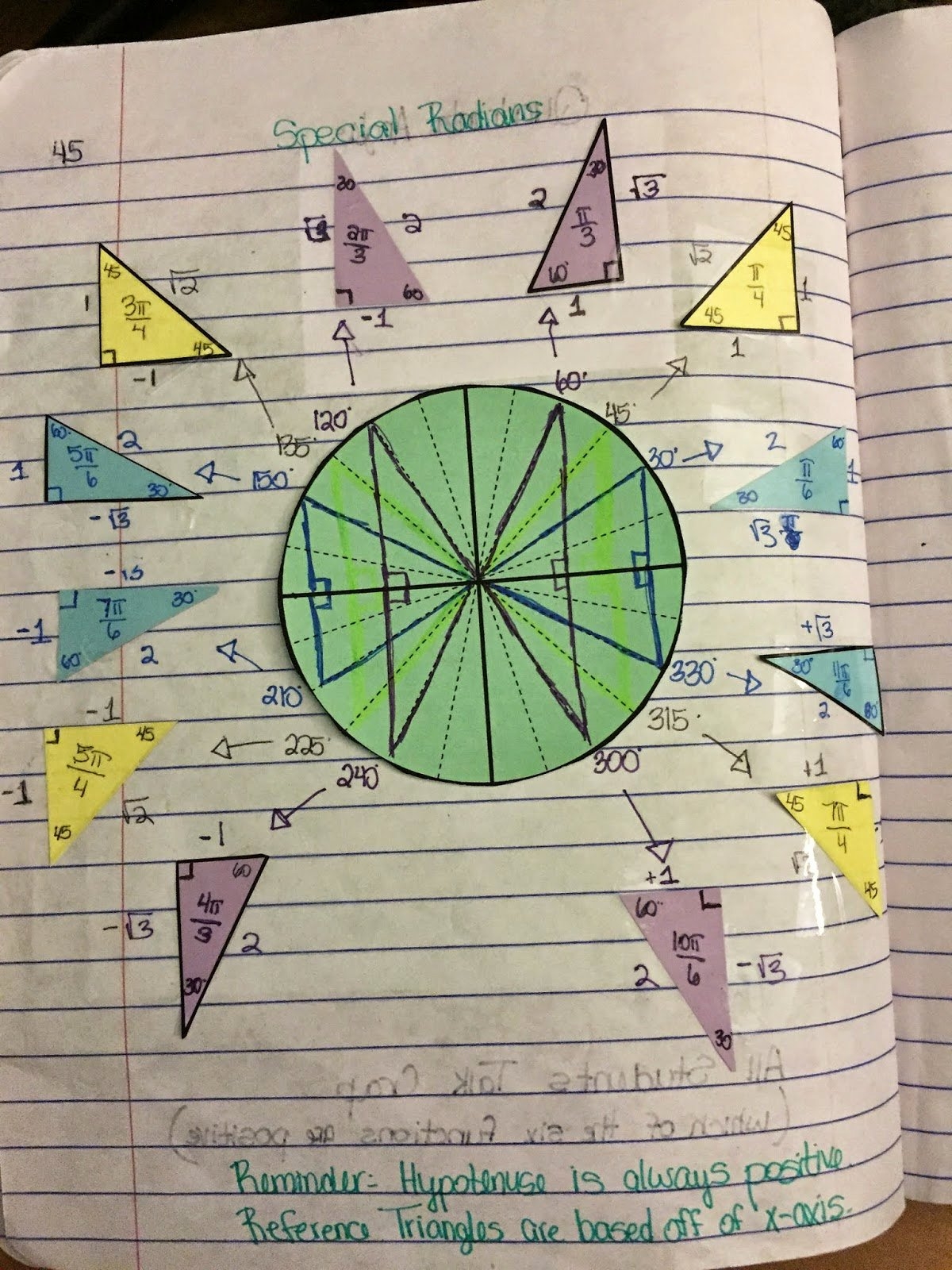
Section 1: Basic Angle Identification
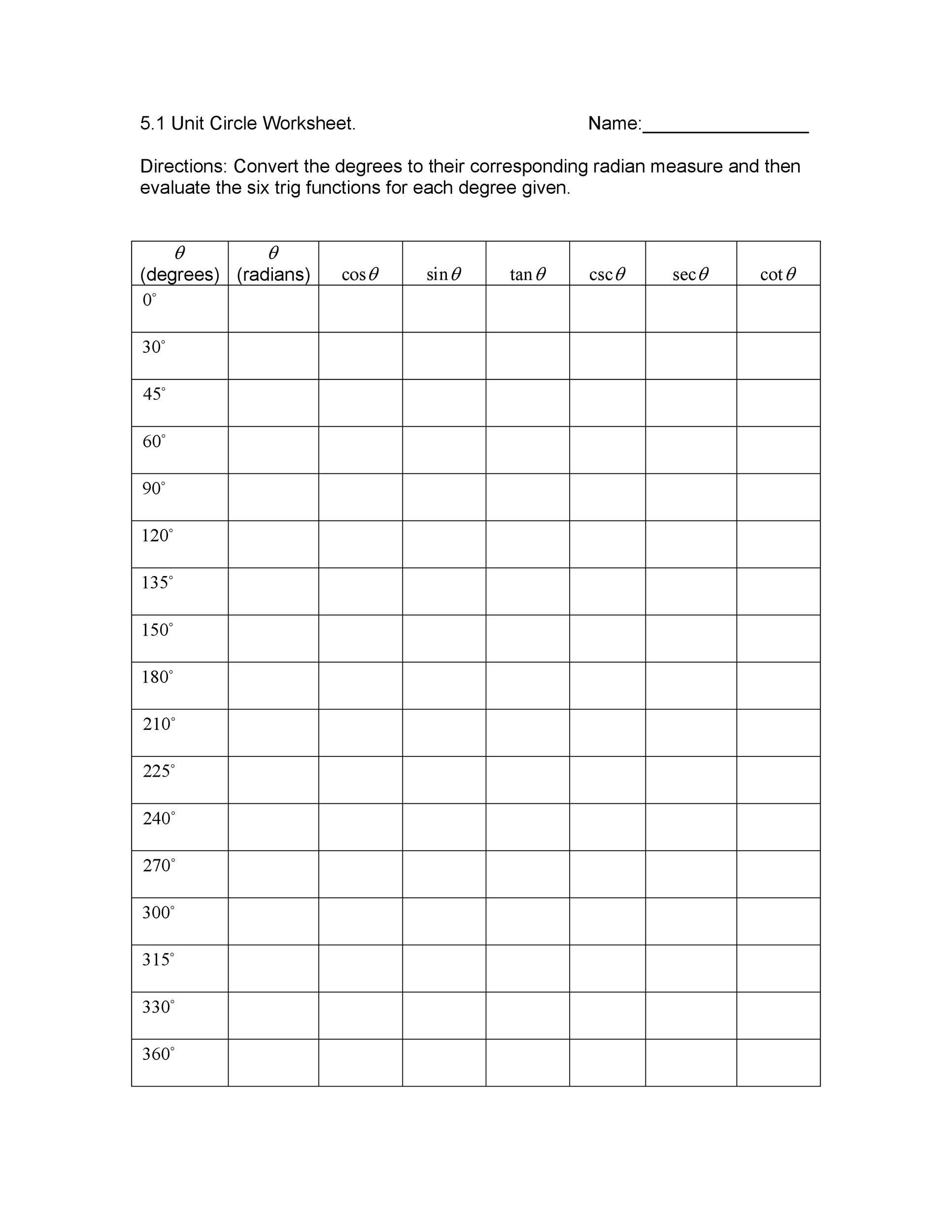
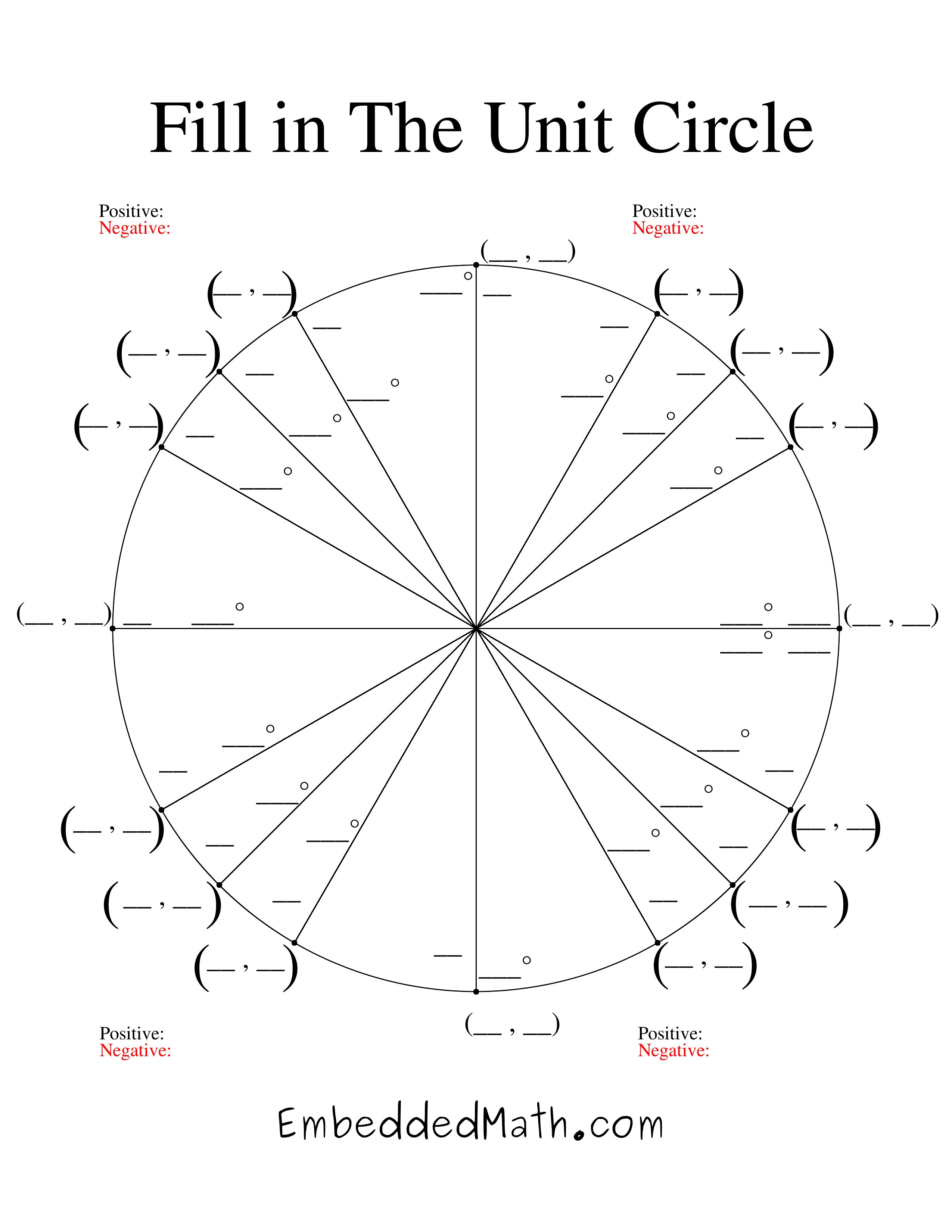
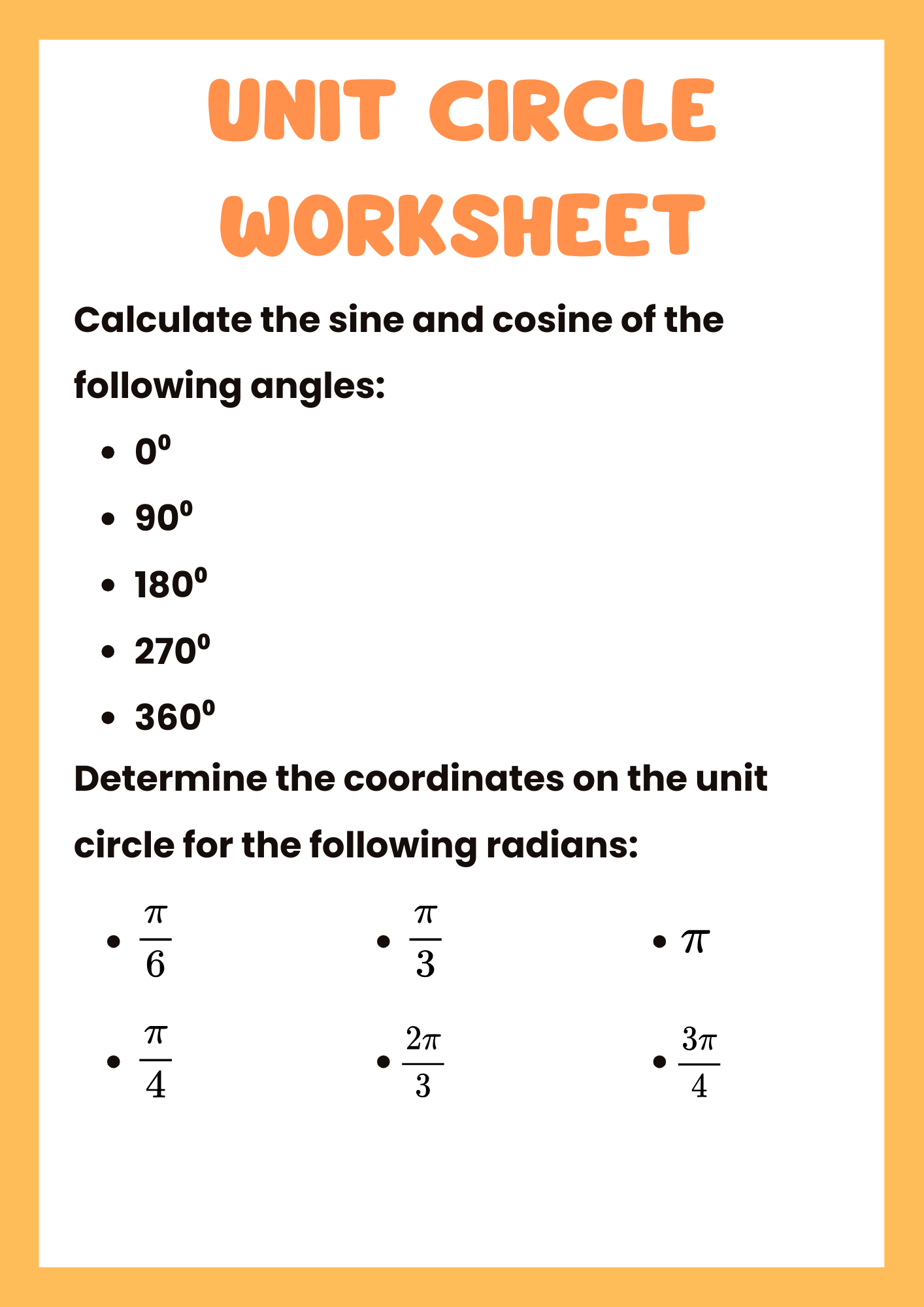
Students are presented with a standard unit circle and asked to label the coordinates for angles 0°, 30°, 45°, 60°, 90°, 180°, 270°, and 360° in both degrees and radians. This section tests recognition and basic value recall.
Section 2: Reference Angle Challenges
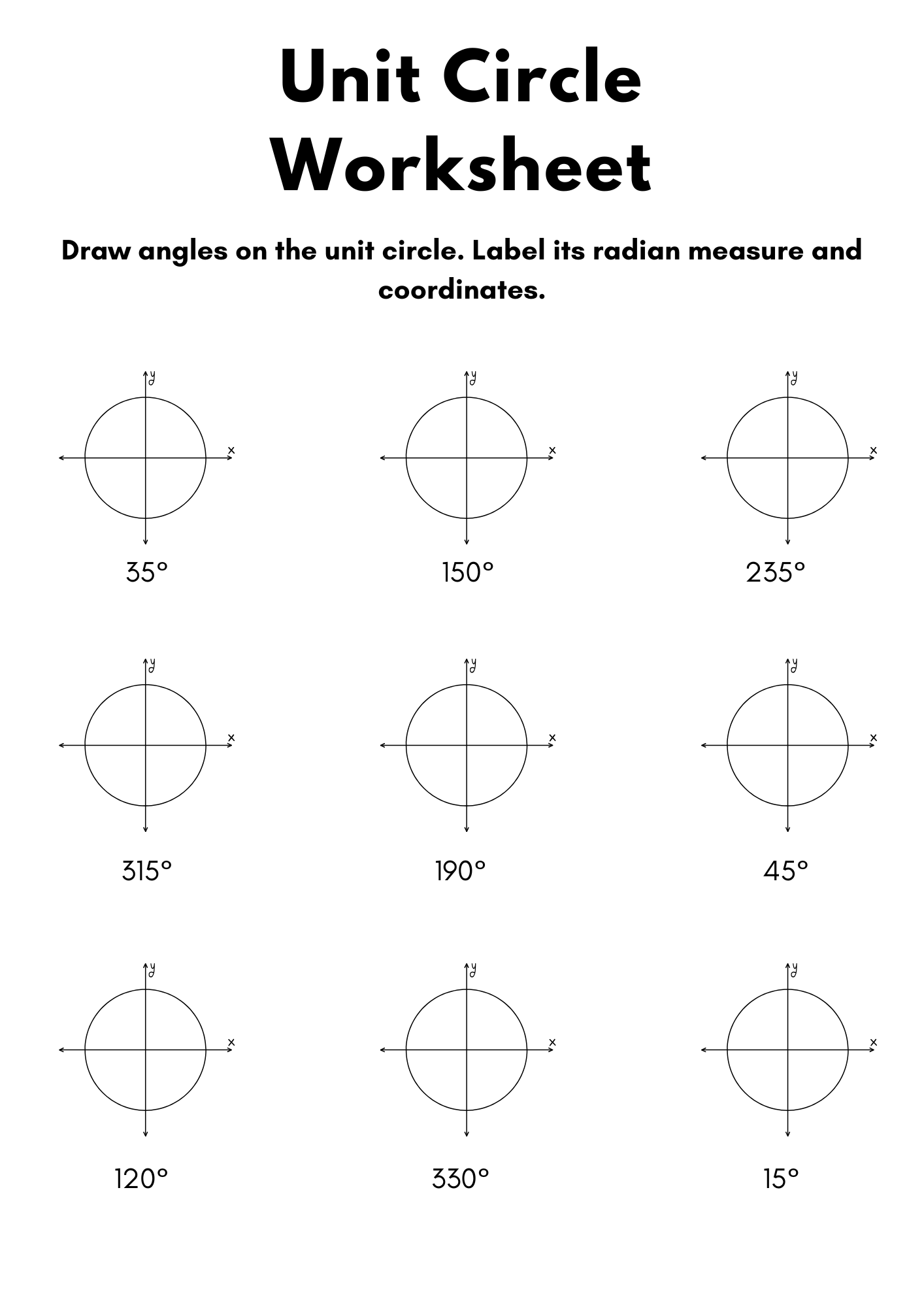
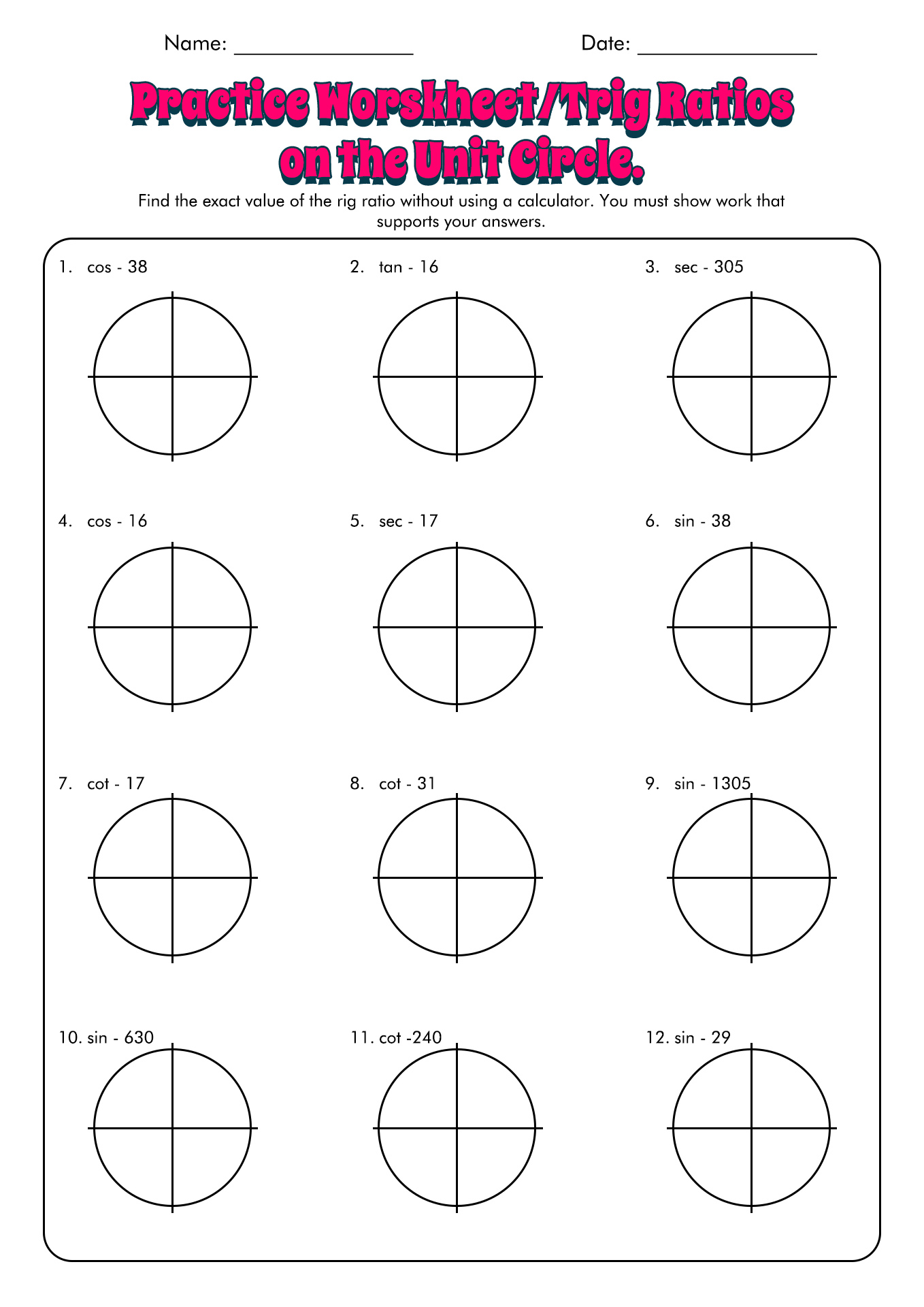
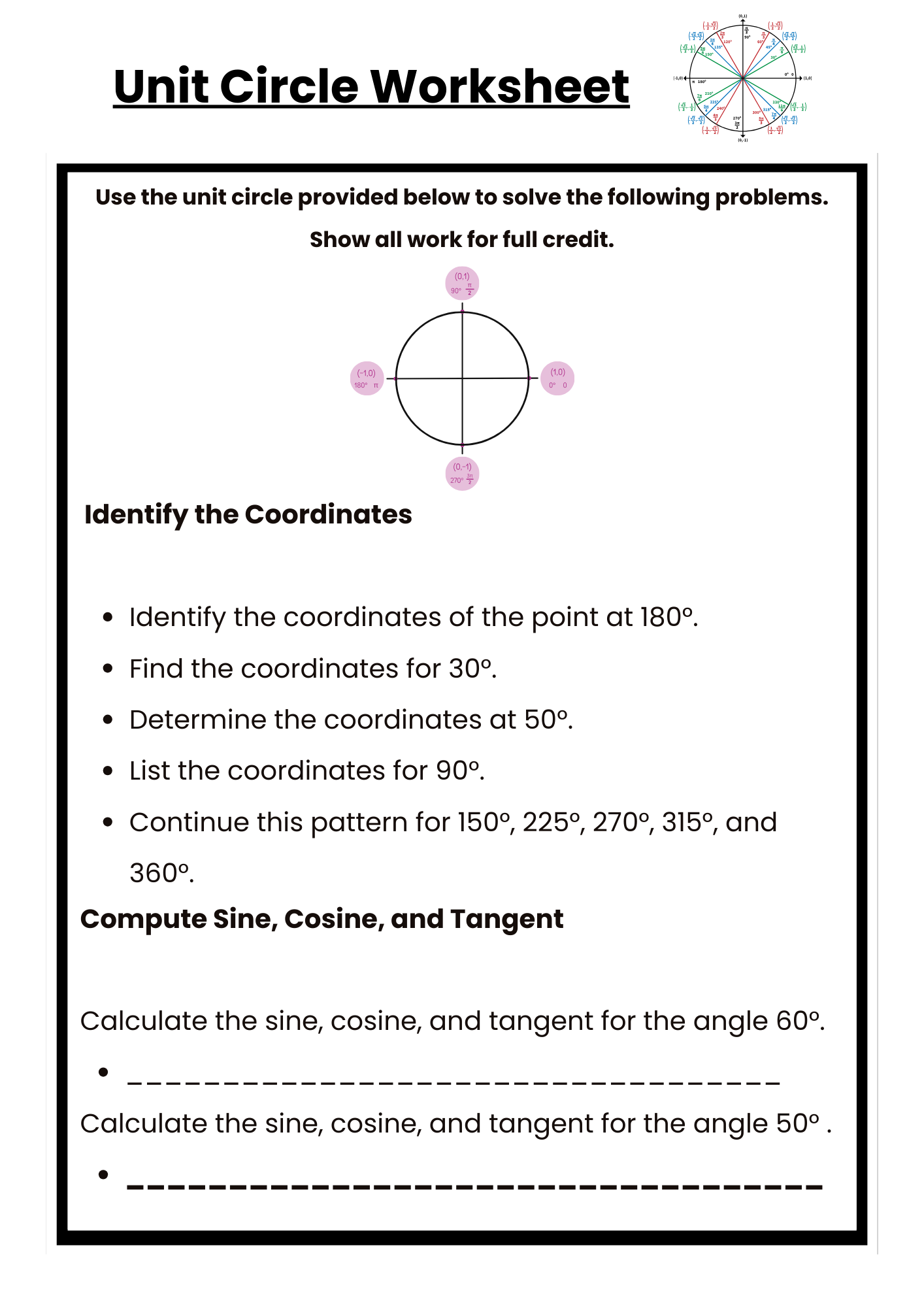
Provide a list of angles such as 120°, 210°, 300°, 330°, and ask students to determine the sine, cosine, and tangent values by using reference angles. This encourages understanding of sign changes across quadrants.
Section 3: Graph Interpretation
Include a graph of sine or cosine waves and ask students to identify key points—maxima, minima, zeros—and relate them to angles on the unit circle. This strengthens the link between algebraic and geometric representations.
Section 4: Problem Solving with Applications
Example: A roller coaster crest is at a 45° angle relative to the ground. Calculate the component of gravity acting along the track using the unit circle values for sine and cosine. Such applied questions contextualize the theory.
Section 5: Advanced Trigonometric Identities
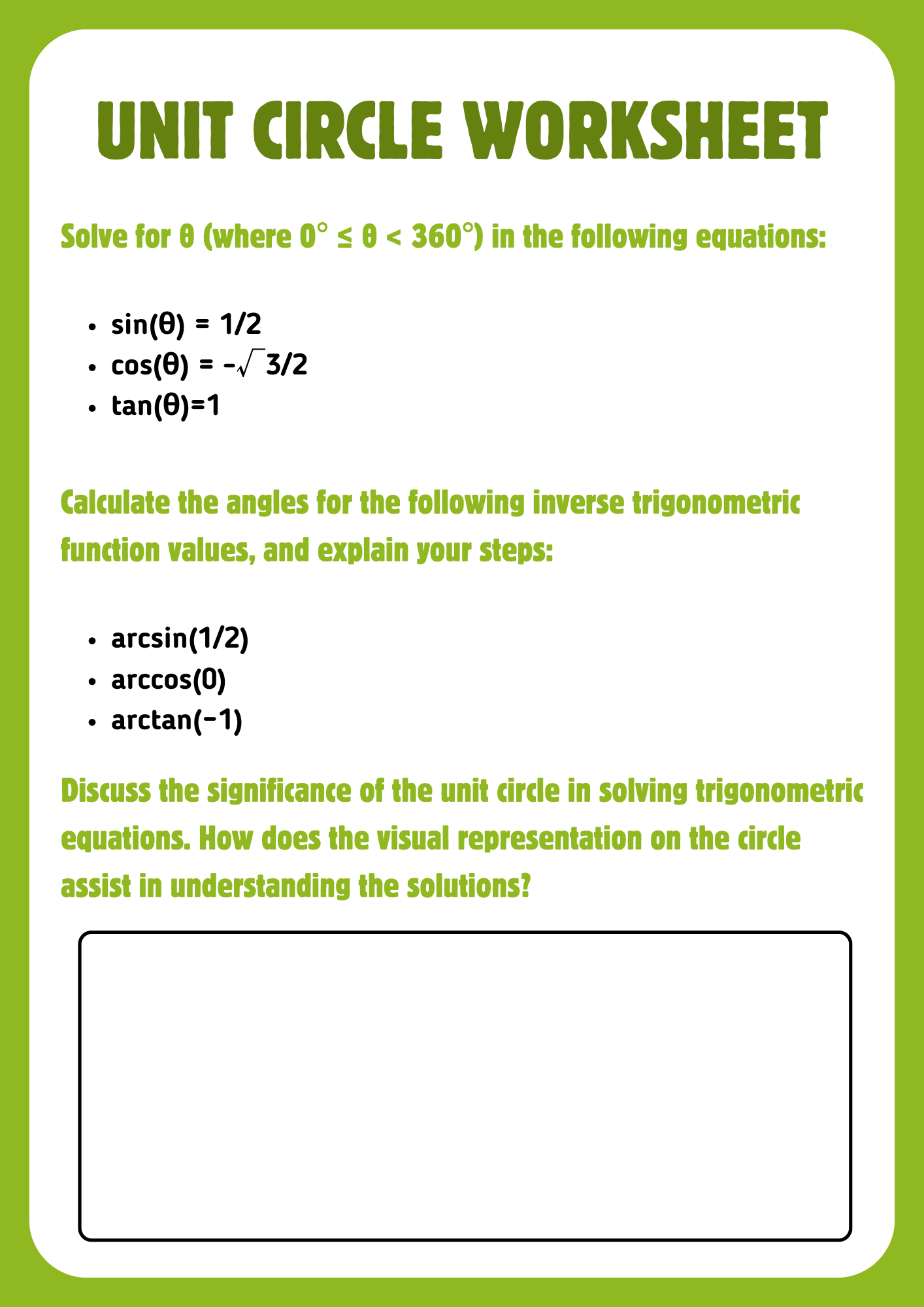
Ask students to verify identities such as \( \sin^2 \theta + \cos^2 \theta = 1 \) or \( \tan \theta = \frac\sin \theta\cos \theta \) by selecting appropriate points on the unit circle. This reinforces algebraic manipulation through visual confirmation.
Strategies for Teachers to Maximize Worksheet Effectiveness

Provide Immediate Feedback
Using digital platforms, students can receive instant corrections and explanations, reinforcing correct concepts before misconceptions solidify. For paper worksheets, consider a quick check list that students can self‑grade.
Encourage Collaborative Problem Solving
Pair students to discuss strategies before completing individual sections. Group work fosters peer instruction and exposes students to alternative reasoning paths.
Integrate Technology Wisely
Tools like dynamic geometry software let students manipulate the unit circle, rotate angles, and visually see sine and cosine changes in real time. Combining these tools with worksheets creates a blended learning environment.
Assess Progress Over Time
Administer a short diagnostic before and after worksheet series to track growth. Use the results to adjust difficulty or focus areas—whether students struggle with negative angles or with translating radians to degrees.
Connect to Higher‑Level Topics
Show how mastery of the unit circle opens doors to inverse trigonometric functions, polar coordinates, and Fourier series. Linking to future lessons keeps students motivated by illustrating a clear learning trajectory.
Common Pitfalls and How to Avoid Them

Overemphasis on Memorization
Students often memorize values without understanding the underlying patterns. Ensure worksheets highlight symmetry, periodicity, and reference angles to encourage conceptual reasoning.
Neglecting Negative Angles and Quadrant Interpretation
Include practice with angles like -30° or 390° to build flexibility in thinking about rotations beyond the first circle.
Insufficient Visual Context
Without a clear unit circle diagram, students may struggle to locate points accurately. Always provide a clean, labeled illustration with key angles marked.
Ignoring Real‑World Contexts
Isolated calculations can feel abstract. Embed realistic scenarios—sound waves, oscillations, or navigation—to demonstrate the unit circle’s practical relevance.
Conclusion: The Transformative Power of Targeted Unit Circle Work

When approached strategically, a Worksheet On Unit Circle becomes more than a practice tool—it evolves into a dynamic learning experience that bridges visual intuition with algebraic precision. By carefully aligning objectives, diversifying question types, and integrating technology and real‑world contexts, teachers can empower students to master trigonometric concepts and apply them confidently in higher mathematics and everyday problem solving. Embrace this resource, and watch students’ confidence and competence in trigonometry soar.