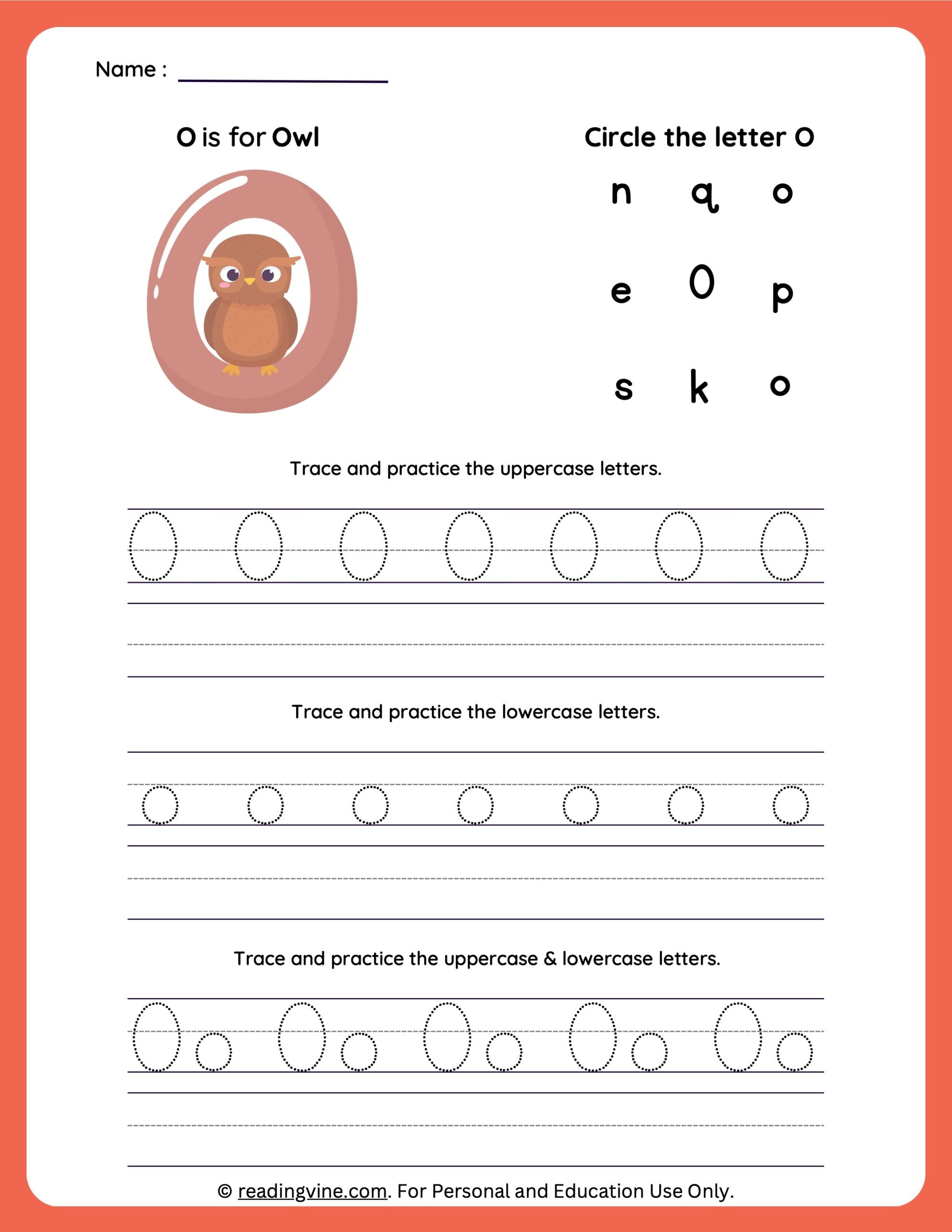
Worksheets For The Letter O are an essential tool for building early literacy skills, and they offer a playful yet structured way for young learners to become comfortable with one of the most versatile letters in the English alphabet. When children can confidently recognize, trace, and write the letter O, they unlock a world of words— from “octopus” to “orbit”—that reinforce phonemic awareness and boost reading confidence. This comprehensive guide explores the pedagogical foundations, design principles, and practical implementation strategies that make O worksheets a powerhouse in any kindergarten or first‑grade classroom.
Why Letter O Mastery Matters

The letter O occupies a unique position in early literacy because it appears frequently in both short‑vowel and long‑vowel contexts. Mastery of O helps children:
- Differentiate the round shape of O from similar letters such as Q and C.
- Understand the difference between the short “o” sound in “cot” and the long “o” sound in “cone.”
- Expand their vocabulary through high‑frequency words that start with or contain O.
Research shows that early proficiency with vowel letters, especially O, correlates with higher reading fluency in later grades. By integrating targeted worksheets that focus on both visual recognition and phonetic usage, educators lay a strong foundation for decoding multisyllabic words and mastering spelling patterns.
Key Components of Effective O Worksheets

Effective worksheets blend visual, auditory, and kinesthetic elements to address diverse learning styles. The following components should be present in any high‑quality O worksheet:
Clear Visual Representation
Each worksheet should display a bold, uppercase and lowercase O side by side, using a clean sans‑serif or simple serif font. Contrast between the letter and background must be high enough for young eyes to discern the shape without strain.
Phonetic Cueing
Include a phonetic guide—such as “/ɒ/ as in ‘hot’” for the short sound and “/oʊ/ as in ‘go’” for the long sound—paired with an illustrative image that reinforces the sound. This dual coding helps children link the visual letter to its auditory representation.
Motor Skill Development
Tracing lines, dotted outlines, and connect‑the‑dots activities promote fine‑motor coordination. Provide progressive difficulty: start with large, spaced‑out dotted letters, then move to smaller, more continuous lines as confidence grows.
Contextual Vocabulary
Integrate a short word list that features the letter O in various positions (initial, medial, final). Example words: “oak,” “robot,” “shoe.” Pair each word with a simple picture to aid comprehension.
Assessment Rubrics
Include a brief self‑check or teacher rubric on the same page, allowing immediate feedback. Checkboxes for “Letter shape correct,” “Sound pronounced accurately,” and “Word identified” keep the focus on measurable outcomes.
Designing Engaging Tracing Activities

Tracing is the cornerstone of O worksheet design because it reinforces muscle memory while simultaneously sharpening visual discrimination. Below are step‑by‑step guidelines for creating engaging tracing sections.
Step 1: Choose the Right Stroke Path
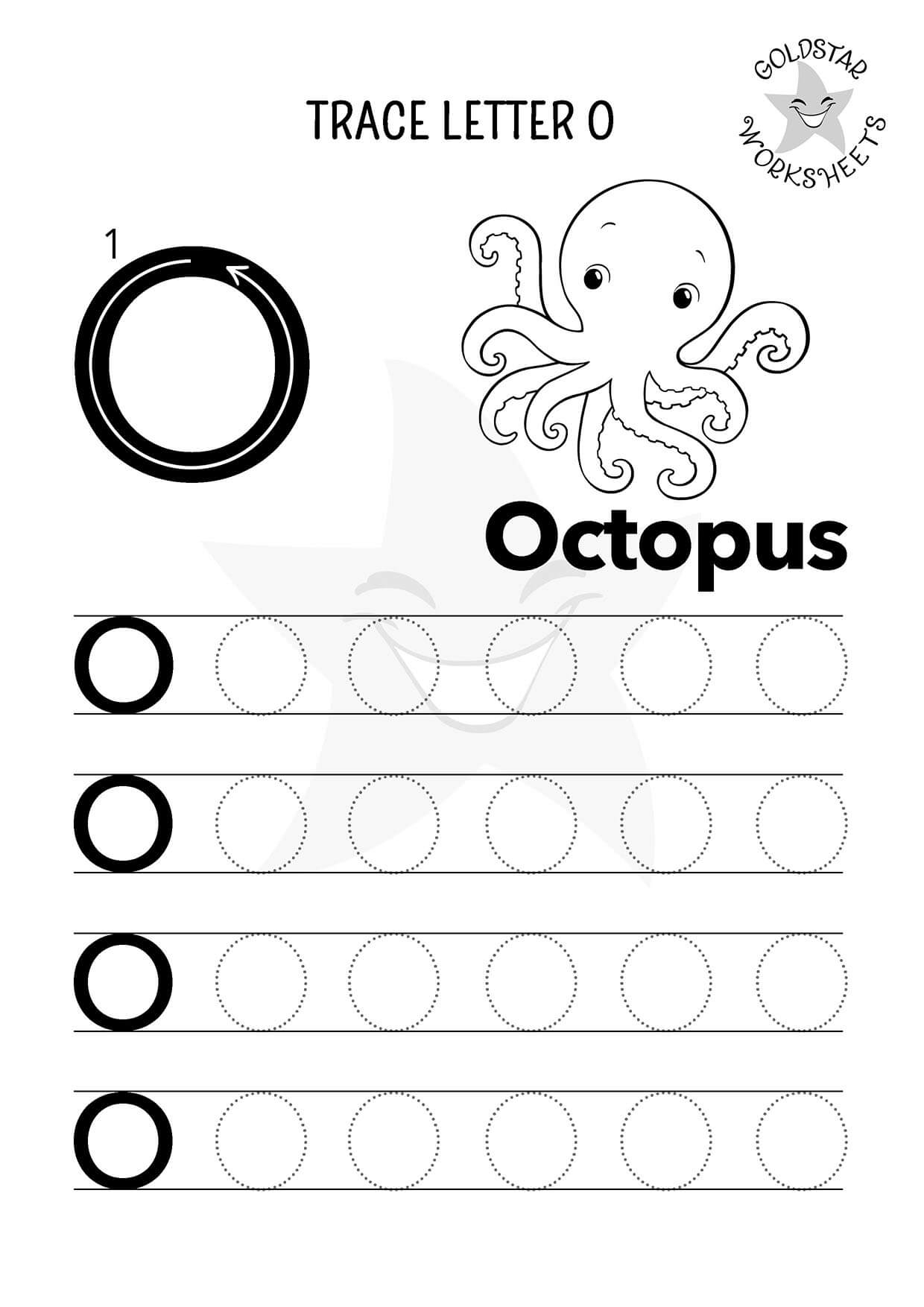
Begin with a series of evenly spaced dots that form the perimeter of the uppercase O. Use a thick, light‑gray line that disappears once the child completes the trace, providing a clean final product.
Step 2: Incorporate Directional Arrows
Young learners benefit from explicit start‑and‑stop cues. Place a small arrow at the top of the O to indicate where the stroke should begin, and a subtle arrow at the opposite side to signal the direction of movement.
Step 3: Offer Variable Line Weights
Introduce a “thick‑to‑thin” gradient where the outermost line is thick (helping beginners) and the inner line is thin (challenging more advanced students). This gradual reduction mirrors the natural progression of motor skill development.
Step 4: Add Creative Themes
To keep motivation high, embed the O within a familiar shape—such as a donut, a planet, or a smiley face. The thematic connection encourages children to view the worksheet as a fun activity rather than a chore.
Step 5: Provide Immediate Feedback
Include a small mirror‑image of the correctly traced O next to the activity. After completing the trace, children can compare their work side‑by‑side, fostering self‑assessment skills.
Incorporating Phonics and Vocabulary
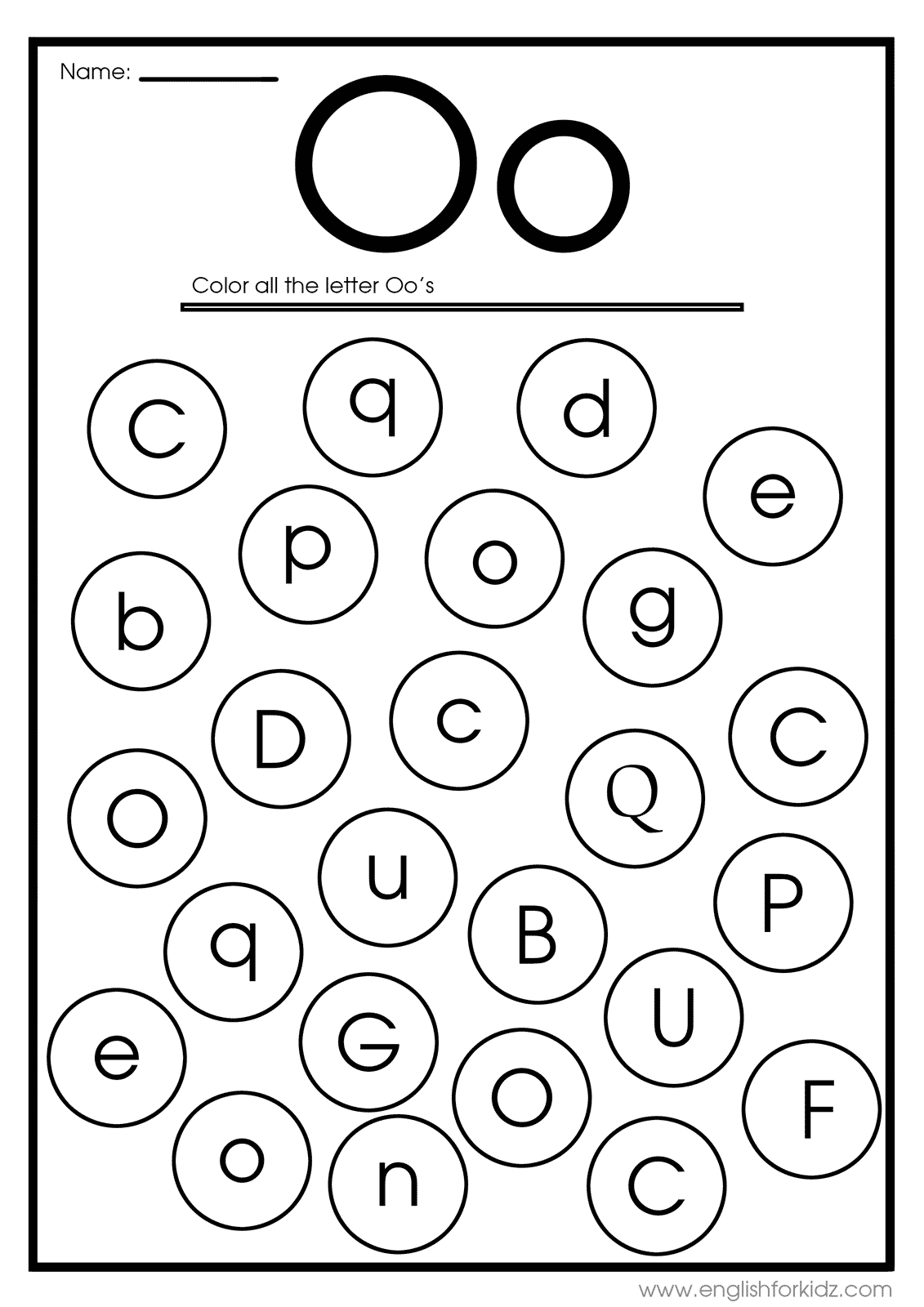
Beyond tracing, worksheets should seamlessly blend phonics practice with vocabulary building. This integration reinforces the letter’s sound in meaningful contexts.
Phoneme Isolation
Present a series of pictures—such as “orange,” “owl,” and “octopus”—and ask the child to circle the ones that begin with the short O sound. Follow up with a “sound it out” section where the child repeats the phoneme aloud while tracing the letter.
Word Building Blocks
Provide a set of magnetic or cut‑out letter pieces that include O, along with consonants and vowels. Children can assemble simple words like “log,” “dot,” or “hop,” reinforcing the letter’s role in word construction.
Sentence Completion
Include a short, illustrated sentence with a missing O word: “The ___ is round like a ball.” Provide a word bank with “orange,” “balloon,” and “coconut.” This encourages children to use context clues while applying their knowledge of the letter O.
Rhyme and Rhythm Activities
Introduce a brief poem that features O words: “Over the ocean, a bright orange boat sails.” Ask children to underline each O word, then write the underlined words on a separate line. This activity enhances phonological awareness and spelling practice.
Assessing Progress with O Worksheets

Assessment should be ongoing, low‑stakes, and aligned with learning objectives. Here are three effective strategies for evaluating mastery.
Formative Observation
While students work on tracing or phonics tasks, circulate the room and note patterns: Are they consistently starting at the correct point? Do they pronounce the short and long O sounds accurately? Record observations in a quick checklist for each child.
Quick Quiz Section
At the bottom of each worksheet, embed a brief quiz: a multiple‑choice question (“Which picture shows the long O sound?”) and a short‑answer prompt (“Write one word that contains the letter O”). Scoring can be as simple as a “thumbs‑up” for correct answers.
Portfolio Compilation
Collect completed worksheets over a six‑week period and compile them into a portfolio. Review the portfolio with the child, highlighting improvements in shape accuracy, sound articulation, and vocabulary usage. This reflective practice builds confidence and sets clear next steps.
Tips for Parents and Educators

Whether you are a classroom teacher or a parent homeschooling at home, the following best practices ensure that O worksheets deliver maximum impact.
Integrate Multisensory Elements
Pair worksheets with tactile activities: write the letter O in sand, trace it with finger paint, or shape it using play‑dough. Multisensory experiences cement neural pathways and aid retention.
Schedule Short, Frequent Sessions
Young children have limited attention spans. Aim for 5‑ to 10‑minute focused worksheet sessions two to three times a day, rather than a single long block. Consistency beats marathon sessions.
Celebrate Small Wins
Use a simple reward system—stickers, stamps, or a “Letter O Champion” badge—to acknowledge each successful tracing or sound identification. Positive reinforcement motivates continued effort.
Adapt for Diverse Learners
For children with fine‑motor challenges, provide larger tracing outlines and thicker pencils. For English language learners, pair each O word with a clear picture and a phonetic transcription to bridge language gaps.
Blend Technology Wisely
Digital tablet apps that simulate tracing can supplement paper worksheets. However, ensure that screen time remains balanced with hands‑on activities, as physical writing still develops essential motor skills.
Free Resources and Printable Options

High‑quality O worksheets are widely available at no cost. Look for resources that offer:
- Printable PDF files that teachers can easily distribute.
- Editable templates that allow customization of word lists and images.
- Bundled activity packs that include tracing sheets, phonics cards, and assessment rubrics.
When selecting a resource, verify that it aligns with the key components outlined earlier—clear visual representation, phonetic cueing, motor‑skill development, contextual vocabulary, and built‑in assessment. Download a few samples, test them with a small group of learners, and refine your selection based on observed engagement and outcomes.
Conclusion
Mastering the letter O is a gateway to both phonemic awareness and a richer vocabulary, and thoughtfully designed worksheets provide the structure needed for young learners to achieve that mastery. By incorporating clear visual cues, purposeful tracing activities, phonics integration, and ongoing assessment, educators and parents can create a supportive learning environment that celebrates progress at every step. The strategic use of multisensory techniques, frequent short sessions, and positive reinforcement further amplifies the effectiveness of O worksheets. As children confidently trace, sound out, and write the letter O, they lay a sturdy foundation for future reading success and a lifelong love of language.