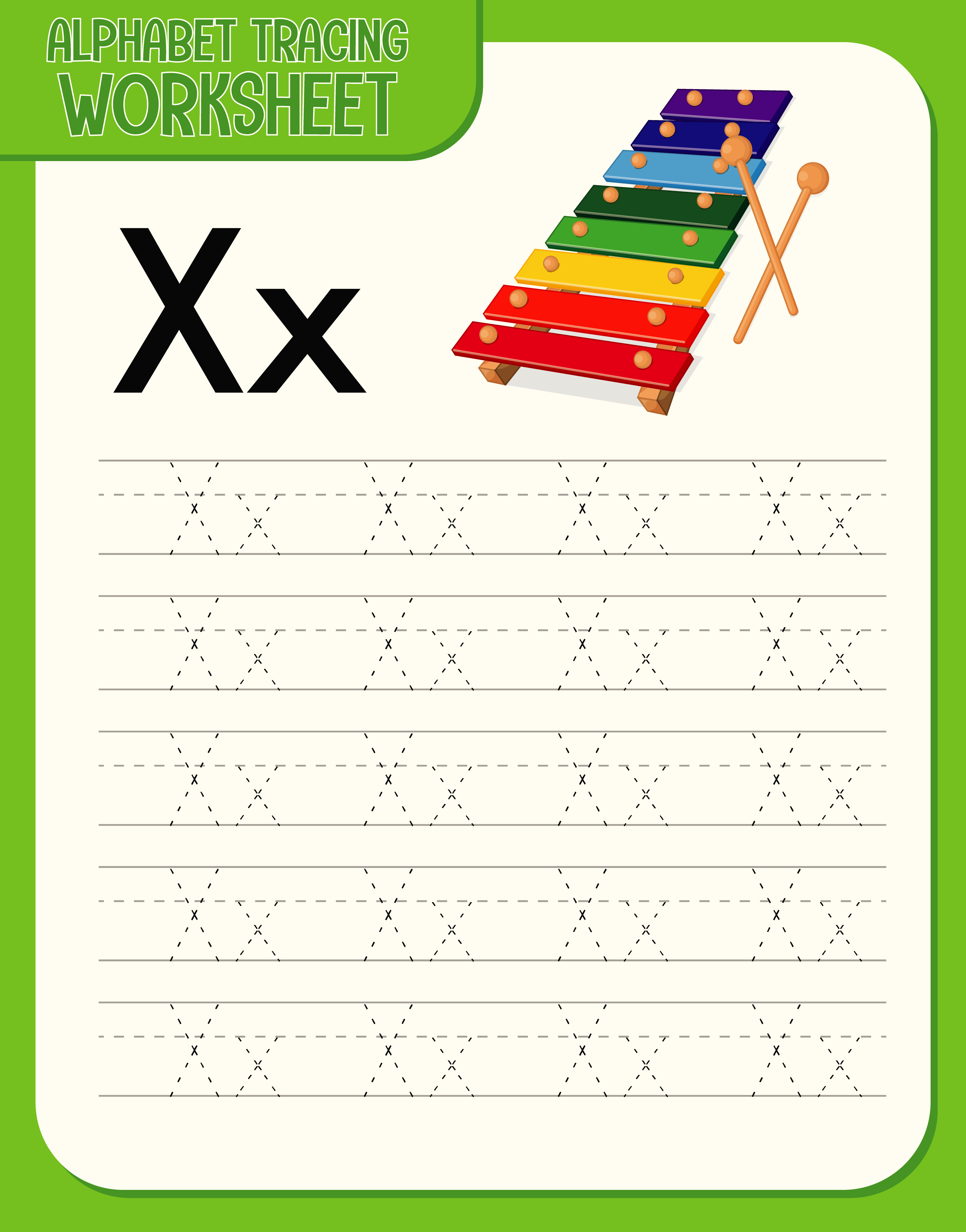
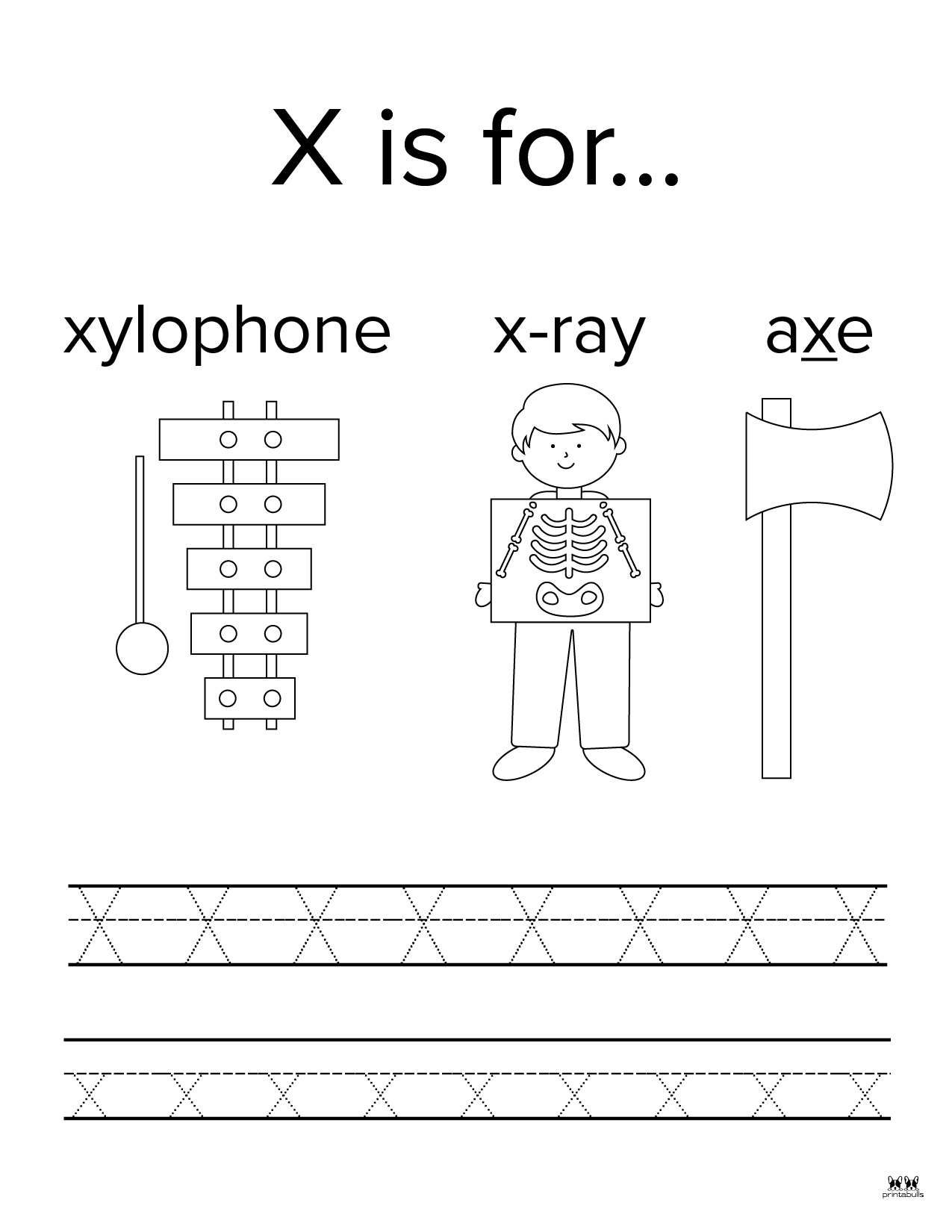
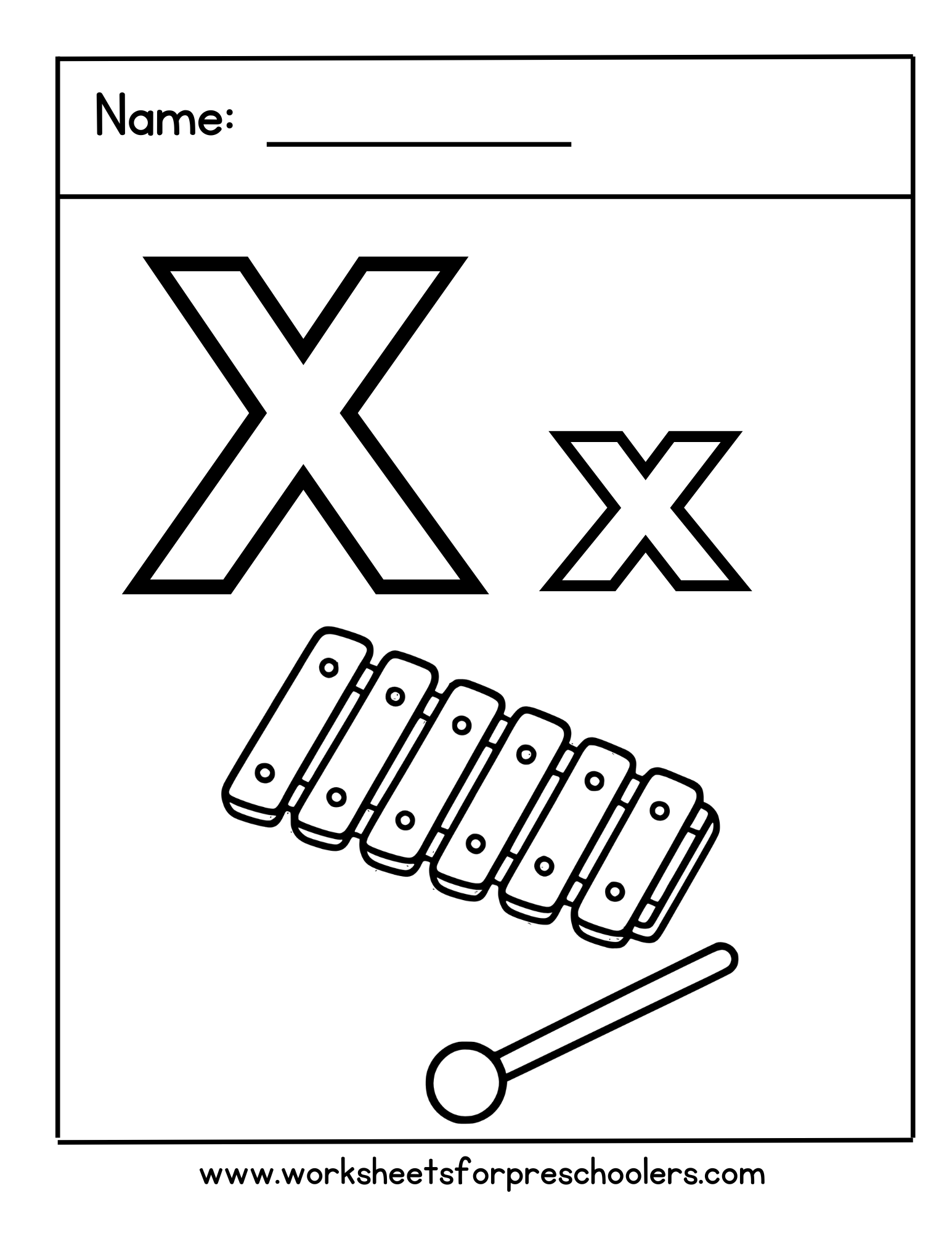
Worksheets For The Letter X provide a unique opportunity for young learners to explore this often overlooked consonant while also engaging with Asian-inspired design elements that captivate both children and parents. By blending playful visuals, cultural references, and proven teaching strategies, these resources can transform the learning of letter X into a memorable adventure that sparks curiosity and confidence.
Why Focus on the Letter X?

The letter X is a fascinating character—it sounds sharp, appears in many everyday words, and challenges students to think phonologically. In an alphabet that already has twenty-six letters, X stands out for its rarity and its use as a connector between phonetic and visual learning. Introducing X early, especially in a multicultural context, helps students develop flexible thinking and prepares them for advanced literacy tasks such as decoding complex words and understanding the relationships between spelling and sound.
Phonemic Awareness Benefits
When children master the /k/ and /z/ sounds of X, they strengthen their ability to segment and blend sounds—skills that are essential for reading fluency. Worksheets that focus on isolating the /k/ sound in words like “kitchen” or the /z/ sound in “zoo” encourage students to listen closely and produce the sound accurately. Repeating these activities in a rhythmic, chant-like format, inspired by traditional Asian calligraphy drills, further reinforces memory.
Visual Recognition and Fine Motor Development
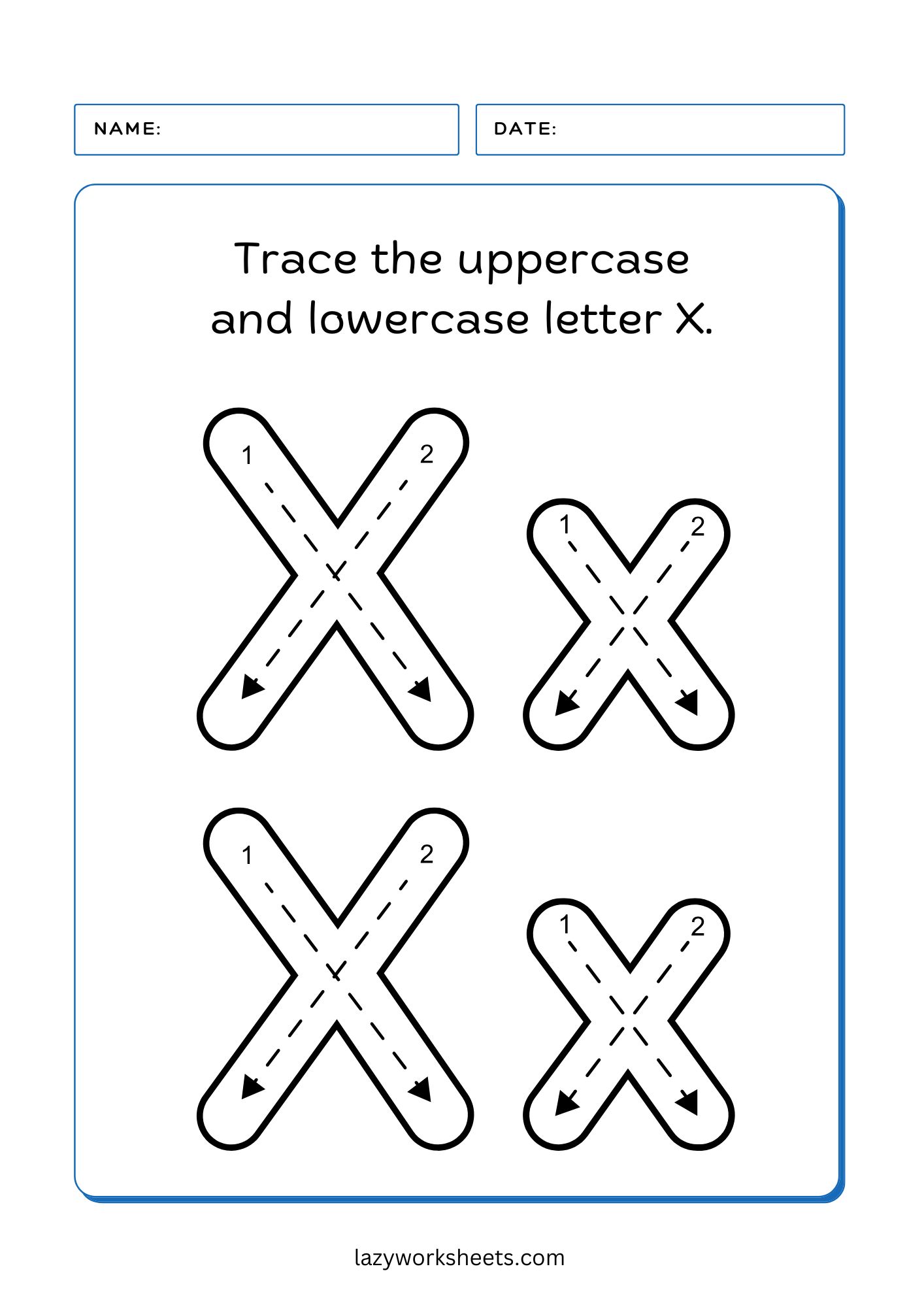
Letter X is a simple yet striking shape. Its symmetry makes it a perfect subject for tracing and coloring exercises. By writing the letter in both uppercase and lowercase forms, students practice hand–eye coordination. Asian-inspired worksheets often include subtle background patterns—like bamboo or cherry blossoms—creating a calming visual environment that reduces distractions and fosters focus.
Designing Engaging Worksheets for Preschool and Kindergarten
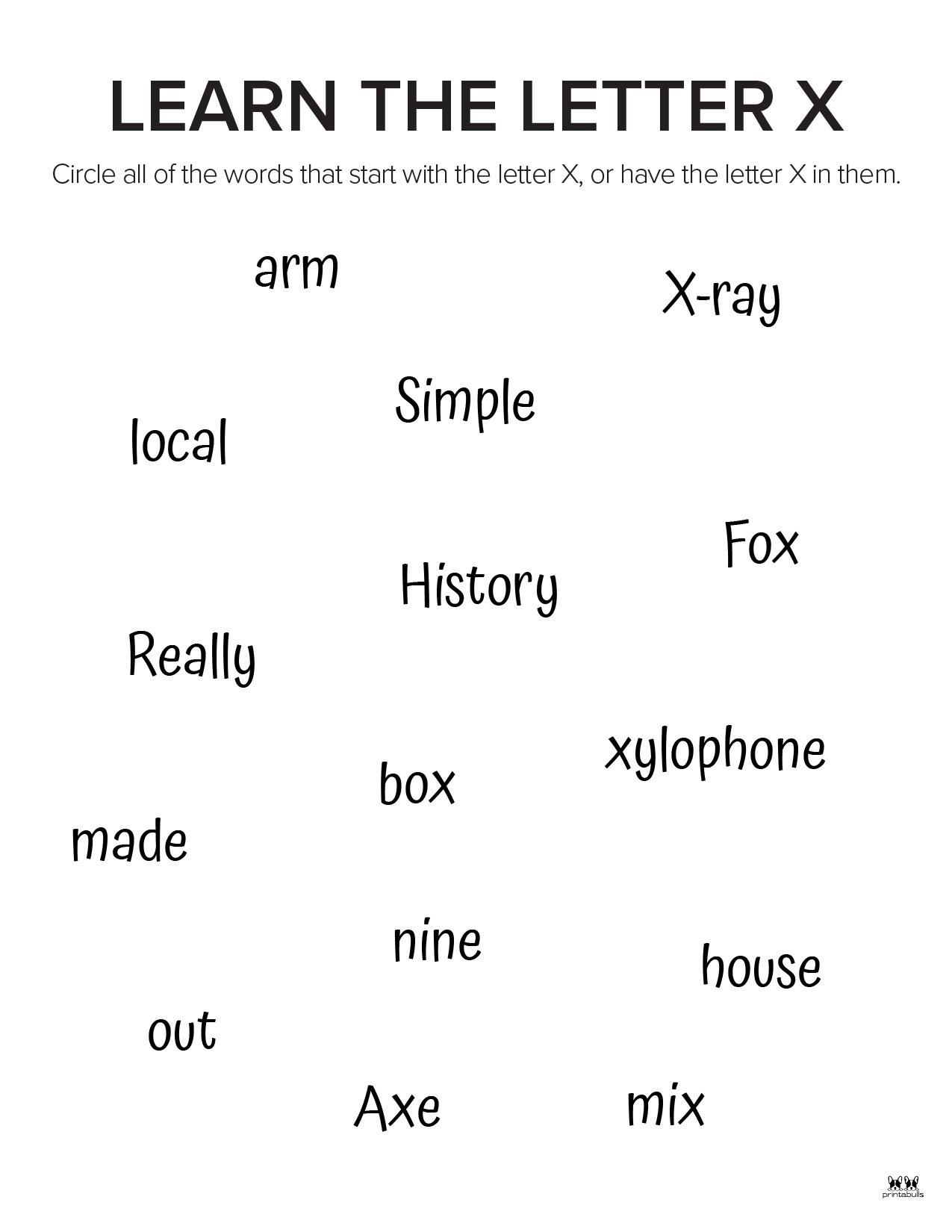
Below are step-by-step guidelines for creating or selecting worksheets that blend educational rigor with cultural flair.
1. Choose a Theme That Resonates
Integrate motifs such as origami cranes, lanterns, or tea leaves. These familiar symbols help children associate the letter with a broader cultural narrative, making the learning experience richer and more contextual.
2. Incorporate Interactive Tracing
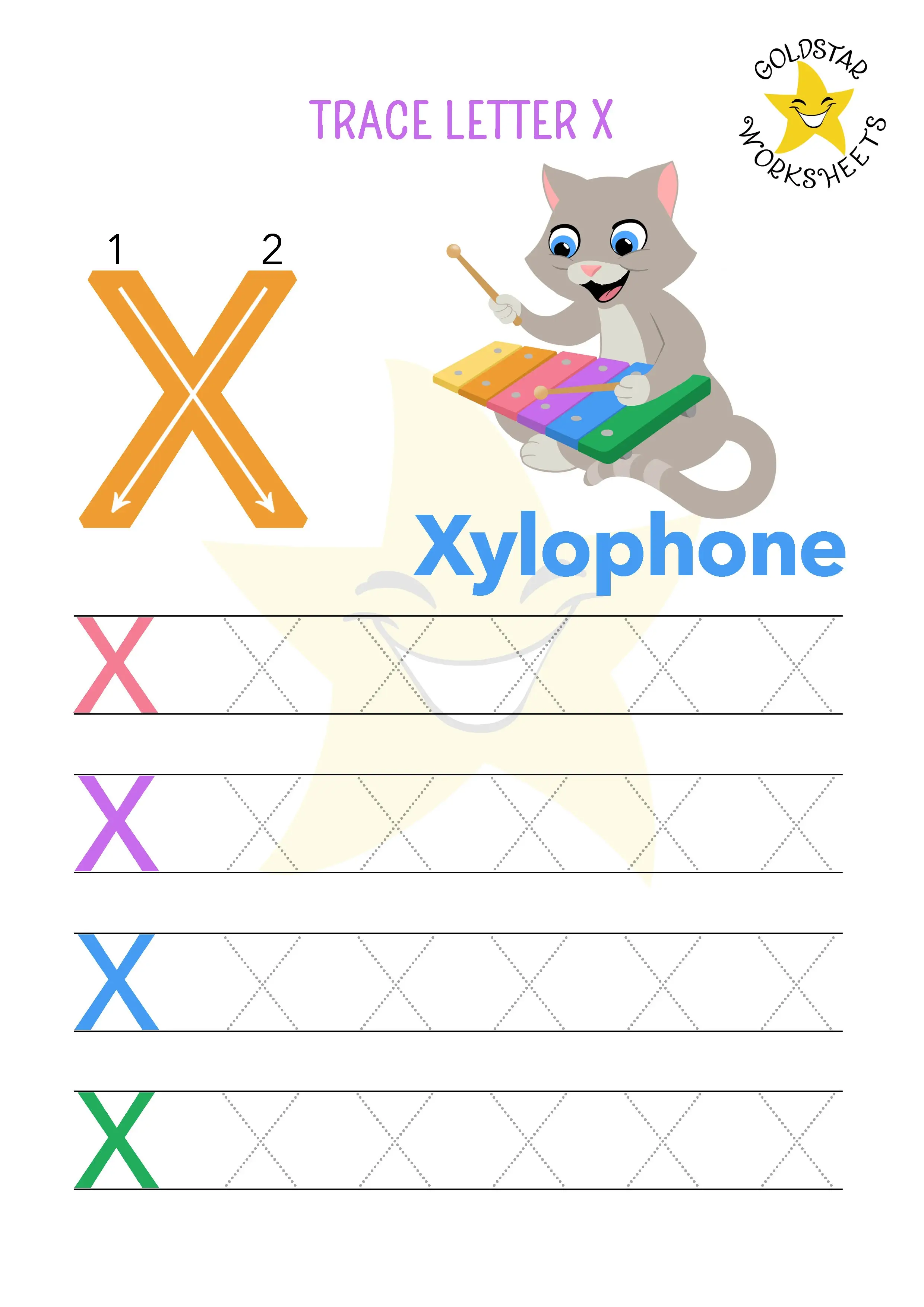
Provide large, bold outlines of X in both forms. Offer guided tracing paths that follow the natural stroke order used in Asian calligraphy—starting at the top left, crossing to the bottom right, and finishing with a diagonal line. This method not only teaches shape recognition but also introduces the concept of stroke order, a foundational skill in many Asian writing systems.
3. Use Color Coding Strategically
Color each part of the X differently—blue for the top-left segment, red for the crossbar, green for the bottom-right. Color coding reinforces visual memory and aids students with color vision deficiencies by providing clear, contrasting cues.
4. Add Contextual Vocabulary
Include words that start or end with the X sound, such as “box,” “fox,” “six,” and “mix.” Pair each word with a simple illustration, like a box or a fox, to support visual learning. To weave in Asian elements, use “koi” (a type of fish) as an example of a word that contains the /k/ sound, and depict a koi pond.
5. Incorporate Story Elements
Create a short narrative where a character named “Xia” (a common Chinese name) goes on an adventure. Each worksheet can feature a part of the story, prompting children to fill in missing letters or answer simple comprehension questions. This narrative hook encourages reading for meaning, not just phonics.
Sample Worksheet Activities

Here are three fully fleshed-out activities that illustrate how to bring the letter X to life.
Activity A: “X” Tracing with a Dragon Motif
Students trace a large, stylized dragon whose body forms the letter X. The dragon’s tail starts at the top left, loops through the center, and ends at the bottom right. While tracing, children say the /k/ sound repeatedly. After completing the tracing, they color the dragon using a palette that reflects sunrise tones—soft orange, pink, and yellow—mirroring traditional Japanese art.
Activity B: “X” Sound Bingo
Prepare a bingo card filled with pictures that contain the letter X sound. Children mark off the picture when the teacher calls out the sound. For instance, a picture of a “box” gets marked when the teacher says, “Can you hear the /k/ sound in ‘box’?” This game promotes quick recognition and auditory discrimination while keeping the atmosphere lively.
Activity C: “X” Word Match with Asian Food Items
List words that end with the /z/ sound—“pizza,” “fizz,” “buzzy” (though not Asian, they fit the sound). Pair each word with a picture of an Asian food that starts with the same sound, like “pita” (though Middle Eastern, often found in Asian markets). Children match the words to the images, reinforcing both phonemic awareness and cultural vocabulary expansion.
Integrating Technology with Traditional Worksheets
Blending print and digital formats can amplify engagement. Teachers can use printable worksheets as a handout, while interactive apps offer real-time feedback. For example, an app could allow children to drag the X shape onto a target image, receiving instant praise for correct placement. This multimodal approach caters to diverse learning styles and keeps the lesson dynamic.
Printable Versus Interactive: A Balanced Approach
Printables excel in quiet, focused activities, whereas digital tools bring motion and gamification. By alternating between the two, educators can maintain student interest over longer periods. A typical lesson might begin with a tracing activity on paper, transition to a matching game on an iPad, and finish with a reflection on what was learned.
Accessibility Considerations
Ensure that worksheets are designed with high-contrast colors, large fonts, and simple layouts. For students who require additional support, provide a phonemic guide—icons or arrows that point to the sound produced during tracing. Incorporating audio prompts in both English and an Asian language (e.g., Mandarin or Japanese) can also aid bilingual learners.
Parental Involvement: Extending Learning Beyond the Classroom
Parents can reinforce the letter X by engaging in household activities. Encourage them to point out objects that contain the X sound—like a “box” of crayons—or to read aloud stories featuring characters that begin with X. Additionally, simple crafts such as folding paper cranes while chanting “X” sounds can create a tactile, memorable experience.
Craft Ideas for Home
-
Paper crane with the X shape folded into the wings—children can trace the X on the crane’s body.
-
Coloring sheet of a bamboo forest where each bamboo stalk ends with the X sound word “box.”
-
DIY “X” shaped stickers using translucent sheets for children to place on a storybook.
Assessment Strategies to Track Progress

Effective assessment ensures that the teaching of letter X is on track. Use both formative and summative methods to gauge phonemic understanding, letter recognition, and fine motor skills.
Formative Checks
During lessons, observe children’s ability to name the X sound when prompted. Use quick exit tickets—small slips where they write the X sound in a word—before moving to the next activity.
Summative Review
At the end of the unit, administer a short worksheet that combines tracing, word matching, and picture identification. Score based on accuracy, completeness, and sound production. Provide a visual progress chart that parents can view, reinforcing the collaborative nature of learning.
Conclusion: A Harmonious Blend of Culture and Literacy

By thoughtfully integrating Asian cultural motifs, phonemic drills, and engaging visuals, worksheets for the letter X can transform an ordinary alphabet lesson into a vibrant, multisensory experience. When children trace a dragon that forms X, match pictures of a box to the correct sound, or color a sunrise over a koi pond while practicing phonics, they build foundational literacy skills and gain a deeper appreciation for diverse cultural expressions. Embrace these strategies to create a classroom environment where every child can explore the mystery of X and, in doing so, unlock a world of linguistic possibilities. The journey of learning the letter X, enriched by Asian inspiration, offers a unique bridge between language, culture, and imagination—making every lesson a stepping stone toward lifelong learning.