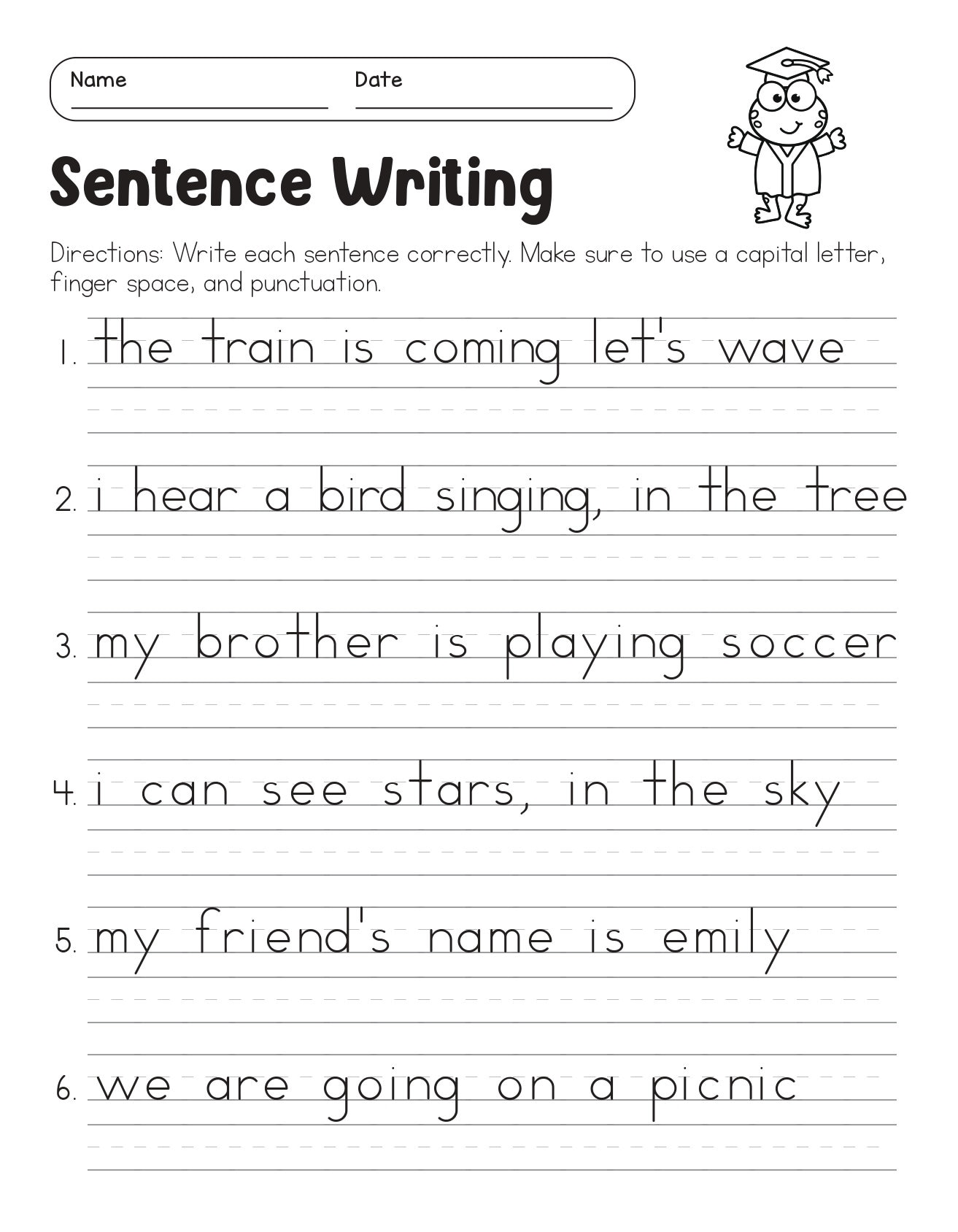
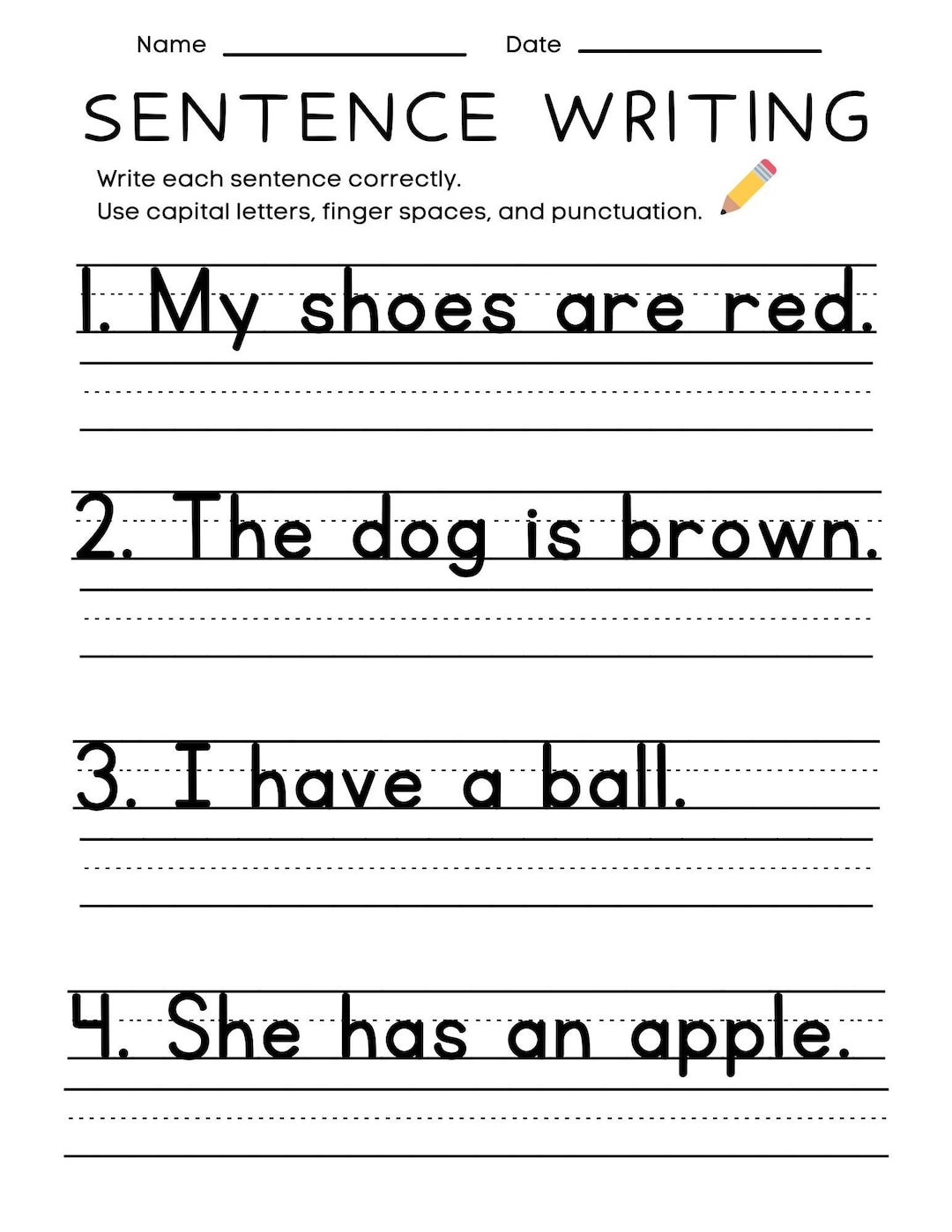
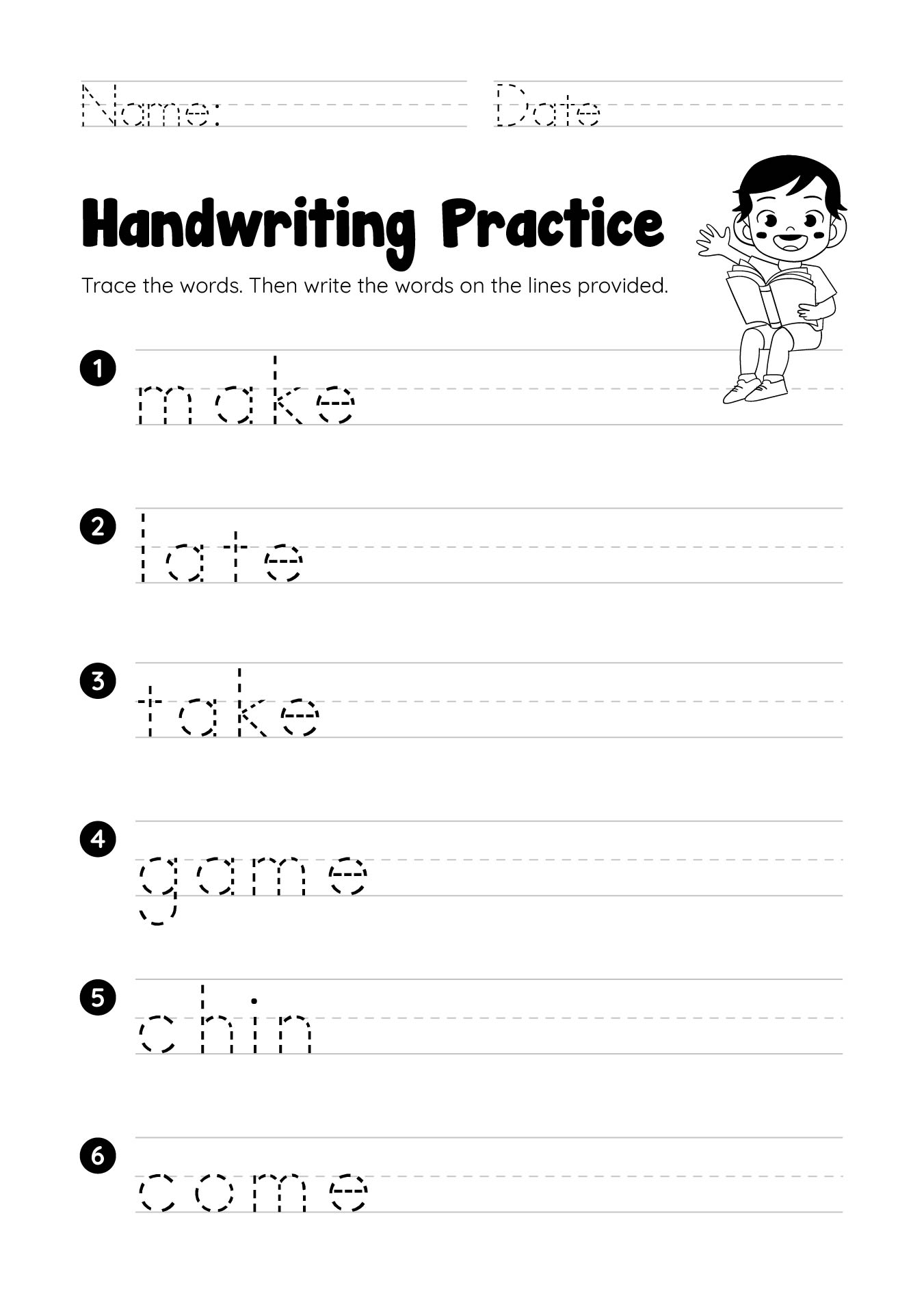
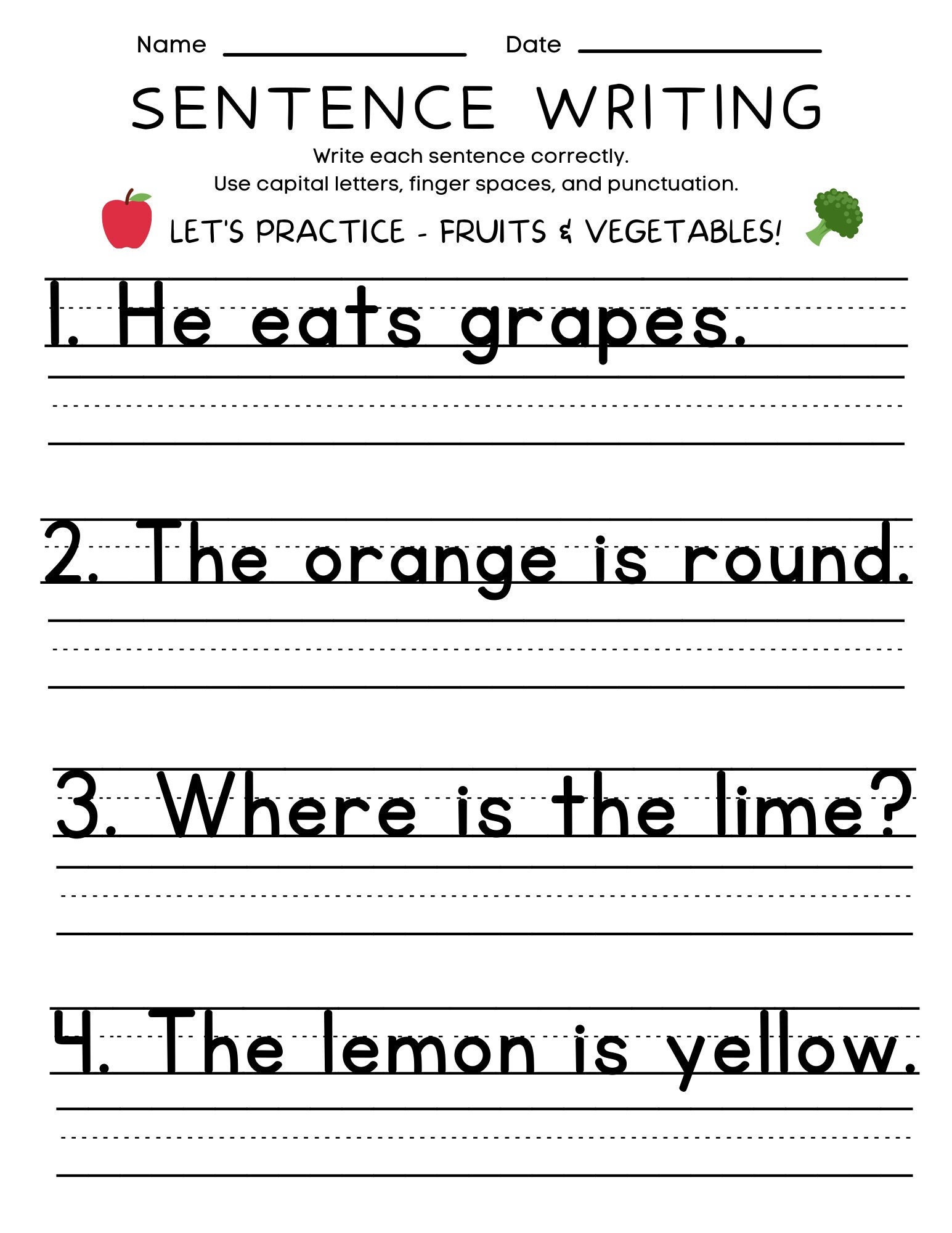
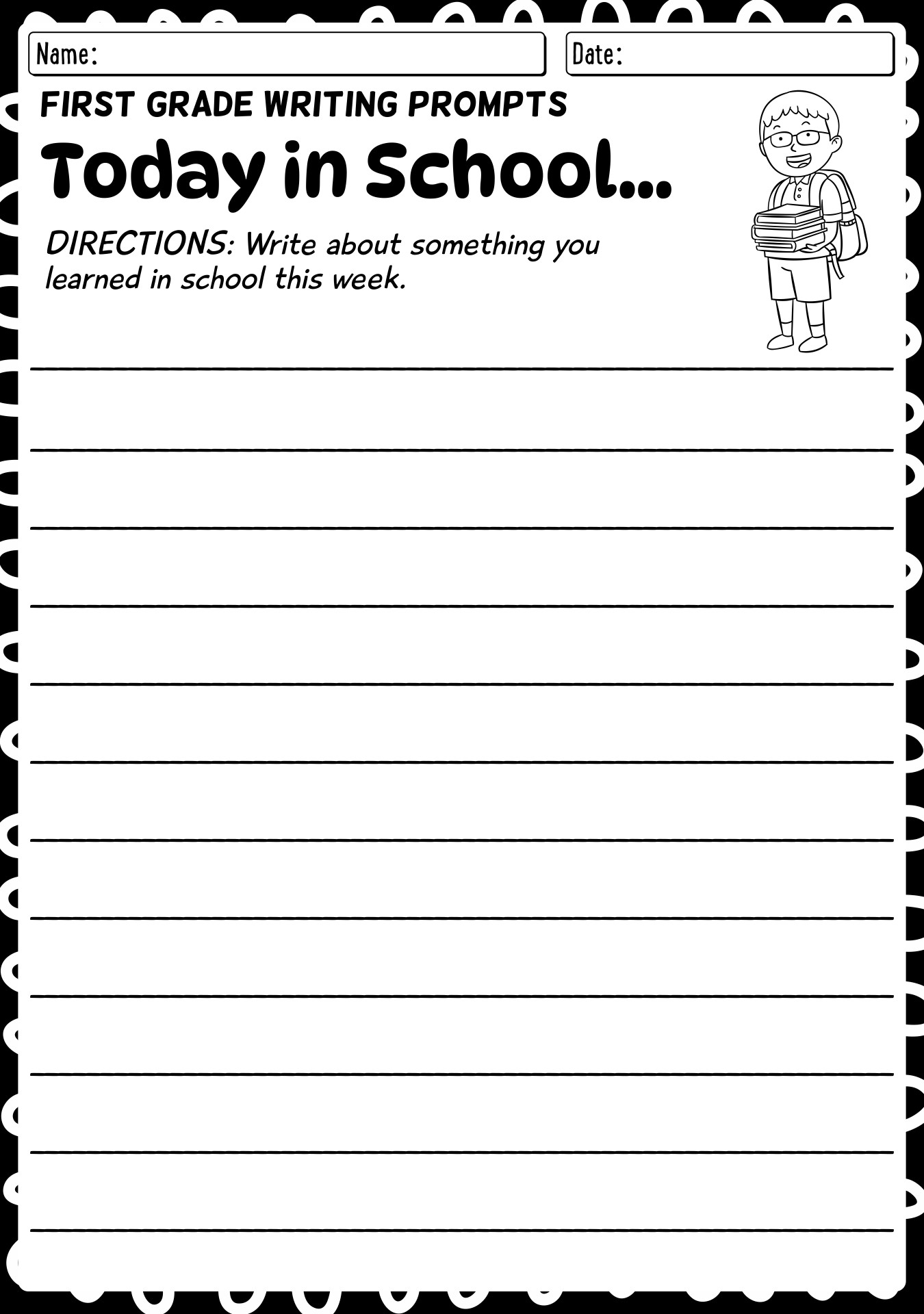
Writing Worksheets For 1st Grade serve as a gentle bridge between the joyful chaos of early childhood and the disciplined world of formal education, especially when crafted with the warmth and respect that Asian teaching traditions cherish. In the United States, parents and teachers alike are searching for resources that honor the child’s natural curiosity while steadily building the foundational skills of neat, legible handwriting, coherent sentence construction, and confident self‑expression. This guide dives deep into the why, what, and how of selecting, customizing, and using first‑grade writing worksheets so that every little learner can flourish with pride and purpose.
Why Handwriting Still Matters in the Digital Age

Building Fine Motor Skills
When a child grips a pencil, the muscles in the fingers, hand, and wrist engage in a coordinated dance. Repetitive practice with well‑designed worksheets refines these muscles, improving dexterity that later supports typing, drawing, and even musical instrument play. Asian educational philosophies often emphasize the connection between body and mind, viewing fine motor development as a cornerstone of overall cognitive growth.
Enhancing Cognitive Development
Research shows that the act of forming letters by hand stimulates brain regions associated with language processing and memory retention. By tracing and writing, first graders solidify phonemic awareness and develop stronger spelling skills. The disciplined rhythm of writing also nurtures concentration—a value deeply rooted in many Asian cultures where focus is celebrated as a pathway to mastery.
Cultivating Cultural Identity
In many Asian families, calligraphy and penmanship are revered arts. Introducing worksheets that incorporate simple characters, cultural motifs, or bilingual elements can honor a child’s heritage while meeting U.S. curriculum standards. This blend fosters a sense of belonging and pride, encouraging children to see their cultural background as an asset rather than a barrier.
Key Features of Effective First‑Grade Writing Worksheets
Clear Visual Layout
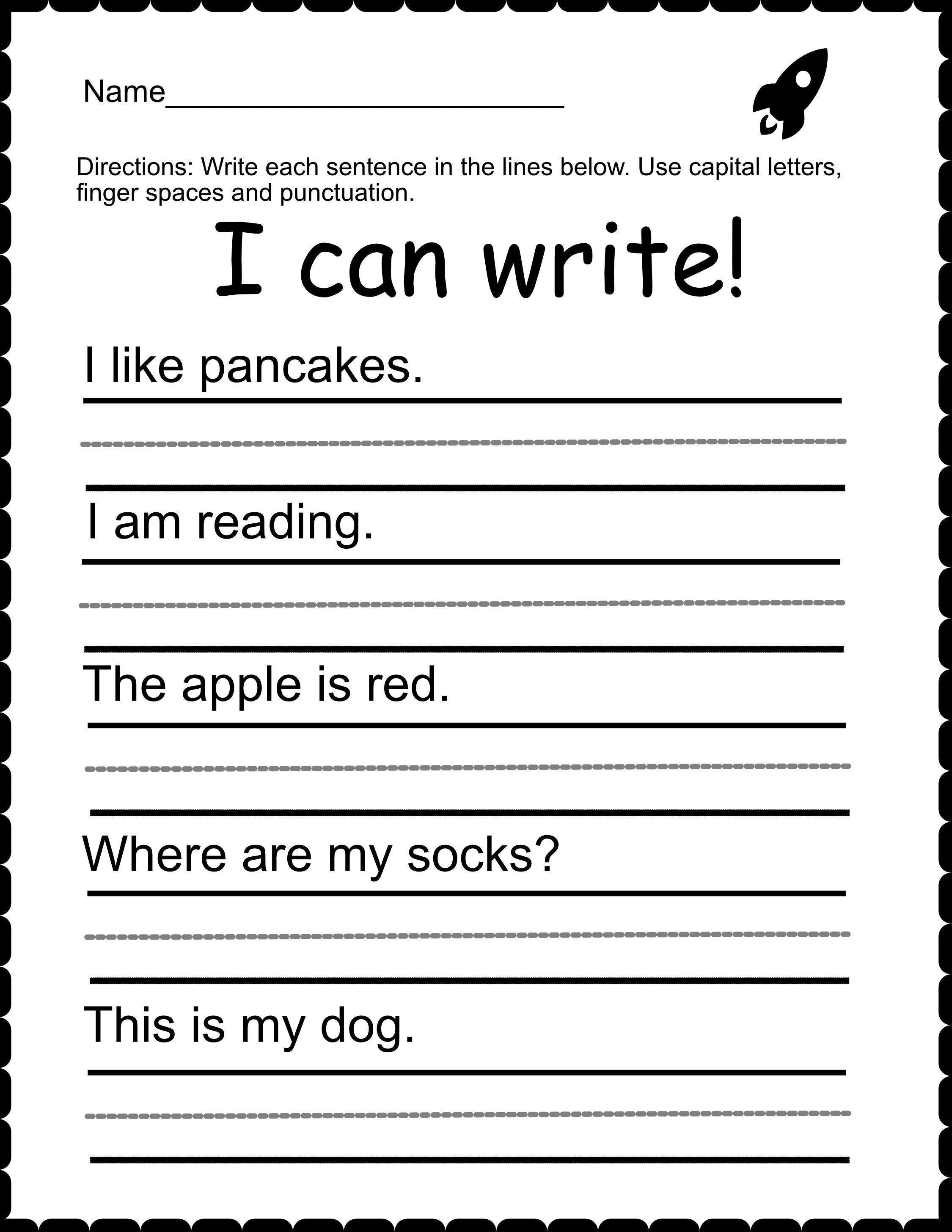
A clean, uncluttered design helps young learners focus on the task. Large, high‑contrast letters, ample spacing between lines, and generous margins reduce visual strain. Including subtle decorative borders inspired by Asian patterns—like gentle cherry blossoms or bamboo silhouettes—adds aesthetic appeal without distracting from the core activity.
Progressive Difficulty
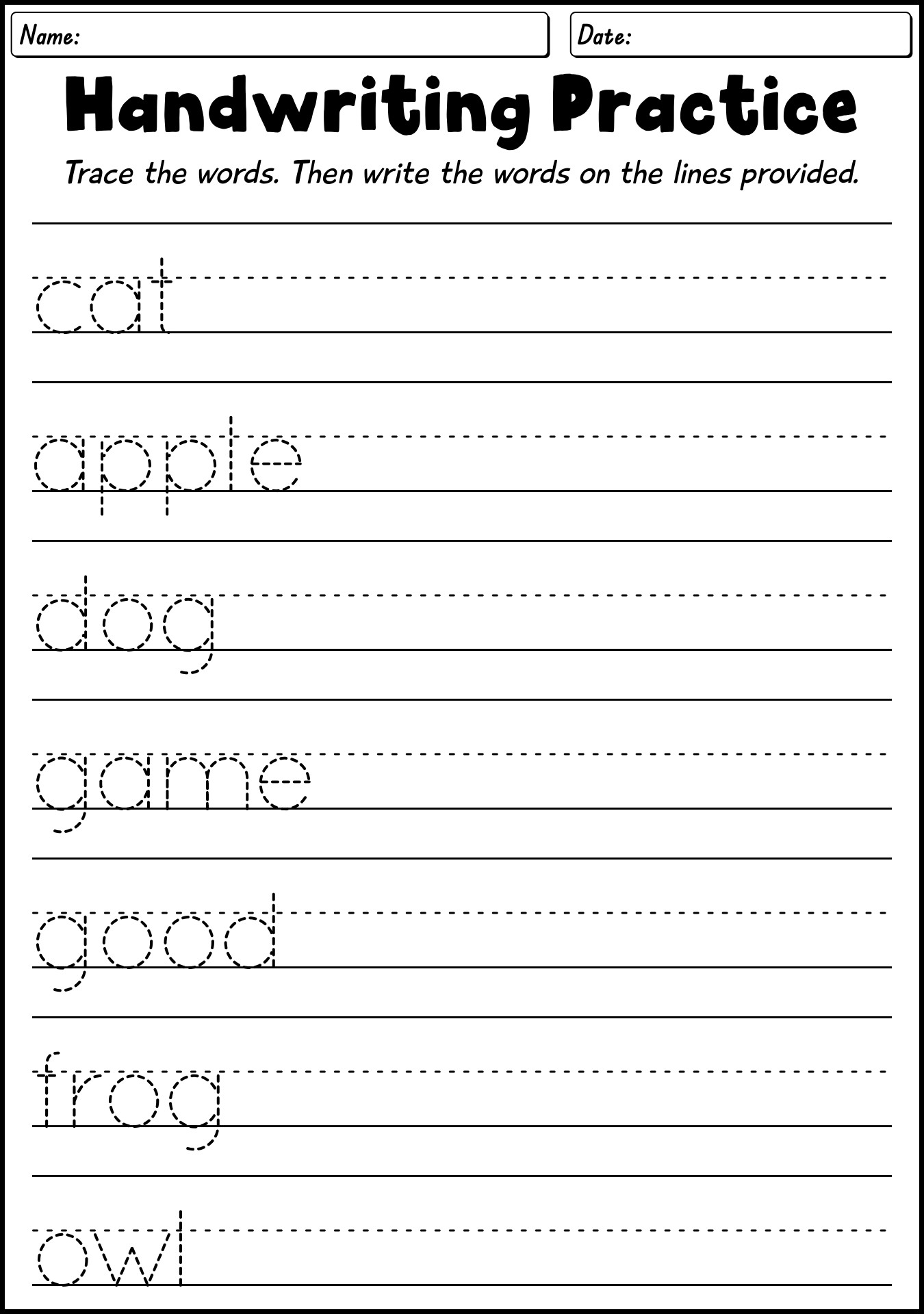
Worksheets should follow a logical progression: starting with tracing basic strokes, moving to copying simple words, and eventually prompting the child to write independently. This scaffolding mirrors the step‑by‑step approach used in many Asian tutoring systems, where mastery of each level is celebrated before advancing.
Integrated Language Practice
Effective worksheets weave phonics, vocabulary, and sentence structure into one cohesive exercise. For example, a worksheet might ask the child to trace the word “cat,” then draw a picture, and finally write a short sentence: “The cat is soft.” Such multi‑modal tasks reinforce learning through visual, auditory, and kinesthetic channels.
Positive Reinforcement Elements
Incorporating smiley faces, star stickers, or short praise statements at the bottom of each page encourages a growth mindset. Asian educational settings often use “praise circles” to celebrate effort, and translating that into worksheet design helps children internalize the joy of improvement.
How to Choose the Right Worksheet for Your Child

Assess Your Child’s Current Skill Level
Before purchasing or printing worksheets, observe how your child handles a pencil. Can they hold it correctly? Are they able to form basic strokes? A quick informal assessment will guide you toward worksheets that are challenging yet attainable, preventing frustration or boredom.
Match Worksheets to Learning Objectives
Identify specific goals: Is the focus on letter formation, spelling, sentence building, or creative storytelling? Choose resources that align with each objective. For instance, a “letter tracing” worksheet targets motor skills, while a “fill‑in‑the‑blank story” promotes language fluency.
Consider Cultural Relevance
If your family values cultural heritage, look for worksheets that incorporate bilingual prompts or cultural icons. Even a simple “write your name in English and Chinese” activity can deepen cultural connection while practicing orthography.
Check for Quality and Safety
Ensure that the worksheet images are crisp, the paper is thick enough to prevent tearing, and the content is free from errors. High‑quality printables reduce the need for repeated re‑printing and convey professionalism that children respect.
Creative Ways to Use Worksheets at Home

Morning Warm‑Up Routine
Start each school day with a 5‑minute worksheet warm‑up. This ritual mirrors the “morning circle” tradition in many Asian classrooms, where students gather to review key concepts. A brief tracing exercise can transition the child from sleep to focused learning.
Family Writing Nights
Designate one evening a week as “Family Writing Night.” Parents sit beside their child, complete the worksheet together, and then share the sentences aloud. This collaborative approach reinforces the communal learning values present in many Asian households.
Incorporate Real‑World Contexts
Turn a worksheet into a grocery list activity. After tracing the word “apple,” ask the child to write a short note: “I bought an apple.” Connecting writing to everyday life makes the skill feel purposeful and boosts retention.
Use Technology as a Supplement
While the core of handwriting practice remains paper‑based, digital tools can add variety. Interactive whiteboard apps that simulate tracing can be used for a short, screen‑based break before returning to the physical worksheet, keeping the experience fresh.
Integrating Cultural Elements to Boost Engagement
Seasonal Themes
Celebrate cultural festivals by designing worksheets around them. During Lunar New Year, children can trace characters like “福” (fortune) and write short blessings. During Mid‑Autumn Festival, they might describe a mooncake in a simple sentence. These themes provide authentic context and deepen cultural appreciation.
Bilingual Vocabulary Building
Introduce a new word in both English and an Asian language on each worksheet. For example, the word “river” could appear alongside its Mandarin counterpart “河 (hé).” Encourage the child to write the English word, then attempt the foreign script, fostering early multilingual awareness.
Storytelling with Folktales
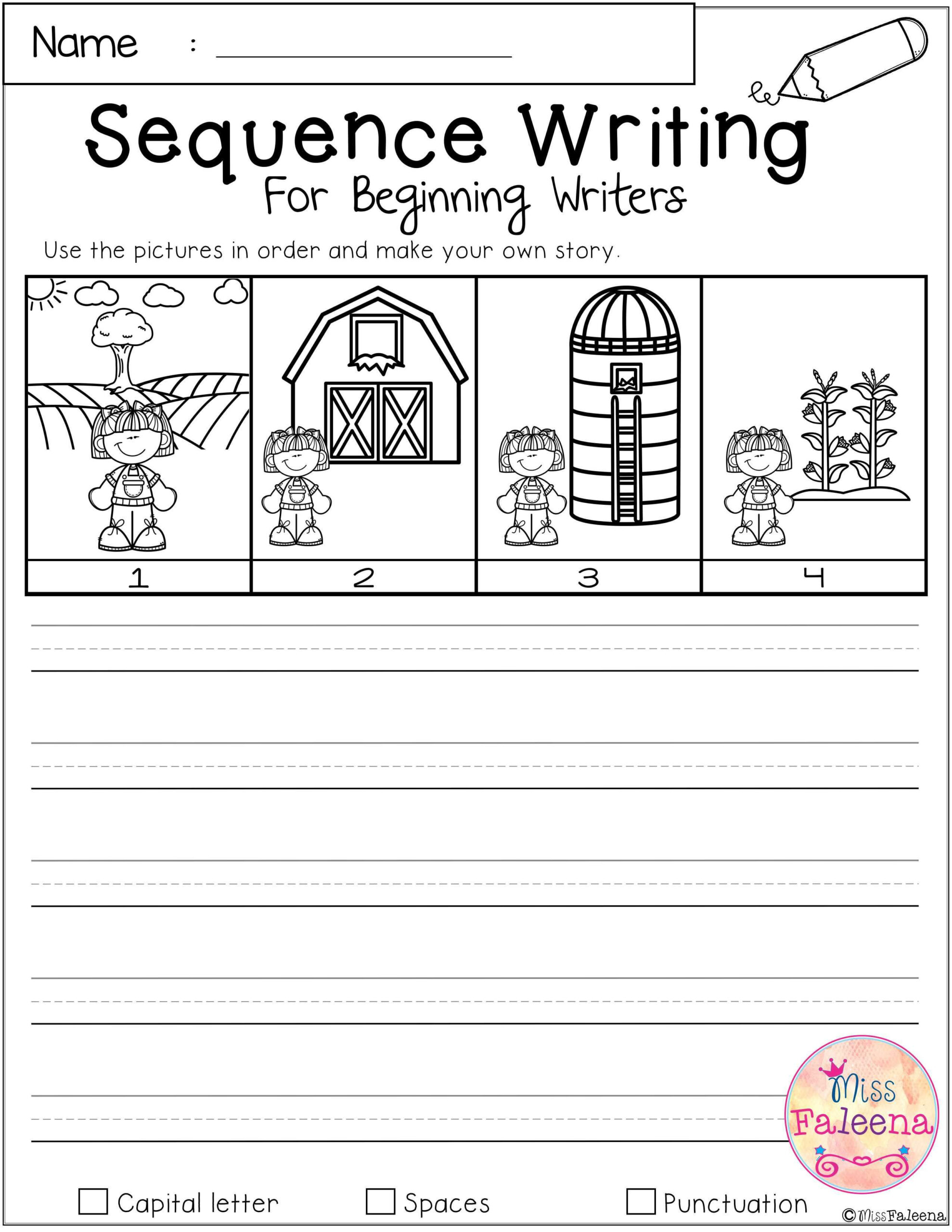
Use classic folktales as inspiration for writing prompts. After reading a short version of “The Monkey King,” ask the child to write: “The monkey jumped over the moon.” This ties literary tradition to practical writing practice.
Assessing Progress and Providing Feedback

Create a Portfolio
Collect each completed worksheet in a binder labeled by month. Review the binder quarterly with your child, highlighting improvements in letter shape, spacing, and sentence structure. This visual progress chart resonates with the Asian emphasis on reflective self‑assessment.
Use Rubrics Tailored to First Graders
Develop a simple rubric with three criteria: Letter Formation, Spelling Accuracy, and Sentence Completeness. Assign a smiley face, a neutral face, or a thoughtful face for each criterion. This clear feedback loop helps children understand where they excel and where they need practice.
Celebrate Milestones
When a child consistently writes a particular set of letters correctly, mark the achievement with a small ceremony—perhaps a “handwriting star” sticker on their desk. Celebrations reinforce effort, mirroring the honor‑giving customs found in many Asian schools.
Common Mistakes Parents and Teachers Should Avoid
Overloading Worksheets
Too many tasks on a single page can overwhelm a first grader. Keep each worksheet focused on one or two objectives, allowing the child to master each before moving on.
Neglecting Hand Position Guidance
Without proper grip instruction, children may develop inefficient habits. Demonstrate the tripod grip and offer gentle corrections regularly.
Skipping Review Sessions
Practice without reinforcement leads to rapid forgetting. Schedule brief review sessions after a week to revisit previously learned letters or words.
Using Only One Language
For bilingual families, ignoring the child’s heritage language can diminish cultural connection. Even simple dual‑language worksheets enrich linguistic flexibility and honor family traditions.
Conclusion
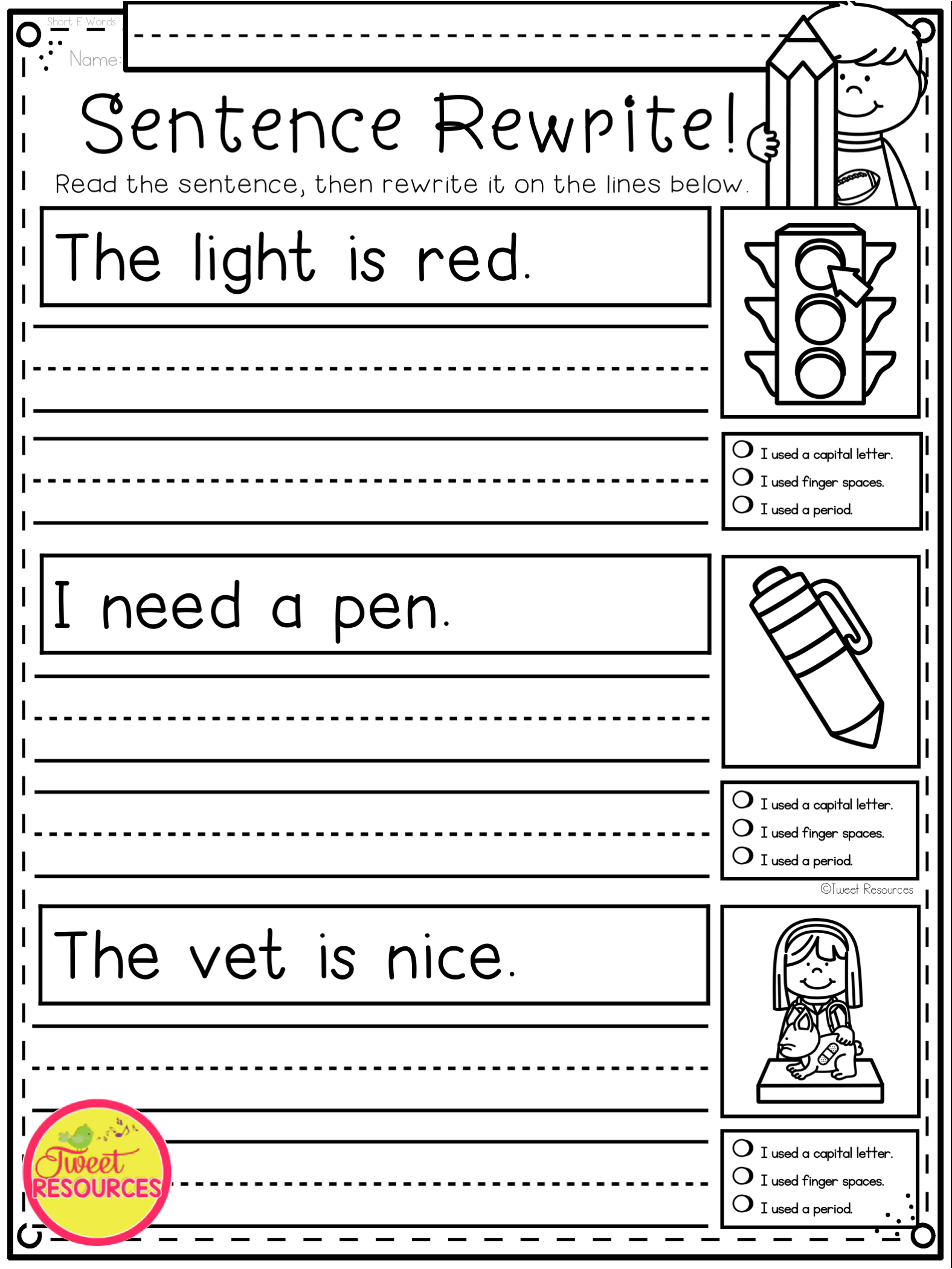
Incorporating Writing Worksheets For 1st Grade into a child’s daily routine is more than a curriculum checkbox; it is an opportunity to blend the disciplined elegance of Asian educational values with the dynamic, inclusive spirit of American classrooms. By selecting worksheets that are visually clear, progressively challenging, and culturally resonant, parents and teachers can nurture fine motor skills, cognitive growth, and a lasting love for written expression. Through thoughtful implementation—whether during a quiet morning warm‑up, a lively family writing night, or a festive cultural celebration—these worksheets become a living bridge between tradition and innovation. Regular assessment, positive reinforcement, and an awareness of common pitfalls ensure that each child’s handwriting journey is celebrated, supported, and sustained, laying a solid foundation for academic success and personal confidence well beyond the first grade.