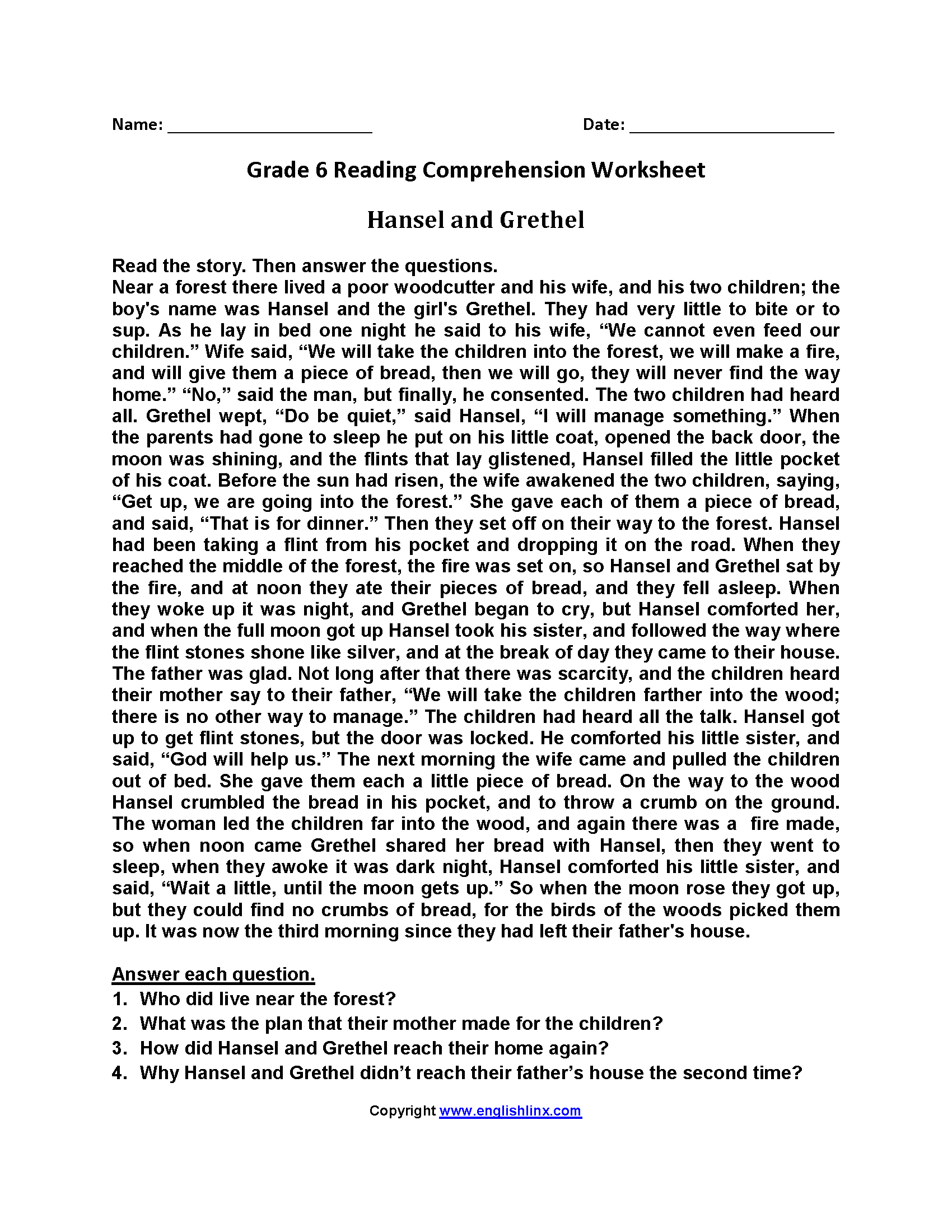
6th Grade Ela Worksheets are essential tools that transform complex language concepts into manageable, engaging activities for middle school learners. By integrating these worksheets into daily lessons, teachers can reinforce comprehension, grammar, and creative writing while providing students with practice that adapts to diverse learning styles.
Understanding the Core Objectives of 6th Grade ELA

Before selecting or designing worksheets, it’s helpful to align them with the core competencies that define a successful 6th grade English Language Arts curriculum. These objectives typically include:
- Reading Comprehension – Developing the ability to analyze main ideas, infer meaning, and evaluate text structure.
- Writing Skills – Practicing narrative, expository, and argumentative writing with clear organization, appropriate tone, and supporting evidence.
- Grammar and Usage – Mastering parts of speech, sentence structure, punctuation, and the conventions that underpin polished prose.
- Vocabulary Development – Expanding word knowledge through context clues, word parts, and thematic clusters.
- Critical Thinking and Analysis – Encouraging students to question assumptions, compare texts, and synthesize information.
When worksheets target these areas, they become more than exercises; they serve as checkpoints that guide instruction and allow for immediate feedback.
Choosing the Right Style of Worksheets

Effective worksheets come in a variety of formats, each catering to specific learning needs. Selecting the appropriate style ensures that the material stays fresh and relevant to each student’s growth.
Multiple‑Choice and Matching Questions
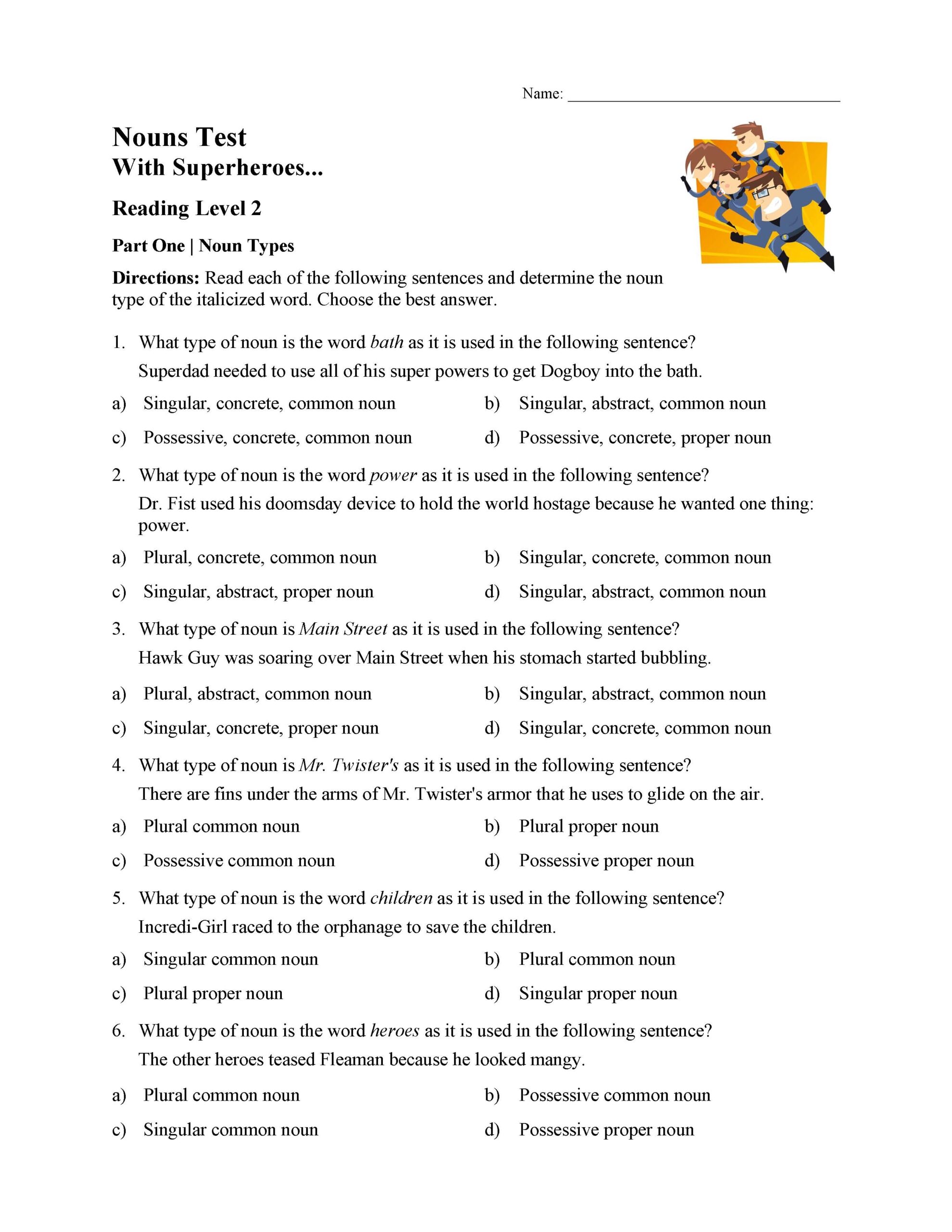
These quick-response items are ideal for assessing foundational knowledge and for use as warm‑up activities. They enable rapid grading and help identify widespread misconceptions.
Open‑Ended Prompts
Open‑ended questions encourage deeper thinking and creativity. For instance, asking students to craft a short narrative based on a prompt can reveal their grasp of structure and voice.
Graphic Organizers
Visual tools such as Venn diagrams, story maps, and cause‑effect charts help students organize information logically, reinforcing comprehension and planning skills.
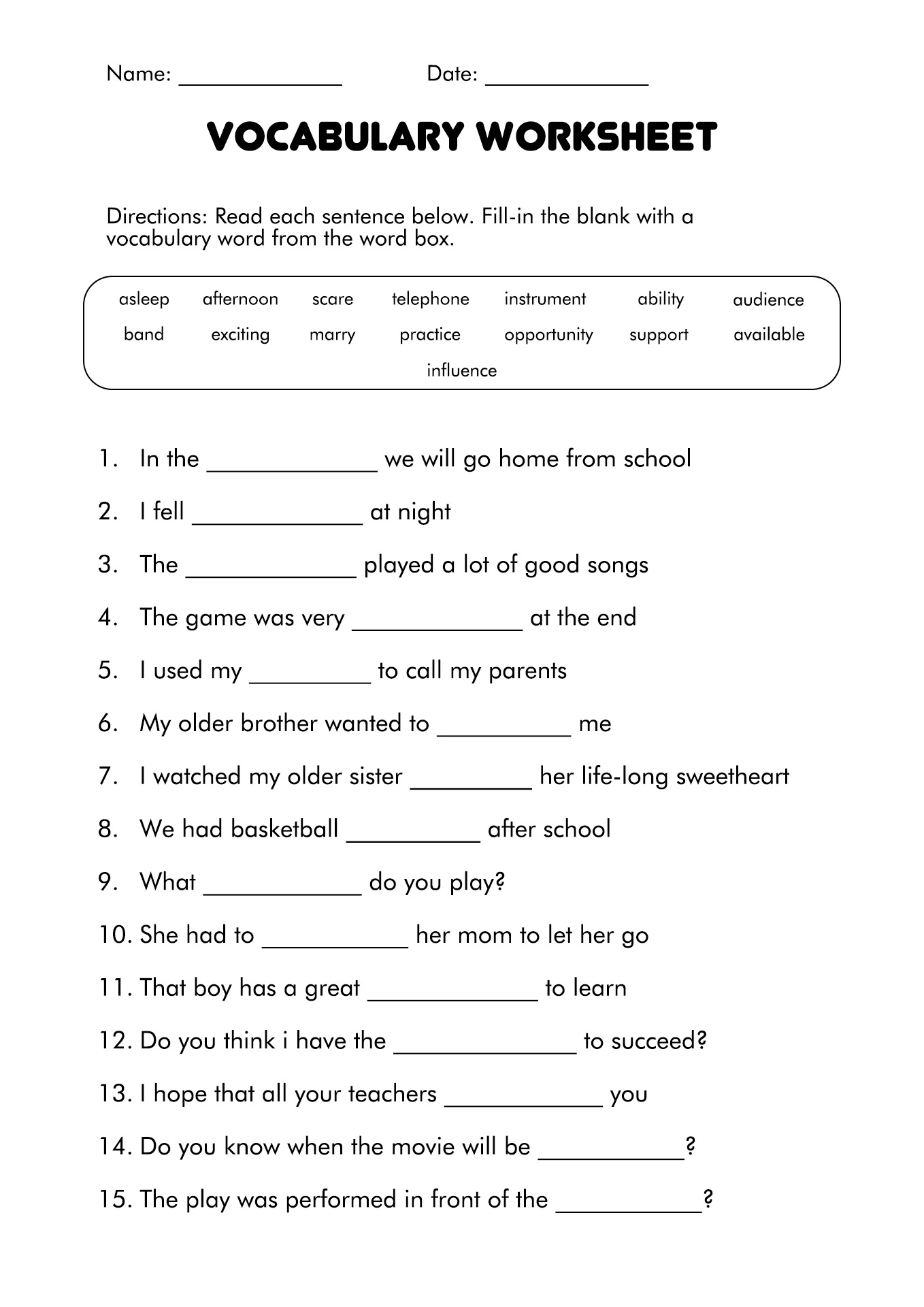
Fill‑in‑the‑Blanks and Sentence Scrambles
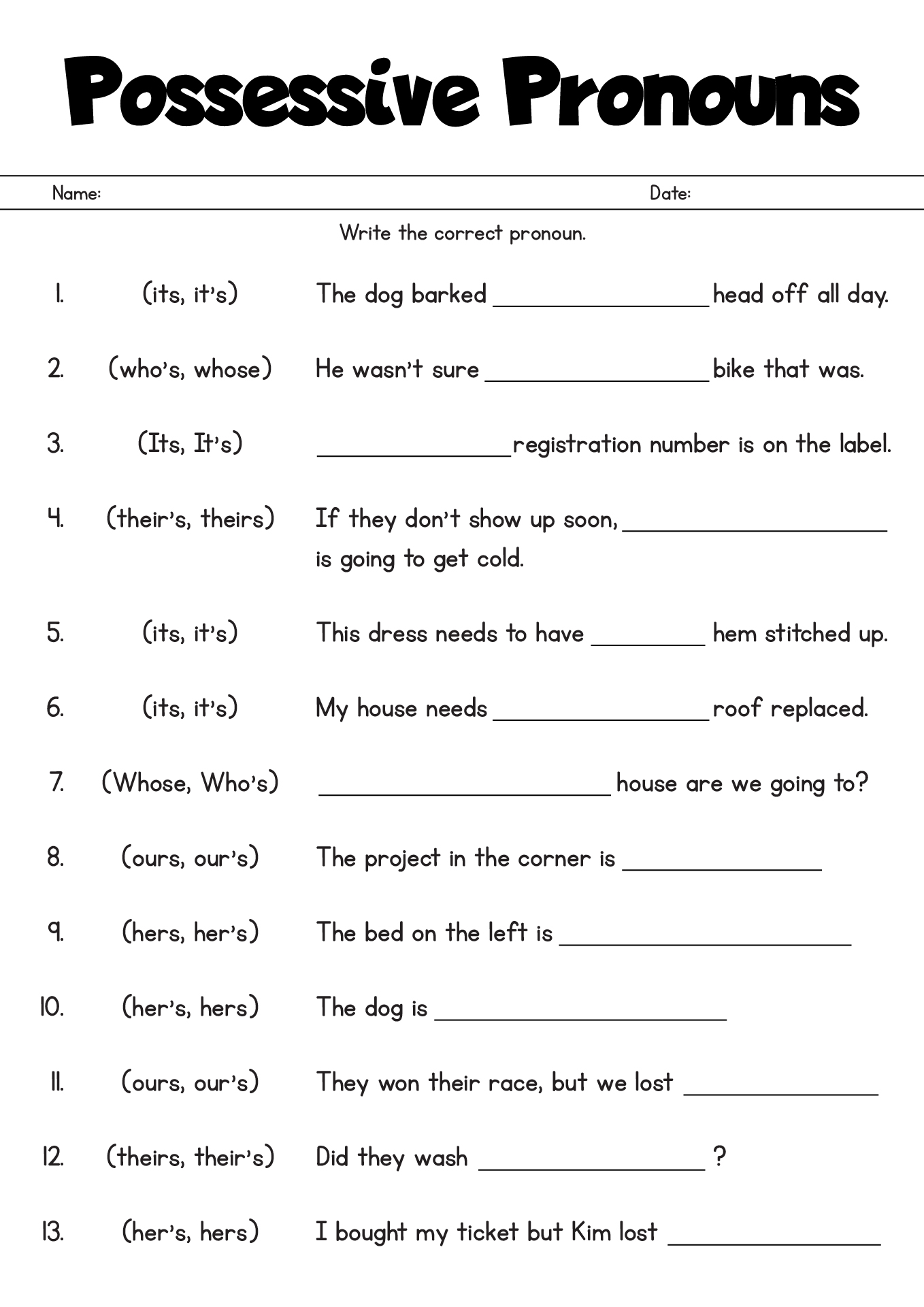
These exercises focus on grammar, syntax, and sentence construction. By rearranging sentence fragments, students become more aware of word order and punctuation.
Peer‑Review Sheets
When students evaluate each other’s work using a structured rubric, they engage in higher‑level analysis and apply standards more rigorously.
Sample Worksheet Topics and How to Deploy Them
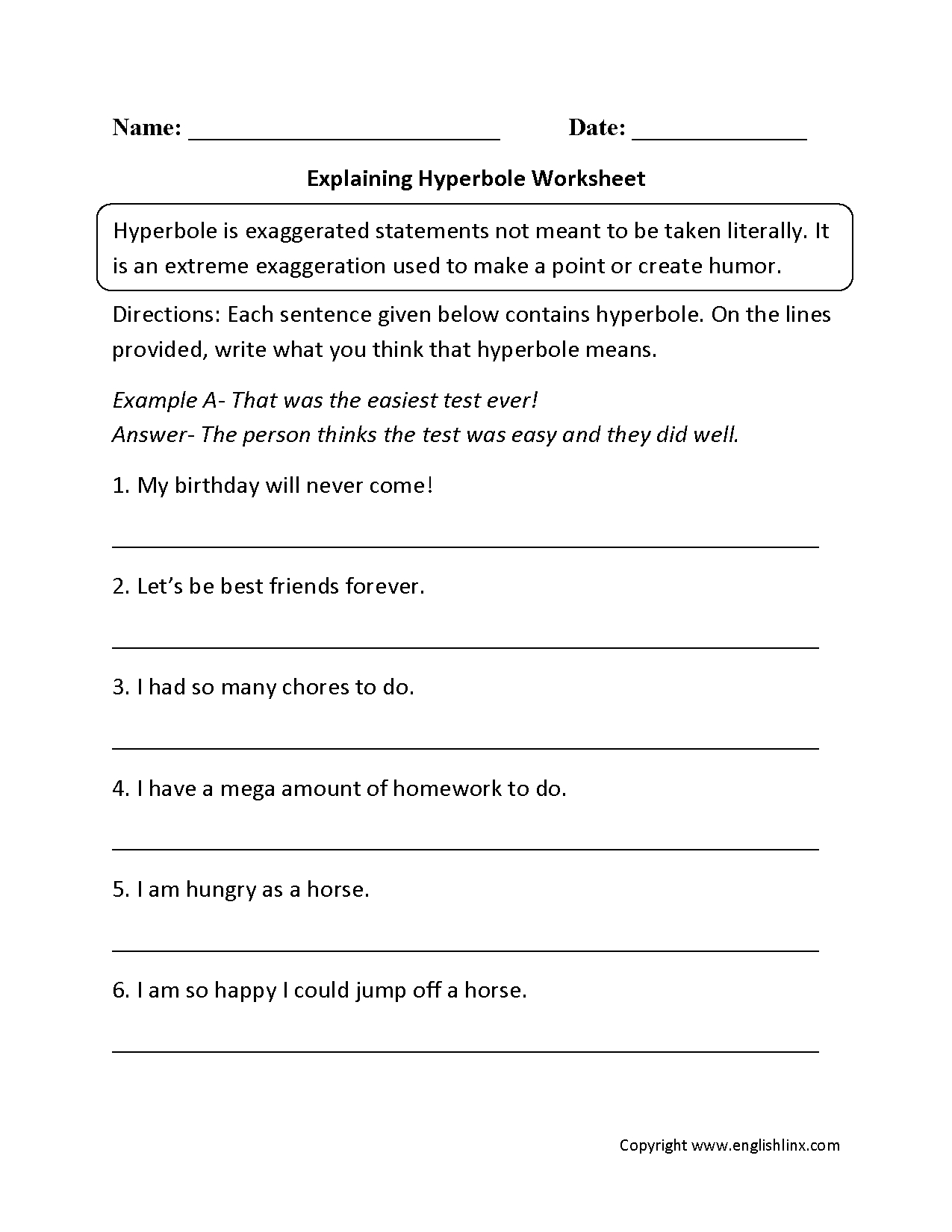
Below is a list of common 6th grade ELA worksheet themes, accompanied by practical deployment strategies that maximize classroom impact.
Reading Comprehension
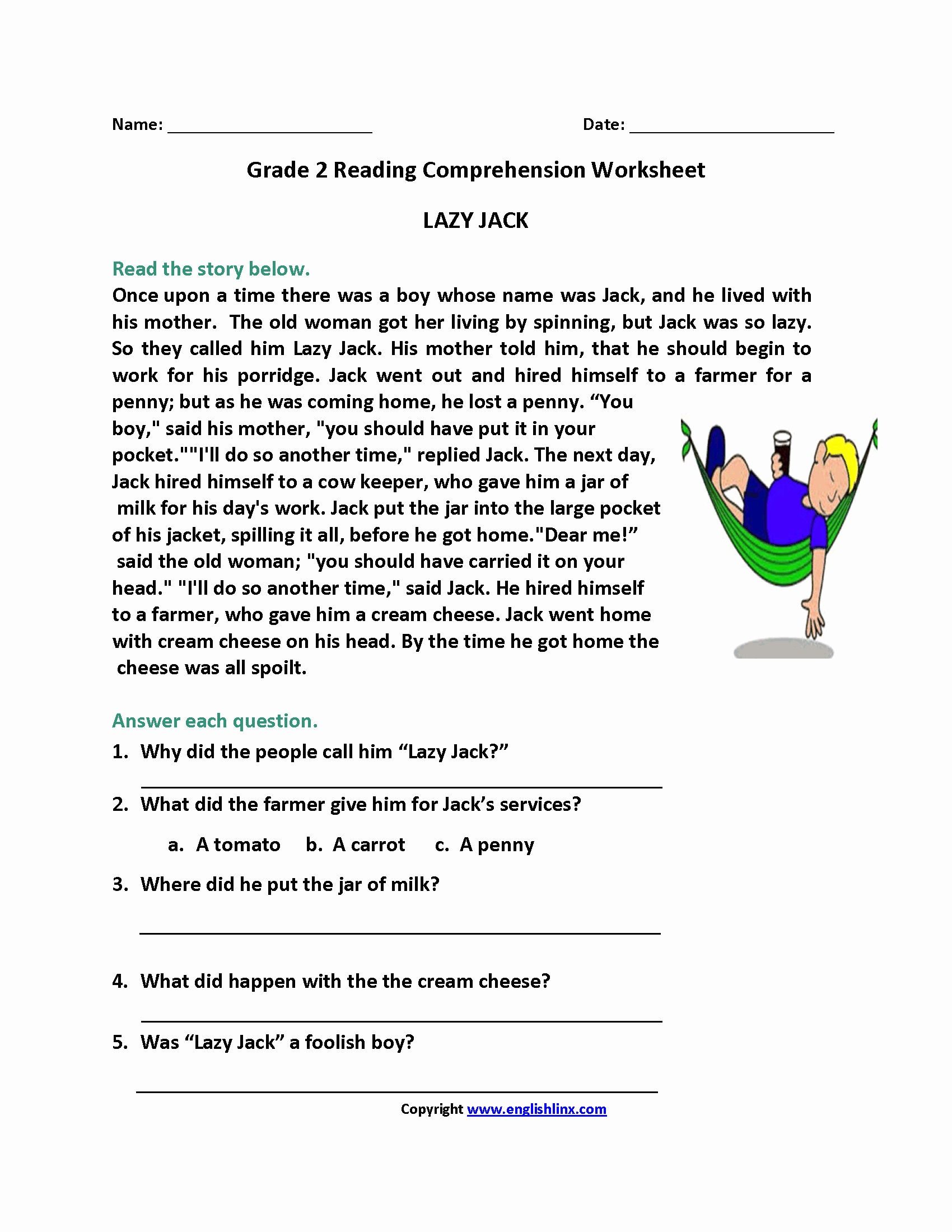
- Question Types: Main idea, detail recall, inference, and author’s purpose.
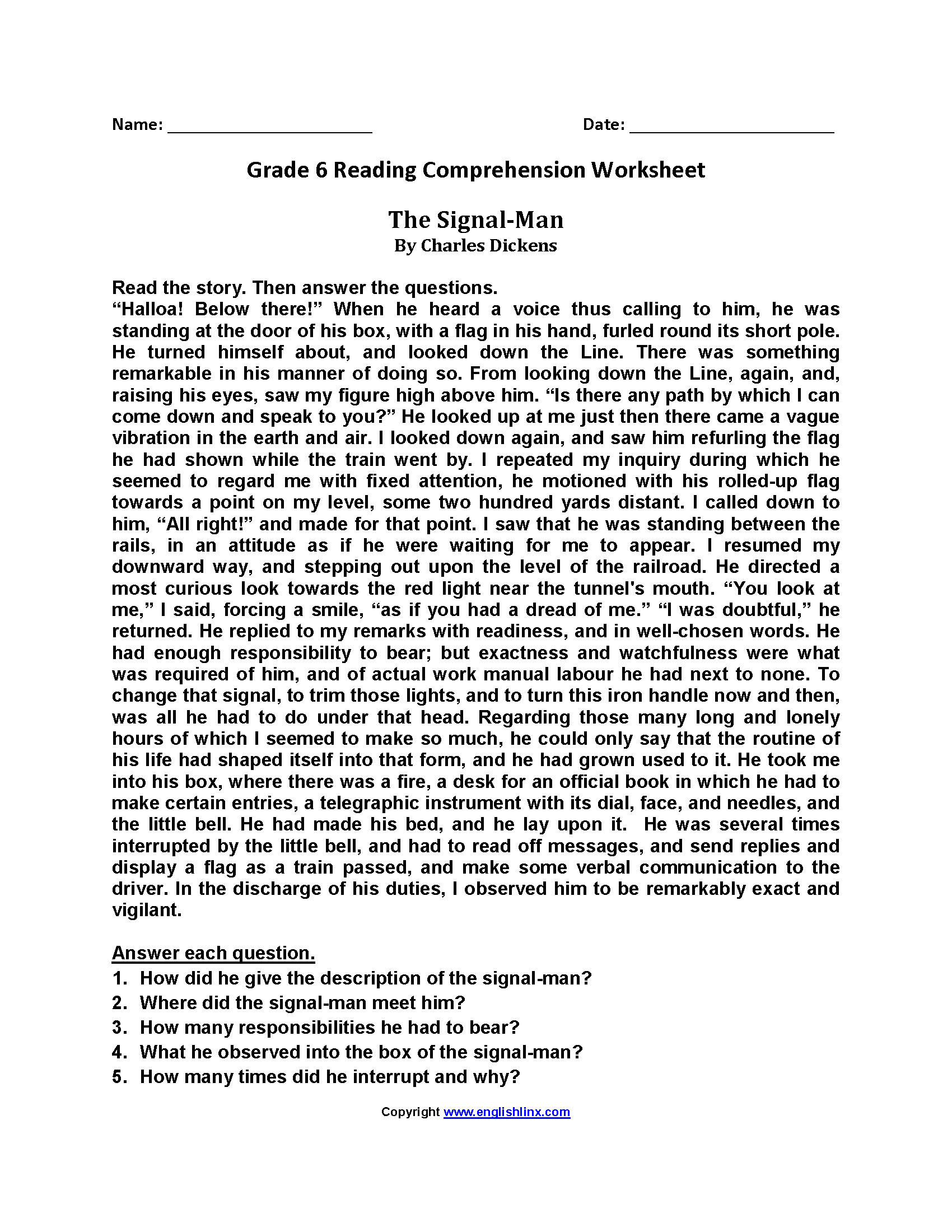
- Strategy: Pair a short passage with a set of questions. After answering, discuss responses to highlight critical thinking.
- Real‑World Example: A science article about climate change paired with questions that require students to infer future impacts.
Vocabulary Expansion
- Context‑Clue Worksheets: Provide sentences with a missing word and multiple clues.
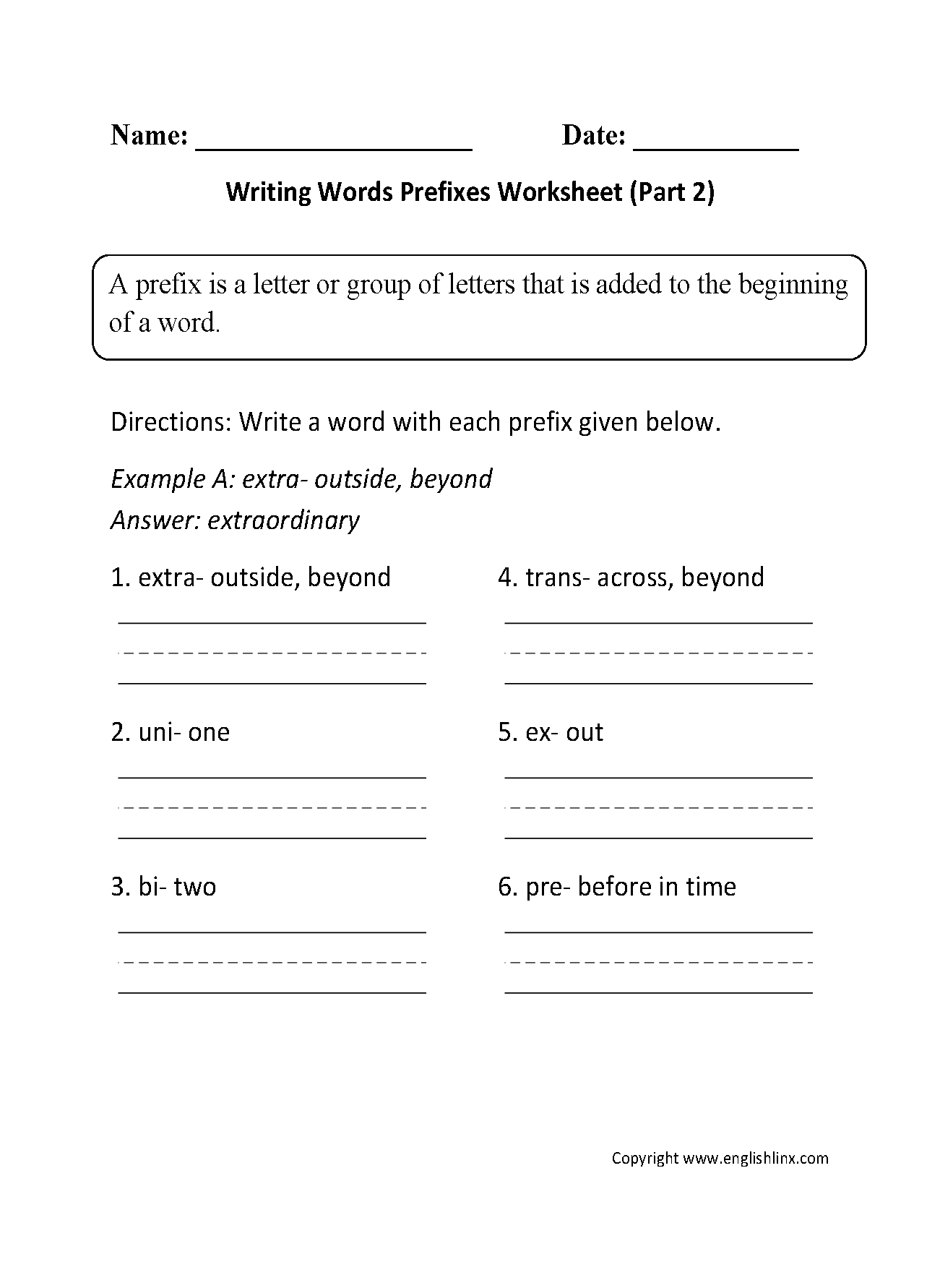
- Word Families: Group words by root, prefix, or suffix to reinforce morphology.
- Application: Ask students to use new vocabulary in a sentence or short paragraph.
Grammar Focus
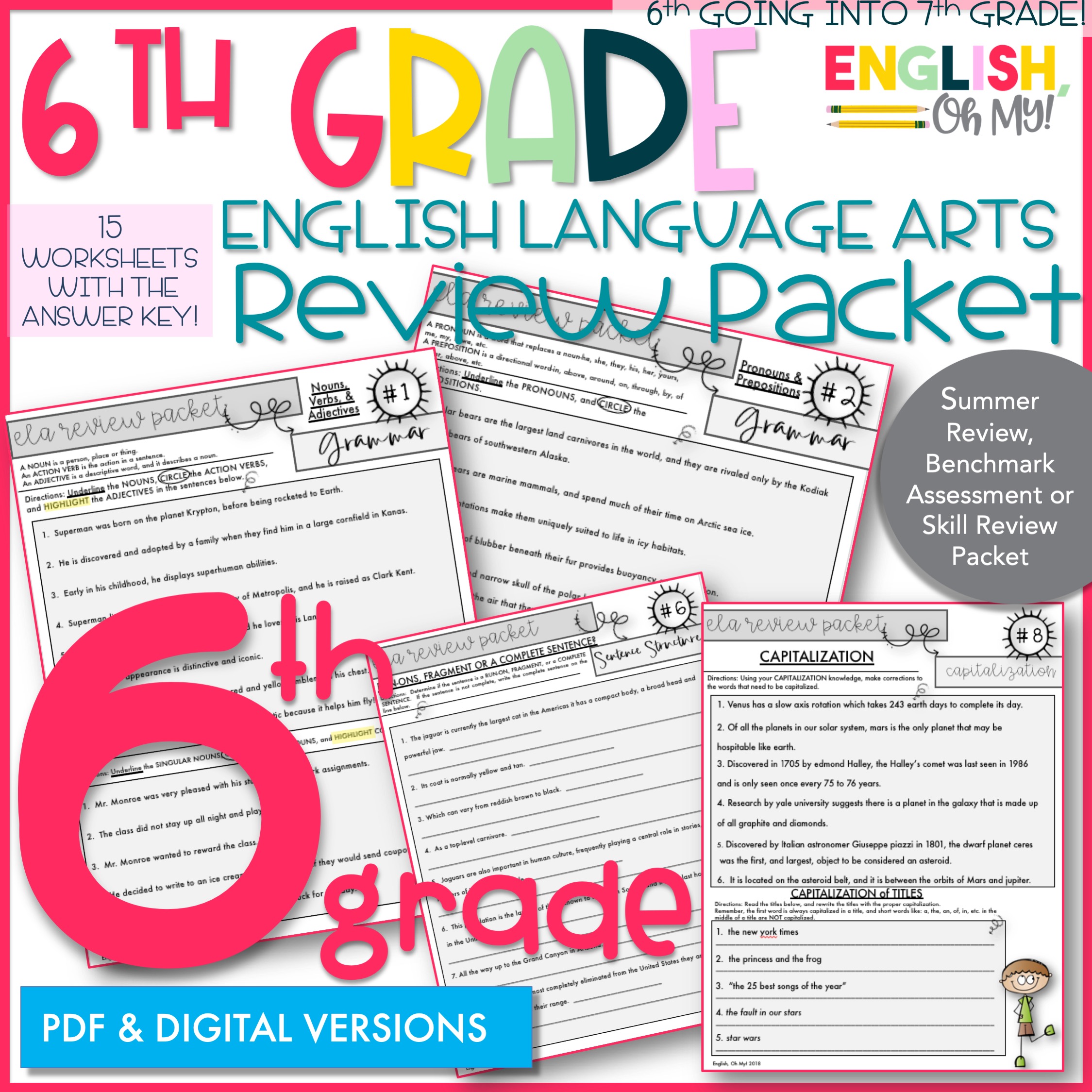
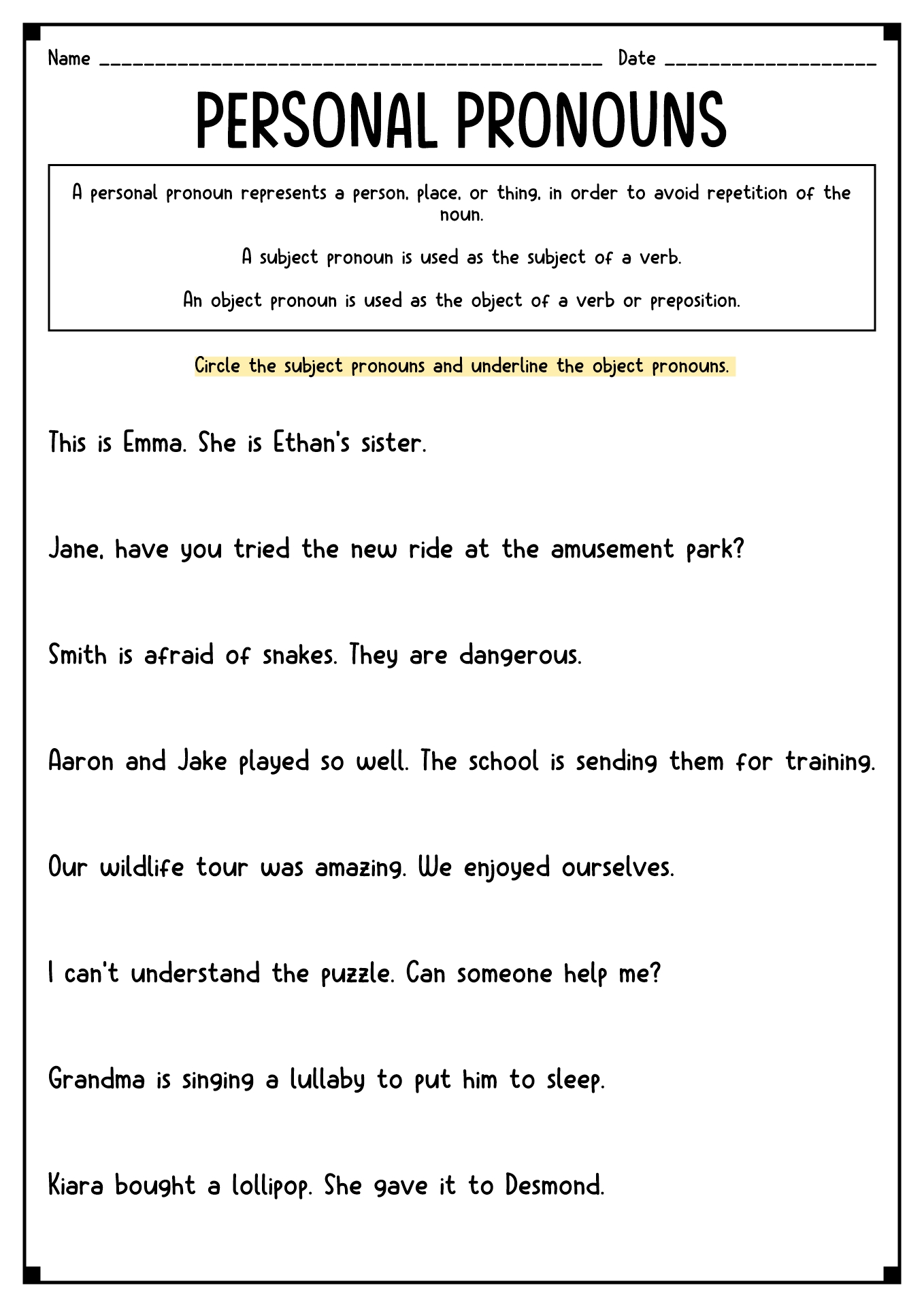
- Parts of Speech: Identify nouns, verbs, adjectives, etc., in given passages.
- Sentence Types: Distinguish between simple, compound, and complex sentences.
- Punctuation Practice: Insert commas, semicolons, and quotation marks where appropriate.
Writing Structure
- Paragraph Outlines: Create templates for topic sentences, supporting details, and transitions.
- Draft‑Revision Loops: Provide rubrics for self‑editing and peer feedback.
- Creative Story Starter: Offer an opening line that students must continue, promoting originality.
Integrating Technology with Traditional Worksheets

While printed worksheets remain valuable, blending them with digital tools can enhance interactivity and immediate assessment.
Online Scoring Platforms
Platforms like Google Forms or Microsoft Forms allow teachers to upload multiple‑choice worksheets and auto‑grade them. This saves time and provides instant analytics for targeted follow‑up.
Interactive PDFs
Embedding hyperlinks or fill‑in fields in PDFs turns static worksheets into dynamic documents that students can complete and submit electronically.
Collaborative Docs
Using shared documents encourages collaborative writing tasks. Students can comment on each other’s drafts, fostering a community of critique and learning.
Assessing Progress Through Worksheets

Effective use of worksheets involves not just assigning them but interpreting the results to inform future instruction.
Formative Assessment
Short, low‑stakes quizzes embedded in worksheets help teachers spot learning gaps early. The data can guide immediate reteaching or enrichment.
Summative Assessment
Comprehensive worksheets that cover multiple standards serve as practice for end‑of‑unit tests or state exams. They also provide a benchmark for student proficiency.
Data‑Driven Decision Making
Compile worksheet scores into a spreadsheet. Look for patterns—such as consistently low performance in sentence structure—to refine lesson plans or provide additional support.
Tips for Parents to Support Learning at Home

Parents play a crucial role in reinforcing ELA concepts outside the classroom. Below are actionable steps they can take with the help of 6th grade worksheets.
Create a Quiet Study Space
A dedicated area with minimal distractions encourages focused work. Include a whiteboard for brainstorming ideas or quick checks.
Set a Consistent Routine
Allocate a fixed time each day for worksheet practice. Consistency helps students build habits and reduces last‑minute cramming.
Review Answers Together
Even if a worksheet is straightforward, parents can read aloud the answers and discuss why each choice is correct or incorrect. This practice turns a routine exercise into a conversational learning moment.
Encourage Writing Journals
Prompt students to write a brief journal entry after completing a worksheet. Reflection strengthens comprehension and boosts confidence.
Resources for Teachers: Building a Robust Worksheet Repository

Teachers can benefit from curated collections that align with state standards. Consider the following approaches to maintain a diverse and dynamic resource pool.
Downloadable Templates
Creating templates in word processors or design software allows teachers to customize content quickly while preserving a professional layout.
Collaborate with Colleagues
Sharing successful worksheets in a faculty lounge or via a shared drive promotes peer validation and reduces repetitive creation work.
Incorporate Student Feedback
After a worksheet session, ask students what they found challenging or enjoyable. Their insights can guide future revisions and keep the material student‑centered.
Conclusion
High‑quality 6th Grade Ela Worksheets are more than practice tools; they are strategic extensions of instruction that foster critical reading, precise writing, and robust grammar skills. By selecting varied formats, aligning with curriculum objectives, integrating technology, and engaging both teachers and parents, educators can create a comprehensive learning environment that prepares students for success in middle school and beyond. Embracing these worksheets as dynamic, data‑driven resources ensures that each student’s voice grows louder, their confidence rises, and their mastery of English flourishes.