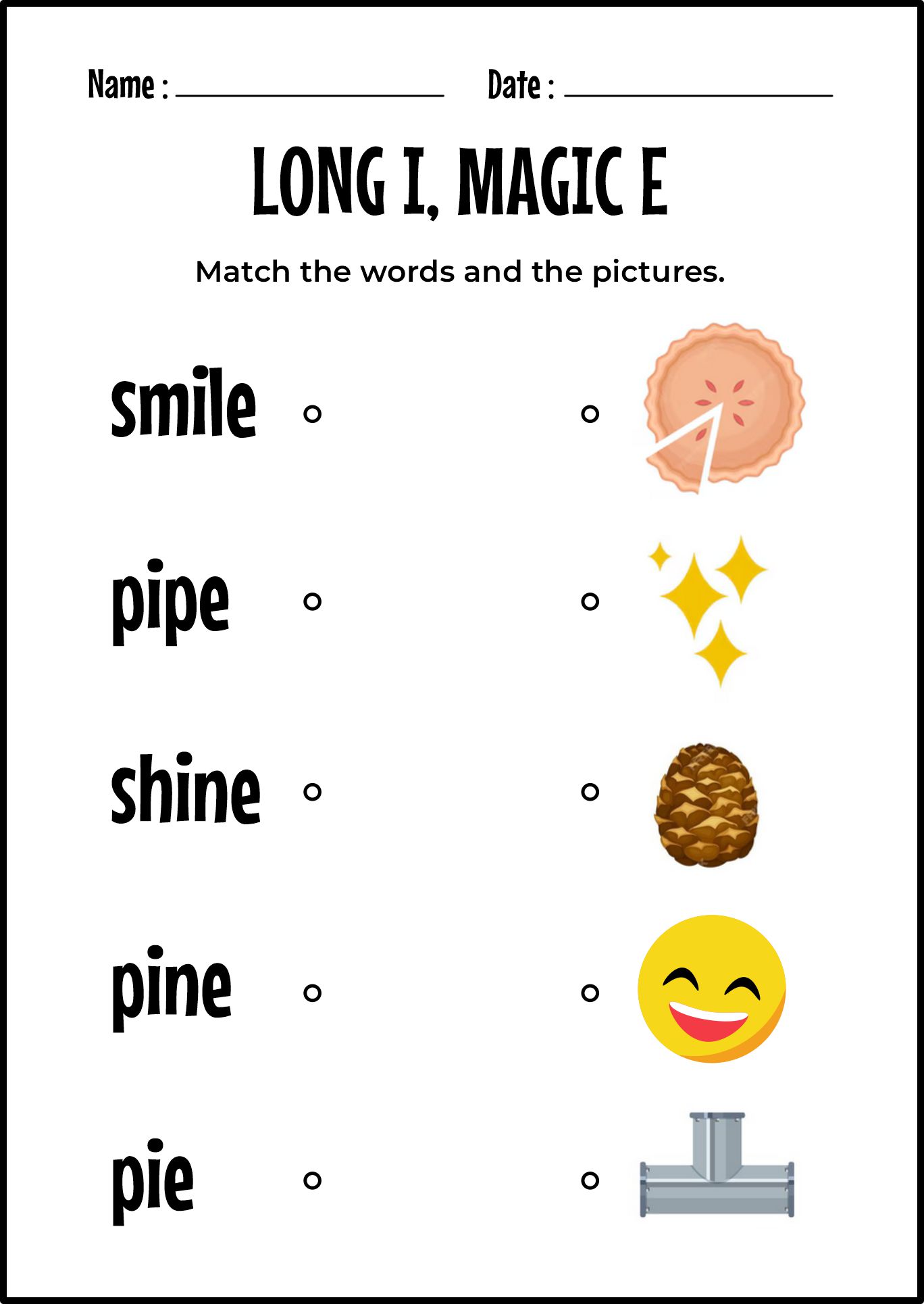
Worksheet On Magic E is not just a tool; it’s a portal to a world where every word gets a secret makeover—just by adding a single letter at the end. If you’ve ever seen a “fool” become “foolish” or a “hop” transform into “hope,” you’ve tasted the sorcery of the silent e. This post will dive into the mystical realm of magic‑e worksheets, sprinkle them with humor, and give you the practical know‑how to keep your students enchanted and your classroom laughter‑filled.
Why the Magic E Is a Language Wizard
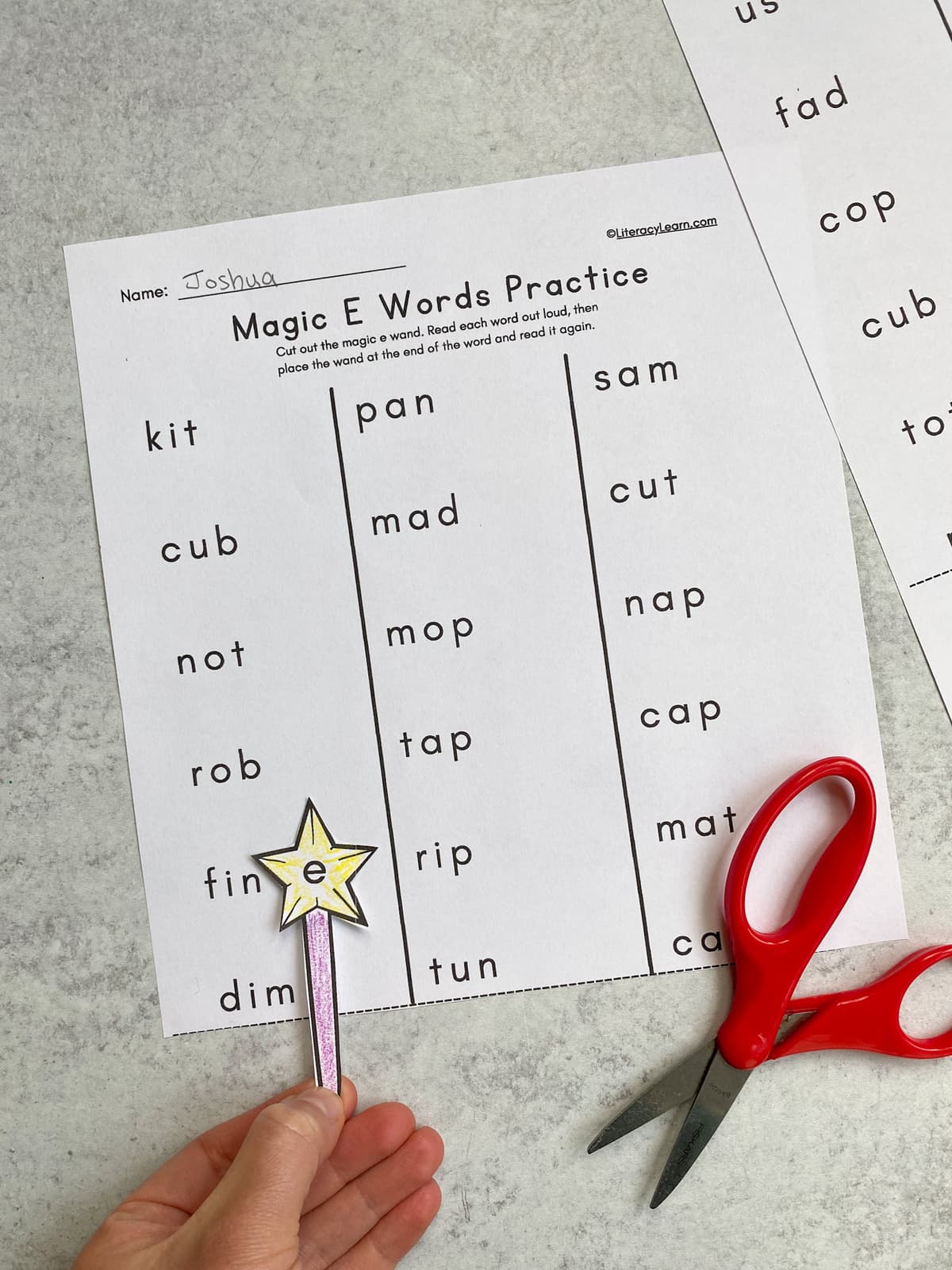
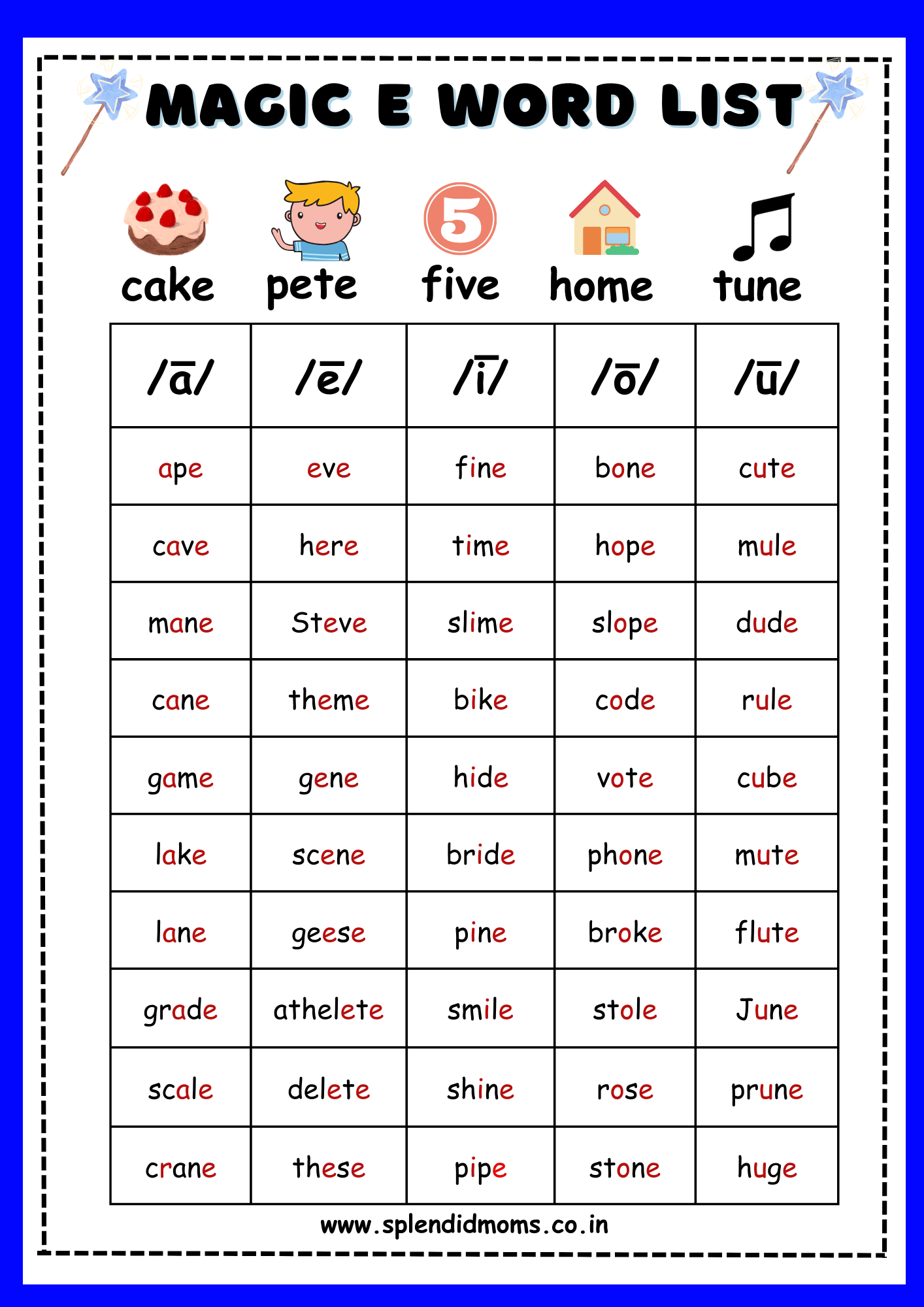
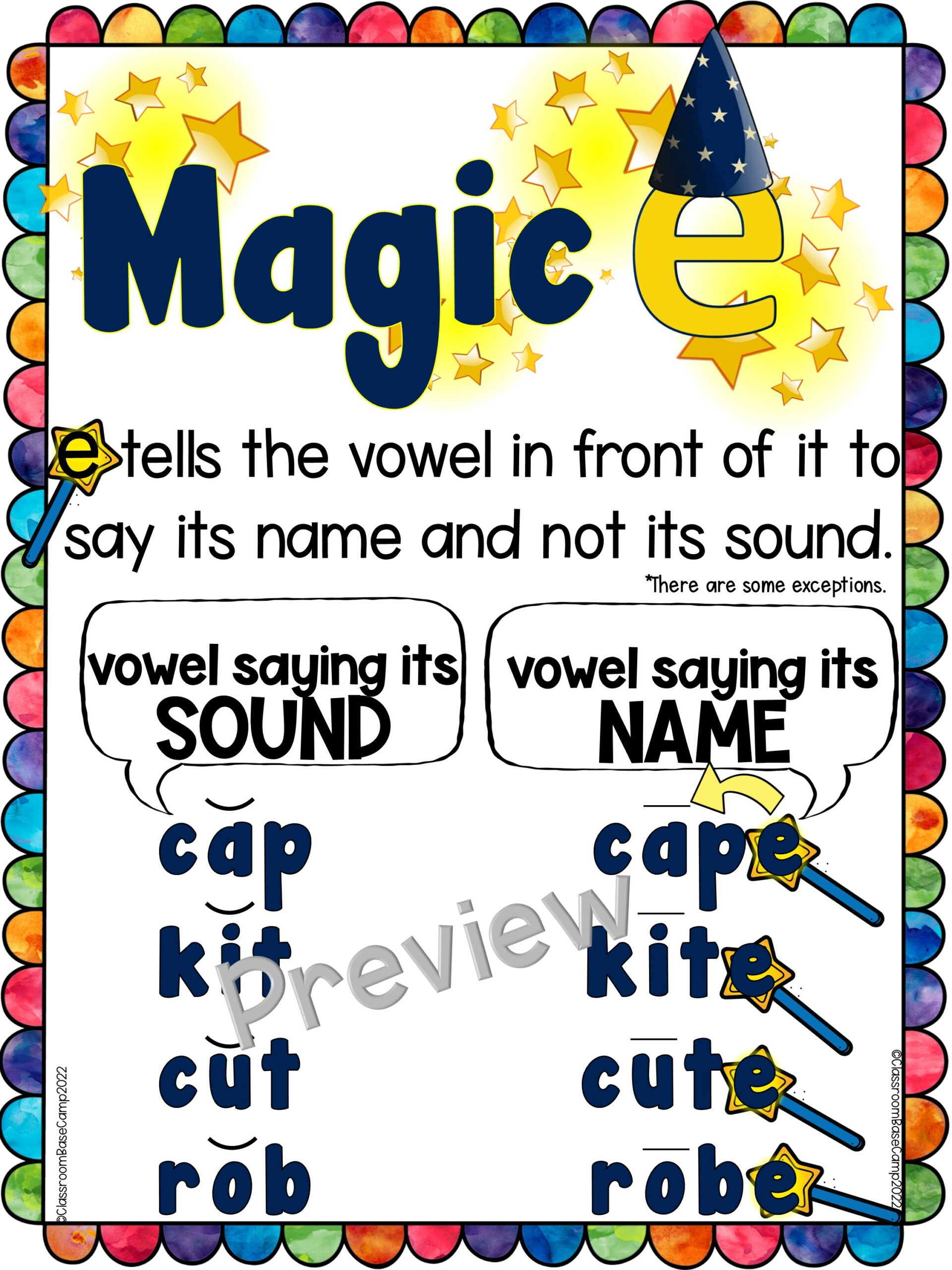
Let’s face it, the English alphabet can be a bit of a drama queen. Some letters just don’t show up in the spotlight unless they’re paired with a “silent e.” That tiny letter acts like a wizard’s wand, turning short vowel words into long‑vowel, big‑mouth versions that can’t help but grin. The Worksheet On Magic E gives teachers a backstage pass to this transformation.
Vowel Power Ups
- Short to Long: Words like “cat” become “cate,” a silly word that never existed but shows the change from short a to long a.
- Raising the Stakes: A word that was once a plain noun now becomes a powerful adjective or verb, expanding a child’s vocabulary in ways that feel like upgrading from a scooter to a hoverboard.
- Sound‑Shift Magic: Silent e can cause the preceding vowel to stretch, turn, or even switch entire sound families—think “rid” to “ride” or “sip” to “sipe” (okay, that one is a prank).
Phoneme Fun Facts
- Did you know that “e” alone can produce the long ee sound when it’s at the end of a word? It’s the ultimate “silent but powerful” character.
- Kids often think a silent e is like a “ghost” of a letter that stays on the page but never makes a sound—perfect for a spooky story in the middle of math.
- In phonics, the magic e is the equivalent of a “pressing a button” that turns the word into a “long” version, often making a new word entirely.
Getting Started with Magic E Worksheets
Creating a great worksheet can feel like building a sandcastle with a sledgehammer—but with the right structure, it turns into a beach‑side masterpiece. Here’s a step‑by‑step guide that will have your students lining up for more.
Step 1: Pick Your Theme
Choose a theme that aligns with current curriculum or simply something that excites your students. Ideas include:
- Animals that hop, hop‑slip, and hop‑to—like “frog” to “froge” (a rare but hilarious mis‑spell).
- Foods that change when you add a silent e—“bake” from “bak” (think of a broken cake).
- Sports that become super‑sports—“run” to “rune,” and yes, rune is actually a mystical runestone.
Step 2: Scaffold the Tasks
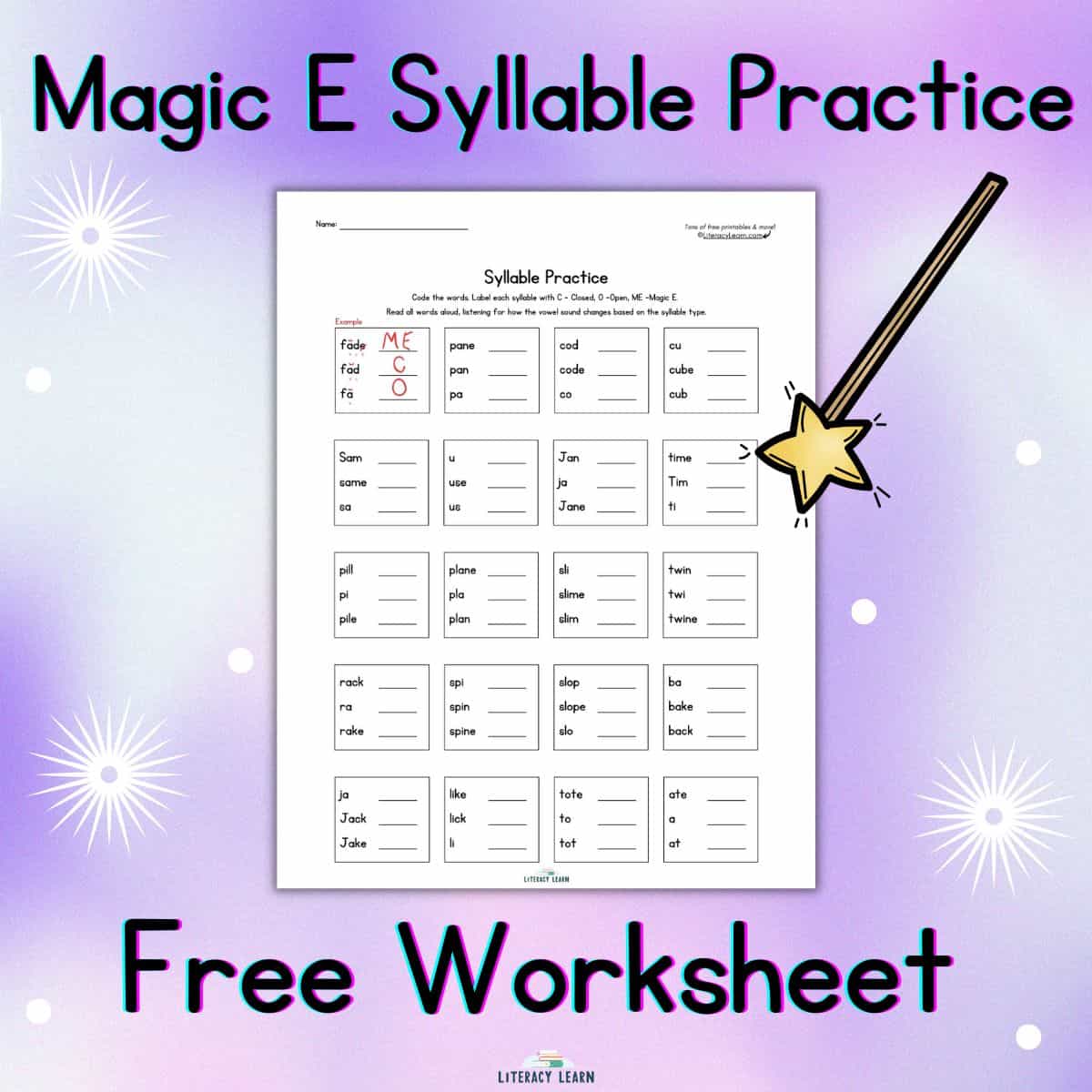
Magic e worksheets should have a clear progression: start with simple recognition, move to application, and finish with creative expression.
- Identify the short vowel word.
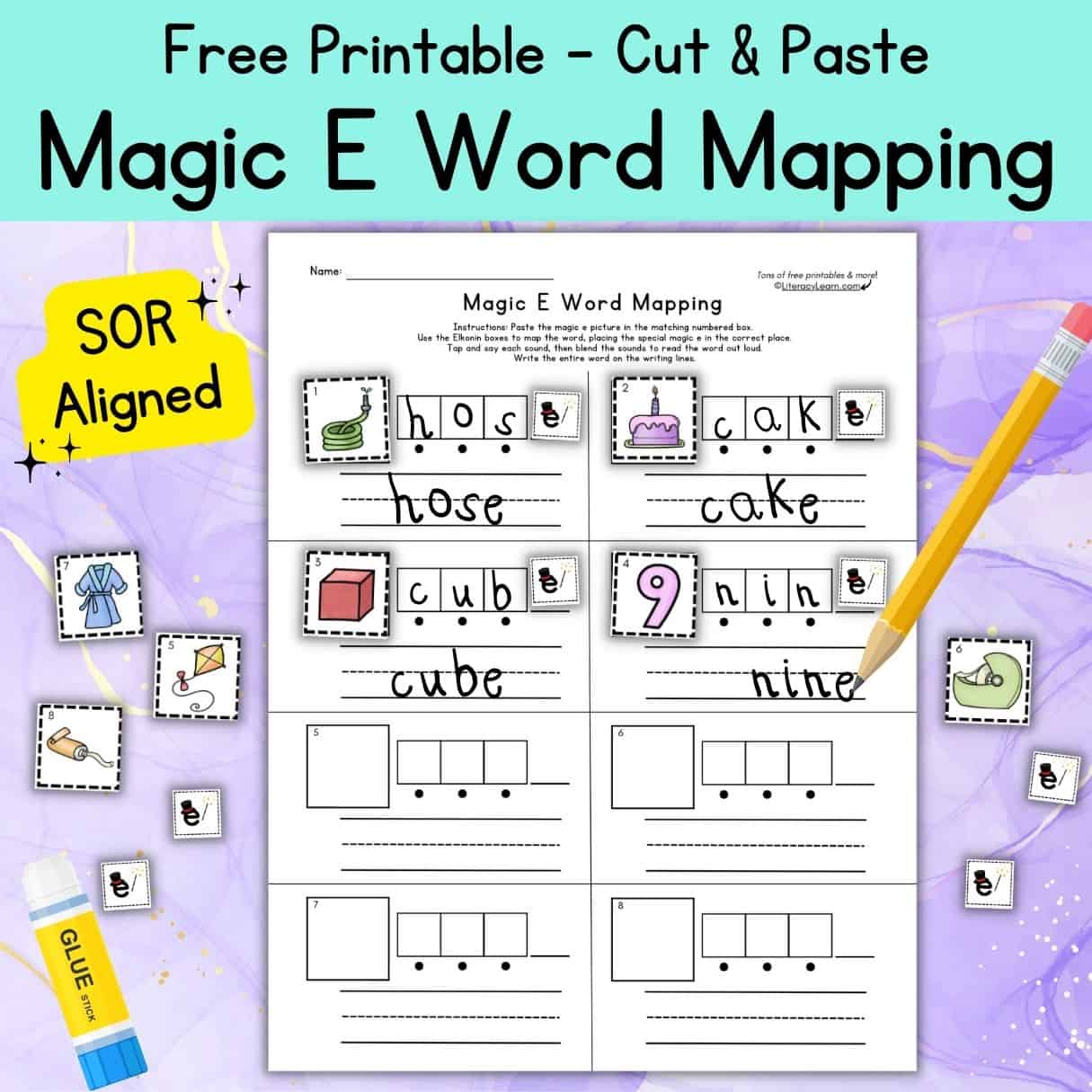
- Add the silent e and predict the new pronunciation.
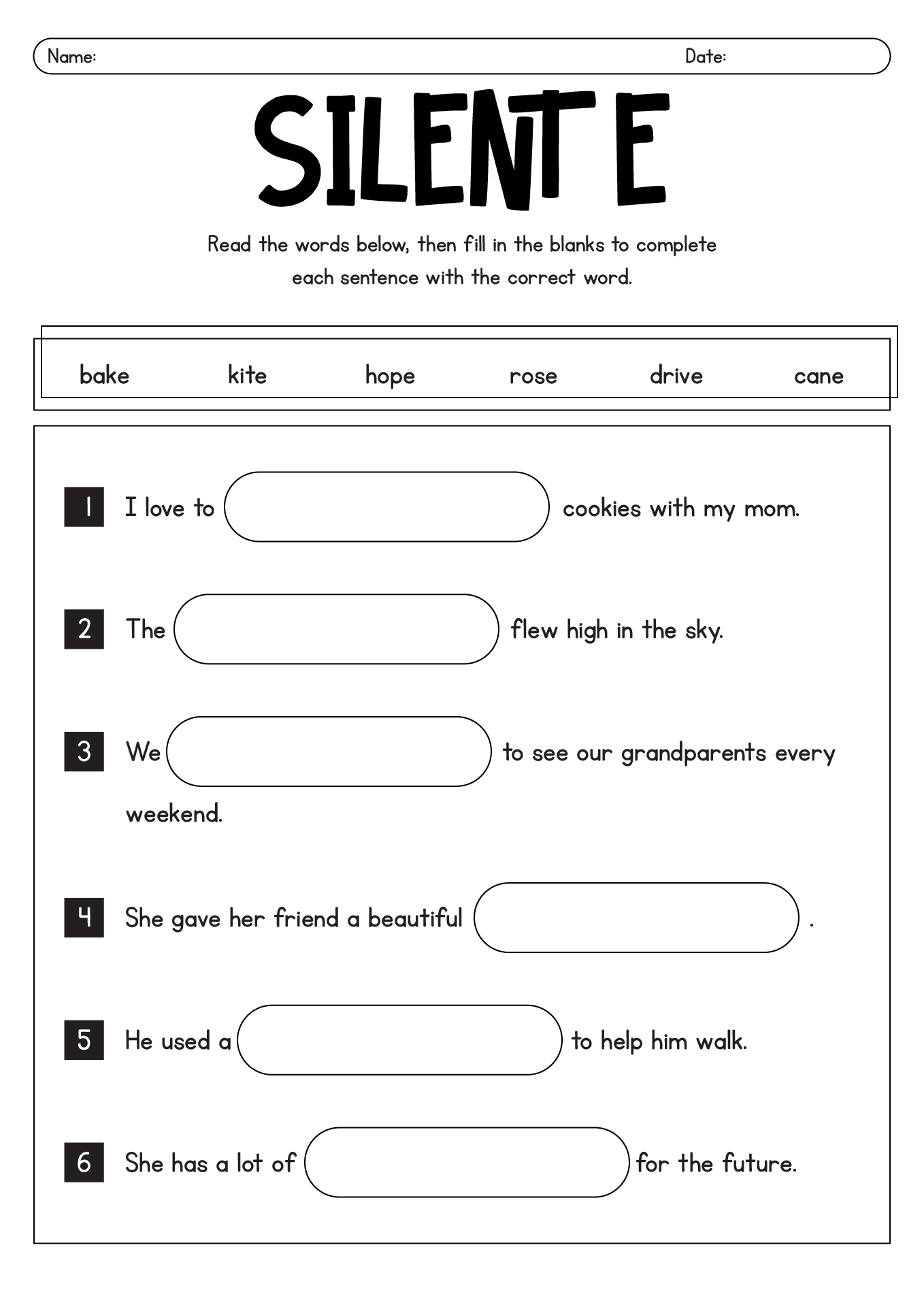
- Write the new word and use it in a sentence.
- Create a comic strip or a short story that includes several magic‑e words.
Step 3: Sprinkle Humor
Humor isn’t just a fluff element; it’s a mnemonic. Use silly puns like “Why did the cat join the band? Because it had the purrfect ‘m-o’-p-hic e!” or “A silent e is like a magician’s hat: it’s always there, but the trick is the sound!” This keeps the worksheet light while cementing the concept.
Top Fun Activities to Supercharge Your Magic E Worksheets

Below are engaging activities that bring the magic‑e concept to life while giving your students a chance to practice, reflect, and laugh.
Word Garden Scavenger Hunt
Hide cards with short vowel words around the room. Students must find each, then write the long‑vowel counterpart on a shared “garden” poster. The final image will look like a blooming alphabet with each flower representing a new word.
Silence the E, Not the Word
Give students a list of words that *do not* take a silent e (e.g., “bag” to “bage” would be a disaster). Their challenge is to explain why adding an e would alter the meaning or become a non‑word. This strengthens their phonemic awareness and adds a touch of silliness.
Digital Magic e Bingo
Create a bingo card where each square contains a word missing its silent e. Students receive a marker for every correct transformation. The first to complete a line gets a “golden e” award—like a golden ticket for a pizza lunch.
Story Circle: The E‑Enchanted Tale
Students sit in a circle. The first student starts with a sentence that includes a magic‑e word. Each subsequent student adds a sentence that either expands the story or introduces a new magic‑e word. By the end, you’ll have a quirky tale that will be worth a book club meeting.
Common Mistakes & How to Fix Them
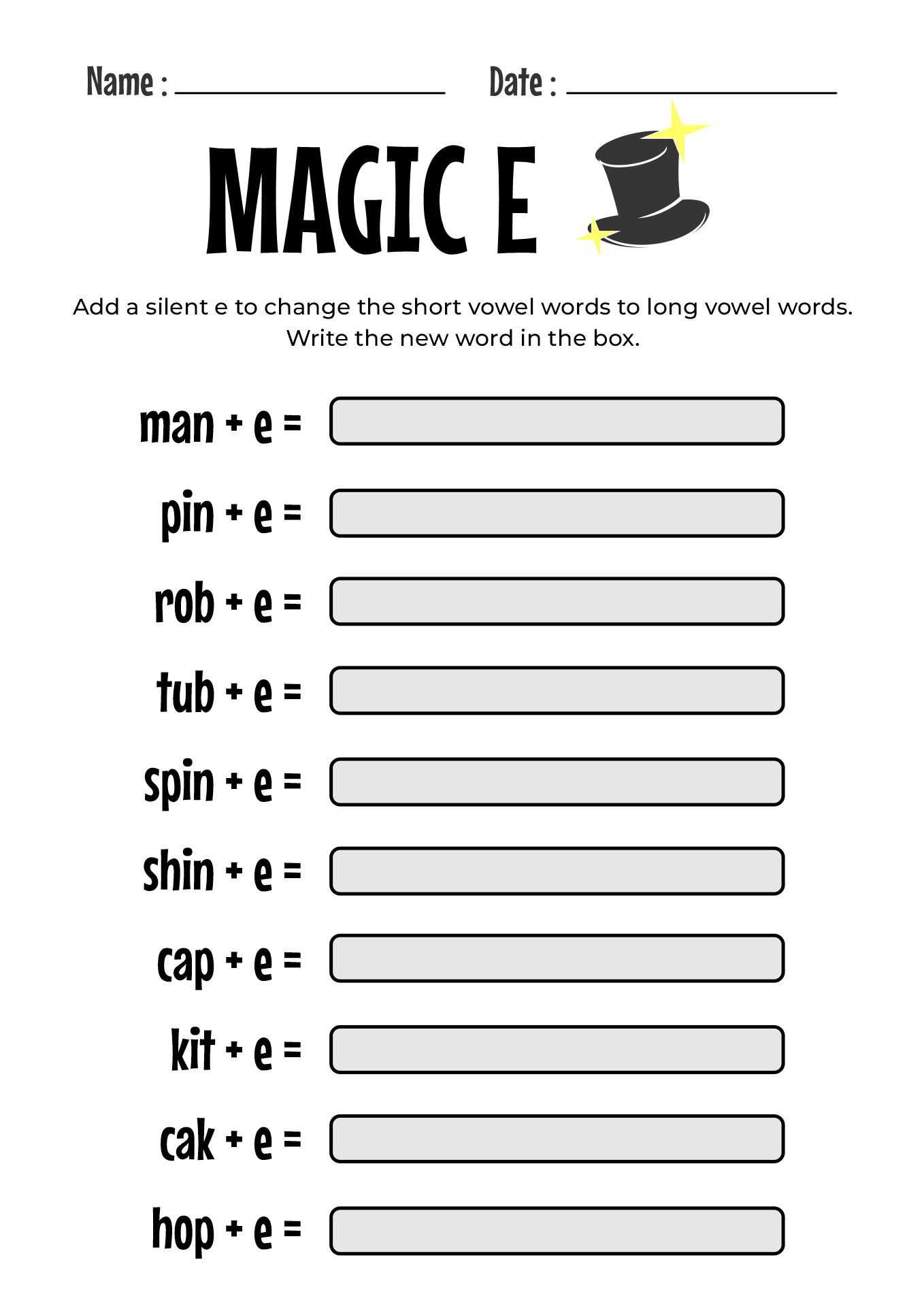
Even seasoned teachers can fall into pitfalls when dealing with silent e. Here’s a cheat sheet of typical errors and how to correct them.
Misapplying the Rule
Students often apply the silent e rule to words that already end in “e,” producing nonsense like “cakee.” Encourage them to look at the word’s *structure*—does the vowel come before a single consonant? If so, a silent e is usually appropriate.
Forgetting the “E” Isn’t Silent in All Cases
In “e” as part of a diphthong or when it appears in a silent word like “knife,” the pronunciation changes. Provide examples: “knife” remains “knife” but the e doesn’t make a new sound. Use visuals to show the difference.
Overlooking Consonant Doubling Rules
When a short vowel is followed by a single consonant and the word ends in “e,” the consonant should double before adding the e (e.g., “run” to “rune” is fine, but “hop” becomes “hope,” not “hoope”). Use a mnemonic: “If the word ends in a single consonant, double it before you add the e!”
Teacher and Parent Tips for Maximizing Worksheet Impact

Both home and classroom environments can amplify the magic‑e learning experience. Here are practical pointers.
Create a “Magic e” Station
Set up a dedicated corner with a pile of flashcards, sticky notes, and a small whiteboard. Encourage students to practice the transformations anytime they feel like a quick brain workout. The station should also include a “Meme of the Day” where students create a funny caption using a magic‑e word.
Incorporate Tech Tools
Use interactive apps where students drag an “e” to the end of a word, hear the pronunciation shift, and earn points. Gamification turns rote practice into a thrilling adventure.
Celebrate Every Success
Rewarding correct answers with stickers shaped like a letter “E” keeps motivation high. Parents can also take home a printable “E‑Hero” certificate for each milestone.
Collaborate with Colleagues
Hold a brief meeting where teachers share their favorite magic‑e worksheets or swap funny word stories. Collaboration fosters fresh ideas and keeps the learning environment dynamic.
Real Classroom Stories That Show the Power of the Magic E
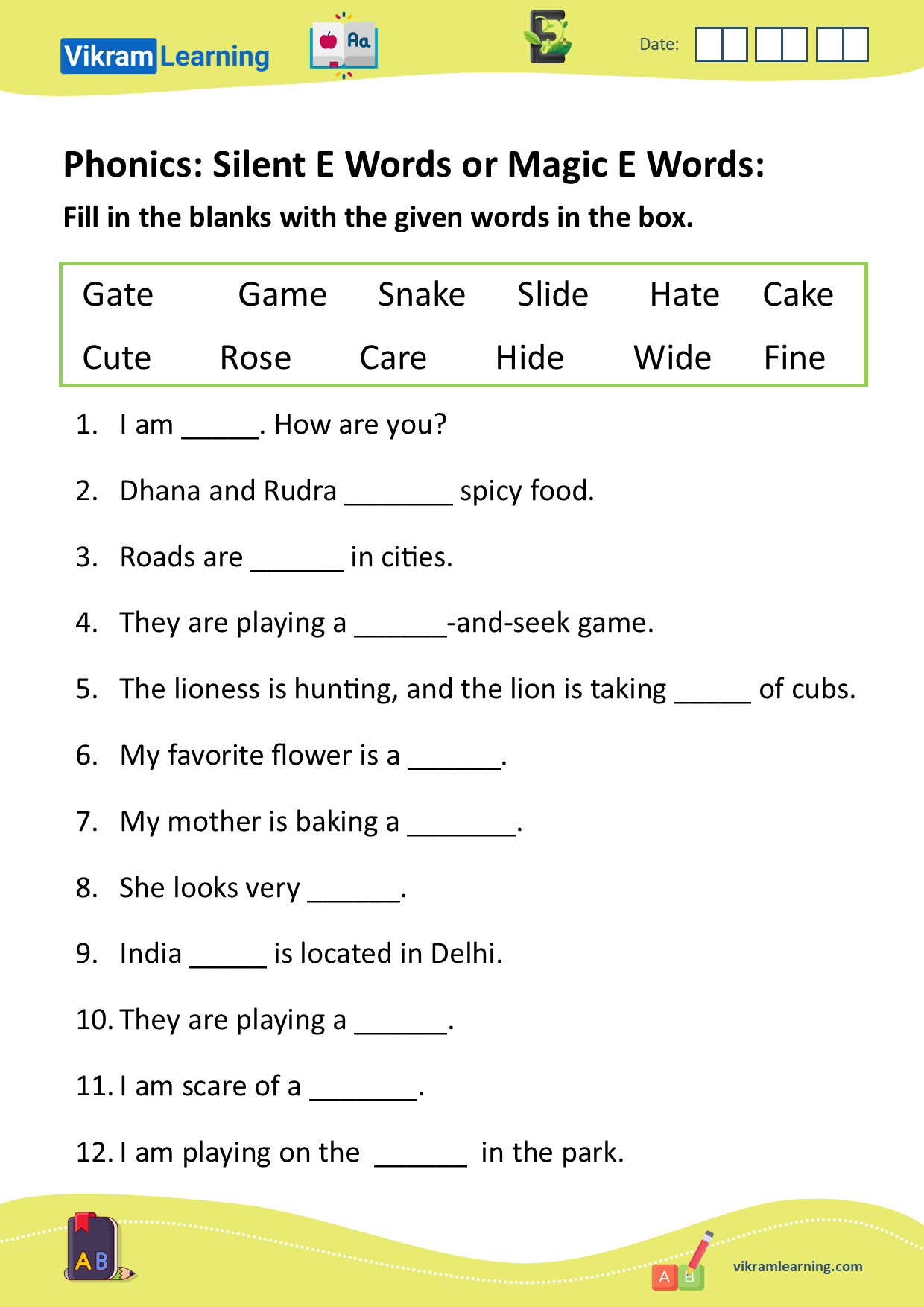
Nothing beats a real-life anecdote to illustrate the impact of a well-designed worksheet. Here are two memorable moments.
Case Study: 4th Grade “E” Extravaganza
During a spelling unit, a teacher introduced a magic‑e worksheet with a twist: each correct answer unlocked a cartoon strip about a talking “E.” Students were so engaged that the lesson extended to a class comic book project, and the teacher reported a 30% increase in vocabulary retention.
Parent-Teacher Partnership
A parent, after receiving a worksheet from home, decided to turn it into a bedtime game. She read the short word aloud, and her child whispered the long‑vowel form. This playful ritual became a bonding moment that reinforced phonics long after school hours.
Conclusion

When you think of Worksheet On Magic E, picture it as a bridge that transforms ordinary words into extraordinary ones, all while keeping students laughing, engaged, and ready to explore the richness of English spelling. By selecting the right themes, scaffolding tasks, adding humor, and anticipating common pitfalls, you can turn these worksheets into a highlight of your curriculum. Remember to celebrate successes, adapt to your learners’ needs, and, most importantly, keep the magic alive—because in the world of language, a silent e can be the loudest voice of all.