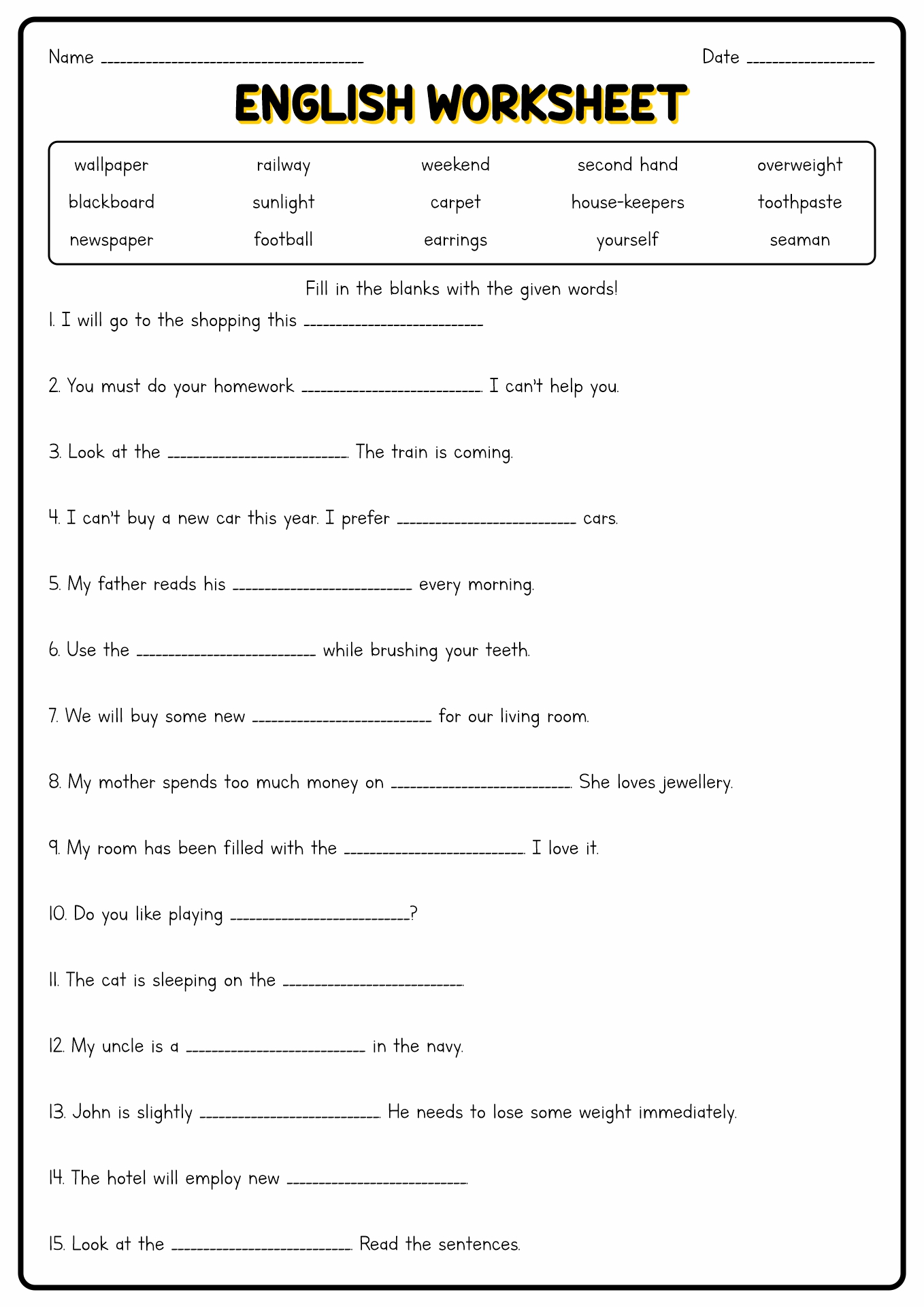
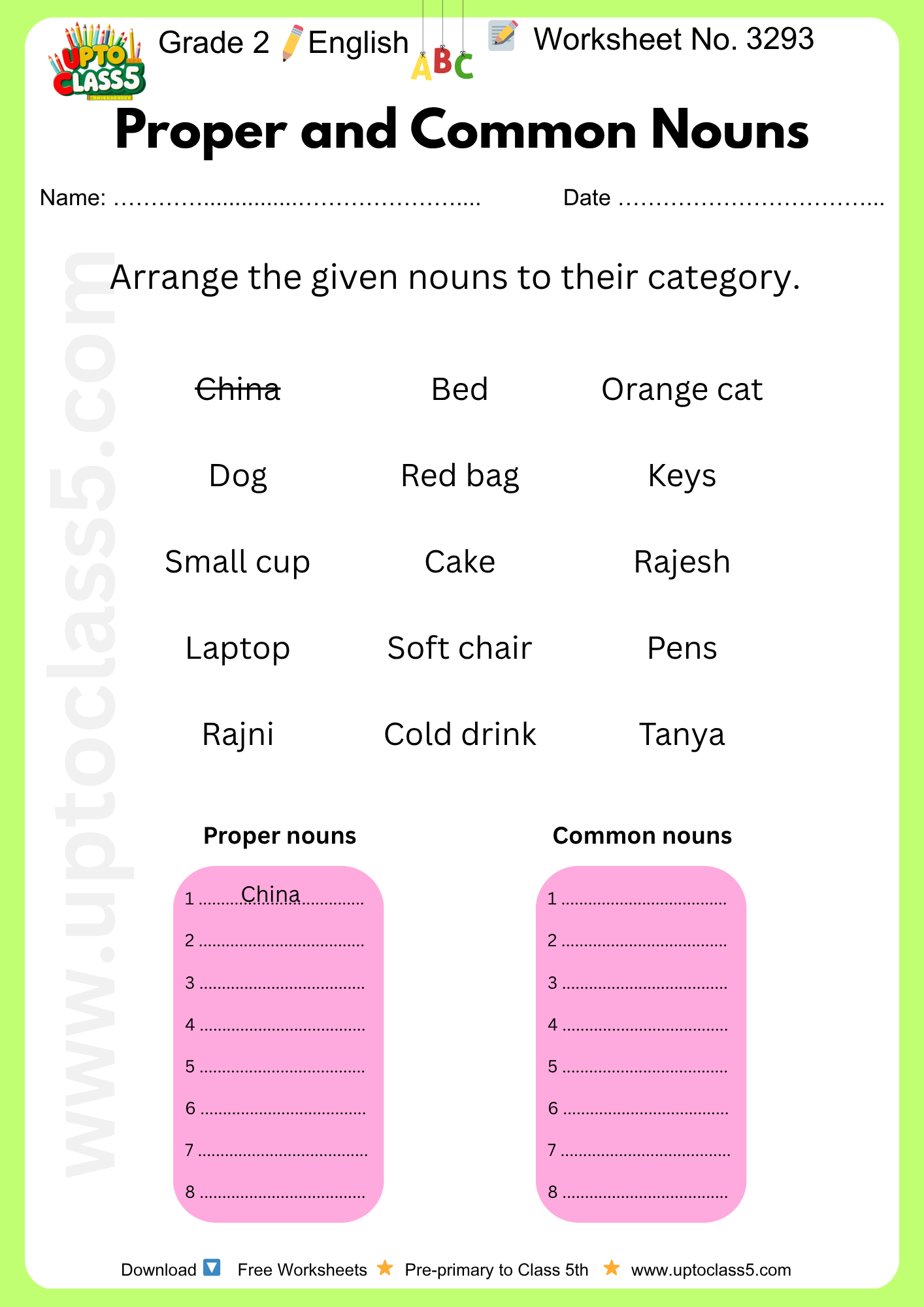
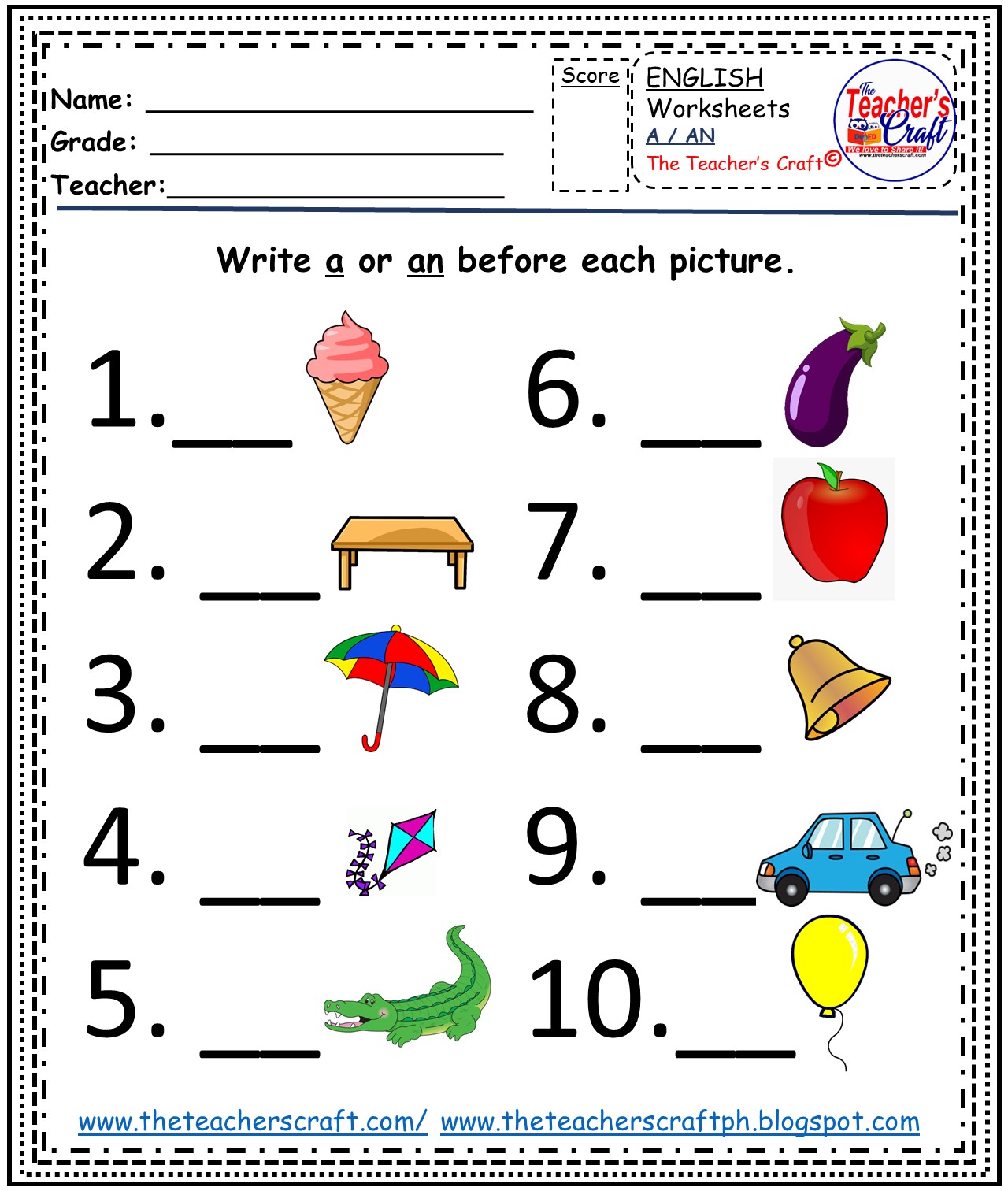
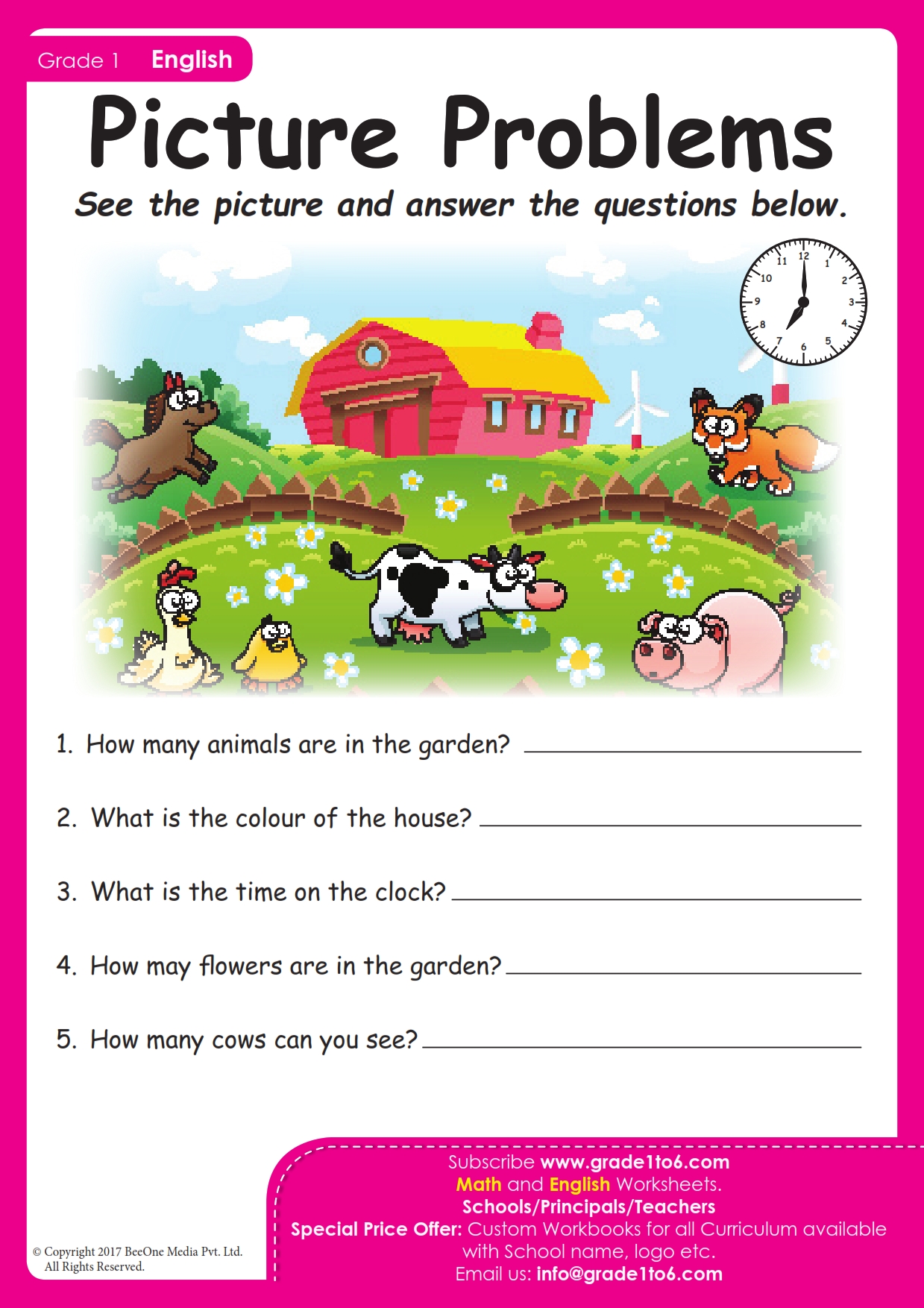
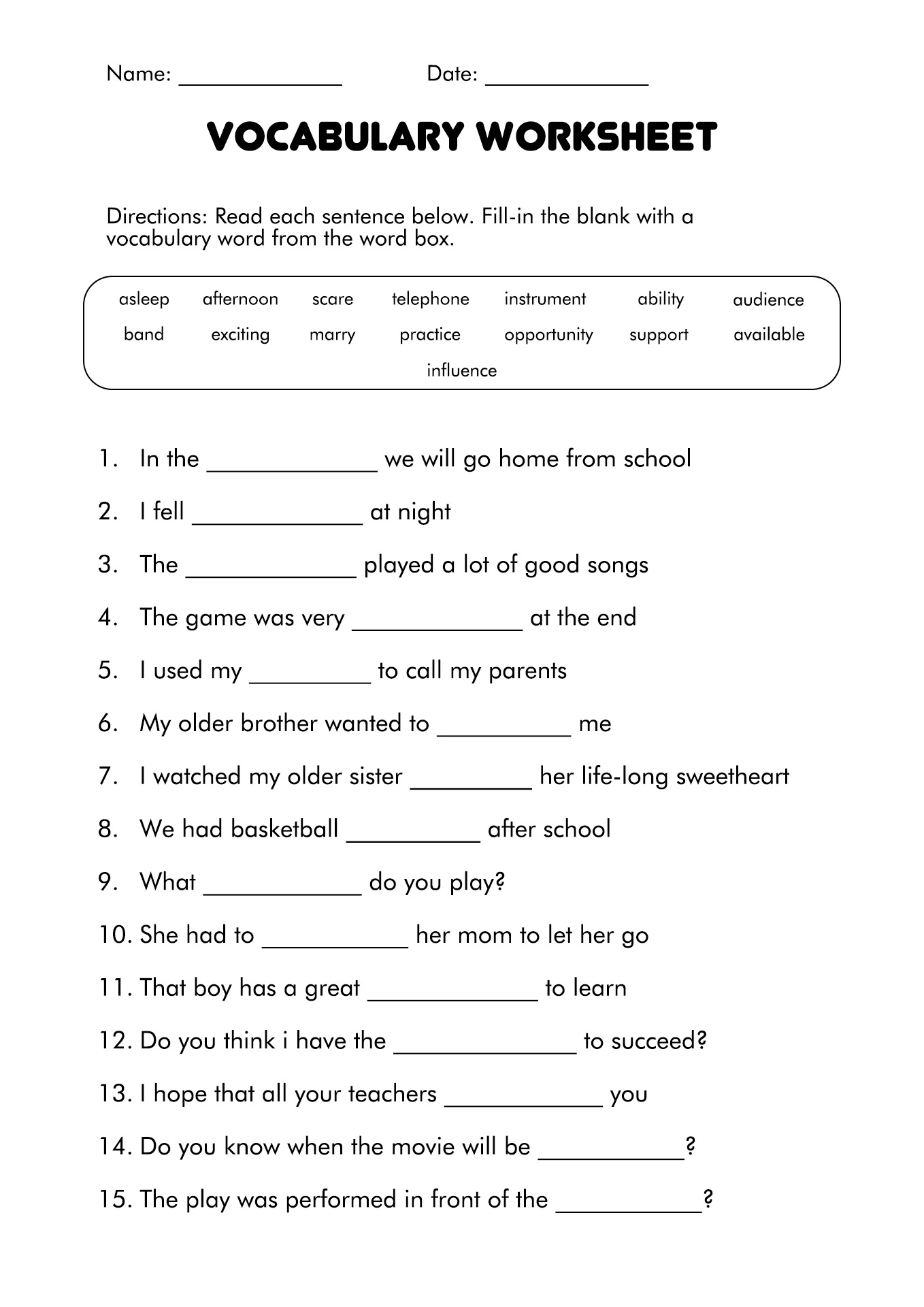
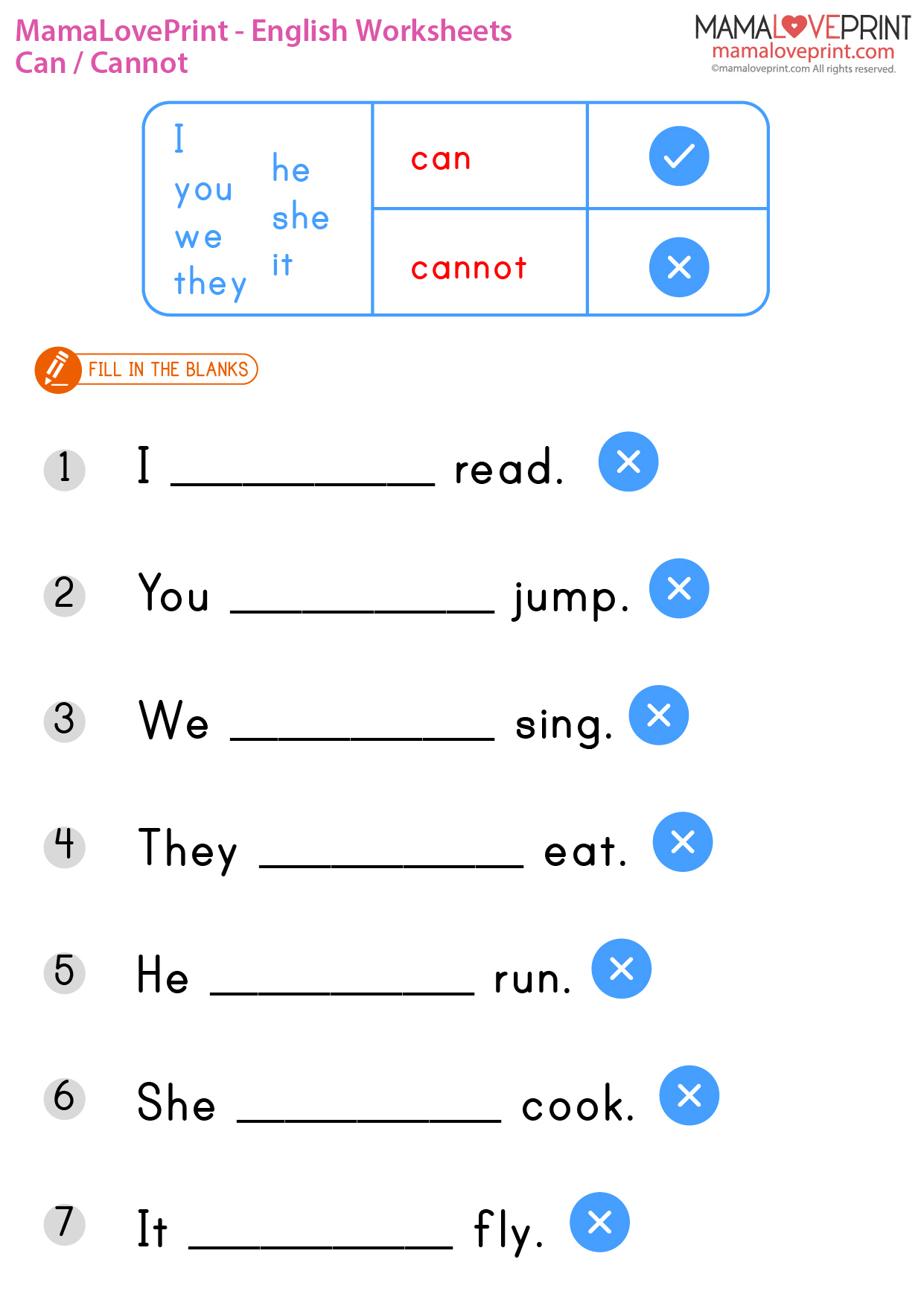
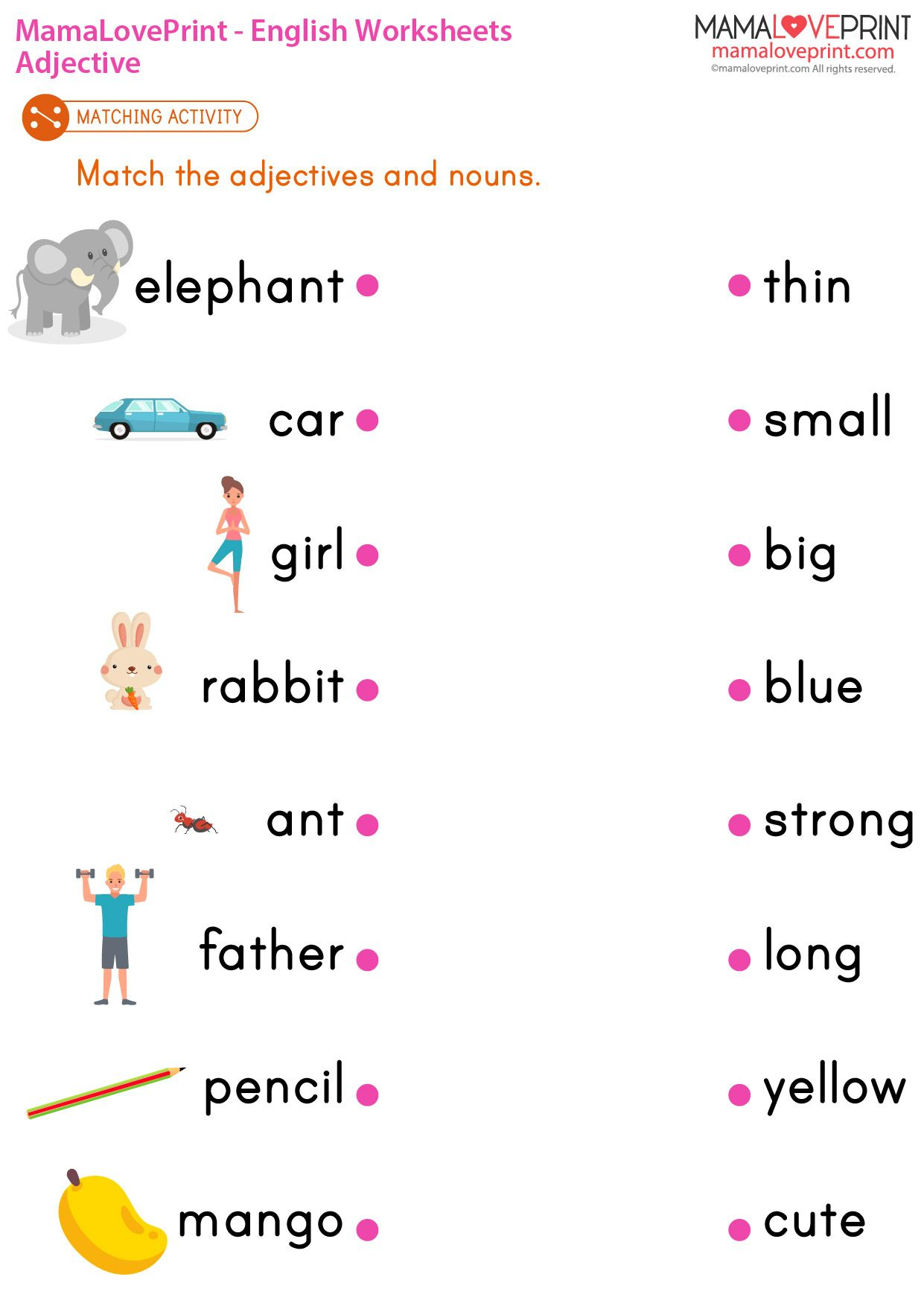
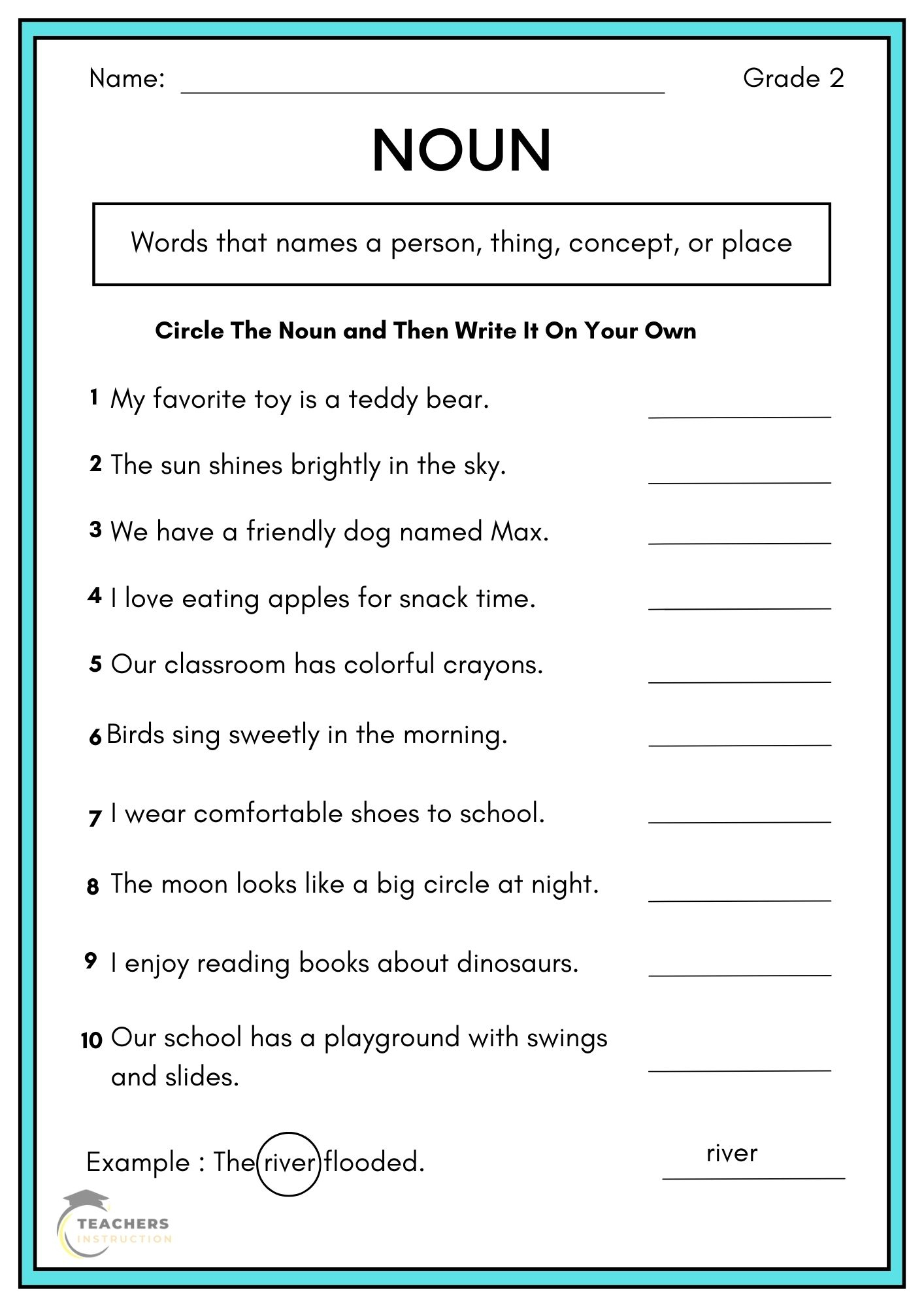
English Worksheet For Grade students often sit at the crossroads of curiosity and confusion, where the ink on a page can either ignite a fire of learning or drown them in a sea of monotony; in this gritty reality, the right worksheet becomes a weapon, slicing through doubt and sharpening the mind with purpose.
Understanding the Dark Landscape of Grade-Level Worksheets
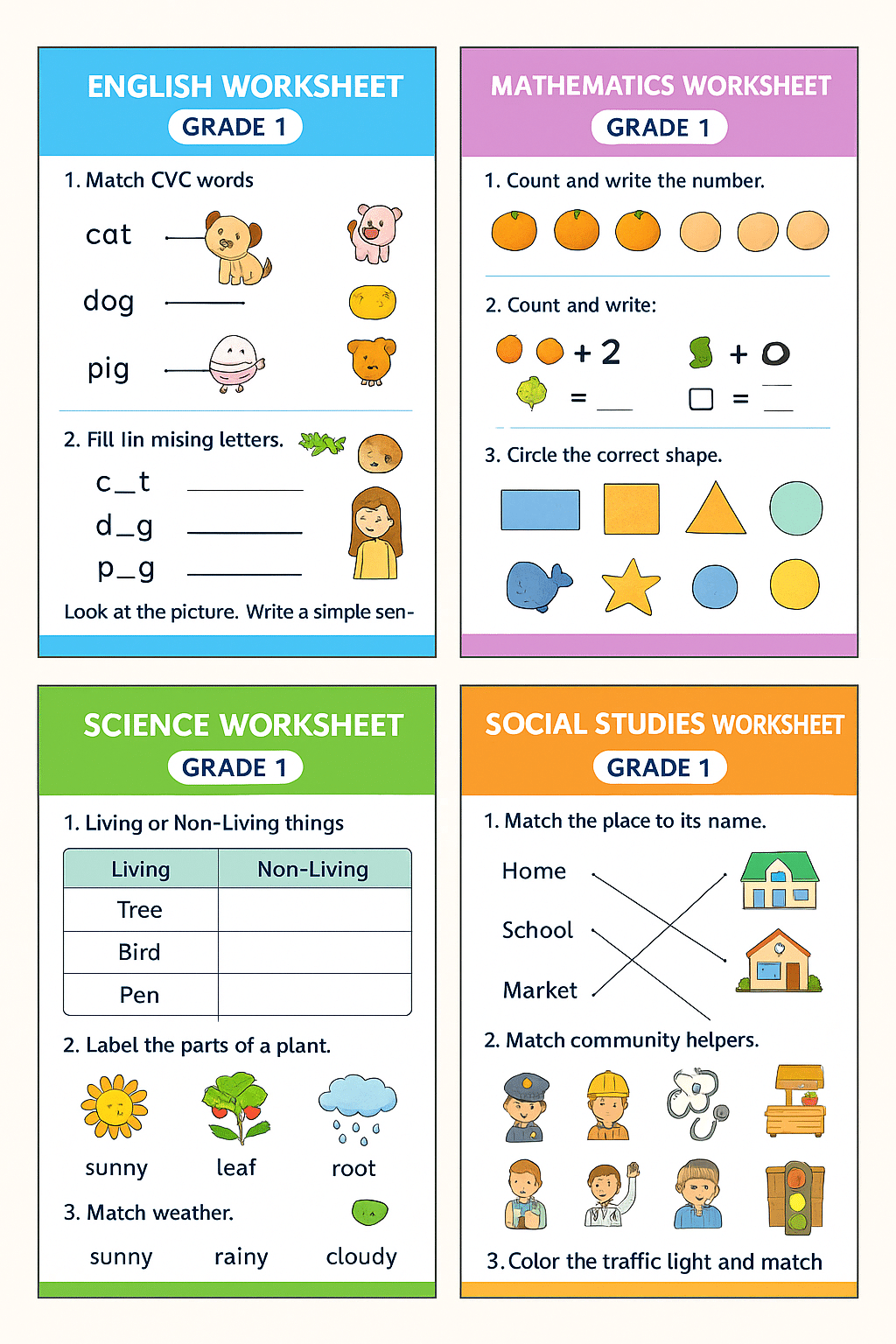
In the shadowed corridors of elementary education, worksheets are more than filler—they are the silent architects of linguistic foundations. Teachers, pressed by tight curricula and looming assessments, rely on these printed battlegrounds to drill grammar, punctuation, and comprehension into young minds. Yet, not all worksheets are created equal; many fall flat, offering repetitive drills that leave students disengaged. The challenge lies in crafting or selecting worksheets that strike a balance between rigor and relevance, delivering content that feels like a challenge rather than a chore.
Key Elements That Make a Worksheet Stand Out
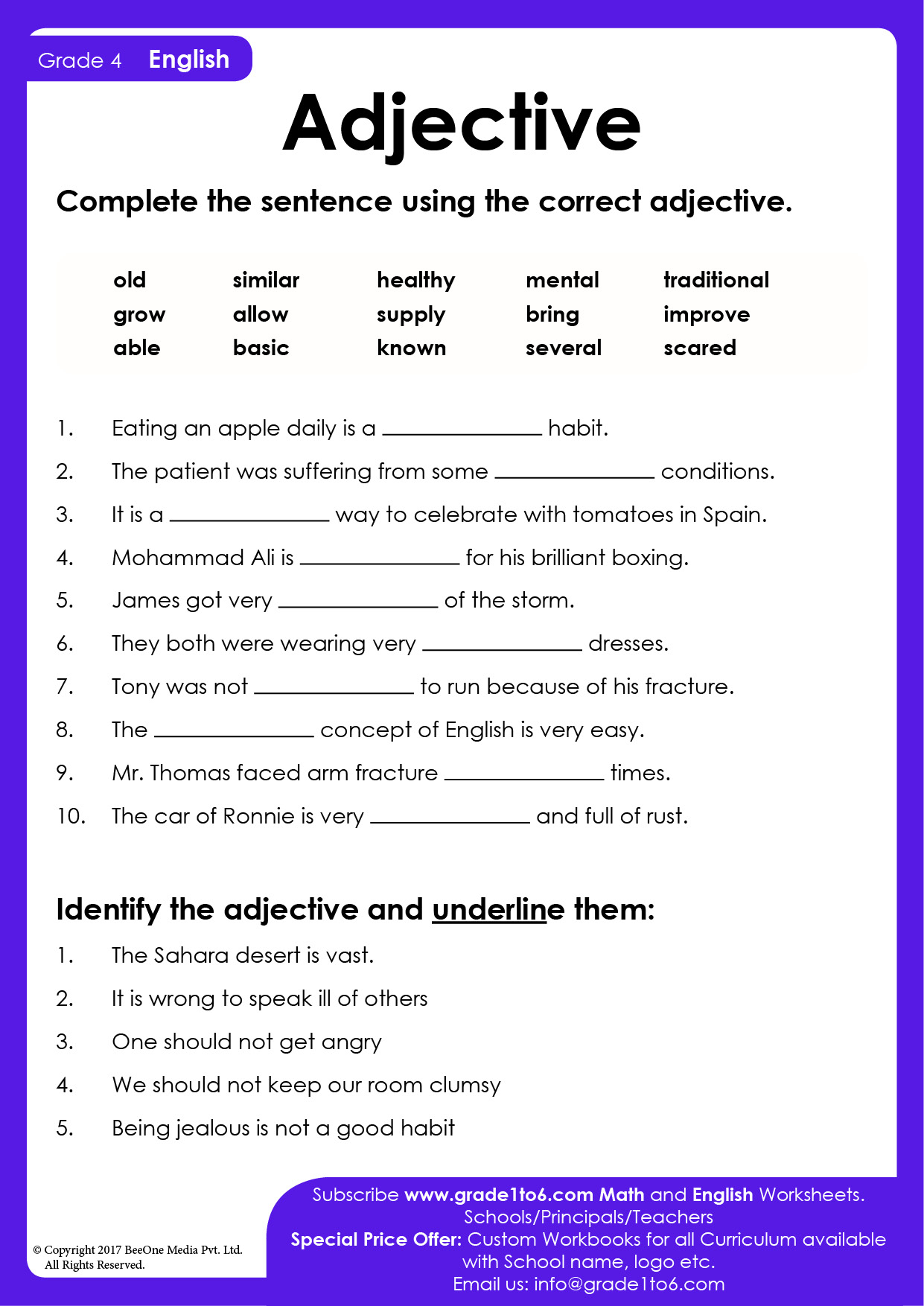
Purposeful Alignment with Standards
Every worksheet must be tethered to the Common Core or state standards it intends to address. When the objectives are crystal clear, students can see the end goal, and teachers can measure progress with precision. Aligning with standards also ensures that the worksheet contributes meaningfully to the curriculum, preventing wasted effort on tangential activities.
Engaging, Real-World Contexts
Blank sentences and isolated word lists belong in the past. Modern worksheets embed tasks within real-life scenarios—shopping lists, mystery letters, social media captions—forcing students to apply language skills in contexts they recognize. This relevance fuels intrinsic motivation, turning a dull exercise into a puzzle that demands critical thought.
Varied Difficulty Levels
A one-size-fits-all approach leaves advanced learners bored and struggling students overwhelmed. Effective worksheets scaffold difficulty, offering a progression from simple identification to synthesis and creation. Including “challenge” sections for quick learners and “support” prompts for those who need extra guidance creates an inclusive learning environment.
Visual Appeal Without Overload
Dark tones, bold fonts, and subtle graphics can make a worksheet feel sophisticated, but clutter kills focus. A clean layout with purposeful use of color—perhaps a deep navy heading contrasted against a light background—guides the eye and emphasizes critical sections. White space becomes a silent ally, giving students room to think.
Immediate Feedback Loops
Worksheets that incorporate self-check sections, answer keys, or reflective questions empower students to assess their own work instantly. When learners can spot mistakes and correct them on the spot, the learning cycle accelerates, reinforcing concepts before they fade.
Designing a Killer English Worksheet for Grade 4

Step 1: Define the Core Objective
Start by pinpointing the exact skill—perhaps “identifying compound sentences” or “using commas in a list.” Write this objective in a single, concise sentence and place it at the top of the sheet. This acts as a compass for both teacher and student, anchoring every subsequent activity.
Step 2: Craft a Narrative Hook
Introduce a short, gritty story that sets the tone. For example, a detective chasing clues through a maze of misplaced commas. The narrative should be compelling enough to make students want to solve the mystery, thereby practicing the targeted skill without feeling forced.
Step 3: Develop Progressive Tasks
Begin with a warm‑up: a quick multiple‑choice quiz to recall basic definitions. Follow with a matching exercise where students pair sentence halves to form compound structures. Then, present a “detective board” where they rewrite flawed sentences, inserting proper punctuation. Finally, challenge them to compose their own short paragraph using the learned rules, tying everything together.
Step 4: Integrate Visual Cues
Use icons—perhaps a magnifying glass for “find the error,” a pencil for “rewrite,” and a badge for “mastery.” Place these beside each section to signal the type of mental effort required. Consistency in iconography reduces cognitive load, allowing students to focus on language rather than navigation.
Step 5: Provide a Reflective Exit Slip
End with a brief reflective prompt: “What was the toughest part of today’s worksheet, and how did you overcome it?” This not only reinforces metacognition but also gives teachers insight into student struggles without additional grading.
How Teachers Can Maximize Worksheet Impact in the Classroom
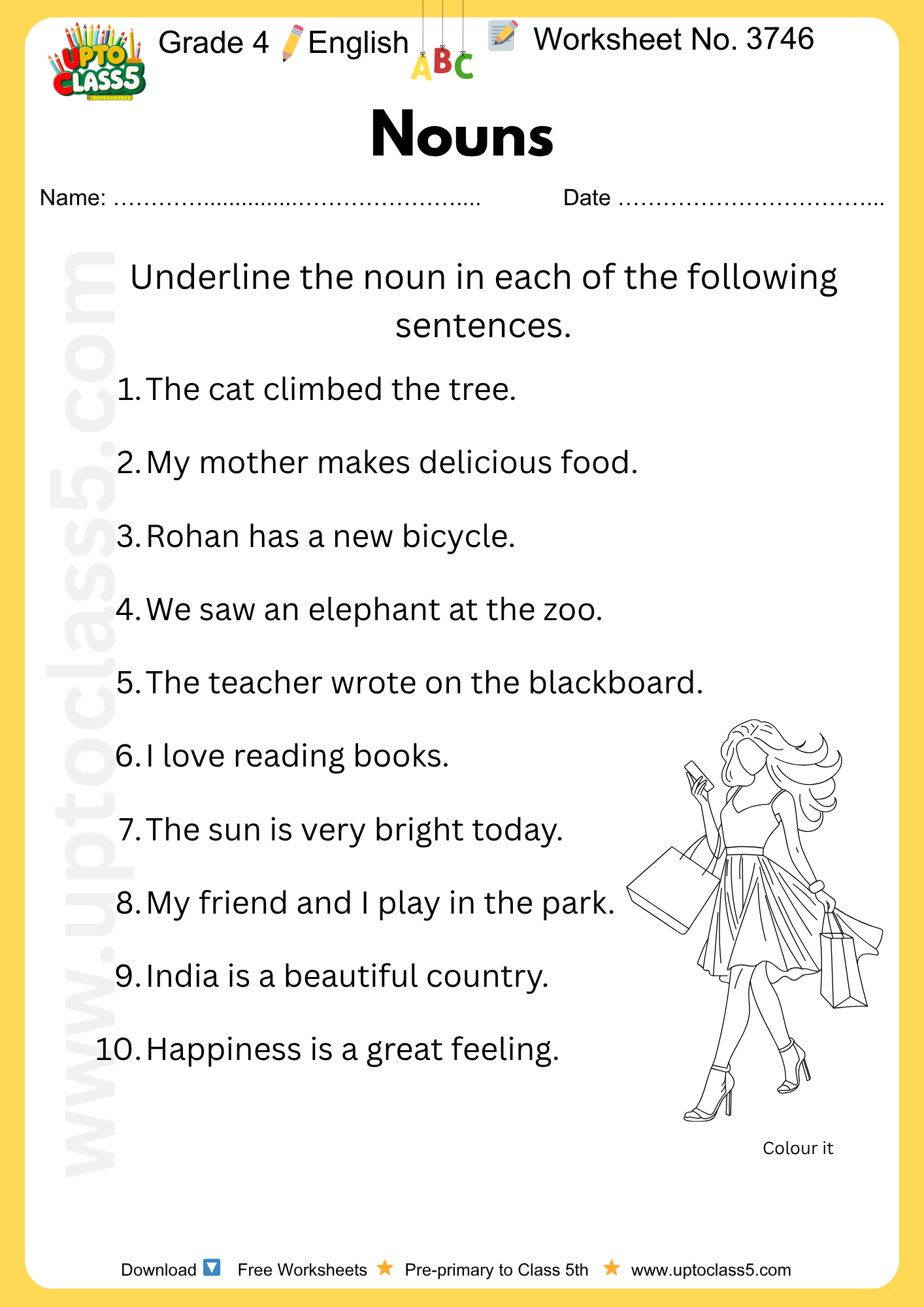
Even the most meticulously designed worksheet can falter if mishandled. Teachers must adopt strategies that turn worksheets into dynamic learning experiences rather than static assignments.
Pre‑Teaching the Vocabulary
Before handing out the sheet, introduce key terms—“compound sentence,” “conjunction,” “serial comma”—through a quick, interactive lesson. This primes students, ensuring they aren’t lost in terminology when they encounter the tasks.
Modeling the Process
Demonstrate one or two examples on the board, thinking aloud as you dissect a sentence and apply the rules. Seeing the thought process demystifies the worksheet, showing students exactly what is expected.
Collaborative Checkpoints
After each major section, allow pairs to compare answers before moving on. Peer discussion surfaces misconceptions early, and the act of explaining reasoning solidifies understanding.
Timed Mini‑Challenges
Introduce short, timed sprints—such as “You have two minutes to spot as many comma errors as possible.” The pressure adds excitement, turning practice into a game while encouraging quick recall.
Post‑Worksheet Debrief
Conclude with a class review where common errors are highlighted and corrected collectively. Celebrate successes and address lingering doubts, turning individual work into a communal learning moment.
Adapting Worksheets for Diverse Learners

Every classroom is a mosaic of abilities, backgrounds, and learning styles. Worksheets must be flexible enough to accommodate English language learners (ELLs), students with dyslexia, and gifted individuals.
Scaffolding for ELLs
Include bilingual glossaries or visual supports next to challenging words. Offer sentence frames—e.g., “I think ___ because ___”—to guide language production without stifling creativity.
Assistive Formatting for Dyslexia
Use a dyslexia‑friendly font like OpenDyslexic, increase line spacing, and avoid crowded columns. Highlight key instructions in a muted yet contrasting color to reduce visual stress.
Extension Activities for Gifted Students
Provide optional “advanced” sections that require deeper analysis, such as editing a short story for style consistency or crafting persuasive paragraphs using varied sentence structures.
Digital Versus Printable: The Hybrid Approach

While the tactile feel of paper remains powerful, digital platforms offer interactivity that paper cannot match. A hybrid model leverages the strengths of both mediums.
Printable Foundations
Printouts give students a physical space to write, draw, and annotate. The act of physically crossing out errors can reinforce memory pathways in ways that clicking does not.
Interactive Enhancements
Embedding QR codes that link to short video explanations, audio pronunciation guides, or timed quizzes adds layers of engagement. Students can switch between the printed sheet and digital resources seamlessly, maintaining momentum.
Data‑Driven Feedback
Digital versions can auto‑grade multiple‑choice sections, instantly feeding performance data to teachers. This allows for rapid intervention, targeting students who need extra support while freeing up instructional time.
Measuring Success: Assessment Strategies Linked to Worksheets

Worksheets are only as valuable as the insights they provide. Effective assessment hinges on aligning worksheet outcomes with broader evaluation metrics.
Formative Snapshot Scores
Use the worksheet as a low‑stakes checkpoint, recording scores for each skill area. Plot these on a simple chart to visualize trends over weeks, identifying spikes or plateaus in mastery.
Qualitative Rubrics
Beyond correct answers, assess the quality of written responses—clarity, cohesion, and creativity. A rubric with criteria such as “uses at least three compound sentences correctly” provides nuanced feedback.
Student Self‑Assessment
Incorporate a self‑rating scale where learners judge their confidence before and after completing the worksheet. This meta‑cognitive data can reveal shifts in self‑efficacy, an essential predictor of long‑term achievement.
Real‑World Applications: Why Mastery Matters Beyond the Classroom
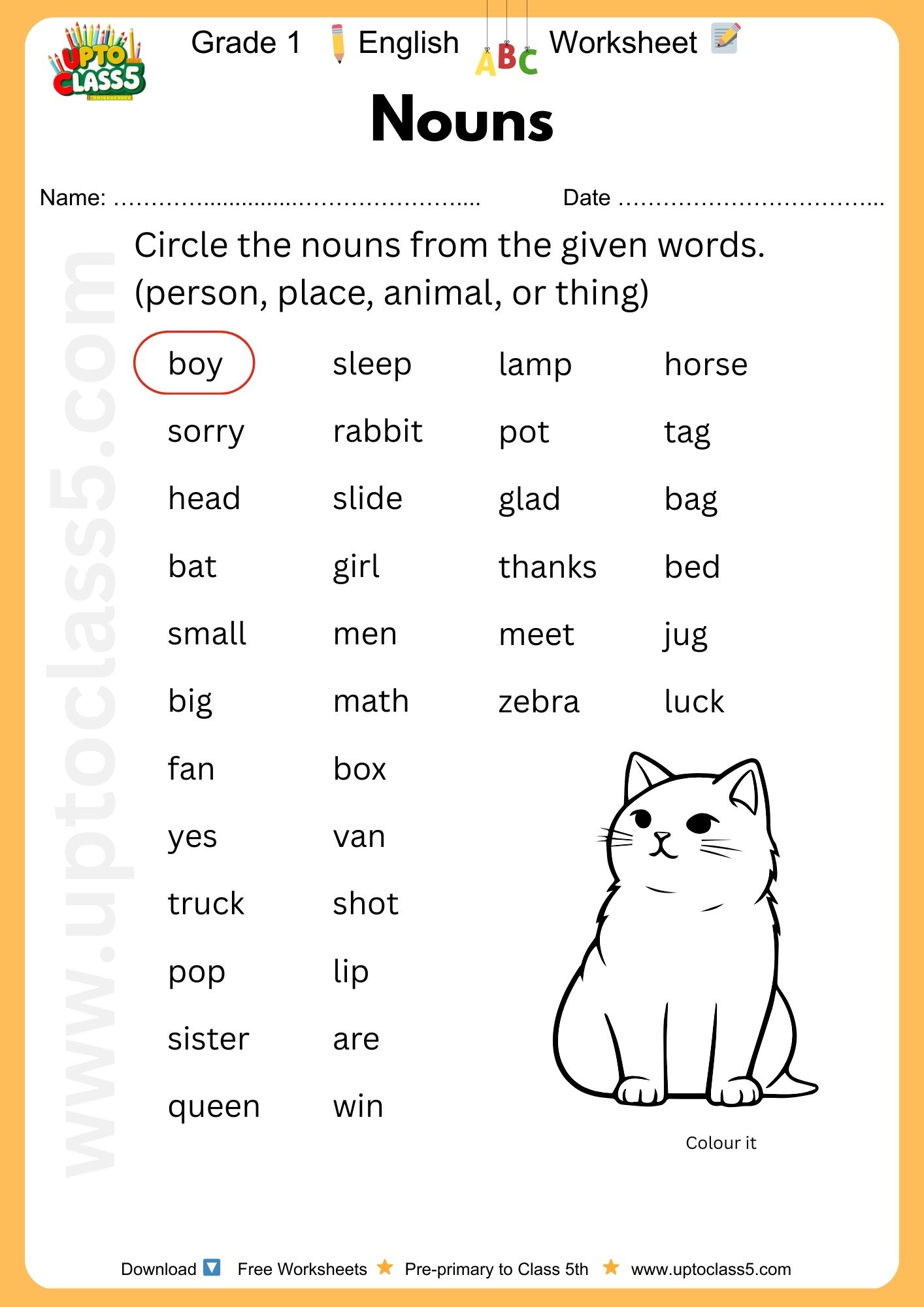
English proficiency is the passport to countless opportunities—college admissions, career advancement, and civic participation. Mastering grammar and composition at the grade level builds a sturdy bridge to these future milestones.
Academic Trajectory
Strong foundational skills reduce the need for remedial support in middle school, freeing students to explore advanced topics like literature analysis and research writing.
Professional Edge
Clear communication is a non‑negotiable asset in the modern workforce. Employees who can craft concise emails, persuasive proposals, and error‑free reports are valued assets, often rising faster within organizations.
Civic Engagement
Effective writers are better equipped to participate in democratic processes—voting, community advocacy, and public discourse—by articulating ideas compellingly and responsibly.
Conclusion
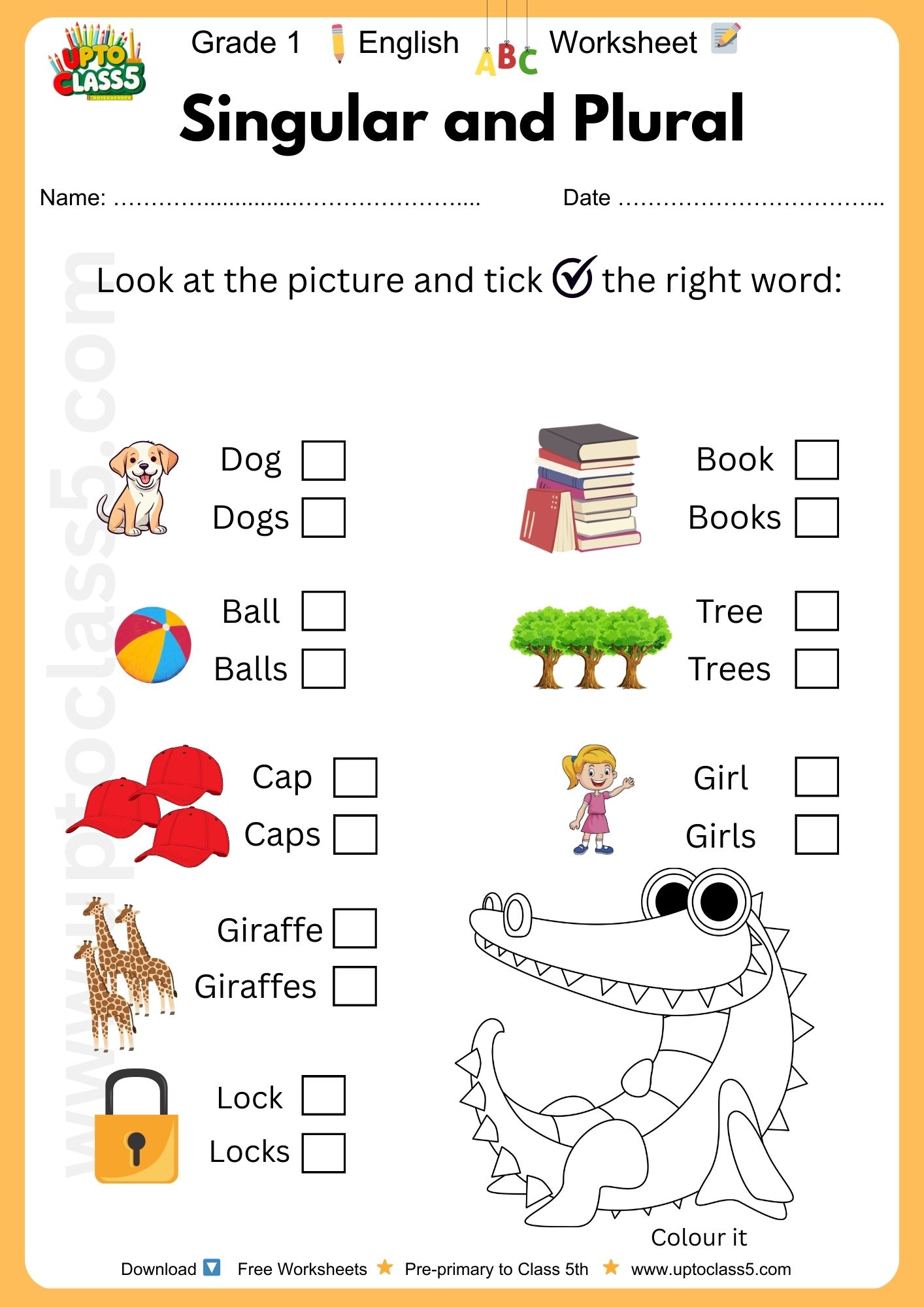
In the stark reality of education, English Worksheet For Grade students can be the difference between stagnation and soaring achievement. By aligning worksheets with standards, embedding real‑world relevance, and tailoring them to diverse learners, educators transform a simple page into a catalyst for lasting mastery. Coupled with strategic classroom implementation, hybrid digital‑print integration, and thoughtful assessment, these worksheets become more than practice—they become a conduit for confidence, competence, and future success. The next time you hand out a worksheet, remember: you are handing a tool that can carve clarity from confusion, shaping not just better students, but sharper thinkers ready to confront the world’s complexities.