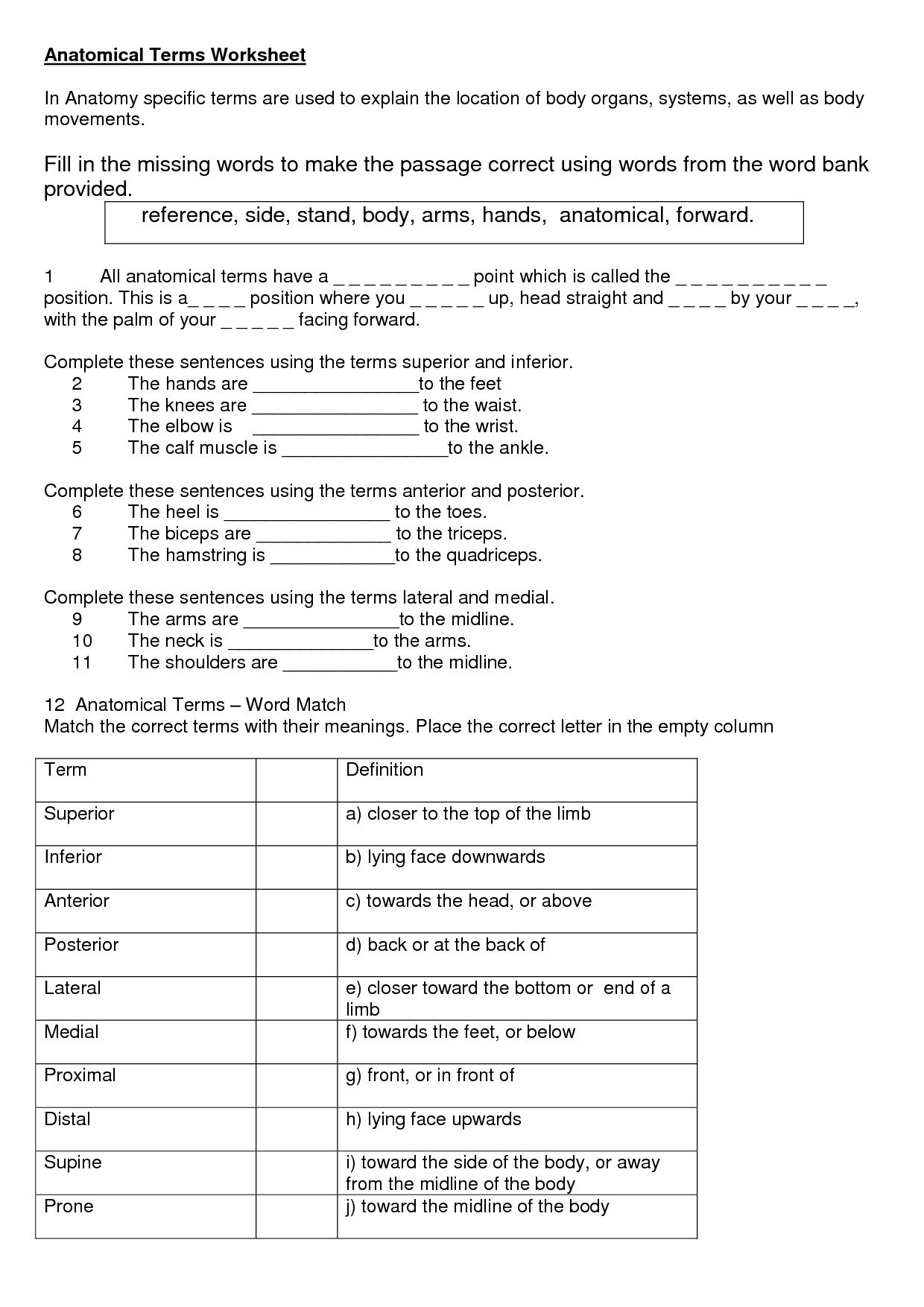
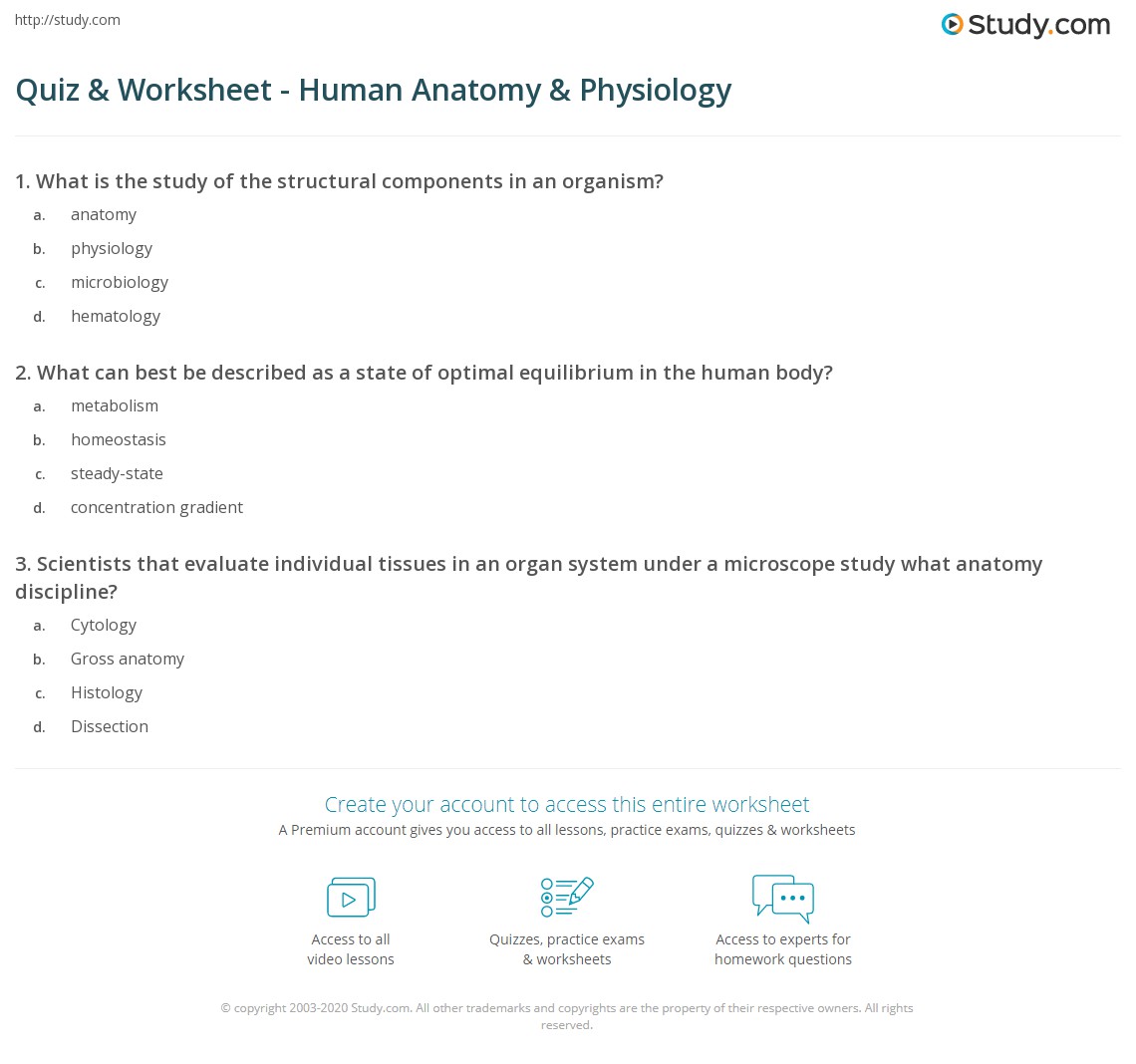
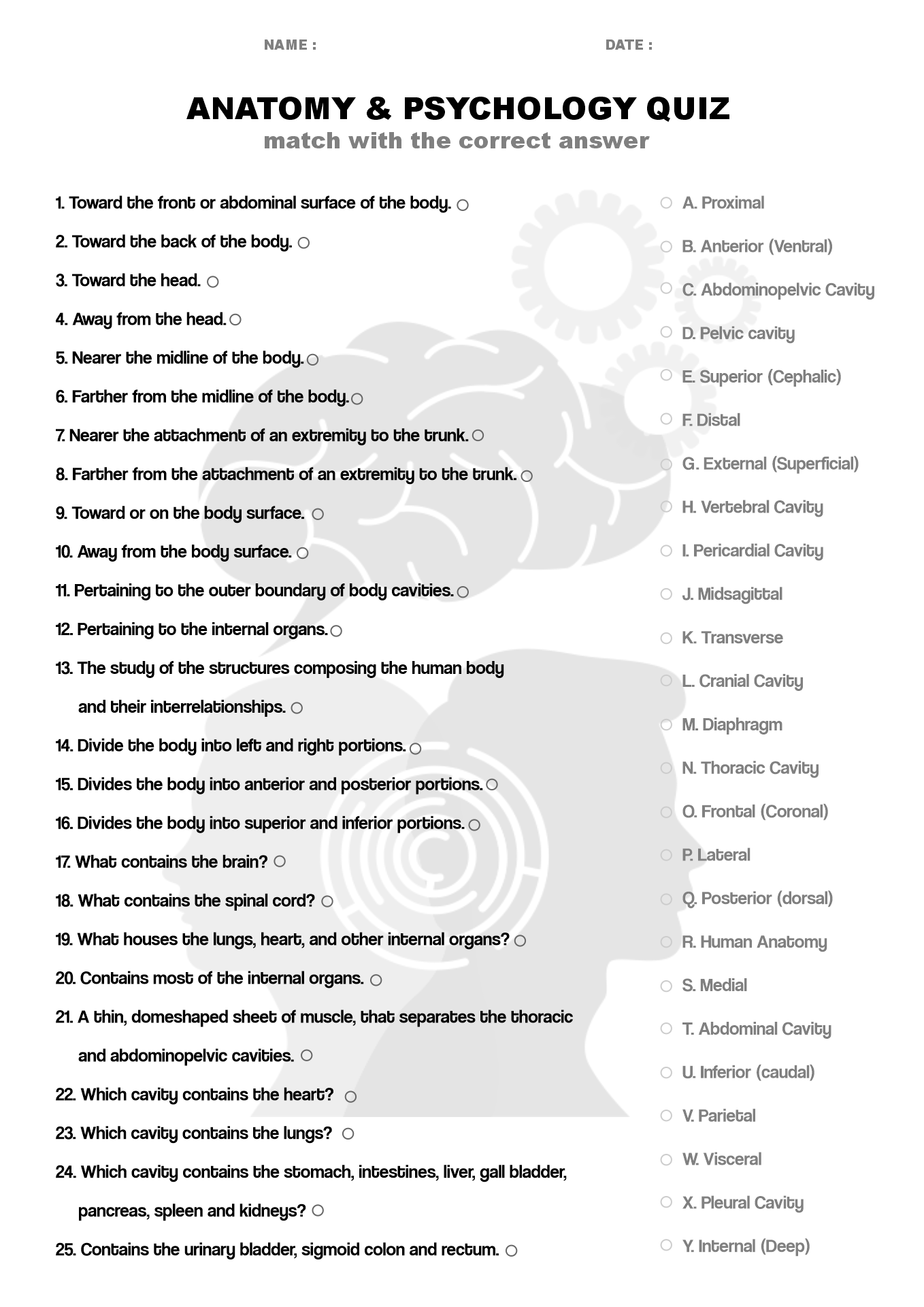
Anatomy And Physiology Worksheets provide a versatile, hands-on method for learners to dissect complex biological concepts and cement their understanding through practice and repetition. These worksheets serve as a bridge between textbook theory and real-world application, giving students the chance to label structures, solve problems, and visualize how the human body functions as a cohesive system.
Why Anatomy and Physiology Worksheets Are Essential for Students

In the evolving landscape of STEM education, visual and interactive tools have become indispensable. Anatomy worksheets specifically cater to the unique challenges of mastering the human body’s intricacies. They offer several advantages that enhance learning outcomes:
- Conceptual Clarity: By providing a visual map of organs and systems, students can see how components interact, which is often lost in dense text descriptions.
- Active Recall: Repeatedly writing down names or functions strengthens memory retention, a proven technique in cognitive science.
- Assessment Alignment: Worksheets mirror common exam formats, helping students practice timed responses and familiarizing them with question styles.
- Self‑Directed Learning: Learners can work independently, checking answers immediately and identifying gaps without waiting for instructor feedback.
Key Features of High-Quality Anatomy Worksheets

To maximize educational value, worksheets should embody a set of core qualities. Below is a breakdown of these features and how they contribute to effective learning.
Accuracy and Up‑to‑Date Content
Human anatomy evolves with new research, and educational materials must reflect current terminology and classification. A reliable worksheet should cite contemporary sources, use accepted scientific names, and present anatomical variants where relevant.
Visual Clarity and Design
Clear, high‑resolution diagrams are essential. The layout should use consistent color coding, labels that do not overlap, and a logical sequence that mirrors the body’s organization. Avoid clutter that can overwhelm the learner.
Progressive Difficulty
Worksheets should scaffold learning by gradually increasing complexity. Starting with basic identification of major organs and advancing to detailed muscular or nervous system mapping helps maintain student confidence.
Contextual Relevance
Integrating clinical scenarios or real‑world applications encourages students to connect abstract concepts to everyday life. For instance, a worksheet might ask students to identify the pathway of a drug through the digestive and circulatory systems.
Types of Anatomy Worksheets and Their Uses
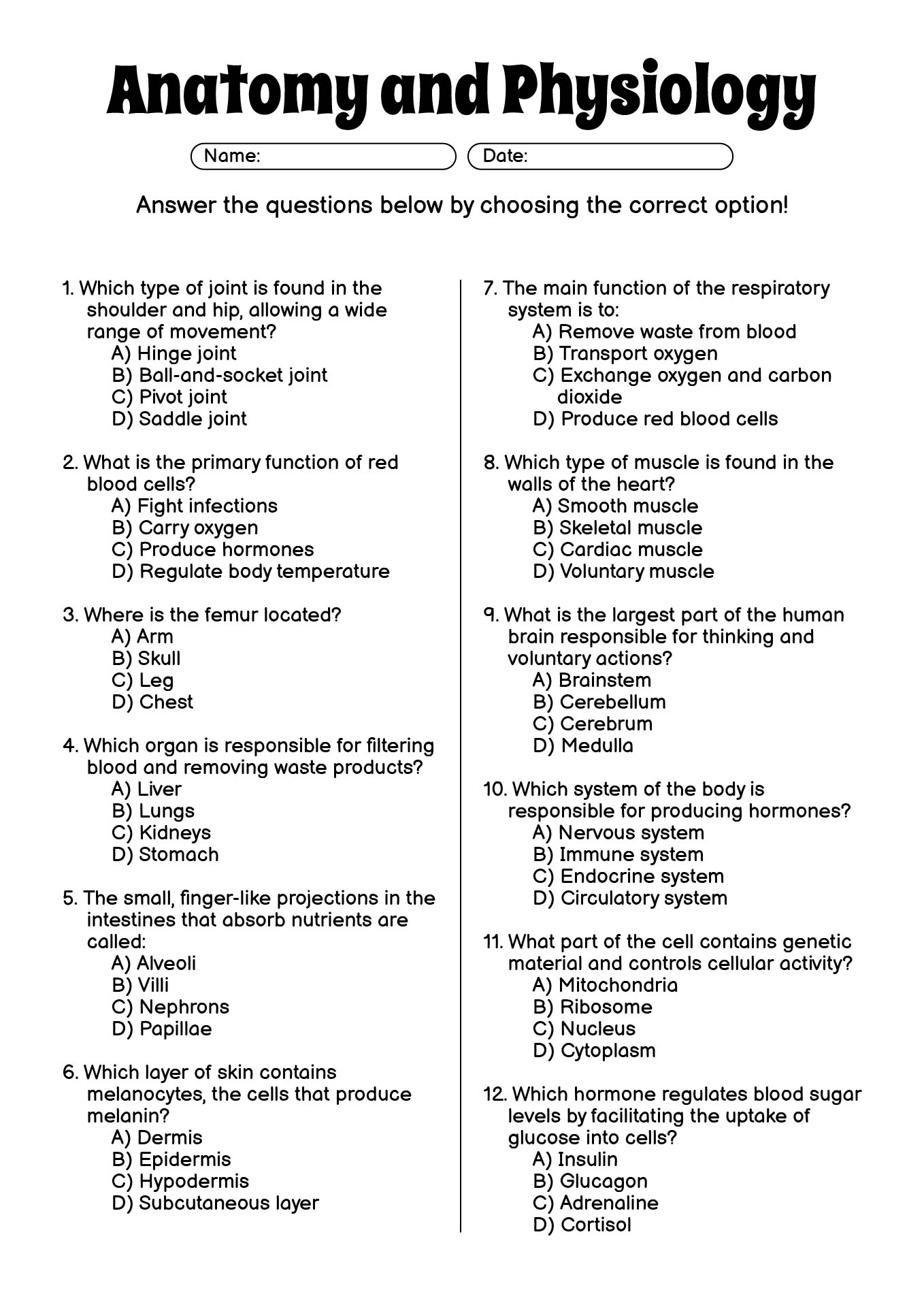
Variety is key to keeping learners engaged. The following categories cover a wide spectrum of skills and educational objectives.
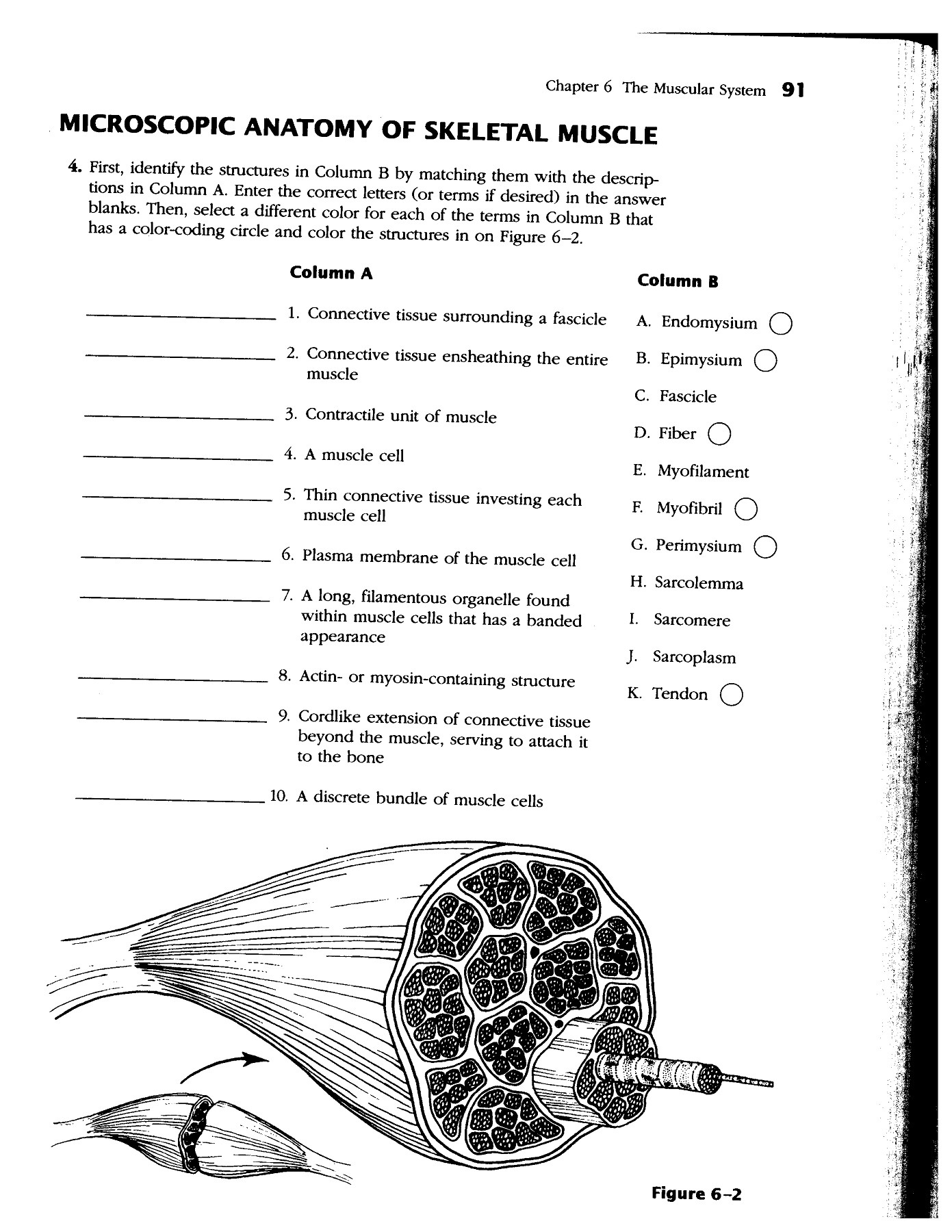
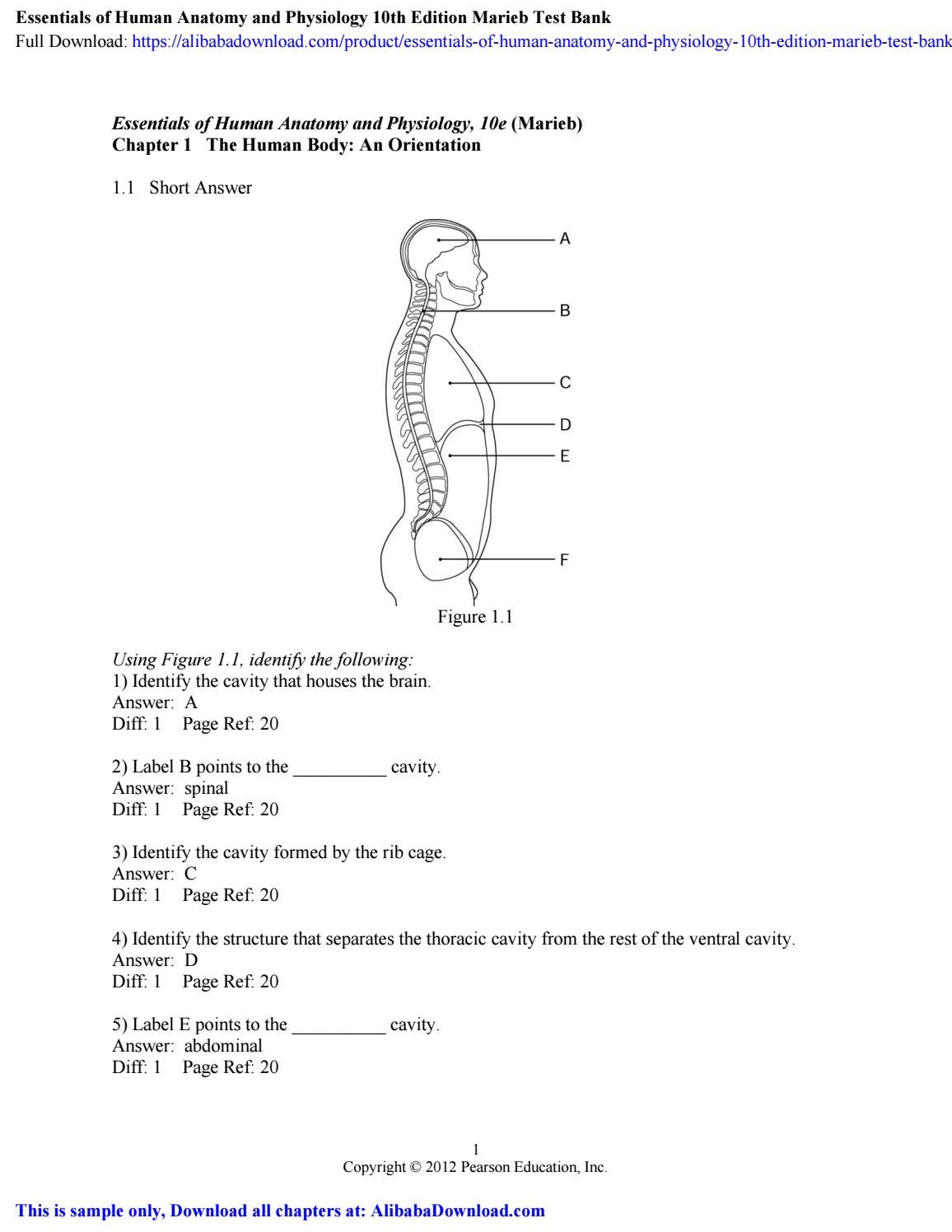
Labeling Diagrams
Students fill in missing parts on a body diagram, reinforcing spatial relationships. For example, labeling the skeletal framework in a cross‑section of the thoracic cavity helps cement bone‑muscle interaction concepts.
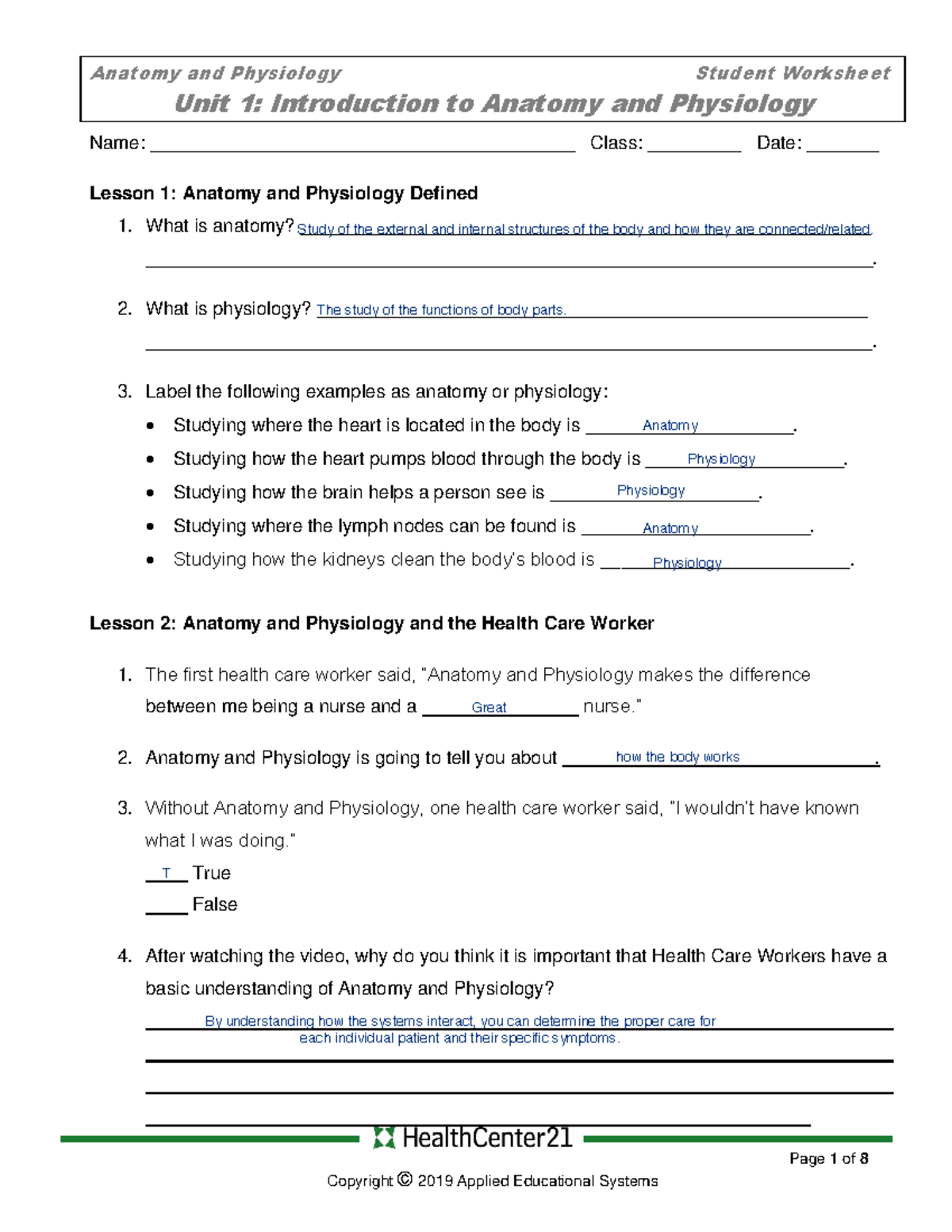
Fill‑in‑the‑Blank Questions
These prompt recall of specific terminology or function, such as “The left ventricle pumps blood into the ________.” They are ideal for quick assessment or in‑class quizzes.
Matching Exercises
Pairs of related items—like organ names with their primary functions—are matched. This format fosters associative learning and is especially helpful for visual‑spatial learners.
Case Studies and Problem Solving
Complex worksheets present clinical or research scenarios. Students might analyze symptoms to deduce an underlying physiological disturbance or calculate dosage based on organ function.
Designing Effective Worksheets for Different Learning Levels
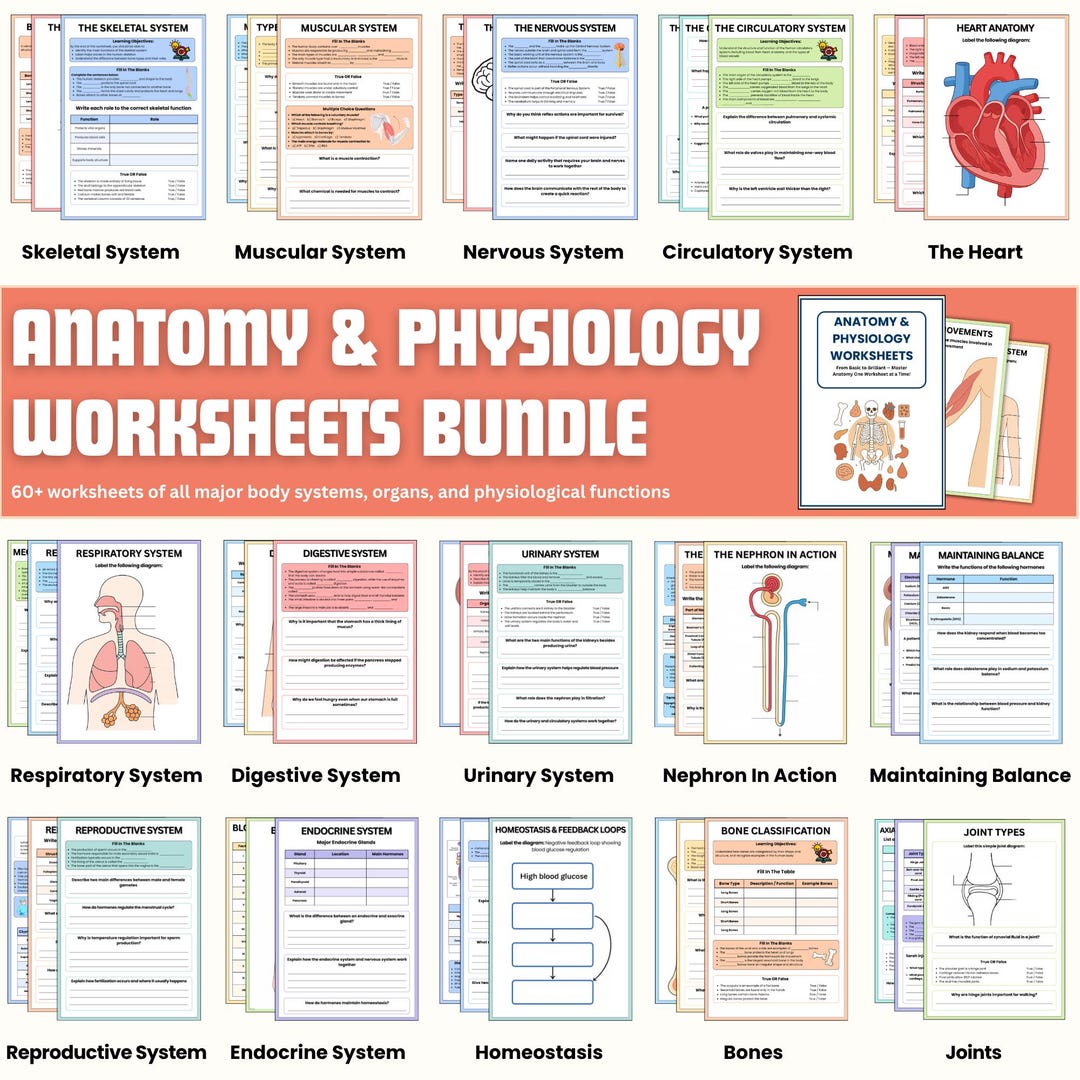
Adapting worksheets to the learner’s background ensures relevance and maximizes impact. Below are guidelines for tailoring content across educational stages.
Elementary and Middle School
Focus on basic body systems, such as the skeletal and muscular systems. Use bold, simple labels and color‑coded diagrams to make anatomy approachable. Incorporate games like “Find the organ” to maintain excitement.
High School
Introduce more detailed system interactions. Worksheets can include comparative charts of organ functions in health versus disease. Encourage peer‑review to promote collaborative learning.
College and Nursing
At this level, depth and complexity are paramount. Provide advanced labeling of microstructures, biochemical pathways, and pharmacokinetics. Integrate evidence‑based case studies to mirror clinical practice.
Adult Learning and Continuing Education
Adult learners benefit from contextual relevance. Design worksheets that link anatomy to occupational health, fitness, or nutritional science. Offer modular worksheets so learners can focus on specific interests.
Tips for Teachers: Integrating Worksheets into Your Lesson Plan
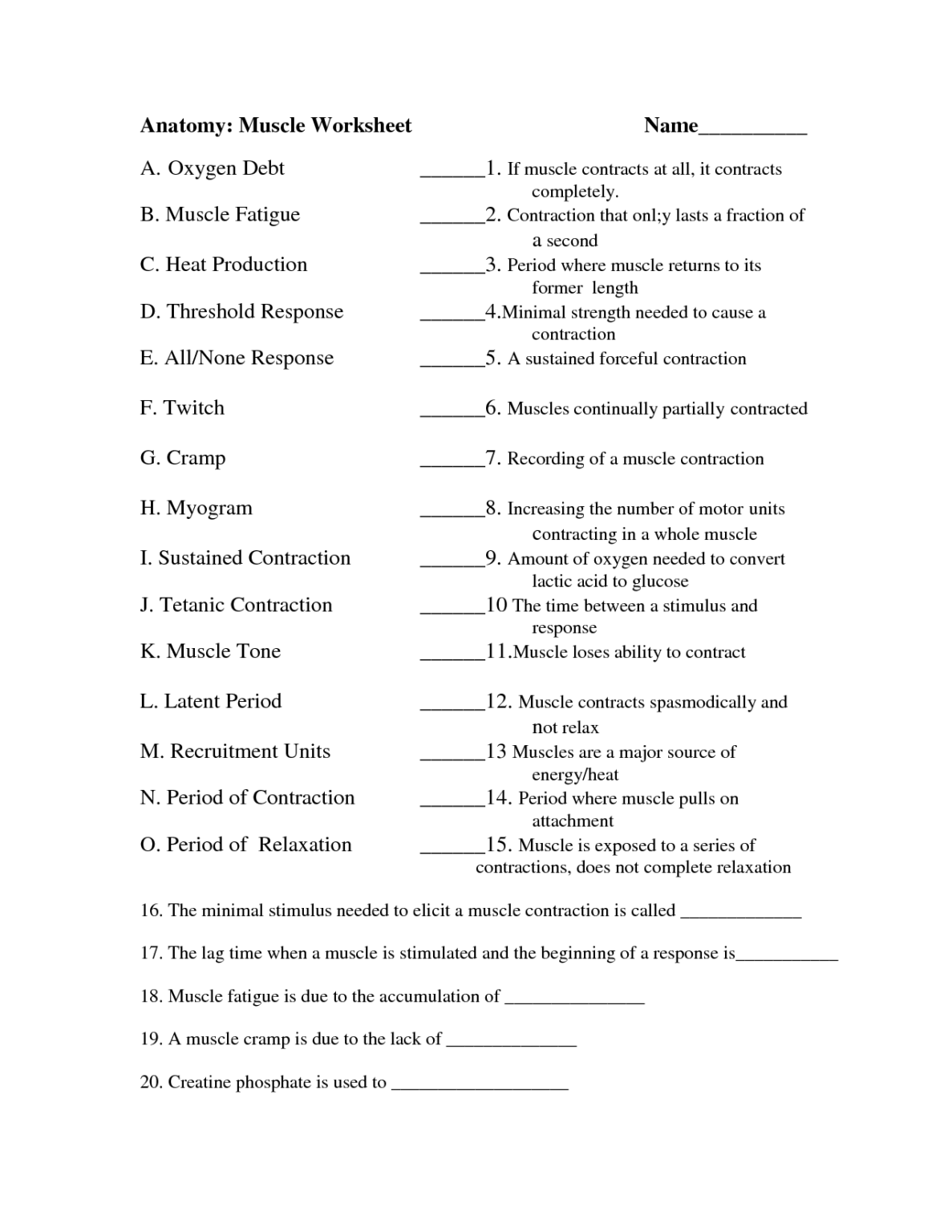
Strategic use of worksheets can elevate a curriculum from static to interactive. These best practices help teachers maximize their educational value.
Aligning with Standards
Review state or national curriculum guidelines and map worksheet objectives accordingly. This ensures that activities support assessment goals and provide evidence of competency.
Using Worksheets for Formative Assessment
Deploy quick, low‑stakes worksheets to gauge understanding before progressing. Immediate feedback helps students correct misconceptions in real time.
Digital vs. Print: Pros and Cons
Print worksheets allow tactile engagement and are useful in resource‑limited settings. Digital versions, on the other hand, can be interactive, offering instant scoring and the ability to track progress through learning management systems.
Customizing Content for Diverse Learners
Different learning styles require varied approaches. Add audio annotations for auditory learners, or include adjustable difficulty levels for students with advanced or remedial needs.
Digital Resources and Platforms for Free and Paid Worksheets
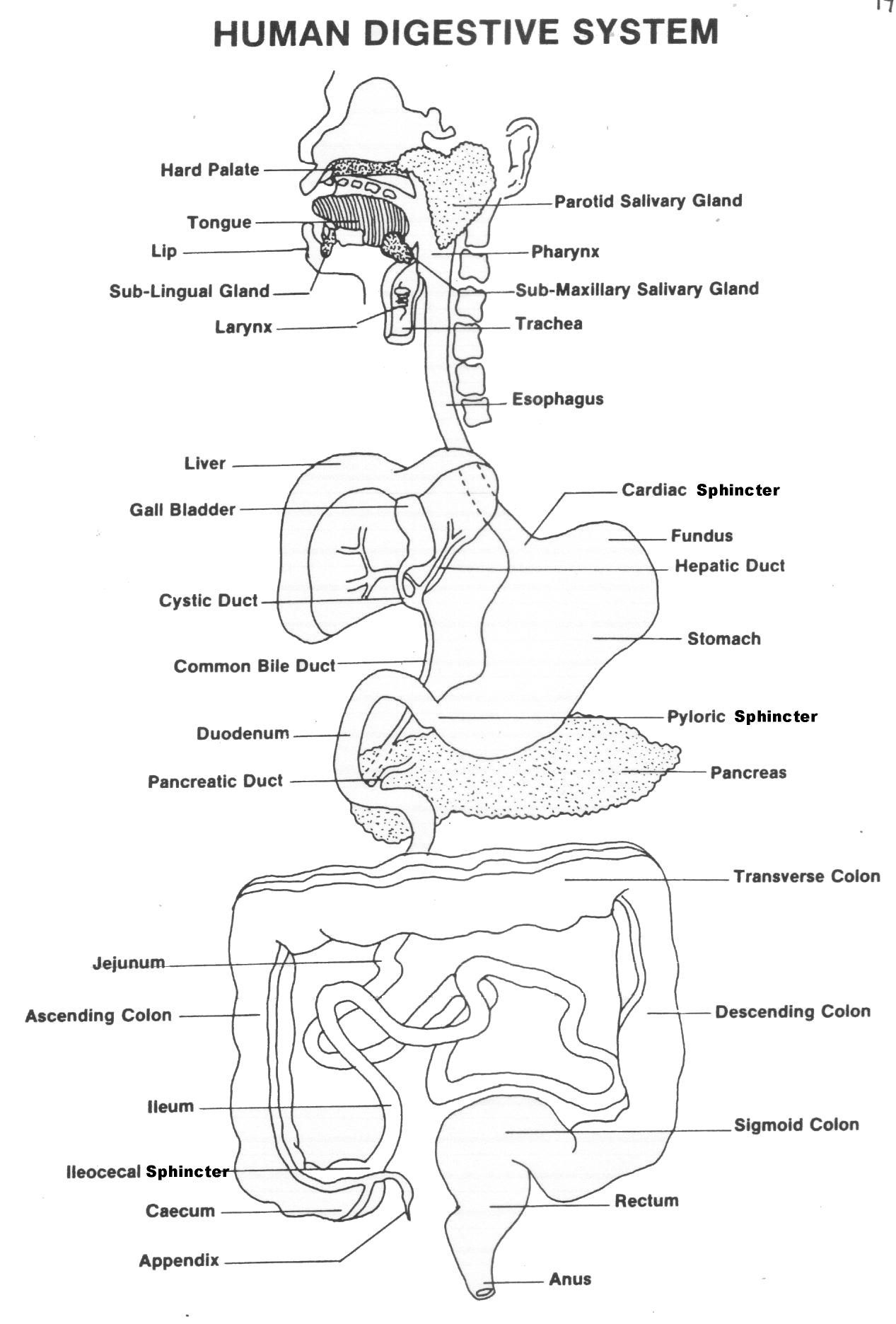
Teachers and students now have a wealth of options for sourcing high‑quality worksheets.
Open-Source Libraries
Many university departments and educational nonprofits host repositories of peer‑reviewed, freely available worksheets. These are often community‑driven and can be modified to fit specific classroom contexts.
Commercial Packs and Bundles
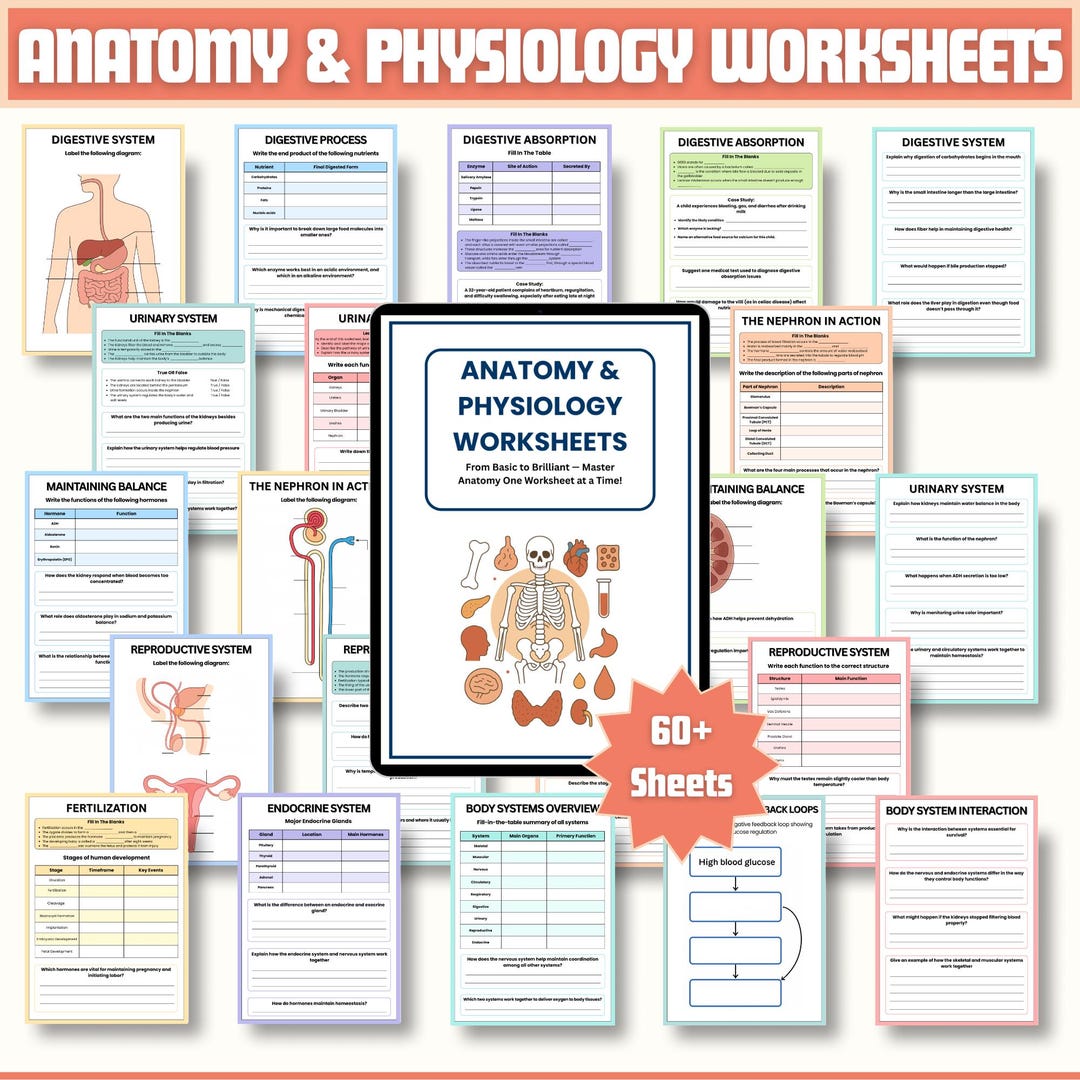
Educational publishers offer curated bundles that include diagrams, quizzes, and answer keys. These packs usually come with a license for repeated use and can be integrated into e‑learning portals.
Creating Your Own with Design Tools
Software like Canva, PowerPoint, or specialized biology diagram generators empower educators to craft personalized worksheets. By customizing color palettes, labels, and difficulty, teachers can directly align content with their lesson plans.
Common Pitfalls to Avoid When Using Anatomy Worksheets
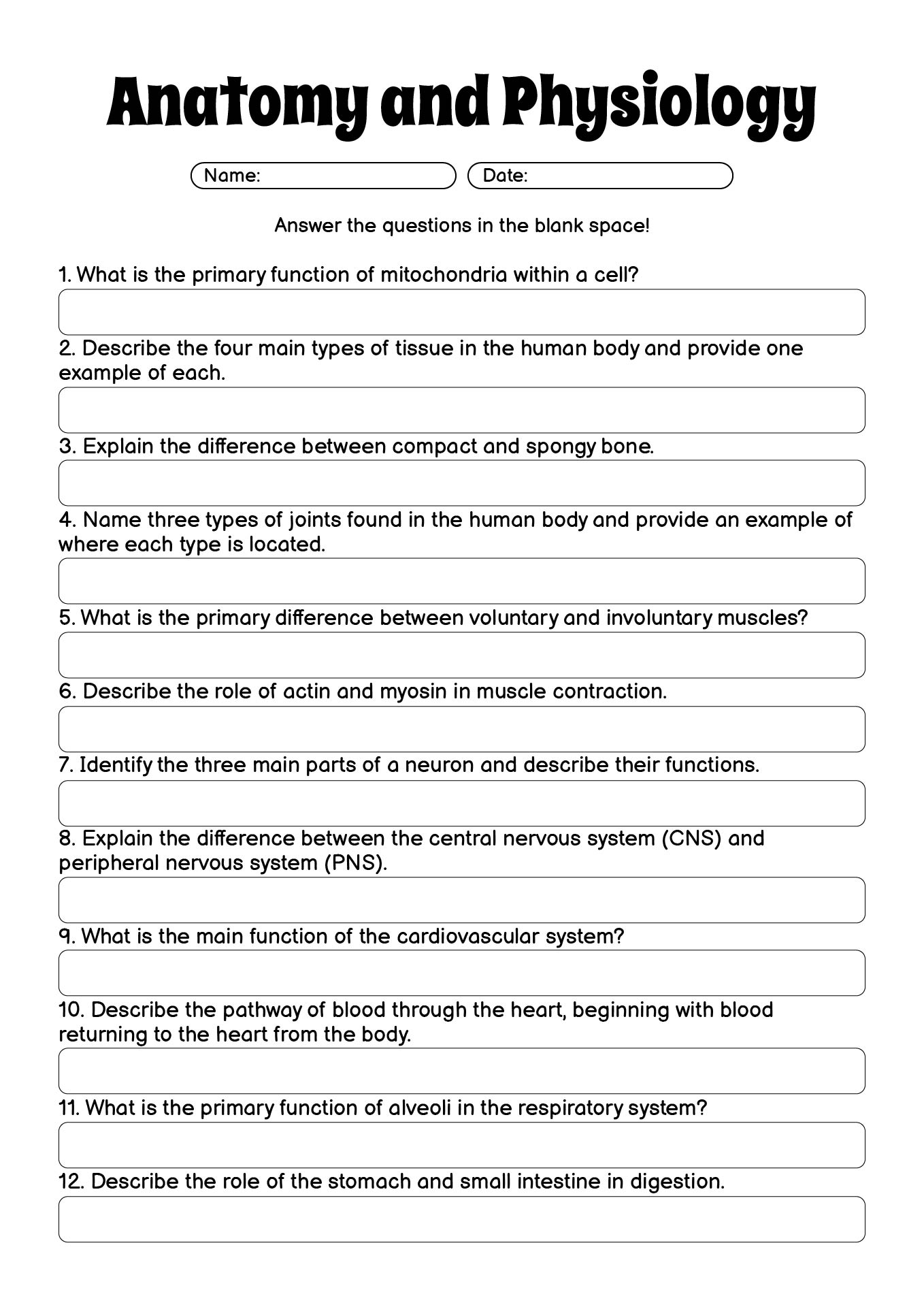
Even well‑intentioned worksheets can fall short if they contain certain flaws. Avoid these mistakes to maintain engagement and learning effectiveness.
Overloading with Detail
Too many labels on a single diagram can overwhelm students. Prioritize essential structures and provide supplemental materials for deeper exploration.
Ignoring Contextual Learning
Without real‑world connections, students may see worksheets as isolated tasks. Incorporate clinical or everyday scenarios to illustrate relevance.
Not Updating Content
Scientific knowledge changes; outdated terminology or diagrams can misinform. Regularly review worksheets for accuracy and refresh them annually.
Neglecting Feedback Loops
Students benefit from understanding why an answer is correct or incorrect. Provide clear answer keys and, when possible, explanatory feedback for each question.
Real-World Success Stories: How Students Succeeded with Worksheets
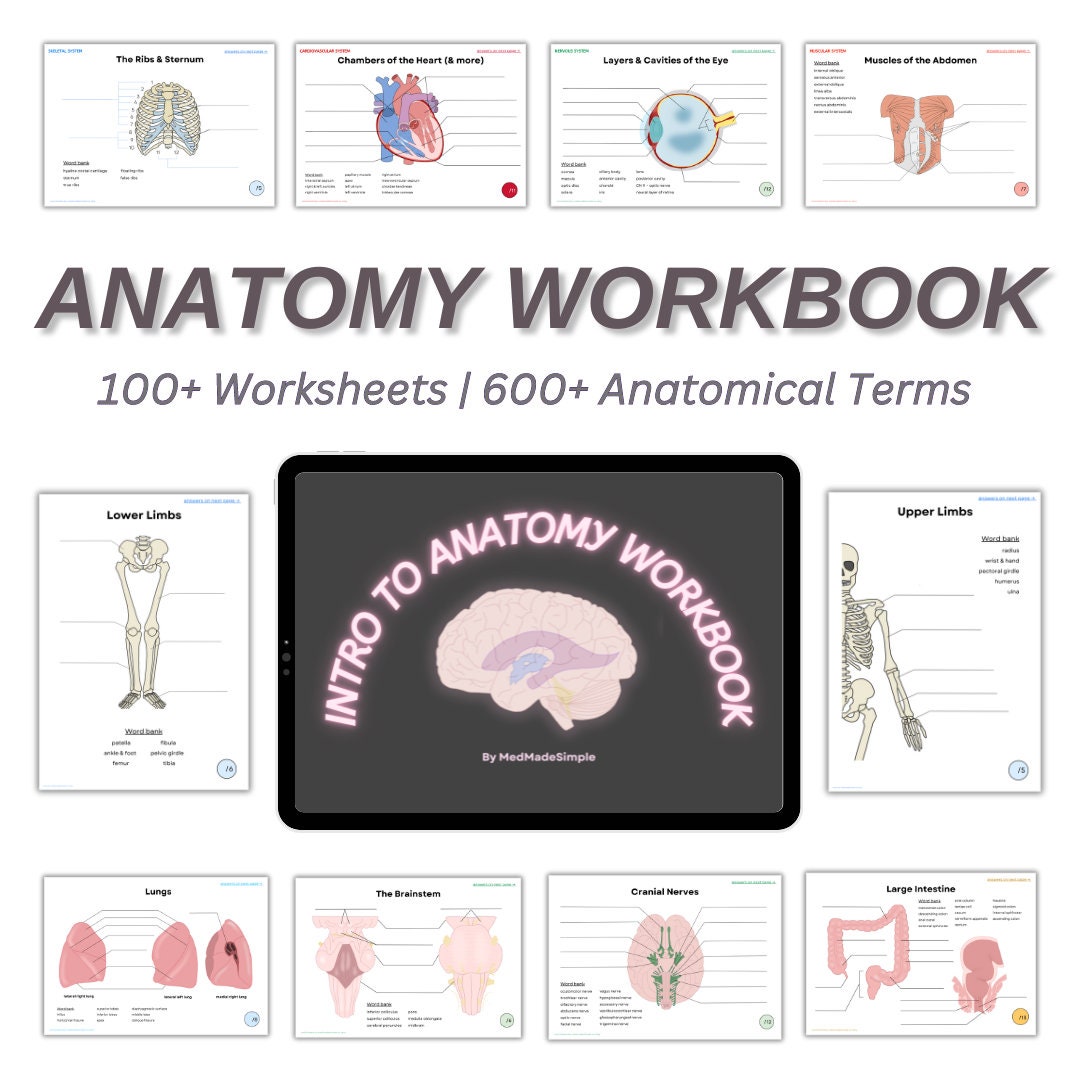
Concrete examples highlight the practical impact of well‑designed worksheets.
Case Study 1: High School Biology Class
In a sophomore biology course, the instructor introduced weekly labeling worksheets focused on the cardiovascular system. Students reported a 30% increase in quiz scores within two months, and the teacher noted a marked improvement in class engagement during discussions on heart pathology.
Case Study 2: Nursing Students
A nursing program incorporated problem‑solving worksheets that simulated patient scenarios requiring knowledge of the nervous system. The cohort’s clinical placement evaluations reflected higher confidence in diagnosing neurological conditions, correlating with the worksheets’ emphasis on functional relationships.
Conclusion
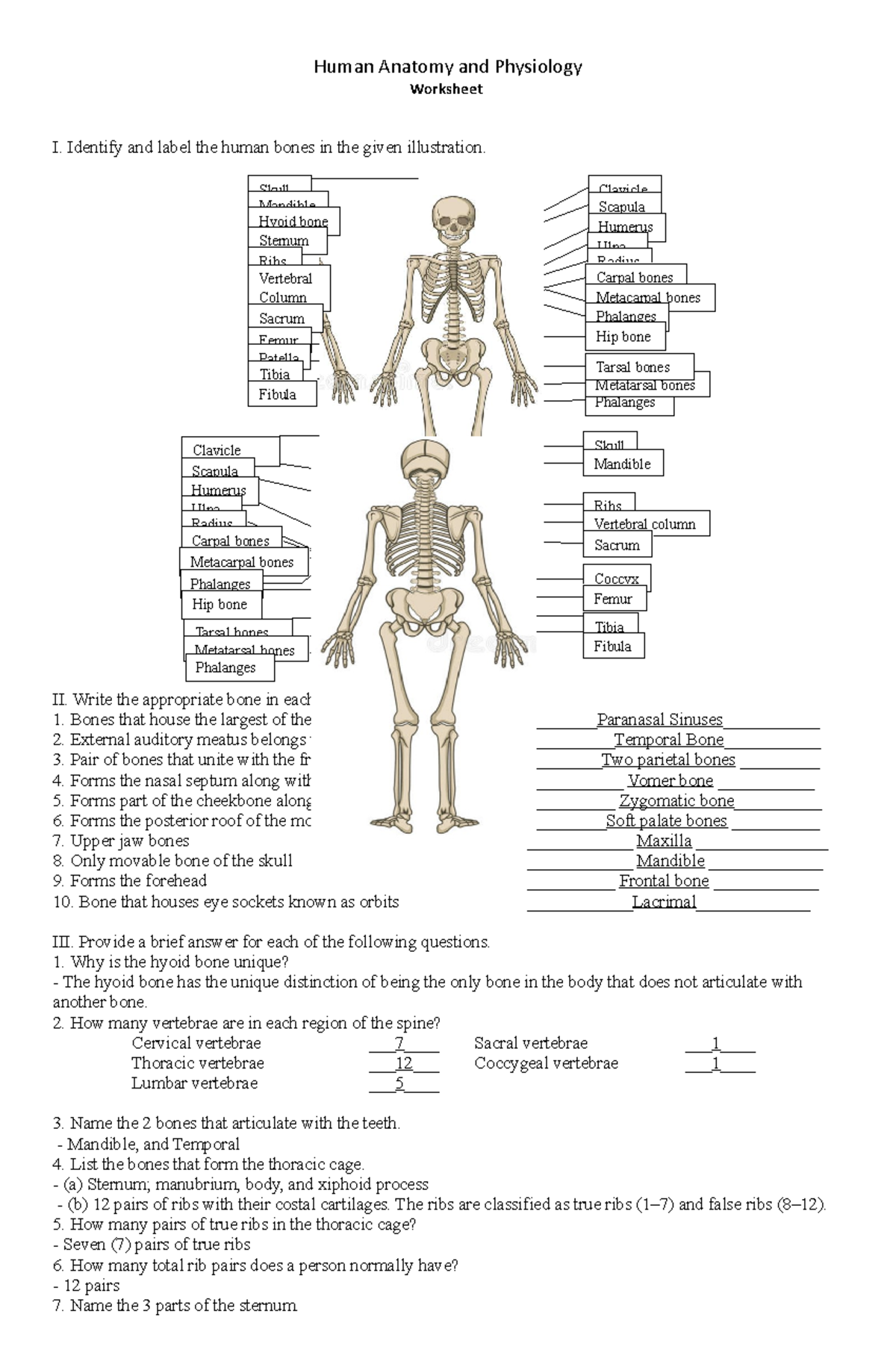
When thoughtfully curated and strategically deployed, Anatomy And Physiology Worksheets become powerful allies in demystifying the human body. By blending accurate, visually clear content with progressive challenges and real‑world relevance, these tools foster deeper comprehension, test readiness, and lifelong curiosity. Whether you’re a teacher designing curriculum, a student seeking self‑study resources, or an educational technologist looking to integrate digital solutions, the right worksheets can transform abstract science into tangible, memorable knowledge.