Halloween Worksheet For Preschool educators and parents alike recognize the power of themed learning tools to capture young imaginations while reinforcing foundational skills, and nothing sparks as much excitement as a spooky yet educational activity that aligns with the holiday spirit.
Why Halloween Worksheets Matter for Preschoolers

Preschool is a critical period for developing fine motor abilities, language comprehension, and early numeracy. When these concepts are embedded within a familiar and fun context, such as Halloween, children are more likely to engage deeply and retain information. The seasonal theme provides natural opportunities for:
- Vocabulary expansion: Words like “pumpkin,” “ghost,” “cobweb,” and “treat” become learning anchors.
- Fine motor practice: Cutting, coloring, and tracing shapes improve hand‑eye coordination.
- Pattern recognition: Identifying repeating motifs—such as alternating black and orange squares—supports early math skills.
- Social interaction: Group worksheet activities encourage sharing, turn‑taking, and collaborative problem solving.
By aligning educational objectives with a holiday that children eagerly anticipate, teachers can turn routine practice into a memorable adventure.
Choosing Age-Appropriate Halloween Activities

Understanding Developmental Milestones
Preschoolers (typically ages 3‑5) possess varying levels of independence. Effective worksheets respect these developmental stages:
- Three‑year‑olds thrive on large, simple shapes, bold lines, and minimal text.
- Four‑year‑olds can handle short sentences, basic counting, and introductory letter recognition.
- Five‑year‑olds are ready for multi‑step directions, simple problem‑solving, and early phonics activities.
Key Criteria for Worksheet Selection
When curating Halloween resources, consider the following criteria to ensure they are both educationally sound and developmentally appropriate:
- Clarity of instructions: Use concise language and visual cues.
- Visual appeal: High‑contrast images, recognizable Halloween symbols, and ample white space keep focus.
- Skill alignment: Match each activity to specific learning goals, such as counting objects or identifying letter sounds.
- Safety and simplicity: Avoid small, intricate cut‑outs that could frustrate young hands.
Top Printable Halloween Worksheet Ideas
Letter Tracing with Spooky Themes
Letter tracing worksheets replace standard dotted lines with pumpkin vines, spider webs, or bat wings. Children trace the uppercase and lowercase forms while simultaneously learning the associated sound. For example, a “B” worksheet might feature a bat silhouette that follows the letter’s curvature, reinforcing the /b/ phoneme.
Counting and Number Recognition
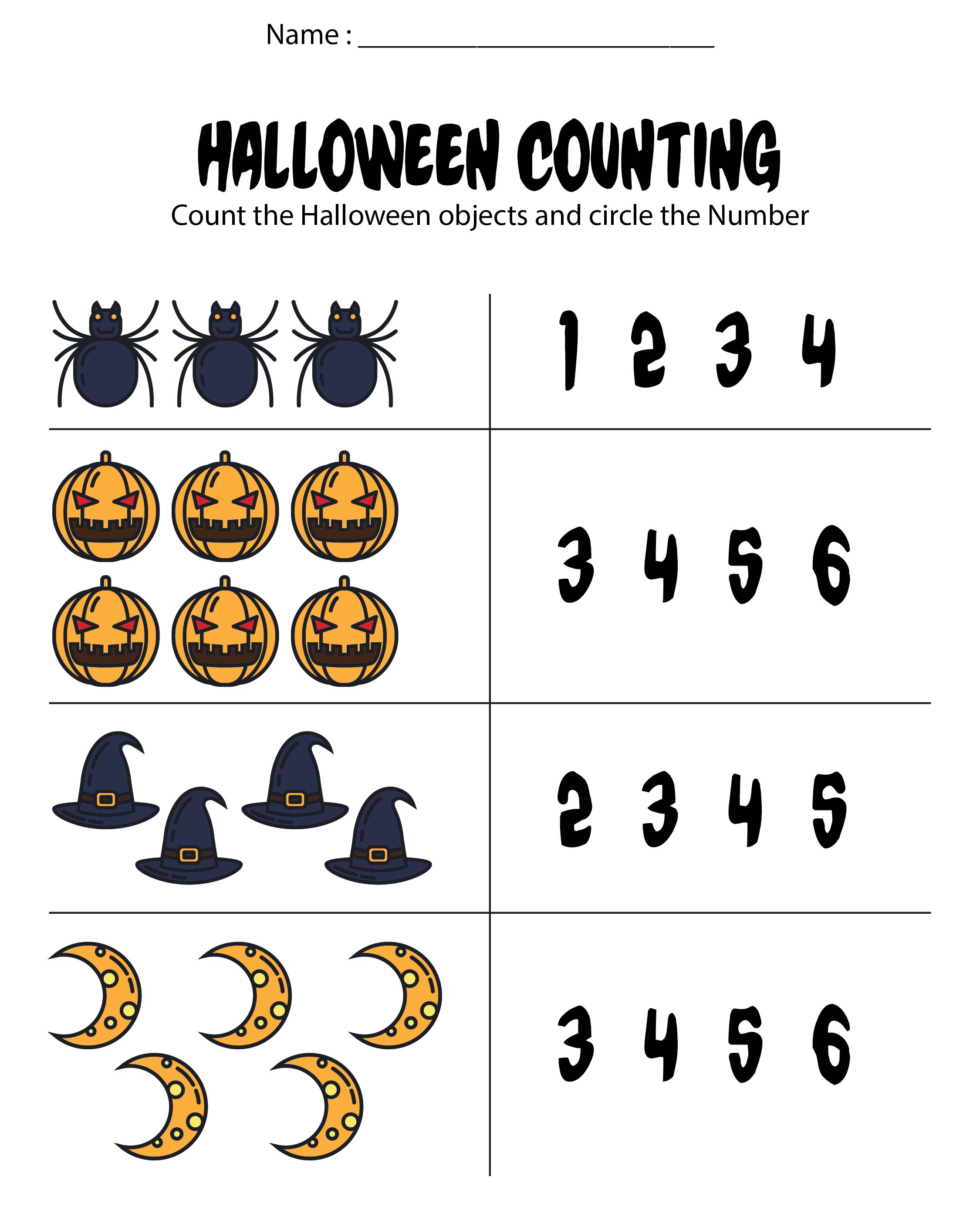
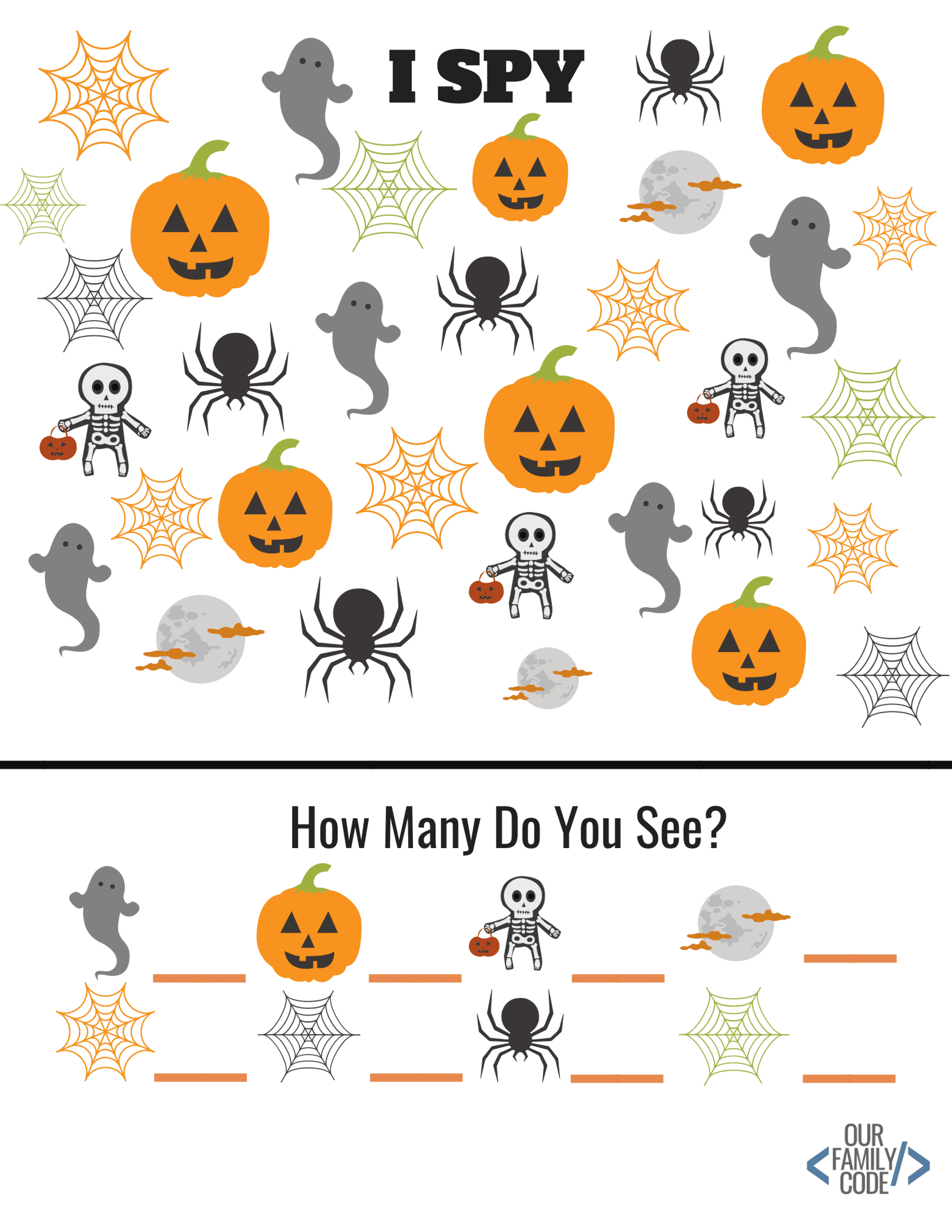
Number worksheets can depict a cauldron filled with a specific number of candy pieces. Children count the items and then write the corresponding numeral in a designated space. Extensions include simple addition problems like “2 ghosts + 3 pumpkins = ?” which introduce early arithmetic concepts within a festive narrative.
Shape Sorting and Pattern Completion
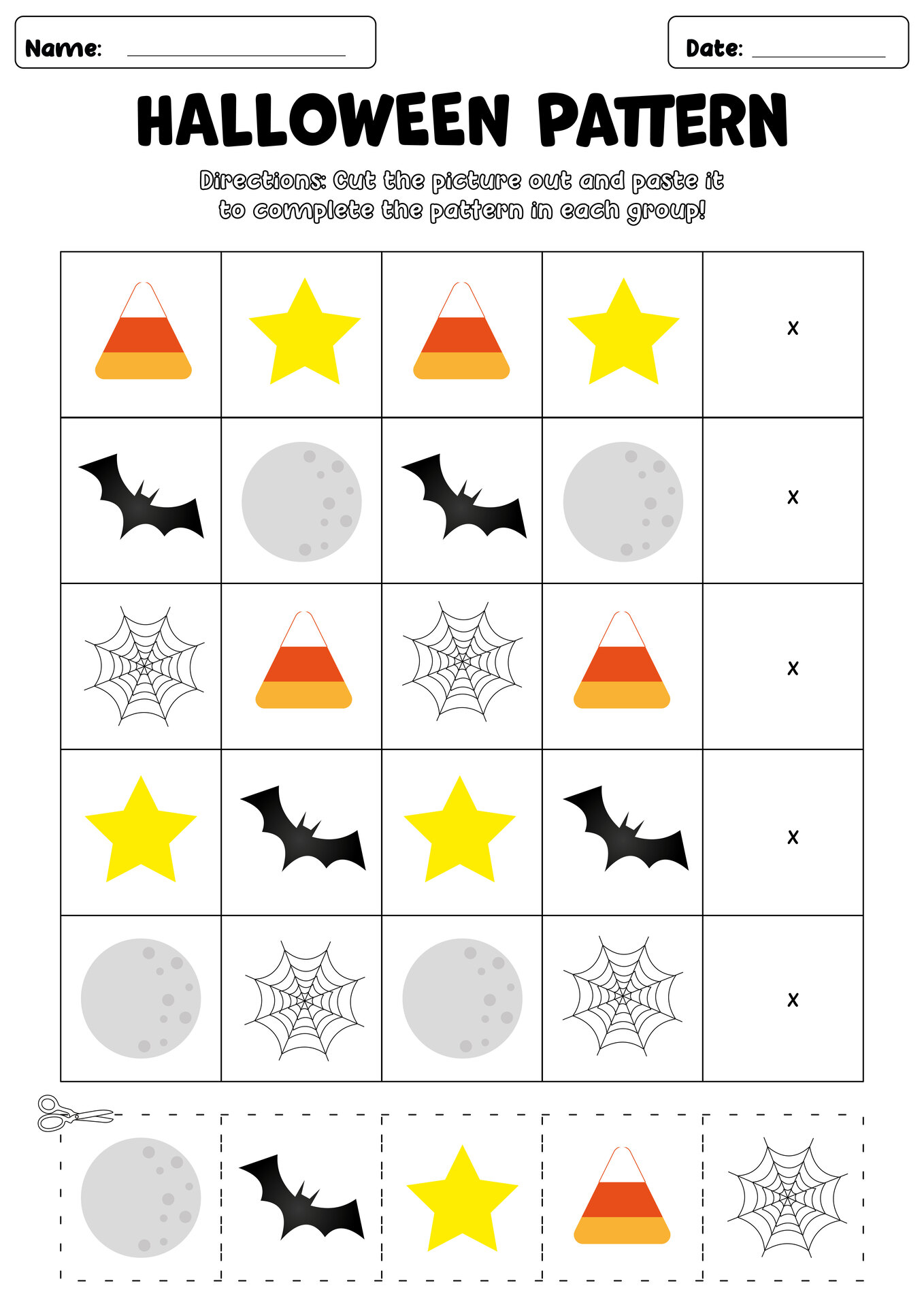
Shape worksheets showcase Halloween icons—such as triangles for witch hats or circles for full moons. Children match each icon to its corresponding shape outline, reinforcing geometry basics. Pattern worksheets might present a sequence like “pumpkin, bat, pumpkin, ___” prompting the child to identify the missing element, thereby strengthening logical reasoning.
Color-by-Number and Fine Motor Development
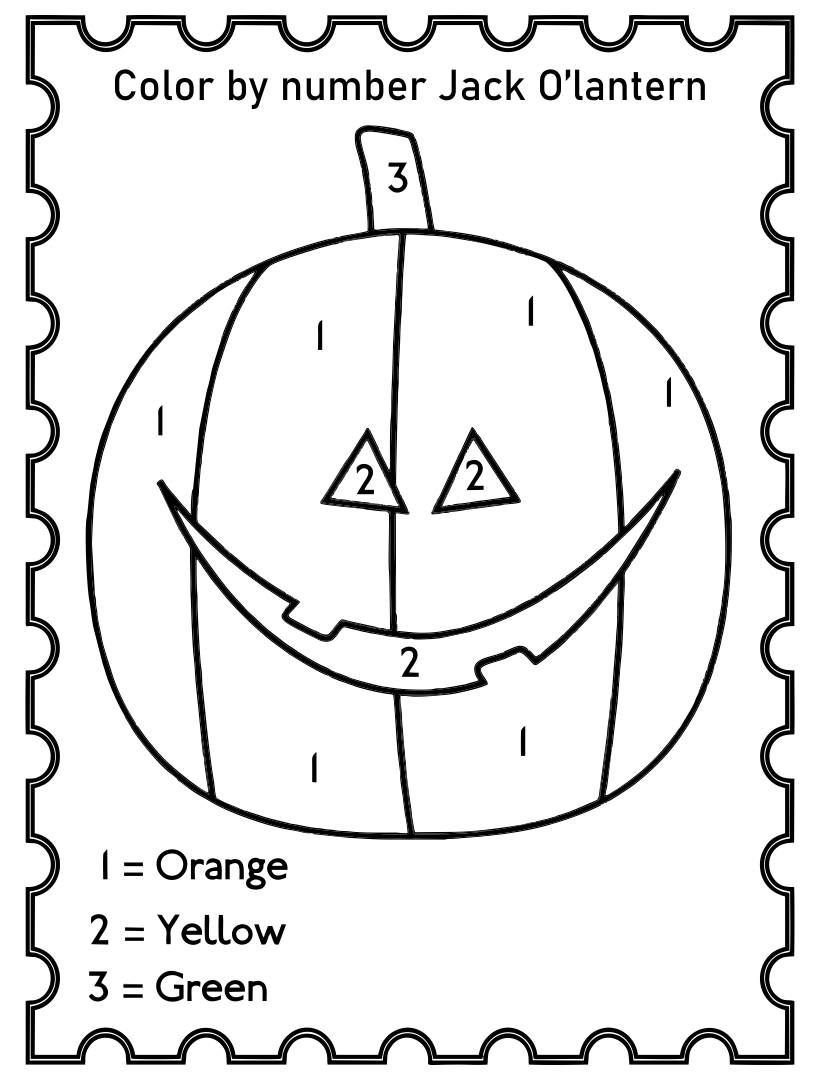
Color‑by‑number pages combine art with number recognition. Each Halloween character (e.g., a smiling jack‑o‑lantern) is divided into sections labeled with numbers that correspond to specific colors. As children color, they practice number‑color associations and improve pencil control.
Vocabulary Matching Games
Matching worksheets pair Halloween words with corresponding pictures. For instance, a column lists “ghost,” “candy,” and “spider,” while a second column displays images. Children draw lines between each word and its picture, reinforcing reading‑to‑picture connections and expanding sight‑word vocabulary.
Simple Mazes and Direction Following
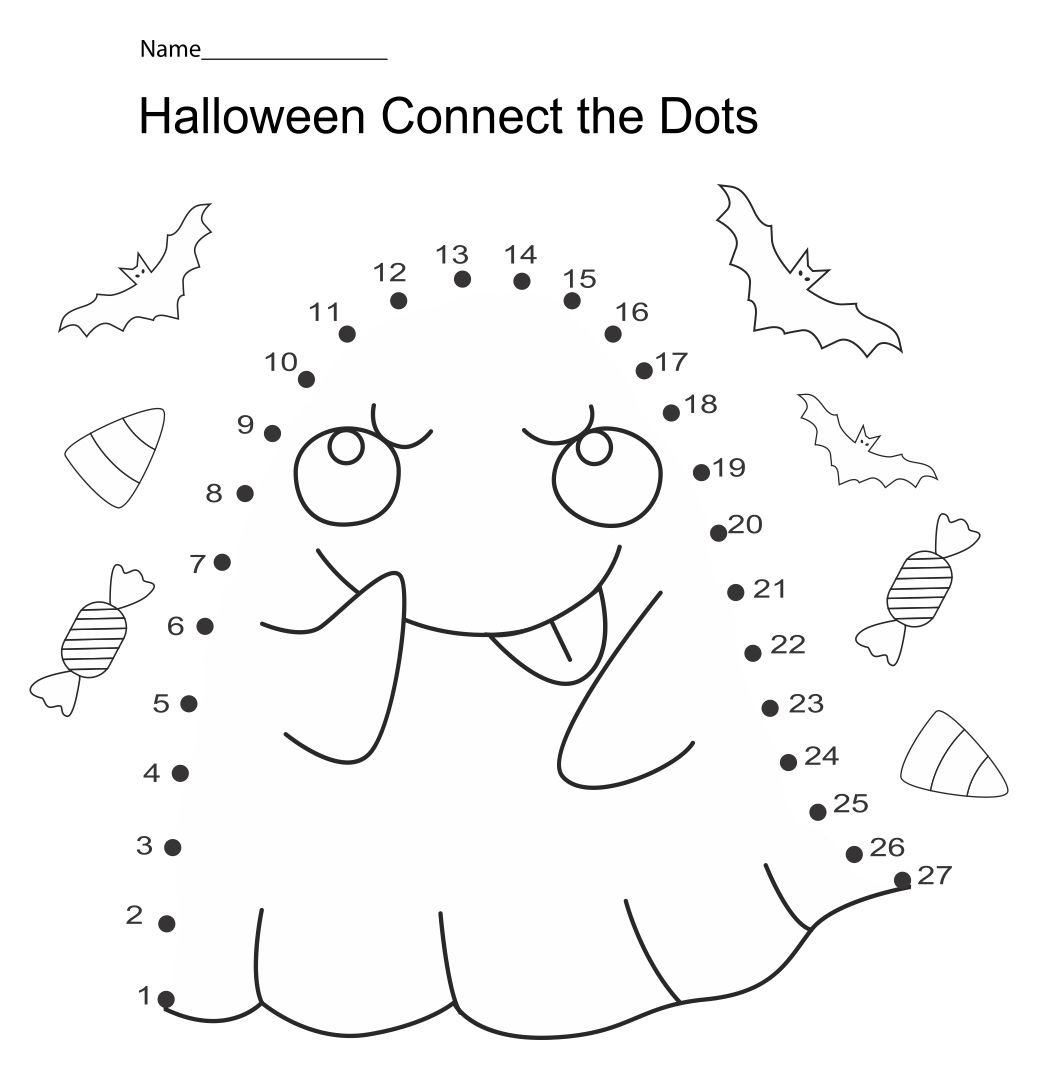
Maze worksheets guide a character (often a friendly monster) from a start point to a treat, requiring children to follow a single, unbroken path. This activity sharpens spatial awareness, sequential thinking, and the ability to follow instructions.
How to Incorporate Worksheets into Classroom Routines

Morning Circle Integration
Begin the day with a brief “Halloween Talk” where children share what they know about the holiday. Follow this with a quick, 5‑minute worksheet activity that reinforces a concept introduced during the circle, such as identifying the letter “M” for “monster.” This seamless transition maintains momentum and capitalizes on fresh attention.
Station Rotation Model
Set up learning stations that rotate every 15‑20 minutes. One station can feature a Halloween worksheet focused on counting, another on letter tracing, and a third on fine‑motor coloring. Rotations keep the environment dynamic, allowing each child to engage with multiple skill sets in a single session.
Group Collaboration Projects
Assign small groups a larger, multi‑page Halloween booklet. Each child completes a specific section—one handles tracing, another counts, and a third colors. Afterward, the group assembles the pages into a collective poster that can be displayed in the classroom, fostering pride and teamwork.
Assessment and Feedback Loop
Use worksheets as informal assessments. Collect completed sheets, note areas of strength and those needing reinforcement, and provide individualized feedback during one‑on‑one check‑ins. This data-driven approach informs future lesson planning and ensures targeted support.
Tips for Parents to Reinforce Learning at Home
Create a Dedicated Homework Space
Designate a quiet, well‑lit corner where children can work on Halloween worksheets without distractions. A small table, a set of crayons, and a timer help establish routine and focus.
Integrate Play with Practice
After completing a worksheet, encourage children to act out the concepts. If a worksheet involved counting “candy,” have the child line up real treats and count aloud, reinforcing the numeric skill in a tangible way.
Use Positive Reinforcement
Celebrate achievements with stickers, verbal praise, or a “Halloween Hero” certificate. Positive reinforcement builds confidence and motivates continued effort.
Limit Screen Time and Encourage Hands‑On Activities
Balance digital resources with printable worksheets. Physical manipulation of paper, scissors, and coloring tools deepens sensory learning and improves motor development.
Collaborate with Teachers
Maintain open communication with educators to align home activities with classroom objectives. Sharing completed worksheets and discussing observed challenges helps create a consistent learning environment across both settings.
Common Mistakes to Avoid

Overcomplicating the Design
While creativity is valuable, overly intricate worksheets can overwhelm preschoolers, leading to frustration rather than enjoyment. Keep designs simple, with clear instructions and minimal clutter.
Neglecting Differentiation
Providing a single worksheet for all skill levels may leave some children bored and others struggling. Offer varied difficulty levels—basic tracing for younger kids and multi‑step puzzles for those ready for a challenge.
Skipping Review Sessions
Learning retention improves with spaced repetition. Revisit key concepts weekly, using short refresher worksheets to cement knowledge.
Using Inappropriate Language
Even though Halloween is a fun theme, ensure all text remains age‑appropriate. Avoid overly scary imagery or complex vocabulary that could confuse young learners.
Ignoring the Importance of Feedback
Children need clear, constructive feedback to understand their progress. Simply marking an answer as right or wrong without explanation limits the learning opportunity.
Conclusion

Integrating Halloween Worksheet For Preschool activities into early childhood education offers a unique blend of excitement and academic growth, turning a festive holiday into a catalyst for skill development. By selecting age‑appropriate worksheets, embedding them thoughtfully within classroom routines, and extending support at home, educators and parents can nurture literacy, numeracy, and fine‑motor abilities while preserving the joy of Halloween. Thoughtful planning, consistent reinforcement, and an awareness of common pitfalls ensure that these seasonal resources not only entertain but also lay a strong foundation for lifelong learning.