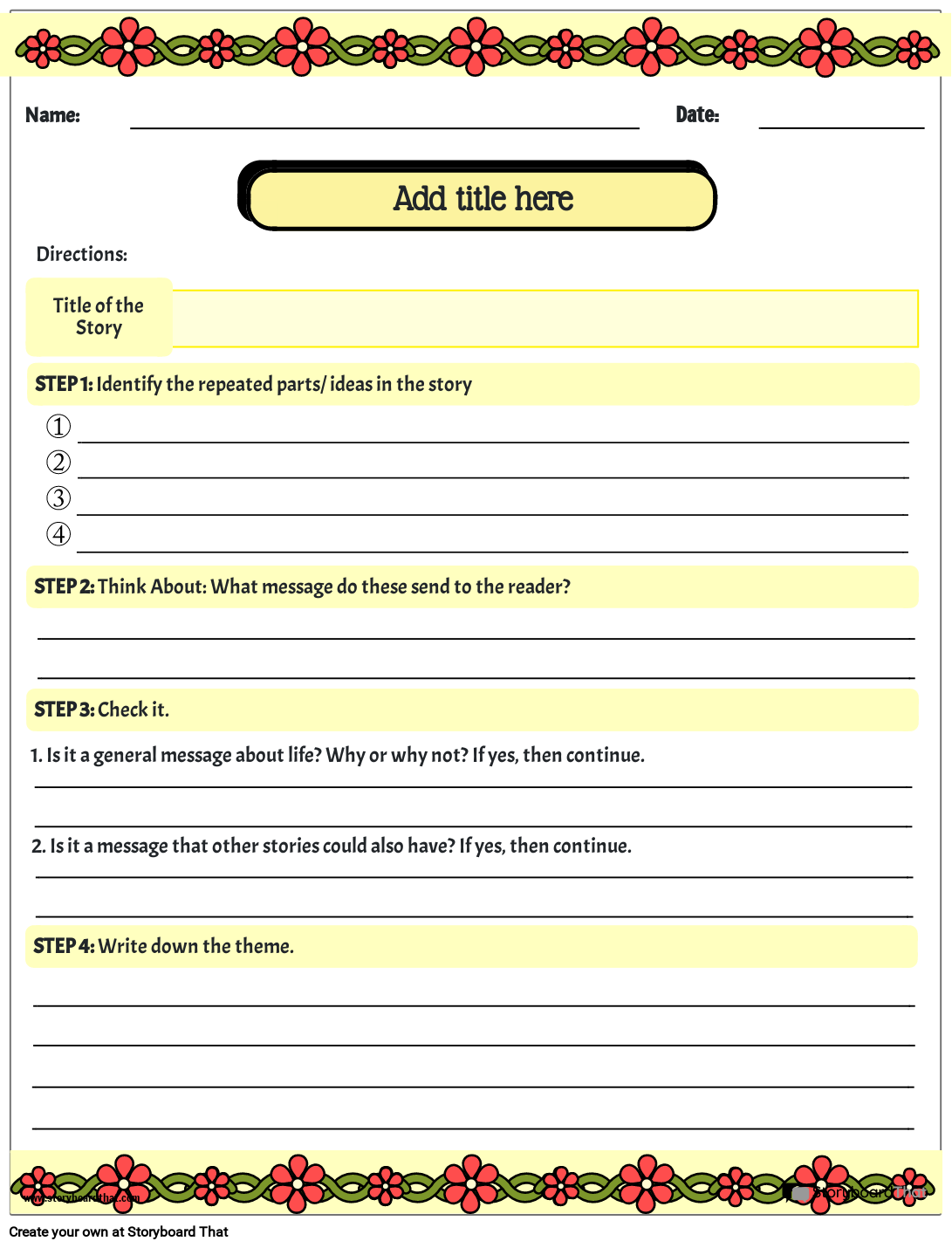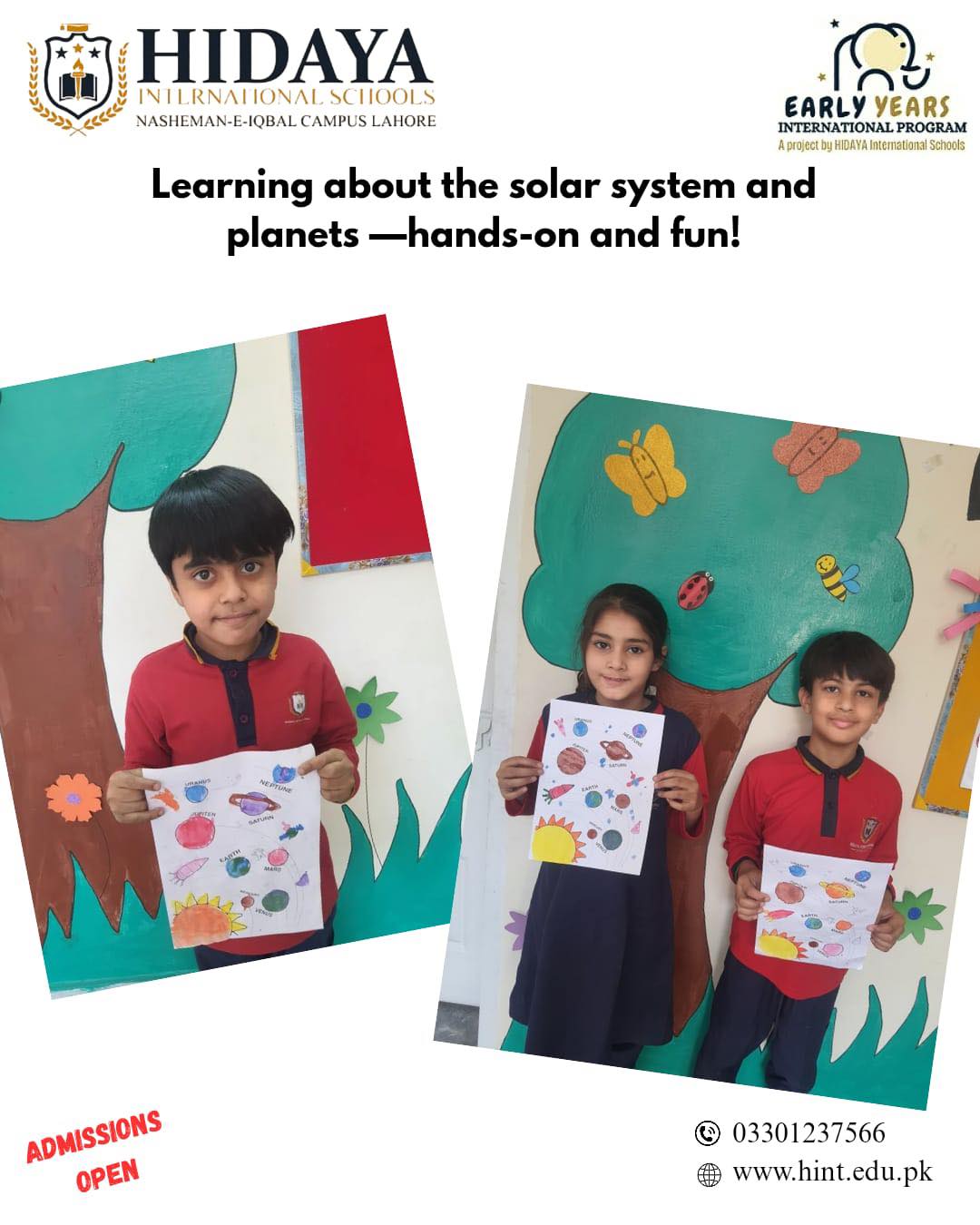
Hidaya’s Story Worksheet is an engaging, classroom-friendly tool that transforms narrative reading into a dynamic, interactive learning experience. By guiding students through structured prompts and creative tasks, this worksheet supports reading comprehension, critical thinking, and expressive writing—all while keeping engagement high and instruction focused.
Why Hidaya’s Story Worksheet Stands Out
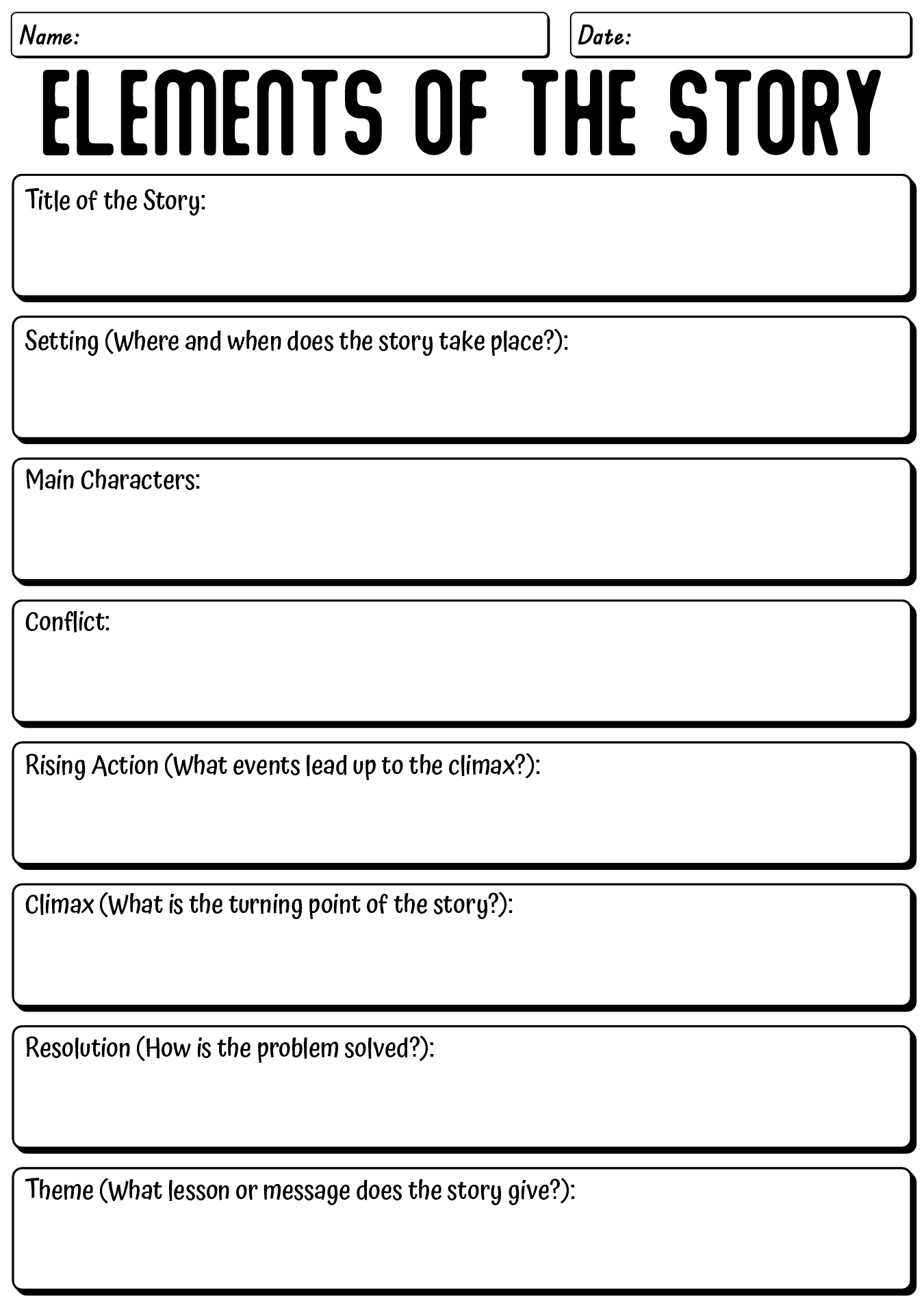
Teachers often search for resources that combine rigorous learning objectives with fun, hands‑on activities. Hidaya’s Story Worksheet offers just that, providing a clear, step‑by‑step framework that aligns with common core standards, curriculum benchmarks, and literacy best practices.
Key distinguishing features include:
- Comprehensive Narrative Analysis: Students dissect plot, character development, and themes with guided questions.
- Creative Expression Prompts: Activities such as “Rewrite a Scene” or “Create a New Ending” encourage originality.
- Assessment Alignment: Each section ends with a quick rubric or checklist, allowing teachers to assess comprehension and creativity efficiently.
- Adaptability: The worksheet is easily modified for different age groups, reading levels, and cultural contexts.
Step‑by‑Step Implementation Guide
1. Pre‑Reading Setup
Begin by selecting a text that matches your students’ reading level and interests. Prior to reading, distribute the worksheet and highlight the first section: Title & Author Identification. This primes students to pay attention to metadata that often contains clues about genre, setting, and tone.
2. Guided Reading
As students read, encourage them to fill in the worksheet in real time. Include checkpoints after each major paragraph or chapter to:
- Identify the main conflict.
- Note key supporting details.
- Record any increasing tension points.
3. Post‑Reading Reflection
Once the story is finished, move the worksheet to the reflection section. Ask students to:
- Summarize the plot in two sentences.
- List three character traits for the protagonist and antagonist.
- Explain how the setting influences the plot.
4. Creative Extension Activities
Turn analysis into creation with these tasks:
- Rewrite a Scene: Students choose a pivotal moment and rewrite it from a different character’s perspective.
- Alternative Endings: Brainstorm what could happen if the ending changed.
- Storyboard: Translate the narrative into a visual sequence, drawing scenes and annotating key events.
5. Peer Review and Feedback
Organize a peer‑review session where students exchange worksheets. Provide a simple rubric that covers:
- Clarity of plot summary.
- Depth of character analysis.
- Creativity in extension activities.
Encourage constructive feedback by using phrases such as “I liked how you highlighted the conflict” or “Consider adding more sensory details to the setting.”
6. Final Assessment
Compile the worksheets into a portfolio. Assess each student’s ability to:
- Identify literary elements accurately.
- Apply critical thinking in analysis.
- Demonstrate originality in creative tasks.
Use the rubric to provide both a numerical score and written comments, ensuring a holistic evaluation.
Benefits for Students and Educators
Enhanced Reading Comprehension
The structured prompts guide students to focus on essential narrative components, reducing confusion and increasing retention. By repeatedly identifying plot, character, and theme, learners build a mental map that helps them tackle more complex texts later.
Improved Critical Thinking Skills
Analyzing cause‑effect relationships, predicting outcomes, and evaluating character motivations require students to think beyond surface details. The worksheet’s questions explicitly prompt these higher‑order skills.
Boosted Writing Confidence
Through guided creative tasks, students practice writing with purpose, experimenting with voice and perspective. The low‑pressure environment of the worksheet encourages risk‑taking, leading to richer writing samples.
Teacher Efficiency
Having a ready‑made, multi‑stage worksheet saves planning time. The built‑in assessment rubric streamlines grading, allowing teachers to focus on individualized feedback rather than manual mark‑making.
Customization Tips for Diverse Classrooms

Adapting for ELL Students
Include vocabulary boxes with definitions and sample sentences. Offer sentence starters for the analysis sections to scaffold responses. Consider using bilingual prompts for the creative tasks.
Adjusting Difficulty Levels
For advanced readers, add a Literary Device Analysis subsection where students identify symbolism, foreshadowing, or irony. For younger students, simplify questions to “Who is the main character?” and “What happens first?”
Integrating Cross‑Curriculum Connections
Link the worksheet to social studies by analyzing historical context in a story set in a particular era. Connect to art by having students illustrate a key scene or design a character’s costume.
Maximizing Engagement through Technology
Digital Worksheet Versions
Convert the worksheet into an interactive PDF or online form. This allows students to click through hyperlinks that reveal hints or definitions, keeping the experience dynamic.
Using Multimedia Enhancements
Embed short audio clips of dramatic readings or background music that matches the story’s mood. These sensory elements enrich comprehension and keep students invested.
Gamifying the Activity
Create a leaderboard for points earned through accurate analysis and creative originality. Offer badges for milestones like “Plot Detective” or “Character Whisperer.” Gamification motivates students to revisit the worksheet for extra credit.
Case Study: A Middle School Success Story

Ms. Ramirez, a 7th‑grade literature teacher, implemented Hidaya’s Story Worksheet in her unit on classic fairy tales. Over three weeks, she observed:
- Student reading scores increased by 12% on the district’s reading assessment.
- Students produced over 50 creative rewrites, many of which were shared on the class blog.
- Peer‑review sessions led to a 15% improvement in collaborative skills as measured by teacher observations.
Ms. Ramirez attributes this success to the worksheet’s balance of structure and creativity, noting that students felt “empowered to explore the story on their own terms.”
Frequently Asked Questions
Can I use this worksheet with texts outside the curriculum?
Absolutely. The worksheet’s generic design means it can be applied to any narrative—fiction, nonfiction, or even short stories from literary magazines.
What if my students are reluctant writers?
Start with guided prompts that require only one or two sentences. As confidence grows, introduce the creative extensions. Praise effort over perfection to build a growth mindset.
How often should I repeat this activity?
Incorporate it once per unit or bi‑weekly if time allows. Consistency reinforces skills, but rotating with other literacy activities keeps the classroom fresh.
Conclusion

Hidaya’s Story Worksheet offers educators a comprehensive, adaptable resource that bridges analysis and creativity. By following the structured implementation plan, tailoring content to diverse learners, and leveraging technology, teachers can elevate reading instruction and inspire a lifelong love of stories in every student. Embrace this worksheet to transform ordinary reading time into a vibrant, collaborative learning adventure that delivers measurable results and unforgettable experiences.