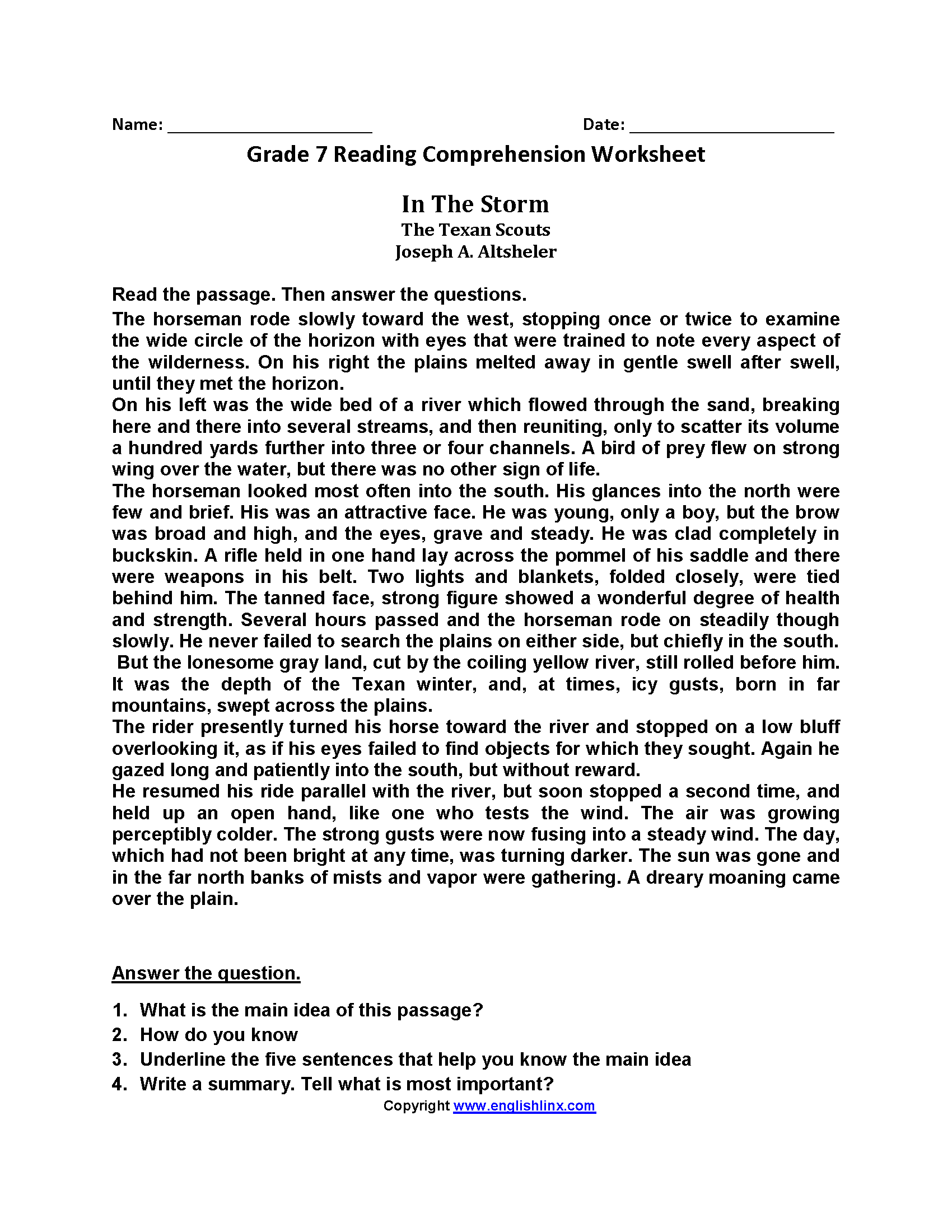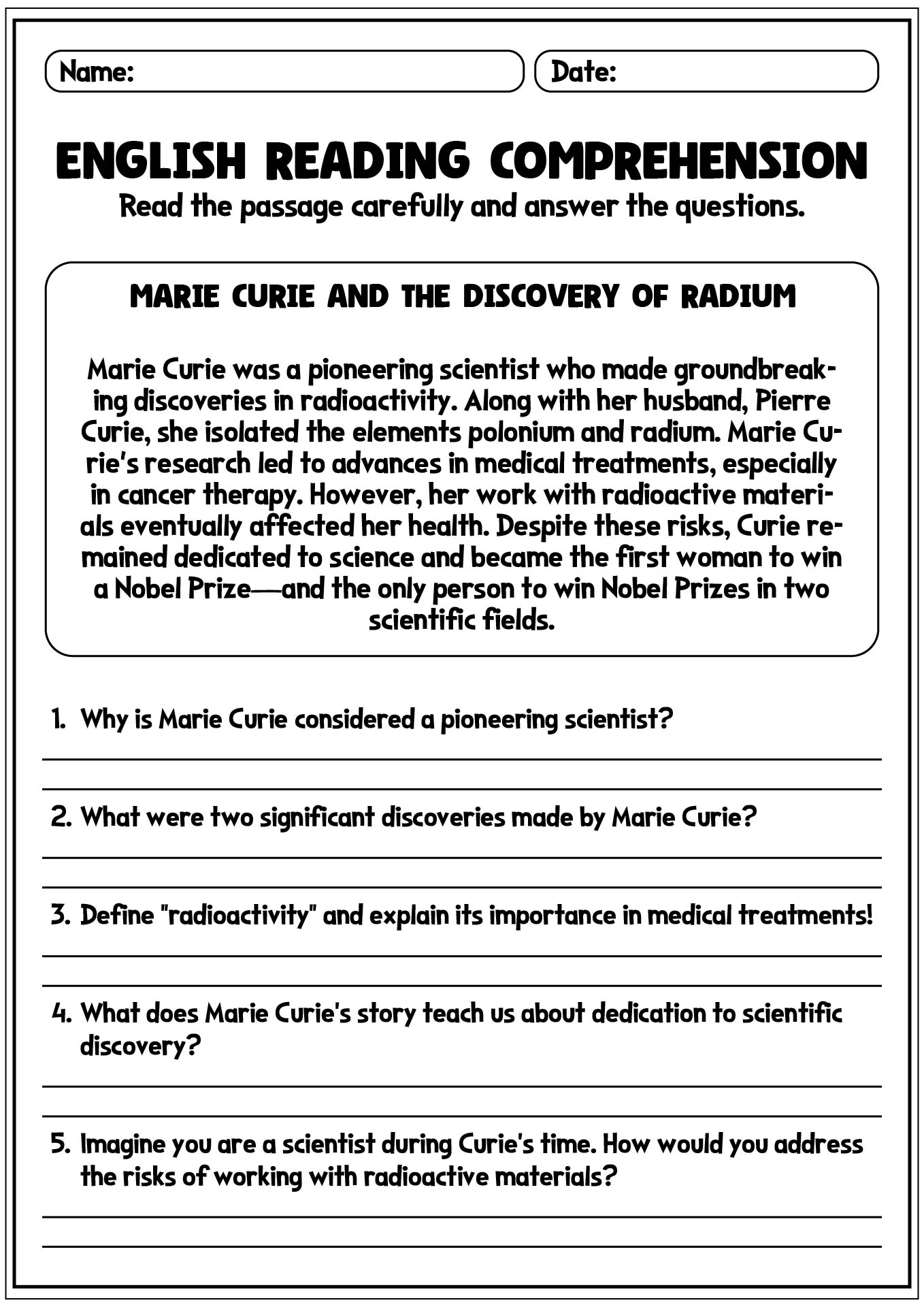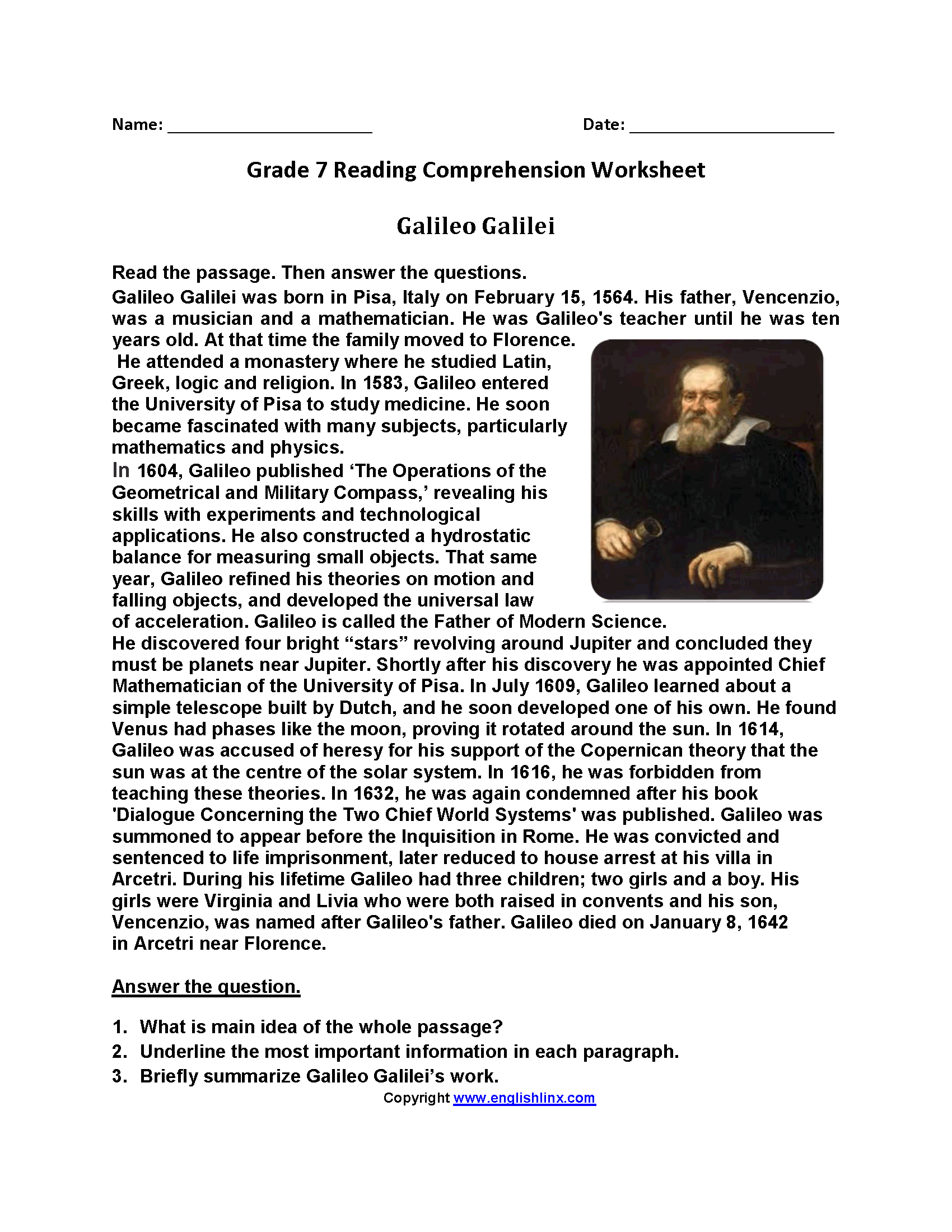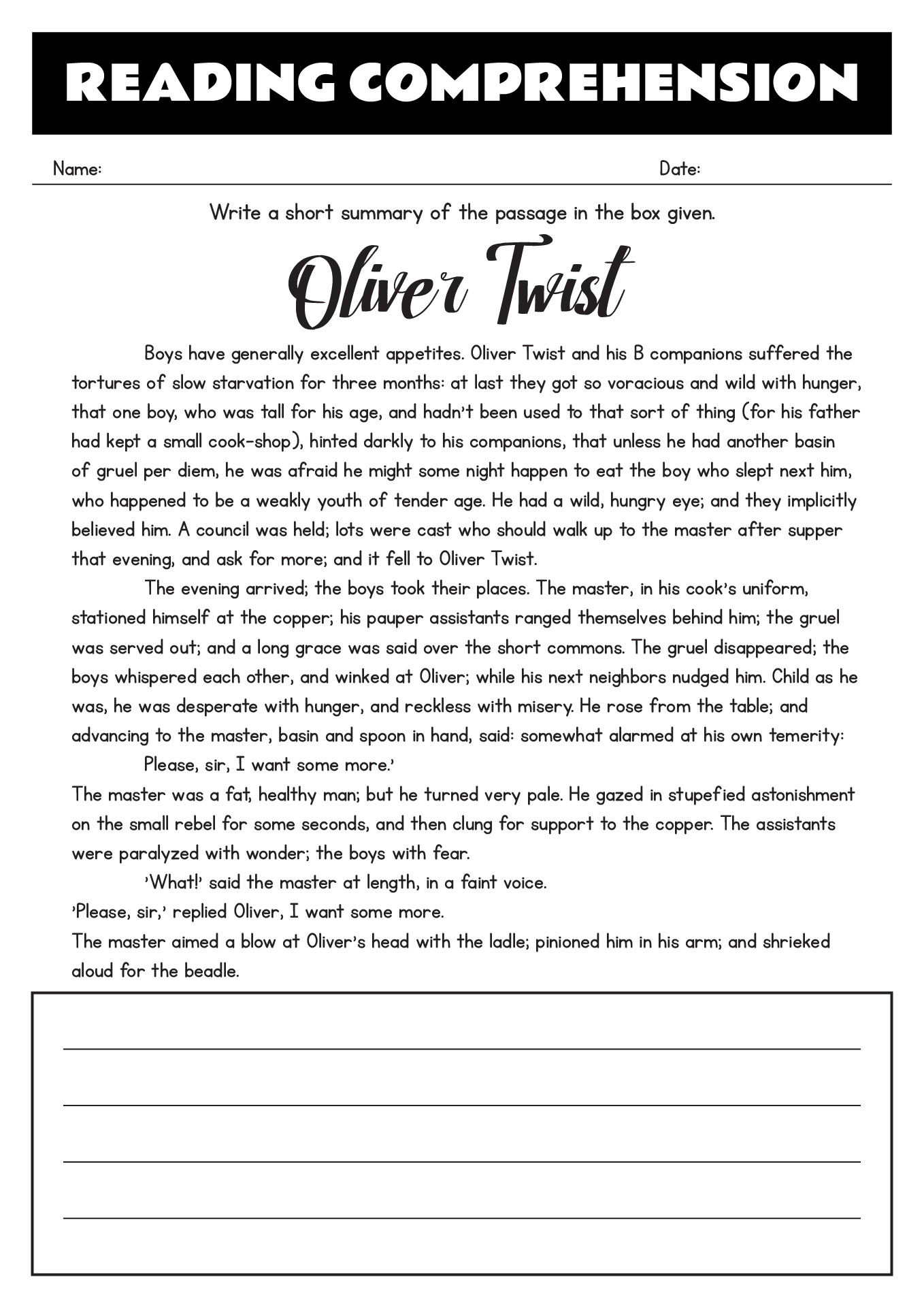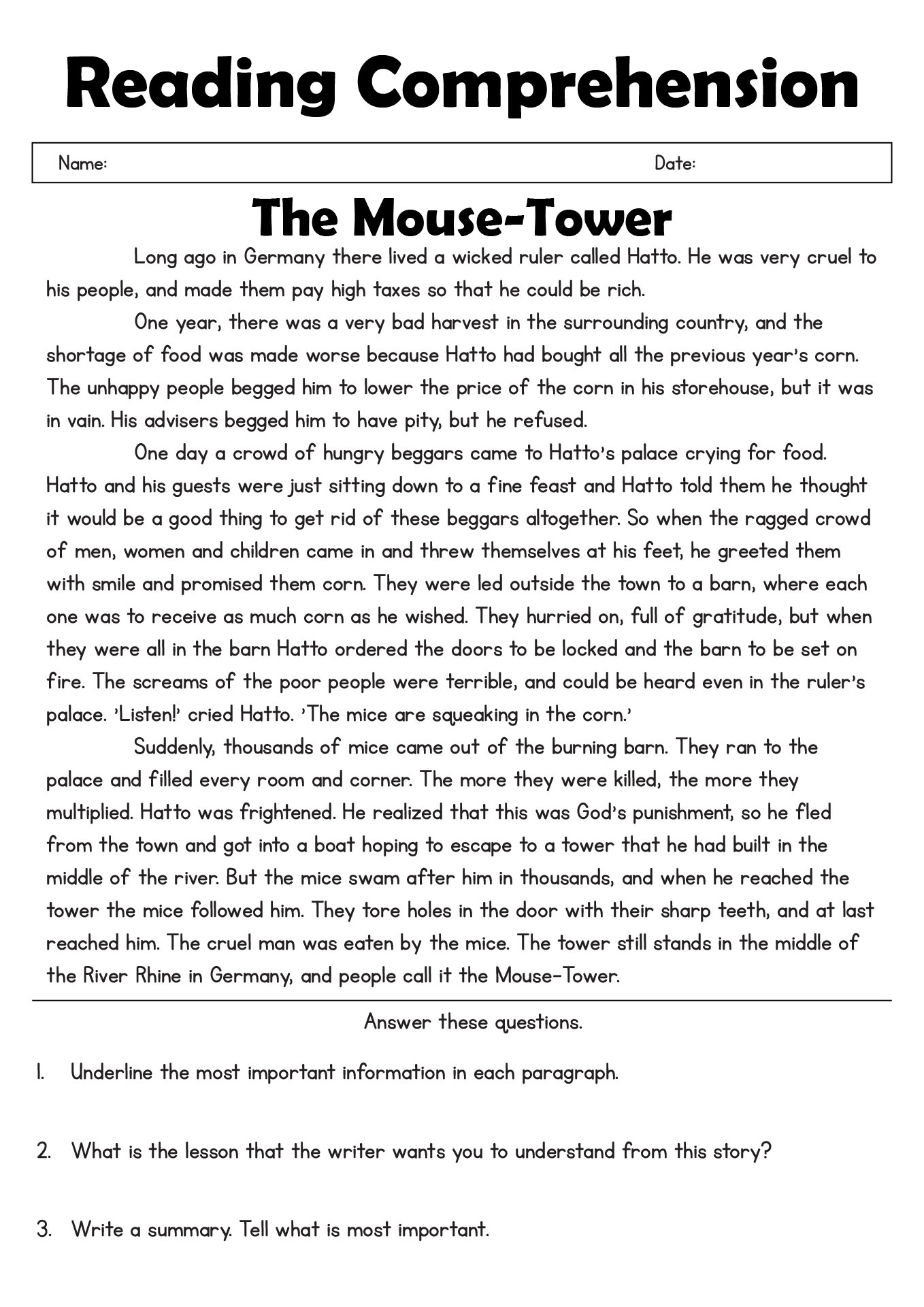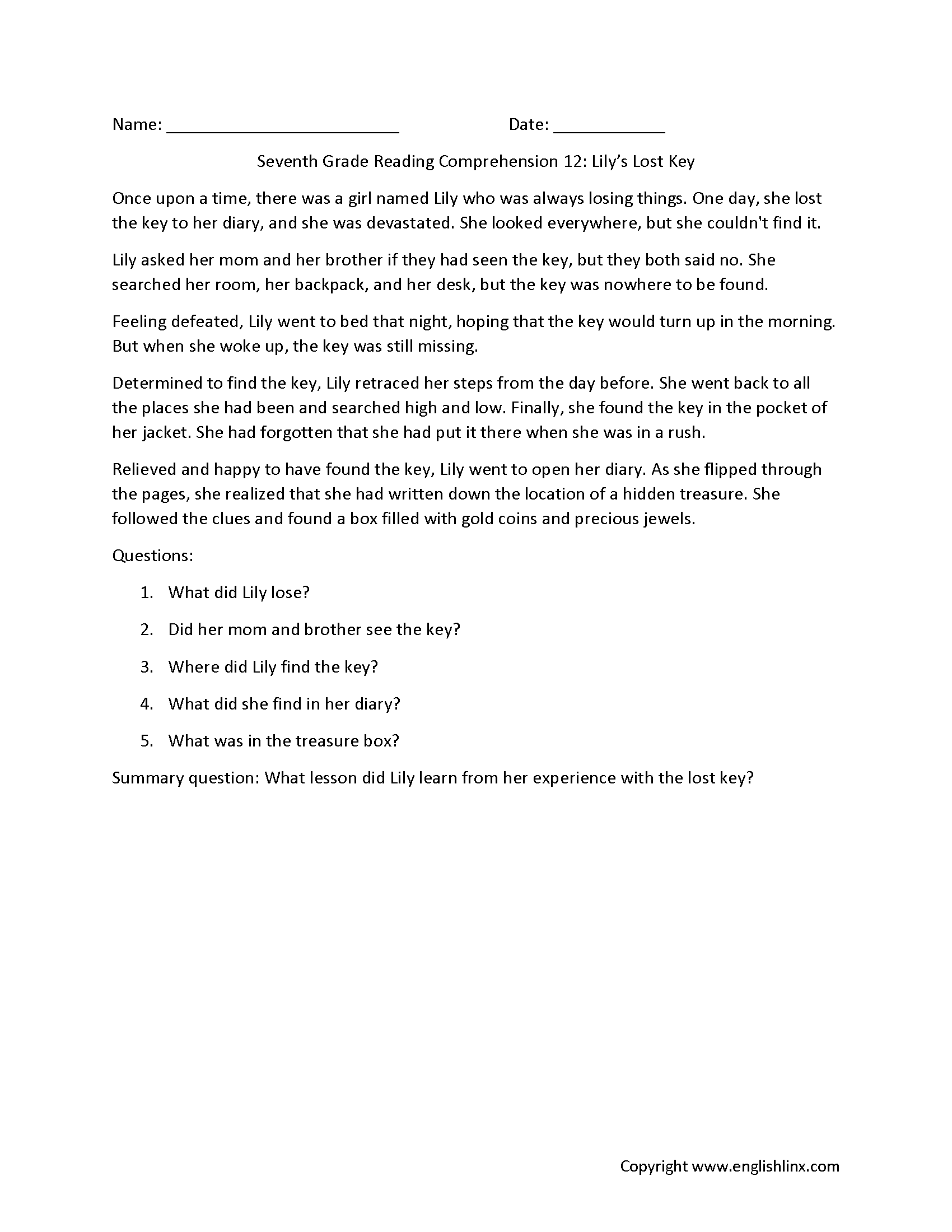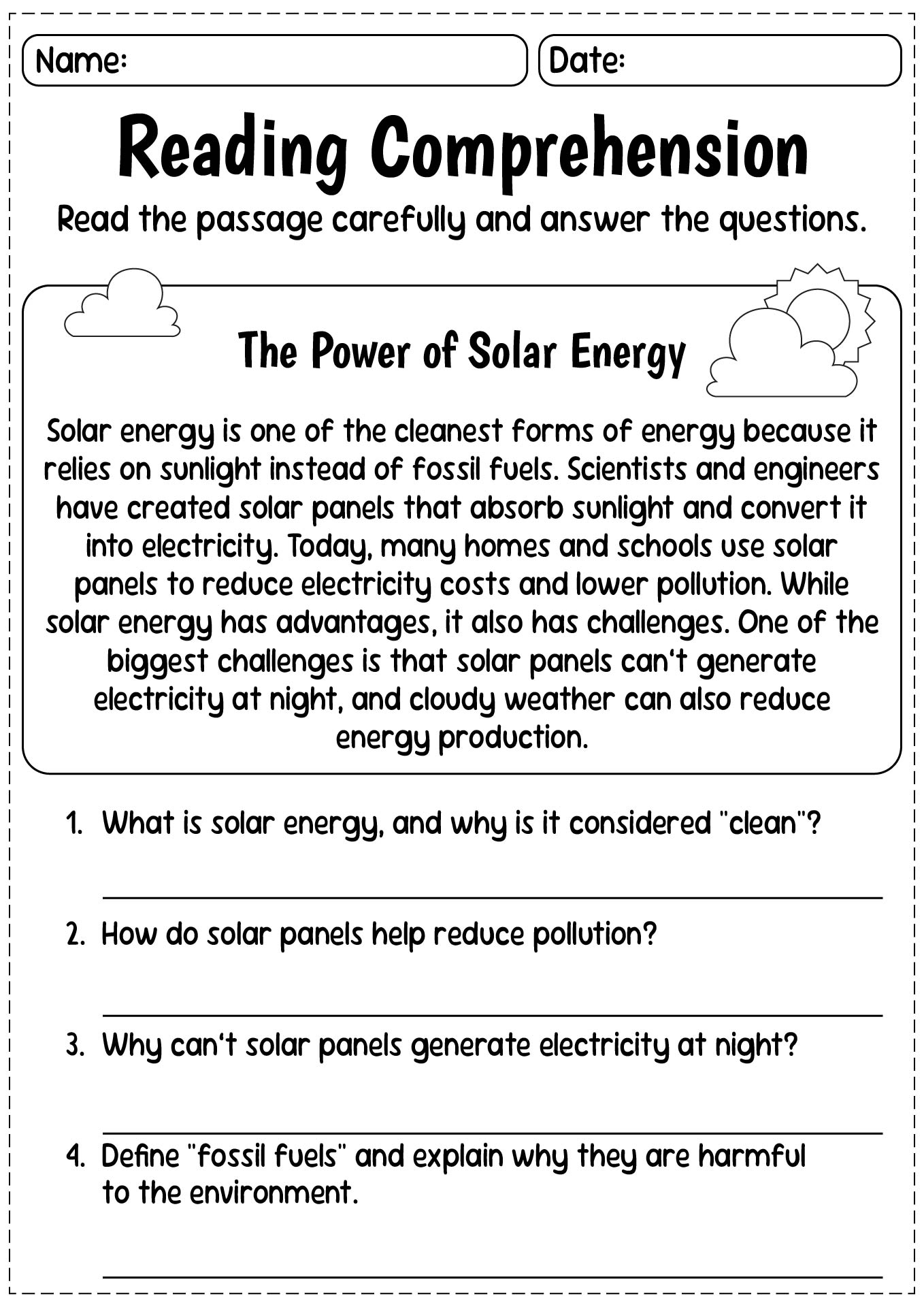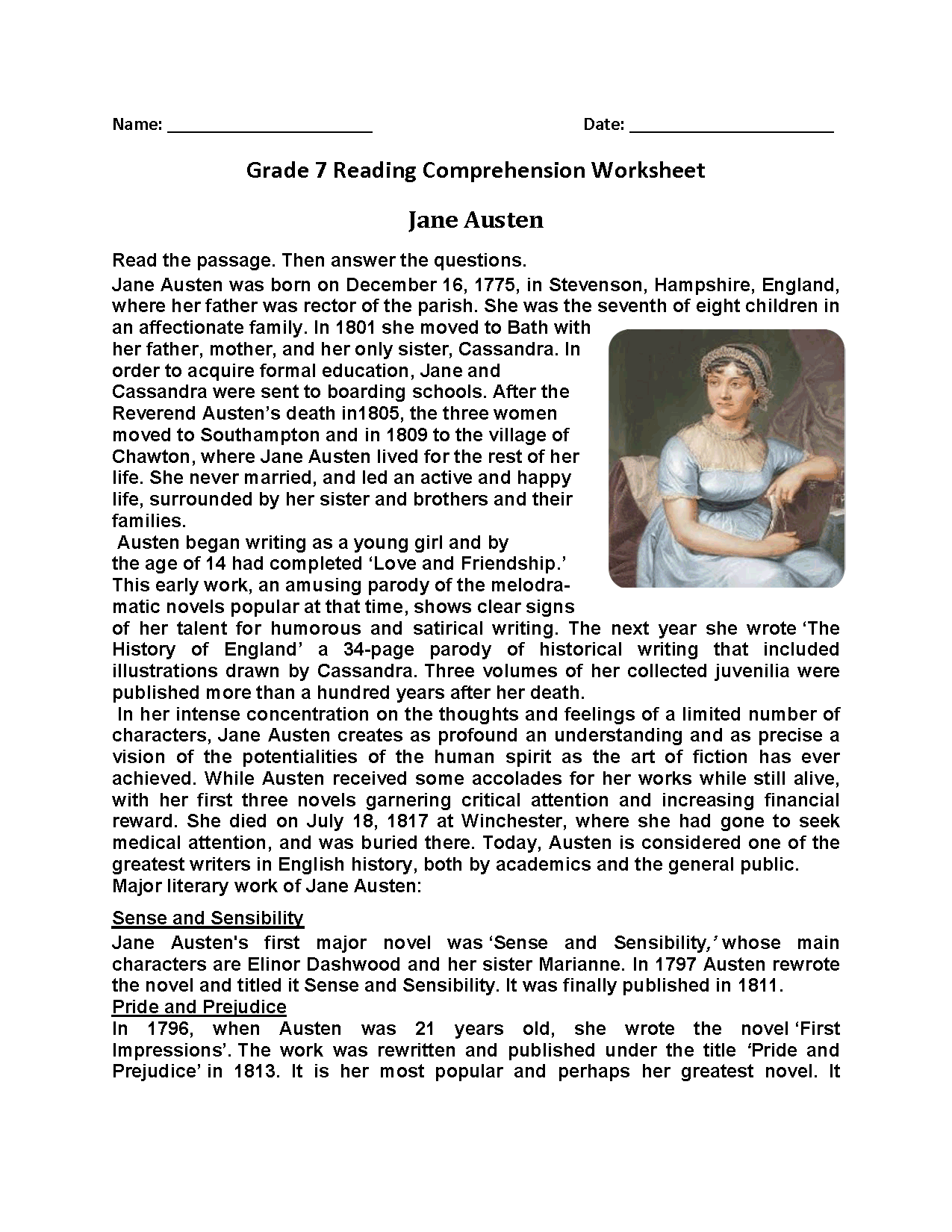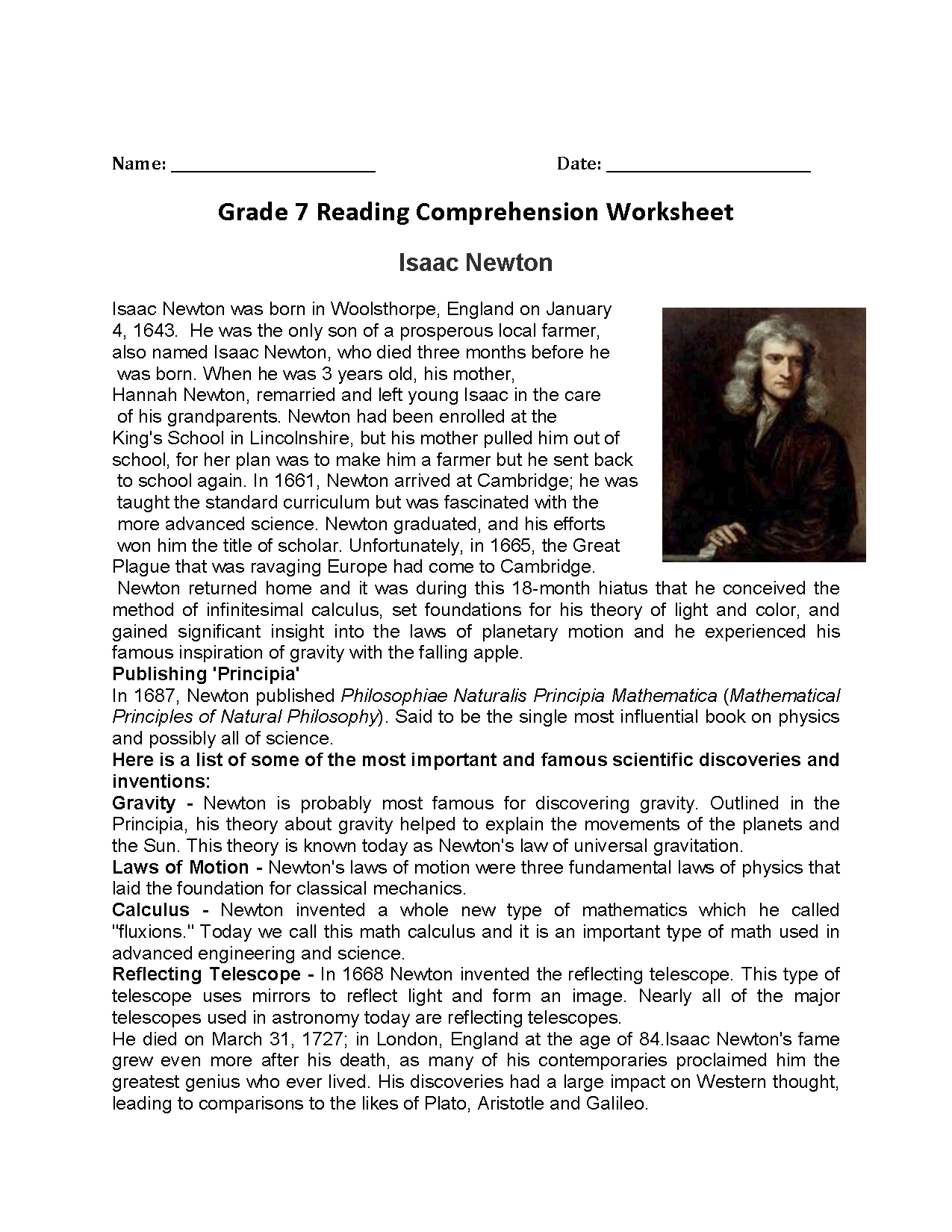
Reading Comprehension Worksheets 7th Grade offer a focused, hands‑on way to strengthen the critical thinking and analytical skills that middle‑school students need to succeed across subjects, and they do so in a format that feels both familiar and motivating. By blending short passages, targeted questions, and purposeful vocabulary work, these worksheets become more than a routine assignment; they turn reading into a purposeful adventure that prepares seventh‑graders for the increasingly complex texts they will encounter in high school and beyond.
Why Seventh‑Grade Reading Comprehension Is a Turning Point
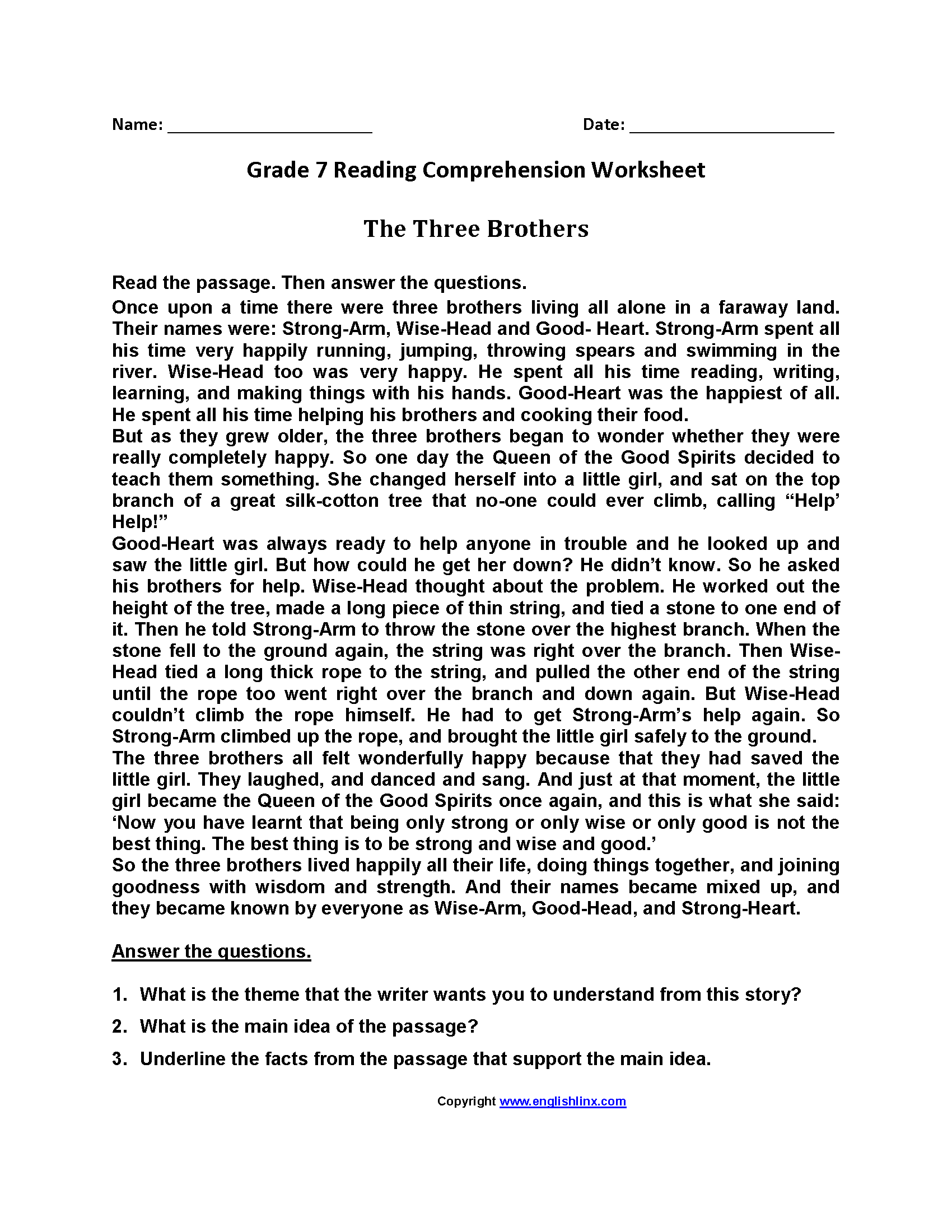
Seventh grade marks the shift from “learning to read” to “reading to learn.” At this stage, students transition from decoding simple narratives to interpreting informational texts, analyzing author purpose, and drawing evidence‑based conclusions. This cognitive leap requires scaffolding that is both challenging and supportive, and well‑designed worksheets provide exactly that balance. When worksheets align with standards and incorporate real‑world contexts, they reinforce the relevance of reading, which in turn boosts motivation and retention.
Core Elements of High‑Quality Worksheets
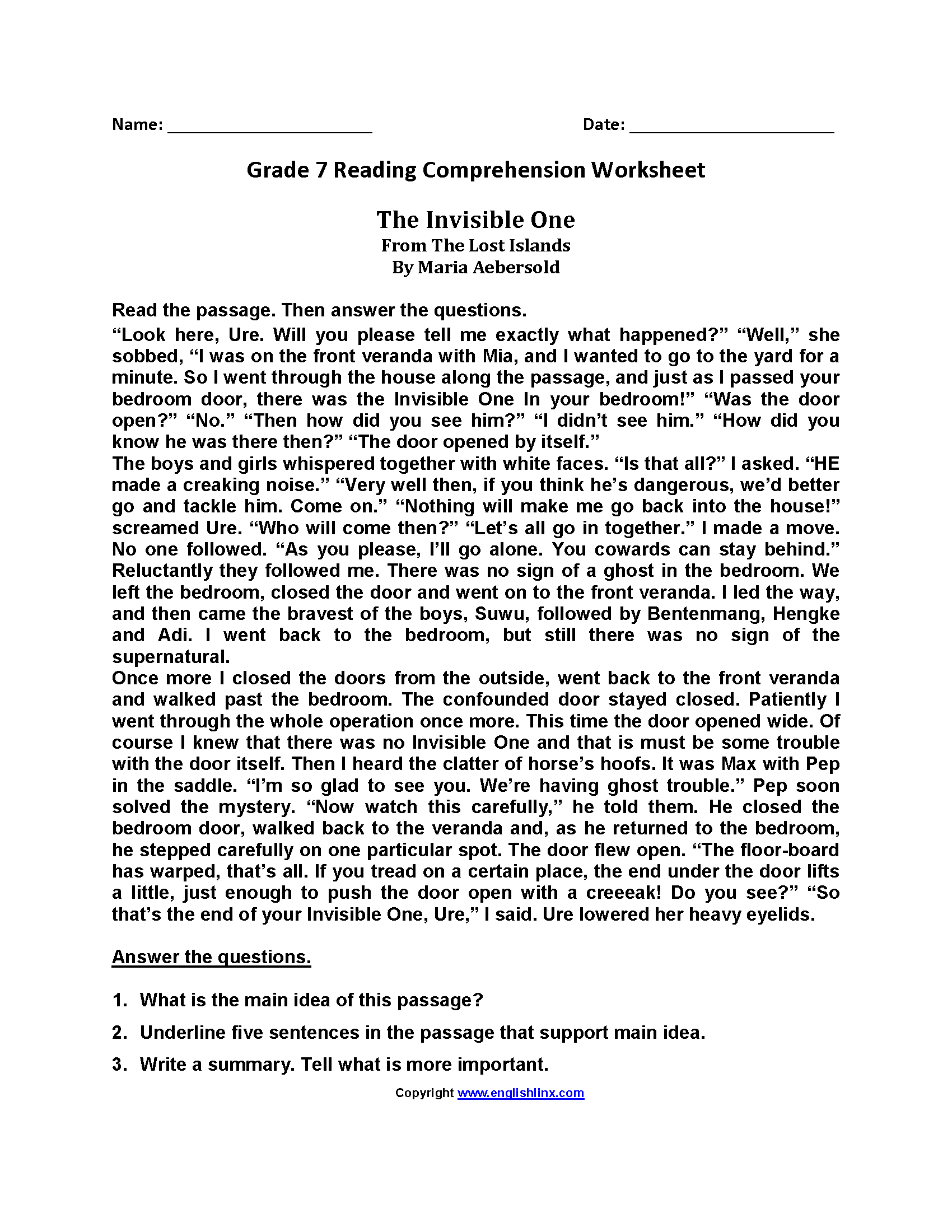
A worksheet that genuinely builds comprehension must contain several essential components. Below are the hallmarks educators should look for:
- Clear Objectives: Each page should start with a concise learning goal, such as “Identify the main idea and supporting details in a persuasive article.”
- Varied Text Types: Include narrative, expository, and mixed‑genre passages to expose students to the breadth of texts they’ll encounter on state assessments.
- Strategic Question Types: Combine literal recall, inferential reasoning, and evaluative prompts to move students through Bloom’s taxonomy.
- Vocabulary Integration: Highlight key terms, provide definitions, and ask students to use them in context.
- Visual Supports: Graphic organizers, charts, and annotation spaces help visual learners structure their thoughts.
- Differentiation Options: Offer extensions for advanced learners and simplified scaffolds for those who need extra support.
Choosing the Right Worksheet for Your Classroom
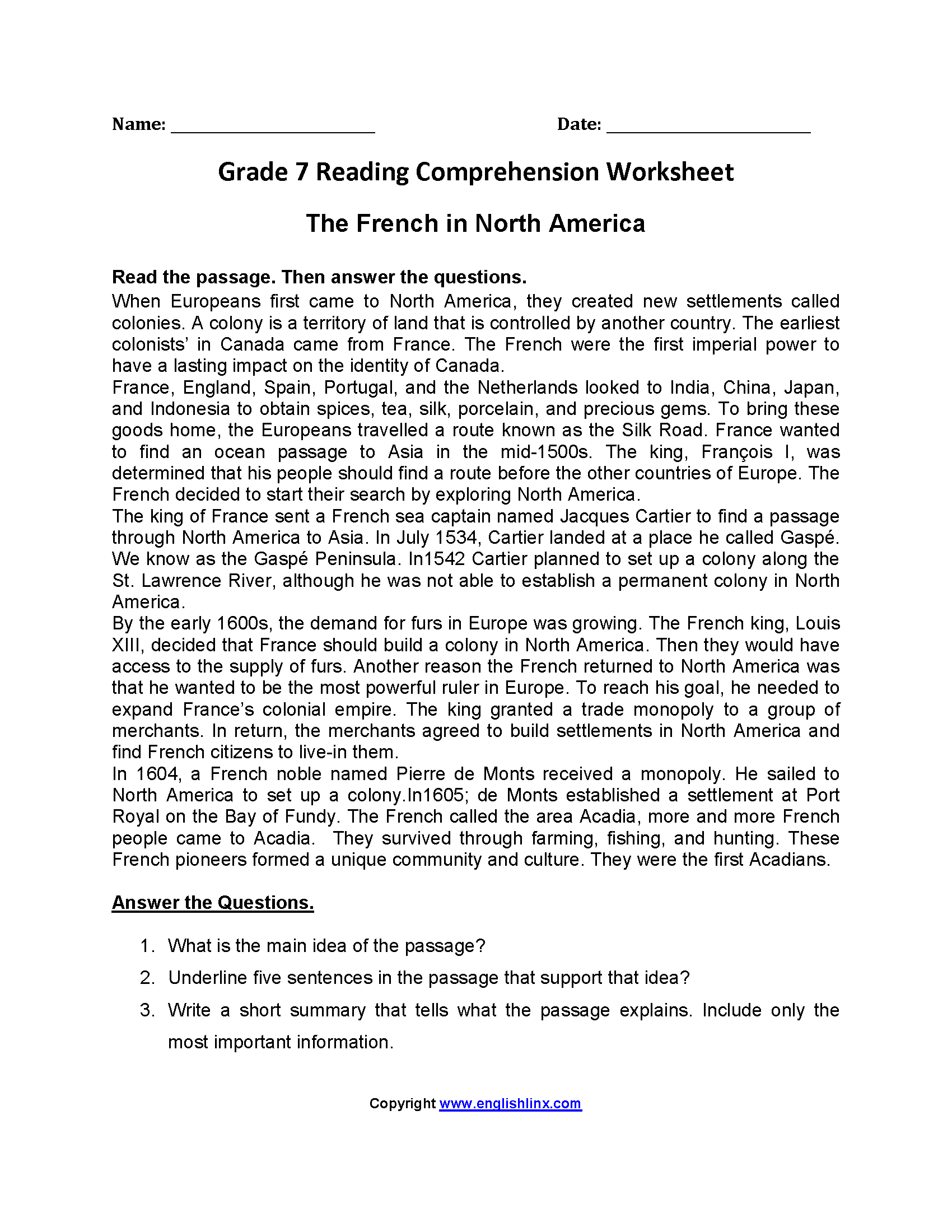
Not every worksheet will meet the unique needs of every class. Here’s a step‑by‑step guide to selecting the most effective materials.
Assess Curriculum Alignment
Start by cross‑referencing the worksheet’s objectives with your district’s Common Core or state standards. A quick checklist—main idea, inference, author’s purpose, text structure—can confirm alignment.
Evaluate Text Complexity
Use the Lexile framework or the Flesch‑Kincaid Grade Level to gauge readability. Aim for a Lexile range that challenges but does not overwhelm; for most 7th‑graders, 800‑1000L is a sweet spot.
Consider Student Diversity
Look for built‑in differentiation. Worksheets that provide sentence starters, word banks, or optional “challenge” questions enable you to meet a spectrum of reading abilities without creating separate assignments.
Test for Engagement
Preview the passage topics. Content that ties into current events, pop culture, or relatable teen experiences will naturally capture attention and foster deeper discussion.
Designing Your Own Custom Worksheets
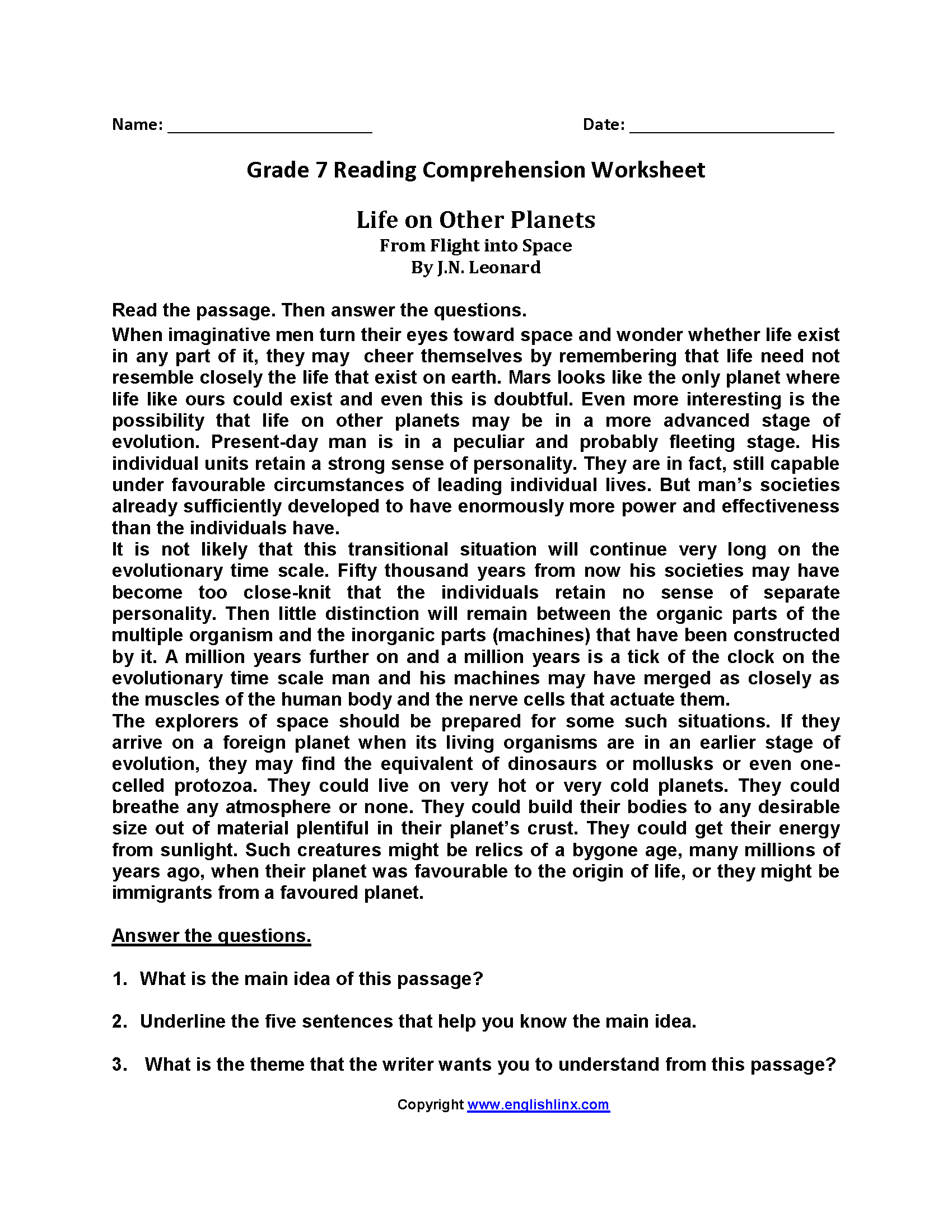
When existing resources don’t hit the mark, creating personalized worksheets can be a rewarding alternative. Follow these practical steps to craft effective, teacher‑made materials.
Select Authentic Texts
Choose articles from reputable sources—science magazines, news outlets, or literary excerpts—that align with your lesson focus. Authentic texts expose students to real‑world language patterns.
Draft Targeted Questions
Write at least three levels of questions for each passage: a literal question (e.g., “What does the author state about…?”), an inferential question (e.g., “What can be inferred about the character’s motivation?”), and an evaluative question (e.g., “Do you agree with the author’s conclusion? Why or why not?”).
Incorporate Graphic Organizers
Insert a Venn diagram, cause‑and‑effect chart, or story map where appropriate. These tools guide students in organizing information before they answer written prompts.
Add Vocabulary Activities
Highlight five to seven challenging words, provide definitions, and ask students to write each word in a sentence that reflects the passage’s meaning.
Proofread for Clarity
Run a quick readability check and ask a colleague to review the worksheet. Clear instructions prevent confusion and keep the focus on comprehension.
Integrating Worksheets Into Daily Instruction
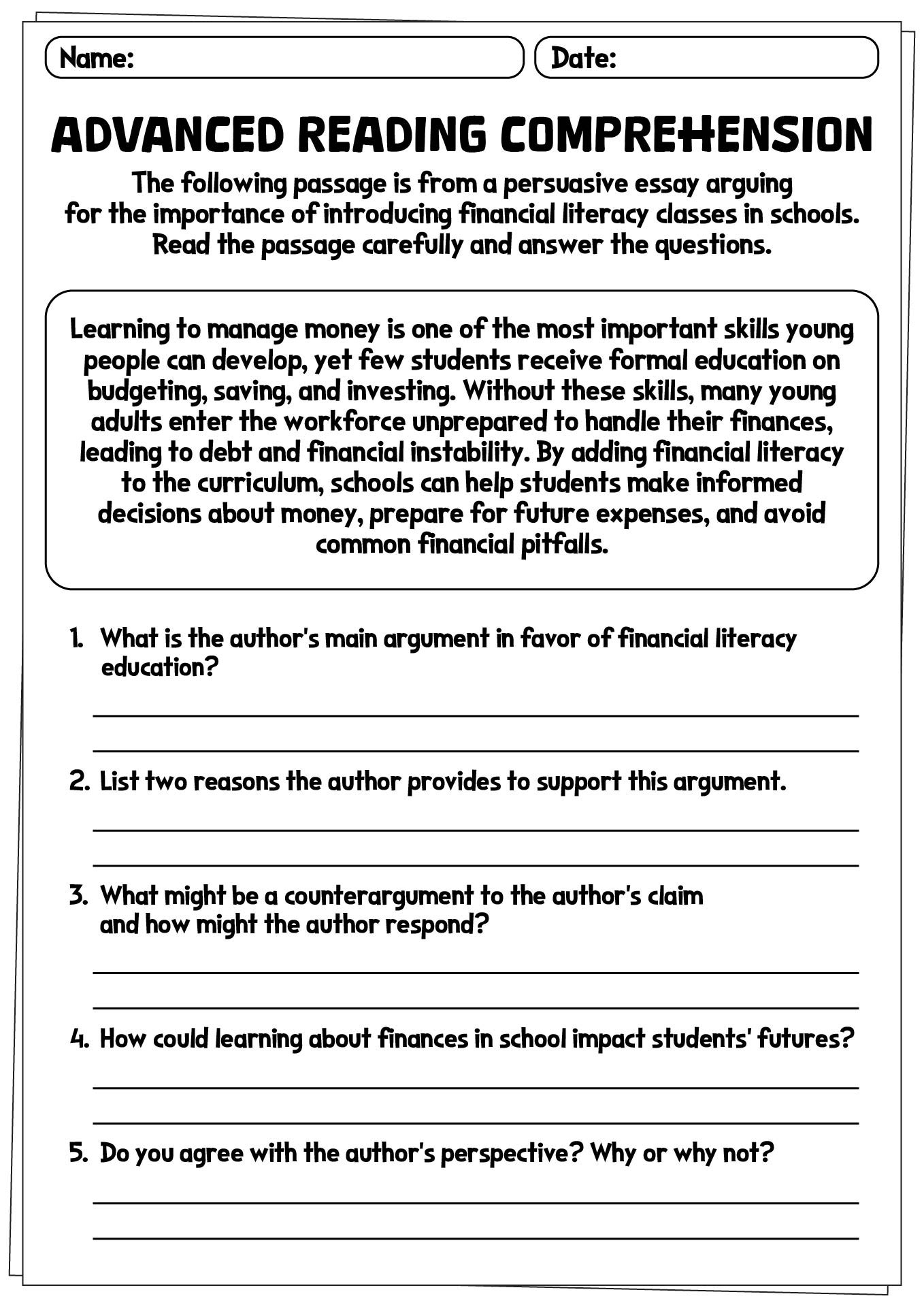
Worksheets are most effective when they become a seamless part of a broader instructional routine rather than a standalone task.
Warm‑Up Activities
Begin class with a short, low‑stakes worksheet that revisits a concept from the previous day. This reinforces learning and provides immediate feedback.
Guided Practice
Read a passage aloud while students follow along on a worksheet that contains margin notes. Pause to discuss key points, encouraging students to fill in graphic organizer sections collaboratively.
Independent Application
Assign a complete worksheet for homework or as a silent reading activity. Pair it with a quick exit ticket asking students to summarize the main idea in one sentence.
Reflective Review
Conclude the lesson by reviewing common errors on the board. Use a second worksheet that asks students to correct their mistakes, turning errors into learning moments.
Assessing Progress With Worksheet Data
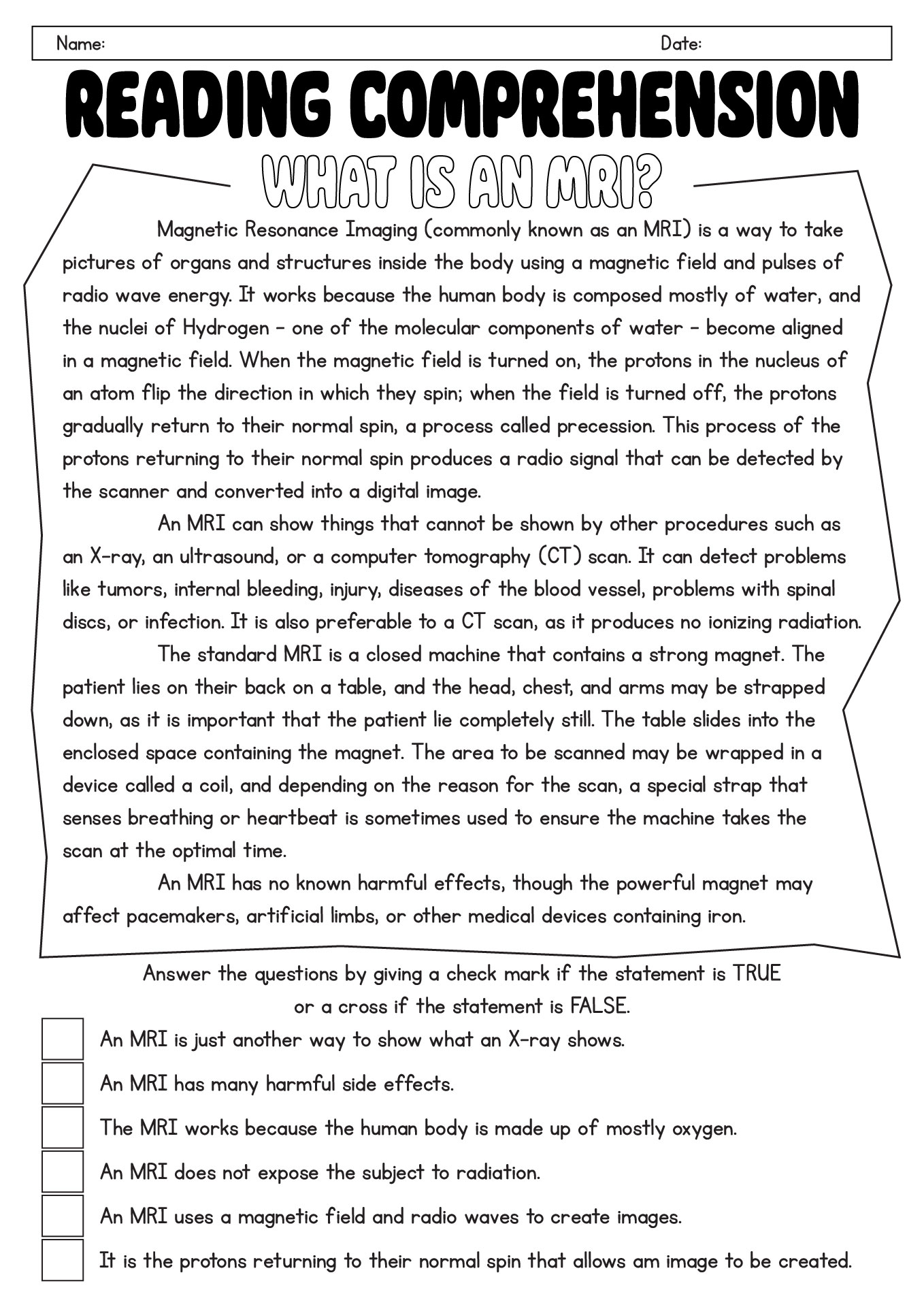
Beyond the immediate learning outcome, worksheets serve as valuable assessment tools. Here’s how to extract meaningful data.
Rubric Development
Create a simple rubric that scores each question type (literal, inferential, evaluative) on a 0‑2 scale. This standardizes grading and highlights specific skill gaps.
Trend Analysis
Collect scores over several weeks and plot them on a line graph. Look for upward trends in inferential reasoning, which often lag behind literal comprehension.
Feedback Loops
Provide concise, actionable feedback on each worksheet. For example, “Next time, support your inference with direct evidence from the text.” This guidance encourages self‑regulation.
Parent Communication
Summarize worksheet results in a weekly newsletter or email, offering suggestions for home practice. Engaging families reinforces classroom instruction.
Strategies for Engaging Reluctant Readers
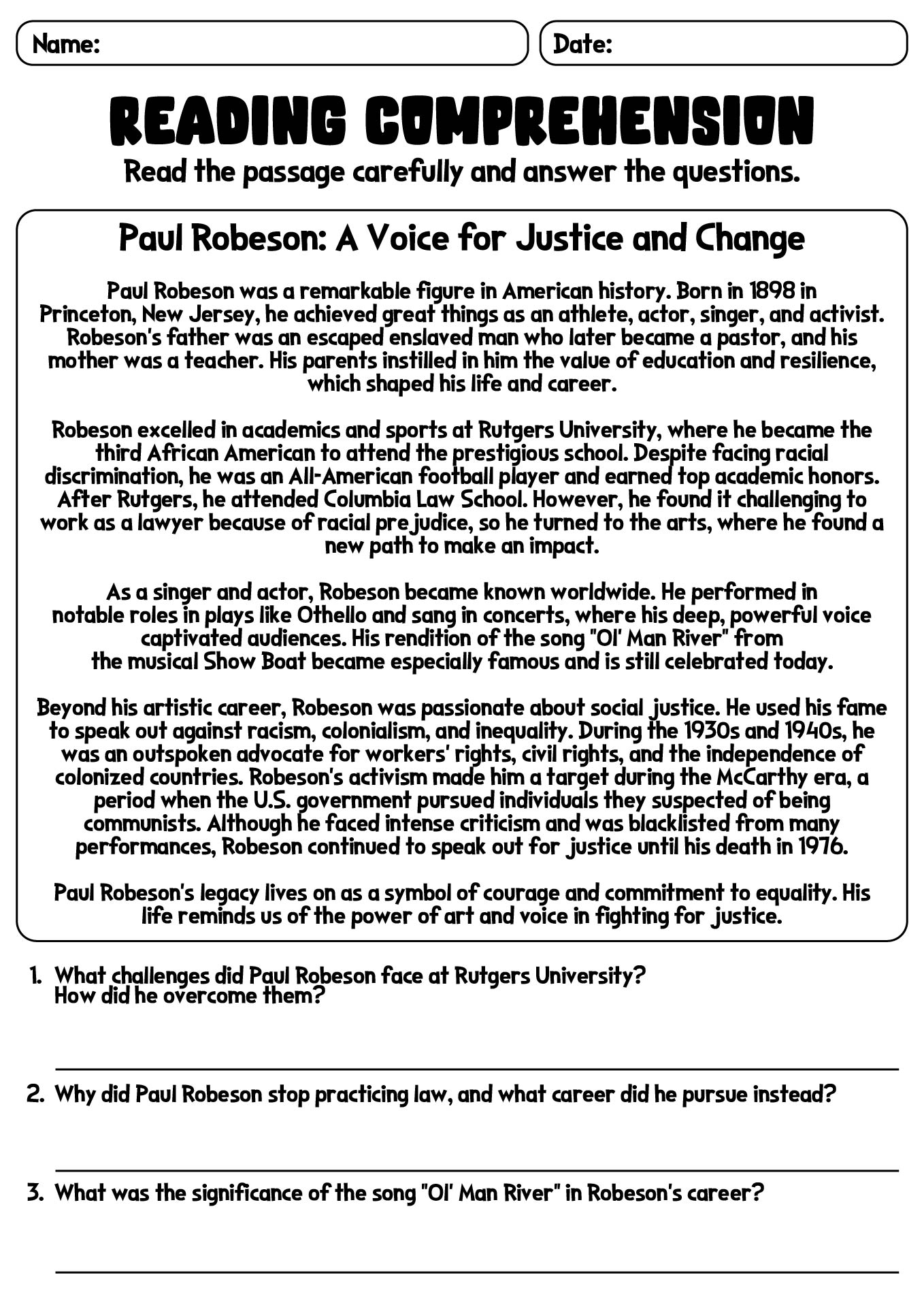
Even the most polished worksheet can fall flat if students lack intrinsic motivation. Below are proven tactics to spark interest.
- Choice Boards: Allow students to pick from multiple passages—science, sports, or fantasy—ensuring personal relevance.
- Gamified Elements: Turn worksheet completion into a point‑earning system, with badges for mastery of inference or vocabulary.
- Collaborative Pair‑Work: Pair stronger readers with peers for peer tutoring, using the worksheet as a shared resource.
- Multimedia Integration: Pair a short video clip with a related text, then have students answer worksheet questions that bridge both mediums.
- Real‑World Connections: Relate passage topics to upcoming school events, community issues, or student hobbies.
Free Printable Resources and Where to Find Them
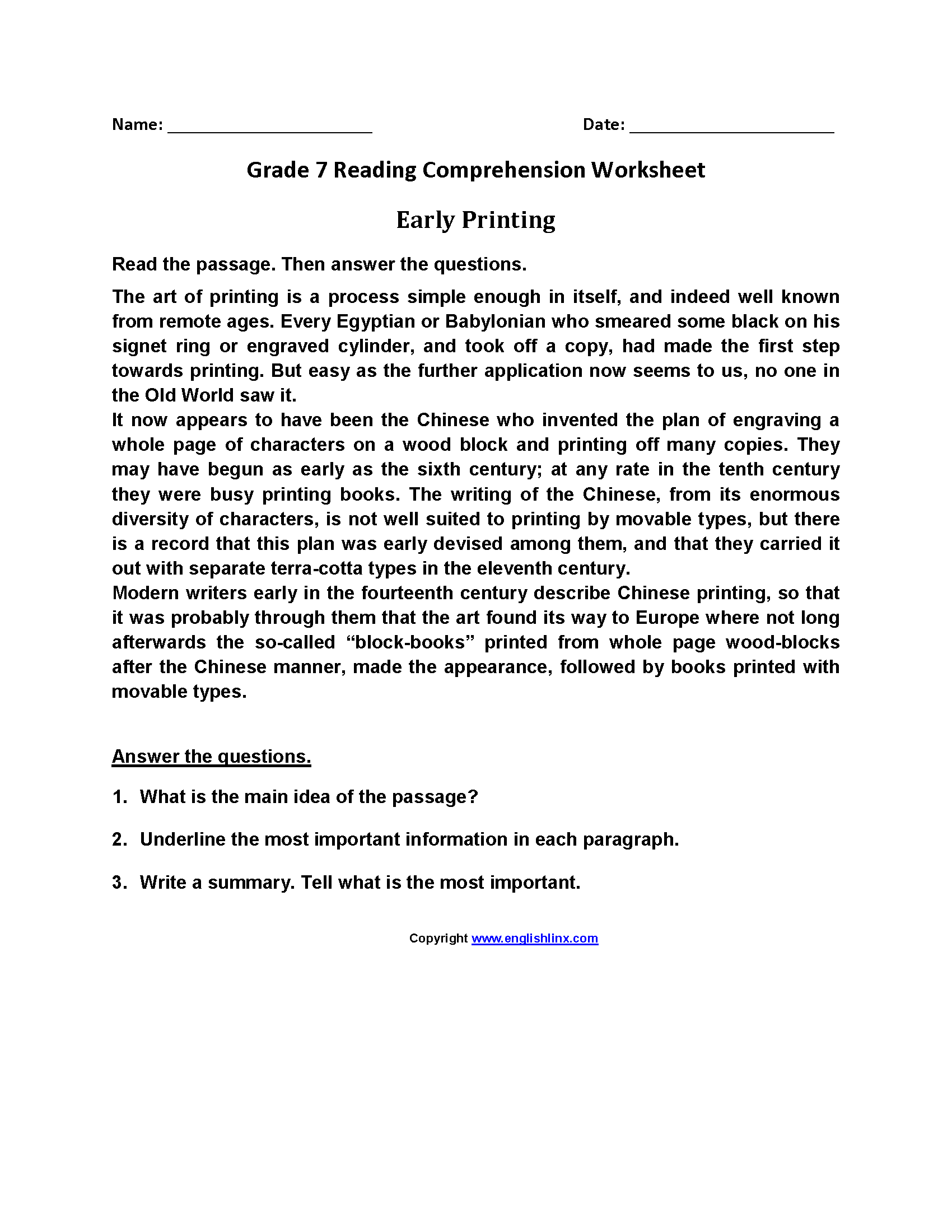
High‑quality worksheets don’t have to come with a price tag. Many reputable educational sites offer free, printable PDFs that meet the criteria outlined above. Look for resources that provide:
- Teacher‑ready answer keys for quick grading.
- Editable templates so you can customize passages or questions.
- Clear licensing that permits classroom use and adaptation.
By regularly rotating these free resources, you keep your curriculum fresh while maintaining alignment with standards.
Conclusion

Effective Reading Comprehension Worksheets 7th Grade act as a bridge between the foundational skills built in earlier grades and the sophisticated analytical demands of high school. By selecting materials that align with standards, incorporating varied text types, and embedding strategic question formats, teachers create a powerful engine for growth. Custom worksheets add a personal touch, while thoughtful integration into daily routines maximizes engagement and retention. Ongoing assessment and responsive feedback turn each worksheet into a diagnostic tool that informs instruction and celebrates student progress. With the right mix of authentic texts, differentiated support, and creative motivation strategies, seventh‑graders will not only master reading comprehension but also develop a lifelong love of reading that fuels success across all academic endeavors.